
23 Kulfi Recipes That Set Dense, Creamy and Unchurned
Updated July 16, 2026 · Curated by Chefadora
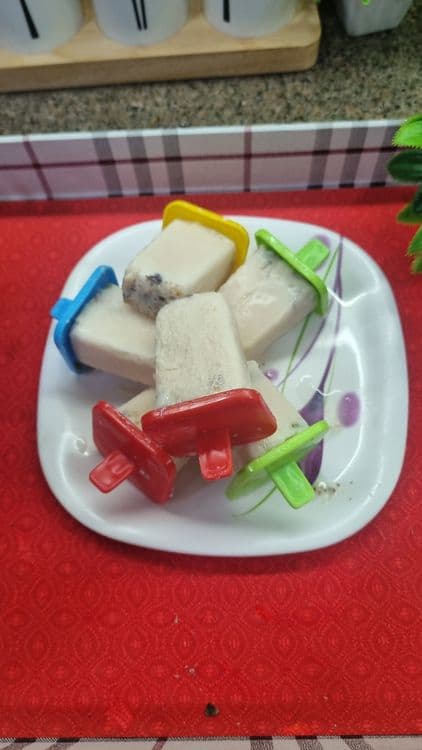
Kulfi is not ice cream with an Indian accent. It is a separate dessert with separate physics. Milk goes into a wide pan and stays there, reducing for the better part of an hour until it turns faintly beige and tastes of caramel and cooked cream. Then it gets sweetened, poured into narrow moulds, and frozen solid. Nothing churns it. No air is beaten in. The 23 kulfi recipes on this page all obey that rule, and it is why every one of them eats dense and slightly chewy against the teeth instead of fluffy on a spoon.
That density is also why these bars behave better in real heat. Less trapped air means slower melting, which is the whole reason the carts outside every Indian market sell them by the stick in May rather than scoops. Some cooks here take the long road with a pan and a wooden spoon. Others get to the same texture with mawa, condensed milk or a blender and ten honest minutes.
I have grouped all 23 by how you actually decide: what is ripe, how much time you have, and whether the stove is negotiable today.
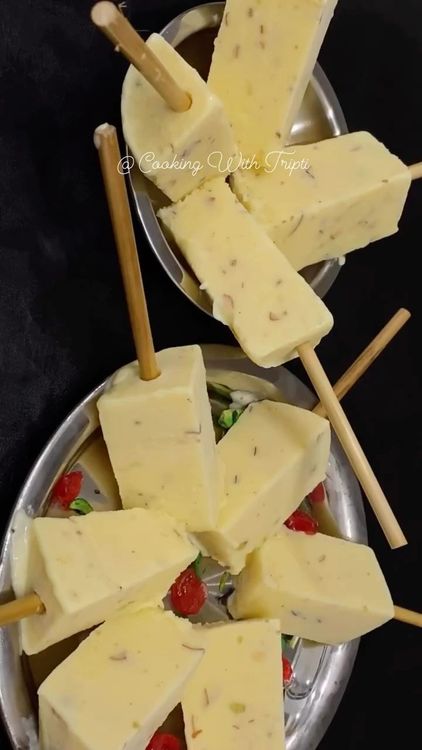
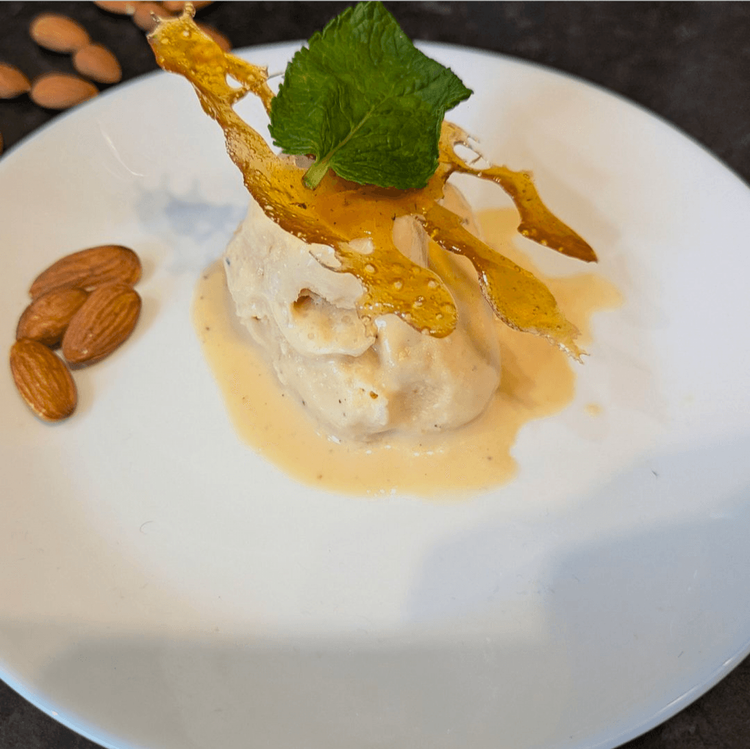
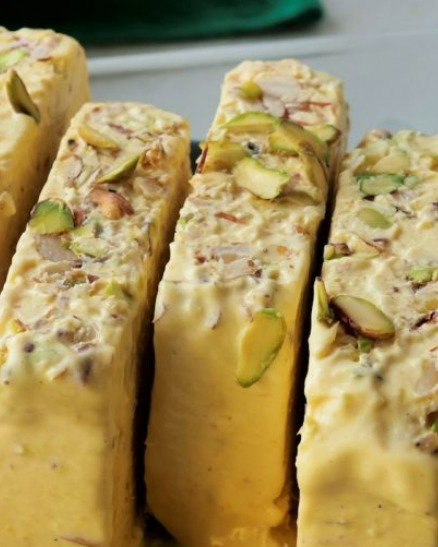
Classic Malai Kulfi Recipes to Master First
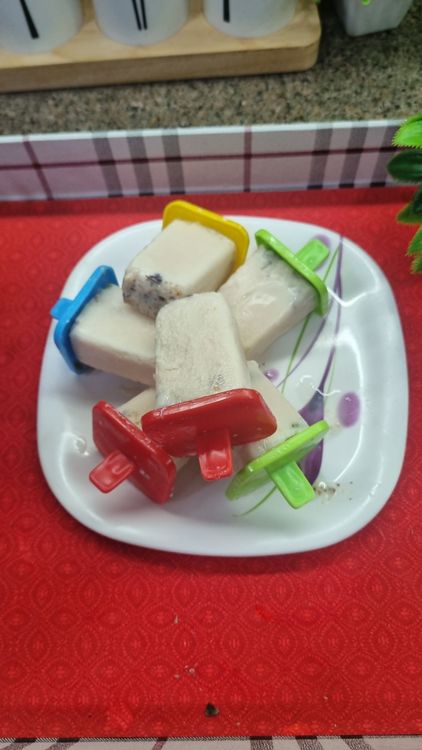
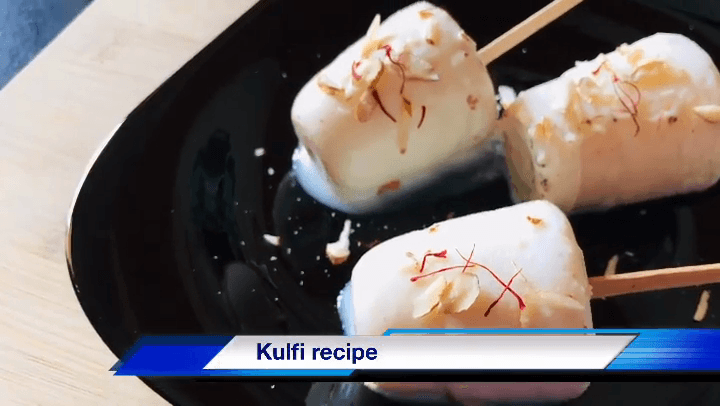
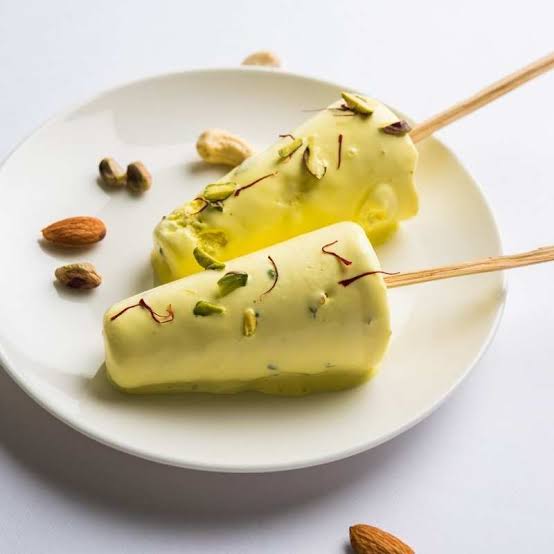
Start plain. A good malai kulfi has nowhere to hide: reduced milk, sugar, cardamom, maybe pistachio, and that is the whole argument. Get this right and every flavoured version afterwards is just a fold-in. The six here range from a two-ingredient set to a fifty-minute reduction, and they teach you the two textures that matter — the slightly grainy chew that comes from milk solids catching gently on the pan, and the clean, silky set you get when you scrape those solids back in and stir. Taste the base warm before it goes in the moulds. Freezing mutes sweetness by roughly a third, so it should taste faintly too sweet at room temperature or it will land flat and chalky.

- Indian
- Vegetarian
- Snack
- Indian
- Vegetarian
- Dessert

- Indian
- Vegetarian
- Dessert
- Indian
- Vegetarian
- Dessert
- Indian
- Vegetarian
- Dessert
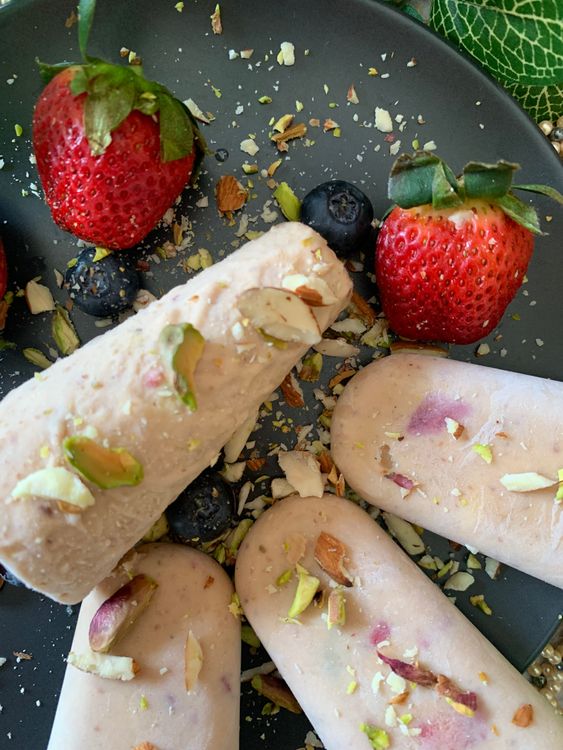
Mango, Guava and Fruit-Forward Sets
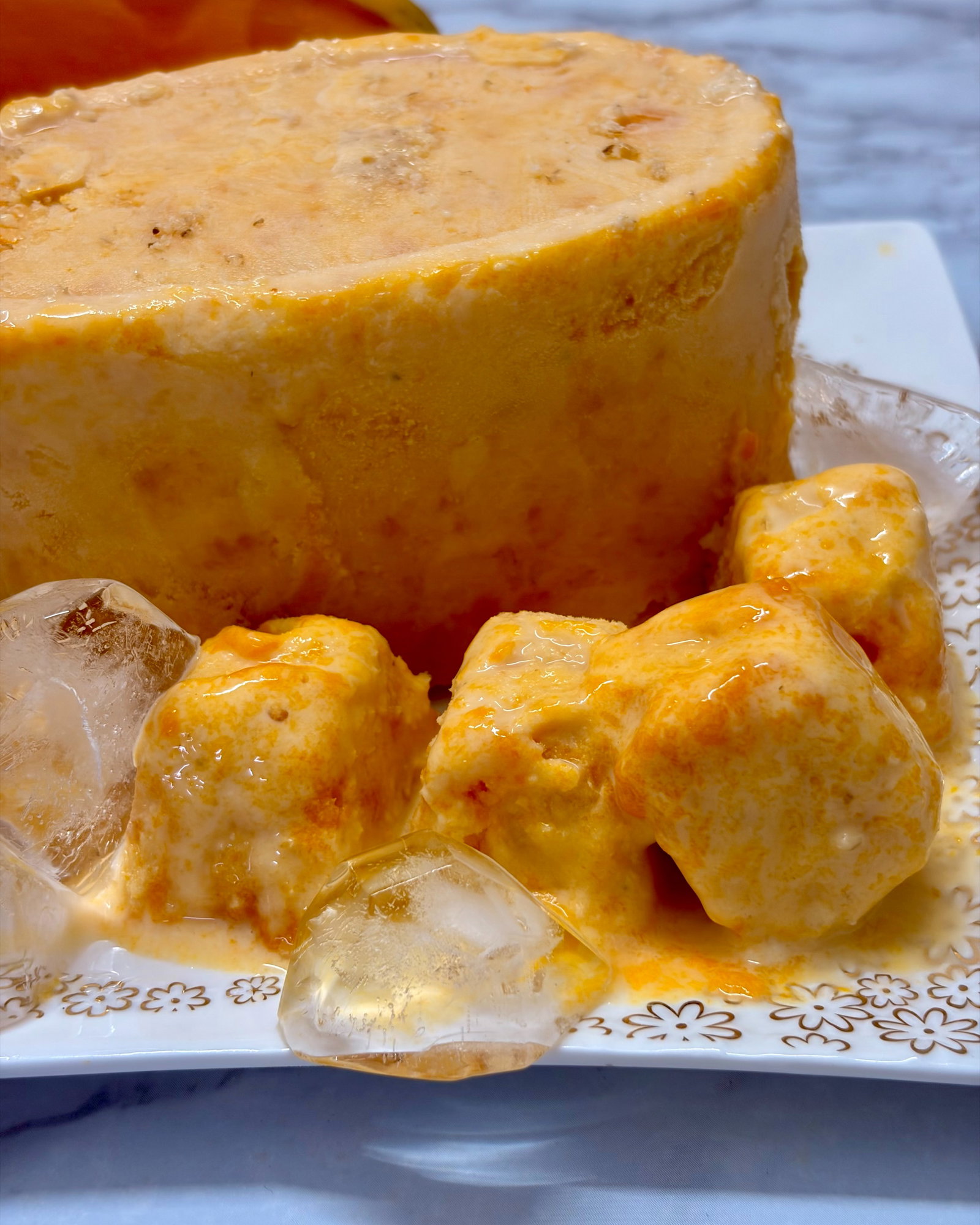
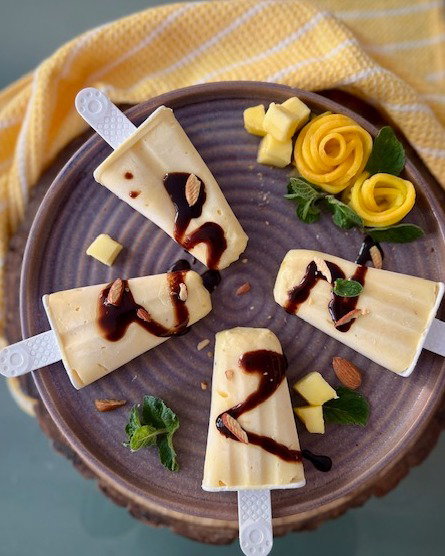
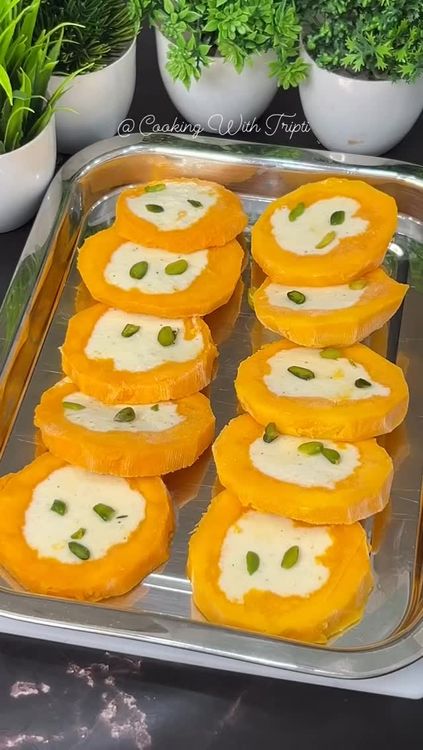
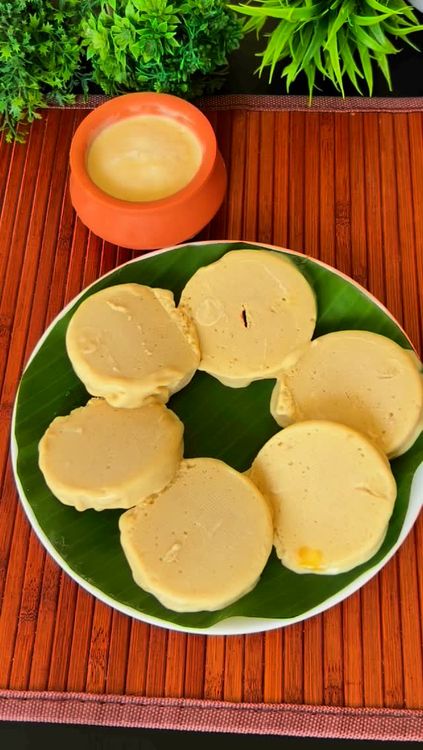
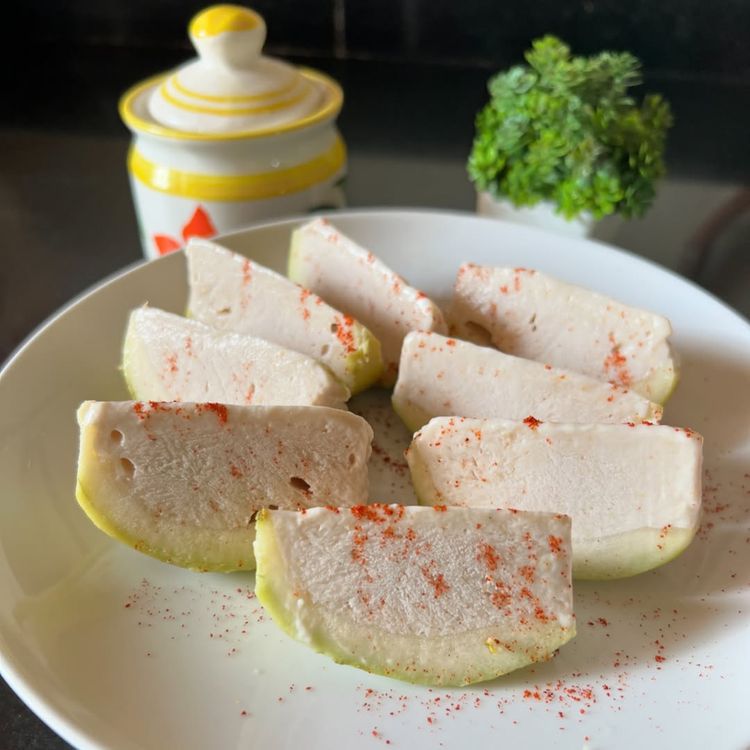
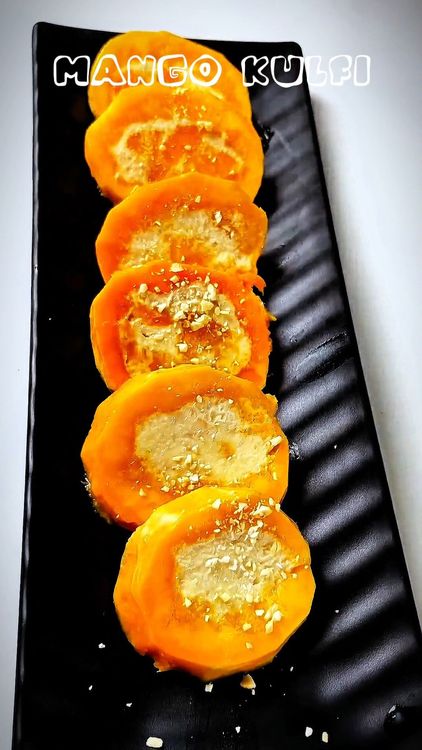
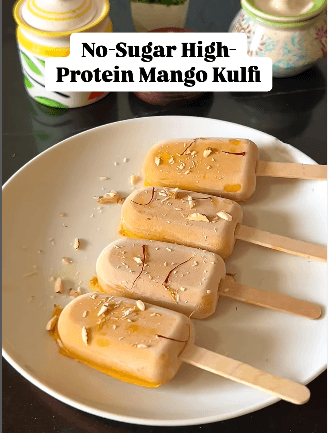
Mango kulfi is the version that converts people, and it is also the one most often ruined. Fruit brings water, and water makes ice crystals. The fix is not more cream — it is less liquid: use thick pulp rather than juice, fold it in cold rather than boiling it into the milk, and let the mawa or condensed milk carry the body. Alphonso and Kesar pulp are sweet enough that you can cut the added sugar noticeably. Guava is trickier, more perfume than sugar, so it wants a richer base behind it. These six run from a forty-five-minute stovetop version to a whisk-and-freeze job with no pan at all.

- Indian
- Vegetarian
- Dessert
- Vegetarian
- Dessert

- Vegetarian
- Dessert
- Indian
- Vegetarian
- Dessert
- Indian
- Vegetarian
- Dessert
- Indian
- Vegetarian
- Dessert
Matka, Mawa and the Slow Traditional Method
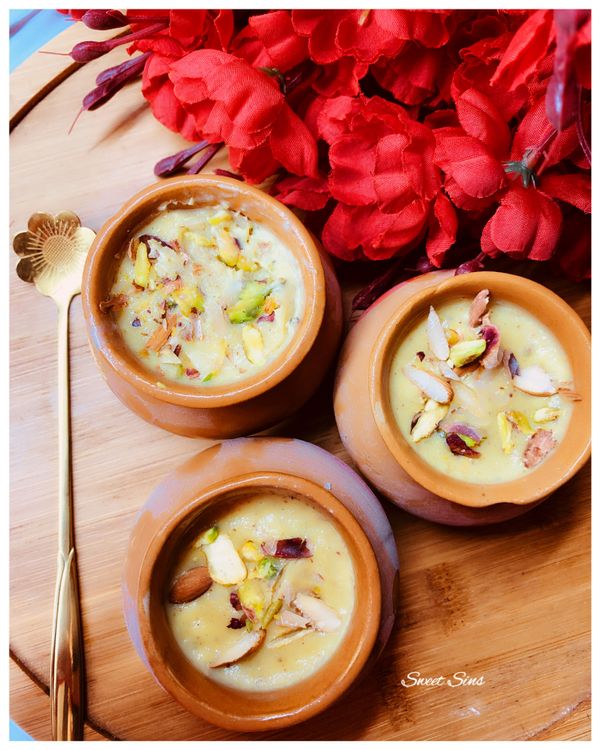
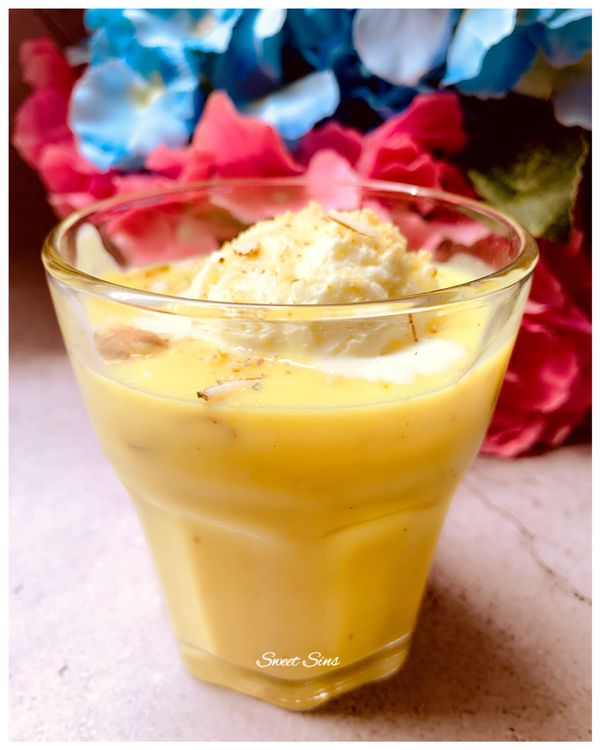
This is the old way, and the difference is not romance — it is measurable. Matka kulfi sets in unglazed clay, and the clay wicks moisture out through the wall as it freezes, which concentrates the mixture at the edges and gives you that faintly sandy, earthy bite you cannot fake in steel. Soak new pots in water for an hour first or they will drink your base. Mawa does related work from the inside: it is milk already reduced, so it shortcuts an hour of stirring while keeping the fat and solids high. These three take between an hour and ninety minutes, and they are the ones I make when the point is the dessert itself, not dessert after dinner.

- Indian
- Vegetarian
- Dessert
- Indian
- Vegetarian
- Dessert
- Indian
- Vegetarian
- Dessert
Thandai, Chocolate and Nutty Flavours
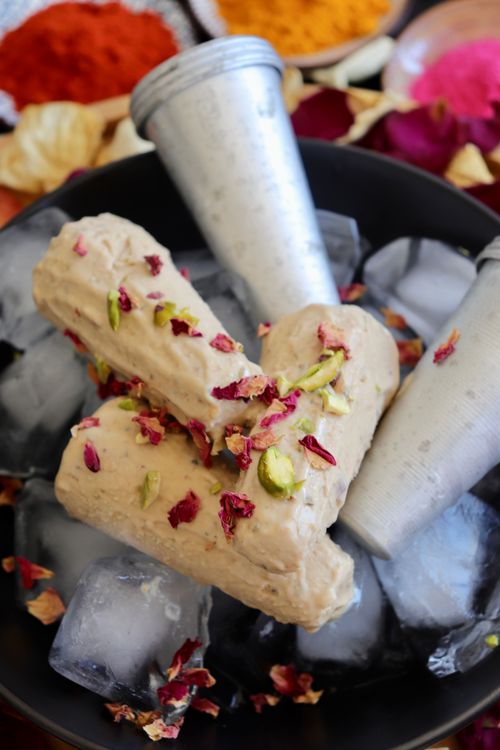
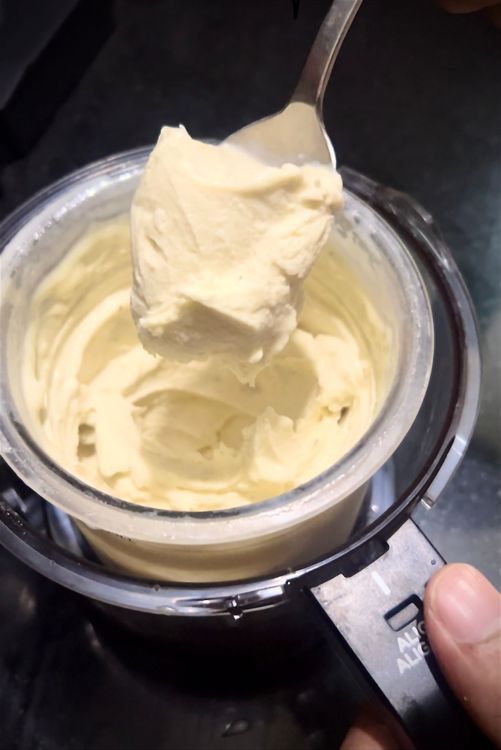
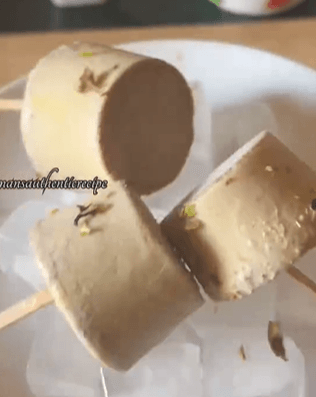
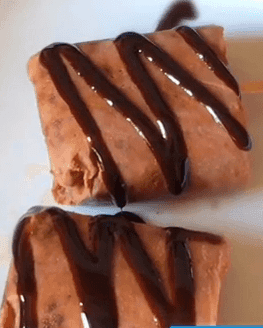
Spice and cocoa both fight a milk base, so they need a heavier hand than you expect. Thandai — fennel, poppy seed, melon seed, black pepper, rose, cardamom — is the classic Holi pairing, and the pepper especially reads as half its strength once frozen. Grind the seeds fine or they turn to grit on the tongue. Cocoa needs to be bloomed in a little hot milk before it joins the rest, or it stays dusty. Nuts want toasting first: raw cashew and makhana taste of nothing, roasted they taste of toffee. Five recipes here, including a premix you grind once and use all season, and a machine-made kulfi ice cream for anyone with a Creami sitting idle.
- Indian
- Vegetarian
- Dessert

- Indian
- Vegetarian
- Dessert
- Continental
- Vegetarian
- Dessert
- Indian
- Vegetarian
- Dessert
- Indian
- Vegetarian
- Dessert
No-Cook, No-Sugar and High-Protein Shortcuts
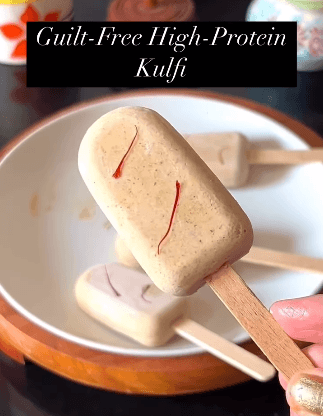
There is no shame in the tin. Condensed milk is reduced, sweetened milk — precisely what an hour of stirring produces — so a base built on it starts where the long method finishes. Greek yoghurt and milk powder do a similar job while pushing protein up and sugar down, and ripe fruit can carry the sweetness alone if it is properly ripe. What you give up is the toasted, caramelised note that only comes from a pan and patience. What you get back is ten minutes instead of ninety. These three are the ones I hand to anyone who says they cannot make dessert, and they freeze just as hard as the traditional sets.
- Indian
- Vegetarian
- Snack
- Indian
- Vegetarian
- Dessert
- Indian
- Vegetarian
- Snack
Kulfi vs Ice Cream: Why It's Dense, Not Churned
The difference is air. Commercial ice cream is churned specifically to whip air into the base — that volume is called overrun, and it can be anywhere from twenty per cent in a good gelato to a hundred per cent in the cheap tubs, meaning half the carton is literally air. Churning also keeps ice crystals microscopic by breaking them up as they form. The result is light, scoopable and quick to melt on your tongue.
The traditional method does the opposite. The base is frozen still, undisturbed, in a narrow mould. Overrun is effectively zero. So why is it not a block of ice? Because the milk was reduced first. Boiling off water for an hour concentrates fat, protein and lactose to the point where there simply is not enough free water left to form big crystals, and the surviving solids get in their way. That is the real trick — crystal control by evaporation rather than by agitation.
You taste the consequences immediately. A kulfi ice cream hybrid made in a machine will be softer and airier than a mould-set bar; the classic bar is heavier, chewier at the edges, and melts slowly enough to eat outdoors in forty degrees. It also carries a cooked, caramelised, faintly nutty flavour that no ice cream has, because ice cream custard is never taken that far. Different dessert, different physics, same freezer.
Reducing Milk (Rabri) the Patient Way
If you only learn one technique from this page, learn this one, because how to make kulfi properly is really just how to reduce milk properly. Use full-fat milk and the widest, heaviest pan you own — surface area is what drives evaporation, and a tall narrow pot will double your time. Bring it to a boil, then drop to a steady medium-low simmer. You are aiming to take one litre down to roughly a third over forty to sixty minutes.
The part people skip: the skin. As it simmers, a layer of malai forms on top, then catches on the sides of the pan. Do not throw it away and do not stir it back in immediately. Push it to the side of the pan, let it dry and toast slightly against the hot metal, and scrape it back in every ten minutes or so. Those toasted solids are the entire flavour of a proper malai kulfi. Scrape the bottom regularly with a flat wooden spatula so nothing scorches — one burnt patch will taint the whole batch, and there is no rescuing it.
Add sugar only near the end. Sugar early means longer contact with heat and a higher risk of catching, and it slows evaporation slightly. Cool the base fully in the fridge before it goes anywhere near a mould, or the residual heat will melt frost off the freezer walls and give you ice on top.
Moulds, Matkas & Unmoulding Cleanly
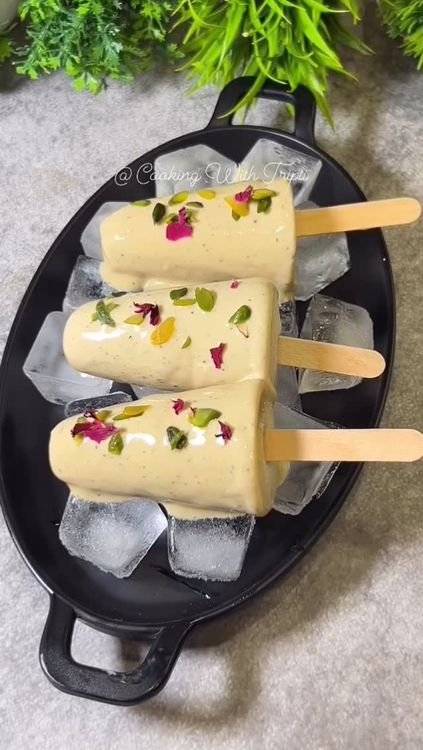
The classic mould is a cone of tinned steel, and its shape is doing work: narrow and tall means a small surface area at the top and a fast, even freeze from all sides, which again means smaller crystals. Steel conducts cold far better than plastic, so a steel set will firm up noticeably quicker. If you have neither, use paper cups with a wooden stick pushed through foil, or a small loaf tin lined with cling film and cut it into slabs later.
Matka kulfi is its own category. Unglazed clay is porous: as the base freezes, the pot draws moisture outward through its wall, so the mixture concentrates and picks up a mineral, rain-on-dust note from the earth itself. Soak new pots in water for an hour and dry them before filling, otherwise they will steal liquid from your base and leave the outside crumbly.
Unmoulding is where good batches die. Do not run the mould under hot water — that melts a slick layer and you lose the surface. Instead, hold it in your palms for twenty seconds, or dip it in room-temperature water for five, then twist gently and it will release with a small sucking sound. Run a thin knife around the rim if it resists. Slice frozen with a warmed blade, wiped between cuts, and serve straight away. A bar left out for five minutes is already sweating.
Pro Tips
- Oversweeten the warm base deliberately. Cold suppresses sweetness by roughly a third, so a mixture that tastes correct at room temperature will taste bland and chalky straight from the freezer.
- A tablespoon of cornflour slurry or a small handful of crumbled bread whisked into the simmering milk thickens the base without any dairy flavour, and it is the standard cheat when you cannot spare a full hour of reduction.
- Freeze at the coldest setting your freezer has, and push the moulds to the back wall rather than the door shelf. Faster freezing means smaller crystals; a door shelf that swings open twenty times an evening guarantees a gritty malai kulfi.
- For mango kulfi, taste the pulp first and adjust sugar down accordingly — Alphonso and Kesar are dramatically sweeter than tinned pulp or a supermarket Tommy Atkins, and a base built to a fixed recipe will come out cloying.
- Toast pistachio and almond in a dry pan for two minutes and chop them by hand, never in a grinder. Grinders release oil and turn nuts into paste, which streaks the base grey instead of leaving clean green flecks.
- Cover the moulds with foil before the lid goes on, and eat the batch within three weeks. Uncovered dairy in a freezer picks up onion and garlic within days, and no amount of cardamom will cover it.
Frequently Asked Questions
Are these kulfi recipes hard for a complete beginner?
Not remotely. The hardest one asks you to stir milk in a wide pan for an hour and not walk away, which is patience rather than skill. Several here need no stove at all — a blender, condensed milk and ten minutes. Start with a two-ingredient or five-ingredient version and the technique will make sense immediately.
How to make kulfi without an ice cream machine?
You never needed one. The whole point is that the base is frozen still, without churning. Reduce full-fat milk until it is thick, sweeten it, cool it completely, pour into narrow moulds and freeze for six to eight hours. A machine would beat air in and give you exactly the light texture you are trying to avoid.
Why did mine come out icy and crystalline?
Too much free water. Either the milk was not reduced far enough, or you added fruit juice instead of thick pulp, or the base went into the freezer still warm. Reduce harder, use pulp not juice, chill the mixture fully in the fridge first, and freeze fast at the back of the freezer rather than in the door.
What actually makes matka kulfi taste different?
The clay. Unglazed pots are porous, so moisture migrates out through the wall while the mixture freezes, concentrating it and adding a faint mineral, petrichor-like note from the earth. The edges set slightly drier and sandier than the middle. Soak new pots in water for an hour first or they will pull too much liquid from your base.
Can I make malai kulfi vegan or dairy-free?
Yes, with a change of expectation. Full-fat coconut milk reduces well and sets firm, though the coconut flavour is loud. Cashew cream blended thick is closer in body and much more neutral. Oat and almond milks lack the fat and protein to set properly on their own and will need cornflour or soaked cashew to carry them.
How long does mango kulfi keep in the freezer?
About three weeks at good quality, longer if you only care about safety. Fruit versions decline faster than plain ones because fruit fibre goes woolly with time. Wrap each mould in foil or seal them in a box; uncovered dairy absorbs freezer smells within days, and defrosting cycles in a frost-free unit slowly build crystals.
What is the difference between kulfi ice cream and the traditional bars?
Machine-made versions are churned, so air gets whipped in and they scoop soft like gelato. Traditional bars are set still in moulds with essentially zero air, which is why they eat dense, chewy and melt slowly. Both taste of reduced milk and cardamom; the texture is where they part company entirely.
How do I get it out of the mould in one piece?
Never use hot water — it melts the surface and ruins the finish. Warm the outside with your palms for twenty seconds, or dip in room-temperature water for five, then twist gently and it releases cleanly. If it sticks, run a thin knife around the rim. Slice with a warmed blade and serve straight away.
What ties these 23 kulfi recipes together is a refusal to churn. No machine, no air, no shortcut around the freezer — just milk cooked down until it means something, sweetened, and left alone to set hard. Pick the ten-minute one on a Tuesday and the ninety-minute one when it matters. Both eat dense, and that is the point.
Related
- indian desserts
- frozen desserts
- summer sweets
- no-cook desserts
- make ahead
- holi
Popular Searches
- Best kulfi recipes
- Easy kulfi recipes
- Quick kulfi recipes
- Healthy kulfi recipes
- Simple kulfi recipes
- Homemade kulfi recipes
- Delicious kulfi recipes
- Popular kulfi recipes
- malai kulfi
- mango kulfi
- matka kulfi
- how to make kulfi
Marnirni-apinthi Building, Lot Fourteen,
North Terrace, Adelaide, South Australia, 5000
Australia
