
19 Easy Puff Pastry Recipes for Every Occasion
Updated July 9, 2026 · Curated by Chefadora
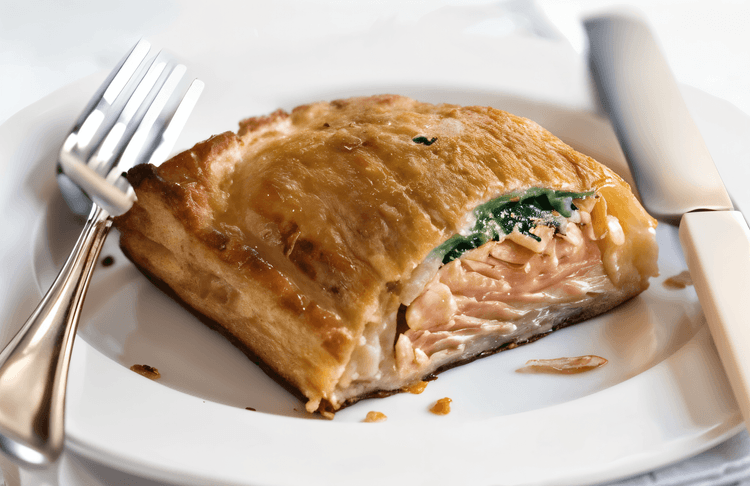
A single sheet of store-bought pastry is the closest thing I know to a kitchen shortcut that still feels like showing off. These puff pastry recipes lean on that everyday magic: buttery, laminated dough that shatters into hundreds of golden layers, wrapped around everything from salmon to Nutella. I have baked my way through savory sausage rolls, cheesy bites, oozing baked brie, and sweet turnovers, and the collection below gathers 19 of my favorites in one place. Whether you keep a box of frozen sheets in the freezer or roll your own from scratch, there is something here for tonight's dinner and next week's party.
What I love most is the range. The same frozen block becomes a fast weeknight dinner, a fancy dinner-party centerpiece, or a tray of cookies for a bake sale. Below I have sorted every recipe into savory mains, party bites, sweet pastries, and from-scratch projects, plus my hard-won notes on thawing, egg wash, oven temperature, and coaxing out that dramatic lift every single time you bake.
A few of these have become genuine staples in my house. The ham and cheese bites turn up whenever friends drop by unannounced, the baked brie is my default contribution to any potluck, and a batch of palmiers keeps the kids busy on a rainy afternoon. Start with whichever one matches your mood, and you will quickly see why a sheet of pastry is the most useful thing in my freezer.
Savory Puff Pastry Recipes for Dinner
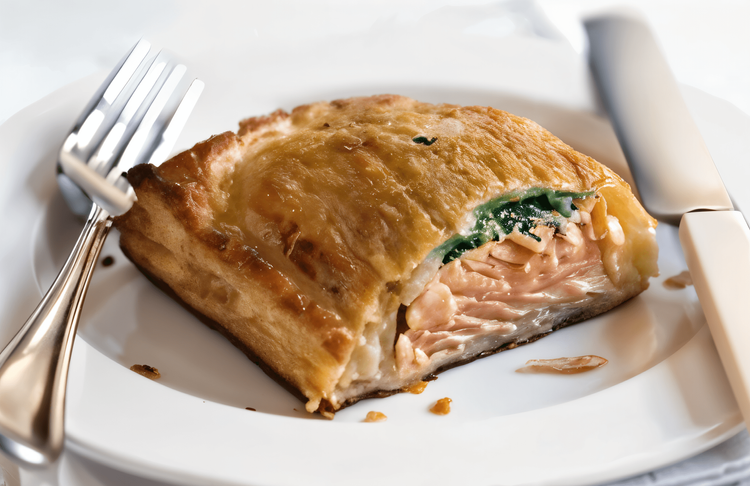
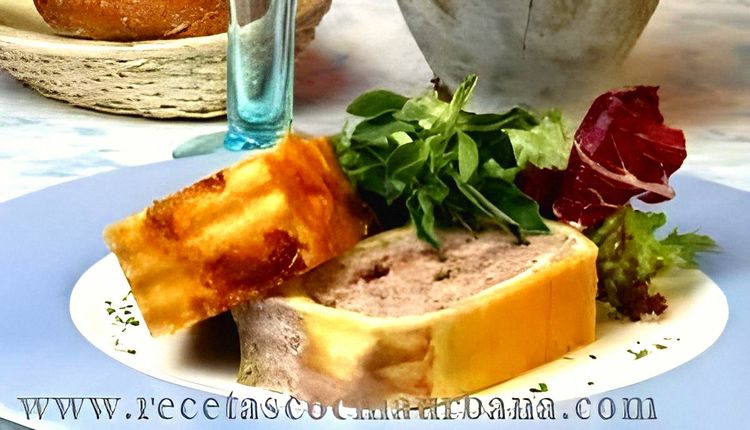
This is where the pastry earns its keep at the dinner table. Wrapping fish, poultry, or a rich pate in pastry keeps the inside moist while the crust turns deep golden and crisp. Bake these on the lower oven rack so the base cooks through, and always brush the top with egg wash for shine. Most come together in under an hour, and several can be assembled ahead and chilled until you are ready to slide them in at 200C/400F.
- European
- Pescatarian
- Lunch
- Mexican
- Non-Vegetarian
- Appetiser
- Chinese
- Non-Vegetarian
- Appetiser
- French
- Non-Vegetarian
- Lunch

- European
- Gluten-Free
- Lunch
Party Bites, Snacks & Starters to Share
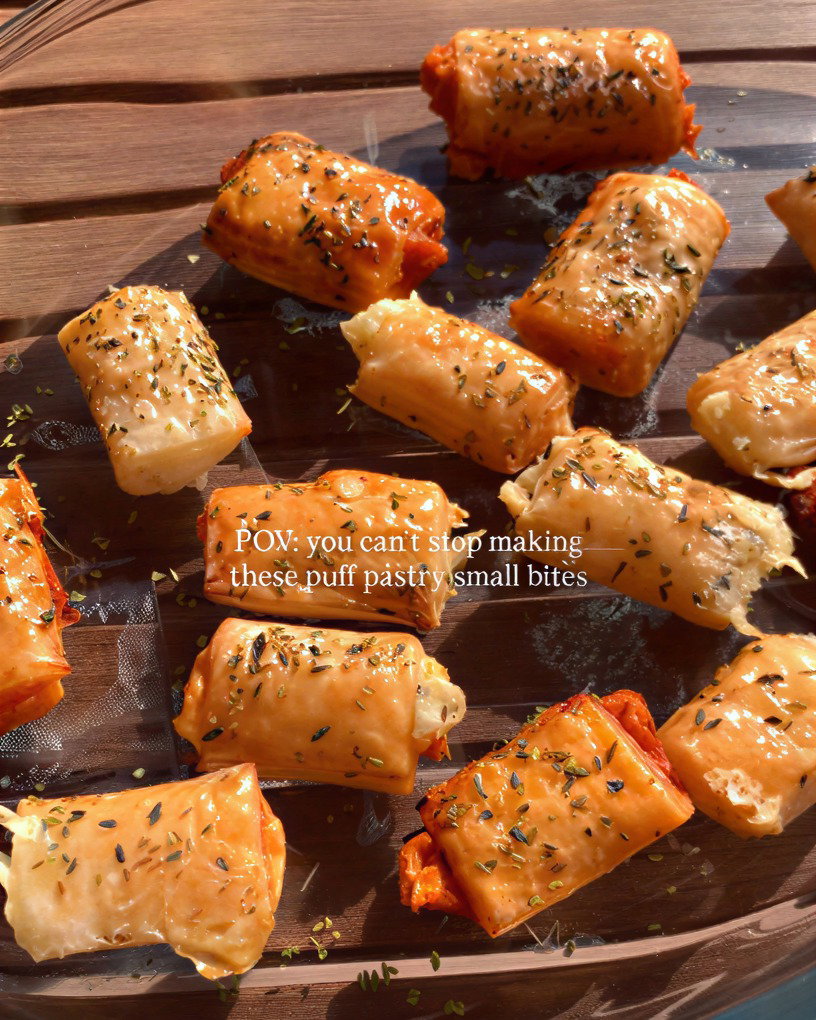
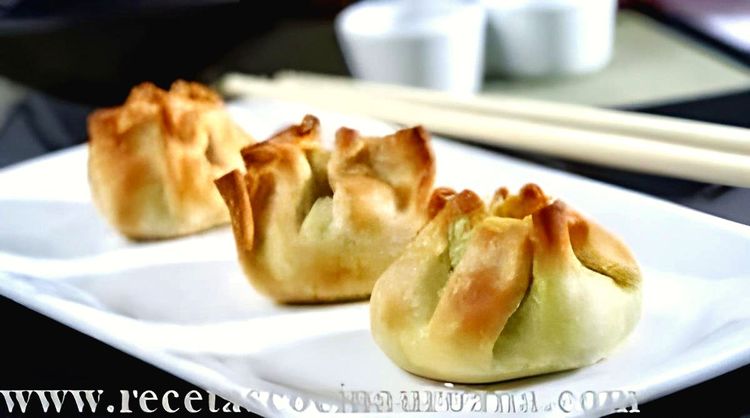
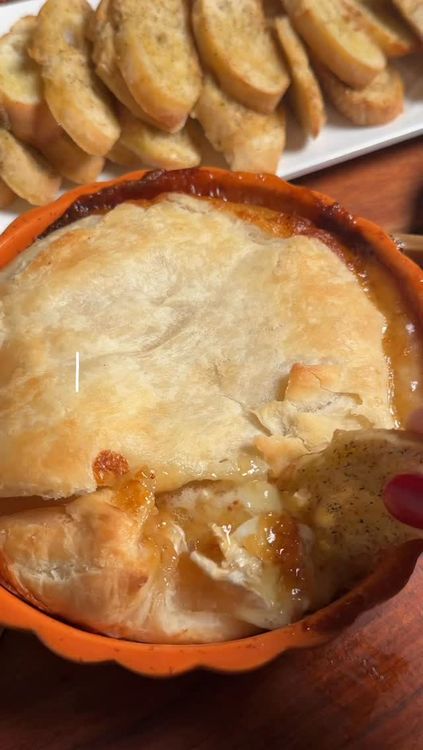
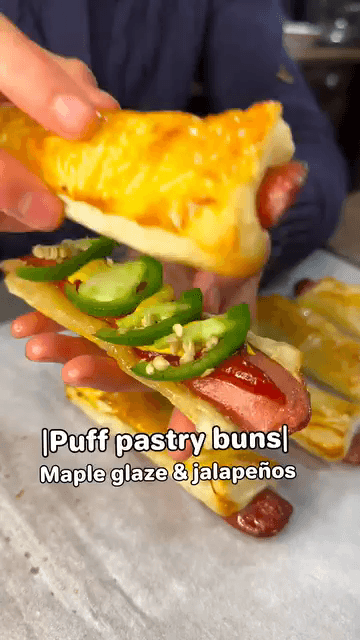
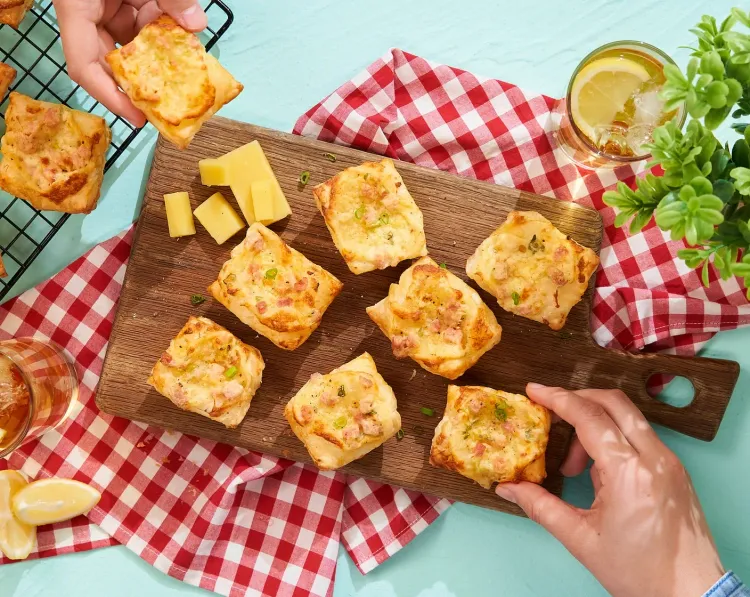
When people ask me for easy savory recipes using puff pastry, this is the group I point them to. Bite-size parcels, spirals, and stuffed brie disappear fastest at any gathering, and they forgive a lot of last-minute rushing. Cut clean edges with a sharp knife so the layers can rise, leave a little space between pieces on the tray, and serve them warm. A good dipping sauce never hurts, and everything here scales up easily when the guest list grows.

- Gluten-Free
- Snack
- International
- Vegetarian
- Lunch
- International
- Eggetarian
- Appetiser

- French
- Vegetarian
- Appetiser

- American
- Non-Vegetarian
- Snack
- American
- Non-Vegetarian
- Appetiser
Sweet Puff Pastry Pastries & Desserts
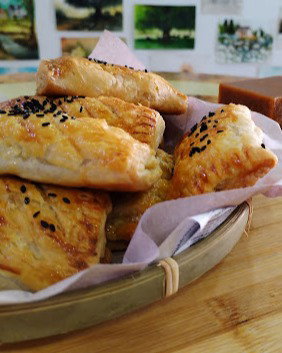
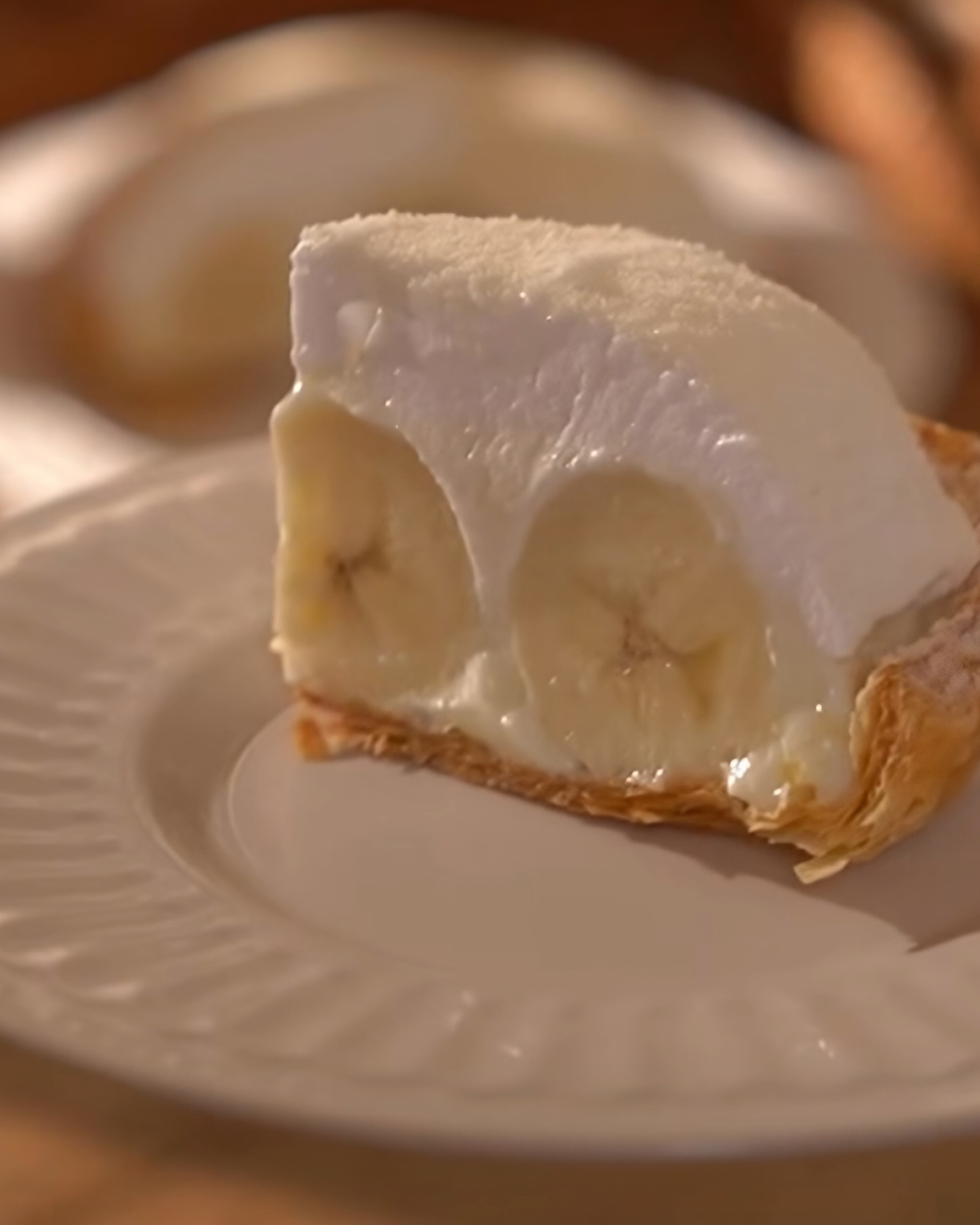
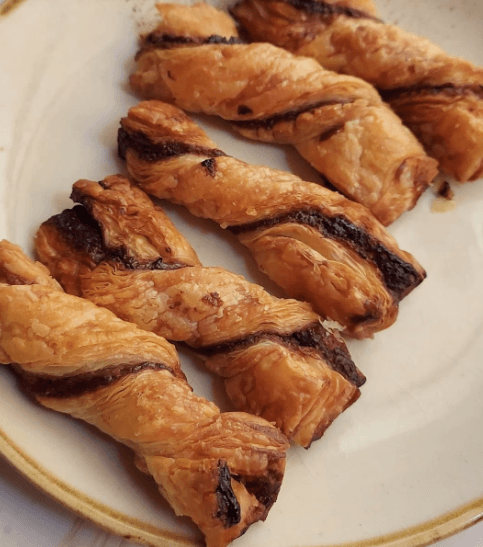
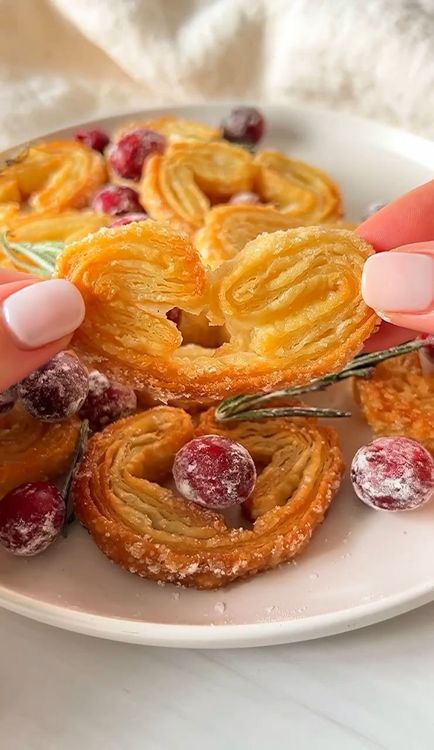
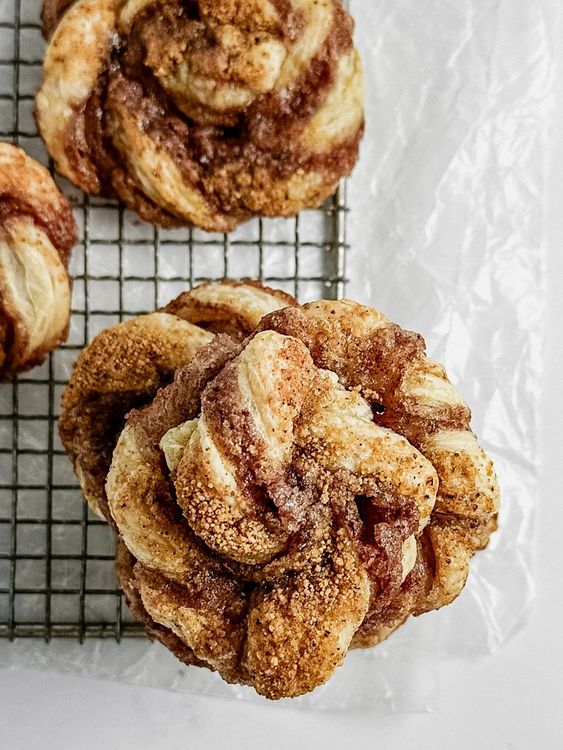
Sweet pastry is almost embarrassingly easy. Sugar caramelizes against the buttery layers as they bake, so even two ingredients can taste like a patisserie window. For these I roll the dough a touch thinner, chill it hard before baking, and dust generously with sugar. Watch them closely near the end, because sugar can go from amber to burnt in under a minute. From flaky palmiers to a full banana cream pie, these are the recipes I reach for when I want dessert without dragging out the stand mixer.
- Eggetarian
- Snack

- French
- Vegan
- Snack
- International
- Eggetarian
- Dessert

- Italian
- Vegan
- Dessert
- French
- Vegan
- Snack

- European
- Vegetarian
- Dessert
From-Scratch Dough & Festive Centerpieces
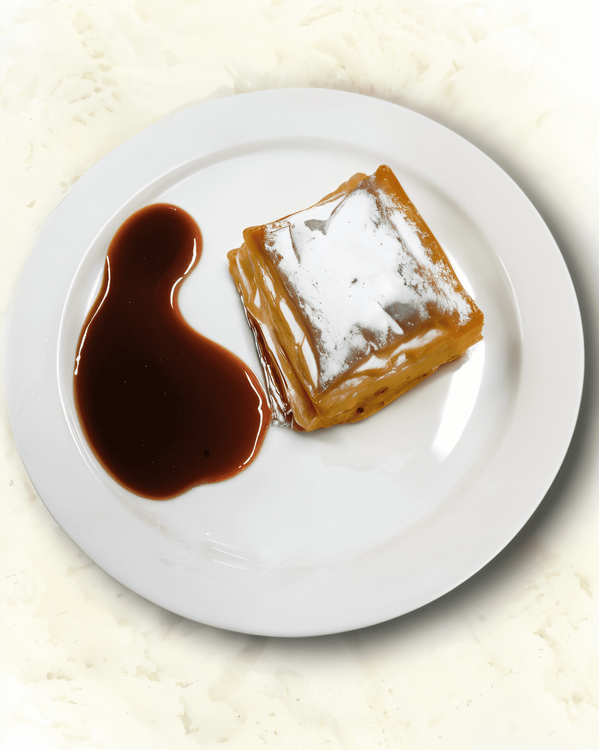
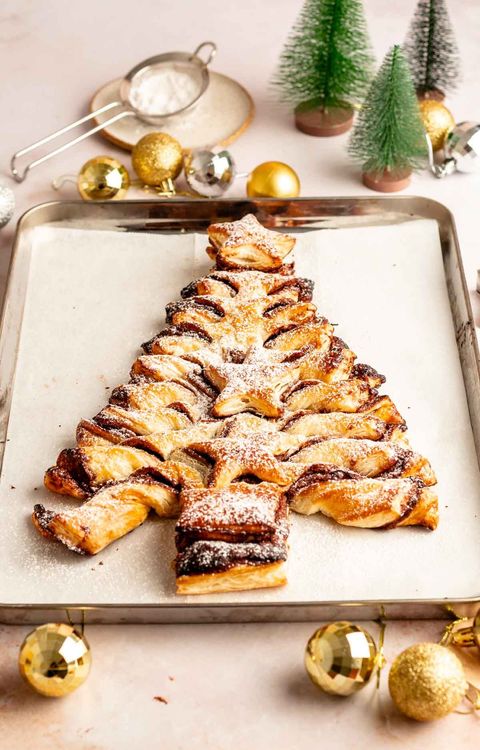
Sometimes the pastry is the project. Making your own laminated dough is a weekend ritual worth trying at least once, and a showstopping pull-apart tree is the kind of bake that earns a photo before anyone touches it. Both reward patience: keep your butter cold, your kitchen cool, and your hands quick. If the dough ever softens, slide it back into the fridge for twenty minutes rather than fighting it. The payoff is flaky layers you simply cannot buy in a box.
- French
- Vegetarian
- Snack
- European
- Eggetarian
- Snack
How to Work With Frozen Puff Pastry
Frozen puff pastry is one of the great convenience foods, but it only performs if you thaw it correctly. Move the sealed package from the freezer to the fridge the night before, or let it sit on the counter for 30 to 40 minutes until it unfolds without cracking. Rushing this step is the number one reason sheets tear along the fold lines. If the dough feels warm, soft, or greasy, stop and chill it for ten minutes; butter that has started to melt will not create steam, and steam is exactly what makes the layers puff.
Work on a lightly floured surface and roll in one direction, then turn the sheet ninety degrees and roll again, keeping the rectangle even. Cut with a sharp knife or pizza wheel in firm, downward strokes rather than dragging, which seals the cut edges shut and stops them rising. For clean shapes, dip your cutters in flour between presses. Whatever you make, get the assembled pastry back into the fridge for fifteen minutes before baking so it goes into the oven properly cold.
Then bake it hot. Most pastry wants 200C/400F or higher on a parchment-lined tray, so the water in the butter flashes to steam quickly and forces the layers apart. Give pieces room to expand, and resist opening the door for the first fifteen minutes, which drops the temperature and can collapse a delicate rise. You are done when the pastry is deep golden brown all over, including the sides and the base, and never pale. Pale pastry is raw and doughy inside, no matter how good the top looks.
Egg Wash, Fillings & Getting the Perfect Lift
Egg wash does two jobs: it glues seams shut and gives that glossy, bakery-brown finish. I whisk one whole egg with a teaspoon of water or milk and a pinch of salt, then brush a thin, even coat over the top with a pastry brush. Avoid letting it pool down the cut sides, because egg that runs into the layers glues them together and stops them opening up. For extra shine, a second coat halfway through baking works wonders; for a softer, matte savory look, a brush of milk alone is fine.
The enemy of crisp pastry is moisture. Cool hot fillings completely before wrapping, drain juicy vegetables and fruit, and pat wet ingredients dry with a towel. A thin barrier layer, breadcrumbs, ground almonds, or a smear of mustard or jam, soaks up stray liquid and keeps the base from turning soggy. Do not overfill; leave a clean border so the edges can seal and puff. Crimp with a fork or fold and press firmly, and cut a small steam vent in anything fully enclosed so it does not burst.
If your layers refuse to rise, the usual culprits are warm dough, a too-cool oven, or squashed edges. Keep everything cold until it bakes, preheat the oven fully, and never press down on the top once the piece is shaped. Chilling the assembled item hardens the butter so it holds its shape long enough for the structure to set in the heat. Get those three things right and you will see the dramatic, uneven, flaky lift that makes working with the pastry so satisfying in the first place.
Sweet vs Savory: Turnovers, Tarts, Sausage Rolls & More
One of the reasons I keep pastry in the freezer is its split personality. On the savory side, a sausage roll recipe with puff pastry is the gateway bake: season good sausage meat, log it along one long edge, roll, seal the seam underneath, slash the top, and brush with egg. The same technique gives you cheese straws, spinach and feta triangles, and tidy hand pies. For tarts, dock the base with a fork, leave a border to frame the filling, and pile on tomatoes, caramelized onion, or garlicky mushrooms.
Sweet bakes flip the seasoning but keep the method. Turnovers want a spoon of thick fruit filling folded into a triangle and crimped tight; palmiers and cookies need nothing but sugar; a tarte tatin-style dessert bakes fruit under an inverted round of pastry. Because sugar browns fast, sweet pastries often bake a few minutes shorter or at a slightly lower temperature than savory ones. A dusting of sugar just before baking gives a crackly, caramelized top that looks like it came from a bakery counter.
The beauty is how little separates the two. A single set of moves, wrap or fold cold dough, seal, glaze, and bake hot, carries you from breakfast pastries to dinner and dessert. Once you are comfortable with those basics, you can improvise freely: whatever is in the fridge, sweet or savory, almost always tastes better wrapped in flaky, golden layers. That flexibility is why one box of pastry can quietly cover an entire day of eating.
If you are new to all this, I would start savory. A tray of sausage rolls or cheese-and-onion parcels is forgiving, feeds a crowd, and teaches you the feel of sealing edges and judging color. Once those come out golden and shattering, sweet turnovers and palmiers feel like second nature, and you will start eyeing every leftover in the fridge as a potential filling.
Make-Ahead, Storing & Reheating
Almost everything here can be built in advance, which is why store-bought pastry is my secret weapon for entertaining. Assemble parcels, rolls, and tarts, then refrigerate them unbaked for up to a day, or freeze them on a tray until solid before bagging them up. You can bake straight from frozen, adding five to ten minutes, and going in cold actually improves the rise. Just remember to egg-wash right before baking rather than ahead of time, so the glaze stays fresh and glossy.
Store unopened boxed pastry in the freezer and use it within its date; once thawed, keep it refrigerated and use within two days, and never refreeze thawed raw dough, which ruins the layers. Baked items keep at room temperature for a day in a loosely covered tin; sealing them airtight traps steam and softens all that hard-won crunch. Most savory bakes hold for two to three days in the fridge, though they are always best on the day they come out of the oven.
To bring back crispness, reheat in a 180C/350F oven or an air fryer for five to eight minutes rather than the microwave, which turns flaky pastry limp and chewy. Let reheated pastries cool for a minute before serving so the layers re-crisp as they settle. Sweet items with cream or custard fillings are the exception; keep those chilled and eat them cold rather than reheating, since gentle heat will melt the filling and undo the texture you worked for.
Savoury Ideas Beyond Sausage Rolls
If you want more savoury inspiration, the same sheets stretch far past the obvious. I keep a running list of savory dishes to try when I want something different from the usual bake: little tomato tartlets with a smear of pesto, crisp empanadas stuffed with spiced beef, and golden crab rangoon parcels that quietly beat the takeout version. Each one starts from the same cold, buttery dough and bakes hot until deeply burnished, so once you are comfortable folding and sealing, none of them is any harder than a tray of sausage rolls.
For a quick spread, I roll out a single sheet and cut it three ways: squares for tomato tartlets topped with sliced cherry tomato and thyme, half-moons for empanadas, and small pouches for crab rangoon filled with cream cheese and scallion. These savoury ideas prove how one humble ingredient can carry a whole party menu, from nibbles to a proper savory main, without ever repeating itself on the table.
Pro Tips for Perfect Flaky Pastry
- Keep everything cold. If your kitchen is warm, chill the dough, the filling, and even your rolling pin, because cold butter is what creates the steam and lift.
- Bake on the middle-to-lower rack with a preheated tray or baking stone under savory bakes, so the bottom crisps up instead of steaming and going soggy.
- Save every scrap. Stack offcuts rather than balling them up, so the layers stay intact, then re-roll them for quick cheese straws or cinnamon-sugar twists.
- Score decorative lines only through the top layer, not all the way through, so your pattern shows off cleanly without letting the filling leak out.
- For a professional sheen, egg-wash twice; for sparkle on sweets, brush with a little water and dredge in coarse sugar right before the tray goes in.
- Undersalt nothing. Even sweet pastry benefits from a pinch of salt in the egg wash and filling to balance out all that rich, buttery dough.
- If pieces slide or shrink, they went in too warm; a final fifteen-minute chill on the tray before baking fixes shrinkage almost every single time.
- Trust color over the timer. Pull pastry only when it is deep golden on top, sides, and base, because pale pastry is raw and gummy inside.
Frequently Asked Questions
Are these puff pastry recipes suitable for beginners?
Most are. Anything using store-bought sheets, like the ham and cheese bites, palmiers, or two-ingredient cookies, is genuinely beginner-friendly and needs no special skill beyond thawing, filling, and baking. The homemade dough and banana cream pie are more advanced, so start with a simple wrapped bite or spiral and work your way up as your confidence grows.
What is the difference between savory and sweet pastry?
The pastry itself is identical; only the filling and finish change. Savory bakes lean on cheese, meat, fish, and vegetables with an egg-wash glaze, while sweet versions add sugar, fruit, chocolate, or cream. Sweet bakes often need a slightly lower temperature or shorter time, because sugar browns and burns faster than a plain savory top.
Do I need to thaw frozen pastry before using it?
Yes. Frozen sheets crack and tear if you try to unfold them cold, so thaw them in the fridge overnight or on the counter for 30 to 40 minutes until pliable. They should feel cool and flexible, not warm or sticky. If the pastry softens too much while you work, chill it again for ten minutes before baking.
What oven temperature is best for the pastry?
Hot, almost always. Aim for 200C/400F or higher so the moisture in the butter turns to steam quickly and drives the layers apart. A cool oven melts the butter before the structure sets, giving flat, greasy results. Bake until the pastry is deep golden all over, and avoid opening the door during the first fifteen minutes.
How do I keep the bottom of my pastry from going soggy?
Moisture is the enemy. Cool fillings fully, drain anything juicy, and add a thin barrier of breadcrumbs, ground almonds, or jam between the filling and the dough. Bake on a preheated tray or the lower rack so the base gets direct heat, and make sure the pastry bakes to a deep golden brown underneath, not pale.
Can I make baked brie in pastry ahead of time?
You can assemble it a few hours ahead and keep it wrapped in the fridge, then bake it just before serving so the cheese is hot and molten. I would not bake it in advance, because reheated brie can turn oily and the pastry loses its crunch. Serve it straight from the oven with crackers or fresh fruit.
How should I store and reheat leftover pastry bakes?
Keep baked savory items in a loosely covered tin at room temperature for a day, or refrigerate them for two to three days. Reheat in a 180C/350F oven or air fryer for five to eight minutes to bring back the crunch; skip the microwave, which makes pastry limp. Cream-filled desserts should stay chilled and be eaten cold.
What can I make with just two ingredients and a sheet of pastry?
Plenty. Palmiers and simple cookies need only pastry and sugar; a jar of Nutella turns a sheet into fast chocolate pastries; and a wheel of brie with fig jam becomes an instant party centerpiece. These minimal bakes are proof that store-bought pastry does most of the heavy lifting for you with almost no effort.
Can I make sausage rolls from frozen?
Absolutely, and shop-bought sheets make it easy. Thaw the pastry until pliable, spoon seasoned sausage meat along one long edge, roll it into a log, seal the seam underneath, and slice. Chill the cut rolls, brush with egg wash, and bake at 200C/400F until deep golden and cooked through, about 25 minutes. They freeze well unbaked, too.
Why did my pastry not rise?
Usually the dough got too warm before baking, the oven was not hot enough, or the cut edges were pressed and sealed shut. Keep everything cold, preheat fully to at least 200C/400F, cut with clean downward strokes, and never squash the layers. A fifteen-minute chill on the tray before baking fixes most rise problems for good.
That is my working collection of puff pastry recipes, from flaky sausage-style bites and oozing baked brie to palmiers, turnovers, and a from-scratch dough worth the effort. Keep a box in the freezer, remember to bake it cold and hot, and you will always be one sheet away from dinner, dessert, or a party centerpiece. Pick one, preheat the oven, and start rolling.
Related
- puff pastry
- sausage rolls
- baked brie
- savory pastries
- easy desserts
- party appetizers
Popular Searches
- Best puff pastry recipes
- Easy puff pastry recipes
- Quick puff pastry recipes
- Healthy puff pastry recipes
- Simple puff pastry recipes
- Homemade puff pastry recipes
- Delicious puff pastry recipes
- Popular puff pastry recipes
- sausage roll recipe with puff pastry
- savory dishes with puff pastry
- savory recipes using puff pastry
- recipes with puff pastry savoury
Marnirni-apinthi Building, Lot Fourteen,
North Terrace, Adelaide, South Australia, 5000
Australia
