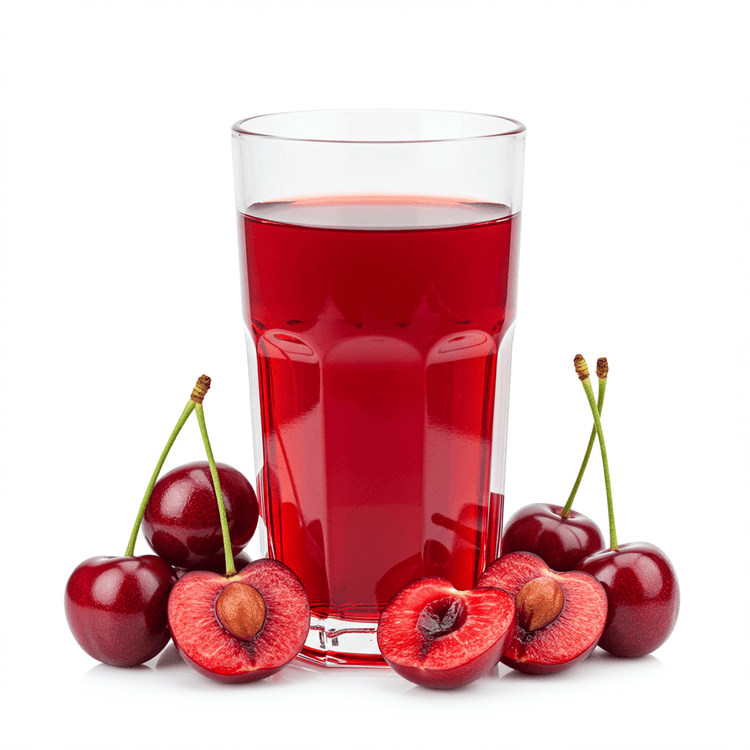
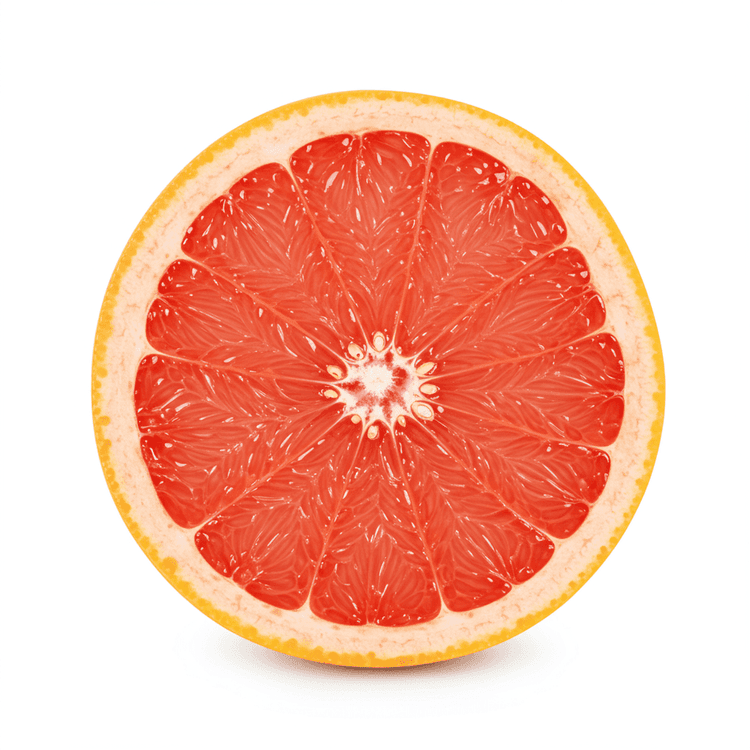
Fruit juice, a beloved beverage enjoyed worldwide, offers a quick and convenient way to incorporate some of the nutrients found in whole fruits into your diet. From the tangy zest of citrus juices like orange and grapefruit to the sweet richness of apple and grape, the variety is vast and caters to diverse palates. While not a complete substitute for whole fruits, understanding the benefits and limitations of fruit juice is crucial for making informed dietary choices.
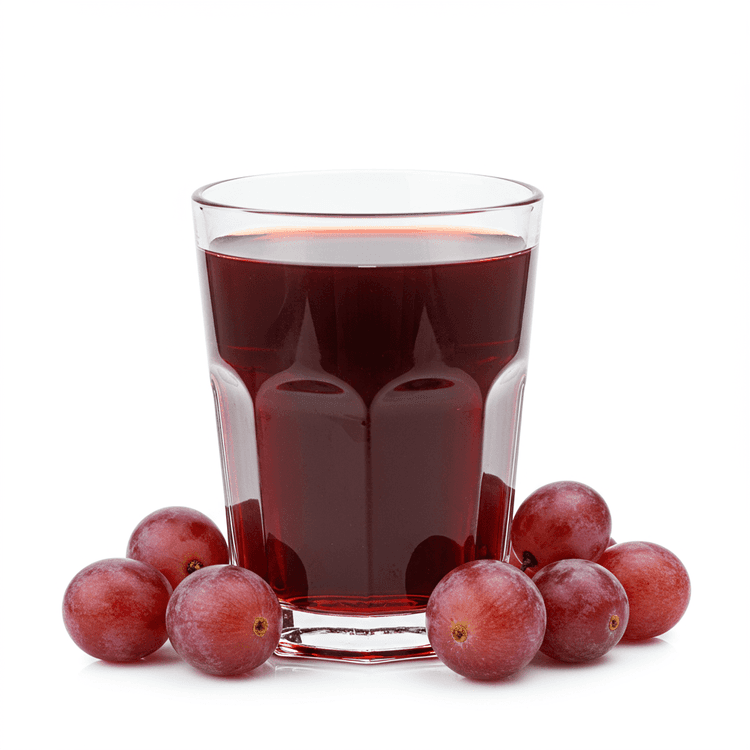
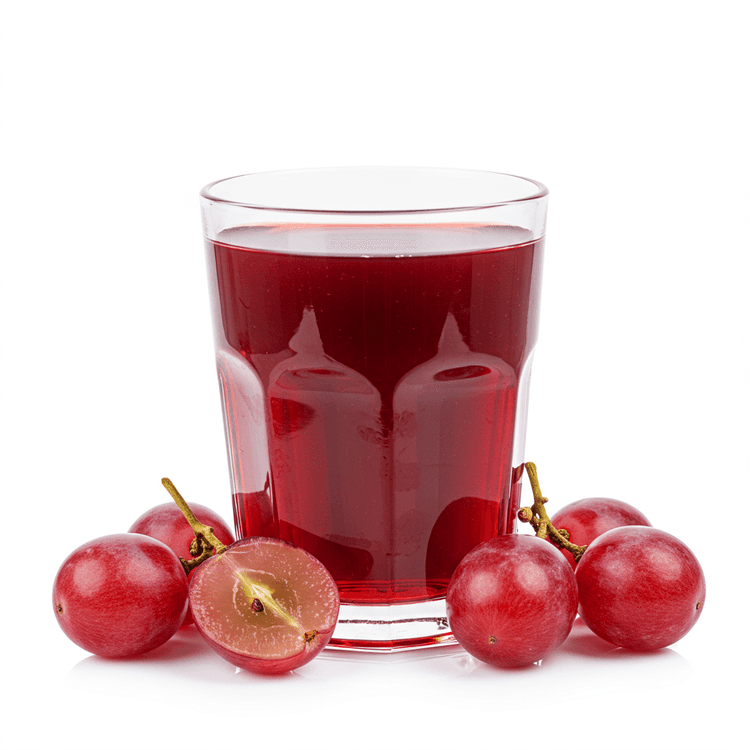
One of the primary appeals of fruit juice lies in its vitamin and mineral content. Many juices are excellent sources of Vitamin C, a potent antioxidant known for boosting the immune system and protecting against cell damage. Certain juices, like orange juice, are often fortified with Vitamin D and calcium, contributing to bone health. Darker-colored juices, such as pomegranate and grape, are rich in antioxidants like polyphenols and anthocyanins, which may help protect against chronic diseases. Apple juice offers some potassium, an essential mineral for maintaining healthy blood pressure.
In the culinary world, fruit juice is incredibly versatile. It serves as a base for smoothies, adding both flavor and liquid consistency. It can be used to create refreshing cocktails and mocktails, lending a natural sweetness and vibrant color. In cooking, fruit juice can be used as a marinade for meats, tenderizing them and imparting a fruity flavor. It can also be incorporated into sauces and glazes, adding depth and complexity to savory dishes. Think of orange juice reducing into a tangy glaze for chicken or apple juice braising pork for a sweet and savory meal. Fruit juice concentrate is also frequently used in baking to enhance flavor and add moisture to cakes and muffins.
Fruit juice plays a role in a balanced diet, providing hydration and certain micronutrients. Its quick absorption can provide a rapid energy boost, making it a popular choice for athletes. However, it's important to be mindful of the sugar content. Unlike whole fruits, fruit juice lacks the fiber that helps regulate blood sugar levels and promotes satiety. Excessive consumption of fruit juice can contribute to weight gain and other health problems. Choosing 100% fruit juice without added sugars and consuming it in moderation are key to reaping its benefits without the drawbacks. Diluting fruit juice with water can also help reduce the sugar concentration. Ultimately, while fruit juice can be a part of a healthy lifestyle, prioritizing whole fruits for their fiber and overall nutritional value is always the best approach. Remember to read nutrition labels carefully and opt for unsweetened varieties whenever possible to maximize the nutritional value and minimize added sugars. Understanding the nutritional profile and incorporating it mindfully into your diet will let you enjoy the delicious flavor of fruit juice with peace of mind. ||
Fruit Juice are an essential part of a healthy diet, providing a wide range of nutrients and health benefits. Explore our collection of fruit juice ingredients.