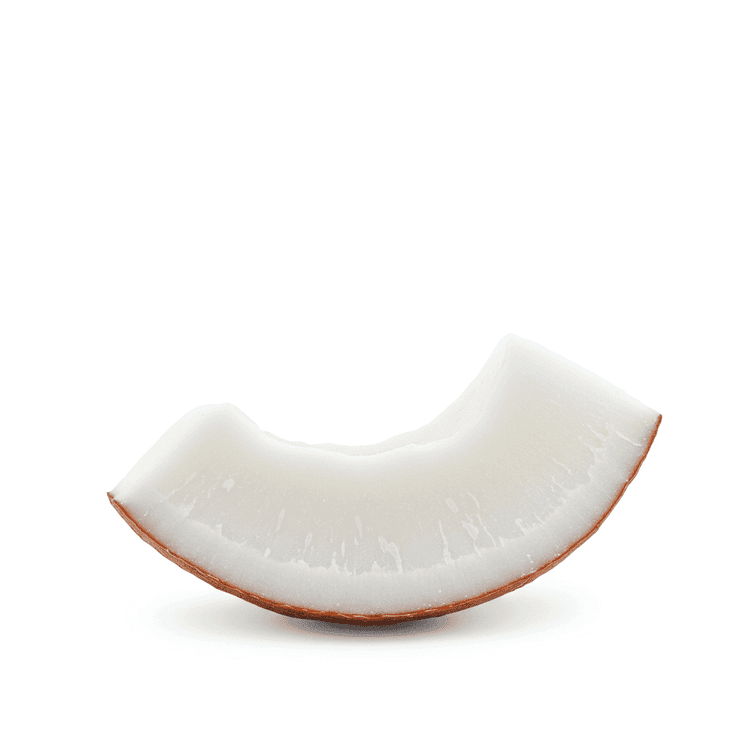
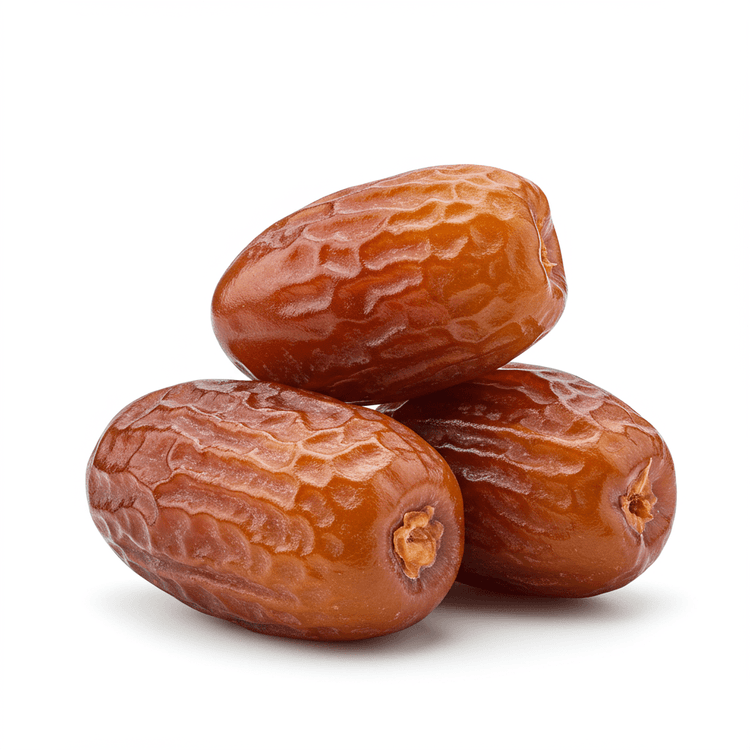
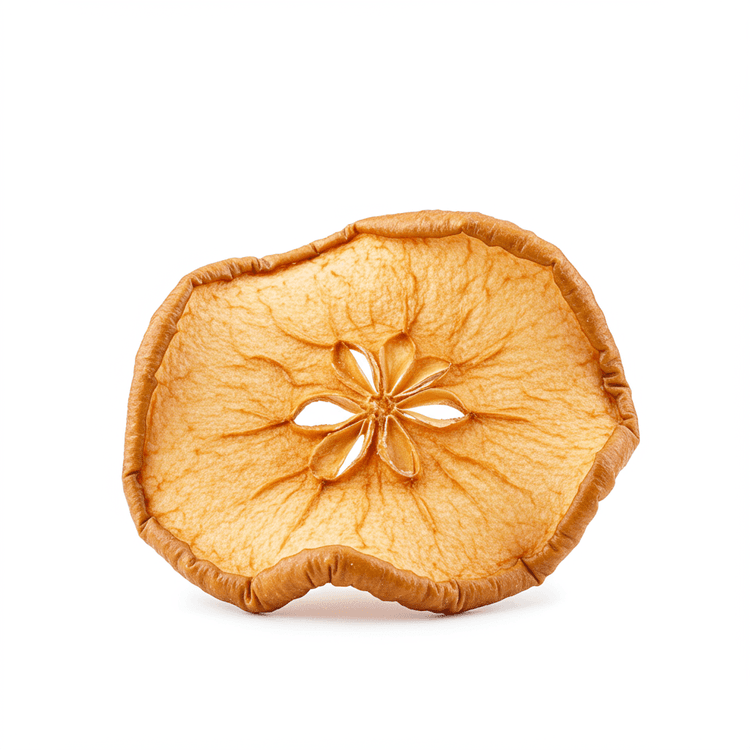
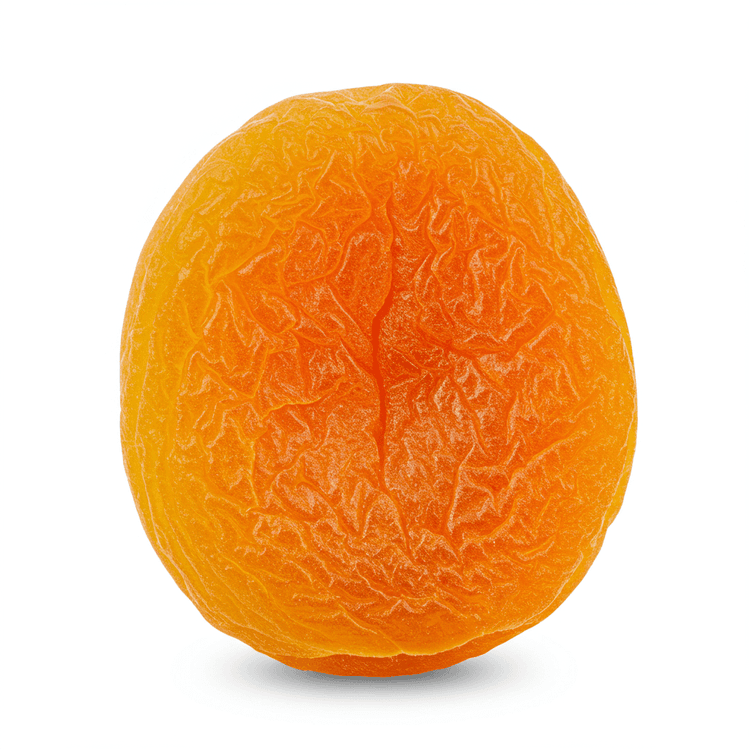
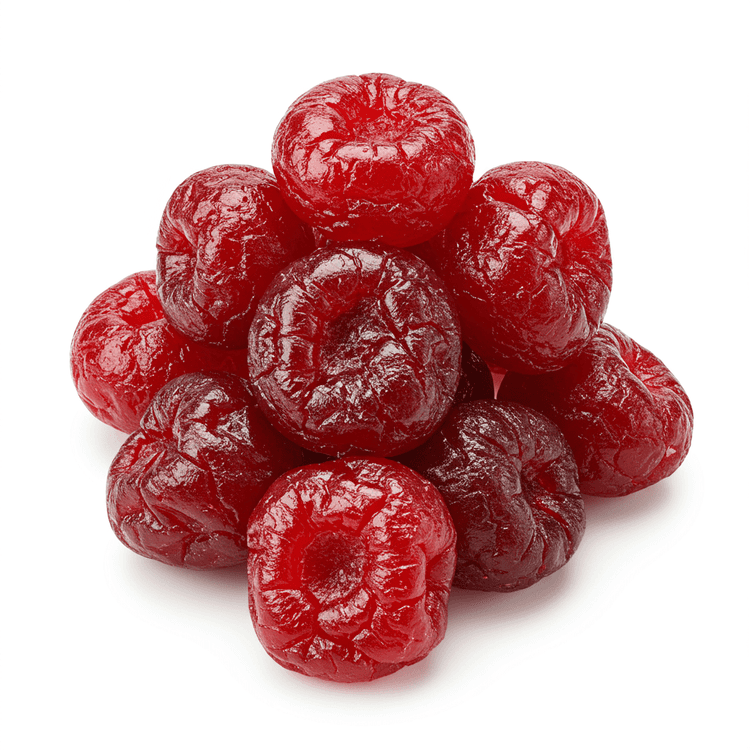
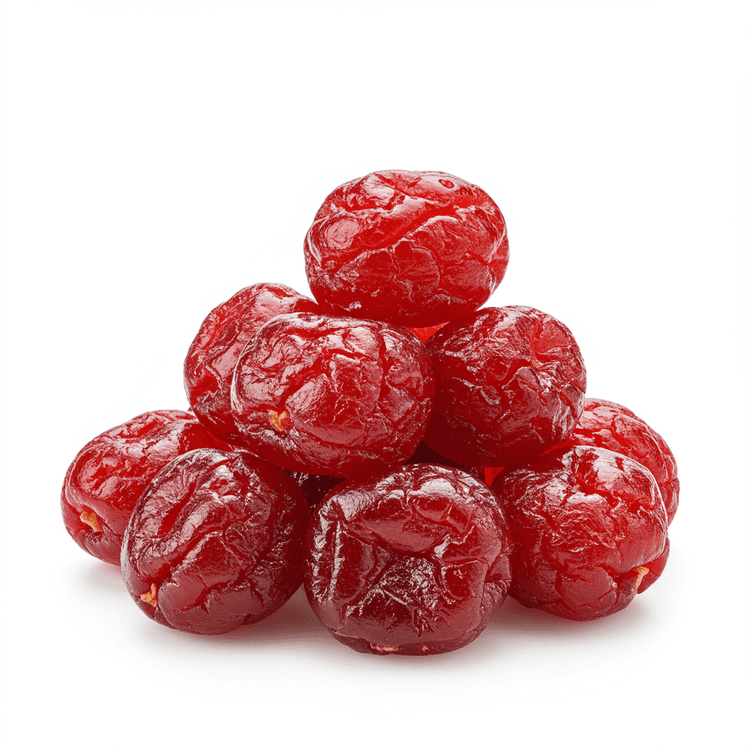
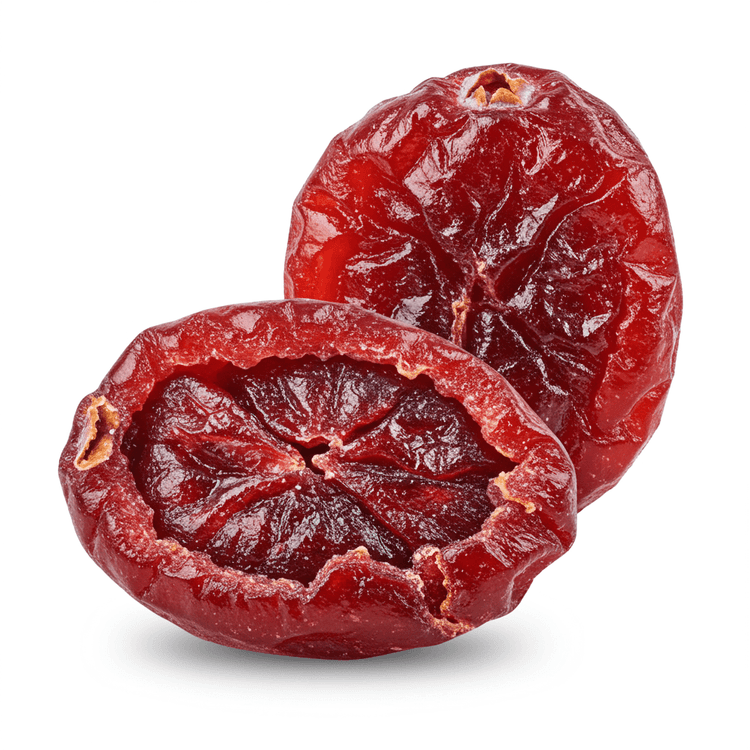
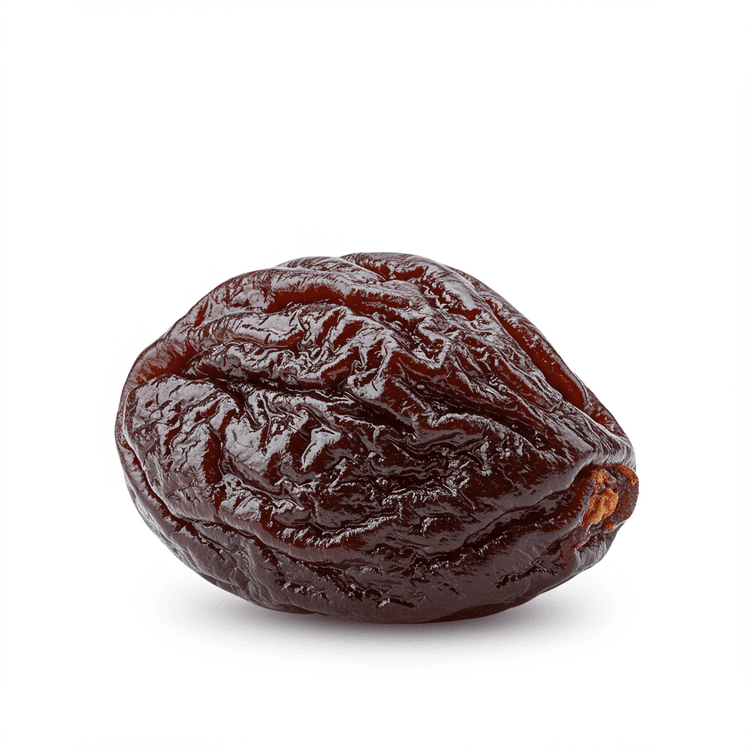
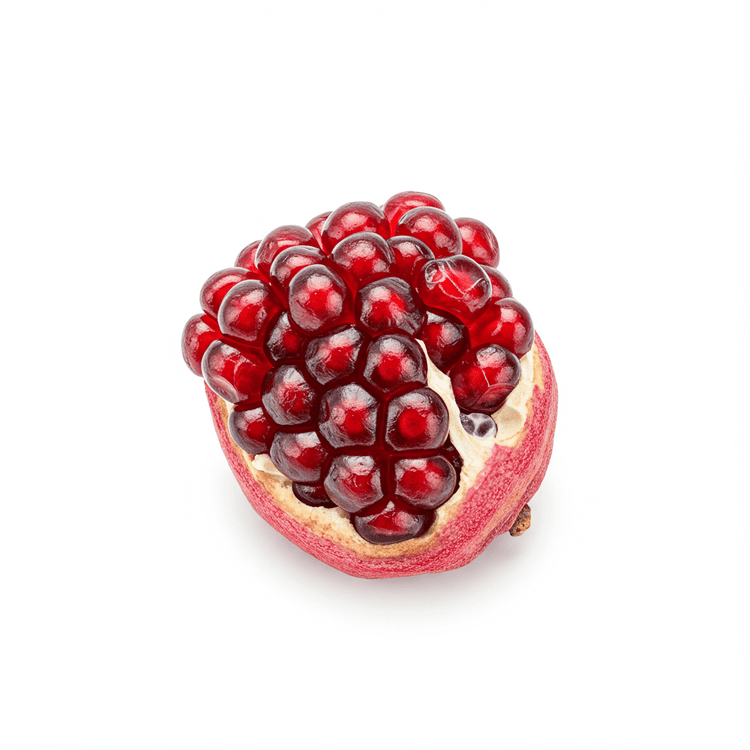
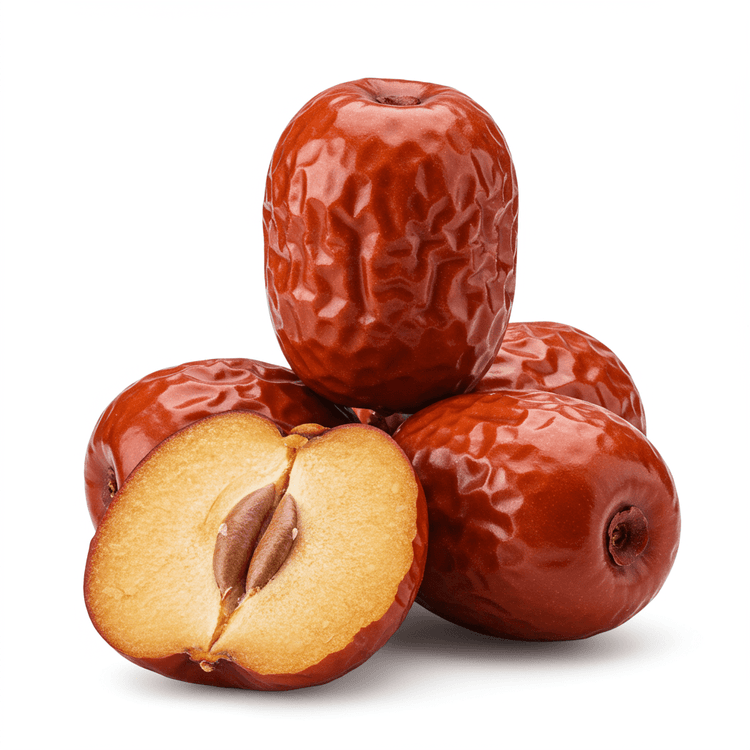
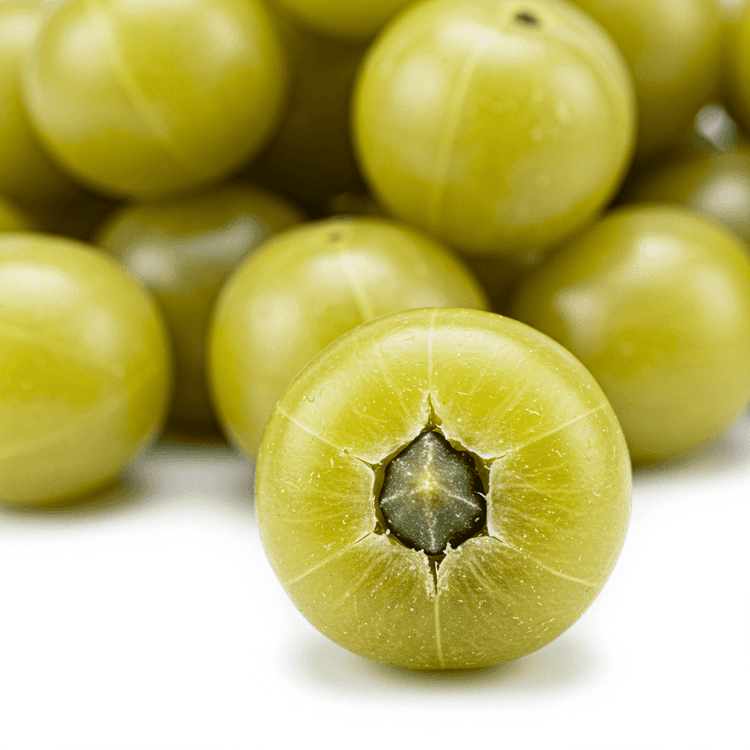
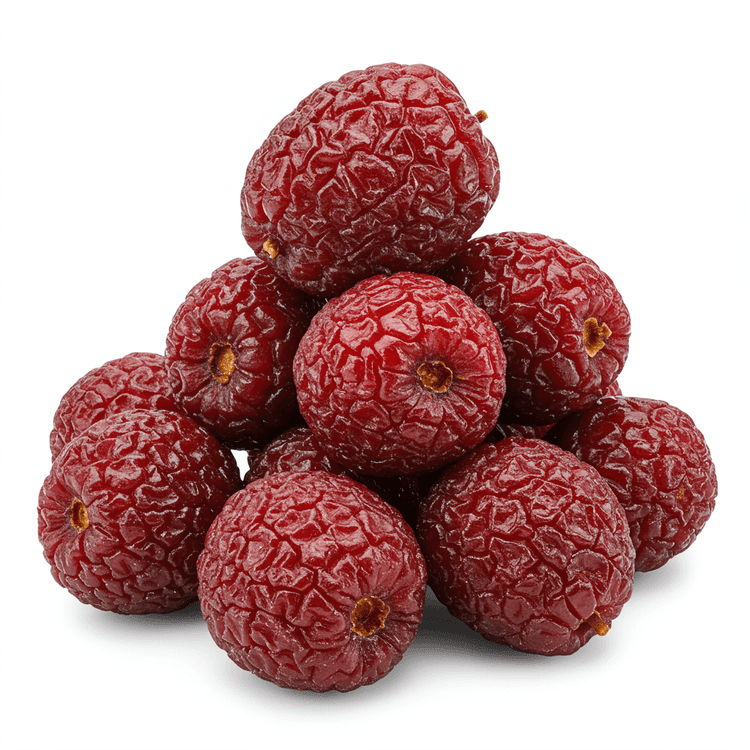
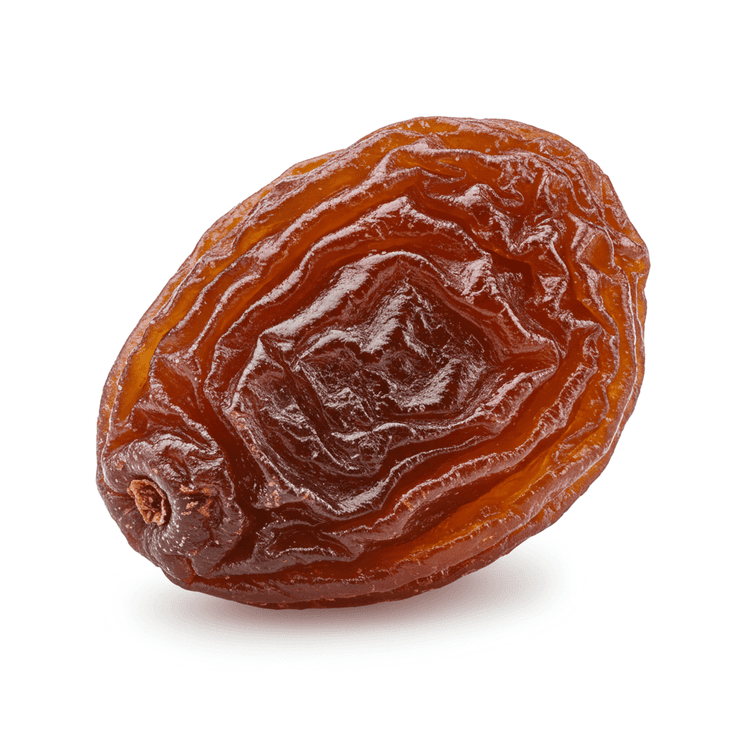
Dried fruit, a pantry staple and nature's candy, offers a concentrated burst of flavor and nutrition. From plump raisins and chewy dates to vibrant apricots and tangy cranberries, dried fruits are created by removing the water content from fresh fruits, intensifying their sweetness and extending their shelf life. This process also concentrates many of their inherent health benefits.
One of the primary advantages of dried fruit is its impressive nutrient density. They are packed with essential vitamins and minerals, including potassium, which is crucial for maintaining healthy blood pressure and muscle function. Many dried fruits are also excellent sources of iron, vital for carrying oxygen throughout the body and preventing anemia. Furthermore, dried fruits are rich in fiber, promoting digestive health, regulating blood sugar levels, and contributing to feelings of fullness, which can aid in weight management. The specific nutrient profile varies depending on the type of fruit; for example, prunes are renowned for their high fiber content and their natural laxative effect, thanks to the presence of sorbitol. Dried apricots are a good source of Vitamin A, important for vision and immune function, and Vitamin E, an antioxidant that protects cells from damage.
Dried fruits are incredibly versatile in the kitchen. They can be enjoyed as a standalone snack, providing a quick and convenient energy boost. They are also a delightful addition to breakfast cereals, oatmeal, and yogurt, adding sweetness and texture. In baking, dried fruits are essential ingredients in cakes, muffins, cookies, and breads, contributing moisture and depth of flavor. Think of the classic fruitcake, the comforting raisin bread, or the delectable cranberry scones. In savory dishes, dried fruits can add a touch of sweetness and complexity to tagines, stews, and rice pilafs. Consider the Moroccan tagine with apricots and almonds or a wild rice pilaf with cranberries and pecans. They also work beautifully in salads, offering a chewy contrast to crunchy greens and a sweet counterpoint to savory dressings. Chopped dates add a delightful sweetness to a green salad with goat cheese and walnuts.
Incorporating dried fruit into a balanced diet is essential for overall wellness. Their high fiber content supports gut health, while their concentration of vitamins and minerals contributes to various bodily functions. While dried fruits are calorie-dense due to the concentrated sugars, they can be a healthy alternative to processed snacks and refined sugars when consumed in moderation. They provide a sustained energy release and can help curb sugar cravings. Furthermore, the antioxidants present in many dried fruits, such as polyphenols, help protect the body against oxidative stress and chronic diseases. By choosing unsweetened varieties and paying attention to portion sizes, dried fruits can be a valuable and delicious part of a healthy and satisfying diet, offering a range of health benefits and culinary possibilities. Ultimately, they are a convenient and flavorful way to boost your nutrient intake and add a touch of natural sweetness to your daily life. ||
Dried Fruit are an essential part of a healthy diet, providing a wide range of nutrients and health benefits. Explore our collection of dried fruit ingredients.