
Top 33 Fried Chicken Recipes: Southern, Crispy, Air-Fryer and Global
Updated June 29, 2026 · Curated by Chefadora
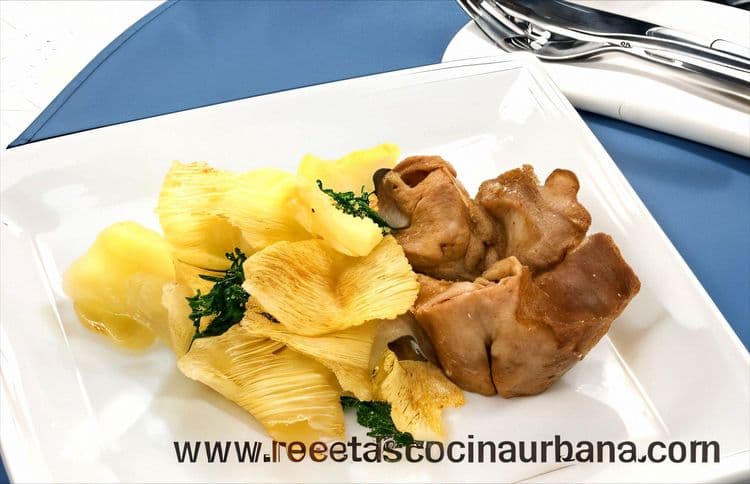
Fried chicken recipes are some of the most satisfying things you can cook, and also some of the most exacting: a great piece is the sum of a dozen small decisions about brine, coating, oil and timing rather than one secret ingredient. The recipes gathered here cover the styles worth knowing — classic Southern buttermilk, crispy boneless tenders and wings, lighter air-fryer and oven versions, and the global icons from Korean to Nashville hot — so you can find the crunch you are after without wading through ten near-identical drumsticks.
What unites every style on this page is the same physics. A crisp, lasting crust forms when surface moisture flashes off and the coating sets fast, which is why the two numbers that decide everything are how long you brine and how hot your oil is. Too cool and the chicken drinks grease and goes pale and limp; too hot and the outside scorches while the inside is still raw. The seasoning, the buttermilk, the double dredge — those are flavor and texture refinements stacked on top of getting heat and moisture right.
You will find four clusters here: classic Southern and buttermilk birds, crispy boneless cuts and wings, air-fryer and oven "fried" chicken, and the global styles — Korean, Nashville and Japanese karaage among them. The core moves repeat across all of them: season deep, coat for crunch, fry at the right temperature and rest before serving. Learn them once on a classic skillet bird and every other style becomes a variation rather than a new skill.
Treat this as a working reference rather than a single recipe. Each dish links to full ingredients and steps on Chefadora, and the guides below cover the things that actually separate good fried chicken from greasy or dry: how to brine for juicy, seasoned meat, how to build a coating that shatters and clings, how to hold and read your oil temperature, and how to keep the crust crisp all the way to the table.
Classic Southern & Buttermilk Fried Chicken
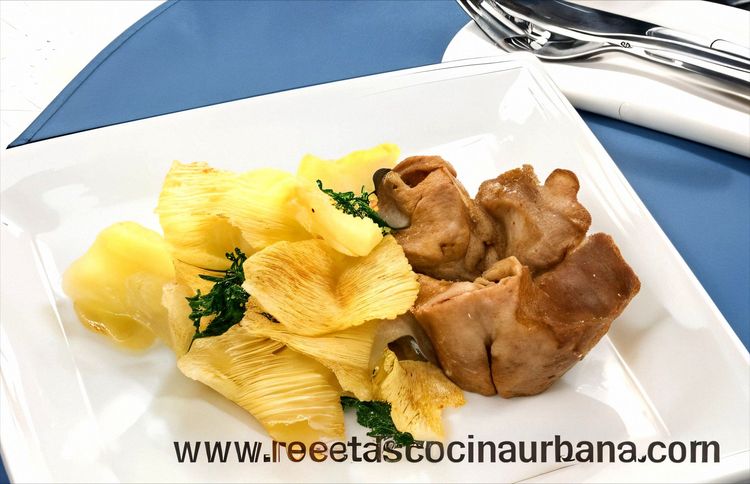
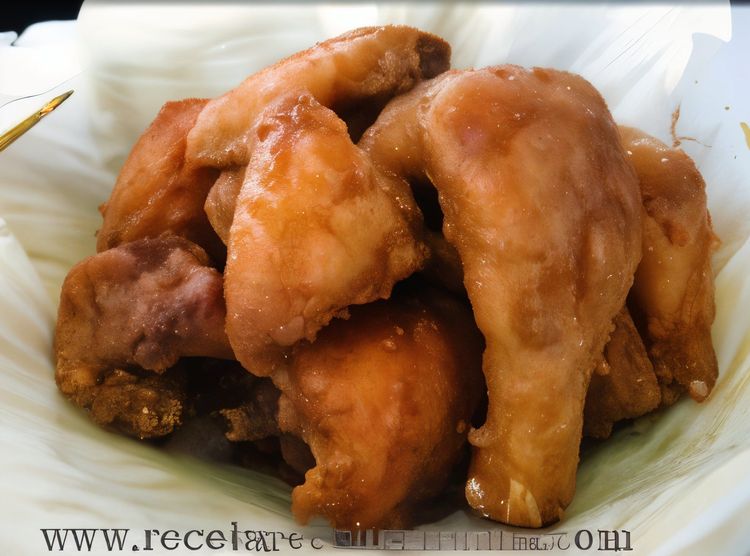
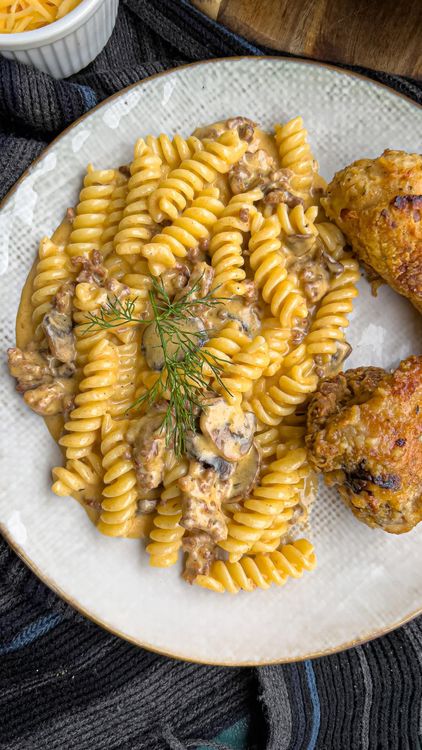
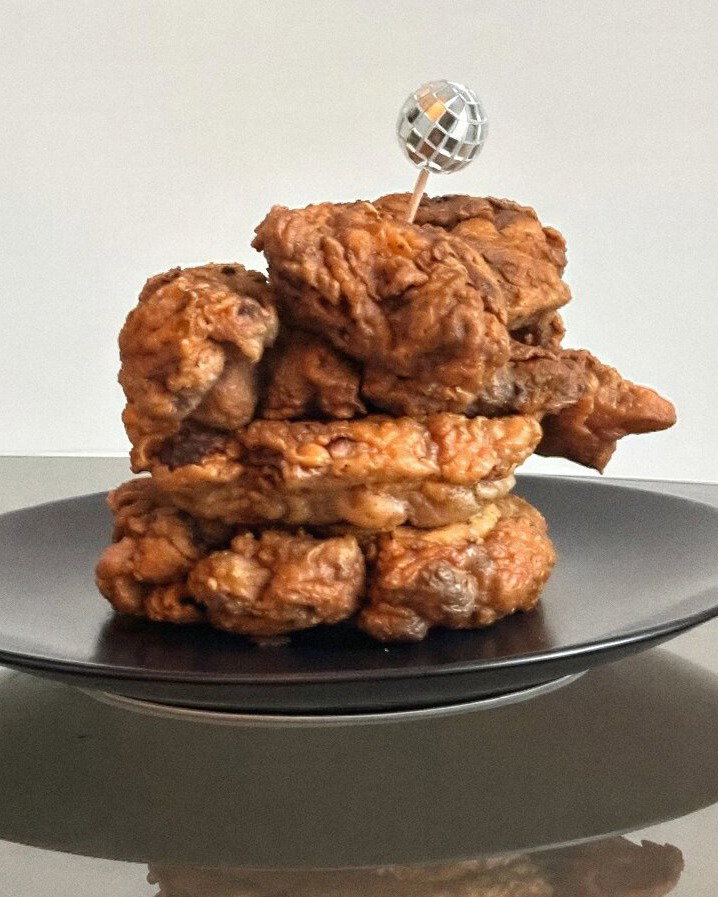
This is the benchmark every other style is measured against, and it rewards patience over tricks. The crucial groundwork happens long before the oil heats up: a salt brine or a long buttermilk soak that seasons the meat to the bone and keeps it juicy under fierce heat. Go from that tacky, wet surface straight into aggressively seasoned flour, press it on hard so it forms craggy clumps, and let the dredged pieces rest a few minutes so the coating bonds rather than sliding off in the pan. Then it comes down to one number — hold the oil at 325 to 350 degrees Fahrenheit, because cooler oil makes greasy, pale chicken and hotter oil burns the crust before the inside is done. Fry bone-in pieces in small batches so you never crowd the pot and crash the temperature, turn them only once the crust has set, and cook to a verified 165 degrees internal rather than trusting color. Rest on a wire rack, salt while hot, and you have the deep-mahogany, shattering Southern bird everyone chases. Standouts here include Fried Chicken and Crispy Fried Chicken, plus Fried Chicken for the Soul.
- American
- Non-Vegetarian
- Lunch
- American
- Non-Vegetarian
- Lunch
- American
- Non-Vegetarian
- Lunch
- American
- Non-Vegetarian
- Snack
- Korean
- Non-Vegetarian
- Snack
- Korean
- Non-Vegetarian
- Lunch
- Jamaican
- Non-Vegetarian
- Lunch

- Filipino
- Non-Vegetarian
- Lunch
- American
- Non-Vegetarian
- Breakfast
- Indian
- Non-Vegetarian
Crispy Boneless, Tenders & Wings
Smaller, faster cuts are where weeknight fried chicken lives, and they forgive the cook in ways a whole bone-in bird never will. Tenders, strips, nuggets, boneless thighs and wings all cook through before the crust has any chance to scorch, which means you can run the oil a touch hotter, around 350 to 365 degrees, and have dinner crisp in minutes. The flip side is that thin cuts dry out fast, so do not overshoot 165 degrees internal and pull them the moment they hit it. A lighter coating suits this group: a thin egg-and-flour dredge or a quick batter fries more evenly than a heavy double dredge, and cutting the flour with cornstarch gives wings and tenders that glassy, audible crunch. Keep one hand wet and one dry while coating so you do not glue your fingers together, shake off every loose crumb before frying, and work in small batches so the oil holds its heat. These are the pieces you reach for when you want sandwiches, a sharing platter, or crisp protein on the table fast. Standouts here include Fried Chicken Bites and Gochujang Air-Fried Chicken Sandwich, plus Jalapeño Popper Fried Chicken Sandwich.

- Indian
- Non-Vegetarian
- Appetiser


- Non-Vegetarian
- Lunch
- Vietnamese
- Non-Vegetarian
- Appetiser
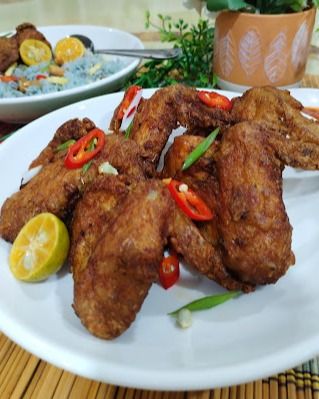
- Southeast Asian
- Non-Vegetarian
- Dinner
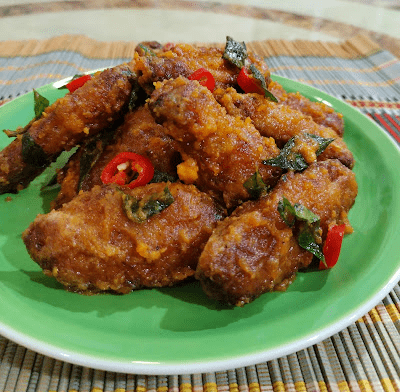
- Asian
- Non-Vegetarian
- Lunch
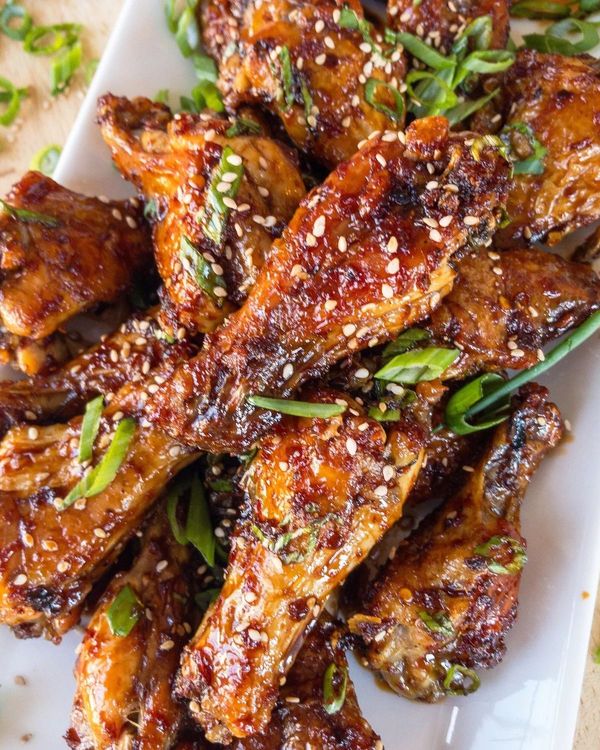
- Asian
- Non-Vegetarian
- Dinner
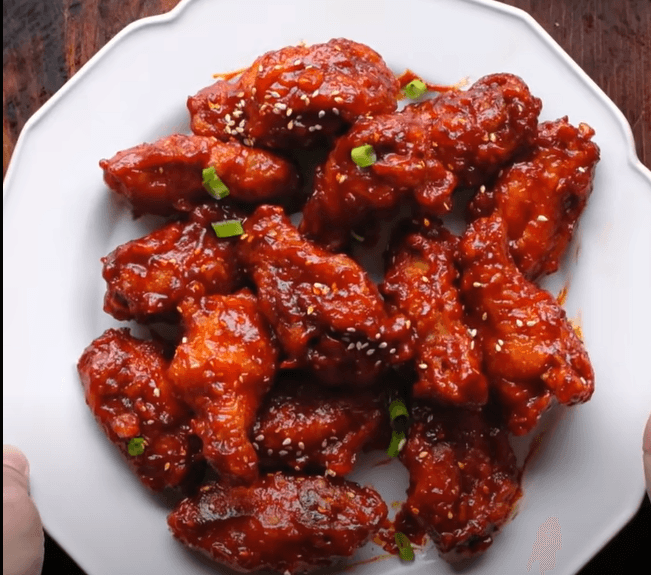

- Korean
- Non-Vegetarian
- Appetiser
Korean, Nashville & Global Fried Chicken
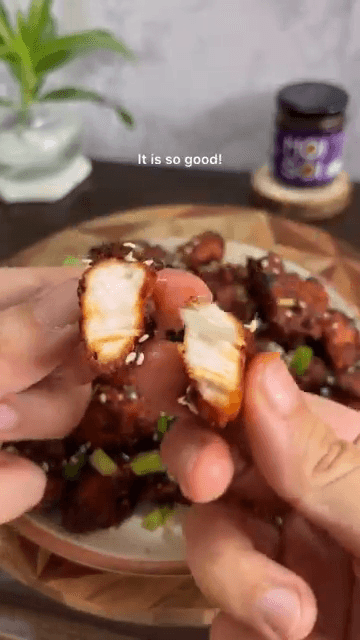
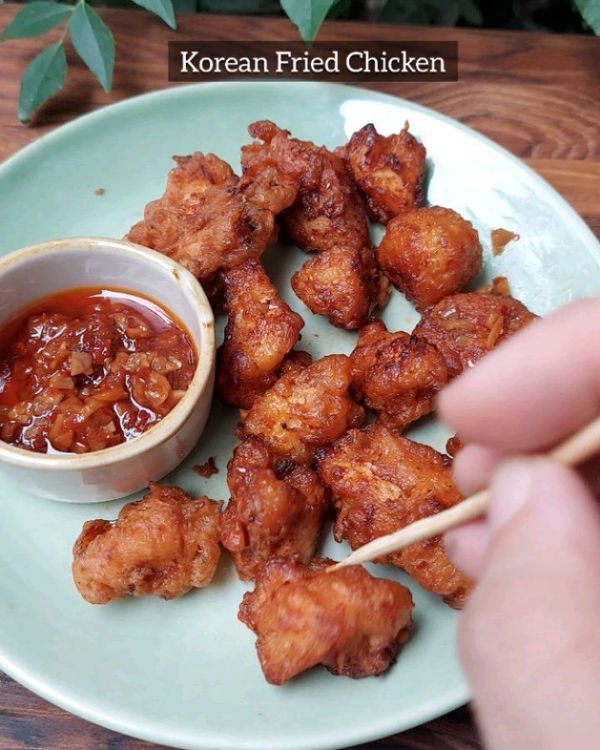
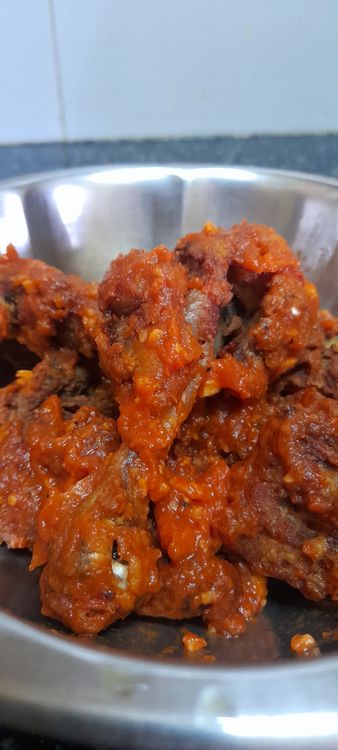
Fried chicken is a worldwide obsession, and this is where the technique you already know gets pushed in delicious new directions. Korean fried chicken is built on the double fry: cook the pieces through at a moderate heat, rest them, then fry again hotter to drive off the last moisture for a thin, glassy shell that stays crackly even under a wet glaze of sweet-spicy gochujang or soy-garlic. Nashville hot takes a classic Southern bird and brushes it, straight from the oil, with a fiery paste of cayenne and the hot frying fat, served on white bread with pickles to cut the burn. Japanese karaage marinates bite-size thigh in soy, sake, ginger and garlic, then dredges it in potato starch for an impossibly light, shatter-crisp coating. Across all of them, two habits carry over: a cornstarch- or starch-heavy coating fries up glassier than flour alone, and any sauce or glaze goes on at the very last second so the crust never has a chance to go soft. Pick the heat level and flavor profile you are after and let the same frying fundamentals do the rest. Standouts here include Korean Fried Chicken Samosas with Spicy Mayo and Korean Fried Chicken Bowl with Sticky Rice and Pickled Vegetables, plus Japanese Fried Chicken (Karaage).
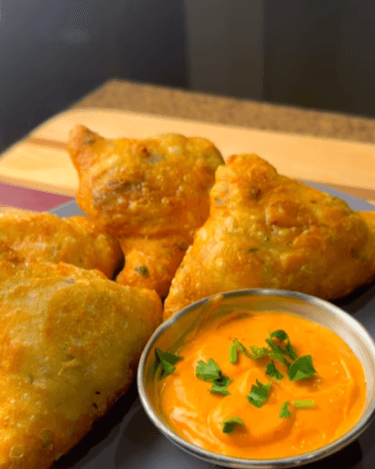

- Korean
- Eggetarian
- Appetiser
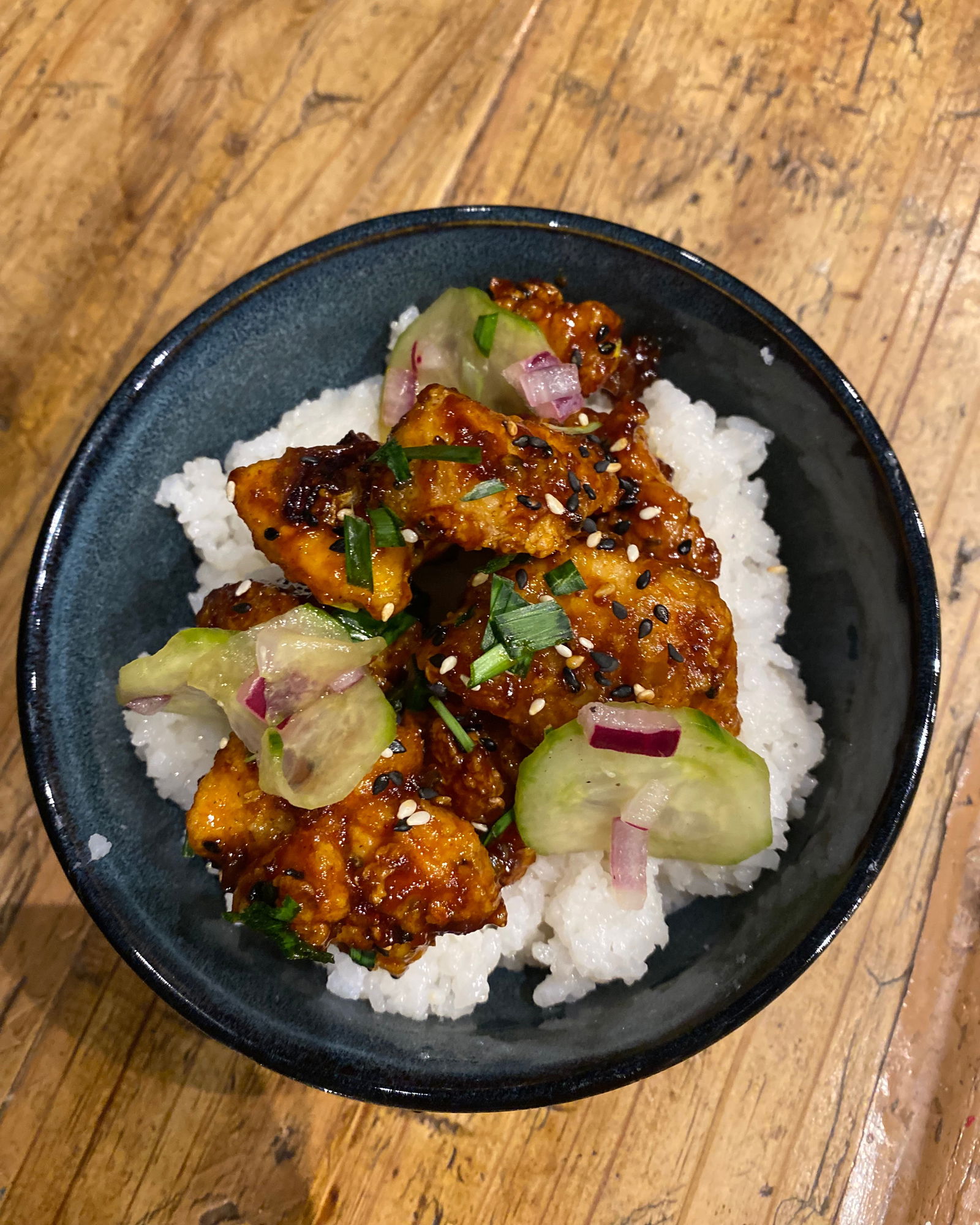
- Korean
- Non-Vegetarian
- Dinner
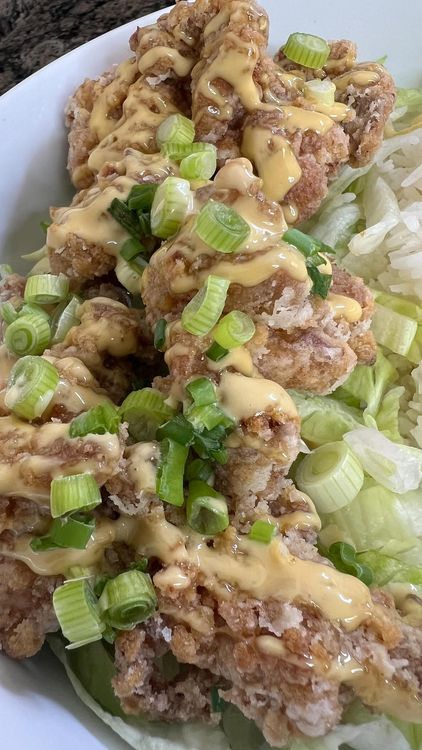
- Japanese
- Non-Vegetarian
- Snack
More Fried Chicken Favourites
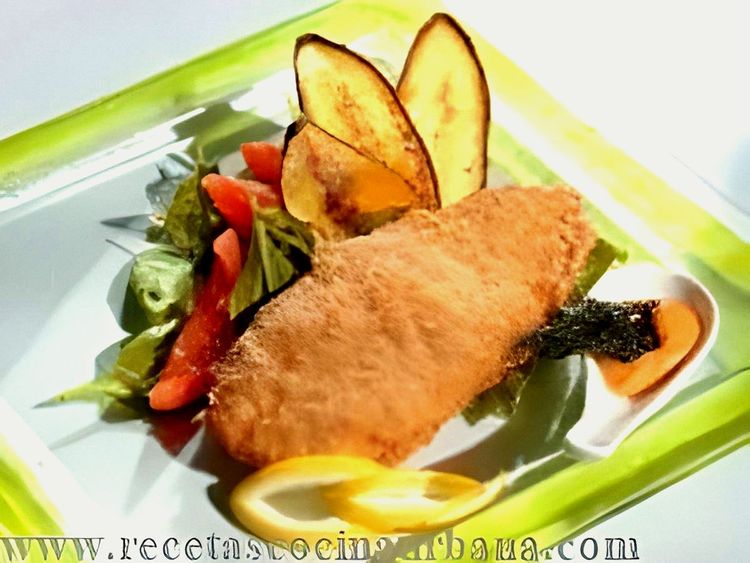
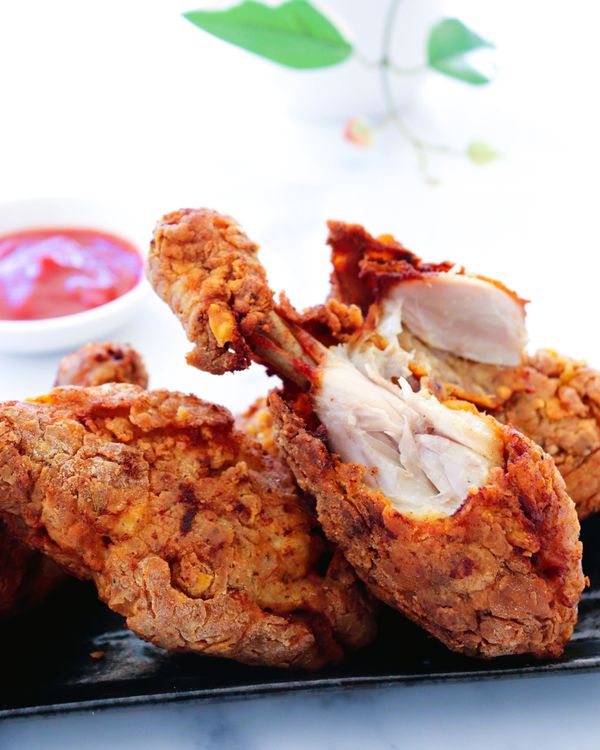
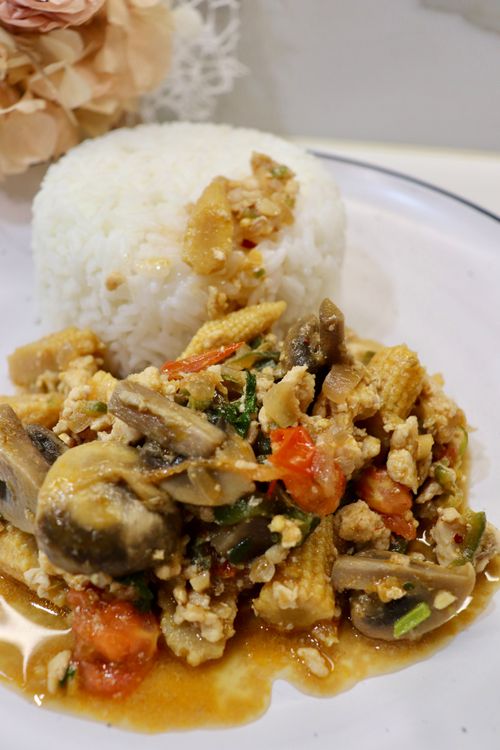
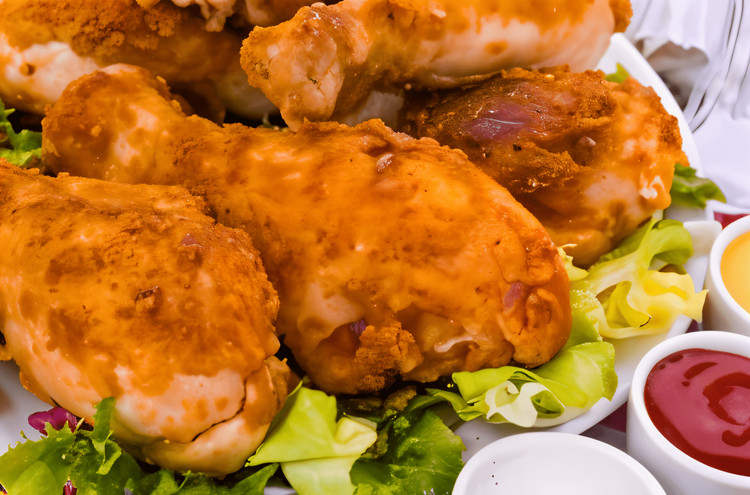
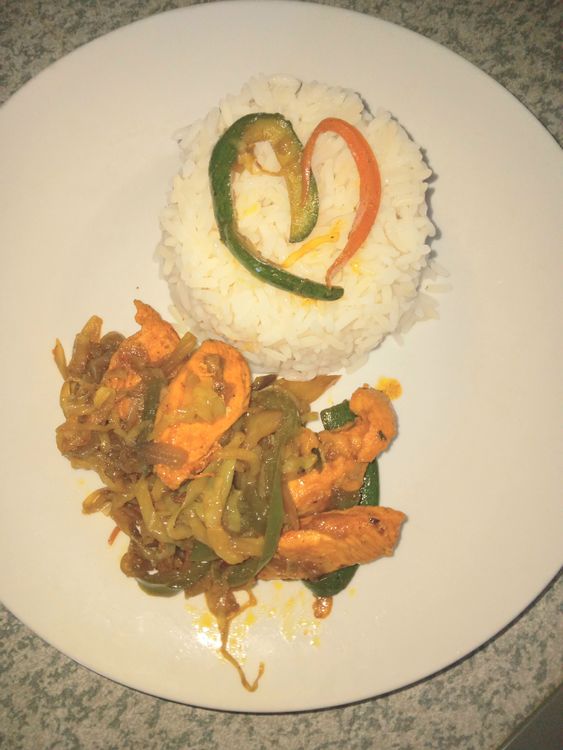
A few dishes never settle neatly into one category, and these are the ones worth keeping in your back pocket once the classics feel routine. They lean on the same fundamentals you have already practiced — a deep brine, a coating cut with starch for crunch, a steady oil temperature and a rack to rest on — but steer them toward different cuts, spice profiles and serving styles, so fried chicken never tastes quite the same twice. Picking your next one is mostly about matching effort to mood: reach for a quick batch of boneless bites or an air-fryer round on a busy night, and save the brined-overnight, double-fried, glaze-tossed numbers for a weekend when you can give the oil and the resting their due. Pay attention to the cut, too, since thin pieces cook fast and want hotter oil while bone-in cuts need lower, slower heat to reach 165 degrees without burning. Think of this group as the natural next step after the staples — the recipes that quietly earn a regular spot in the rotation once you have tried them. Standouts here include Crispy Air-Fried Chicken & Brie Melt with Truffle Aioli and Fried Chicken with Avocado Mole Sauce, plus KFC-Style Fried Chicken Drumsticks.
- Mexican
- Non-Vegetarian
- Lunch
- American
- Non-Vegetarian
- Appetiser

- American
- Non-Vegetarian
- Dinner
- Asian
- Non-Vegetarian
- Lunch
- American
- Non-Vegetarian
- Lunch
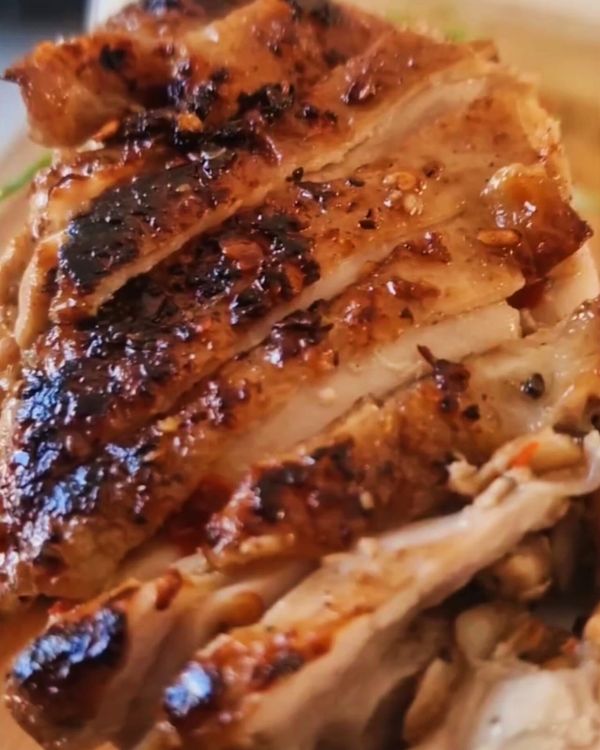

- American
- Non-Vegetarian
- Dinner
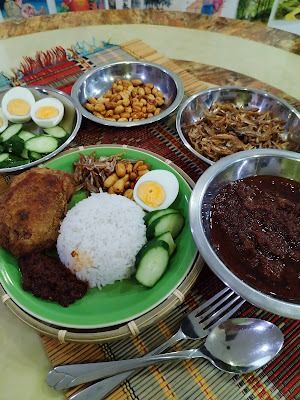
- Malaysian
- Non-Vegetarian
- Lunch
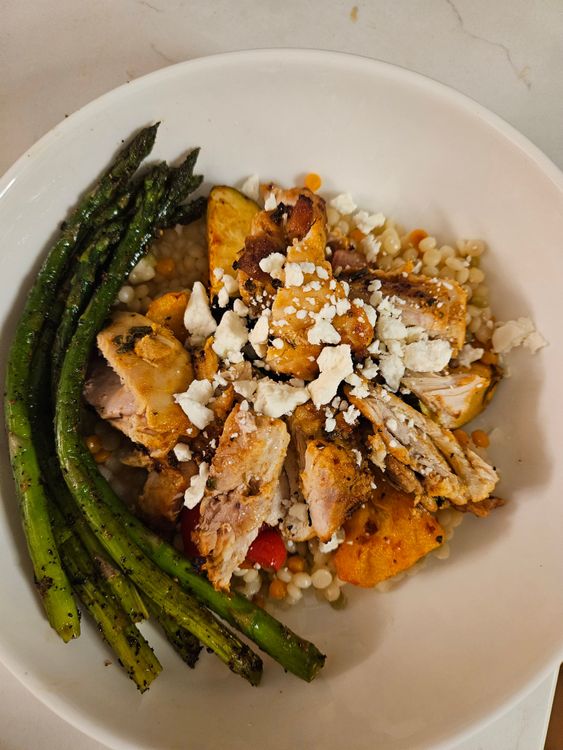
- Mediterranean
- Non-Vegetarian
- Lunch
- Asian
- Non-Vegetarian
- Lunch
- Korean
- Non-Vegetarian
- Lunch
Brining and Buttermilk: Juicy, Seasoned Meat
Brining is the single biggest upgrade to home fried chicken, because it seasons the meat all the way through and helps it hold moisture under the punishing heat of the fryer. A simple wet brine is water, salt and sugar — roughly 1/4 cup of salt per quart of water — with the chicken submerged for two to four hours; any longer for bone-in pieces and the texture turns spongy. A quick rule: the meat should taste lightly seasoned even before it is coated.
Buttermilk is the Southern shortcut that does double duty. Its mild acidity gently tenderizes the surface and, more importantly, it is thick and tacky, so seasoned flour clings to it in clumps that fry into craggy, crunchy ridges. Soak the pieces in buttermilk seasoned with salt, pepper and a little hot sauce for at least an hour and ideally overnight. You can brine first and then buttermilk-soak, but salt the buttermilk lightly in that case so you do not over-season.
Whichever you choose, pull the chicken from the fridge 20 to 30 minutes before frying so it is not ice-cold — cold meat drops the oil temperature hard and cooks unevenly. Let excess brine drip off, but go straight from buttermilk into the dredge while the surface is still wet and tacky. Pat dry only if you are doing a dry-brine or a thin batter; for a buttermilk-and-flour crust, that surface moisture is exactly what you want.
Building a Coating That Shatters and Clings
A great crust starts with the dredge. Season the flour as aggressively as the meat — salt, black and white pepper, paprika, garlic and onion powder, a little cayenne — because a bland coating tastes like nothing no matter how crisp it is. For extra crunch, cut the flour with cornstarch or rice flour (about a 3:1 ratio); the starch fries up glassier and lighter than flour alone, which is the secret behind shatter-crisp Korean and Japanese coatings.
For the craggy Southern look, drizzle a tablespoon or two of the buttermilk into the seasoned flour and rub it in so it forms small clumps, then press the wet chicken firmly into the mix and let it sit five to ten minutes before frying. That rest lets the coating hydrate and hydrate-bond to the surface so it does not slide off in the oil. A double dredge — flour, back into buttermilk, flour again — builds an even thicker, more armored crust if you want maximum crunch.
For boneless, tenders and lighter styles, a wet batter or a thin egg-and-flour coating fries faster and more evenly than a heavy double dredge. Keep one hand "wet" and one hand "dry" while coating so you do not glue your fingers into a club, and shake off every loose bit of flour before the chicken hits the oil — stray flour burns, darkens the oil and leaves bitter specks on the crust.
Oil Temperature: The Number That Decides Everything
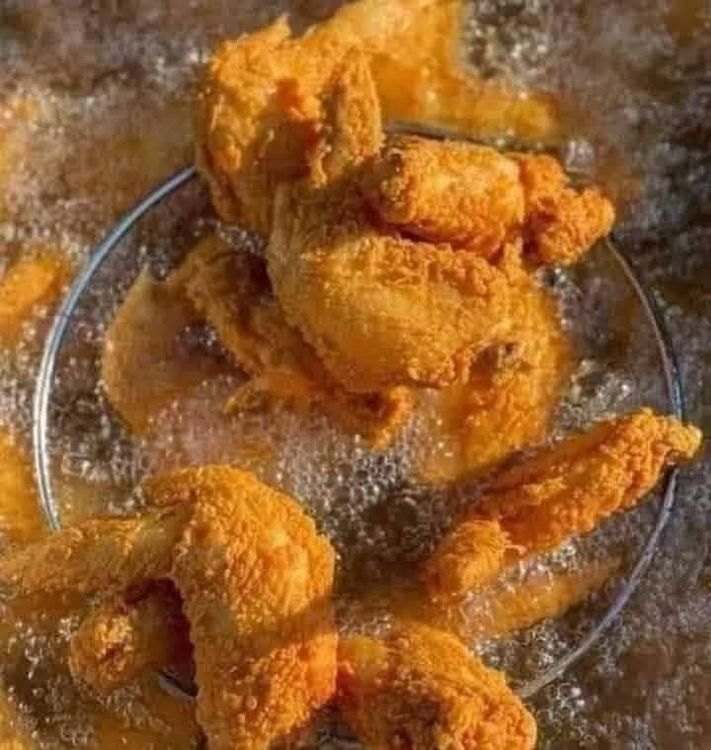
Use a neutral oil with a high smoke point — peanut, canola, vegetable or refined sunflower — and enough of it that the pieces are at least half submerged, with room to bubble without overflowing. Fit a clip-on thermometer to the side of the pot and treat it as non-negotiable. For most bone-in fried chicken, aim to fry at 325–350°F (165–175°C); tenders and thin cuts can go a touch hotter at 350–365°F because they cook through fast.
The trap is that adding cold chicken plunges the oil temperature, so heat it 25–50°F above your target before the first piece goes in, then adjust the flame to hold it steady. Fry in small batches; crowding the pot is the number-one home mistake — it tanks the temperature, steams the coating soft and gives you pale, greasy results. Let the oil recover back to target between batches, and skim out loose crumbs so they do not burn and taint the flavor.
Cook by internal temperature, not color or the clock: pull chicken at 165°F (74°C) in the thickest part, knowing carryover will take it a few degrees higher as it rests. Bone-in thighs and drumsticks are more forgiving than breasts, which dry out fast past temperature. If the crust is browning too quickly while the inside lags, drop the heat — a deep golden crust over raw meat means the oil ran too hot.
Draining, Resting and Keeping It Crisp
Where you drain matters. Resting fried chicken flat on paper towels traps steam underneath and softens the crust you worked for; instead, set the pieces on a wire rack over a baking sheet so air circulates all around and the bottom stays as crisp as the top. A light sprinkle of flaky salt the moment it comes out of the oil — while the surface is hot and faintly oily — makes the seasoning stick and pop.
Rest fried chicken for at least five minutes before serving so the juices redistribute and the crust firms up; cutting in immediately spills the moisture you brined for. To hold a batch warm while you fry the rest, keep it on that rack in a low oven (around 200°F/95°C) rather than piled in a covered dish, which steams and goes soggy. Cooked fried chicken is best within the hour, but it holds this way for a short while without losing its crunch.
For glazed styles like Korean or Nashville, toss or brush the sauce on at the very last moment, because a wet coating softens fast — double-frying first builds a crust sturdy enough to survive the glaze. Leftovers reheat best in a hot oven or air fryer at 375°F for eight to ten minutes to re-crisp the shell; the microwave turns the coating to soft, sad rubber and should be a last resort.
Pro Tips from the Test Kitchen
- Brine bone-in chicken 2–4 hours (1/4 cup salt per quart of water) so it is seasoned all the way through and stays juicy.
- Buttermilk-soak for at least an hour — its tackiness makes the flour cling in craggy, crunchy clumps.
- Cut the dredge flour with cornstarch or rice flour (about 3:1) for a lighter, glassier, shatter-crisp crust.
- Go from buttermilk straight into the flour while the surface is still wet; that moisture is what builds the crust.
- Hold frying oil at 325–350°F for bone-in pieces; clip a thermometer to the pot and treat it as non-negotiable.
- Heat the oil 25–50°F above target before frying — cold chicken plunges the temperature the moment it goes in.
- Fry in small batches; crowding the pot tanks the heat and steams the coating soft instead of crisping it.
- Cook to 165°F internal, not by color or the clock — a dark crust over raw meat means the oil ran too hot.
- Rest fried chicken on a wire rack, never flat on paper towels, so trapped steam does not soften the crust.
- Glaze Korean or Nashville chicken at the last second, and double-fry first so the crust survives the sauce.
Frequently Asked Questions
Why brine fried chicken before frying?
Brining seasons the meat all the way through and helps it hold moisture during the harsh heat of frying, so the inside stays juicy instead of drying out. A simple wet brine of water, salt and a little sugar for two to four hours does the job; buttermilk works as a milder, tenderizing brine of its own. Skip it and the crust may be great while the meat underneath tastes flat and bland.
What oil temperature is best for fried chicken?
Aim for 325–350°F (165–175°C) for most bone-in fried chicken, and 350–365°F for thin cuts like tenders that cook through quickly. Below that range the chicken absorbs oil and turns greasy and pale; above it the crust scorches before the inside is done. Because cold chicken drops the temperature, heat the oil 25–50°F higher first, then adjust to hold it steady once the pieces are in.
Why is my fried chicken greasy and not crispy?
Almost always the oil was too cool or the pot was crowded. When the temperature drops below the frying range, the coating cannot set and seal fast enough, so it soaks up oil instead of crisping. Use a thermometer, fry in small batches so each piece has room, let the oil recover to target between batches, and drain on a wire rack rather than paper towels, which traps steam and softens the crust.
Should I use buttermilk for fried chicken?
Buttermilk is the classic Southern choice for good reason. Its gentle acidity tenderizes the surface of the meat, and its thick, tacky texture makes seasoned flour cling in clumps that fry into craggy, extra-crunchy ridges. Soak the chicken for at least an hour, ideally overnight, in buttermilk seasoned with salt, pepper and hot sauce. No buttermilk on hand? Stir a tablespoon of lemon juice or vinegar into a cup of milk and let it sit ten minutes.
What internal temperature should fried chicken reach?
Cook fried chicken to 165°F (74°C) in the thickest part, measured with an instant-read thermometer rather than judging by color. Carryover heat will carry it a few degrees higher as it rests. Bone-in thighs and drumsticks are forgiving and stay juicy even slightly past temperature, while breasts dry out quickly, so pull them right at 165°F. Color is unreliable because a dark crust can hide undercooked meat.
How do I keep the coating from falling off?
Go from the buttermilk or batter straight into the seasoned flour while the surface is still wet and tacky, press the coating on firmly, then let the dredged pieces rest five to ten minutes so the flour hydrates and bonds before frying. Shake off loose excess flour, do not crowd the pot, and resist flipping the chicken too soon — let the crust set undisturbed for the first few minutes so it does not tear away in the oil.
Can you make crispy fried chicken in an air fryer?
Yes, though it is technically "fried" by hot circulating air rather than oil. Coat the chicken as usual, then spray it generously with oil so the flour can crisp and brown — dry flour stays chalky. Arrange the pieces in a single layer with space between them, flip halfway, and cook at around 375–400°F until the internal temperature hits 165°F. The result is lighter and less greasy, with a crunch that comes close to deep-fried.
What is the difference between Korean and Southern fried chicken?
Southern fried chicken leans on a thick, seasoned buttermilk-and-flour crust fried once to a deep, savory crunch. Korean fried chicken is double-fried — once to cook through, once to crisp — giving a thinner, glassier, exceptionally crackly shell, then usually tossed in a glossy sauce like sweet-spicy gochujang (yangnyeom) or soy-garlic. The double fry and cornstarch-heavy coating are what give Korean chicken its signature long-lasting crunch even under a wet sauce.
Why is my fried chicken raw inside but burnt outside?
The oil was too hot, so the crust browned long before the heat could penetrate to the bone. Drop the temperature into the 325–350°F range and give bone-in pieces the time they need; thicker cuts like whole thighs simply take longer. Bringing the chicken closer to room temperature before frying and cooking to a verified 165°F internal — not by the color of the crust — prevents the dark-outside, raw-inside problem.
What is the best way to reheat fried chicken?
Reheat in a hot oven or air fryer at around 375°F for eight to ten minutes, ideally on a wire rack so air circulates and the crust re-crisps. Let it come closer to room temperature first for more even reheating. Avoid the microwave, which steams the coating into soft, rubbery sogginess. Properly reheated this way, day-old fried chicken can come back surprisingly close to its just-fried crunch.
The thread through every fried chicken recipe here is the same handful of moves: season and brine the meat deep, build a coating that clings and shatters, fry at a steady, correct temperature, and rest it on a rack so the crust stays crisp. Master those on a classic skillet bird and the rest — tenders, air-fryer versions, Korean, Nashville, karaage — are just choices of coating, heat and sauce stacked on the same foundation.
Pick three to cook over the next week — a classic buttermilk bird, a batch of crispy tenders, and one global style to stretch yourself — and save the winners to a Chefadora cookbook. Then work through the rest; this page is built to be the fried chicken reference you actually come back to.
Related
- Fried Chicken
- Chicken
- Southern
- Comfort Food
- Crispy
- Korean
- Air Fryer
- Dinner
Popular Searches
- Best fried chicken recipes
- Easy fried chicken recipes
- Quick fried chicken recipes
- Healthy fried chicken recipes
- Simple fried chicken recipes
- Homemade fried chicken recipes
- Delicious fried chicken recipes
- Popular fried chicken recipes
- buttermilk fried chicken
- crispy fried chicken
- korean fried chicken
Marnirni-apinthi Building, Lot Fourteen,
North Terrace, Adelaide, South Australia, 5000
Australia
