
Top 30 Raita Recipes: Boondi, Cucumber, Beetroot and Regional Varieties
Updated July 2, 2026 · Curated by Chefadora
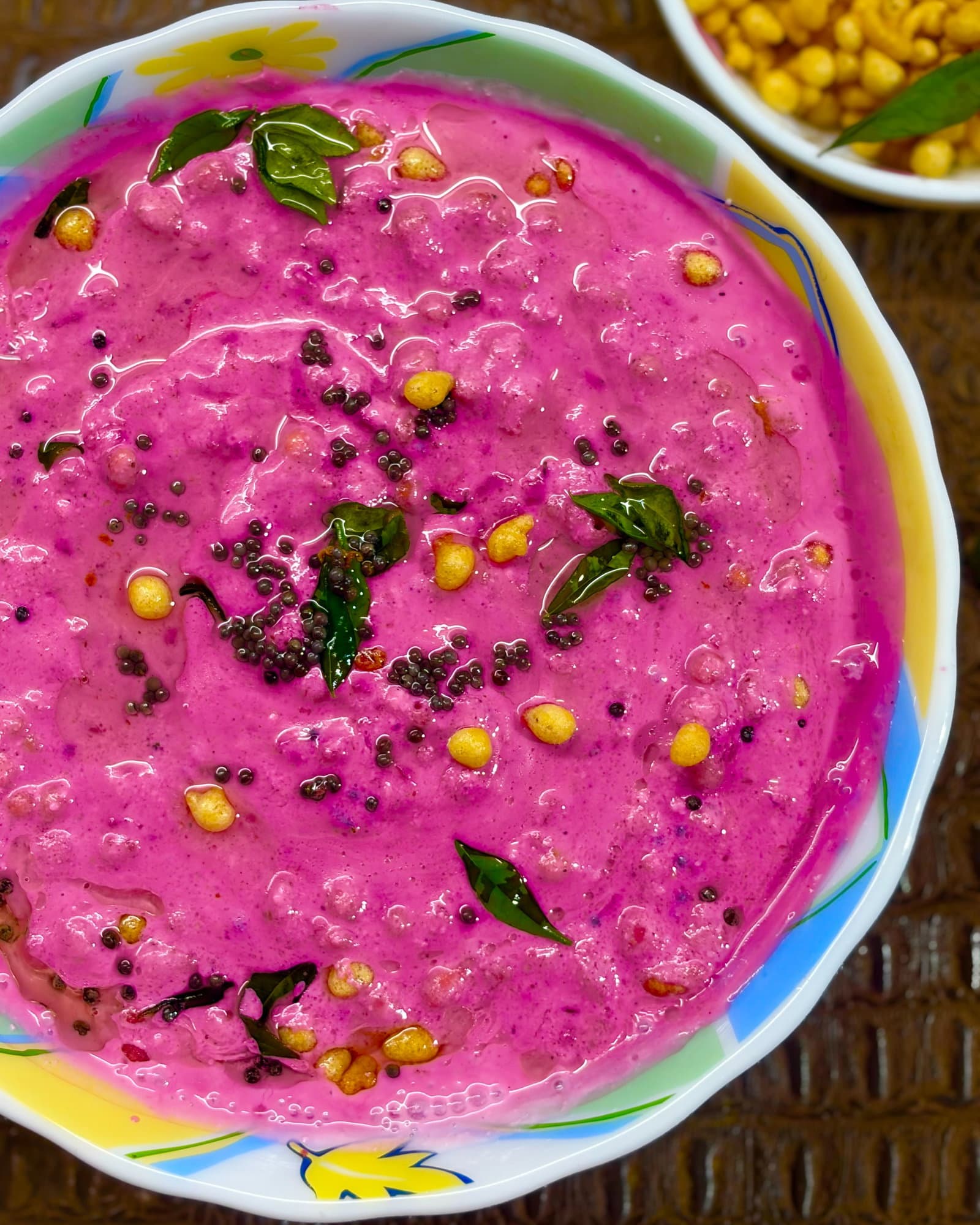
Raita recipes are the cooling counterpart to a spicy Indian meal — whisked yogurt studded with anything from crisp fried boondi to grated cucumber, roasted beetroot or a spoon of pomegranate, seasoned with roasted cumin and a little salt. This collection gathers the range worth having on hand: classic boondi raita, the raita that rides alongside a stuffed paratha, vegetable versions built on cucumber and beetroot, and a handful of regional and fruit-based raitas that step outside the usual pattern.
The base of almost every raita is the same — thick, well-whisked yogurt, seasoned simply so the main ingredient can still be tasted, and served cold. What changes is what gets folded through it, and that single variable is responsible for the enormous range this humble side dish covers, from a wedding-buffet staple to a specific fasting-day accompaniment.
Below, the recipes split into four groups: boondi raita for the classic fried-pearl version, vrat and paratha-side raitas built to accompany a specific dish, vegetable raitas built on cucumber, beetroot, radish and eggplant, and regional or flavored raitas that bring in banana, pomegranate or a hill-style spice blend. Between them they cover nearly every table a raita gets served at.
Use this page as a reference rather than a single read. Every recipe links to full ingredients and method on Chefadora, and the guides below cover what actually decides whether a raita turns out thick and well-seasoned or thin and bland — how to prep yogurt, how to handle watery vegetables, and what to season with and when.
Boondi Raita
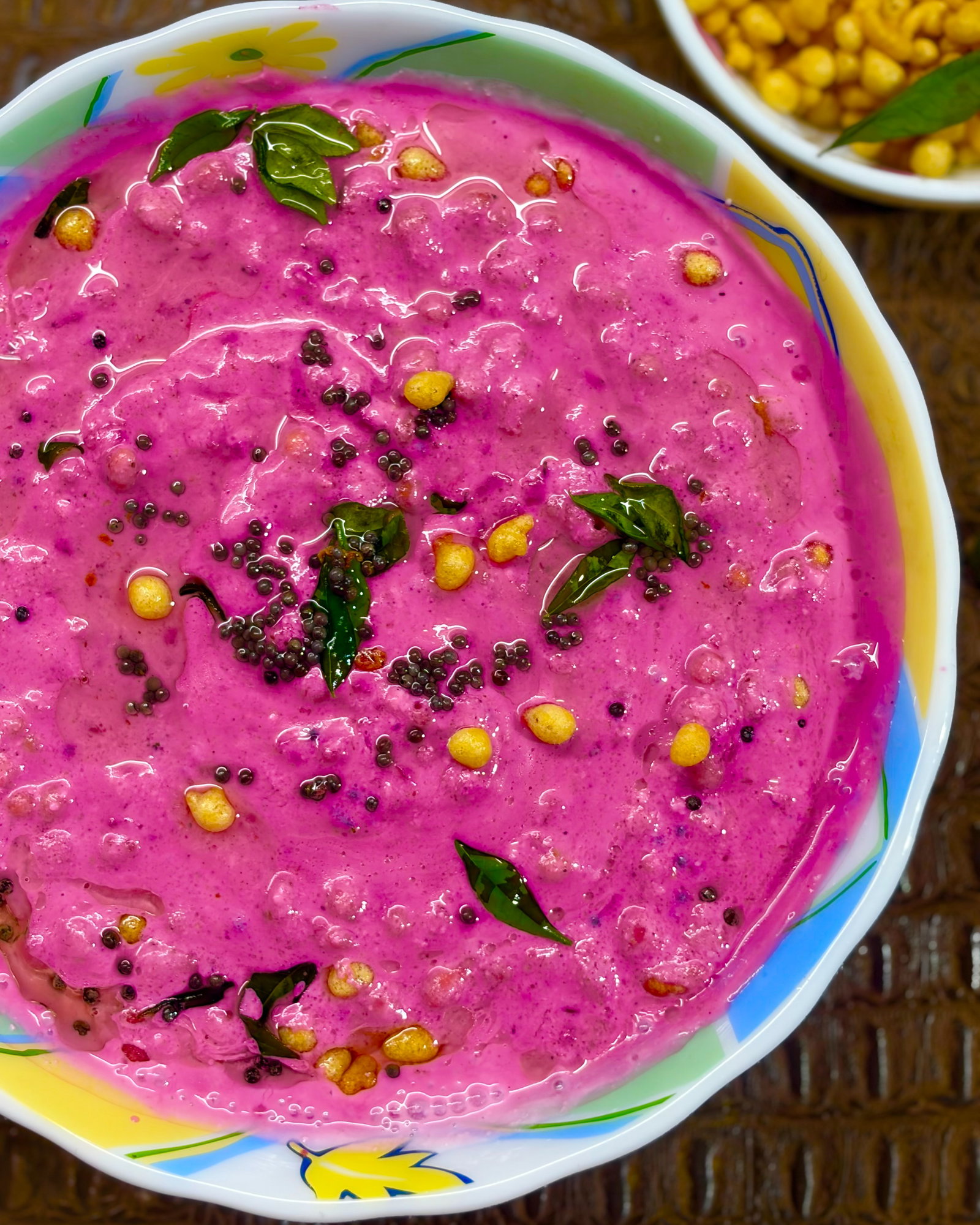
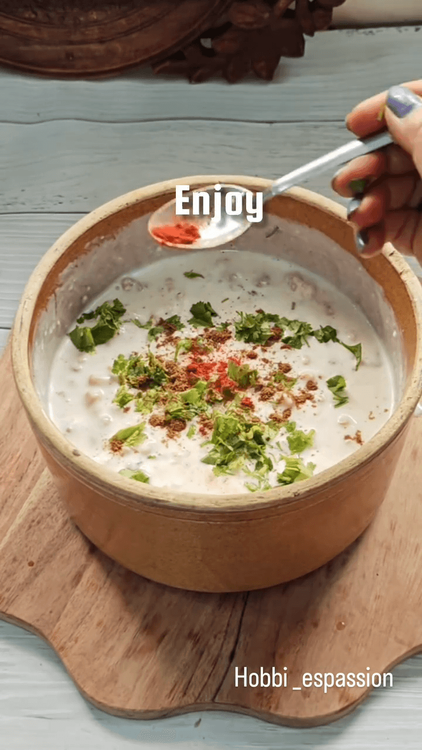
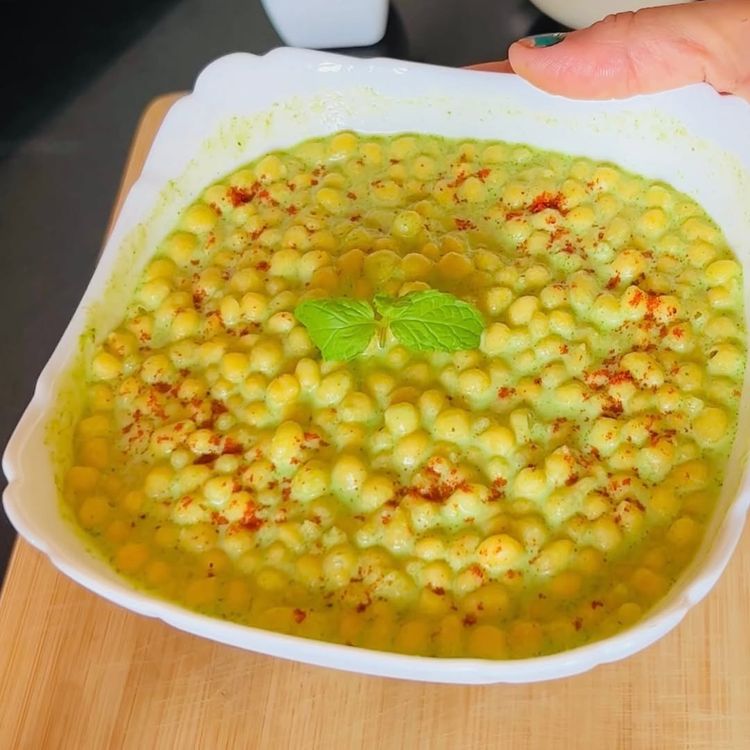
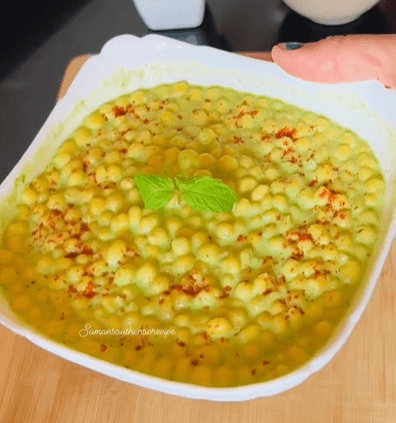
Boondi raita is the most recognizable raita on any Indian table — small, fried gram-flour pearls, usually bought ready-made, folded into whisked yogurt seasoned with roasted cumin and a little salt. The boondi itself is fried separately as a snack in its own right, so making boondi raita is really about the yogurt: thick, smooth and well-seasoned enough to carry the mild, slightly sweet crunch of the pearls. Texture is the whole game here. Dry boondi is quite hard straight out of the packet, so soaking it briefly in warm water before mixing softens it and lets it absorb some of the yogurt's tang, giving a more even bite throughout the bowl. Add it too early, though, and it turns mushy rather than pleasantly soft, so timing matters more with boondi raita than almost any other version. Because it is mild and slightly sweet, boondi raita is the classic partner for biryani and pulao, where its coolness offsets the rice's spice without competing with it. A pinch of chaat masala or a few coriander leaves scattered on top just before serving is the usual finishing touch — simple, but it is what separates a good boondi raita from a forgettable one. Standouts here include Healthy Boondi Raita and Punjabi Boondi ka Raita, plus Pudina Boondi Raita.

- Indian
- Vegetarian
- Snack

- Punjabi
- Vegetarian
- Lunch
- Indian
- Vegetarian
- Side Dish
- Indian
- Vegetarian
- Sauce & Condiment

- Indian
- Vegetarian
- Side Dish
Vrat, Paratha & Chilla-Side Raita
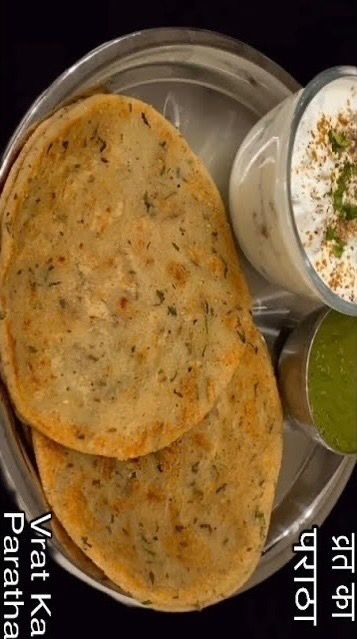
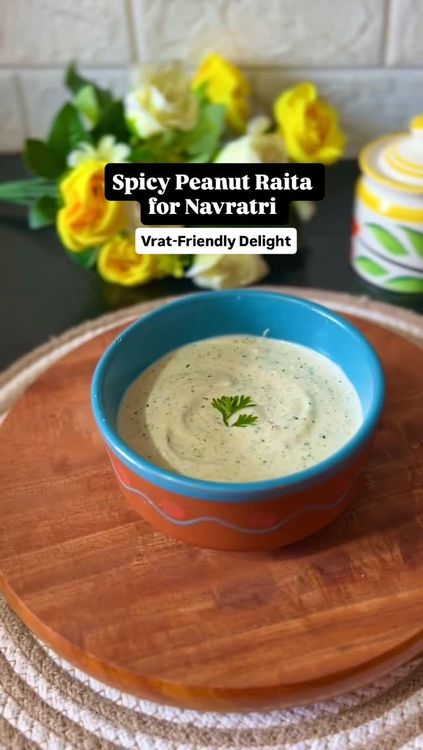
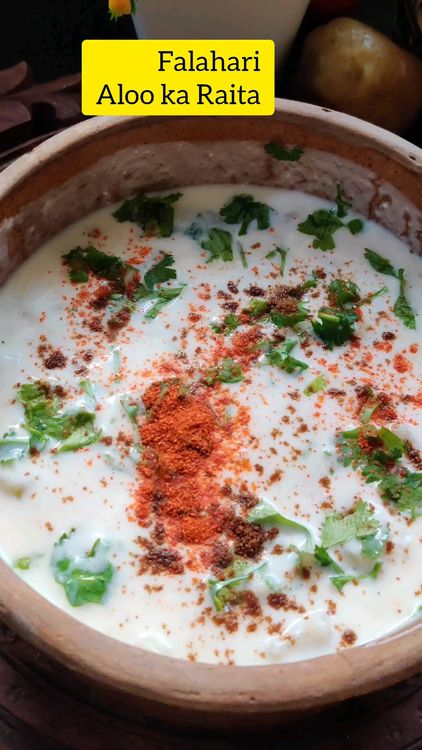
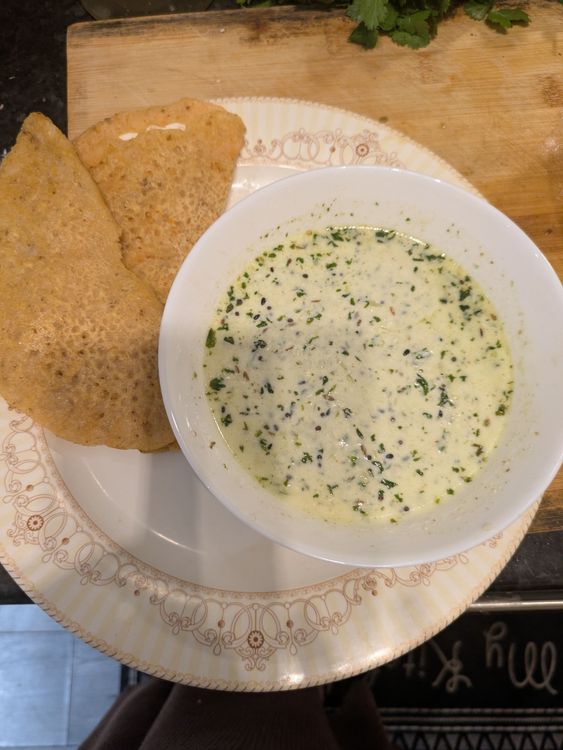
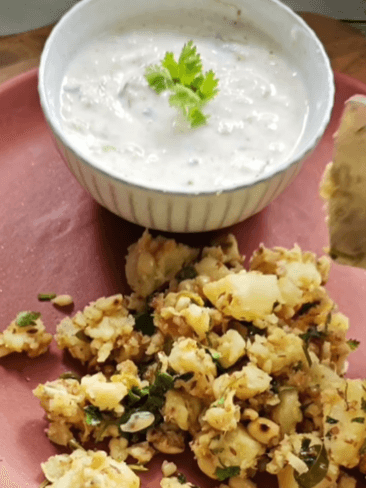
This cluster covers the raitas built to sit beside a specific dish rather than stand alone — the raita that comes with a fasting-day (vrat) paratha, or the one that balances a savory chilla or cheela. Vrat raitas follow fasting-food rules, which usually means no regular table salt (rock salt or sendha namak is used instead) and no everyday spice blends that fall outside what is permitted during a fast, so the seasoning here is deliberately simpler. Because these raitas are eaten alongside a starchy, often fried accompaniment, they tend to lean lighter and more cooling than a heavily spiced version — grated cucumber or a simple whisked yogurt with cumin is common, rather than something rich with fried boondi. The goal is contrast: a soft, spiced paratha or chilla needs a plain, cool counterpart, not another layer of heavy flavor. Falahari and Navratri-specific versions follow the strictest rules, built around ingredients permitted during a fast, while everyday paratha-side raitas have more flexibility and can include onion, tomato or a fuller spice mix. Either way, these raitas are meant to be made in the same sitting as the main dish and served immediately alongside it, rather than kept as a separate, standalone side. Standouts here include Navratri Falahari Grilled Sandwich with Techa Raita and Palak Chilla with Raita, plus Liquid Dough Aloo Paratha & Beetroot Raita.

- Indian
- Vegetarian
- Breakfast


- Indian
- Vegetarian
- Breakfast

- Indian
- Vegetarian
- Breakfast

- Indian
- Vegetarian
- Breakfast

- Indian
- Vegetarian
- Breakfast
- Indian
- Vegetarian
- Breakfast

- Indian
- Vegetarian
- Breakfast
- Indian
- Vegetarian
- Sauce & Condiment
- Indian
- Vegetarian
- Lunch
- Indian
- Vegetarian
- Breakfast
Cucumber, Beetroot & Vegetable Raita
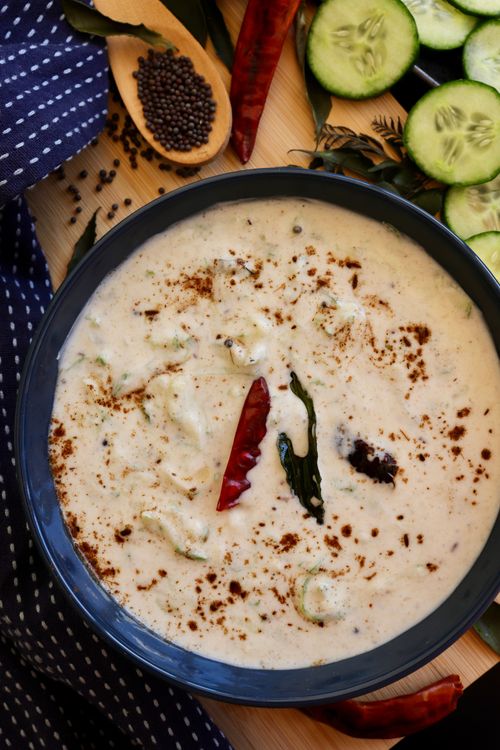
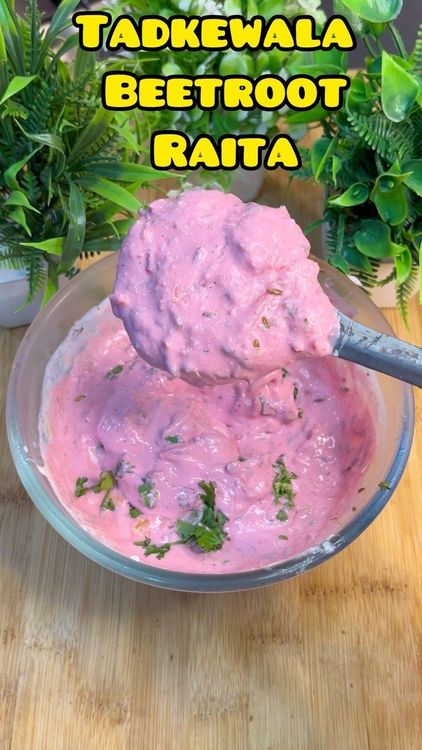
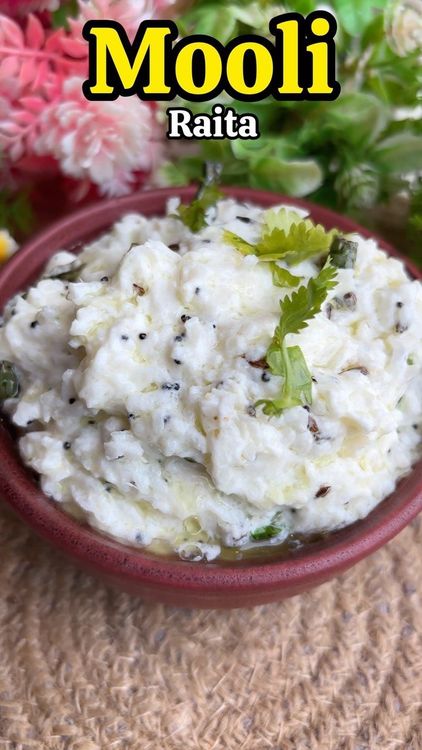
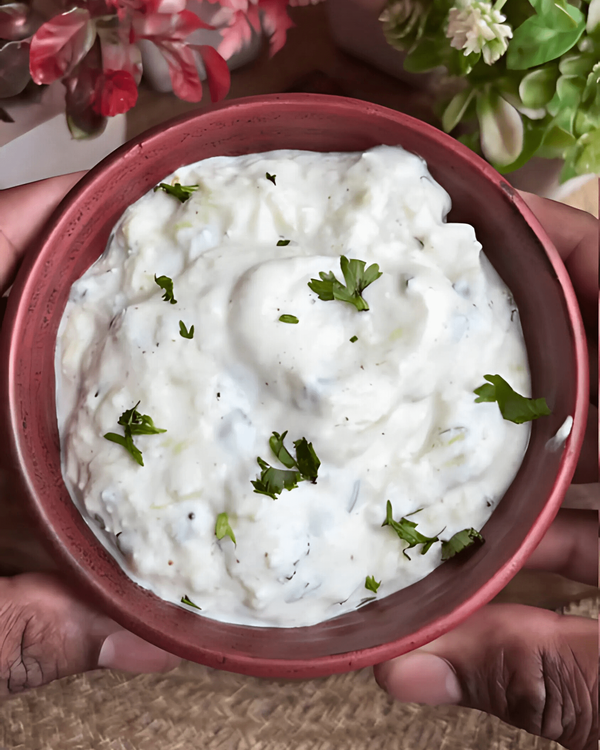
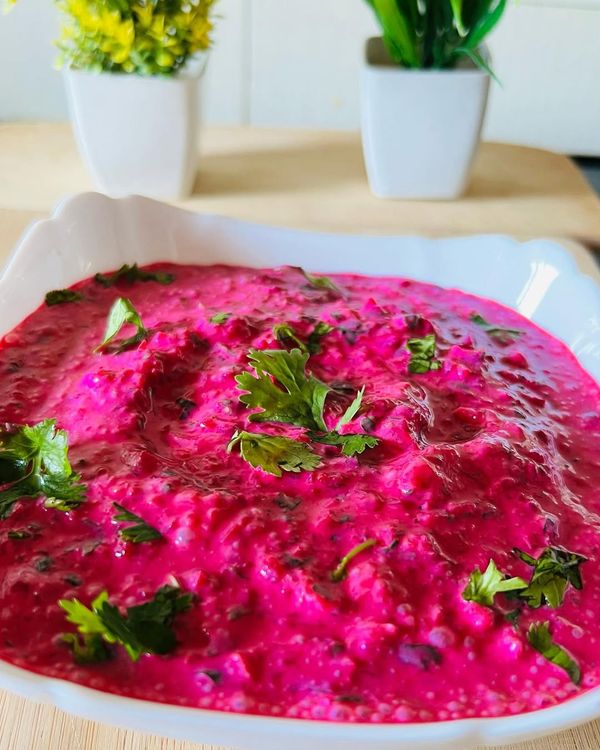
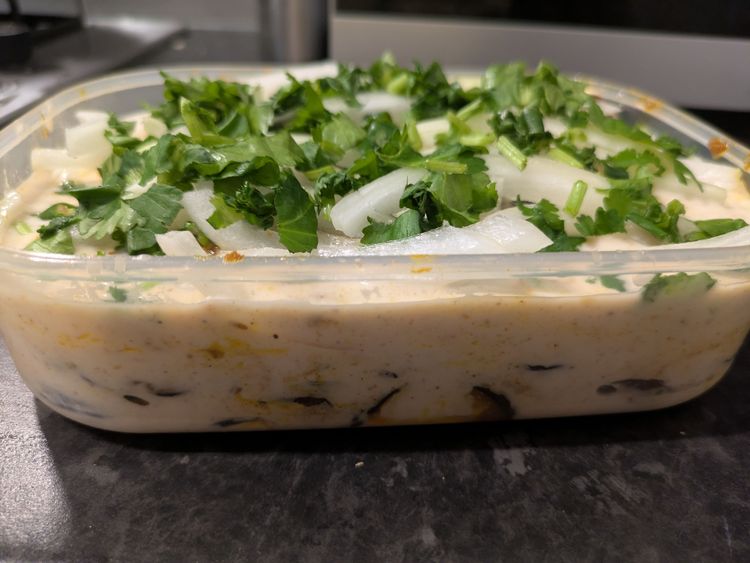
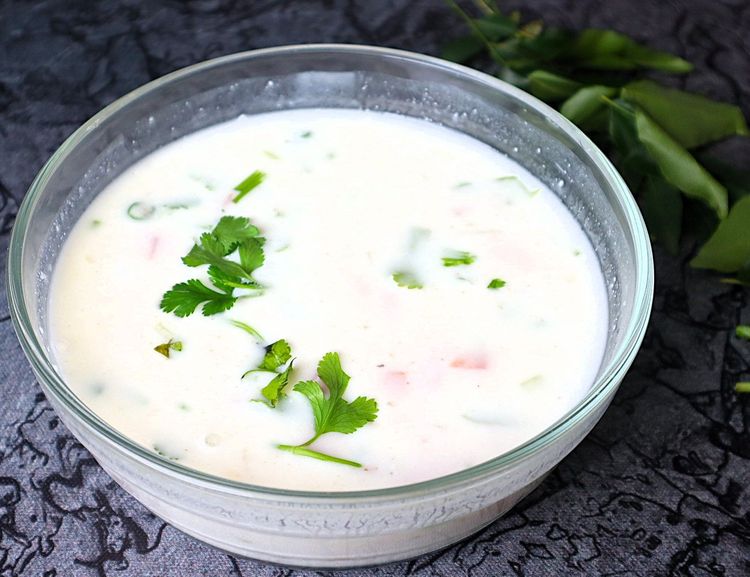
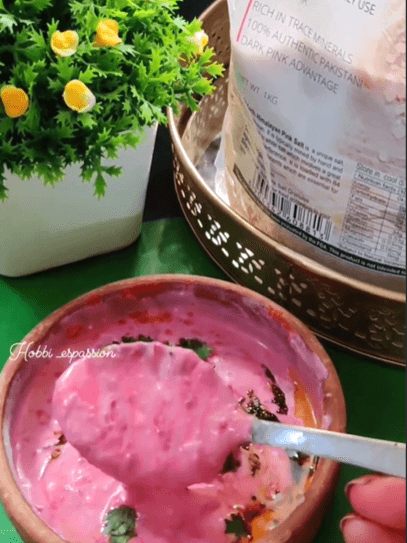
Cucumber, beetroot, radish and eggplant form the vegetable branch of the raita family, where a grated or diced ingredient does most of the work and the yogurt acts as a cool, seasoned backdrop. Cucumber raita is the benchmark — light, hydrating and endlessly adaptable — while beetroot raita brings sweetness and a vivid color that turns a plain side dish into something that stands out on the table. The main technical challenge with this group is moisture. Cucumber and radish both release significant water once salted, and if that water is not drained off before mixing, the raita turns thin and separates within an hour. Beetroot has the opposite issue: minimal water but a strong pigment that bleeds into the yogurt fast, so it is best folded in gently and served reasonably soon after mixing. Eggplant raita (baigan raita) takes a different approach entirely, using roasted or grilled eggplant mashed into the yogurt for a smoky depth closer to a baba ganoush than a typical crunchy raita. Onion and tomato raita, a biryani-counter staple, rounds out the group with a sharper, more savory profile than the sweeter cucumber and beetroot versions. Standouts here include Beetroot Raita (Vibrant & Refreshing) and Cucumber Raita , plus Tadkewala Beetroot Raita.

- Indian
- Vegetarian
- Side Dish
- Indian
- Vegetarian
- Side Dish

- Indian
- Vegetarian
- Snack
- Indian
- Vegetarian
- Side Dish
- Indian
- Vegetarian
- Sauce & Condiment
- Indian
- Vegetarian
- Snack
- Indian
- Vegetarian
- Sauce & Condiment
- Pakistani
- Vegetarian
- Side Dish

- Indian
- Vegetarian
- Side Dish
Regional & Flavoured Raita
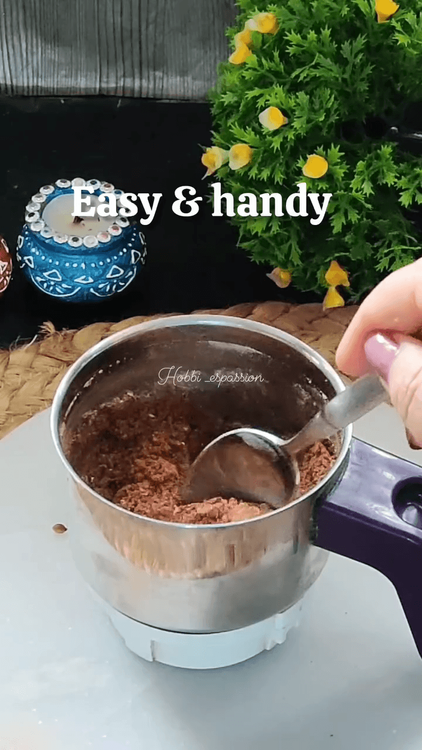
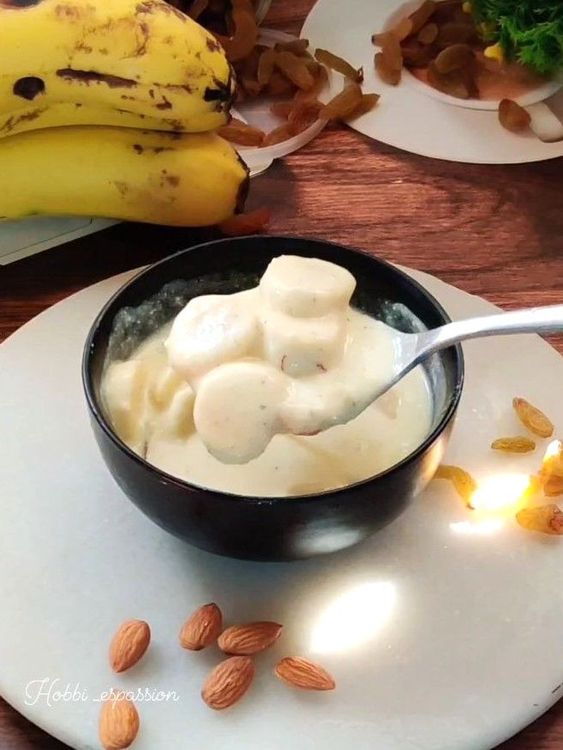
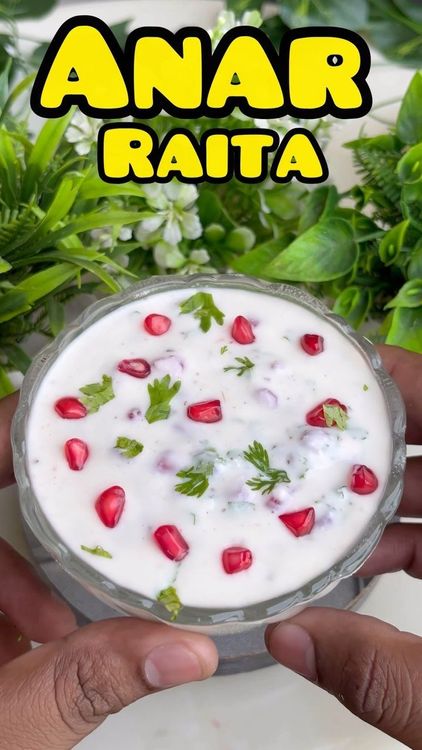
This last cluster gathers the raitas that step outside the usual cucumber-and-boondi template — Kumaoni raita from the hills of North India, built on roasted and ground spices rather than a folded-in vegetable, and fruit-forward versions like banana and pomegranate raita that lean sweeter than almost anything else in the category. What connects them is a willingness to treat raita as more than a simple cooling side and give it its own distinct flavor identity. Banana raita, in particular, works best with a light hand on savory spices — a small pinch of sugar and roasted cumin, rather than the fuller spice mix used in a vegetable raita, since banana's sweetness clashes with anything too sharp. Pomegranate (anar) raita takes the opposite approach, using the fruit's tart-sweet burst mostly as a garnish scattered over a more standard cumin-seasoned base rather than blended through it. Homemade raita masala, a dry-roasted spice blend kept on hand specifically for seasoning yogurt, belongs here too — once you have a jar of it mixed and ready, turning plain yogurt into a reasonably good raita takes under a minute. These are the versions worth trying once the classics are familiar, when you want raita to do something a little different. Standouts here include Kumaoni Raita (Pahadi Raita) and Green Herbs Cubes (For Instant Drinks, Raita & Dips), plus Homemade Raita Masala.

- Indian
- Vegetarian
- Side Dish

- Indian
- Vegan
- Sauce & Condiment
- Indian
- Vegan
- Sauce & Condiment
- Punjabi
- Vegetarian
- Dessert
- Indian
- Vegetarian
- Side Dish
- Indian
- Vegetarian
- Snack
Getting the Yogurt Base Right
Start with thick, full-fat yogurt where possible — thin or watery yogurt makes a raita that separates and looks unappetizing no matter what you fold into it. If your yogurt is on the thinner side, hang it in a muslin cloth over a bowl for twenty to thirty minutes to let excess whey drain off before using it, which noticeably improves the final texture. Greek yogurt, which is already thicker and strained, needs less draining time and gives an even richer raita, though it can taste noticeably more tangy than standard dahi, so taste and adjust salt accordingly.
Whisk the yogurt smooth before adding anything else, working out any lumps with a fork or whisk rather than a spoon. A splash of cold water or milk can loosen yogurt that is too thick to fold ingredients through easily, but add it gradually — raita should coat a spoon, not pour like a drink.
Season the yogurt itself before folding in the main ingredient: salt, a pinch of roasted cumin powder and, if you like, a little black salt for that distinctive tangy note. Seasoning the base first means every spoonful tastes consistent, rather than ending up with pockets of plain yogurt and pockets of over-seasoned vegetable.
Managing Watery Vegetables
Cucumber, radish and other high-water vegetables are the main reason raita turns watery and thin within an hour of making it. Grate or dice them, salt lightly and let them sit in a colander for ten minutes, then squeeze out the released liquid by hand before folding into the yogurt. Skipping this step is the single most common raita mistake. This squeezing step alone can remove several tablespoons of liquid from a single cucumber, which is exactly the amount that would otherwise separate out in the serving bowl and make the raita look watery and unappetizing by the time it reaches the table.
Beetroot behaves differently — it does not release much water, but it does bleed color fast, so fold it in gently and serve reasonably soon if you want the raita to stay more pink than fully magenta. Lightly cooked or roasted beetroot, cooled before mixing, gives a sweeter flavor than raw grated beetroot and also softens slightly less into the yogurt. A quick rinse of grated beetroot under cold water before mixing can also mellow its earthiness slightly for those who find raw beetroot too intense on its own.
Boondi absorbs liquid rather than releasing it, so it works in the opposite direction — soak the fried pearls briefly in warm water to soften them before adding to yogurt, which keeps them from staying hard and drawing moisture out of the raita itself. For any raita you are making ahead, add crunchy elements like boondi or fried garnishes only close to serving so they do not go soft.
Building Flavor Beyond Salt and Cumin
Roasted cumin powder is the backbone seasoning of most raita, and roasting whole cumin seeds in a dry pan until fragrant, then grinding them fresh, makes a real difference over pre-ground powder that has lost most of its aroma sitting in a jar. A pinch of chaat masala or black salt adds a tangy, slightly sulphurous note that many classic raitas rely on. Toasting whole spices just until they smell fragrant, rather than until they visibly darken, avoids the bitterness that comes from scorching cumin or coriander seeds, so keep the pan moving and your nose close by while roasting.
Fresh herbs — mint, coriander, or curry leaves for southern-style raitas — should go in close to serving rather than sitting in the yogurt for hours, where they can turn the whole bowl slightly bitter or discolored. A finishing tempering of mustard seeds, cumin and curry leaves, similar to a chutney tadka, lifts a plain raita into something closer to a South Indian pachadi.
For sweeter, fruit-based raitas like banana or pomegranate, a small pinch of sugar balances the tartness of the yogurt without making the dish taste like dessert, and roasted cumin is usually reduced or dropped entirely since it clashes with fruit. Taste before serving and adjust — raita is one of the easiest dishes to under-season by assuming the yogurt alone provides enough flavor.
Timing and Serving Raita
Raita is best made close to serving time, ideally within an hour or two, since both the salted vegetables and the yogurt continue to release liquid the longer it sits. If you need to prepare further ahead, keep the yogurt base and any crunchy or watery components separate and combine them only just before the meal reaches the table. A raita made too far ahead can also lose its vivid color, particularly beetroot or pomegranate versions, since pigments continue to bleed and dull the longer they sit mixed into the yogurt rather than staying vibrant.
Serve raita well chilled — it is meant to be a cooling contrast to a hot, spiced meal, and a raita served at room temperature loses much of that effect. Keep it in the fridge until the last possible moment, and if serving at a buffet or party, sit the bowl over ice to keep it cold longer.
Pair boondi and vegetable raitas with biryani, pulao and richly spiced curries where their coolness cuts through the heat. Vrat-specific raitas belong alongside fasting-friendly parathas and cheelas rather than a regular meal, since they are built without regular table salt or certain spices to fit fasting rules. Either way, a small bowl goes further than it looks — raita is a side, not the main event.
Pro Tips from the Test Kitchen
- Hang thin yogurt in muslin for 20-30 minutes to drain excess whey before making raita.
- Salt and drain grated cucumber or radish for 10 minutes, then squeeze out the liquid before folding into yogurt.
- Roast and grind cumin seeds fresh for raita — pre-ground powder loses most of its aroma over time.
- Add boondi or other crunchy garnishes only right before serving so they stay crisp instead of going soft.
- Soak dry boondi briefly in warm water before mixing into raita for a softer, more even texture.
- Season the yogurt base with salt and cumin before folding in vegetables, so every spoonful tastes consistent.
- Fold beetroot in gently and serve soon after mixing if you want to keep the raita more pink than fully magenta.
- Add fresh herbs like mint or coriander close to serving time — they discolor and turn bitter if left sitting in yogurt.
- Serve raita well chilled, straight from the fridge, for the best cooling contrast against a spicy meal.
- For fruit-based raitas like banana, reduce or skip the cumin and add a small pinch of sugar instead.
Frequently Asked Questions
How do you make raita thicker?
Start with thick, full-fat yogurt, or hang thinner yogurt in muslin for twenty to thirty minutes to drain off excess whey before using it. Also make sure any vegetables folded in are well-drained after salting, since watery vegetables are the most common reason a raita thins out within an hour of making it.
What is boondi raita made of?
Boondi raita is whisked yogurt seasoned with roasted cumin and salt, mixed with small fried gram-flour pearls called boondi. The boondi is usually soaked briefly in warm water first to soften it before mixing in, which keeps the texture even rather than hard and dry. It is one of the most common raitas served with biryani and pulao.
How do you keep raita from becoming watery?
Salt and drain high-water vegetables like cucumber or radish in a colander for about ten minutes, then squeeze out the released liquid by hand before folding them into the yogurt. Making raita close to serving time, rather than hours ahead, also helps, since both yogurt and vegetables continue to release moisture the longer they sit together.
What is the difference between raita and yogurt dip?
Raita is a specific style of seasoned yogurt side dish in Indian cooking, typically flavored with roasted cumin, salt and a folded-in vegetable or fried element, served cold as a cooling accompaniment to a meal. A yogurt dip is a broader category that can include many other cuisines' preparations, like Greek tzatziki or Middle Eastern labneh, which use different herbs and techniques.
Can raita be made ahead of time?
The yogurt base can be prepared and seasoned a few hours ahead and kept chilled, but it is best to fold in watery vegetables, boondi or fresh herbs only shortly before serving, since these components soften, release liquid or discolor the longer they sit in the yogurt.
What vegetables work best in raita?
Cucumber is the most common choice for its cooling crunch, followed by beetroot, radish (mooli) and eggplant (baigan) for something more distinctive. Onion and tomato together also make a popular version, especially alongside biryani. Whichever vegetable you choose, salting and draining it briefly before mixing keeps the raita from turning thin.
Is raita good for digestion?
Yogurt itself contains beneficial bacteria that many people find easier on digestion than plain milk, and the cooling, mild nature of raita is traditionally paired with spicier dishes partly for that reason. Additions like roasted cumin and mint are also considered digestion-friendly in Indian home cooking, though raita is best thought of as a comforting side rather than a medicinal dish.
What is Kumaoni raita?
Kumaoni raita, also called pahadi raita, is a hill-style version from the Kumaon region of North India, typically made with roasted and ground spices like cumin, coriander and sometimes mustard seed stirred into yogurt, occasionally with grated cucumber. It leans more spiced and less sweet than many plainer raitas found elsewhere in India.
Can raita be made without yogurt?
Traditional raita relies on yogurt for its texture and characteristic tang, so a true raita needs it. For a dairy-free version, a thick, unsweetened plant-based yogurt such as coconut or cashew yogurt can substitute reasonably well, though the flavor and tang will differ somewhat from the dairy original.
What dishes pair best with raita?
Biryani and pulao are the classic pairing, where a cool boondi or vegetable raita balances the rice's spice. Raita also works well alongside kebabs, parathas, and any richly spiced curry, and vrat-specific raitas are made to accompany fasting-friendly parathas and cheelas rather than a regular meal.
Every raita here comes back to the same foundation: well-seasoned, properly thickened yogurt, with watery or crunchy additions handled carefully so the texture holds. Get that base right and the rest is just choosing what to fold in — fried boondi, grated cucumber, roasted beetroot or something more distinctive like banana or pomegranate.
Keep a batch of plain seasoned yogurt ready in the fridge and you can turn it into any raita on this page in minutes. Try one from each cluster over the next few meals, save your favorites to a Chefadora cookbook, and this becomes the raita reference you actually use rather than just read once.
Related
- Raita
- Indian
- Yogurt
- Side Dish
- Vegetarian
- Cooling
- North Indian
Popular Searches
- Best raita recipes
- Easy raita recipes
- Quick raita recipes
- Healthy raita recipes
- Simple raita recipes
- Homemade raita recipes
- Delicious raita recipes
- Popular raita recipes
- raita recipe
- how to make raita
- boondi raita
Marnirni-apinthi Building, Lot Fourteen,
North Terrace, Adelaide, South Australia, 5000
Australia
