
Top 30 Dulce De Leche Recipes: Cakes, Tarts, Flans and More
Updated June 30, 2026 · Curated by Chefadora
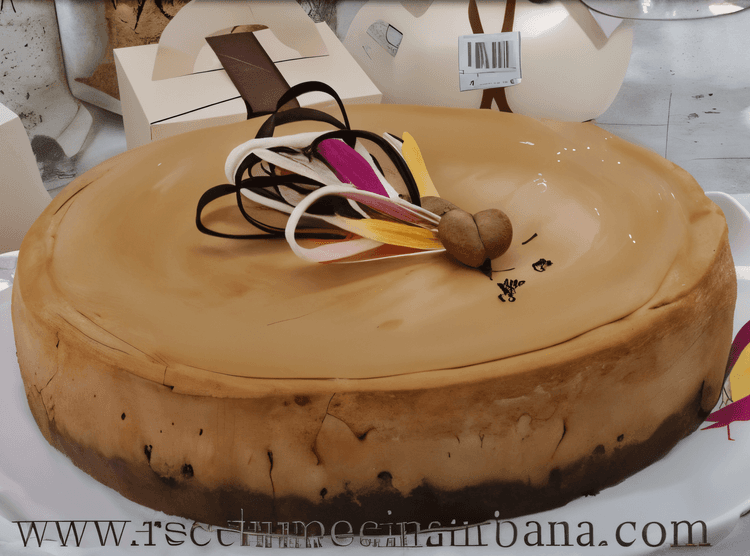
Dulce de leche recipes occupy a different corner of the dessert world from most caramels: sweeter, milkier and slower-cooked, with a depth that comes from the Maillard reaction happening quietly over hours rather than minutes. The result is a spread, a filling and a sauce all at once — spread it on toast, pipe it into alfajores, swirl it through cheesecake batter or thin it with cream for a fondue. The dishes in this collection show how far that single ingredient reaches.
What makes dulce de leche distinct from standard caramel is the milk: caramel is sugar and cream; dulce de leche is milk or condensed milk cooked until the sugars brown and the liquid concentrates into a thick, pourable paste. The flavour is less sharp, more round — there is no moment of danger where the sugar could burn bitter the way caramel can. That forgiving quality is part of what makes it so useful in baking.
You will find four clusters: cakes, rolls and pastries where dulce de leche is a filling, frosting or swirl; tarts, puddings and flans where it is a set component; frozen and no-bake desserts that need no oven; and the homemade base recipes for making your own from scratch. Each recipe links to full method on Chefadora — these clusters are the map.
The guides below cover the practical side: how to make dulce de leche at home using three different methods, how to adjust its texture for different uses, how to pair it with chocolate or citrus to cut the richness, and how to store it without it crystallising. Whether you are starting from a tin or a slow cooker, the principles are the same.
Dulce de Leche Cakes, Rolls & Pastries
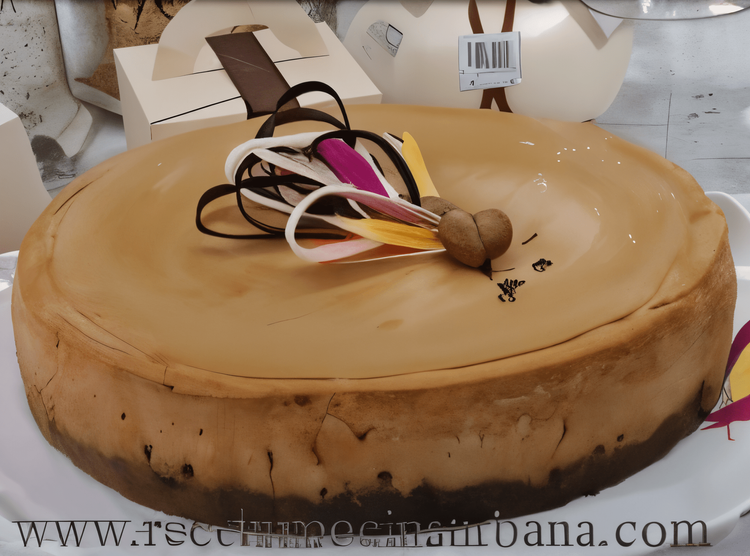
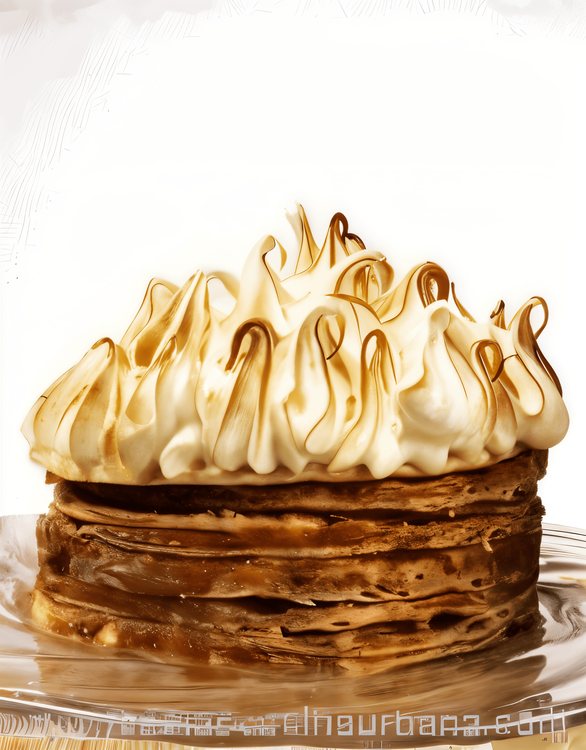
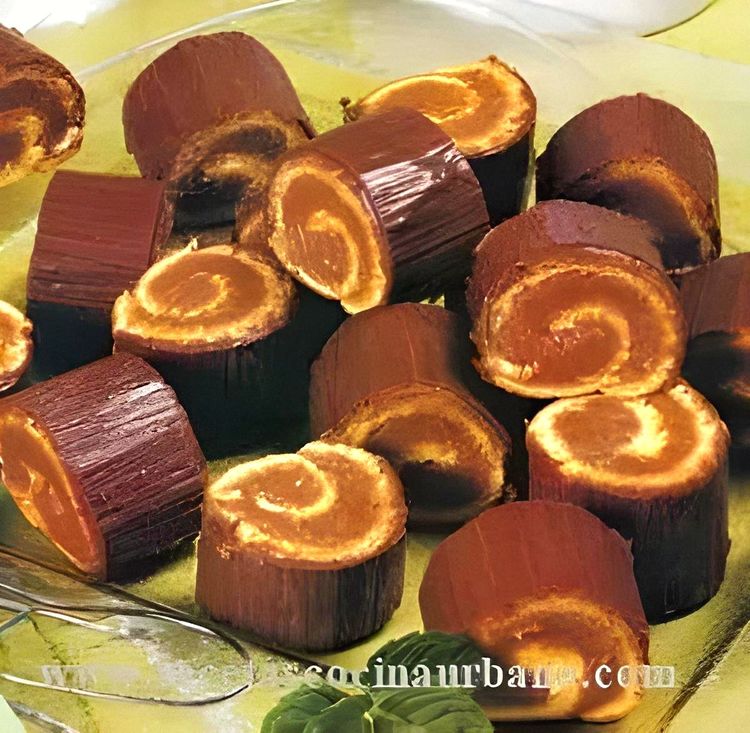
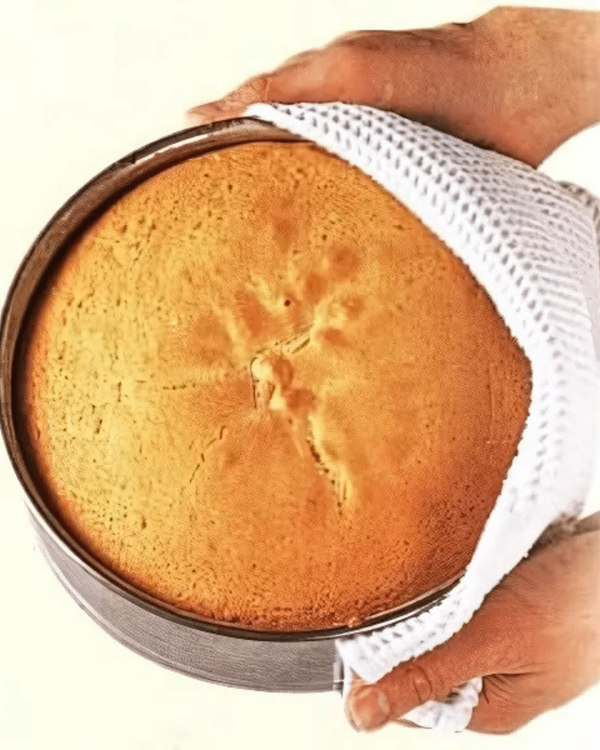
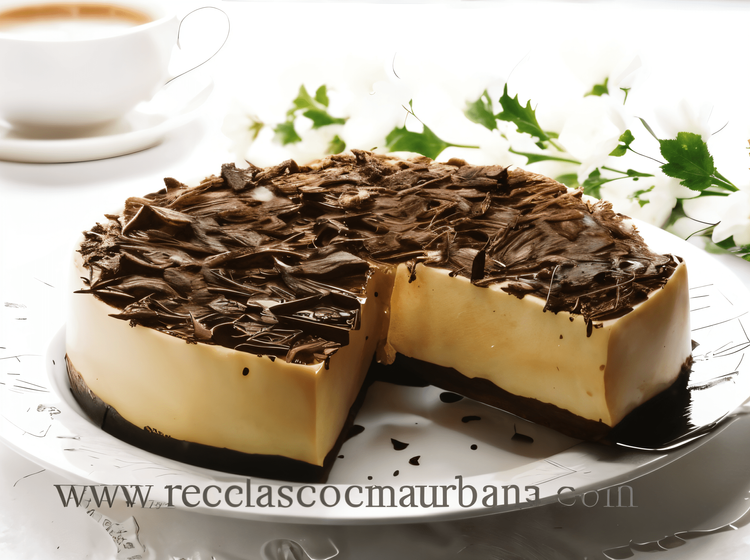
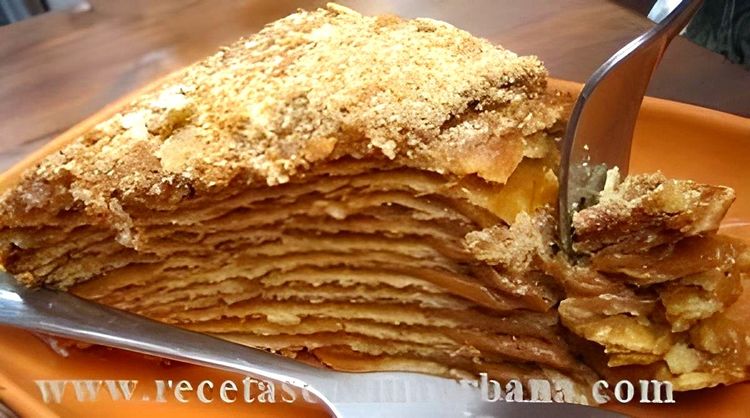
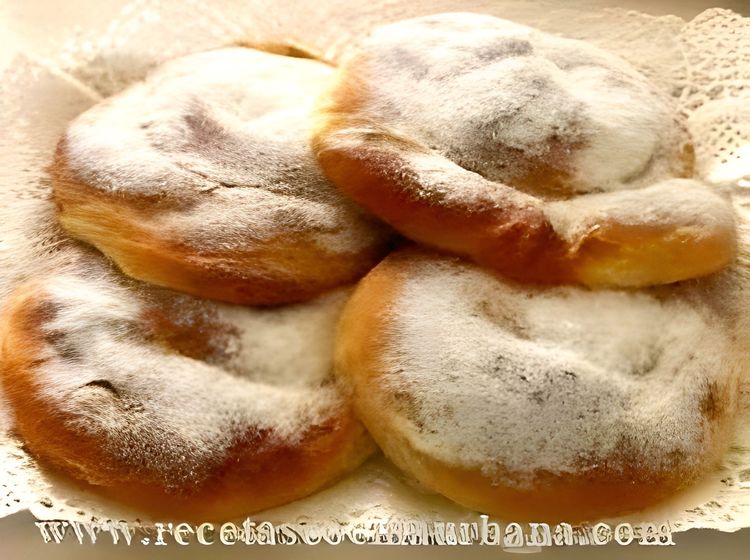
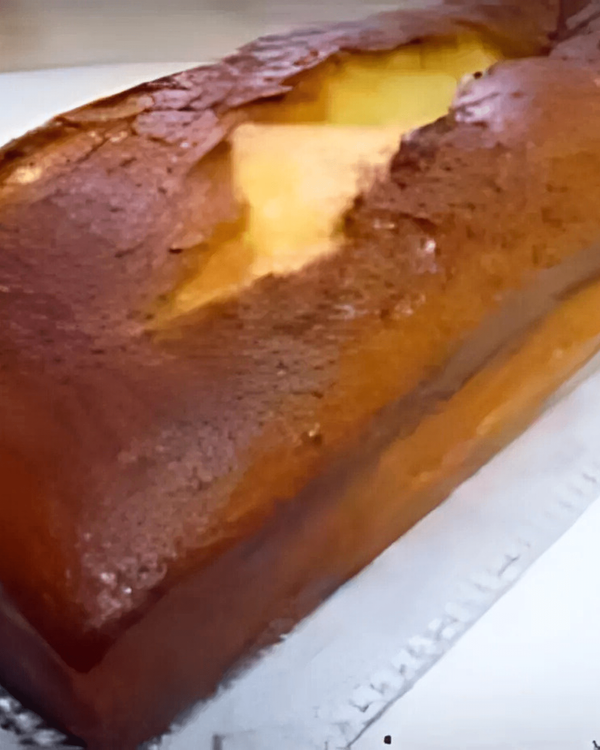
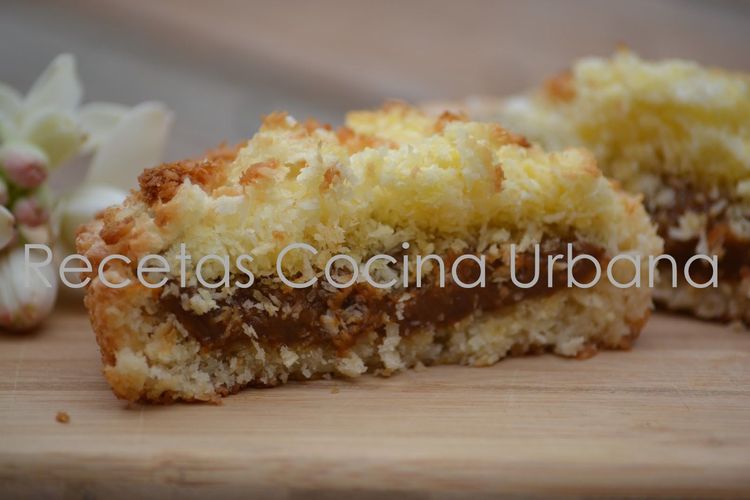
Dulce de leche in baking works differently from jam or chocolate: it is denser, stickier and sweeter, which means a small amount goes further than you might expect. Swirled through a sponge batter at the end of mixing, it creates caramel ribbons through the crumb rather than blending into the batter evenly — which gives a more interesting, layered flavour in every slice. In rolls and ensaimadas, it is spread over the dough before rolling, concentrating as it bakes and caramelising slightly at the edges. In alfajores and rogel-style layered pastries, it is the filling and the flavour — the biscuits or pastry layers are intentionally neutral so the dulce de leche can be the whole point. The technique decision that matters most in this cluster is temperature: dulce de leche at room temperature spreads cleanly without tearing dough; cold, it drags and creates uneven layers. Warm it briefly if it has come from the fridge before using in any pastry application. For cakes that call for dulce de leche in the batter, reduce any other sugar in the recipe by a third to avoid an overly sweet result. Standouts here include Dulce de Leche Cheesecake and Dulce de Leche Alfajor Rogel-Style, plus Dulce de Leche Rolls with Chocolate Ganache.
- Argentine
- Eggetarian
- Dessert
- Argentine
- Eggetarian
- Snack
- Argentinian
- Eggetarian
- Snack
- Latin American
- Eggetarian
- Snack
- Latin American
- Eggetarian
- Dessert
- Argentinian
- Vegetarian
- Dessert
- Argentinian
- Eggetarian
- Snack
- Spanish
- Non-Vegetarian
- Breakfast
- Latin American
- Eggetarian
- Snack
- Argentine
- Eggetarian
- Snack
Dulce de Leche Tarts, Puddings & Flans
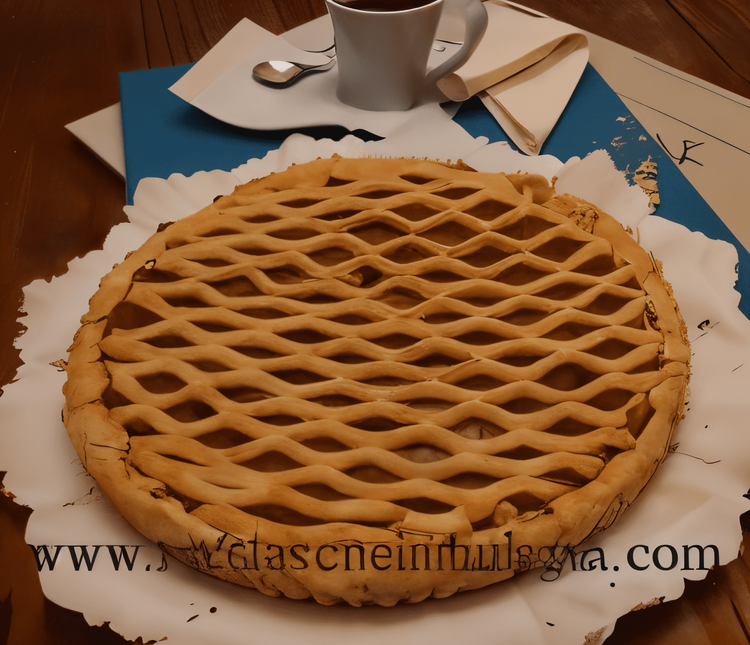
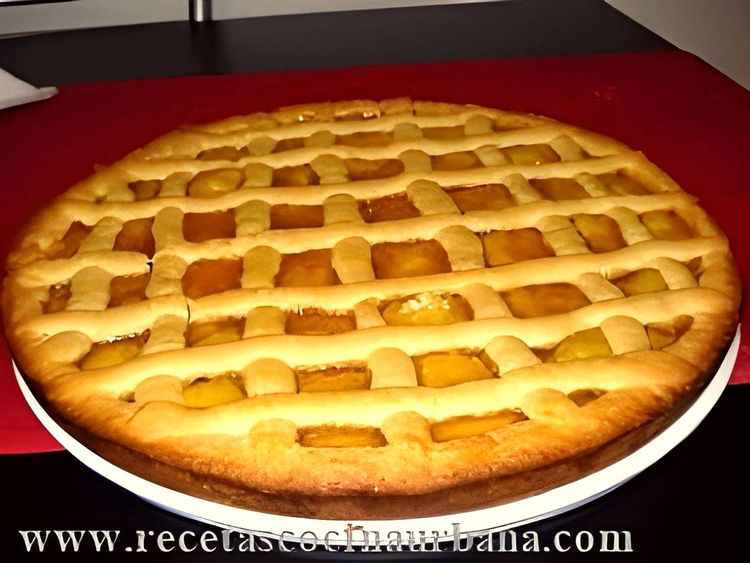
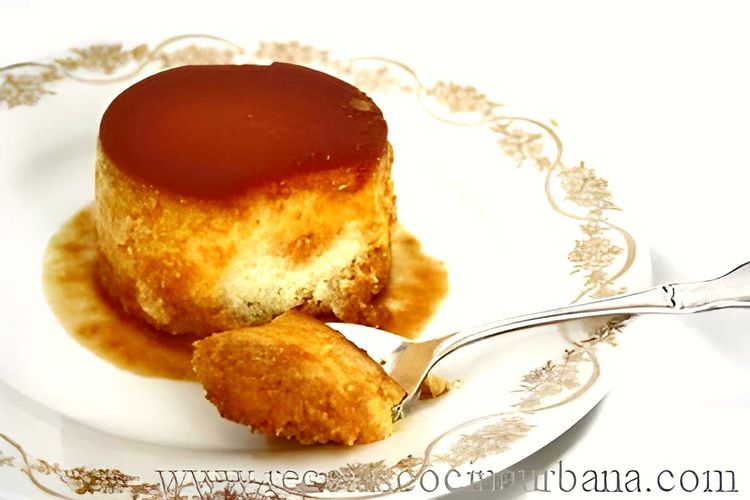
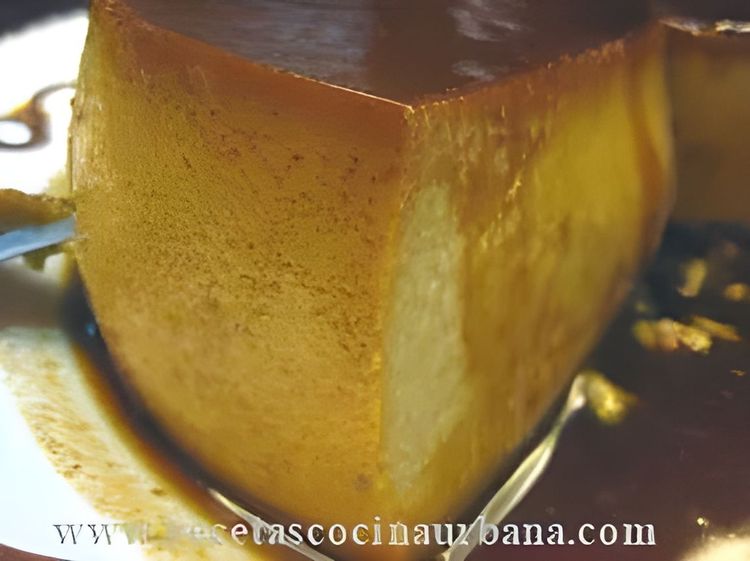
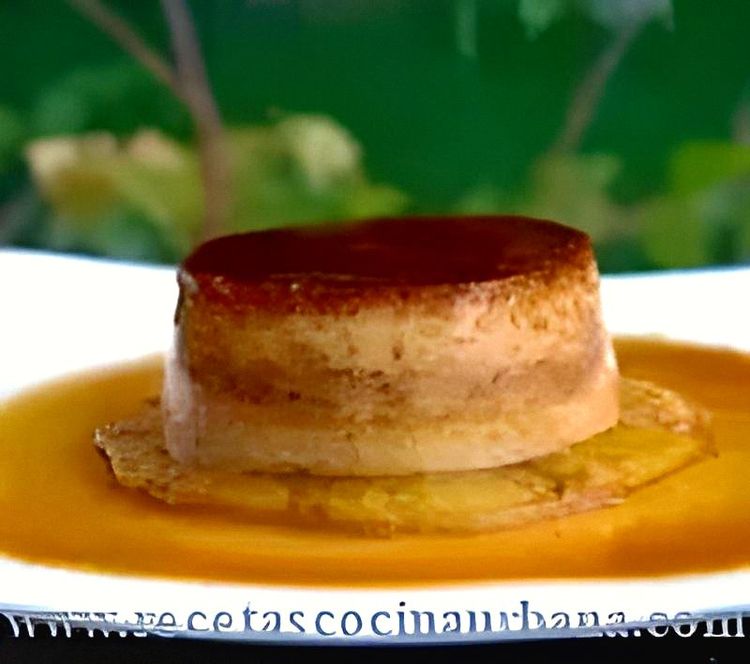
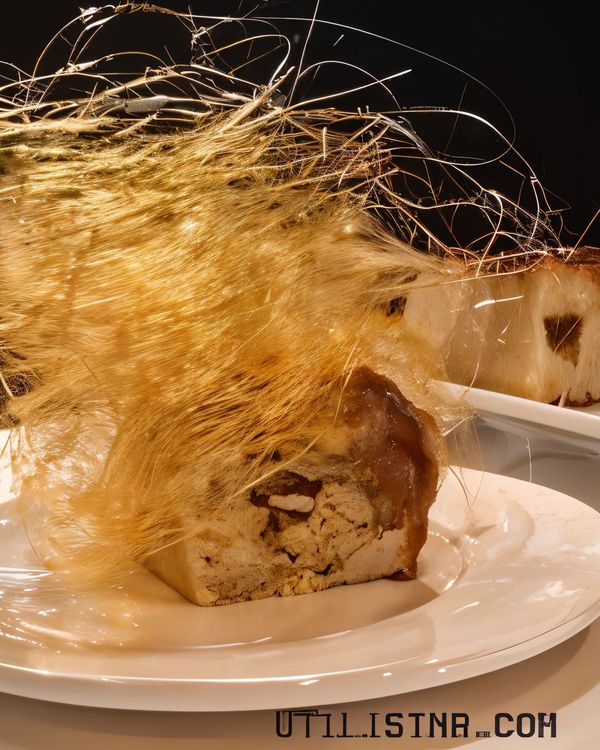
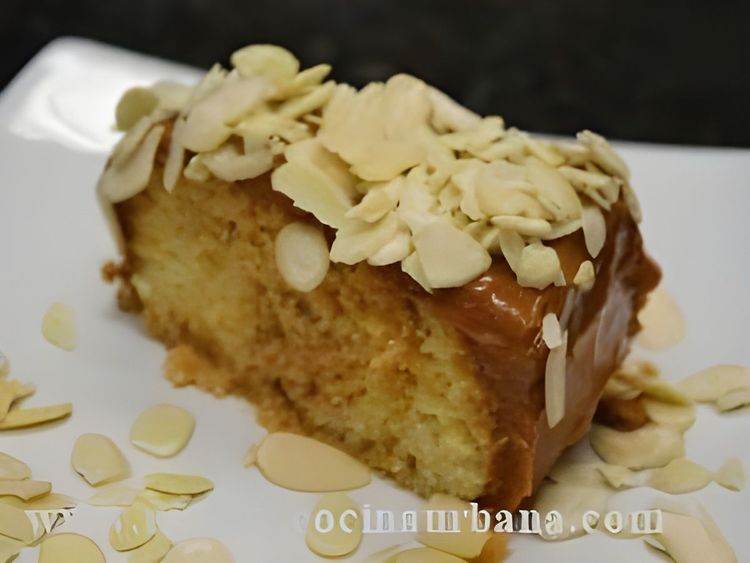
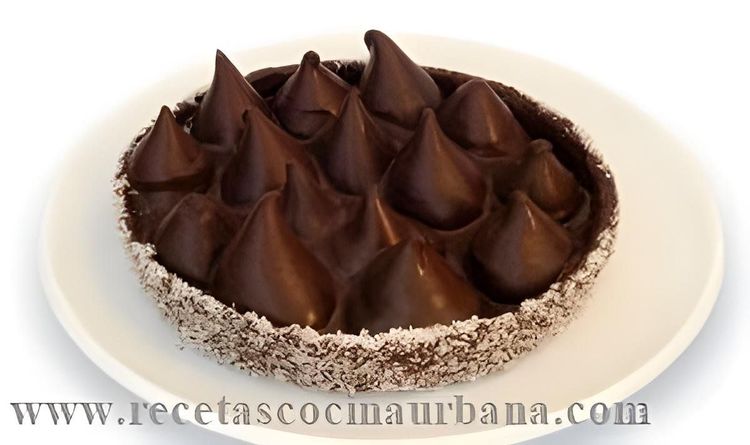
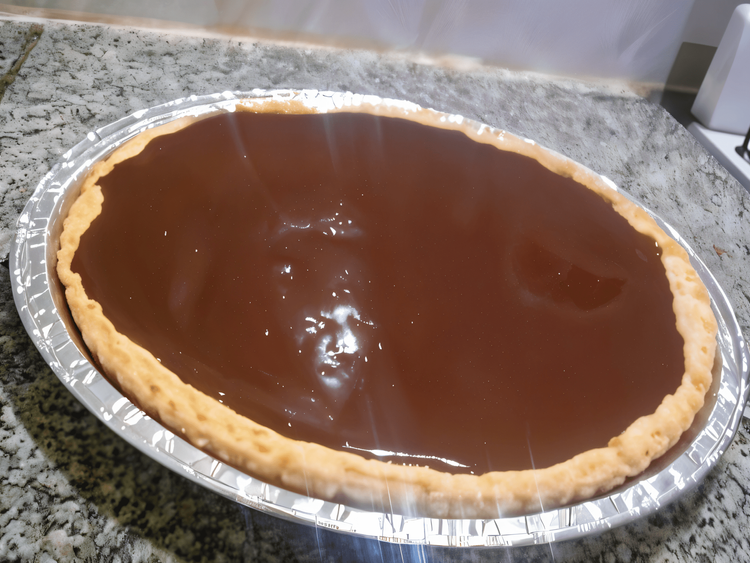
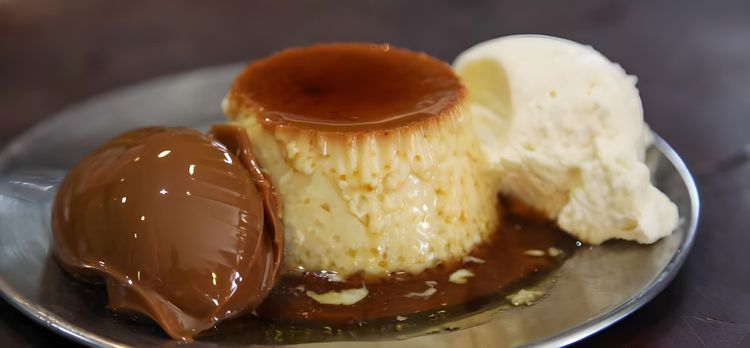
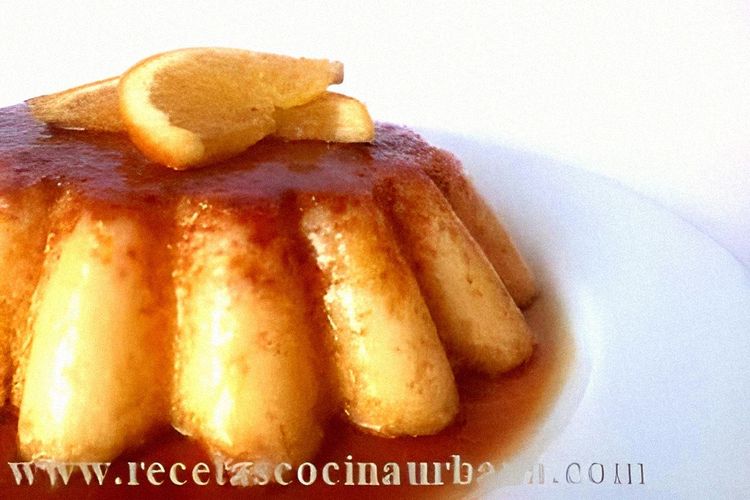
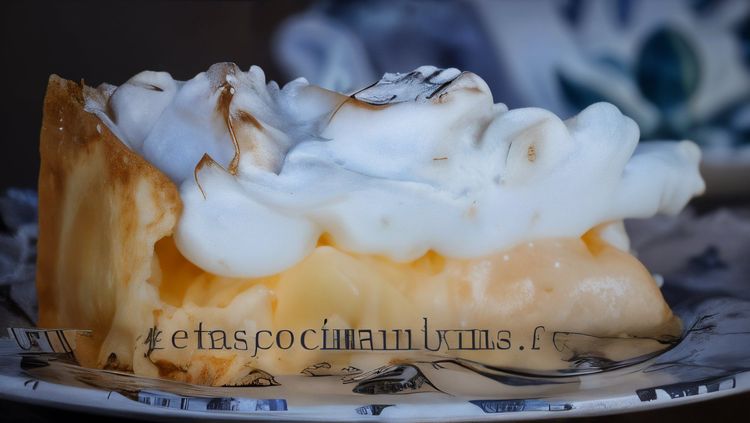
Tarts and set puddings are where dulce de leche earns its reputation as a filling ingredient. In a tart shell, dulce de leche holds its shape when cold, slices cleanly and pairs naturally with dark chocolate ganache on top or a layer of salted cream alongside. In puddings and flans, it is either the caramel layer at the base of the mould (which becomes the top when turned out) or it is folded through the custard to add colour and sweetness. The main technique consideration in this cluster is the setting temperature: tarts with a dulce de leche filling should be chilled for at least two hours before cutting, or the filling will flow when sliced. Flans need a water bath to set evenly — baked at too high a temperature, the eggs scramble and the texture turns grainy. A quesillo — the Venezuelan equivalent of flan, made with condensed milk and cooked in a pressure cooker or bain-marie — has an even silkier texture than a standard flan because the set is more gentle and uniform. These are the recipes for occasions where presentation matters. Standouts here include Coconut and Dulce de Leche Pudding and Coconut and Dulce de Leche Quesillo, plus Caramelized Pineapple Flan.
- Latin American
- Eggetarian
- Dessert
- Venezuelan
- Eggetarian
- Dessert
- Latin American
- Eggetarian
- Dessert
- Latin American
- Eggetarian
- Dessert
- Brazilian
- Eggetarian
- Snack
- Latin American
- Eggetarian
- Dessert
- Latin American
- Vegetarian
- Dessert
- Argentinian
- Eggetarian
- Dessert
- Latin American
- Eggetarian
- Dessert
- Italian
- Eggetarian
- Dessert
- Latin American
- Eggetarian
- Dessert
Frozen & No-Bake Dulce de Leche Desserts
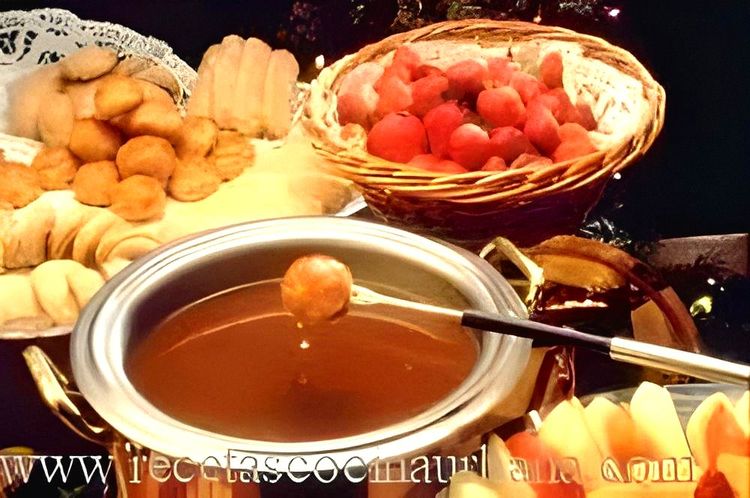
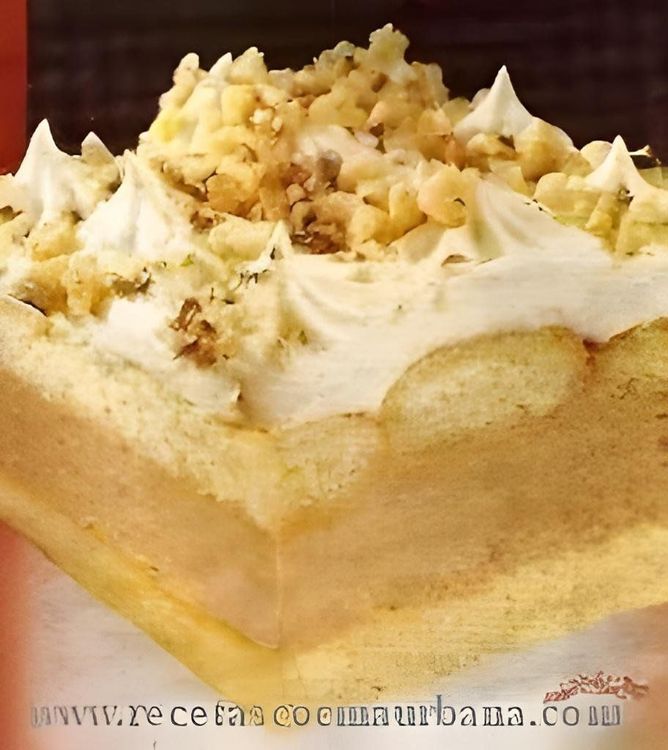
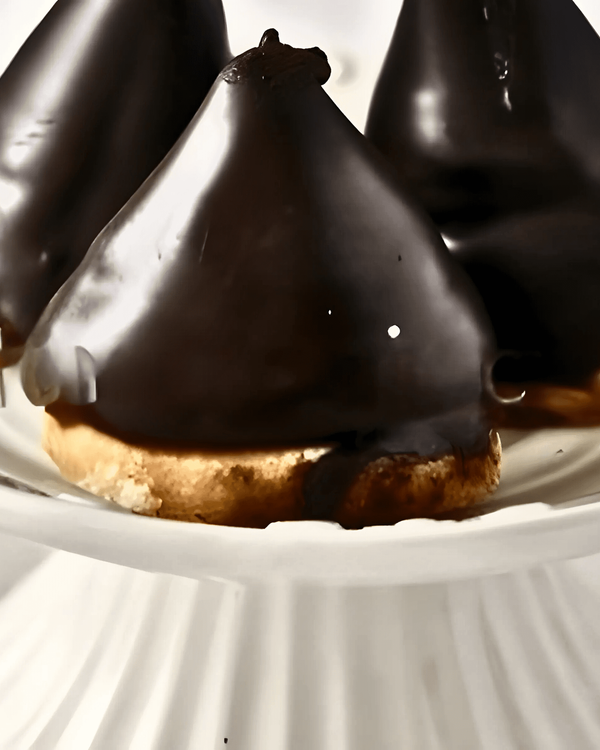
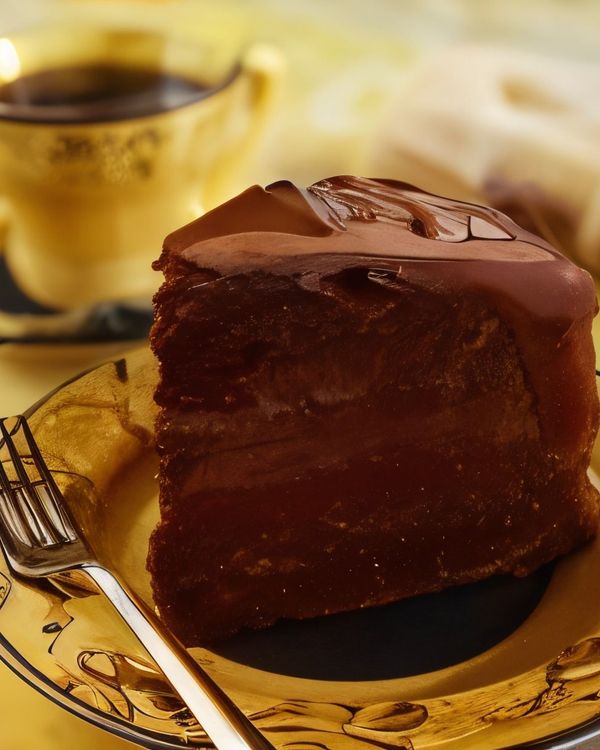
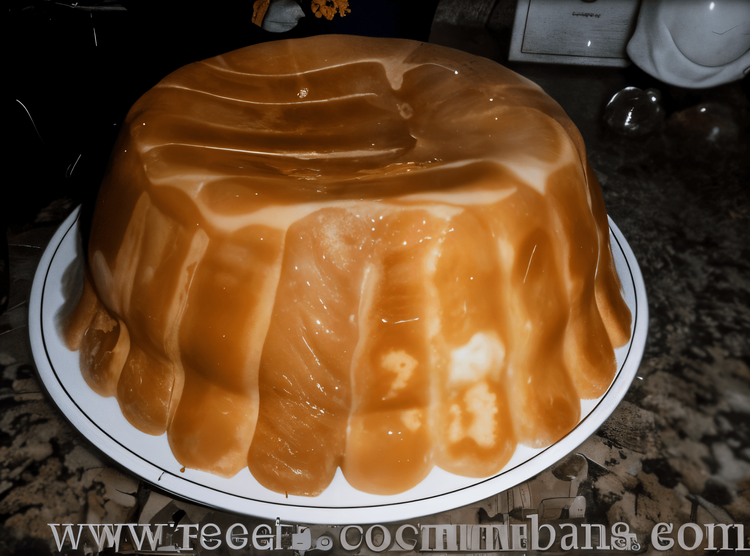
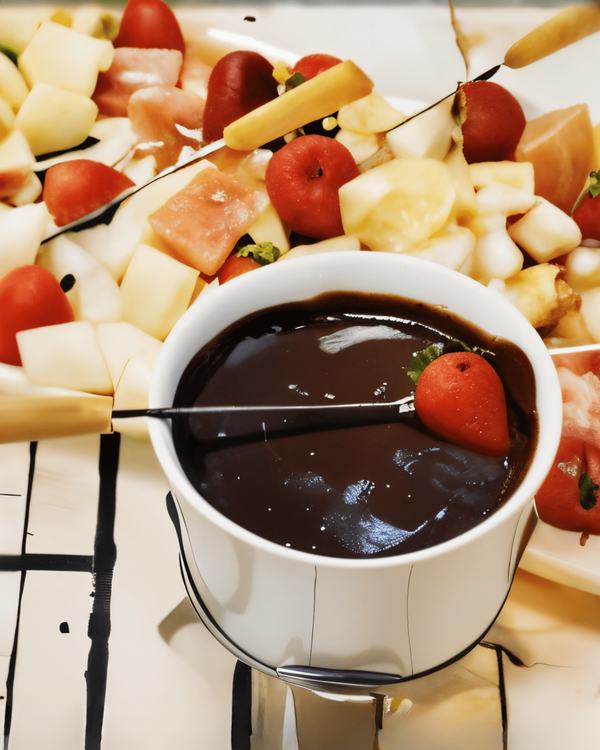
No-bake and frozen dulce de leche desserts are the most relaxed category — assembled rather than baked, chilled rather than served hot, and often spectacular in presentation despite minimal active cooking time. Dulce de leche ice cream is simply good-quality vanilla ice cream with dulce de leche folded through at the point of transfer to the container, creating caramel streaks through the cream. Semifreddo is whipped cream, eggs and dulce de leche folded together and frozen in a loaf tin — sliced and served with a drizzle of warm caramel sauce, it looks like a restaurant dessert. Fondue is the simplest: heat dulce de leche with a little cream until pourable, pour it into a warm bowl and serve with fruit, churros, marshmallows or pieces of cookie for dipping. Layered cream cheese desserts — dulce de leche beaten into cream cheese, layered over biscuit crumbs, chilled until set — are close to a no-bake cheesecake but denser and more caramel-forward. The common technique in this cluster is temperature management: serve everything well chilled for a clean texture, and assemble in stages to get distinct layers. Standouts here include Dulce de Leche Ice Cream and Dulce de Leche Fondue, plus Dulce de Leche Semifreddo.

- International
- Vegetarian
- Snack
- International
- Vegetarian
- Snack
- Italian
- Eggetarian
- Dessert
- Argentinian
- Eggetarian
- Snack
- International
- Vegetarian
- Dessert
- International
- Vegetarian
- Dessert
- French
- Vegetarian
- Snack
Homemade Dulce de Leche
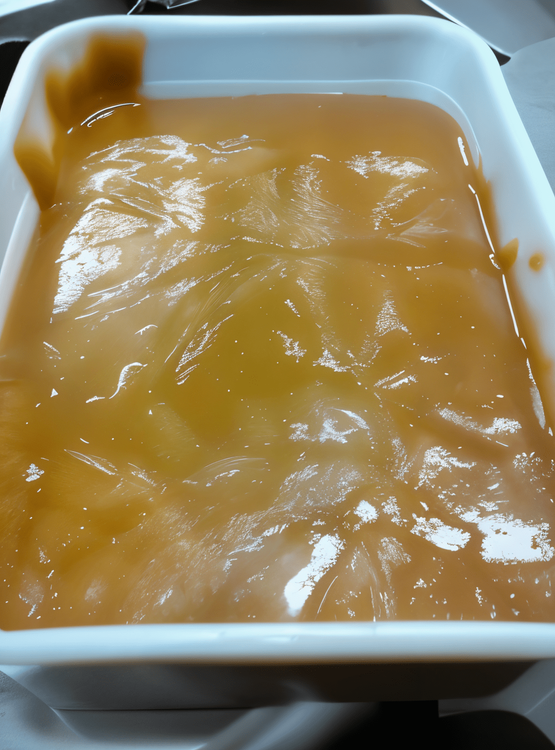
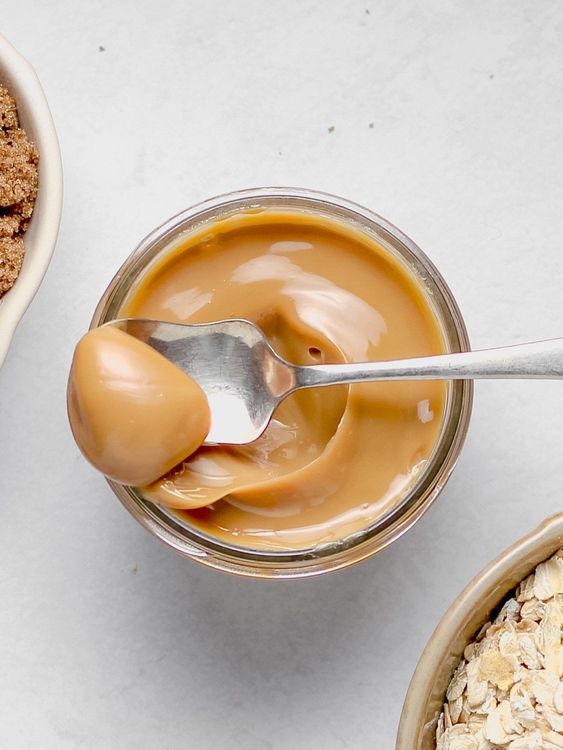
Making dulce de leche at home is a project with a clear payoff: a flavour that is noticeably fresher, more milky and more controllable than any tinned version. The three main methods — condensed milk tin in simmering water, oven water bath and stovetop reduction — produce slightly different results. The tin method is slowest (two to three hours) but completely hands-off once set up. The oven method gives the most evenly coloured result because the indirect heat prevents hot spots. The stovetop method is the fastest (forty-five to sixty minutes) and gives you direct control to stop at whatever colour and consistency you want — lighter and more fluid for a sauce, darker and thicker for a spreading paste. The risk on the stovetop is scorching if you walk away; stir every few minutes and keep the heat modest. Making your own is also the only way to get dulce de leche to exactly the consistency you need for a specific recipe — commercial tins are made to a standard that is fine for most uses but not always optimal for, say, a piped filling that needs to be firmer, or a fondue that needs to be thinner. Standouts here include Homemade Dulce de Leche and Homemade Dulce de Leche.
- Latin American
- Vegetarian
- Dessert

- Latin American
- Vegetarian
- Dessert
Three Ways to Make Dulce de Leche at Home
The condensed milk tin method is the safest and most hands-off: submerge an unopened tin of sweetened condensed milk in a pot of water, bring to a simmer, and cook for two to three hours, keeping the tin fully covered at all times. Never let the water level drop below the top of the tin — an exposed tin can explode. After cooking, let the tin cool completely before opening. The result is a golden, spoonable dulce de leche.
The stovetop method is faster and gives you more control over the final texture. Pour condensed milk or fresh whole milk with sugar into a heavy-bottomed pan and cook over low-medium heat, stirring regularly, for forty-five minutes to an hour. The mixture thickens as the water evaporates and the colour deepens from pale gold to amber. Stop when it coats the back of a spoon thickly. For a pourable sauce, stop a little earlier; for a spreading paste, cook a little longer.
The oven method is the most hands-off: pour condensed milk into a baking dish, cover tightly with foil and set that dish in a water bath. Bake at 200°C / 400°F for about ninety minutes. Check at the hour mark — the colour should be a deep golden caramel. Let it cool in the water bath and whisk smooth before using. The oven method gives a more evenly coloured result than the stovetop because the heat is indirect.
Adjusting Texture for Different Uses
Dulce de leche straight from the tin is usually a thick, spreadable paste — the right consistency for filling cookies, spreading on toast or layering in alfajores. For piping into tarts or choux, it needs to be at room temperature so it flows easily; cold dulce de leche is too stiff to pipe cleanly. Warm it gently in a bain-marie or microwave in short bursts, stirring between each.
For a sauce or fondue, thin dulce de leche with a few tablespoons of warm cream, stirring until smooth. The fat in the cream loosens the paste without making it grainy. For a thicker filling in cheesecake or pastry cream, fold it directly into whipped cream or cream cheese — the dairy softens the intensity and gives a lighter, mousse-like result that holds structure when chilled.
Dulce de leche can crystallise if it cools too quickly or if it is stirred too aggressively while warm. If you see a grainy texture, warm the dulce de leche gently with a splash of milk and stir slowly until smooth. Adding a small amount of glucose syrup or corn syrup when making it from scratch significantly reduces the risk of crystallisation in the finished product.
Pairing Dulce de Leche with Other Flavours
Chocolate is the natural partner for dulce de leche — the slight bitterness of dark chocolate cuts the sweetness and the two together taste richer than either alone. Tarts, cakes and ice creams that layer both are classics for this reason. Use dark chocolate (70% cocoa or above) to balance; milk chocolate alongside dulce de leche can tip into cloying.
Citrus is the other great counterpoint. A little orange zest in the cheesecake batter, lemon juice in the tart pastry cream or a lime glaze over a dulce de leche sponge cuts through the richness and lifts the whole dessert. Coconut is subtler but equally good — coconut milk in the pudding base or desiccated coconut in the tart shell adds a tropical note that dulce de leche carries well.
Salt is the simplest pairing of all and often the most effective. A pinch of flaky sea salt scattered over dulce de leche before serving — on a tart, an ice cream or straight from a spoon — sharpens every other flavour and makes the caramel taste more complex. Salted butter stirred into homemade dulce de leche at the end does the same job throughout the batch.
Storage and Using Dulce de Leche in Baking
Opened or homemade dulce de leche keeps for up to three weeks in a clean, sealed jar in the fridge. A thin film of vegetable oil pressed onto the surface before sealing prevents a skin forming. At room temperature, dulce de leche keeps for two to three days without issue — it is high in sugar, which acts as a preservative, but refrigeration is still safer for anything longer.
In baked goods, dulce de leche behaves differently from a standard caramel: it does not spread as much during baking, making it good for filling cookies or thumbprints without bleed. In sponge cake batter, swirl it in at the end rather than folding through — you want visible ribbons rather than an even distribution that disappears into the crumb. For cheesecake, fold it into the cream cheese mixture thoroughly so it does not sink to the bottom during baking.
For layered no-bake desserts, use dulce de leche at room temperature for spreading and allow each layer to set for at least thirty minutes in the fridge before adding the next. Cold dulce de leche tears soft cream layers. Warm dulce de leche melts them. Room temperature is the sweet spot for building a clean, stable pastry or biscuit layer cake.
Pro Tips from the Test Kitchen
- Never let the water level drop below the top of the tin when using the tin-in-pot method — keep topping up the water throughout cooking.
- Cool the tin completely before opening after the hot-water method — the dulce de leche is under pressure while warm.
- Warm dulce de leche to room temperature before piping; cold, it is too stiff and will tear pastry.
- Thin with a few tablespoons of warm cream to make a pourable sauce or fondue; add cream gradually and stir gently.
- A pinch of flaky sea salt over a finished dulce de leche dessert sharpens the flavour and adds complexity.
- Pair with dark chocolate (70%+) rather than milk chocolate to balance the sweetness.
- For cheesecake, fold dulce de leche thoroughly into the cream cheese mixture so it does not sink during baking.
- Swirl dulce de leche into cake batter at the very end — you want visible ribbons, not an even batter.
- Add a small amount of glucose syrup when making dulce de leche from scratch to prevent crystallisation.
- Store open dulce de leche in the fridge in a clean sealed jar for up to three weeks; press oil onto the surface to prevent a skin.
Frequently Asked Questions
What is dulce de leche and how is it different from caramel?
Dulce de leche is a milk-based confection made by cooking milk and sugar together — or sweetened condensed milk — until the sugars brown and the liquid reduces to a thick, spreadable paste. Standard caramel is made by cooking sugar alone (or with cream added after). Dulce de leche is milkier, less sharp and more forgiving — it does not have the burn risk that caramel does because the milk proteins slow the browning reaction.
How do you make dulce de leche from condensed milk?
Three main methods: submerge an unopened tin in simmering water for two to three hours (keeping it covered at all times); pour into a baking dish, cover with foil and bake in a water bath at 200°C for ninety minutes; or pour into a heavy pan and cook over medium-low heat, stirring regularly, for forty-five minutes to an hour. All three work — choose based on how hands-off you want to be.
Can you buy dulce de leche or do you need to make it?
Tinned dulce de leche is widely available in supermarkets, Latin American food shops and online. Quality varies — look for brands from Argentina or Uruguay, where it is a staple and standards are high. For most baking and dessert recipes, tinned works perfectly. Make it from scratch when you want to control the colour (lighter and more golden, or darker and more intense) or when you cannot find a good-quality tin.
What can I use dulce de leche for?
The uses are nearly endless: spread on toast or croissants, piped into alfajores or thumbprint cookies, swirled into cheesecake or brownie batter, used as an ice cream topping, layered in cakes, folded into whipped cream for a light frosting, thinned with cream for a fondue, or simply eaten from a spoon. It keeps for weeks in the fridge, so a jar made or opened on the weekend covers many recipes across the month.
Why did my dulce de leche turn grainy?
Crystallisation happens when the sugar in dulce de leche forms crystals, usually caused by rapid cooling, excessive stirring while hot, or too much evaporation. To fix it, warm gently with a splash of cream and stir slowly over low heat until smooth. To prevent it, add a teaspoon of glucose syrup or corn syrup when making from scratch, avoid stirring too vigorously while hot, and let it cool gradually.
How long does dulce de leche last in the fridge?
Properly stored in a clean, sealed jar with a thin layer of vegetable oil pressed onto the surface, dulce de leche keeps for up to three weeks in the fridge. At room temperature it lasts two to three days safely. Commercial tinned dulce de leche, once opened, follows the same guidelines. An unopened tin keeps indefinitely (check the best-before date on the tin).
What is the best way to use dulce de leche in a cake?
For the best visual result in a sponge, swirl dulce de leche through the batter at the very end rather than mixing it in evenly — you want golden ribbons through the crumb, not a uniform brown batter. As a frosting, fold room-temperature dulce de leche into whipped cream or cream cheese for a lighter, pipeable consistency. For a filling between layers, spread it generously at room temperature so it does not tear the sponge.
Is dulce de leche the same as caramel sauce?
Not quite. Caramel sauce is usually made by cooking sugar to a caramel then adding cream and butter — it is thinner, shinier and sharper in flavour. Dulce de leche is cooked from milk and sugar together (or condensed milk) and has a milkier, rounder flavour with more body. They can often substitute for each other in recipes but they are not identical — dulce de leche is richer and less sharp than a classic caramel sauce.
Can dulce de leche be frozen?
Yes, though the texture changes slightly after freezing and thawing — it can become slightly grainy or separated. Freeze in a sealed container for up to two months. Thaw in the fridge overnight then warm gently with a little cream and stir smooth. Freezing is worthwhile if you have made a large batch from scratch, but for small quantities the fridge keeps it in better condition.
What goes well with dulce de leche?
Dark chocolate (the bitterness balances the sweetness), flaky sea salt (sharpens and adds complexity), coconut (adds a tropical note), citrus zest (cuts the richness), nuts (especially hazelnuts, almonds and walnuts), and puff pastry or shortcrust (the butteriness contrasts with the caramel sweetness). Avoid pairing with very sweet elements — milk chocolate, white chocolate, meringue — which amplify the sweetness rather than cutting it.
Every recipe in this collection uses dulce de leche as either the centrepiece or the supporting flavour that makes everything else taste better. The same principles run through all of them: use it at room temperature for spreading and piping, pair it with something sharp or bitter to cut the sweetness, and store it properly so it stays smooth and scoopable for weeks.
Start with a homemade batch from scratch to understand the flavour and texture, then work through the tarts, the cheesecake and the layered pastries. Save your favourites to a Chefadora cookbook and come back as the mood takes you — dulce de leche is one of those ingredients that rewards having a jar permanently in the fridge.
Related
- Dulce de Leche
- Latin American
- Caramel
- Dessert
- Baking
- Argentinian
- Pudding
Popular Searches
- Best dulce de leche recipes
- Easy dulce de leche recipes
- Quick dulce de leche recipes
- Healthy dulce de leche recipes
- Simple dulce de leche recipes
- Homemade dulce de leche recipes
- Delicious dulce de leche recipes
- Popular dulce de leche recipes
- dulce de leche desserts
- caramel recipes
- how to make dulce de leche
Marnirni-apinthi Building, Lot Fourteen,
North Terrace, Adelaide, South Australia, 5000
Australia
