
Top 23 Fish Recipes: Curries, Fry, Baked Fillets and Tikka
Updated June 25, 2026 · Curated by Chefadora
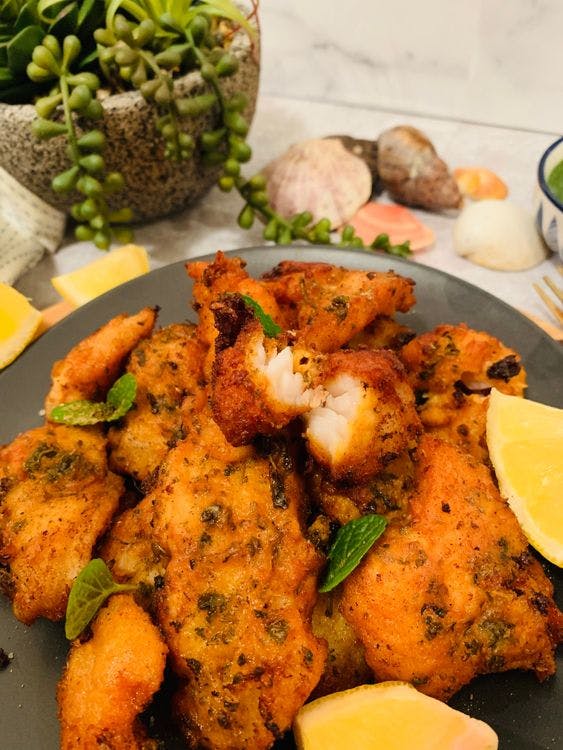
Fish recipes cover some of the fastest, lightest and most flavour-packed cooking there is, and the collection below shows the full sweep — from coconut and mustard curries down the Indian coasts to crispy tawa fries, gently baked lemon-butter fillets, and the cakes, tikka and snacks that turn a little fish into a meal. One lean, quick-cooking protein, cooked a dozen different ways across Indian and global kitchens, ready in minutes rather than hours.
What decides whether fish turns out tender or dry comes down to one thing: it cooks fast and hates being overdone. Lean white fish has little fat to forgive you, so it goes from silky to chalky in the space of a minute. The fix is gentle, watchful heat and pulling it the moment the flesh turns opaque and just flakes — around 55 to 60C at the centre. Pat it dry for a good sear, salt it ahead to firm the flesh, and let carryover finish the job off the heat.
You will find the collection grouped into clusters — fish curries and masala, fish fry and grilled fish, baked and global fish mains, and fish cakes, tikka and snacks. Standout dishes range from a coconut Goan curry and a Bengali mustard fish to a crisp tawa fry, a lemon-butter baked fillet and spiced fish tikka, each built on the fundamentals the guides below lay out.
Treat this as a working reference. Each recipe links to full ingredients and steps on Chefadora, and the guides below cover what actually decides whether fish is moist or dry, whole or falling apart — choosing the right fish for the dish, keeping delicate fillets intact in a curry, getting a genuinely crisp fry, and cooking lean fish so curries, bakes and grills all turn out exactly right.
Fish Curries & Masala
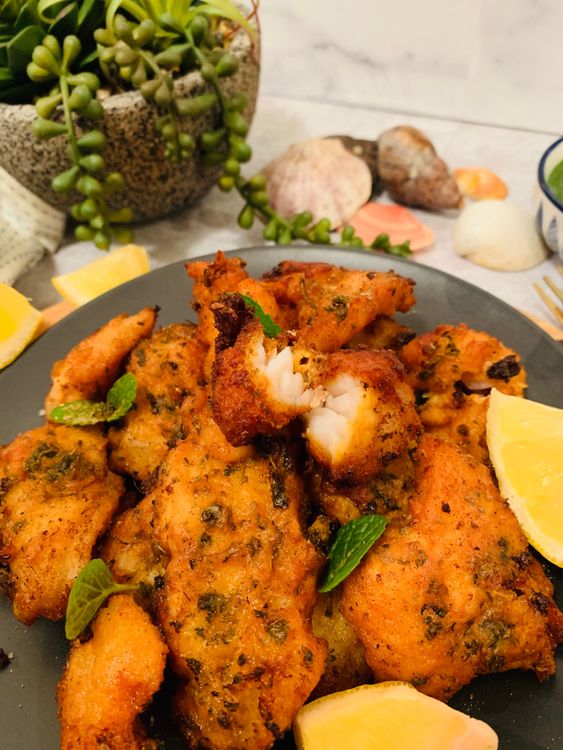
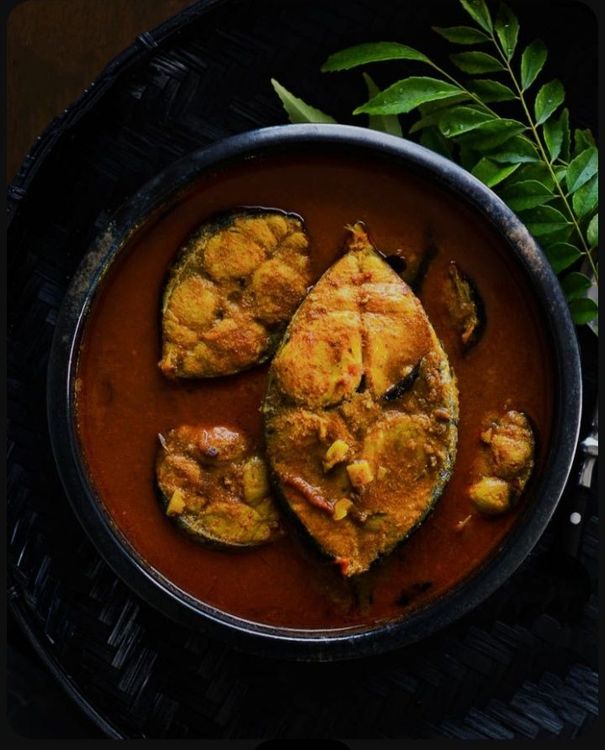
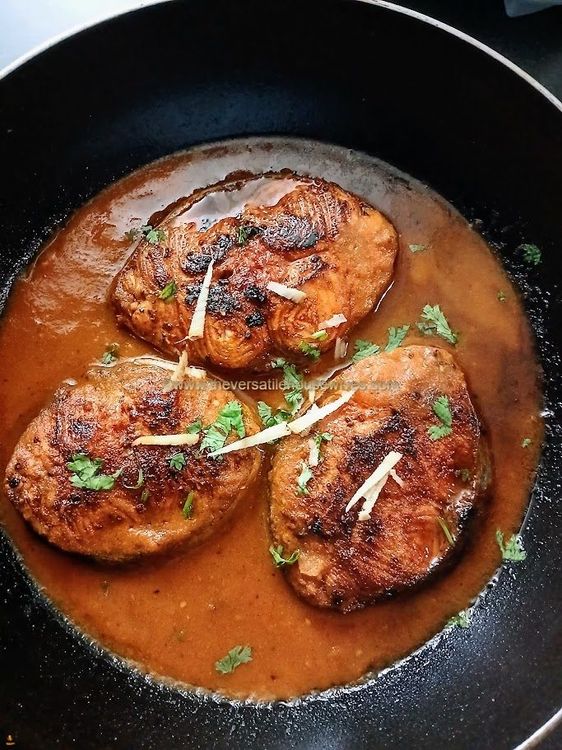
Fish curry is where the coasts of India show off, and the whole craft is in building the gravy before the fish ever joins it. Whether you are working with a Goan coconut base, a Bengali mustard one, a Malabar with curry leaves and tamarind, or a punchy Amritsari masala, the rule holds: cook the masala until it tastes finished, because the fish needs only a few minutes and cannot fix an under-developed sauce. Bloom your whole spices in hot fat, soften the onions and aromatics properly, then simmer the coconut milk, ground paste or tamarind until the raw edge is gone and the oil glistens. Only then slide in firm pieces of fish, spoon the gravy over them, and drop the flame to a bare tremble. The classic mistake is boiling hard or stirring with a spoon, which knocks delicate fillets to pieces; instead, shake the pan gently and let the fish poach in the sauce for five to seven minutes until just opaque. A final squeeze of lime, a scatter of coriander, and you have a curry that tastes of the sea and the spice market at once. Standouts here include Amritsari Fish and Kerala Style Fish Curry, plus Fried Fish Tomato Curry – A Homage to Ma’s Cooking.

- Indian
- Gluten-Free
- Appetiser
- Indian
- Pescatarian
- Lunch
- Indian
- Pescatarian
- Lunch


- Kerala
- Pescatarian
- Main Course

- Parsi
- Pescatarian
- Sauce & Condiment
Fish Fry & Grilled Fish
A great fish fry or grill lives and dies on a dry surface and a properly hot pan. The fish has to hit fierce heat and form a crust fast, before its lean flesh has time to dry out, so the first move is always to pat it bone-dry and marinate it in a spiced paste of turmeric, chilli, ginger-garlic and a little acid. Just before cooking, coat it in rava (semolina), rice flour or a thin batter, which crisps into a shattering crust where a wet, sticky surface would only steam pale and grey. Get the tawa, kadai or grill genuinely hot with a film of oil shimmering, then lay the fish down and leave it alone, because a forming crust grips the metal and tears if you fidget with it. Give each piece room, and turn it only once it releases cleanly on its own, usually two to four minutes a side. For tandoori and grilled styles, keep the marinade short, around thirty minutes, oil the grates well, and turn with a wide spatula to keep the fish whole. Finish off the heat with chaat masala, lemon and thin onion rings while everything still sizzles. Standouts here include Fried Fish with Fubá and Tartar Sauce and Thai Fried Fish with Sweet And Sour Tamarind Sauce, plus Grilled Fish ( Nigerian style).
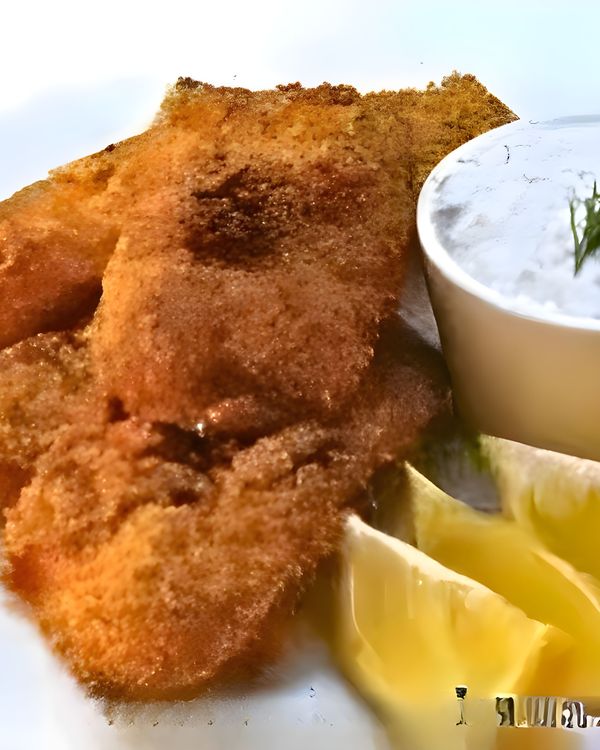
- Brazilian
- Pescatarian
- Lunch
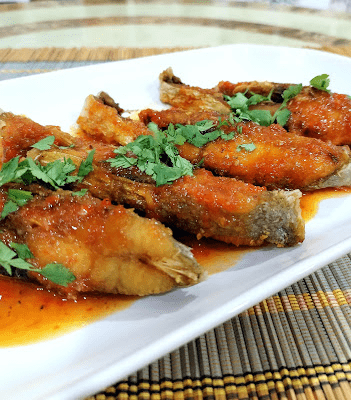
- Thai
- Pescatarian
- Lunch
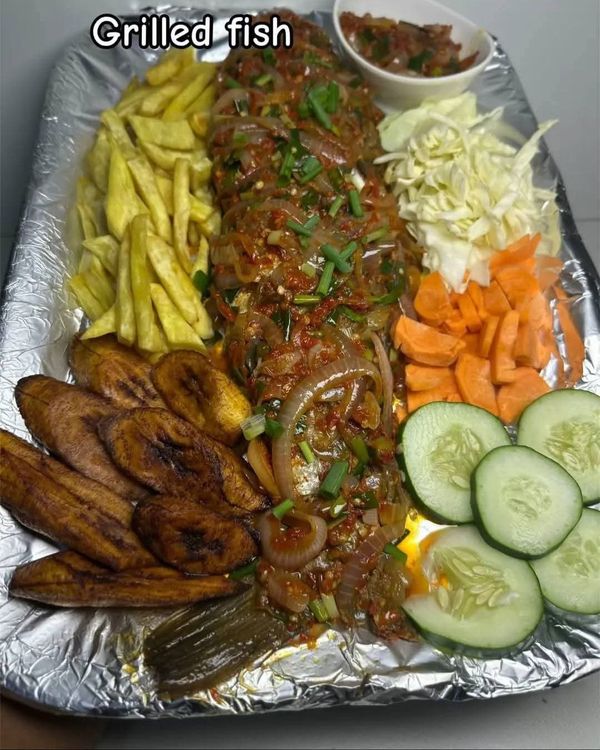
- African
- Pescatarian
- Lunch

- Indian
- Pescatarian
- Dinner
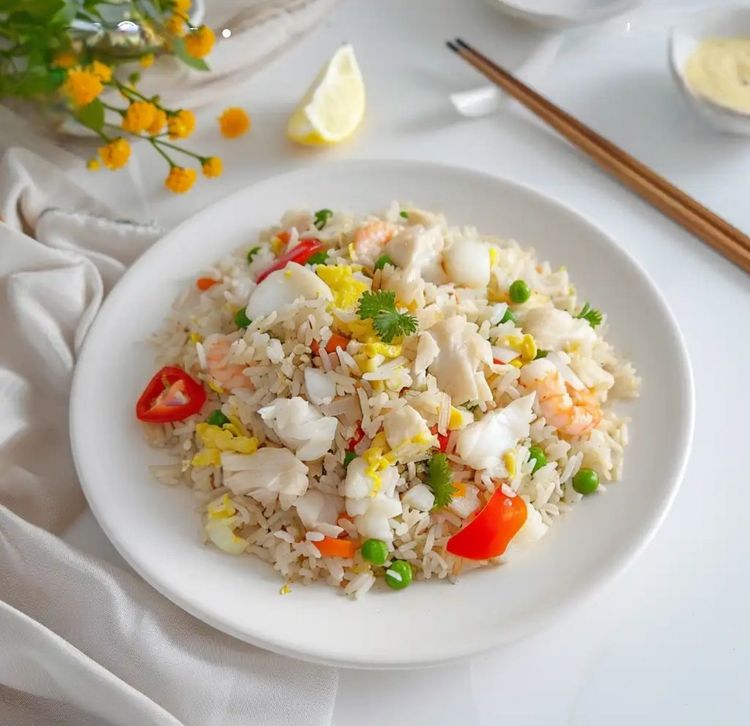

- Asian
- Pescatarian
- Lunch
Baked & Global Fish Mains
Baked and steamed fish is the gentle, hands-off corner of the repertoire, and it is where lean fish stays its most moist and forgiving. The wider world cooks fish this way for good reason: low, even heat surrounds the fillet without the fierce sear that can dry it, so a lemon-butter fillet, a garlic-and-herb roast, a Cajun-spiced bake or a steamed parcel all turn out tender with very little fuss. Set a moderate oven, around 180 to 200C, lay the fish on a lined tray or in a buttered dish, and top it with lemon, herbs, garlic and a knob of butter or a slick of oil so it bastes itself as it cooks. Most fillets need only ten to fifteen minutes, so check early, since the difference between just-flaking and dry is a matter of a minute or two. Cooking in a foil or parchment parcel traps the fish's own steam and all but guarantees a moist result, while steaming over simmering water keeps delicate fish pure and silky. Because these methods add little colour, season confidently and finish with a bright drizzle of flavoured oil, soy or citrus. Standouts here include Butter Garlic Fish and Fish Tacos with Oven Roasted Corn and Jalapeno Slaw, plus Mediterranean Baked Fish.

- Indian
- Pescatarian
- Appetiser
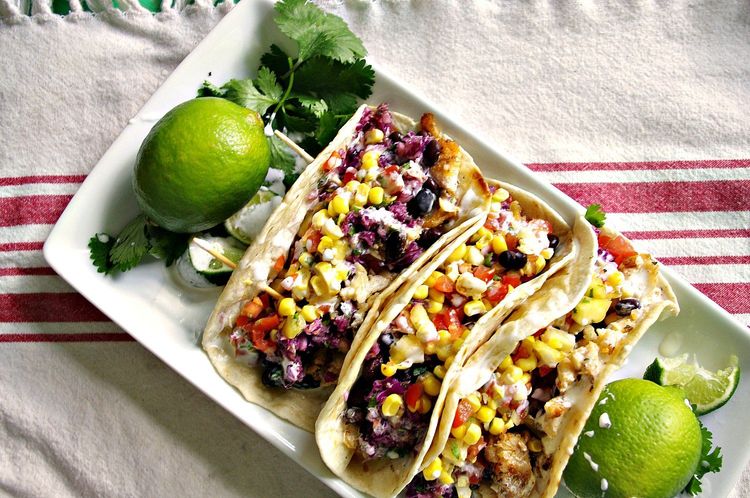

- Mexican
- Pescatarian
- Lunch
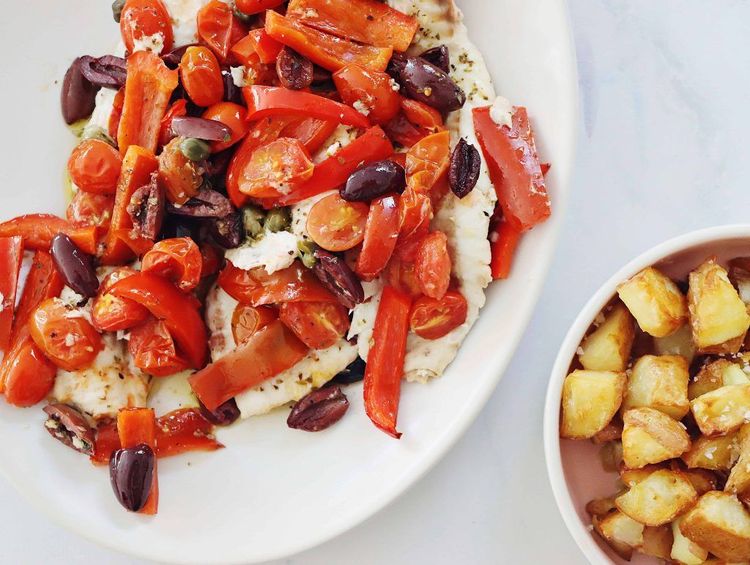
- Mediterranean
- Pescatarian
- Dinner

- Chinese
- Pescatarian
- Lunch

- Chinese
- Pescatarian
- Lunch
Fish Cakes, Tikka & Snacks
This is the playful, handheld end of fish cooking, where a little fish stretches into cakes, cutlets, fingers, tikka, tacos, sandwiches and warming soups. Fish cakes and cutlets are the heart of it: flake cooked or canned fish, bind it with mashed potato, a beaten egg and breadcrumbs, season it boldly with herbs, chilli and lime, then shape and — crucially — chill the patties for twenty to thirty minutes so they firm up and hold together instead of collapsing in the pan. Fry them in a shallow film of hot oil, undisturbed, until a golden crust forms on each side. Fish tikka and kebabs want firm cubes marinated in spiced yogurt and cooked hot and fast so they char without drying, while crisp-fried fingers and fritters lean on a dry coating and properly hot oil. For tacos and sandwiches, keep the fish juicy and balance it with something crunchy and something tangy, a quick slaw, a squeeze of lime, a cooling sauce. The frequent slip is wet, loosely bound cakes and overstuffed handhelds; keep mixtures firm, well chilled and tidy, and this is some of the most satisfying, crowd-pleasing fish cooking there is. Standouts here include Creamy Vegetable Soup with Fish Roe and Salt & Pepper Fish Tacos, plus Sri Lankan Authentic Fish Cutlets.
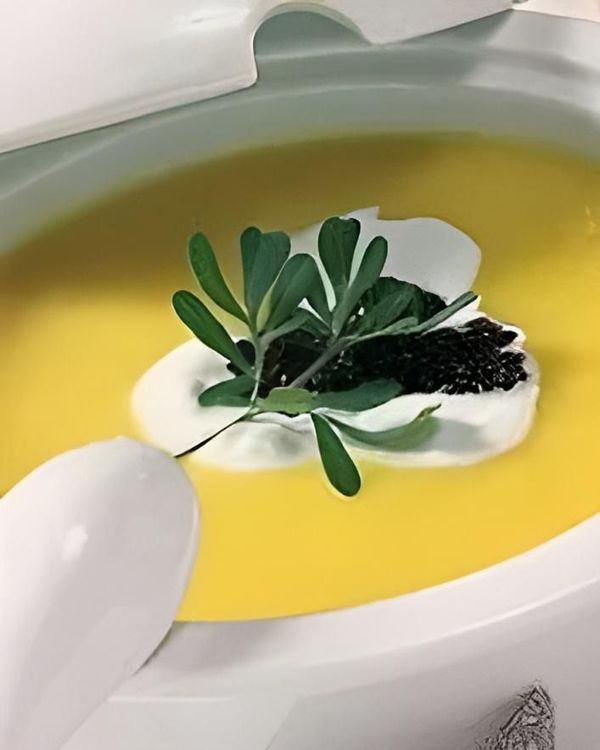
- European
- Non-Vegetarian
- Appetiser
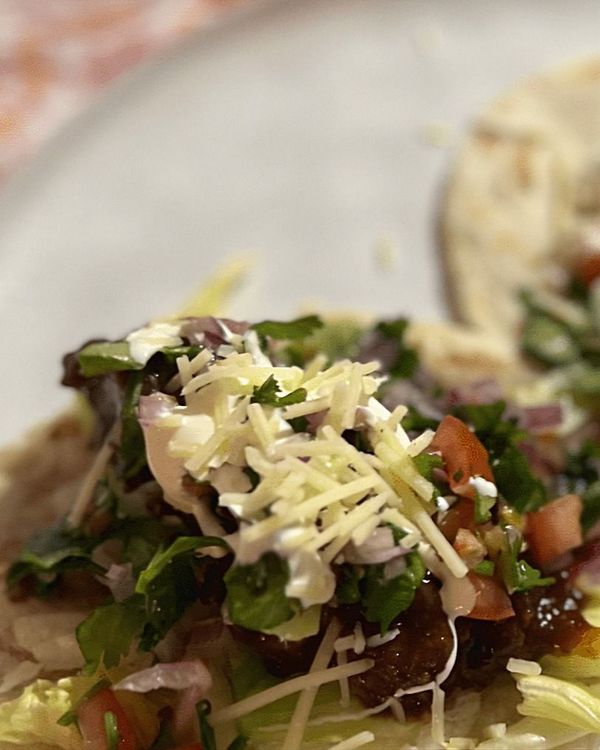
- Fusion
- Pescatarian
- Lunch
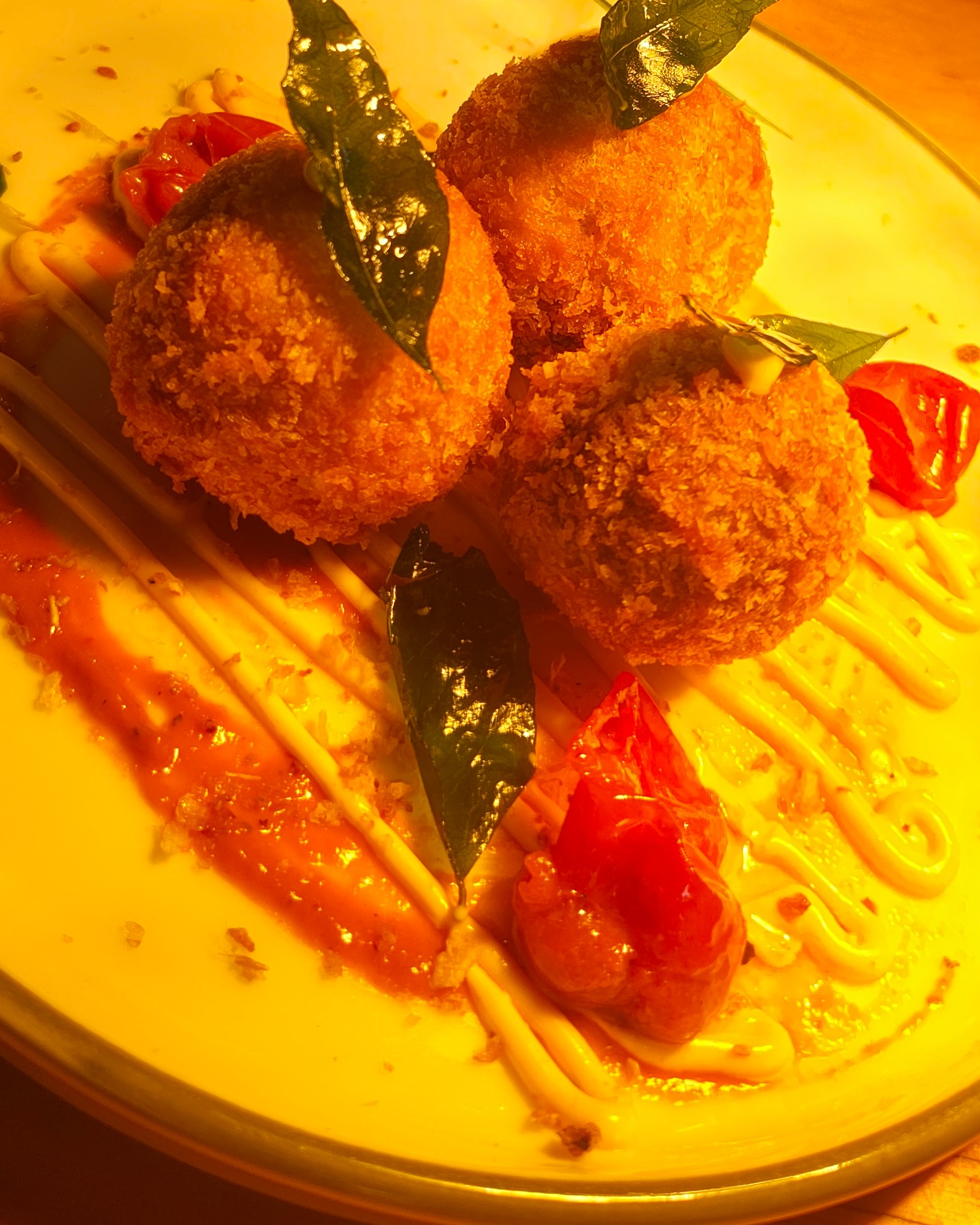

- Sri Lankan
- Pescatarian
- Appetiser
More Fish Favourites
A few fish dishes never settle neatly into one category, and these are the ones worth keeping in your back pocket once the staples feel routine. They lean on the same handful of techniques you already know — a fully built gravy, a dry crisp coating, a gentle bake, a watchful eye on doneness — but steer them toward different textures, regional accents and formats, so fish never tastes the same twice. Picking your next one is mostly about matching effort to mood: reach for a quick pan-fried fillet or a parcel bake on a busy night when you want dinner in fifteen minutes, and save the multi-step curries and fried-then-sauced numbers for a weekend when you can let the spices bloom properly. Pay attention to the fish itself, too, since firm varieties forgive a heavier hand while delicate ones reward a gentle one, and thinner fillets cook in barely a minute while a thick cut needs a little patience. Across all of them the golden rule still holds — pull the fish the moment it turns opaque and flakes, because lean fish punishes overcooking more than almost anything else. Think of this group as the natural next step after the classics. Standouts here include Fish Do Pyaza and Fish Stick Bowl with Cilantro Dressing, plus Fish Pie.

- Indian
- Pescatarian
- Lunch
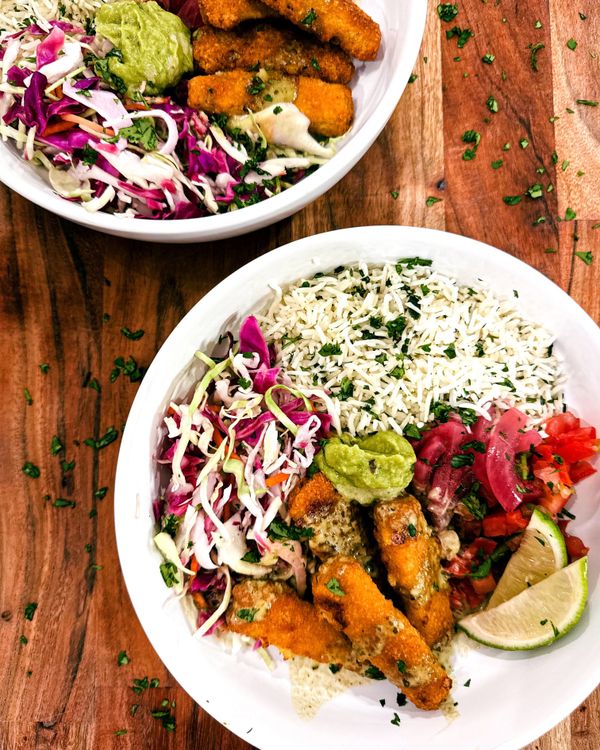

- American
- Pescatarian
- Lunch
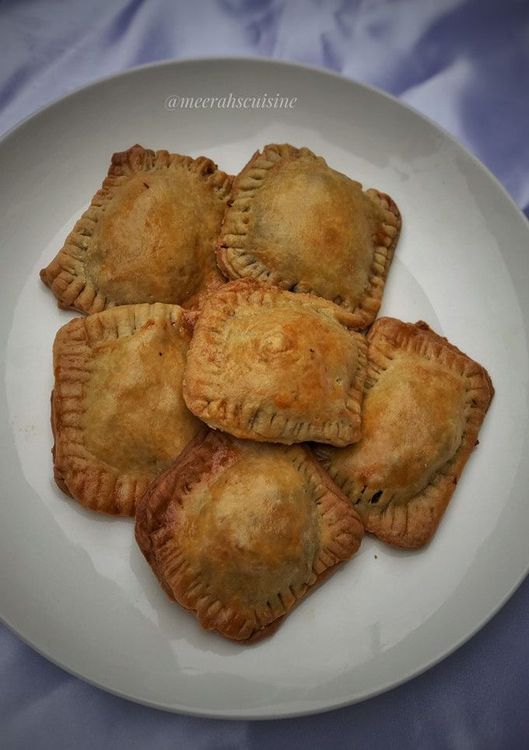

- British
- Pescatarian
- Lunch
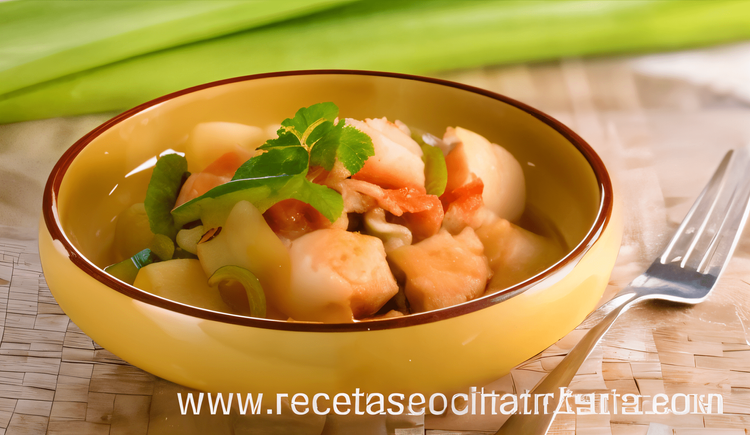
- Latin American
- Pescatarian
- Lunch

- African
- Pescatarian
- Appetiser
Choosing and Prepping Fish
Match the fish to the dish and half the work is done. Firm, meaty fish such as kingfish, surmai, tilapia, basa or cod hold their shape in a curry, on a grill or in a fry, while flakier, more delicate fish like pomfret, rohu, hilsa or sole are better suited to gentle steaming, quick frying or a careful simmer. For cakes and tikka you want a sturdy fillet that flakes cleanly and binds, and for soups almost any white fish works once it is added late and cooked briefly.
Freshness is everything with fish, because it has so little fat to mask any decline. Look for bright, clear eyes, firm flesh that springs back when pressed, red gills and a clean, sea-like smell rather than anything sharp or ammoniated. Frozen fish, thawed slowly in the fridge, is often fresher than tired fish on ice, so do not dismiss it. Pat fillets thoroughly dry before cooking, since surface water steams and stops the fish browning or crisping.
A little prep pays off. Salting fish lightly fifteen to twenty minutes ahead firms the flesh and seasons it through, and a brief soak in salted water or a squeeze of lemon helps with any muddy river-fish smell. Remove pin bones with tweezers for cakes and fillets, score whole fish to the bone so it cooks evenly and the marinade reaches the centre, and bring fish close to room temperature before it hits a hot pan so the outside does not overcook before the middle warms through.
Curries, Fry and Keeping Fish Whole
For fish curries, build the masala completely before the fish goes anywhere near it. Cook the onions down, bloom the ginger, garlic and spices in fat, and simmer the coconut, tomato or tamarind base until it tastes finished, because the fish needs only a few minutes and cannot rescue an under-cooked gravy. Slide the pieces in, spoon sauce over them, and keep the heat to a bare simmer rather than a rolling boil, which jostles delicate fillets apart. Avoid stirring; gently shake the pan instead.
For a crisp fry, dry is everything. Pat the fish bone-dry, marinate it in a spiced paste, then coat it just before cooking in rava (semolina), rice flour or a thin batter, which sets into a crackly crust the way a wet, sticky surface never will. Get the oil or tawa genuinely hot before the fish goes in, give each piece room so it sears rather than steams, and resist flipping until a proper crust has formed and the fish releases cleanly from the pan on its own.
The single most useful habit with any lean fish is to stop cooking it early. Fish is done when it turns from translucent to opaque and flakes with gentle pressure, and it keeps cooking off the heat, so pull it a touch before it looks completely done. For curries, add the fish in the last five to seven minutes; for a fry or grill, two to four minutes a side is often plenty. A thin fillet needs barely a minute on the second side. Overshoot and even the best fish turns dry and chalky.
Baking, Grilling and Steaming
Baking is the gentlest, most hands-off way to cook fish, and it suits lean fillets beautifully. Set the oven moderate, around 180 to 200C, lay the fish on a lined tray or in a buttered dish, and top it with lemon, herbs, garlic and a little butter or oil so it bastes as it cooks. A fillet usually needs only ten to fifteen minutes depending on thickness; check early, because the line between just-flaking and dry is thin. Baking in a foil or parchment parcel traps steam and all but guarantees a moist result.
Grilling and tandoori-style fish are about marinade and char. A thick yogurt or spiced-oil marinade clings to the fish, seasons it and helps build a blistered crust, while the acidity gently firms the flesh; thirty minutes is plenty, as long marinating in acid can turn lean fish mushy. Oil the grill and the fish well so it does not stick and tear, cook it hot and fast, and turn it only once, using a wide spatula or a fish basket to keep delicate fillets in one piece.
Steaming keeps fish at its most delicate and pure, which is why it suits pomfret, sole and other flaky varieties. Season the fish, set it over simmering water or inside a banana-leaf or parchment parcel with ginger, chilli, herbs and a splash of acid, and let gentle steam cook it through in eight to twelve minutes without any risk of a dry, browned crust. Because steaming adds no fat or colour, season confidently and finish with a hot drizzle of flavoured oil, soy or a squeeze of lime to lift the whole dish.
Pro Tips from the Test Kitchen
- Match the fish to the dish: firm fish (kingfish, basa, cod) for curries, grills and fries; delicate fish (pomfret, sole) for steaming.
- Pat fish bone-dry before cooking — surface water stops it browning, crisping or searing.
- Salt fish lightly 15 to 20 minutes ahead to firm and season the flesh.
- Build the curry masala fully before adding fish, since the fish only needs a few minutes to cook.
- Simmer fish gently and shake the pan instead of stirring so delicate pieces stay whole.
- Coat fish in rava, rice flour or a thin batter just before frying for a crisp, crackly crust.
- Get the oil or tawa genuinely hot and do not flip until the fish releases cleanly on its own.
- Pull fish off the heat as soon as it turns opaque and just flakes — it keeps cooking off the heat.
- Marinate fish only 30 minutes in an acidic marinade; longer can turn lean flesh mushy.
- Bake or steam in a foil or parchment parcel to trap steam and guarantee a moist fillet.
Frequently Asked Questions
What are some easy fish recipes to start with?
Start with forgiving, fast wins: a simple coconut fish curry where the masala does most of the work, a rava-coated tawa fry, or a lemon-butter fillet baked in ten to fifteen minutes. A foil-parcel bake is almost foolproof because the steam keeps the fish moist. From there try fish tikka or fish cakes, which stretch a little fish further. Firm fish like basa, tilapia or cod is the most beginner-friendly, holding its shape whatever you do.
What are the best fish recipes for a weeknight dinner?
The best fish recipes for a busy night lean on speed, because fish cooks in minutes. A pan-fried spiced fillet, a quick baked fish with lemon and garlic, or a light fish curry built on a coconut or tomato base all land on the table in under thirty minutes. Tacos and fish-cake sandwiches turn leftovers into a fast meal. Keep a few firm fillets in the freezer, thaw them overnight, and you are never far from dinner.
How do you keep fish from falling apart in a curry?
Use a firmer fish, finish the gravy completely before the fish goes in, and keep the heat to a gentle simmer rather than a hard boil that jostles the pieces apart. Slide the fish in, spoon the sauce over it, and resist stirring — shake the pan gently instead. Add the fish only in the last five to seven minutes of cooking, and salt it lightly beforehand to firm the flesh so it holds together far better.
How do you make crispy fish fry?
Crispiness starts with a dry surface. Pat the fish thoroughly dry, marinate it in a spiced paste, then coat it just before cooking in rava (semolina), rice flour or a thin batter, which crisps where a wet surface only steams. Get the oil or tawa genuinely hot before the fish goes in, give each piece room so it sears rather than crowds, and do not flip until a proper crust forms and the fish releases cleanly from the pan on its own.
How do you know when fish is cooked?
Fish is done when it turns from translucent to opaque and flakes apart with gentle pressure from a fork. At the centre that is around 55 to 60C. Because fish keeps cooking off the heat, pull it a touch before it looks completely done and let carryover finish it. Overcooking is the main reason fish turns dry and chalky, so watch it closely — a thin fillet can be ready in two to three minutes a side.
What type of fish is best for frying versus curry?
For frying and grilling, choose firm, meaty fish such as kingfish, surmai, basa, tilapia or cod that hold their shape and take a crust. For curries you also want a fish sturdy enough to survive a simmer — the same firm varieties, or a robust river fish — added late and handled gently. Flakier, delicate fish like pomfret, sole or hilsa shine when steamed or quickly fried whole rather than stirred through a gravy where they break up.
How do you stop fish from sticking to the pan or grill?
Dry the fish well, then make sure both the fish and the cooking surface are properly hot and oiled before they meet. A cold or lukewarm pan grabs the flesh and tears it. Lay the fish down and leave it alone — a good crust releases on its own, and forcing it early is what causes sticking. For the grill, oil the grates and the fish, and use a wide spatula or a fish basket to turn delicate fillets in one piece.
How long should you marinate fish?
Keep it short. Thirty minutes is usually ideal, and an hour is about the limit, because fish is delicate and the acid in most marinades — lemon, yogurt, vinegar — starts to break down the lean flesh and can turn it mushy if left too long. For a dry spice rub without much acid you have more leeway. Score whole fish so the marinade reaches the centre, and bring it close to room temperature before cooking for an even result.
Can you cook fish from frozen?
Yes, though for most recipes it is better to thaw it slowly in the fridge overnight, which protects the texture. Thin fillets can be baked or steamed straight from frozen — add a few extra minutes and check for opaque, flaking flesh — but pan-frying frozen fish releases water that stops it crisping. Never thaw fish at room temperature or in warm water, which risks spoilage; cold-water thawing in a sealed bag is the quick, safe shortcut when you forget.
How do you get rid of a strong fishy smell?
Fresh fish should smell clean and sea-like, not sharp, so a strong odour often signals age. To tame the muddy smell of some river fish, soak the pieces briefly in salted water or rub them with lemon juice, turmeric and salt, then rinse and pat dry. Cooking with acidity — tamarind, tomato, lime — and aromatics such as ginger, garlic and curry leaves balances any lingering smell. Most importantly, buy the freshest fish you can and cook it soon.
The thread through every fish recipe here is the same: choose the right fish for the job, keep the heat gentle and the handling light so delicate fillets stay whole, and above all stop cooking the moment the flesh turns opaque and flakes. Master those and curries, fries, bakes and grills all turn out moist, tender and full of flavour rather than dry, broken or bland.
Pick a few fish recipes to cook this week — a coconut curry, a crisp tawa fry and a lemon-butter baked fillet — and save your favourites to a Chefadora cookbook. Fish rewards a light hand and a quick cook like almost nothing else; this page is built to be the fish reference you keep coming back to whenever you want dinner fast and full of flavour.
Related
- Fish
- Seafood
- Curry
- Indian
- High protein
- Quick
- Coastal
- Grilled
Popular Searches
- Best fish recipes
- Easy fish recipes
- Quick fish recipes
- Healthy fish recipes
- Simple fish recipes
- Homemade fish recipes
- Delicious fish recipes
- Popular fish recipes
- fish curry
- fish fry
- baked fish
- fish masala
Marnirni-apinthi Building, Lot Fourteen,
North Terrace, Adelaide, South Australia, 5000
Australia
