
Top 22 Salmon Recipes: Baked, Pan-Seared, Curries and Bowls
Updated June 24, 2026 · Curated by Chefadora
Salmon recipes are the easiest way to get a fast, nourishing dinner with real depth of flavour, because the fish is rich enough to carry bold seasoning and forgiving enough to cook in minutes. The collection below shows the full range, from honey-glazed baked fillets and crisp pan-seared skin to coconut and masala curries, and the salads, rice bowls and crisp cakes that turn a cooked or canned fillet into a meal. One ingredient, dinner in twenty different directions.
What decides whether salmon turns out silky or dry is almost entirely about temperature and timing. Salmon is done at a gentle 50 to 52 degrees Celsius in the centre, where it still looks faintly translucent and parts into soft, glistening flakes; push past 60 and the protein squeezes out moisture and that white albumin weeps to the surface. Because it carries plenty of natural fat, it stays moist with very little added oil, so the trick is simply to pull it early and let carryover heat finish the job.
You will find the collection grouped into clusters — baked and roasted salmon, pan-seared and grilled fillets, salmon curries and Asian mains, and salmon salads, bowls and cakes. Standout dishes range from a Honey Garlic Baked Salmon and crispy-skinned Pan-Seared Salmon to a creamy Salmon Coconut Curry, a vibrant Salmon Poke Bowl and golden Salmon Cakes, each built on the fundamentals the guides below lay out.
Treat this as a working reference. Each recipe links to full ingredients and steps on Chefadora, and the guides below cover what actually decides whether salmon is moist or dry, crisp-skinned or soft — buying the right fillet, getting the skin shatteringly crisp, and cooking it so bakes, sears, curries and bowls all turn out exactly right.
Baked & Roasted Salmon
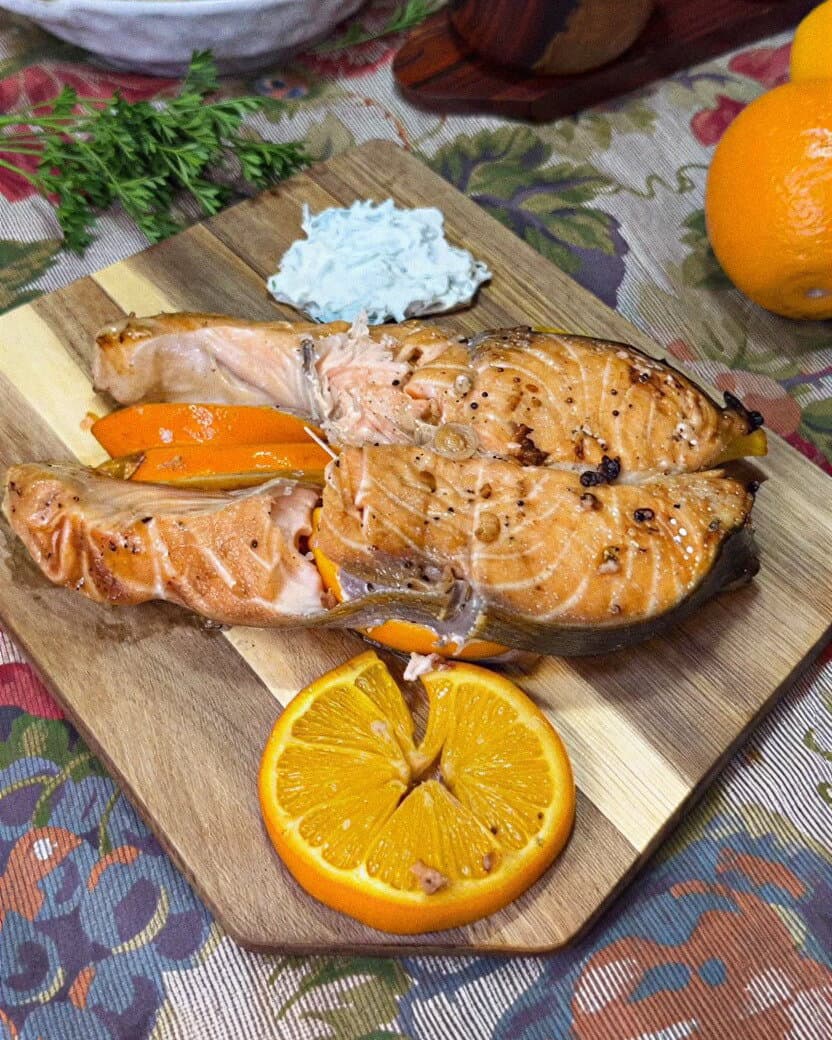
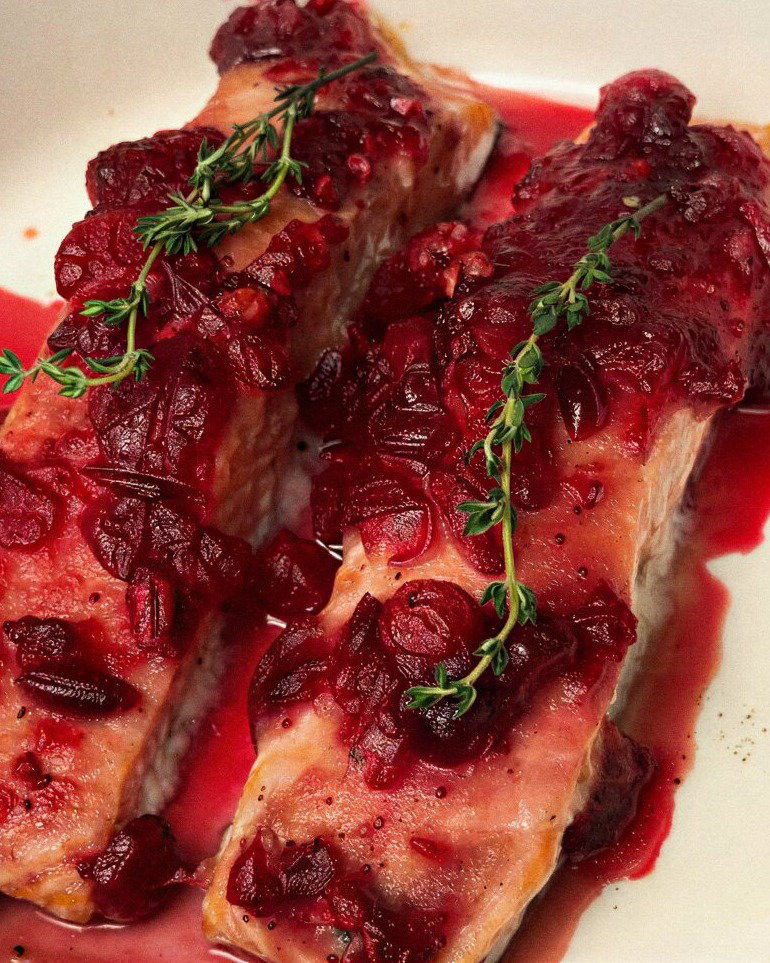
Baking is the most forgiving way to cook salmon, and the gentle, all-around heat of an oven is exactly what a rich fillet wants. The principle is restraint: roast at a moderate 180 to 200 degrees Celsius and pull the fish while the centre is still just-set and faintly translucent, because salmon keeps cooking after it leaves the oven and a few extra minutes is the difference between silky and dry. A standard fillet needs only ten to fifteen minutes, so set a timer and check early rather than trusting the clock. Glazes are where baked salmon comes alive — honey and garlic butter, sticky teriyaki, savoury miso, or maple and mustard — but brush them on toward the end so the sugars caramelise without scorching, and reserve a spoonful fresh for the table. For a hands-off dinner, a sheet-pan bake roasts the fillet alongside vegetables on one tray, while a foil or parchment parcel steams the fish in its own juices and aromatics for a foolproof, moist result every time. Standouts here include Orange Glazed Salmon Steaks with Yogurt Garlic Sauce and Hot Honey Salmon Bites, plus Orange Baked Salmon Steak.


- Pescatarian
- Dinner

- Pescatarian
- Dinner
- Pescatarian
- Dinner

- Pescatarian
- Dinner
Pan-Seared & Grilled Salmon
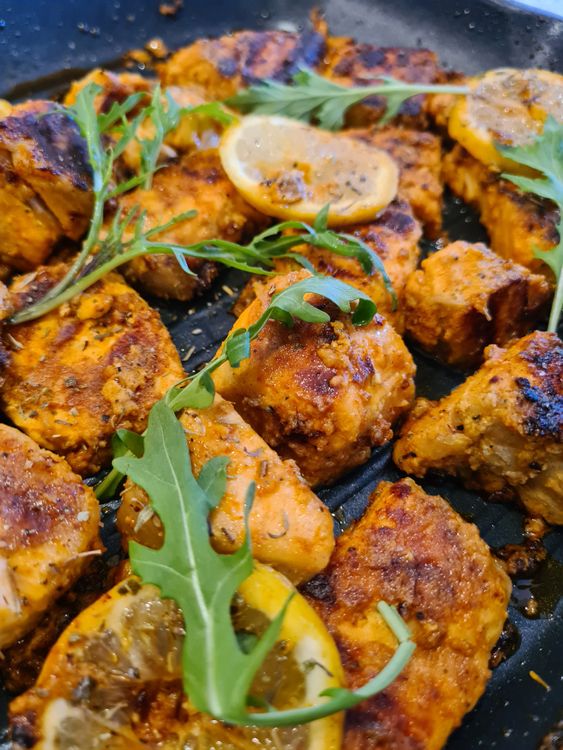
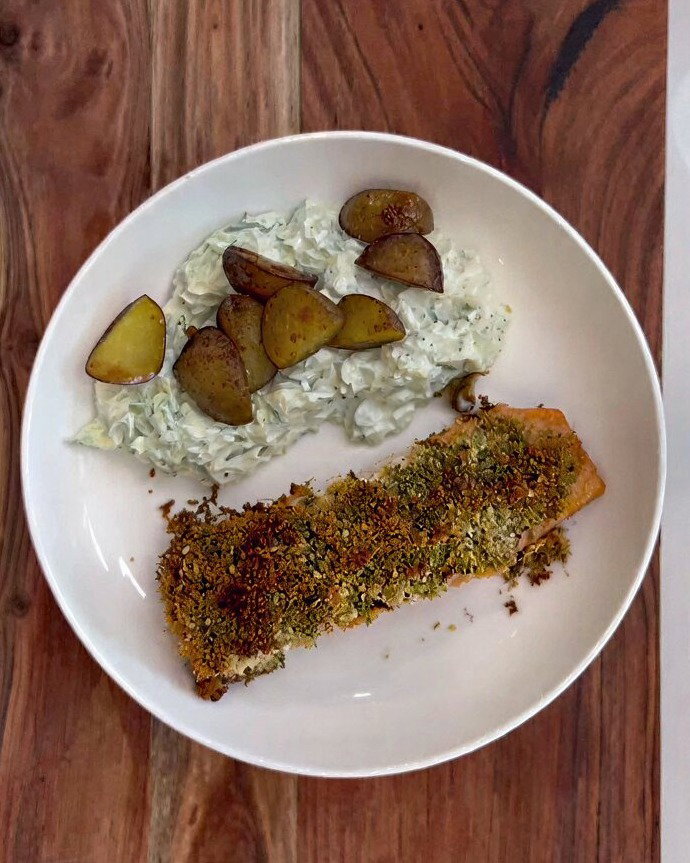
Pan-searing and grilling are about high heat and a dry fillet, and the reward is shatteringly crisp skin over a tender, just-cooked interior. Pat the salmon bone-dry, salt the skin, and lay it skin-side down into a hot pan with a thin film of oil; it will buckle, so press it flat with a spatula for the first thirty seconds to keep the whole surface against the metal, then leave it completely undisturbed. Let the skin render and crisp for four to six minutes until it releases cleanly on its own, cooking the fish most of the way on the skin side before flipping for just the last minute. The classic mistake is fiddling with the fillet or cooking it hard until it is uniformly opaque, which tears the skin and dries the flesh. For grilling, oil both the grates and the fish, start skin-side down over direct heat, and move it gently with a thin spatula. Finish with lemon, fresh herbs, a blackening or Cajun rub, or a quick squeeze of brightness to cut the richness. Standouts here include Spiced Pan-Grilled Salmon and Salmon with Panko Crust, plus Lemon Herb Crusted Salmon with Creamy Ditalini Pasta.

- Indian
- Pescatarian
- Lunch

- Pescatarian
- Dinner
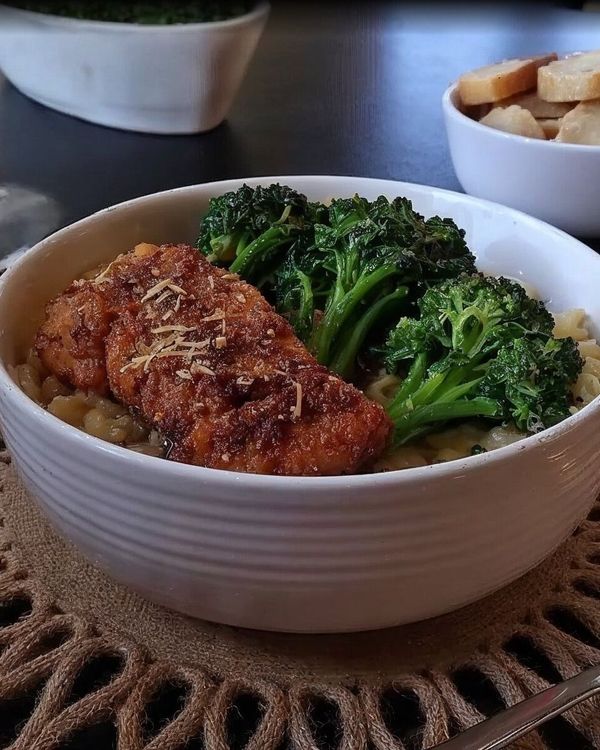

- American
- Pescatarian
- Dinner
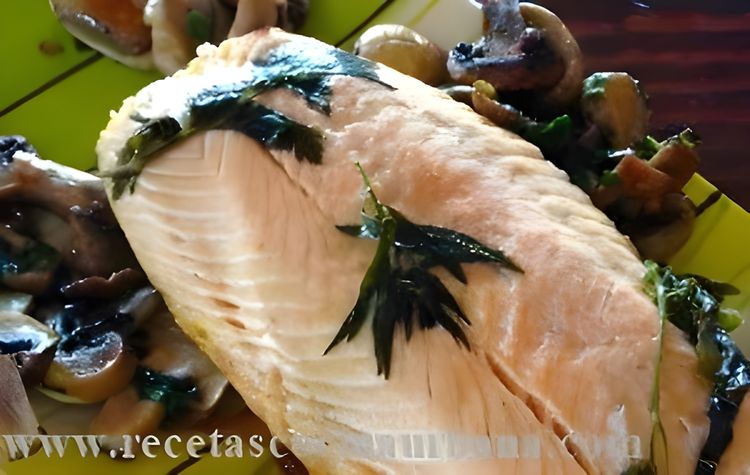
- Chilean
- Pescatarian
- Dinner
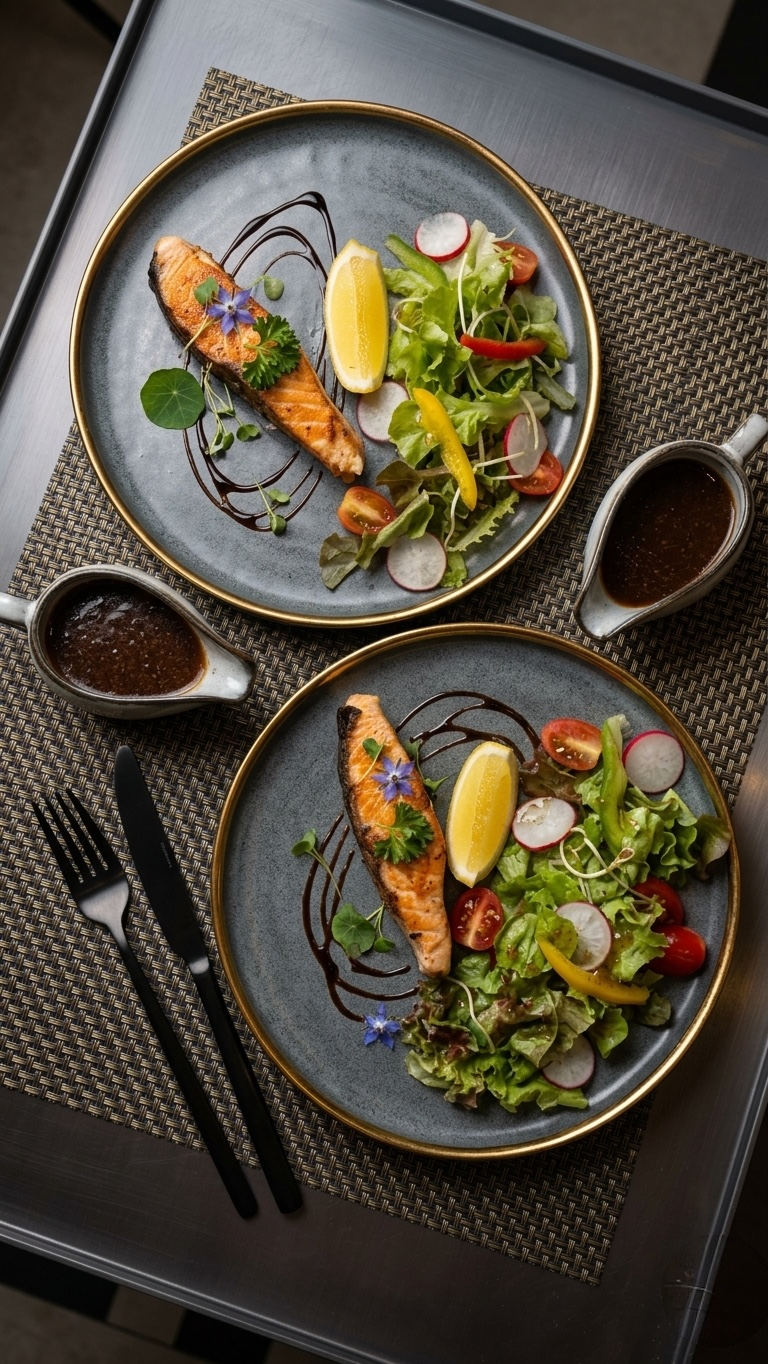

- Pescatarian
- Lunch
Salmon Curries & Asian Mains
Salmon and bold sauces are a natural match, because the fish is rich and robust enough to stand up to coconut milk, mustard, soy and a full hit of spice without disappearing. The technique that ties this group together is timing: build your sauce completely first, whether a South Indian coconut and curry-leaf base, a Bengali mustard gravy, a Thai red curry or a sticky soy-ginger glaze, then add the salmon only for the final five to eight minutes and keep it at a gentle simmer rather than a rolling boil. That gentleness is everything; cut the fish into large, even chunks, slide them in, and spoon the sauce over rather than stirring hard, so the pieces stay in soft, distinct flakes instead of shredding into the gravy. Asian mains lean on the same logic — a katsu cutlet, a teriyaki donburi, salmon ramen or a sticky honey-soy fillet over rice — pairing the fish with ginger, garlic, soy and a touch of sweetness. Season generously, balance salty, sweet, sour and hot, and let the sauce do the carrying. Standouts here include Salmon & Shrimp Red Curry and Asian Salmon Salad.


- Pescatarian
- Dinner
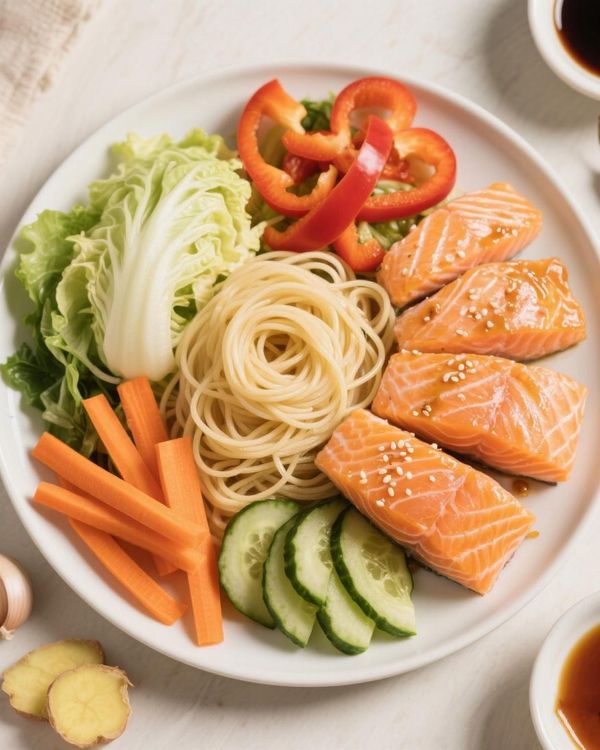

- Asian
- Pescatarian
- Lunch
Salmon Salads, Bowls & Cakes
This is where salmon stops being a single fillet and becomes the easiest meal-prep ingredient in your fridge. Cooked, canned or smoked, it flakes into bright salads, piles onto rice and poke bowls, folds through pasta and fried rice, and binds into crisp golden cakes, so a single roasted fillet can start three different dinners. For salads and bowls, keep the salmon in generous flakes and dress everything well, since the fish drinks up a little oil or citrus and stays moist; a raw poke needs sushi-grade fish cut into clean cubes and tossed in soy, sesame and a touch of heat just before serving. For cakes and patties, drain canned or leftover salmon thoroughly and bind with only enough egg and breadcrumb to hold a soft shape — too much makes them dense and stodgy — then chill the patties so they firm up and sear into a crisp crust without falling apart. Smoked salmon needs no cooking at all, ready to layer into sandwiches, wraps, toasts and creamy pasta for a fast, elegant plate. Standouts here include Salmon Burgers and Pumpkin & Smoked Salmon Quiche, plus Salmon Poke Bowl.
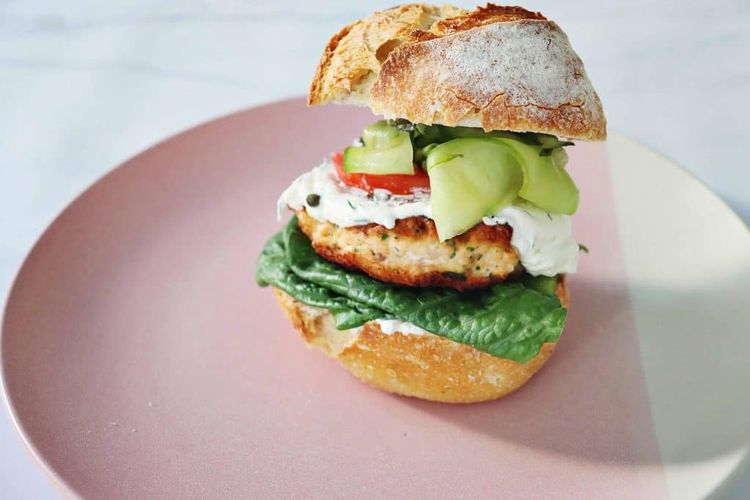
- Mediterranean
- Pescatarian
- Lunch


- Pescatarian
- Lunch
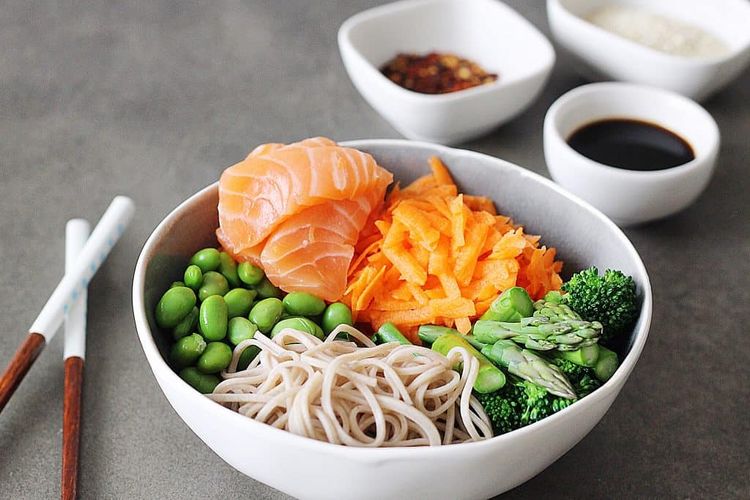
- Japanese
- Pescatarian
- Lunch

- Non-Vegetarian
- Dinner

- Modern
- Pescatarian
- Main Course
More Salmon Favourites
A few salmon dishes never settle neatly into one category, and these are the ones worth keeping once the staples feel routine. They lean on the same handful of techniques you already know — a confident sear, a gentle simmer, a balanced glaze, a careful pull from the heat at just-set — but steer the fish toward different textures and flavour profiles, from smoky and charred to bright and citrus-cured. Picking your next one is mostly about matching effort to mood: reach for a quick pan-seared fillet or a flaked-salmon bowl on a busy night, and save the multi-component bakes, curries and cured preparations for a weekend when you can give them proper attention. Pay attention to thickness, too, since a slim tail fillet cooks in moments while a thick centre cut needs a little longer and a gentler approach. Across all of them the same rule holds: salmon is rich, fast and forgiving, but it punishes overcooking, so trust your thermometer or the flake test and pull it early. Think of this group as the natural next step once the classics are second nature. Standouts here include Sweet Chilli Garlic Salmon with Rice and Salmon Gravlax with Rösti, plus Salmon Crudo with Green Sauce Base.
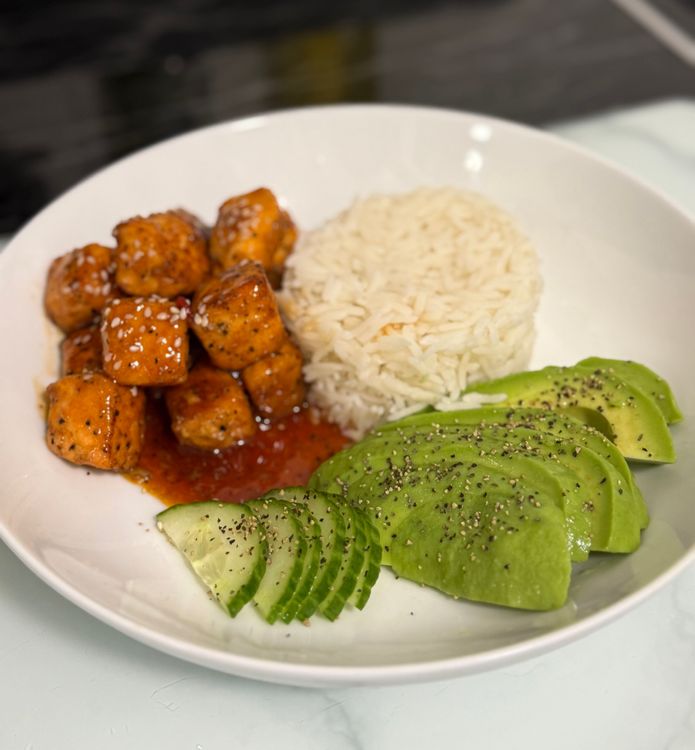

- Asian
- Pescatarian
- Lunch

- Pescatarian
- Appetiser
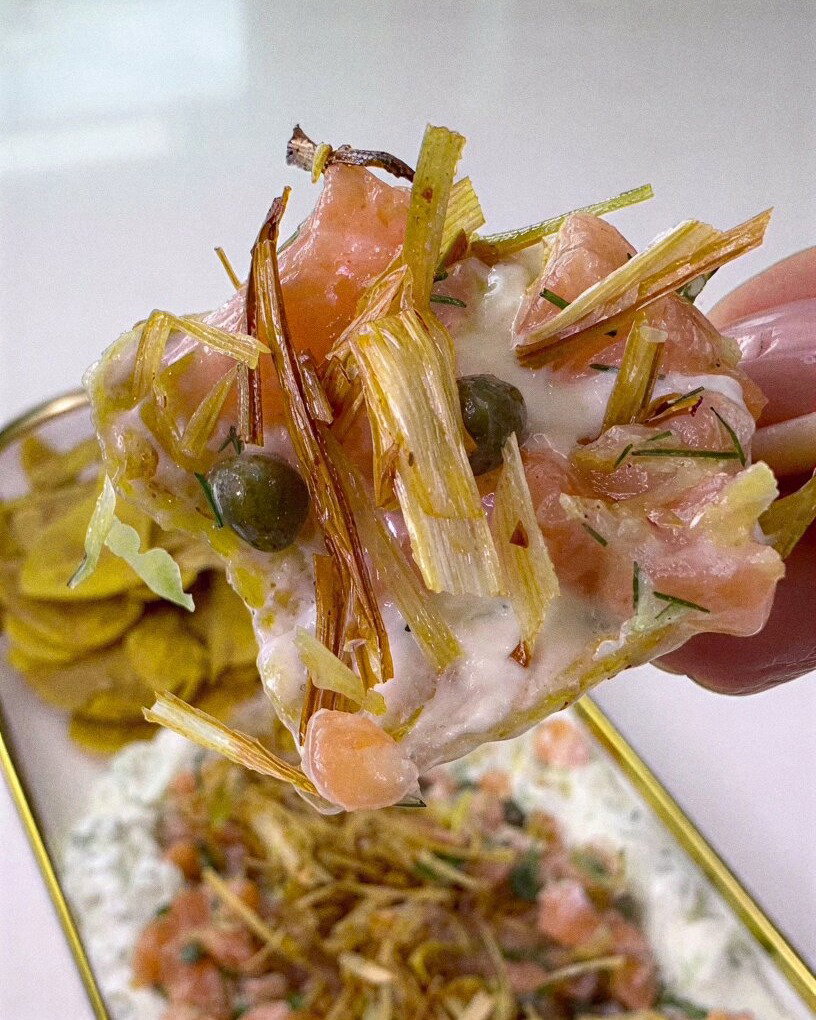
- Pescatarian
- Appetiser

- Pescatarian
- Appetiser
Buying and Prepping Salmon
Start with the cut. Centre-cut fillets of even thickness cook at the same rate and are the easiest to get right, while a thin tail end overcooks before a thick shoulder is done, so trim or fold the tail under for an even depth. Fresh salmon should smell clean and faintly of the sea, not fishy, with firm, springy flesh and moist skin; good frozen salmon, flash-frozen at sea, is often fresher than the chilled fish on a counter and is a perfectly reliable everyday choice once fully thawed.
Wild and farmed salmon behave a little differently in the pan. Wild salmon (sockeye, coho, king) is leaner and deeper in colour, so it cooks faster and dries out sooner; farmed Atlantic salmon is fattier, more forgiving and more affordable. Whichever you buy, pin-bone the fillet by running a finger along the flesh and pulling any stray bones with tweezers, and decide on the skin: leave it on for pan-searing and grilling where it crisps and protects the flesh, or remove it for curries and cakes.
A little prep transforms the result. Pat the fillets bone-dry with kitchen paper, because surface moisture steams and stops the skin crisping or a glaze caramelising, then season at least a few minutes ahead so the salt can draw in. Crucially, bring salmon to room temperature for fifteen to twenty minutes before cooking; a fridge-cold fillet seizes in a hot pan and cooks unevenly, leaving the outside overdone before the centre warms through. Thaw frozen salmon overnight in the fridge, never in warm water, to keep the texture firm.
Getting Crisp Skin and Cooking It Right
Crisp skin is mostly about dryness, heat and patience. Pat the skin bone-dry, season it with salt, and lay the fillet skin-side down into a hot pan with a thin film of oil; it will buckle as it hits the heat, so press it flat with a spatula for the first thirty seconds to keep the whole surface in contact with the metal. Then leave it completely alone. Resist the urge to move or peek, and let it render and crisp for the bulk of the cooking, four to six minutes, until the skin releases cleanly on its own.
Cook salmon most of the way on the skin side, which insulates the delicate flesh and lets it come up gently, then flip for just the last minute or so to set the top. You are aiming for a centre that flakes with light pressure but is still moist and barely translucent, around 50 to 52 degrees Celsius; it keeps cooking off the heat, so pull it a touch early. The single most common mistake is cooking salmon hard until it is uniformly opaque and firm, which is already overdone and dry.
For the oven, roasting at a moderate 180 to 200 degrees Celsius gives you a tender, even result with almost no fuss, taking roughly ten to fifteen minutes for a standard fillet. A higher blast or a quick finish under the grill caramelises a honey, miso or teriyaki glaze, but watch it closely as sugary glazes scorch fast. Baking in a foil or parchment parcel steams the fish in its own juices and aromatics for a foolproof, moist result, while a sheet-pan bake lets you roast vegetables alongside for a complete dinner from one tray.
Curries, Glazes and Make-Ahead
Salmon takes beautifully to curry because its richness holds up against assertive spice, but it needs a gentle hand. Build the sauce fully first, whether a South Indian coconut and curry-leaf base, a Bengali mustard gravy or a Thai red curry, and only slip the salmon in for the final five to eight minutes, simmering gently rather than at a rolling boil so the pieces stay in soft, distinct flakes instead of breaking apart. Cut the fish into large, even chunks, season them ahead, and spoon the sauce over rather than stirring vigorously.
Glazes are where salmon shines, and balance is everything. A good glaze pairs something sweet (honey, maple, brown sugar), something salty (soy, miso), something sharp (lemon, rice vinegar, mustard) and aromatics like garlic and ginger, reduced just enough to cling. Brush it on toward the end of baking or pan-searing so the sugars caramelise without burning, and reserve a little fresh to spoon over at the table. For grilling, oil the grates and the fish well, start skin-side down over direct heat, and move it gently with a thin spatula so it does not tear or stick.
Salmon is excellent for prep, within reason. Marinate fillets in a soy, citrus or yogurt-and-spice mix for up to thirty minutes (not much longer, as acid begins to cure the flesh), and cook salmon ahead to flake cold into salads, bowls, pasta and patties through the week. Cooked salmon keeps three to four days chilled, and leftover or canned salmon is the foundation of quick cakes, melts and fried rice. To freeze, wrap portions tightly; thaw in the fridge and pat dry before cooking so they sear rather than steam.
Pro Tips from the Test Kitchen
- Pull salmon off the heat at 50 to 52C in the centre — it should flake yet stay moist and slightly translucent.
- Pat fillets bone-dry before cooking so the skin crisps and glazes caramelise instead of steaming.
- Bring salmon to room temperature for 15 to 20 minutes before cooking so it cooks evenly.
- For crisp skin, press the fillet flat for the first 30 seconds, then leave it alone until it releases cleanly.
- Cook salmon mostly skin-side down, flipping only for the last minute, to keep the flesh tender.
- Choose even, centre-cut fillets so they cook at the same rate; fold a thin tail under for uniform thickness.
- Add salmon to a curry only for the final 5 to 8 minutes and simmer gently so it stays in soft flakes.
- Brush sweet glazes on near the end of cooking and watch closely, as honey and miso scorch quickly.
- Bake in a foil or parchment parcel for a foolproof, moist result when you do not want crisp skin.
- Marinate salmon for no more than 30 minutes, since acidic marinades start to cure the flesh.
Frequently Asked Questions
What are the best salmon recipes for beginners?
Start with the most forgiving methods. A honey-garlic baked salmon or a foil-parcel bake is almost impossible to ruin, since the gentle oven heat gives you margin for error, while a simple pan-seared fillet teaches you crisp skin in under ten minutes. From there, branch into a creamy salmon coconut curry, a salmon poke bowl, or salmon cakes made from a cooked or canned fillet. Each shows off the fish in a different way and all come together fast.
What are some easy salmon recipes for a quick weeknight dinner?
Lean on salmon's speed. A sheet-pan bake roasts a glazed fillet and vegetables together in about fifteen minutes from one tray; a pan-seared fillet with lemon and herbs is on the plate in ten. Teriyaki or honey-garlic salmon over rice, a fast salmon curry stirred into coconut milk, and salmon fried rice from leftovers are all easy salmon recipes that need barely any hands-on time. Keep a few fillets in the freezer and dinner is never far away.
How do you know when salmon is cooked?
Salmon is done when it flakes with light pressure but still looks moist and faintly translucent in the very centre, which is around 50 to 52 degrees Celsius on a thermometer. The flesh turns from glossy and deep to opaque and pale as it cooks, so when most of it has turned but the middle is just-set, pull it off the heat and let carryover finish the job. Firm, uniformly opaque, flaking-into-dry-chunks salmon is already overcooked.
How do you get crispy salmon skin?
Dryness and heat are everything. Pat the skin bone-dry, salt it, and lay the fillet skin-side down into a hot pan with a little oil, pressing it flat for the first thirty seconds so the whole surface contacts the metal. Then leave it undisturbed for four to six minutes until the skin renders and releases cleanly on its own. Cook the fish mostly on the skin side, flipping only briefly at the end. A non-stick or well-seasoned cast-iron pan helps the skin lift without tearing.
How do you make salmon curry without it falling apart?
Build the sauce completely first, then add the salmon only for the last five to eight minutes and keep the curry at a gentle simmer rather than a hard boil, which shakes the fish apart. Cut the salmon into large, even chunks, slide them into the sauce, and spoon the gravy over them instead of stirring. Salmon is rich enough to stand up to coconut, mustard or masala bases, and adding it late keeps it in soft, distinct flakes that hold their shape on the plate.
Should you cook salmon skin-on or skin-off?
It depends on the method. Leave the skin on for pan-searing and grilling, where it crisps into a delicious layer and shields the delicate flesh from the fierce heat, making the fillet much harder to overcook. Remove it for curries, poached salmon, cakes and salads, where crisp skin has no role and would turn rubbery in liquid. If you want the skin off but want its protection while cooking, cook skin-on and simply peel it away afterward, which lifts off easily once cooked.
Is wild or farmed salmon better, and how should you choose?
Neither is simply better; they suit different cooks. Wild salmon such as sockeye is leaner, deeper in colour and richer in flavour, but it cooks fast and dries out sooner, so watch it closely. Farmed Atlantic salmon is fattier, more forgiving and cheaper, which makes it the easier everyday choice. For freshness, look for firm, clean-smelling flesh, and do not overlook good frozen salmon, which is flash-frozen at sea and often fresher than chilled fillets on the counter.
How do you stop salmon from drying out?
Cook it gently and stop early. Salmon dries out the moment it goes past about 60 degrees Celsius, so pull it at 50 to 52 in the centre and let residual heat finish it. Cook most of the way on the skin side to insulate the flesh, choose even fillets so nothing overcooks, and use forgiving methods like baking in a parcel or roasting at a moderate temperature. Its natural fat keeps it moist, so you need very little added oil; the main risk is simply leaving it on the heat too long.
Can you use canned or leftover salmon, and how?
Absolutely, and it is one of the most useful pantry shortcuts there is. Canned and cooked leftover salmon flake straight into salmon cakes and patties, fried rice, pasta, salads, sandwiches and creamy melts, no further cooking of the fish required. Drain canned salmon well, and bind cakes with just enough egg and breadcrumb to hold so they stay tender rather than dense. Cooked salmon keeps three to four days chilled, which makes a single roasted fillet the start of several different quick meals.
The thread through every salmon recipe here is the same: start with an even, well-dried fillet, cook it gently, and pull it at 50 to 52 degrees in the centre so it stays moist and silky rather than dry. Master that one habit and bakes, sears, curries and bowls all turn out exactly as intended, with crisp skin where you want it and soft, glistening flakes where you do not.
Pick a few salmon recipes to cook this week — a honey-glazed baked fillet, a crisp pan-seared piece and a creamy curry or fresh poke bowl — and save your favourites to a Chefadora cookbook. Salmon is fast, nourishing and endlessly adaptable; this page is built to be the salmon reference you keep coming back to.
Related
- Salmon
- Seafood
- High protein
- Healthy
- Fish
- Quick dinners
- Baked
- Omega-3
Popular Searches
- Best salmon recipes
- Easy salmon recipes
- Quick salmon recipes
- Healthy salmon recipes
- Simple salmon recipes
- Homemade salmon recipes
- Delicious salmon recipes
- Popular salmon recipes
- baked salmon
- pan seared salmon
- salmon curry
- grilled salmon
Marnirni-apinthi Building, Lot Fourteen,
North Terrace, Adelaide, South Australia, 5000
Australia
