
Top 16 Cajun Recipes: Gumbo, Jambalaya, Etouffee and More
Updated June 29, 2026 · Curated by Chefadora
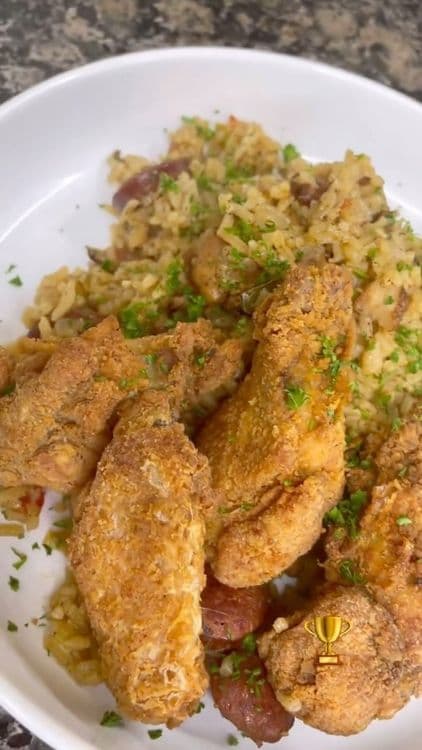
Cajun recipes are the soul food of south Louisiana: rustic, deeply seasoned, one-pot cooking born in the bayou kitchens of the Acadian settlers. It is food built on what was at hand — rice, beans, river seafood, smoky sausage and a garden of peppers, onions and celery — coaxed into dishes with far more depth than their humble ingredient lists suggest. The recipes below span the canon, from a long-simmered gumbo to a quick blackened chicken, and they all lean on the same handful of foundational moves.
Two techniques anchor almost everything here. The first is the roux — flour cooked in fat until it colors, from a pale blond for etouffee to a deep, chocolate-brown for gumbo — which both thickens a dish and gives it that signature toasted, nutty backbone. The second is the holy trinity: onion, celery and green bell pepper, diced and sweated down as the aromatic base, the Cajun answer to the French mirepoix. Master those two and the rest is seasoning and patience.
You will find four clusters: gumbo and jambalaya, the seafood-forward etouffee and boils, the modern crowd-pleasers of Cajun pasta and blackened proteins, and the rice, sides and homemade seasoning that round out a plate. The flavor language is shared across all of them — the same trinity, the same warm, peppery spice profile — so cooking one well teaches you the rest.
Treat this as a working reference. Each recipe links to full ingredients and steps on Chefadora, and the guides below cover the decisions that decide whether a dish tastes genuinely of Louisiana or merely spicy: how to cook a roux without burning it, how to build flavor off the trinity, how to blend your own seasoning, and how to get rice right in a one-pot jambalaya.
Gumbo & Jambalaya
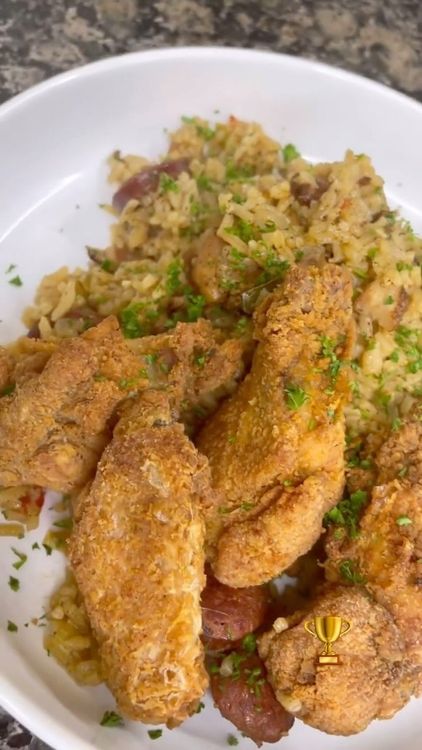
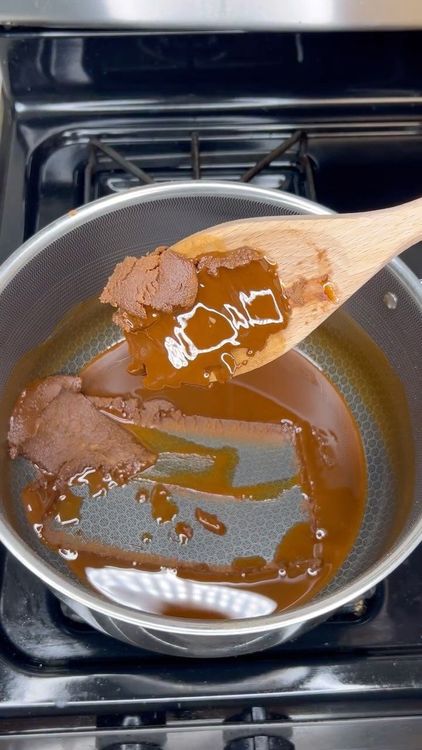
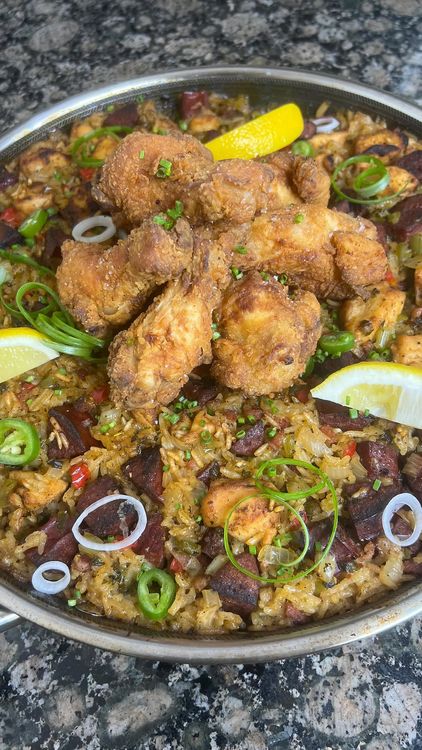
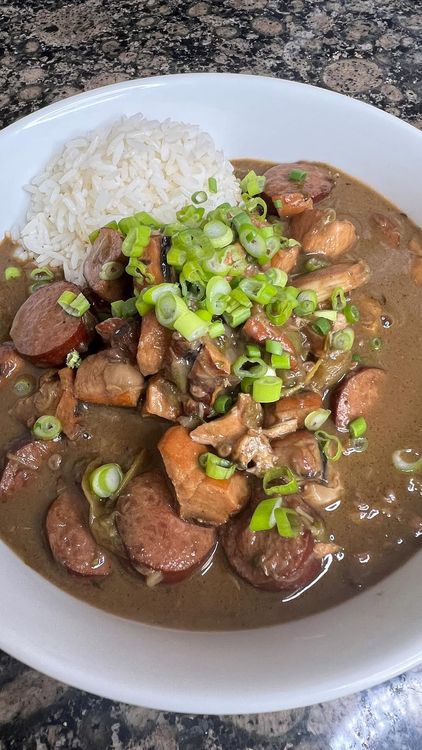
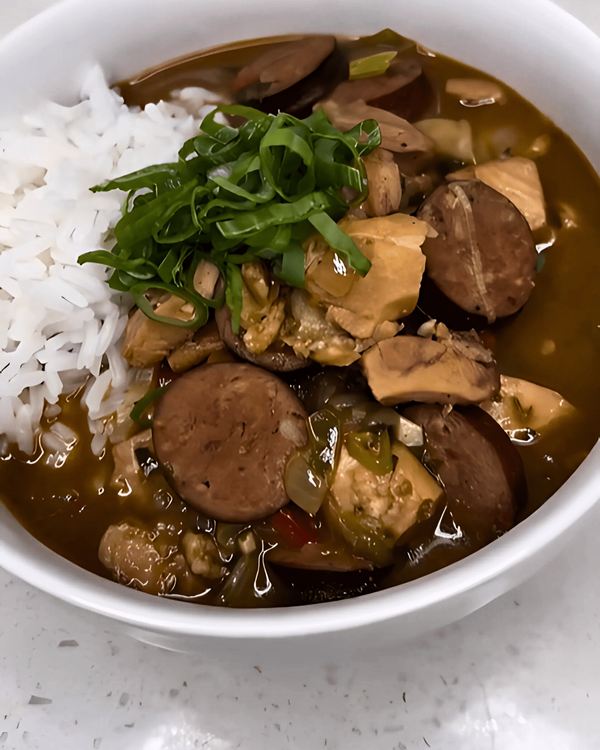
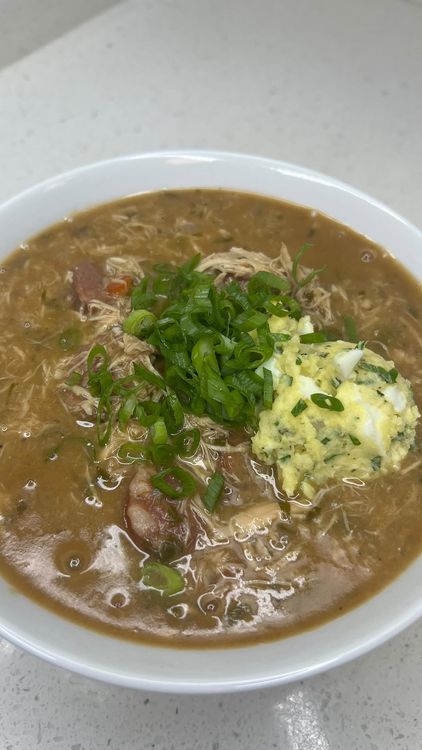
These two dishes are the bedrock of Cajun cooking, and learning either teaches you most of what the rest of the page depends on. Gumbo begins with the roux: flour cooked patiently in oil until it reaches a deep chocolate-brown, the single step that gives the pot its smoky, nutty soul. Stir constantly and never walk away, because a burnt roux is bitter and unsalvageable. The moment it hits color, drop in the holy trinity to stop the cooking, then build with stock, smoky andouille, chicken or seafood, and a long, low simmer that can run an hour or more. Jambalaya works differently: here the rice cooks right in the seasoned stock, so the cardinal rule is to get your liquid ratio right and then leave it alone — stirring once the rice is in turns the grains gluey. Brown your meats hard first for color and fond, since Cajun jambalaya takes its hue from caramelized meat rather than tomato. Both reward patience over speed, and both finish best with a scatter of green onion and a rest off the heat before serving. Standouts here include Jambalaya 101: Cajun and Roux for Gumbo, plus Chicken And Sausage Jambalaya.
- Cajun
- Non-Vegetarian
- Lunch
- Cajun
- Vegan
- Cajun
- Non-Vegetarian
- Dinner
- Cajun
- Non-Vegetarian
- Dinner
- Cajun
- Non-Vegetarian
- Dinner
- Cajun
- Non-Vegetarian
- Lunch


- Dairy-Free
- Lunch
Cajun Pasta & Blackened Chicken
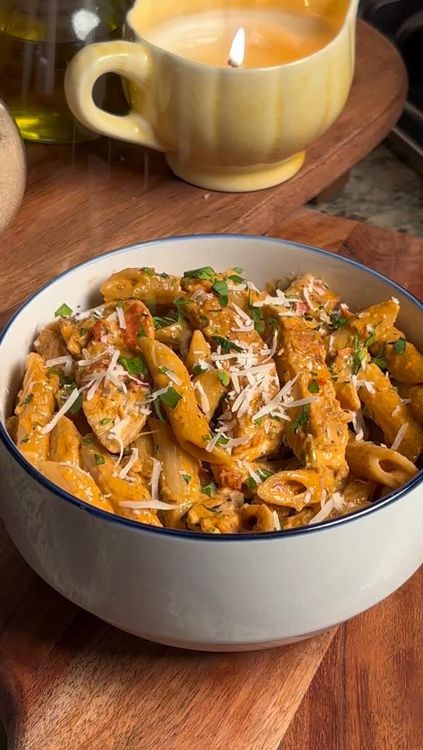
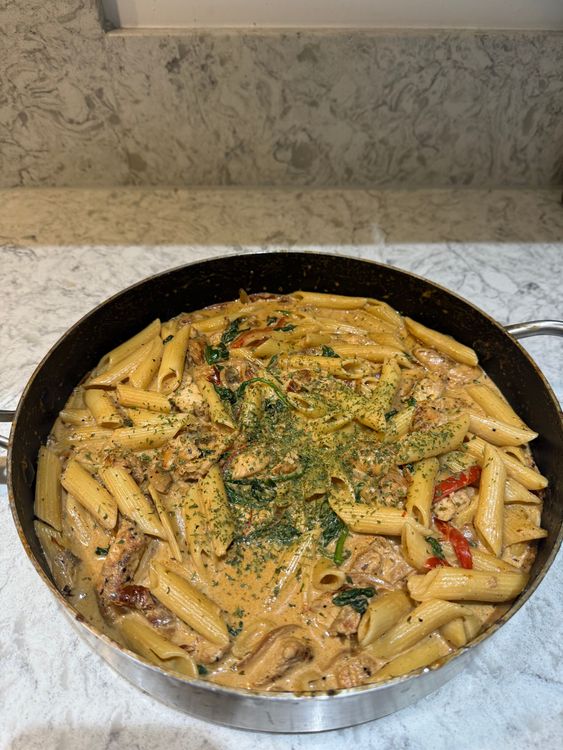
These are the modern crowd-pleasers, the fast Cajun dishes that have spread far beyond Louisiana, and they answer to heat and timing more than long simmering. Cajun chicken pasta is the weeknight hero: sear seasoned chicken hard in a hot skillet for real color, set it aside, then build a spiced cream sauce in the same pan, loosening it with a spoon of homemade Cajun seasoning and toss it through pasta with a little starchy cooking water. The frequent mistake is drowning everything in thin, pale sauce; you want a glossy coat that clings, so reduce it until it coats a spoon and keep the chicken juicy rather than overcooked. Blackening is the other technique here, popularized by Paul Prudhomme: coat chicken or fish heavily in seasoning and sear it in a screaming-hot cast-iron pan with butter until the spice crust goes deep mahogany. That dark color is toasted seasoning, not char, so keep good ventilation going and pull the protein the second it is cooked through. Both lean hard on a well-balanced seasoning blend, which is why batching your own pays off. Standouts here include Kickin’ Cajun Chicken Pasta and Easy and Clean Cajun Fettuccine Alfredo, plus One Pot Creamy Cajun Chicken Pasta.
- Cajun
- Non-Vegetarian
- Lunch


- Non-Vegetarian
- Dinner

- Nut-Free
- Dinner
- American
- Non-Vegetarian
- Dinner
More Cajun Favourites
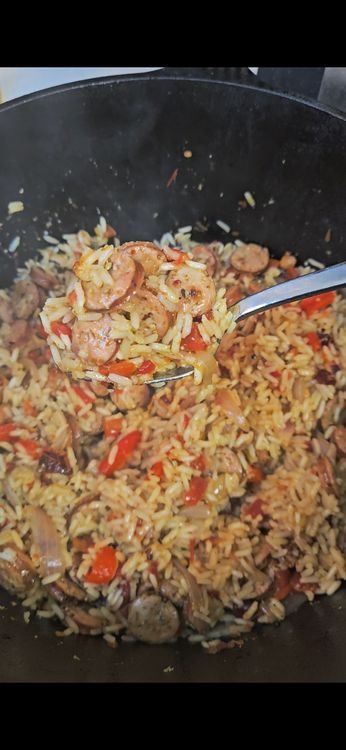
A handful of Cajun dishes never quite fit a single category, and these are the ones worth keeping in your back pocket once the staples feel routine. They lean on the same fundamentals you already know — a patient roux, the holy trinity, a well-built seasoning blend and an unhurried simmer — but steer toward different textures and formats, from po' boys piled with fried shrimp to smothered pork chops, crawfish pies, and the buttery, peppery New Orleans barbecue shrimp that owes nothing to a grill. Choosing your next one is mostly about matching effort to mood: reach for a quick blackened fillet or a sandwich on a busy night, and save the slow-smothered or deep-fried numbers for a weekend when you can take your time. Pay attention to the roux color a recipe calls for, since that single choice shapes the whole flavor, and remember to bloom your seasoning in fat rather than dumping it in cold. Think of this group as the natural next step after the classics — the dishes that quietly earn a permanent spot in the rotation once you have cooked them through. Standouts here include Cajun Sausage and Rice Skillet and Cajun Butterswim Biscuits, plus Cajun Mac and Cheese.
- American
- Non-Vegetarian
- Dinner
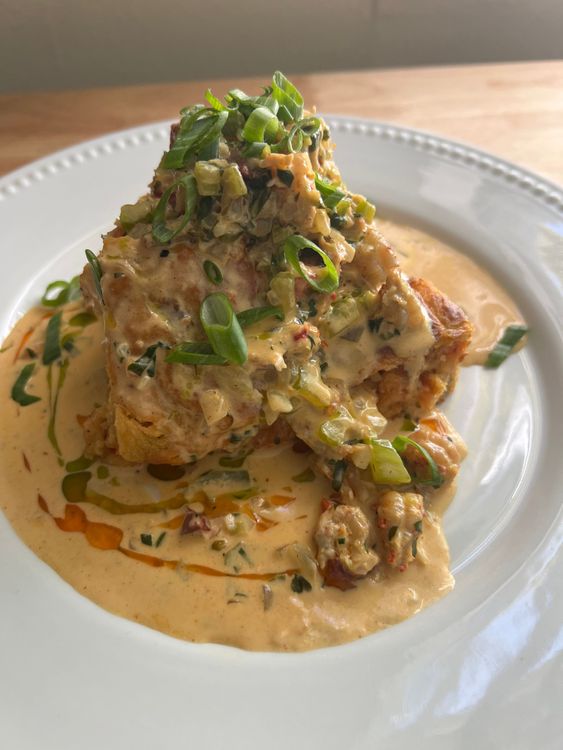
- Cajun
- Non-Vegetarian
- Breakfast
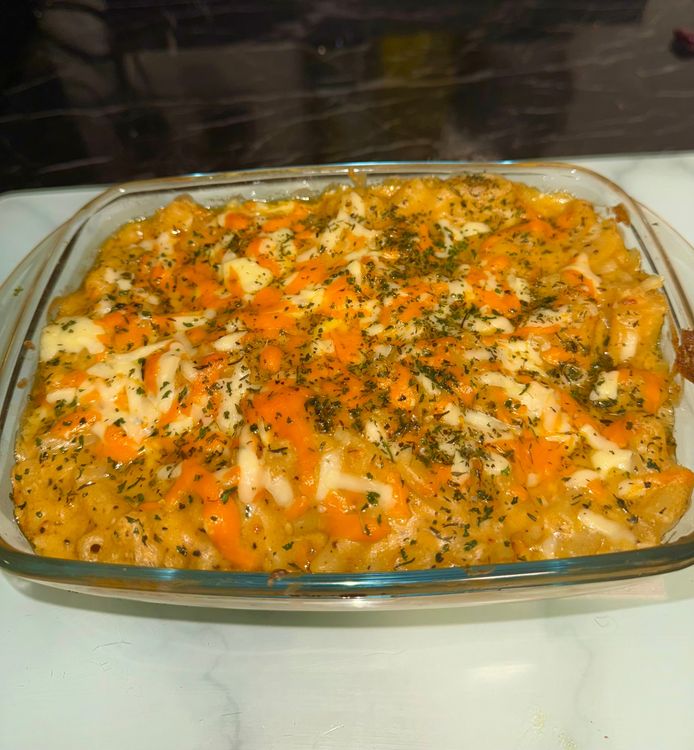
- American
- Vegetarian
- Lunch
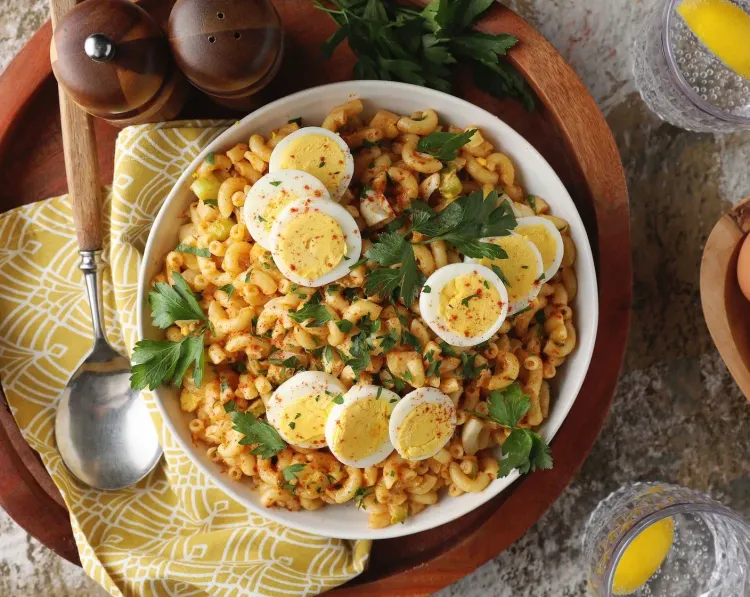
- American
- Eggetarian
- Lunch
- Cajun
- Pescatarian
- Lunch
Cooking a Roux Without Burning It
The roux is the heart of Cajun cooking and the step that scares people off — it should not. Combine equal parts flour and fat (oil for a dark gumbo roux, butter for a lighter etouffee) in a heavy pot and stir over medium heat. The flour cooks through stages of color: blond, peanut butter, copper, and finally the dark chocolate-brown that defines a proper gumbo. The darker you go, the deeper and smokier the flavor, but the less thickening power you get, so dark-roux gumbos lean on okra or filé for body.
Patience and constant motion are everything. Keep the spoon moving across the whole bottom of the pot, scraping the corners, and never walk away — a dark roux can go from perfect to acrid in seconds, and even a few scorched flecks will turn the whole pot bitter. Cajuns call burnt roux "Cajun napalm" for the way it sticks and ruins a dish. If you see black specks, throw it out and start over; there is no rescuing it.
Lower heat buys you forgiveness at the cost of time: a medium-low roux can take 30 to 45 minutes to reach a deep brown but is far harder to scorch, which is the right call for a first attempt. When the roux hits the color you want, drop in the holy trinity straight away — the cold, wet vegetables halt the cooking instantly and keep it from over-browning in the residual heat. That is your cue that the hardest part is done.
The Holy Trinity and Building the Base
The holy trinity — roughly two parts onion to one part each of celery and green bell pepper — is the aromatic foundation of nearly every savory Cajun dish. Dice it fairly fine so it melts into the background rather than standing out as chunks of vegetable, and sweat it slowly in the roux or in fat until soft and translucent. Many cooks add a little garlic, and some swap in the "trinity plus one" with a handful of chopped green onion or parsley folded in near the end.
Season the base in layers as you go, not all at the end. Salt the trinity as it softens so it draws out moisture and concentrates, then bloom your dry Cajun spices in the hot fat for thirty seconds before adding liquid — this wakes up the cayenne, paprika and herbs the way toasting does for whole spices. A base seasoned only at the finish always tastes thin and one-dimensional, no matter how much you add.
Stock is the other half of the equation. For seafood dishes, a quick shellfish stock made from shrimp shells or crawfish heads adds a depth no water can match; for chicken-and-sausage gumbo, a good chicken stock does the work. Add liquid gradually to the roux and trinity, whisking to avoid lumps, then let the whole pot simmer gently and unhurried so the flavors marry. Cajun food is rarely about speed at this stage — it is about a low, slow meld.
Blending and Using Cajun Seasoning
Authentic Cajun seasoning is more than just heat. A balanced blend runs on paprika (often smoked) for color and earthiness, cayenne for the kick, garlic and onion powder for savory depth, black and white pepper, and dried herbs — oregano and thyme above all. Mix a batch and keep it in an airtight jar; it loses punch after a few months, so make it in modest quantities and label the date. Homemade beats most jarred blends, which lean heavy on salt.
Control the salt separately. Many store-bought Cajun seasonings are largely salt, which makes it hard to season a dish properly without over-salting. Blend yours salt-free or low-salt and add salt to the dish on its own, tasting as you go — this gives you far more control, especially in pasta and blackening where you are coating proteins generously. Build heat the same way: start moderate, since cayenne intensifies as a dish simmers and reduces.
Use the blend in three ways. Bloom it in fat at the base of stews and pastas so the flavors open up; rub it dry and heavy onto chicken or fish for blackening, where it forms the crust; and finish with a light extra sprinkle at the table for a fresh, sharp hit. The same jar seasons gumbo, jambalaya, dirty rice and a creamy pasta — which is why a good homemade mix is the single most useful thing in a Cajun pantry.
One-Pot Rice: Jambalaya and Beyond
Jambalaya is where the rice cooks directly in the seasoned, meaty stock, absorbing all that flavor as it swells — which makes it different from gumbo, served over separately cooked rice. The cardinal rule is to get your liquid-to-rice ratio right (roughly two parts liquid to one of long-grain rice) and then leave it alone. Once the rice goes in and the pot is covered, resist the urge to stir, which knocks the starch loose and turns the grains gluey and mushy.
Brown your meats first for color and fond. Sear the sausage, chicken or both until they leave caramelized bits stuck to the pot, build the trinity and seasoning on top, then add stock and scrape up that flavorful fond before the rice goes in. Cajun jambalaya is the "brown" style — no tomatoes, taking its color from the browned meat and stock — while the Creole version adds tomato. Either way, the depth comes from that initial searing, not from the spice jar alone.
Let it rest. When the liquid is absorbed and the rice is tender, pull the pot off the heat, keep it covered, and let it sit ten minutes before fluffing gently with a fork from the edges. This finishes the grains evenly and lets any slightly-firm rice on top steam through. A faint toasty crust on the bottom — the prized "grattons" or socarrat-like layer — is a feature, not a failure; scrape it up and fold it in.
Pro Tips from the Test Kitchen
- Cook the roux low and slow on your first try — 30–45 minutes at medium-low is far harder to burn than a fast high-heat roux.
- The moment you spot black flecks in a roux, throw it out and start over; burnt roux turns the whole pot bitter and cannot be saved.
- Drop the cold holy trinity into the roux the instant it hits color — the wet vegetables stop it cooking and prevent over-browning.
- Dice the trinity fine so it melts into the base; aim for roughly 2 parts onion to 1 each of celery and green pepper.
- Bloom your Cajun seasoning in hot fat for 30 seconds before adding liquid to wake up the cayenne, paprika and herbs.
- Blend your seasoning salt-free and salt the dish separately — most jarred Cajun mixes are mostly salt, robbing you of control.
- Use shrimp shells or crawfish heads to make a quick stock; it gives seafood dishes a depth water never will.
- Do not stir jambalaya once the rice is in — stirring releases starch and turns the grains gluey.
- Brown the sausage and chicken hard before building jambalaya; the caramelized fond is where the color and depth come from.
- Add cayenne with a light hand early on — heat concentrates as a Cajun dish simmers and reduces.
Frequently Asked Questions
What is the difference between Cajun and Creole food?
Cajun food is the rustic country cooking of rural Acadian Louisiana — one-pot, spice-forward and built on what was farmed or caught locally. Creole food comes from New Orleans city kitchens with more European, African and Caribbean influence, and famously uses tomatoes where Cajun cooking often does not. The clearest example is jambalaya: brown Cajun jambalaya takes its color from browned meat, while red Creole jambalaya adds tomato.
What is a roux and why does it matter?
A roux is flour cooked in fat until it colors, and it is the foundation of Cajun cooking. It both thickens a dish and, as it darkens from blond to deep brown, develops a toasted, nutty, almost smoky flavor that defines gumbo and etouffee. The darker the roux the deeper the taste but the weaker its thickening, which is why dark-roux gumbos also use okra or filé powder for body.
What is the holy trinity in Cajun cooking?
The holy trinity is the aromatic base of nearly every Cajun dish: diced onion, celery and green bell pepper, usually in a ratio of about two parts onion to one each of the others. Sweated slowly in roux or fat until soft, it plays the same foundational role that mirepoix does in French cooking. Some cooks add garlic or green onion, calling it the "trinity plus one."
How do you make Cajun seasoning at home?
Combine paprika (smoked is great), cayenne, garlic powder, onion powder, dried oregano and thyme, plus black and white pepper. Many cooks leave salt out so they can season dishes separately for better control. Mix a small batch, store it airtight, and use it three ways: bloomed in fat at the base of a dish, rubbed heavy onto proteins for blackening, and sprinkled fresh at the table.
What is the difference between gumbo and jambalaya?
Both start with roux and the holy trinity, but the rice is treated differently. Gumbo is a thick, soup-like stew served over rice that was cooked separately, so the two stay distinct. Jambalaya is a one-pot dish where the rice cooks directly in the seasoned stock and absorbs all its flavor, more like a pilaf. Gumbo leans on a darker roux and often okra or filé; jambalaya leans on browned meat.
How do you keep a roux from burning?
Keep the heat moderate, stir constantly across the whole bottom of the pot, and never step away. A medium-low roux takes 30 to 45 minutes to reach a deep brown but is far more forgiving than a fast, high-heat one. Watch for any black specks — that means it has scorched, and a burnt roux turns the entire dish bitter, so there is nothing to do but discard it and begin again.
What is etouffee?
Etouffee — French for "smothered" — is shellfish, usually crawfish or shrimp, simmered in a thick, seasoned sauce built on a blond or light-brown roux and the holy trinity, then served over white rice. It is richer and more sauce-forward than gumbo and lighter in roux color, so the seafood flavor shines through. A squeeze of lemon and a scatter of green onion finish it brightly.
What goes into a Cajun seafood boil?
A classic boil simmers crawfish, shrimp or crabs in heavily seasoned water alongside corn on the cob, small potatoes, smoked sausage, and often garlic and onion. The seasoning is generous — a boil mix heavy on cayenne, bay and lemon — and everything is dumped onto a newspaper-covered table to eat with your hands. Let the seafood soak in the hot liquid after the boil so it absorbs flavor without overcooking.
How do you make Cajun chicken pasta?
Season and sear sliced chicken in a hot skillet, set it aside, then build a sauce in the same pan: sweat aromatics, add cream and a generous spoon of Cajun seasoning, and simmer until it coats a spoon. Toss with cooked pasta and the chicken, loosening with pasta water as needed. It is fast weeknight Cajun food — the key is searing the chicken hard for color and not drowning the dish in too much sauce.
What does it mean to blacken chicken or fish?
Blackening is a technique popularized by chef Paul Prudhomme: coat the protein heavily in Cajun seasoning, then sear it in a screaming-hot cast-iron skillet, often with butter, until the spice crust turns deep mahogany. The dark color comes from the toasted seasoning and butter, not from being burnt. Do it with good ventilation — it smokes heavily — and pull the protein the moment it is just cooked through so it stays juicy.
The thread through every Cajun recipe here is the same short list of fundamentals: a patiently cooked roux, the holy trinity sweated down as a base, a well-balanced seasoning blend, and the unhurried simmer that lets it all meld. Get those right and the dish — gumbo, jambalaya, etouffee, a quick blackened chicken or a creamy pasta — is just a choice of direction, not a different skill to learn.
Pick three to cook over the next week — a long-simmered gumbo, a one-pot jambalaya and something fast like Cajun pasta — and save your favorites to a Chefadora cookbook. Then work through the rest; this page is built to be the Louisiana reference you keep coming back to.
Related
Popular Searches
- Best cajun recipes
- Easy cajun recipes
- Quick cajun recipes
- Healthy cajun recipes
- Simple cajun recipes
- Homemade cajun recipes
- Delicious cajun recipes
- Popular cajun recipes
- cajun chicken pasta
- cajun jambalaya
- cajun seasoning
Marnirni-apinthi Building, Lot Fourteen,
North Terrace, Adelaide, South Australia, 5000
Australia
