
Top 15 Quiche Recipes: Lorraine, Veggie, Crustless and Mini
Updated June 29, 2026 · Curated by Chefadora
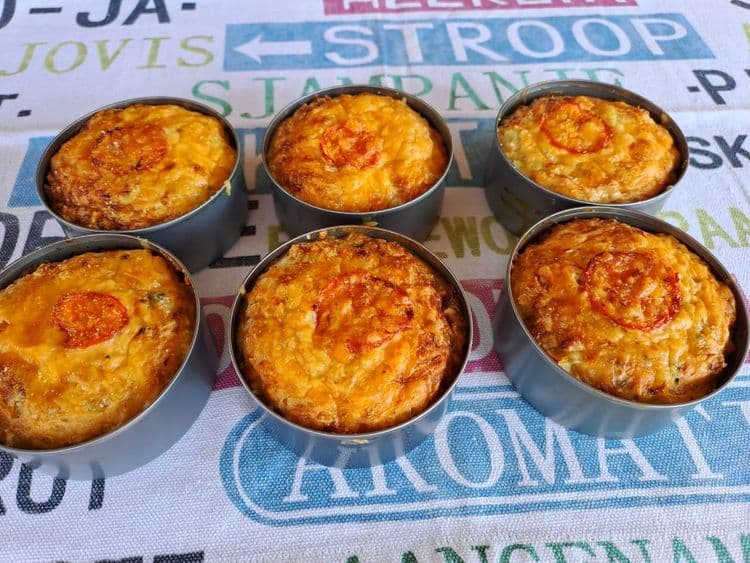
Quiche recipes are the most forgiving way to turn eggs, cream and a handful of leftovers into something that looks like you fussed. At heart a quiche is just a savory custard baked in pastry, but that simple frame stretches across smoky Lorraine, green spinach and mushroom versions, crustless low-carb bakes and party-sized minis. The recipes below were chosen to show that range rather than ten variations on the same eggy slab, and to teach the two or three moves that decide whether yours sets silky or splits and weeps.
What makes a quiche good is not the filling — it is the custard and the crust beneath it. Get the ratio of egg to dairy right and the filling bakes into something tender and just-set, sliceable but never rubbery. Get it wrong and you land in scrambled-egg or soup territory. The crust has its own rule: it must be blind-baked before the custard goes in, or the bottom turns pale and soggy under all that liquid. Almost every quiche problem traces back to one of those two things.
You will find four clusters here: classic Lorraine and bacon, vegetable and spinach, crustless and low-carb, and mini make-ahead. The technique is shared across all of them, so once you have nailed the custard and the bake on one, the rest are swaps of filling and format. Change the cheese, change the greens, drop the crust or shrink it into a muffin tin — the rhythm of the cook stays exactly the same.
Treat this as a working reference rather than a list. Each recipe links to full ingredients and steps on Chefadora, and the guides below cover the make-or-break decisions: how to mix and season the custard, how to blind-bake a crust so it stays crisp, how to keep watery fillings from sinking your bake, and how to tell when a quiche is done so you pull it at the wobble instead of overshooting into curdle.
Classic Quiche Lorraine & Bacon
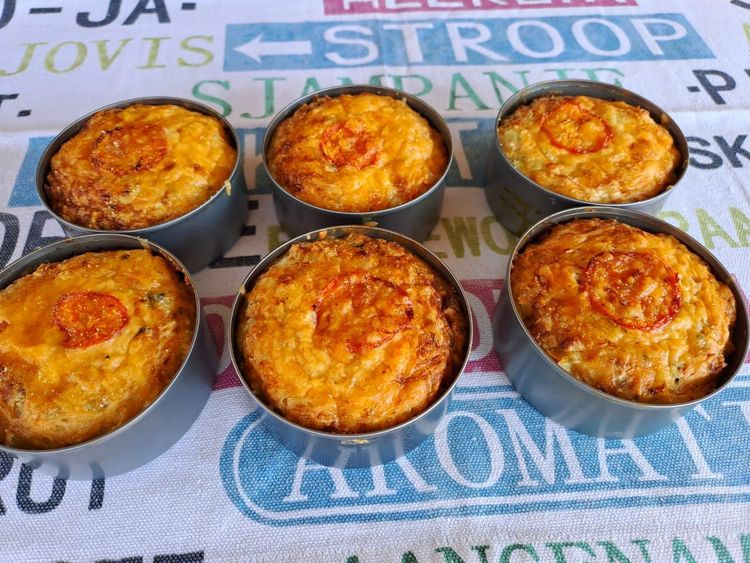
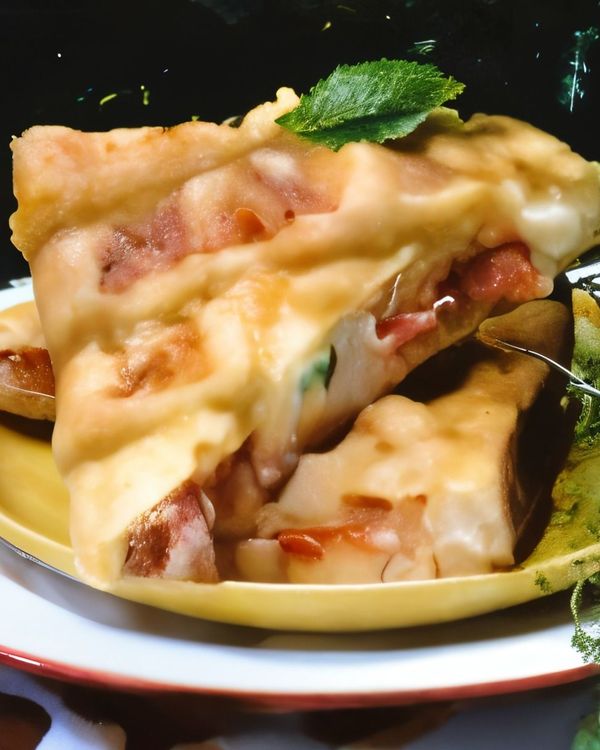
This is where quiche begins and where you should learn the method. A true Lorraine is almost austere: smoky bacon or lardons and a properly seasoned custard, with cheese an optional Gruyère luxury rather than a requirement, all baked in a crisp blind-baked shell. The whole effect depends on getting the custard ratio right, roughly two eggs to one cup of cream or a cream-milk blend, whisked just until smooth so it sets silky rather than spongy. Render the bacon until it is crisp and drain it well, because the fat it gives off will otherwise pool and slick the bottom of your quiche. Scatter it evenly over the base along with any sautéed onion or leek, then pour the custard around it so nothing floats or sinks. The classic mistake here is baking too hot and too long, which curdles the eggs and makes the filling puff and weep; keep the oven gentle at 160 to 180C and pull the quiche while the center still trembles. Rest it, then slice into something that tastes far more than the sum of eggs, cream and bacon. Standouts here include Air Fryer Crustless Cheese and Oats Quiche and Pumpkin & Smoked Salmon Quiche, plus Leek and Ham Quiche.

- South African
- Eggetarian
- Breakfast

- Pescatarian
- Lunch
- French
- Non-Vegetarian
- Lunch
Vegetable & Spinach Quiche
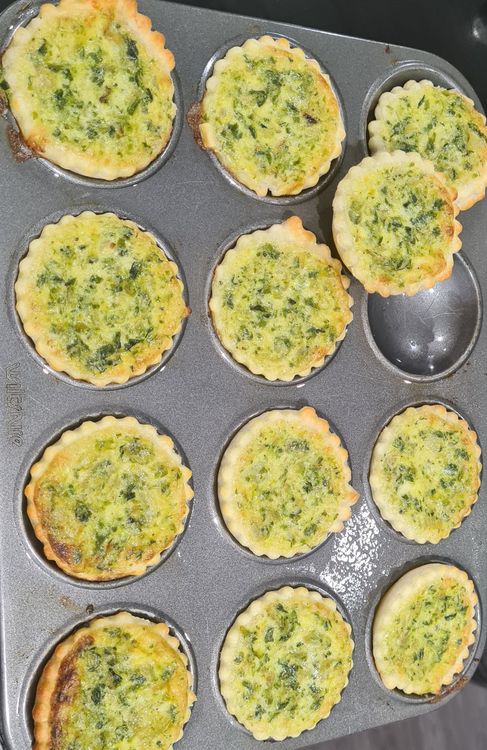
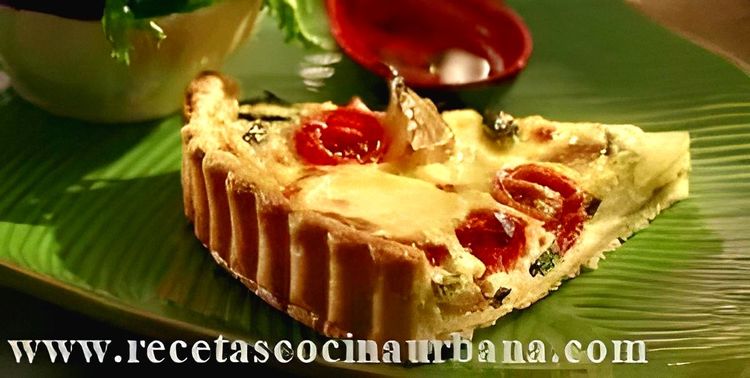
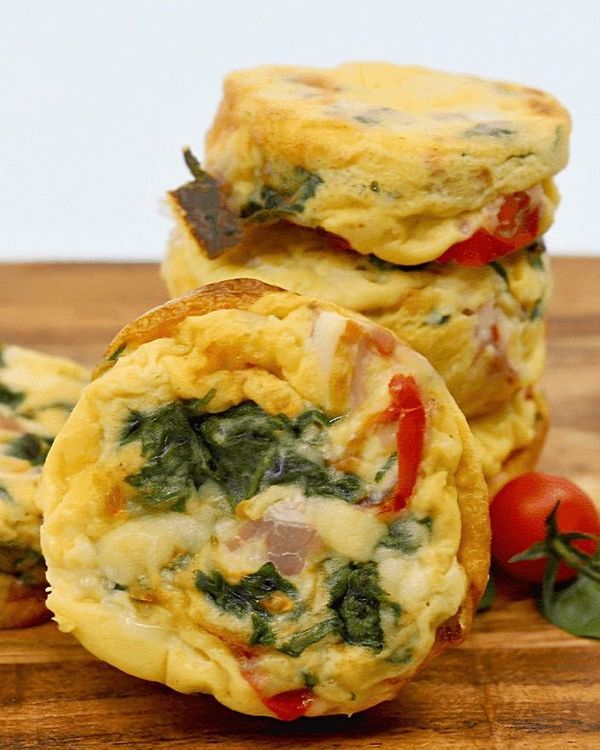
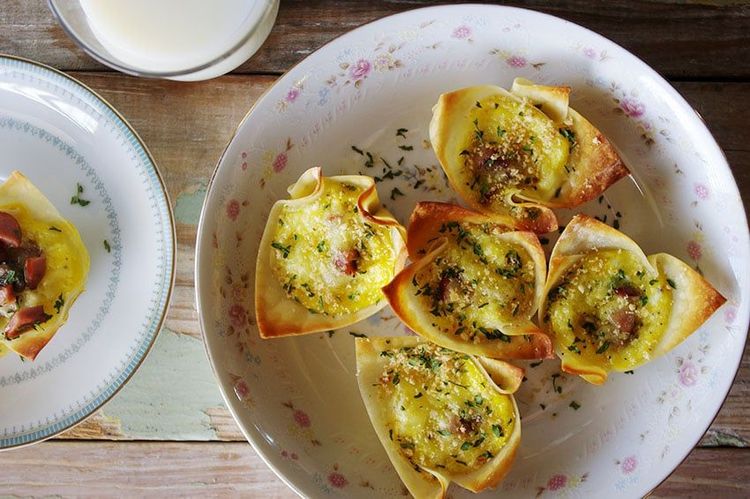
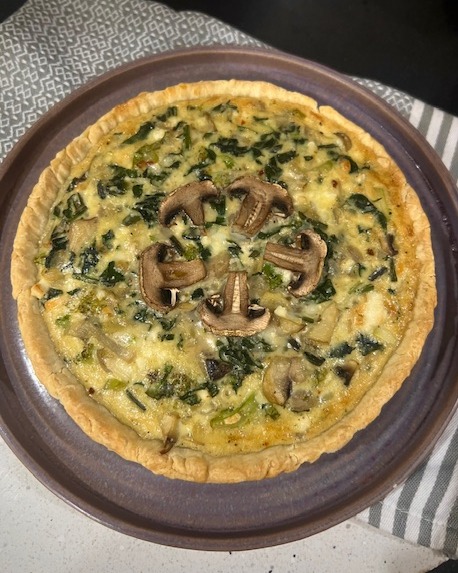
Vegetables turn quiche into a lighter, brighter, more colorful meal, but they bring one challenge the meat versions do not: water. Spinach, mushrooms, tomatoes, asparagus and zucchini all release liquid as they cook, and if that water lands in your custard it stops the eggs setting and leaves a weepy puddle under the crust. The single most important move in this whole cluster is to drive that moisture off before anything meets the custard. Wilt spinach and wring it bone-dry in a clean towel; sauté mushrooms until they give up their water and it cooks back off; roast or salt-and-drain tomatoes and zucchini until they concentrate. Let everything cool before it goes in, since hot filling starts to scramble the eggs as you pour. Season generously, because vegetables are mild and need help, and a handful of grated cheese over the base both adds savor and acts as a small moisture barrier. Build your custard on the same dependable ratio, bake gently, and you get a quiche that slices clean with vivid green and earthy filling suspended in tender custard rather than floating in liquid. Standouts here include Mini Spinach Quiches and Tomato Breakfast Quiche, plus Tomato Quiche.

- French
- Eggetarian
- Appetiser


- American
- Non-Vegetarian
- Breakfast
- French
- Eggetarian
- Lunch

- European
- Non-Vegetarian
- Breakfast
- Western
- Eggetarian
- Breakfast

- Italian
- Non-Vegetarian
- Breakfast

- French
- Eggetarian
- Brunch
More Quiche Favourites
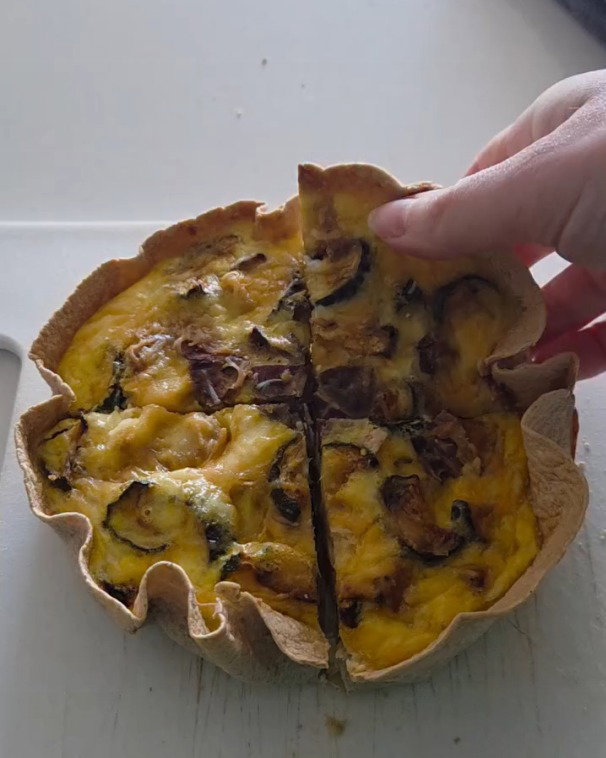
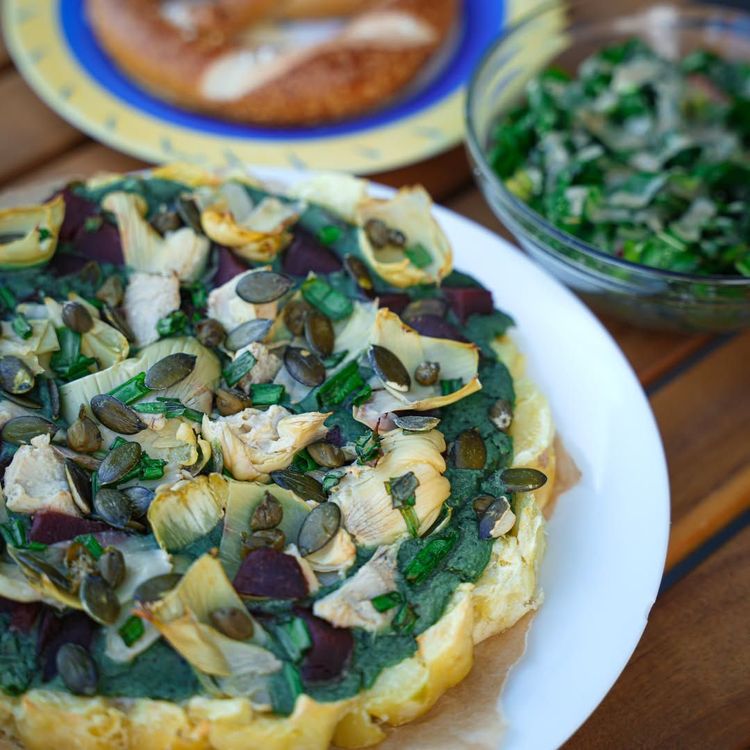
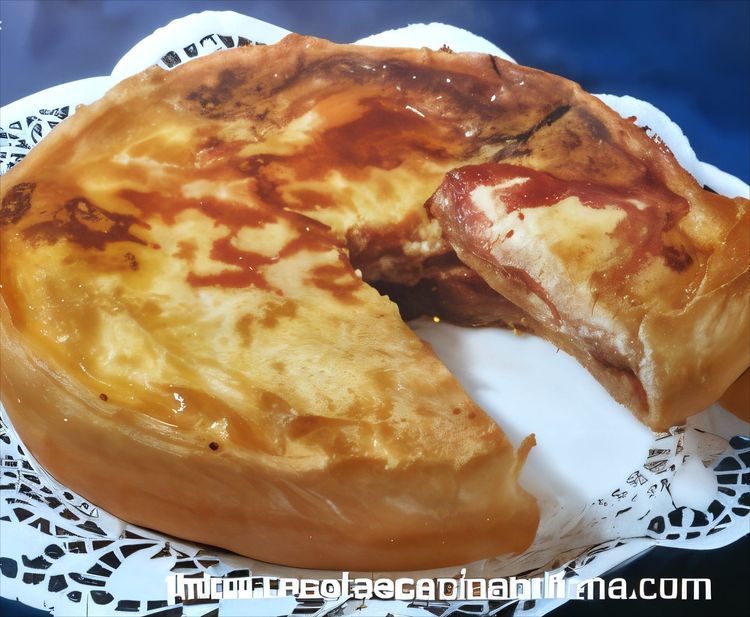
A few quiches never quite settle into one neat category, and these are the ones worth keeping once the staples feel routine. They lean on exactly the techniques you already have, a well-judged custard, a crisp blind-baked shell, well-drained fillings and a gentle bake pulled at the wobble, but push them toward different flavors and formats, so quiche never tastes the same twice. Some swap the dairy or the cheese for a different character; some borrow a filling from breakfast, a deli counter or another cuisine entirely; some play with the crust itself, going flaky, free-form or made from something other than pastry. Picking your next one is mostly about matching effort to mood: choose a crustless or muffin-tin version on a busy night when you want something on the table fast, and save the full-pastry, carefully-layered numbers for a weekend when you can blind-bake properly and let the custard set low and slow. Pay attention to how wet each new filling is, since that, more than anything, decides whether the custard sets clean. Think of this group as the natural next step after the classics, the recipes that quietly earn a regular spot in the rotation once you have tried them. Standouts here include Tortilla Quiche and Tortilla Quiche, plus Potato Quiche « Crust ».


- Eggetarian
- Breakfast
- Eggetarian
- Breakfast
- French
- Vegan
- Lunch
- French
- Eggetarian
- Lunch

- American
- Eggetarian
- Breakfast
The Custard: Getting the Egg-to-Dairy Ratio Right
The custard is the whole dish, and it lives or dies on one ratio. A reliable starting point is one large egg to about half a cup (120ml) of dairy — so two eggs to one cup of liquid, give or take. More egg and the quiche sets firm and slightly bouncy; more dairy and it bakes softer and creamier but is fussier to slice. For a classic silky Lorraine, lean toward cream or a cream-and-milk blend; for a lighter weeknight bake, whole milk works, though all-milk custards taste leaner and set a touch firmer.
Whisk the eggs and dairy just until combined and uniform — you want them blended, not aerated. Beating in lots of air makes the quiche puff dramatically in the oven and then collapse and crack as it cools, leaving a spongy, uneven crumb instead of a smooth custard. Season the mix properly: salt, pepper, a little grated nutmeg for the classic flavor, and remember that cheese and cured meat already bring salt, so taste with that in mind. Strain the custard through a sieve if you want the glassiest, most professional set.
Do not overfill. Pour the custard in only to just below the rim of the crust, because it rises slightly as it bakes and an overfull shell spills and sets unevenly. If anything, hold a little back. A thinner layer of custard sets faster and more evenly than a deep one, which is part of why minis and shallow tarts are so reliable. Bring your dairy to room temperature first if you can — cold custard straight from the fridge takes longer to set and can leave the center underdone while the edges overcook.
Blind-Baking a Crust That Stays Crisp
Blind-baking — pre-baking the empty crust before the filling goes in — is the single step most home cooks skip and most regret. A raw crust under a wet custard never crisps; it steams from above and comes out pale, damp and structurally sad. Line your chilled, rolled-out pastry in the tin, prick the base lightly with a fork, then line it with parchment and fill with baking beans, dried beans or rice to hold the sides up and stop the base from puffing. Chill the lined shell for fifteen minutes before it goes in so the butter is firm and the pastry holds its shape.
Bake the weighted shell at around 190C/375F until the edges are set and lightly golden, about 15 minutes, then lift out the parchment and weights and return it for another 5 to 8 minutes to dry and color the base — this second, uncovered stint is what actually crisps the bottom. For real insurance against a soggy base, brush the hot crust with a thin layer of beaten egg the moment it comes out; the egg seals any tiny cracks and forms a waterproof barrier so the custard cannot soak in. Let the crust set for a minute before filling.
Add the custard while the crust is still warm and bake the assembled quiche at a moderate, gentle heat — around 160 to 180C/325 to 350F. A lower temperature than you might expect is deliberate: custard is delicate, and a blasting oven curdles the eggs and makes the filling puff, weep and crack. If the crust edges start to over-brown before the center sets, shield them with a ring of foil. The goal is a crisp, golden shell holding a barely-set, just-trembling custard.
Taming Watery Fillings
Most filling failures are really water failures. Spinach, mushrooms, tomatoes, zucchini and other juicy vegetables release a surprising amount of liquid as they bake, and that water dilutes the custard, stops it setting and leaves a wet, weepy layer at the bottom. The fix is non-negotiable: pre-cook and drain watery ingredients before they ever meet the custard. Wilt and squeeze spinach hard in a clean towel until it is genuinely dry; sauté mushrooms until they release their water and it cooks back off; roast or salt-and-drain tomatoes and zucchini.
Cooked fillings should also be cooled before you add them, because hot filling starts to scramble the eggs as you pour the custard over. Scatter the prepared filling evenly across the blind-baked crust first, then pour the custard around it — this keeps everything distributed instead of floating to the surface or sinking into one corner. Crumbled bacon, sautéed onion or leek, and grated cheese can go in as they are; a layer of cheese over the base also acts as a small moisture barrier and helps anchor the lighter ingredients.
Mind the salt and the volume. Cured meats, cheese and pre-salted vegetables all add seasoning, so go easy on the salt in the custard itself. And resist the temptation to overload — a quiche packed with too much filling has too little custard to bind it and bakes into a dense, crumbly mass rather than a tender slice. Aim for the filling to take up roughly the lower half of the shell, with custard flowing around and just over it. Restraint here is what gives you clean, custardy slices.
Doneness, Cooling and Make-Ahead
A quiche is done when the edges are set but the center still has a slight, gentle wobble — like jelly, not liquid. It looks slightly underdone when you pull it, and that is correct: carryover heat finishes the center as it rests, and a quiche cooked until the middle is firm in the oven will be overcooked and rubbery by the time it reaches the table. Give a baked quiche at least fifteen to twenty minutes to set before slicing; cutting too soon releases steam and liquid and gives you a runny wedge even when the bake was perfect.
Quiche is genuinely better warm or at room temperature than piping hot, which makes it ideal make-ahead food. Bake it fully, cool it, and refrigerate for up to three or four days; reheat slices gently in a 150C/300F oven for ten minutes to re-crisp the crust rather than microwaving, which steams the pastry soft. You can also bake it the day before a brunch and serve at room temperature with no reheating at all — the flavor actually settles and improves overnight.
Quiche freezes well, baked or unbaked. Freeze a fully baked, cooled quiche whole or in slices, well wrapped, for up to a couple of months; reheat from frozen in a moderate oven until hot through. For meal prep, muffin-tin minis are unbeatable — bake a batch, freeze them individually, and reheat one or two at a time for breakfast on the move. If you freeze an unbaked, custard-filled shell, expect a slightly looser set, since freezing and thawing can break the custard a little; baked-then-frozen is the more reliable route.
Pro Tips from the Test Kitchen
- Use roughly 1 large egg per 1/2 cup (120ml) dairy — two eggs to one cup of liquid — for a custard that sets silky but slices clean.
- Always blind-bake the crust before filling; a raw shell under wet custard comes out pale and soggy every time.
- Brush the hot blind-baked crust with beaten egg to seal it — a waterproof barrier against the custard soaking in.
- Whisk the custard just until combined, not frothy; beaten-in air makes it puff, crack and collapse.
- Squeeze spinach bone-dry and sauté mushrooms until their water cooks off before adding — watery fillings stop the custard setting.
- Bake gently at 160–180C/325–350F; a hot oven curdles the eggs and makes the filling weep.
- Do not overfill — pour custard to just below the rim, since it rises as it bakes.
- Cool cooked fillings before adding them so the hot ingredients do not start scrambling the eggs.
- Pull the quiche while the center still has a slight wobble; carryover heat finishes it as it rests.
- Rest at least 15–20 minutes before slicing, and serve warm or at room temperature rather than oven-hot.
Frequently Asked Questions
What is the perfect egg-to-milk ratio for quiche?
A dependable starting point is one large egg to about half a cup (120ml) of dairy — so two eggs per cup of liquid. More egg gives a firmer, sliceable set; more dairy gives a softer, creamier custard that is harder to cut. For a rich Lorraine, lean on cream or a cream-milk blend; for a lighter bake, whole milk works but sets a touch firmer and tastes leaner. Whisk just until combined, never frothy.
Do I have to blind-bake the crust for quiche?
Yes, if you want a crisp base. Pre-baking the empty shell sets the pastry before the wet custard goes in, so it cannot steam the bottom soggy. Line the chilled crust with parchment and baking weights, bake until the edges set, then remove the weights and bake a few minutes more to dry the base. Brushing the hot crust with beaten egg seals it further. Skipping this step is the number one cause of a pale, damp bottom.
Why is my quiche watery or runny in the middle?
Two usual culprits: watery fillings or underbaking. Vegetables like spinach, mushrooms and tomatoes release liquid that dilutes the custard, so always pre-cook and drain them thoroughly first. And a quiche needs a slight wobble at the center when you pull it, then a 15–20 minute rest to finish setting — cutting too soon, or using too much dairy and too little egg, leaves it runny even when baked correctly.
Why did my quiche puff up and then crack?
You either whisked too much air into the custard or baked it too hot. Air beaten into the eggs makes the filling balloon in the oven and then collapse and crack as it cools. A high oven temperature does the same by curdling the eggs. Whisk the custard just until uniform, bake gently at 160–180C/325–350F, and pull it while the center still trembles. A smooth, low-and-slow bake gives a flat, silky top.
What is the difference between a quiche and a frittata?
A quiche is a custard — eggs blended with a good amount of cream or milk — baked slowly in a pastry crust until just set, giving a soft, sliceable, custardy texture. A frittata is mostly eggs with little or no added dairy, cooked in a skillet (often started on the stove and finished under a grill), so it is firmer, denser and crustless. A crustless quiche sits somewhere between the two, closer to a baked frittata.
Can you make quiche without a crust?
Absolutely, and crustless quiche is faster, lighter and naturally gluten-free. Grease the dish well so it releases, and pay even closer attention to the custard ratio and your fillings, since there is no crust to absorb stray moisture — drain everything thoroughly. It bakes much like a baked frittata. A light dusting of cheese or a sprinkle of flour on the base of the dish can help it hold together when you cut it.
What cheese is best for quiche?
Gruyère is the classic for quiche Lorraine — nutty, melts smoothly and does not turn greasy. Other good melters include Swiss, Comté, sharp cheddar, fontina and a little Parmesan for savor. Use a melting cheese rather than a crumbly fresh one like feta as your base, though feta or goat cheese dotted in works beautifully for flavor. Remember cheese adds salt, so ease back on the seasoning in the custard itself.
How do you know when a quiche is done?
The edges should be set and lightly golden while the very center still has a gentle, jelly-like wobble — it should look slightly underdone. A knife inserted off-center comes out mostly clean. The center firms up from carryover heat as it rests, so a quiche baked until the middle is solid in the oven will be rubbery by serving time. Pull it at the wobble and let it rest 15–20 minutes before slicing.
Can you make quiche ahead of time and freeze it?
Yes — quiche is excellent make-ahead. Bake it fully, cool, and refrigerate for three to four days; it tastes best warm or at room temperature, so it reheats gently in a 150C/300F oven to re-crisp the crust. It also freezes well baked: wrap whole or in slices and freeze for a couple of months, then reheat from frozen. Muffin-tin minis are ideal for meal prep, freezing and reheating individually.
How do I stop my quiche crust from getting soggy?
Blind-bake the crust first, then brush the hot shell with beaten egg to seal it against moisture. Make sure all fillings are well drained and cooled before adding, and do not overfill with custard. Scattering a thin layer of grated cheese over the base before the filling also helps block moisture. Finally, bake on a preheated baking sheet or the lower rack so the bottom gets direct heat and crisps properly.
The thread through every quiche on this page is the same: a properly set custard in a crisp, blind-baked shell, with the filling drained so it never waters things down. Master those few moves — the egg-to-dairy ratio, the pre-baked crust, the dry fillings and the gentle bake pulled at the wobble — and Lorraine, spinach, crustless and mini all become the same dish wearing different clothes.
Pick three to cook this week — a classic Lorraine, a green vegetable version and a tray of muffin-tin minis for the days ahead — and save your favorites to a Chefadora cookbook. Then work through the rest; this page is built to be the quiche reference you actually come back to.
Related
- Quiche
- Brunch
- Eggs
- Breakfast
- French
- Make Ahead
- Vegetarian
- Tart
Popular Searches
- Best quiche recipes
- Easy quiche recipes
- Quick quiche recipes
- Healthy quiche recipes
- Simple quiche recipes
- Homemade quiche recipes
- Delicious quiche recipes
- Popular quiche recipes
- quiche lorraine
- crustless quiche
- spinach quiche
Marnirni-apinthi Building, Lot Fourteen,
North Terrace, Adelaide, South Australia, 5000
Australia
