
Top 13 Donut Recipes: Glazed, Cake, Baked and Filled
Updated June 29, 2026 · Curated by Chefadora
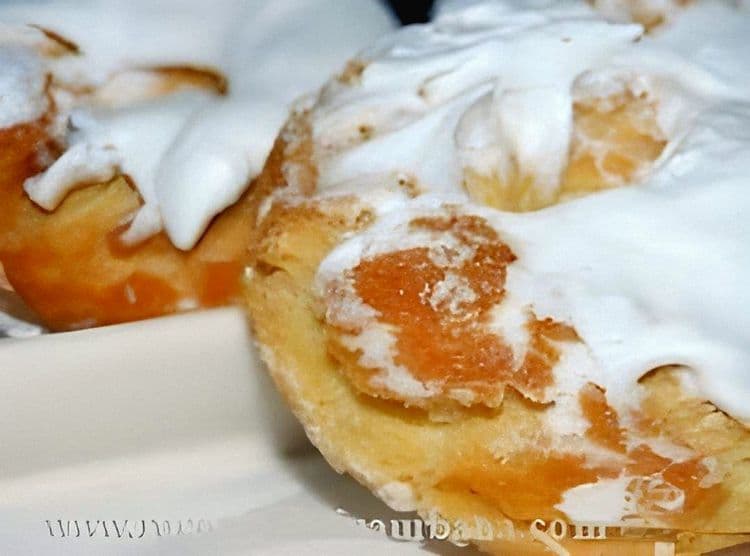
Donut recipes cover far more ground than the glass case at the corner shop suggests: pillowy yeast-raised rings dipped in a glassy glaze, dense and tender cake donuts rolled in cinnamon sugar, lighter baked and air-fryer versions, and the filled and twisted specialties — jelly donuts, crullers, beignets and holes — that turn a simple fried dough into a celebration. The recipes below were chosen to show that whole range rather than ten variations on the same glazed ring.
At heart, a donut is one of two things: an enriched yeast dough that rises slow and fries into something airy, or a quick chemically leavened batter that you scoop or pipe and cook right away. Knowing which camp you are in changes everything — how long you wait, how hot the fat runs, and what texture you should expect. The guides here are built around that distinction, because most donut disasters come from treating one like the other.
You will find four clusters: yeast-raised and glazed donuts, cake and old-fashioned styles, baked and air-fryer versions for a lighter touch, and the filled and specialty treats. The frying technique, the glaze and the doneness cues carry across all of them, so once you have fried a clean batch of glazed rings, the jelly donuts and crullers are mostly a matter of shaping and filling.
Treat this as a working reference. Each recipe links to full ingredients and steps on Chefadora, and the guides below cover the things that decide whether a donut comes out golden, light and barely greasy or pale, dense and oil-logged — managing the dough, holding the oil temperature, glazing for a clean set, and the air-fryer and baking adjustments that make a no-fry donut worth eating.
Yeast-Raised & Glazed Donuts
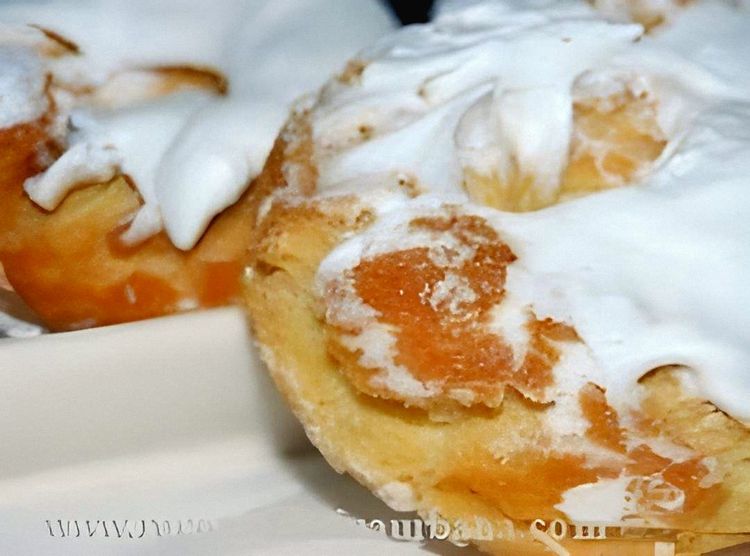
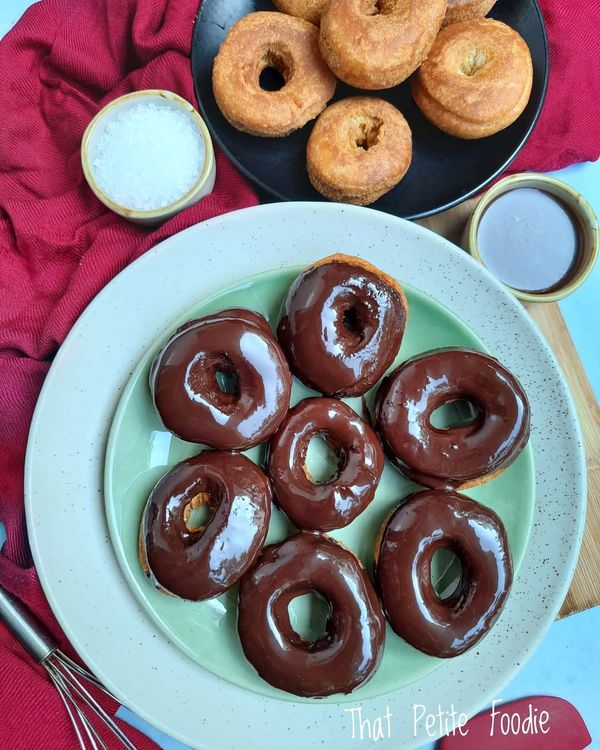
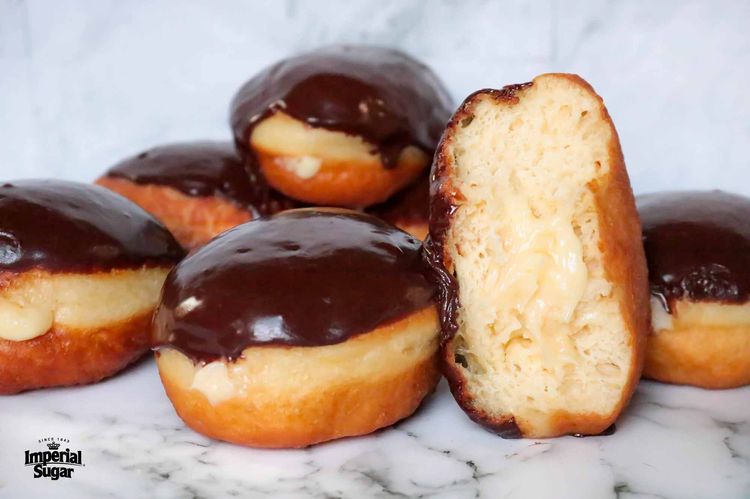
This is the donut most people picture: a soft, pillowy ring that almost dissolves on the tongue, lacquered in a thin glaze that cracks when you bite it. Getting there is all about the dough and the proof. You want an enriched dough kneaded until smooth and elastic, soft and just tacky rather than stiff, then risen once until doubled and a second time after cutting until the donuts are visibly puffy and jiggly. That second proof is where most home cooks fall short; an under-proofed donut fries up dense and heavy with a pale, tight band instead of ballooning the moment it touches the oil. Fry in oil held steady at 350 to 360F, about a minute a side, until each one floats, puffs and shows that telltale pale ring around the middle. Glaze them while still warm so the surface sets to a delicate crackle rather than sliding off, and rest them on a rack to drip. Honey-dipped, sugar-rolled, maple bars and long johns all start from this same airy base. Standouts here include Glazed Donuts and Soft Sugar Donuts, plus Custard-Filled Donuts with Chocolate Glaze.
- International
- Eggetarian
- Breakfast

- American
- Vegetarian
- Snack
- American
- Eggetarian
- Snack
Cake & Old-Fashioned Donuts
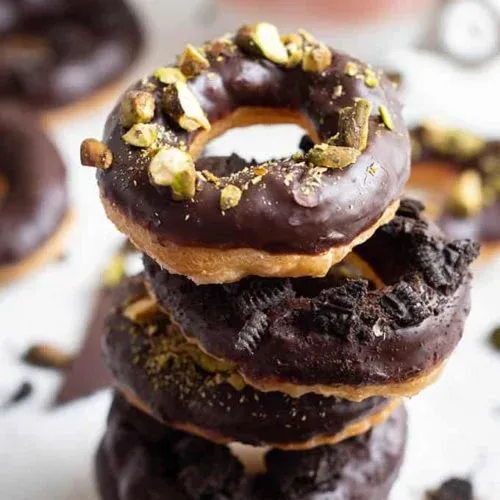
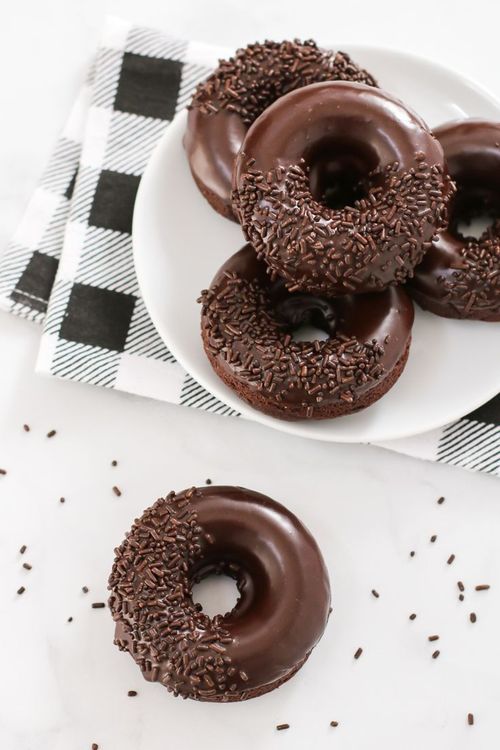
Cake donuts are the quick, comforting answer when you do not have hours to proof a yeast dough. Leavened with baking powder or soda instead of yeast, they come together as a thick batter you can mix and fry in under an hour, frying up denser and more tender-crumbed than their airy cousins, with craggy, cracked edges that are a feature rather than a flaw. The old-fashioned style, built on sour cream or buttermilk, develops deep fissures as it cooks that trap glaze beautifully, while chocolate and spiced versions lean richer. The trick is keeping the batter cold and the dough handled lightly, since overworking builds gluten and turns them tough; chill it briefly so it firms up enough to cut and holds its shape in the fat. Fry these a touch cooler and slower than yeast donuts so the inside cooks through before the surface darkens. Roll them in cinnamon sugar while still warm so it clings, or dip the cooled ones in glaze. They are the donut you make on a whim. Standouts here include Chocolate Ganache Donuts and Chocolate Donuts.
- American
- Vegetarian
- Snack
- American
- Eggetarian
- Snack
Baked & Air-Fryer Donuts
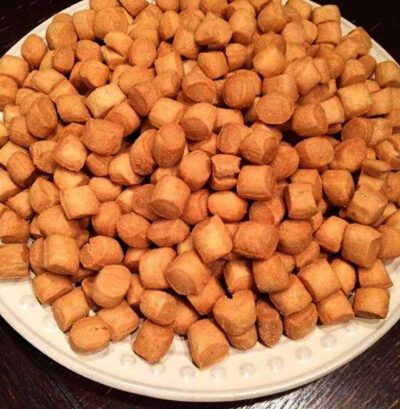
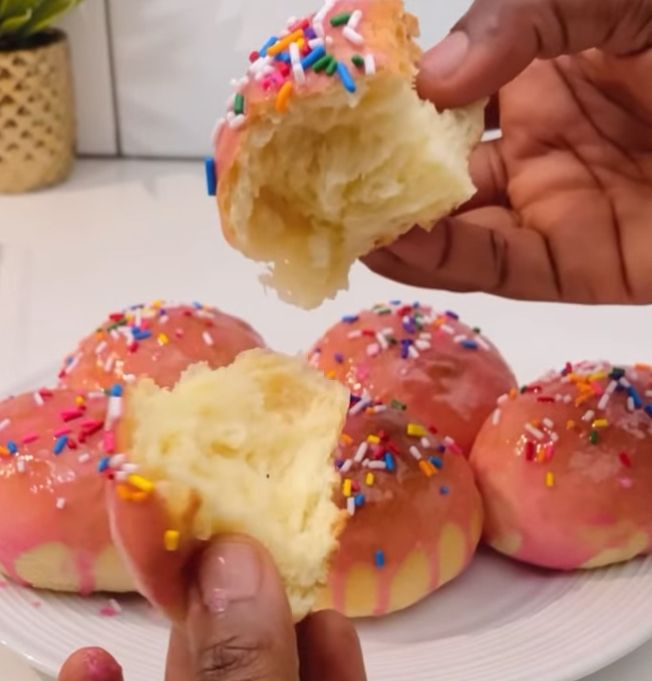
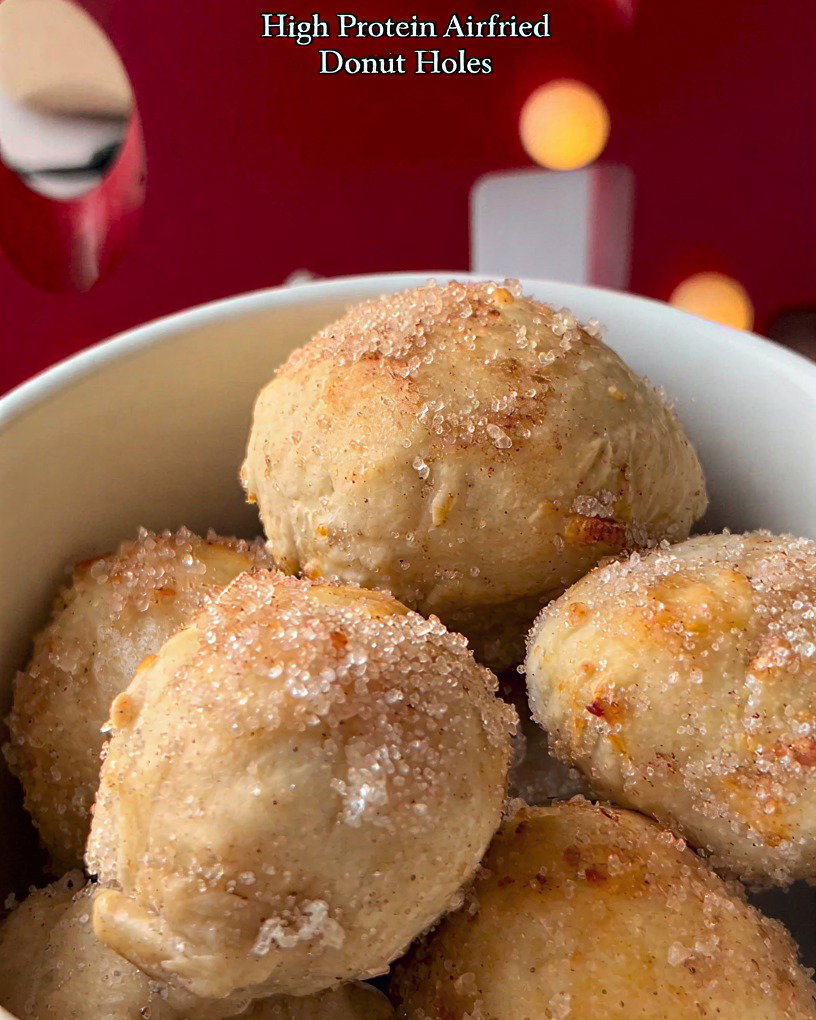
For a lighter, lower-mess donut that skips the pot of hot oil entirely, baking or air-frying is the route. Baked donuts are really a tender cake batter piped into a donut-shaped pan; the key is a thick-but-pourable batter that you mix just until the flour disappears, because an overworked batter bakes up tough and tunneled. Fill each mold about two-thirds full, bake around 350 to 375F until the tops spring back, and cool before glazing. Air-fryer donuts give you two paths: pipe cake batter into a silicone mold, or cut canned biscuit dough into rings and air-fry with a light spritz of oil for a near-instant treat. Because the circulating heat browns fast and dries food out quickly, check a few minutes early and pull them while the surface is just set and lightly golden. These will never be indistinguishable from a deep-fried donut, and that is fine; they are quick, genuinely good, and easy enough to make on a weekday morning. A simple glaze or cinnamon-sugar toss closes the gap. Standouts here include Mini Mandazi Bites - Authentic East African Coconut Milk Donuts and Baked Donuts, plus Air Fryer Protein Donut Holes.

- Kenyan
- Eggetarian
- Snack

- American
- Eggetarian
- Snack

- Vegetarian
- Dessert
Filled & Specialty Donuts
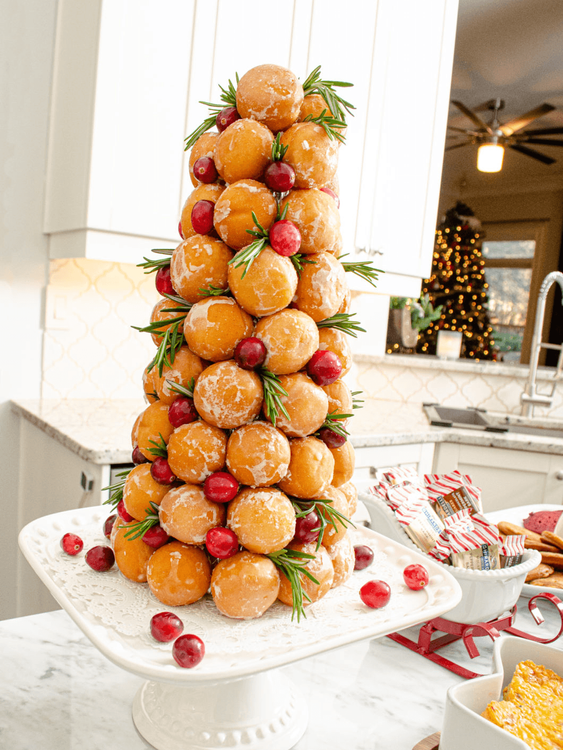
This is the showstopper corner of the donut world, where the basic ring gives way to filled rounds, twists and bite-size treats. Jelly and custard donuts are fried as solid balls rather than rings, then piped full through the side once cooled, using a long narrow tip to push jam, pastry cream, Bavarian custard or lemon curd in until the donut feels heavy and the filling just peeks back out. Crullers, both the piped choux French style and the twisted yeasted kind, bring a ridged, crisp-edged texture, while beignets, zeppole and fritters trade the neat ring for craggy, irregular shapes dusted in powdered sugar. Doughnut holes and munchkins, the centers cut from rings, fry in seconds and are perfect for dipping. The shared rule across all of them is to fry at a steady temperature so the inside cooks before the outside burns, and to fill or finish only after the donut has cooled enough that hot filling will not blow out the seam. These are the donuts you make to impress. Standouts here include Donut Hole Christmas Tree and Pączki (Polish Filled Donuts).
- American
- Vegetarian
- Snack

- Polish
- Vegetarian
- Dessert
More Donut Favourites
A few donuts never sit neatly in one category, and these are the ones worth keeping in your back pocket once the staples feel routine. They lean on the same handful of techniques you already know, a well-proofed dough or a quick-mixed batter, oil held at a steady 350 to 360F, and a glaze applied while the surface is still warm, but steer them toward different shapes, flavors and finishes so the fryer never turns out the same thing twice. Picking your next one is mostly about matching effort to mood: reach for a quick cake batter or an air-fryer biscuit-dough round on a busy morning when you want something sweet in twenty minutes, and save the slow-proofed yeast doughs and piped, filled showpieces for a weekend when you can let the dough rise properly and fill at your leisure. Pay attention to how the donut is shaped, too, since smaller pieces and holes fry in seconds while thick filled rounds need a gentler, longer cook to set the center. Think of this group as the natural next step after the classics, the recipes that quietly earn a regular spot in the rotation. Standouts here include Donut Bites and Homemade Donuts, plus Donuts for Chai.
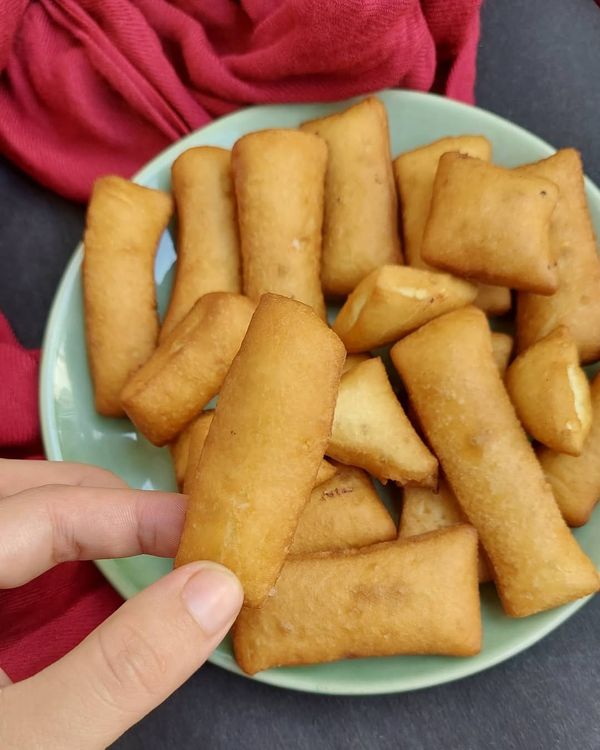
- American
- Vegetarian
- Breakfast
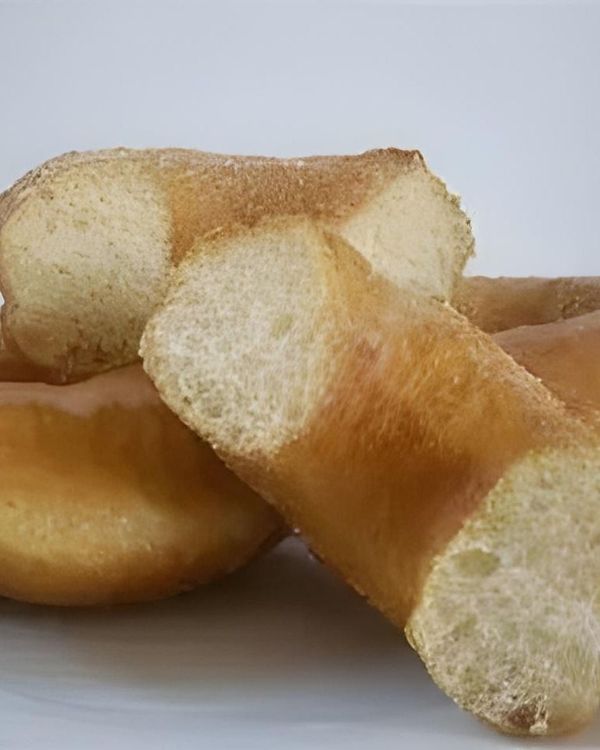
- International
- Non-Vegetarian
- Snack
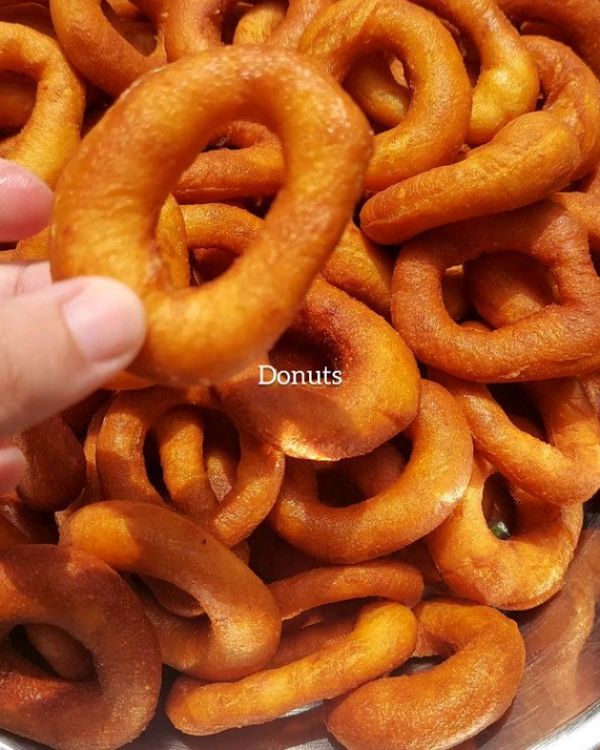
- Indian
- Vegetarian
- Breakfast
Yeast Dough: Mixing, Proofing and Shaping
A yeast donut dough is an enriched dough — flour, milk, sugar, eggs and butter — and it should feel soft, smooth and slightly tacky after kneading, not stiff. Knead it well (by hand or mixer) until it passes the windowpane test, stretching thin without tearing; the gluten you develop here is what gives the fried donut its light, shreddy crumb. Add the butter only after the dough has come together, a little at a time, so it works in fully.
Proof in two stages. Let the dough rise covered until doubled — about an hour in a warm kitchen — then roll it out about half an inch thick, cut your rings, and proof the cut donuts a second time until visibly puffy and jiggly, roughly 30 to 45 minutes. This second rise is the one most people cut short; under-proofed donuts fry up dense and heavy with a pale band, while properly proofed ones float and balloon the moment they hit the oil.
Cut on a lightly floured surface with a donut cutter or two rings, and save the centers — those are your donut holes. Let the shaped donuts proof on squares of parchment so you can lower each one into the oil without deflating it, parchment side up, then peel the paper away. Handle proofed dough gently; a deflated donut never fully recovers its rise in the fryer.
Frying: Oil Temperature and Doneness
Temperature is everything. Use a neutral oil with a high smoke point — canola, vegetable or peanut — and hold it steady at 350 to 360F (175 to 182C) with a thermometer clipped to the pot. Too cool and the donuts sit and soak up grease, frying greasy and pale; too hot and the outside browns before the inside cooks, leaving a raw, doughy center. The dough drops the oil temperature when it goes in, so let it recover between batches and fry only a few at a time.
Yeast donuts fry fast — about a minute per side — and tell you when they are done: they puff up, float, and develop a pale ring around the middle where the dough sat at the oil line. Flip once when the underside is deep golden, fry the second side to match, and lift onto a rack set over a tray so excess oil drains and steam escapes. Cake donuts run a touch cooler and slower; they crack as they cook, which is normal and gives them their craggy charm.
Drain on a wire rack, never directly on paper towels, which traps steam and makes the bottoms soggy. Let yeast donuts cool slightly before glazing so the glaze sets rather than melting clean off, but roll cinnamon-sugar cake donuts while they are still warm so the sugar clings. Filter your oil between sessions, watch for the wisps of smoke that mean it has broken down, and never crowd the pot.
Glazes, Fillings and Finishes
A classic donut glaze is little more than powdered sugar whisked with a liquid — milk, water or cream — plus vanilla and a pinch of salt, thinned to the point where it coats the back of a spoon but still runs off slowly. Glaze the donuts while they are warm but not hot, dunking the top or dipping the whole donut, then set them on a rack so the excess drips and the surface dries to that signature thin, crackly shell. A warmer glaze sets shinier; a cooler one sets matte.
To fill a donut, fit a piping bag with a long, narrow filling tip, poke it into the side of a cooled round (filled donuts are fried as solid balls, not rings), and pipe until the donut feels heavy and the filling just peeks out. Pastry cream, lemon curd, Bavarian custard, jam and chocolate ganache all work — chill jam-style fillings slightly so they hold, and make sure custards are fully set so they do not weep.
Beyond plain glaze, lean into chocolate ganache, maple glaze, brown-butter or coffee glazes, and finish before the surface sets so sprinkles, chopped nuts, toasted coconut or crushed cookies actually stick. For a simpler route, a toss in cinnamon sugar or a dusting of powdered sugar needs no setting time at all. Whatever you choose, finish donuts the same day — glaze does not revive a day-old donut, and they are at their absolute best within hours of frying.
Baked & Air-Fryer Donuts, Storage and Make-Ahead
Baked donuts are really a tender cake batter piped into a donut-shaped pan, so the batter should be thick enough to pipe but still pourable. Do not overmix once the flour goes in — overworked batter bakes tough and tunneled. Fill each mold about two-thirds full, bake at around 350 to 375F until a toothpick comes out clean and the tops spring back, then cool a few minutes before turning out. They will never taste exactly like a fried donut, but they are quick, low-mess and genuinely good.
Air-fryer donuts come two ways: a piped cake batter in a silicone donut mold, or — fastest of all — biscuit dough cut into rings and air-fried with a light spritz of oil. Run the air fryer around 350F, watch closely because the circulating heat browns fast, and flip or rotate halfway if your basket cooks unevenly. They go from golden to dry quickly, so check a few minutes early and pull them while the surface is just set and lightly browned.
Donuts are a fresh food — eat them the day they are made if you possibly can. Yeast donuts stale within a day; cake and baked donuts hold a little longer in an airtight container at room temperature, two to three days, but lose their charm. For longer storage, freeze unglazed donuts and reglaze after thawing, or freeze the shaped, unfried yeast dough and proof it from frozen. A few seconds in the microwave revives a day-old donut surprisingly well.
Pro Tips from the Test Kitchen
- Hold frying oil steady at 350–360F with a thermometer — too cool fries greasy, too hot leaves a raw center.
- Proof cut yeast donuts a second time until puffy and jiggly; under-proofed dough fries dense and heavy.
- Knead enriched dough to the windowpane stage — that gluten is what gives a yeast donut its light, shreddy crumb.
- Fry yeast donuts on parchment squares you can lower into the oil, then peel away, so you never deflate the rise.
- Drain donuts on a wire rack, not paper towels, which trap steam and make the bottoms soggy.
- Roll cinnamon-sugar cake donuts while warm so the sugar clings; let yeast donuts cool slightly before glazing so it sets.
- Glaze while warm-but-not-hot and rest on a rack so excess drips and the shell dries to a thin crackle.
- Fill donuts (fried as solid balls, not rings) through the side with a long tip until they feel heavy.
- For baked donuts, do not overmix the batter once flour goes in — overworked batter bakes tough and tunneled.
- Eat donuts the day you make them; freeze unglazed and reglaze after thawing for longer storage.
Frequently Asked Questions
What is the difference between cake and yeast donuts?
Yeast donuts are made from an enriched dough leavened with yeast, proofed twice, and fried light and airy with a soft, shreddy crumb — think classic glazed rings. Cake donuts use a quick batter leavened with baking powder or soda, so they are denser, more tender-crumbed and faster to make, frying up with craggy, cracked edges. Yeast donuts take time and patience; cake donuts you can mix and fry in under an hour.
What oil is best for frying donuts?
Use a neutral oil with a high smoke point — canola, vegetable, sunflower or peanut oil are all good choices. They tolerate the 350–360F frying temperature without breaking down or adding flavor, letting the donut taste like a donut. Avoid olive oil and butter, which smoke and burn at these temperatures. Keep enough oil in the pot for the donuts to float freely, and filter it between sessions so it lasts.
What temperature should I fry donuts at?
Hold the oil steady at 350 to 360F (175 to 182C), checked with a clip-on thermometer. Below that, the donuts sit too long and soak up grease, frying pale and oily; above it, the outside browns before the inside cooks, leaving a raw, doughy center. The dough cools the oil when it goes in, so fry just a few at a time and let the temperature recover between batches.
Why are my donuts greasy?
Greasy donuts almost always mean the oil was too cool. At a low temperature the dough absorbs fat instead of quickly forming a sealed crust, so it fries oil-logged and pale. Use a thermometer to hold 350–360F, fry small batches so the temperature does not crash, and drain on a wire rack rather than paper towels. Under-proofed or overly wet dough can also drink more oil than it should.
Can you make donuts without yeast?
Yes — cake donuts are leavened with baking powder or baking soda instead of yeast, so there is no proofing and no waiting. You mix a thick batter, cut or pipe it, and fry right away. Old-fashioned, sour-cream, buttermilk and chocolate cake donuts all fall into this group. Baked and air-fryer donuts are usually no-yeast too. They are denser than yeast donuts but far quicker to make.
How do you make a glaze for donuts?
Whisk powdered sugar with a liquid — milk, water or cream — plus a little vanilla and a pinch of salt, until it is smooth and coats the back of a spoon while still running off slowly. Dip the warm donuts, then rest them on a rack so the excess drips and the glaze dries to a thin, crackly shell. Adjust with more sugar to thicken or more liquid to thin. Add cocoa, maple or coffee for variations.
How do you fill a jelly donut?
Filled donuts are fried as solid balls, not rings, so there is no hole. Once they have cooled, fit a piping bag with a long, narrow filling tip, poke it into the side of the donut, and pipe in jam, custard or cream until the donut feels noticeably heavier and the filling just peeks back out. Chill jam slightly so it holds its shape, and make sure custards are fully set so they do not weep through the dough.
Can you bake donuts instead of frying them?
Yes. Baked donuts are a tender cake batter piped into a donut-shaped pan and baked at around 350–375F until the tops spring back. They are lighter, lower in fat and far less messy than fried donuts, though the texture is closer to a soft muffin than a fried ring. Do not overmix the batter, fill the molds about two-thirds full, and glaze them once cooled for the best results.
How do you make donuts in an air fryer?
Two ways. Pipe a cake batter into a silicone donut mold and air-fry around 350F, or — the fastest shortcut — cut canned biscuit dough into rings, spritz lightly with oil, and air-fry until golden, flipping halfway. The circulating heat browns quickly, so check a few minutes early and pull them while the surface is just set. They are not identical to deep-fried donuts but are quick, light and satisfying.
How do you store donuts to keep them fresh?
Donuts are best the day they are made. Yeast donuts go stale within a day; cake and baked donuts keep two to three days in an airtight container at room temperature but lose their charm. For longer storage, freeze them unglazed, then thaw and glaze fresh — glazed donuts freeze poorly. A few seconds in the microwave revives a day-old donut, softening the crumb and waking up the glaze.
The thread through every donut here is the same: know whether you are working with a slow yeast dough or a quick cake batter, hold the oil at a steady frying temperature, and finish the donut while it is fresh. Master those few moves in the guides — proof properly, fry at 350F, glaze warm and drain on a rack — and glazed rings, cake donuts, baked versions and jelly-filled treats all fall into place.
Pick three to make this weekend — a batch of classic glazed yeast rings, a quick cake donut rolled in cinnamon sugar, and one filled or baked version — and save your favorites to a Chefadora cookbook. Then work through the rest; this page is built to be the donut reference you actually come back to.
Related
- Donuts
- Baking
- Desserts
- Fried
- Breakfast
- Sweet Treats
- Brunch
- Snacks
Popular Searches
- Best donut recipes
- Easy donut recipes
- Quick donut recipes
- Healthy donut recipes
- Simple donut recipes
- Homemade donut recipes
- Delicious donut recipes
- Popular donut recipes
- glazed donuts
- baked donuts
- jelly filled donuts
Marnirni-apinthi Building, Lot Fourteen,
North Terrace, Adelaide, South Australia, 5000
Australia
