
24 Khichdi Recipes, From Weeknight Dal Bowls to Fasting Sago
Updated July 15, 2026 · Curated by Chefadora
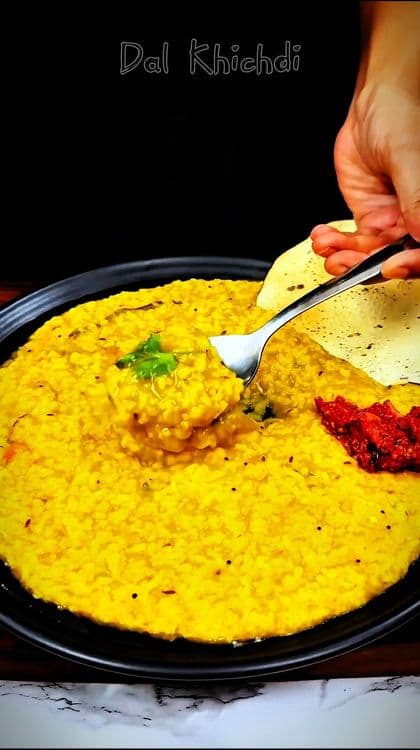
Rice, split lentils, water, salt. That is the whole spine of the dish, and yet the 24 khichdi recipes gathered here taste nothing alike. One is a loose, ghee-slicked bowl you eat with a spoon when your stomach is unhappy. Another is a Bihari pot heavy with cauliflower and peas. A third contains no rice or lentils at all, just soaked sago pearls tossed with peanuts and green chilli for a fasting morning.
I grew up thinking of this as an apology food, the thing you were fed when you were ill. It took a plate of restaurant-style dal tadka rice, dark with browned onion and a spoon of butter melting into it, to convince me otherwise. The good versions are seasoned like any other dish: bloomed whole spices, a real tadka poured over at the end, acid and crunch on top.
So I have sorted these into five groups by what they are and when you would cook them, with a blurb on every one telling you the time, the texture and the fiddly bit worth knowing first.
Classic Dal Khichdi Recipes for Weeknight Comfort
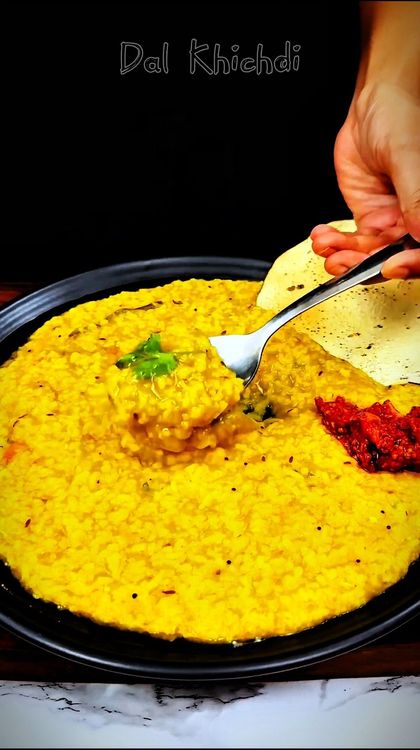
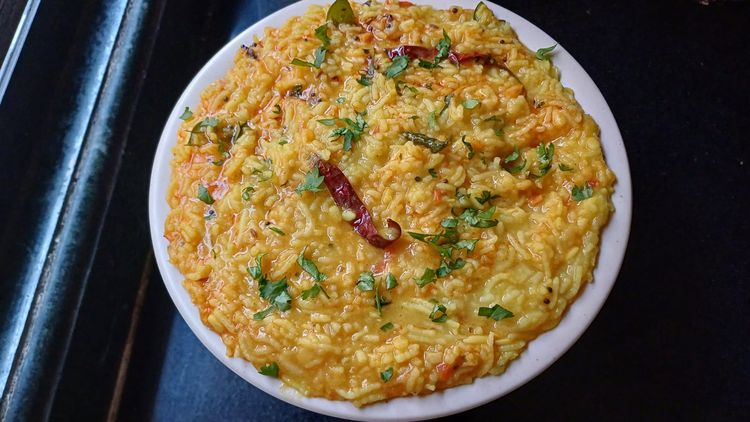
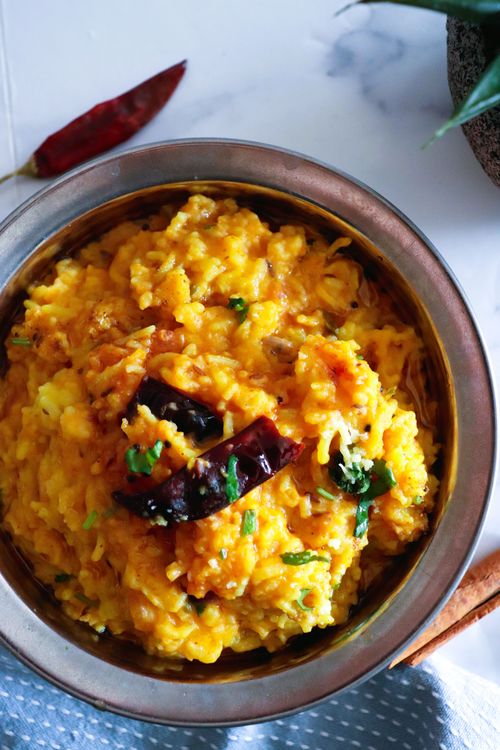
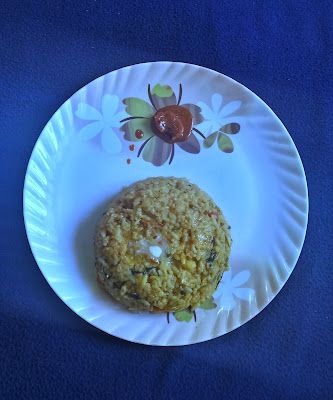
This is the everyday version: short-grain rice and split lentils cooked soft together, then finished with a tadka of cumin, garlic and asafoetida. Moong dal khichdi is the gentlest of the group because skinned moong breaks down completely and needs no soaking. Toor and masoor take longer and give you a more textured bowl. The ratio decides everything. Three parts rice to one part dal eats like a pilaf; equal parts, with roughly four times the water, gives you the soupy consistency most people are actually chasing.
- Indian
- Vegetarian
- Breakfast

- Indian
- Vegetarian
- Lunch

- Indian
- Vegetarian
- Lunch


- Indian
- Vegetarian
- Dinner
- Indian
- Vegetarian
- Lunch
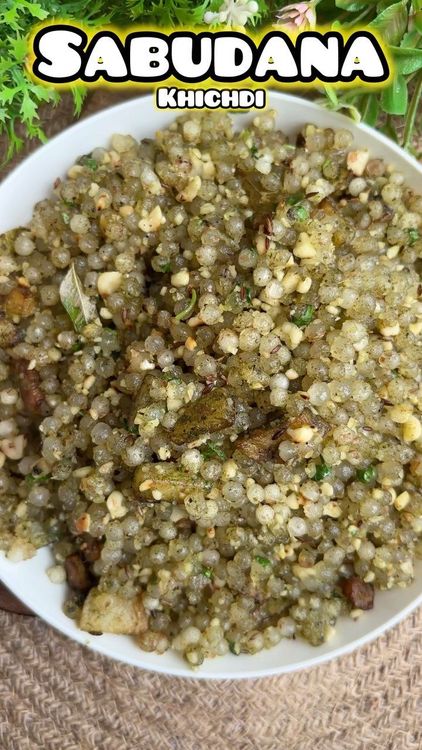
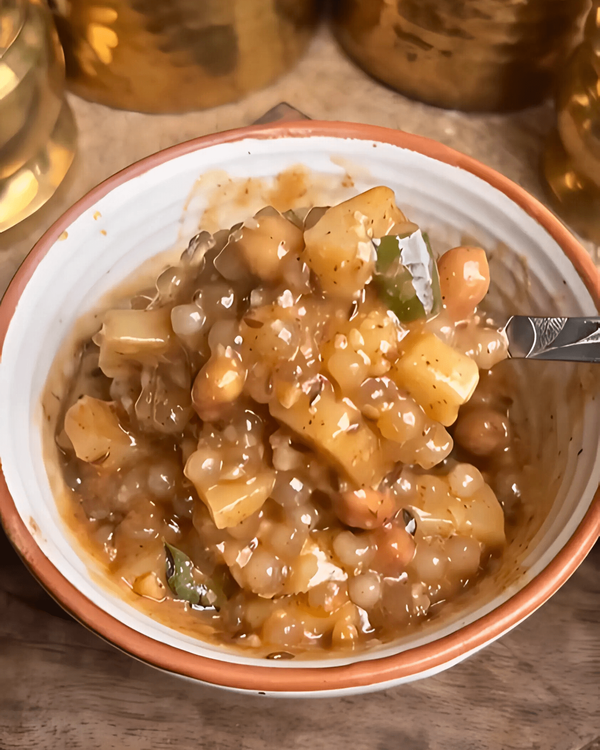
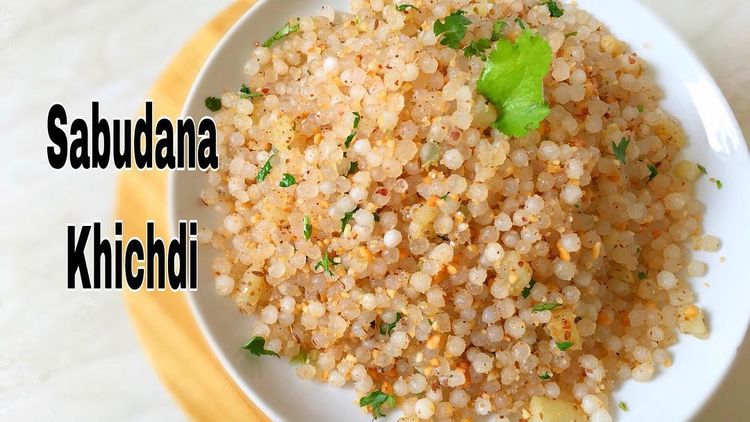
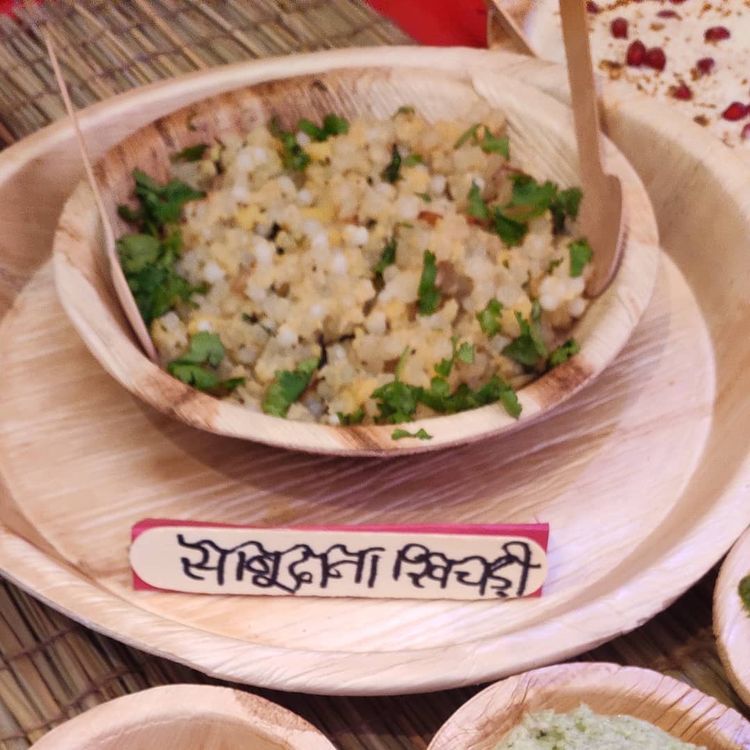
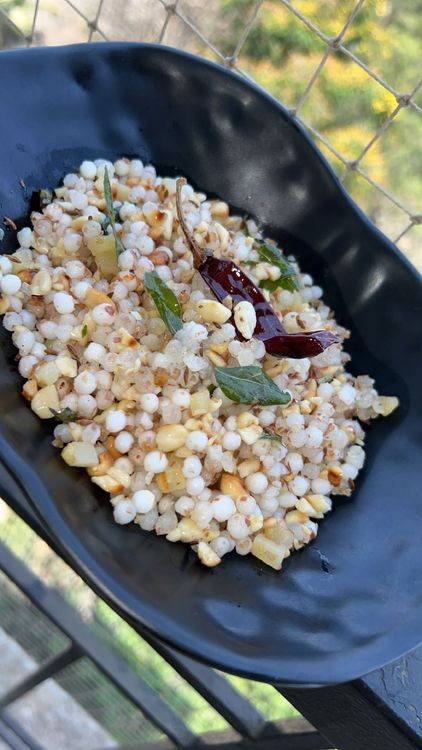
Sabudana and Sago Bowls for Navratri and Upvas
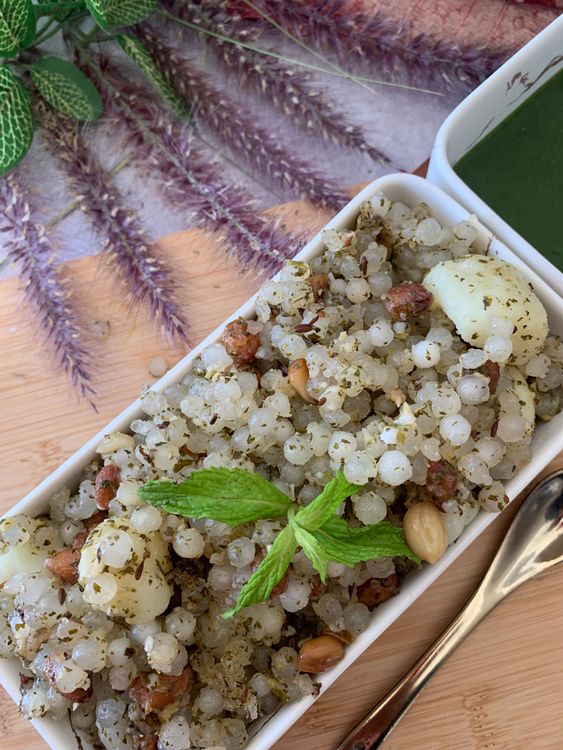
Fasting food gets its own logic. No grains, no onion, no garlic, no regular salt in strict households, so the flavour has to come from peanuts, cumin, green chilli, lemon and a lot of ghee. Sabudana khichdi lives or dies on the soak: pearls that are properly hydrated stay separate and bouncy, and pearls that are not turn into glue in the pan. Every recipe in this group is fast to cook, twenty minutes at most, because the real work happened overnight in a bowl of water.
- Indian
- Vegan
- Breakfast

- Indian
- Vegan
- Breakfast
- Indian
- Vegetarian
- Breakfast

- Breakfast
- Indian
- Vegan
- Breakfast
- Indian
- Vegetarian
- Main Course
- Indian
- Vegetarian
- Breakfast
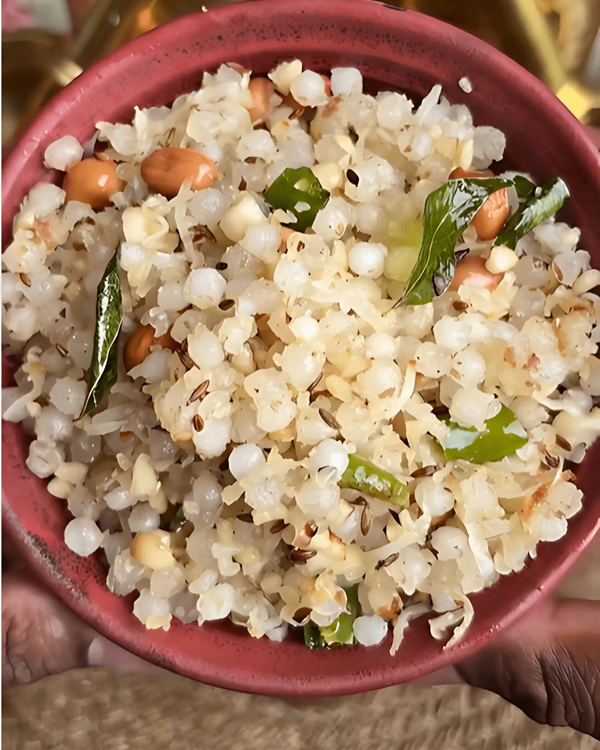
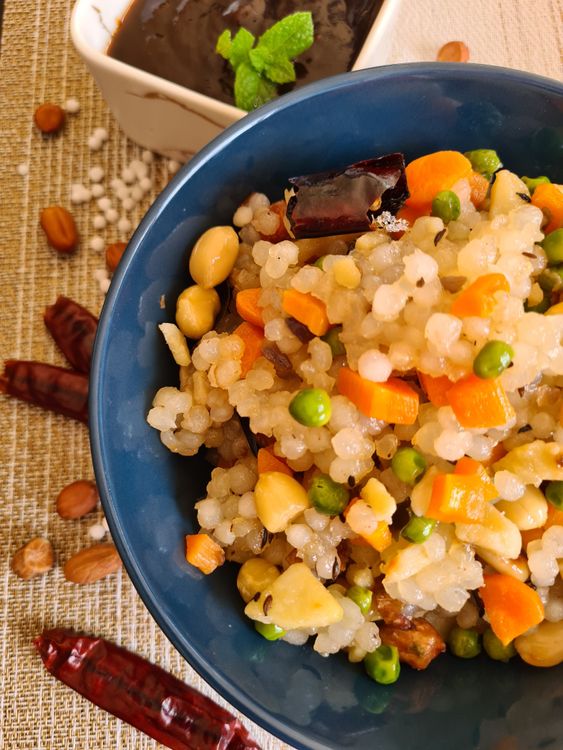
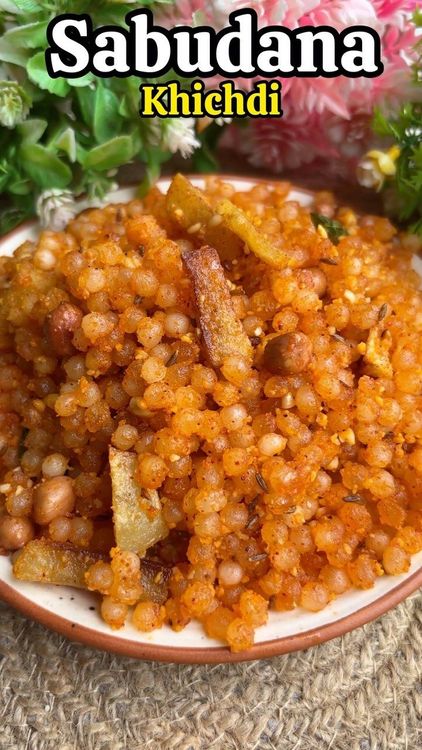
Twists on the Sago Classic
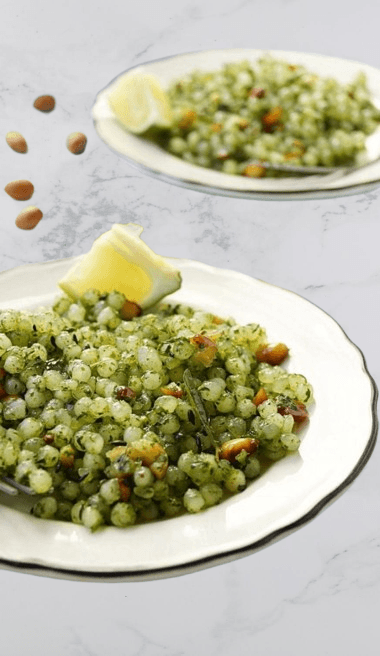
Once you can get the pearls right, the seasoning is wide open. Cooks in Maharashtra argue about this constantly, and the arguments have produced some genuinely good variations: green masala ground with fresh coconut and coriander, a red chilli and garlic base with real heat, a deliberately wet style eaten with a spoon. These take a little more attention than the plain version, so cook them on a slow weekend morning when you have the patience to taste and adjust as you go, rather than at seven on a Tuesday.
- Maharashtrian
- Vegan
- Breakfast
- Indian
- Vegan
- Breakfast
- Indian
- Vegan
- Breakfast
- Indian
- Vegetarian
- Breakfast
One-Pot Vegetable and Regional Styles
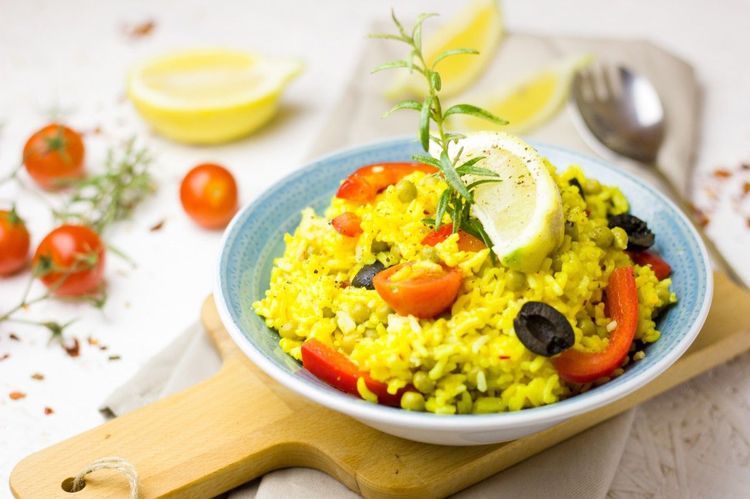
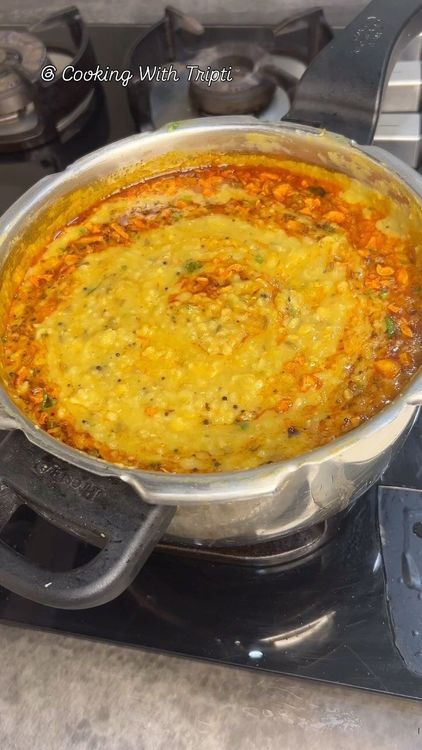
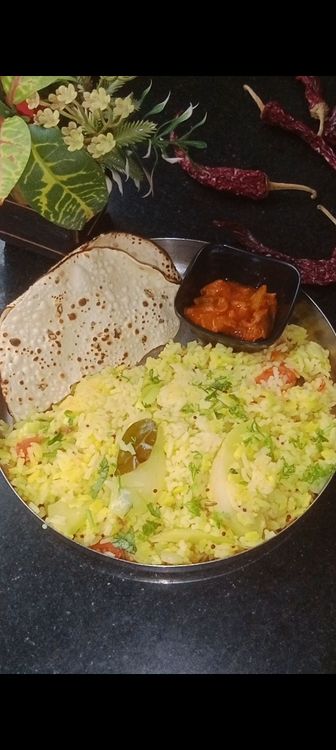
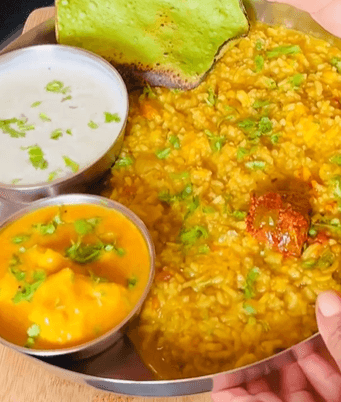
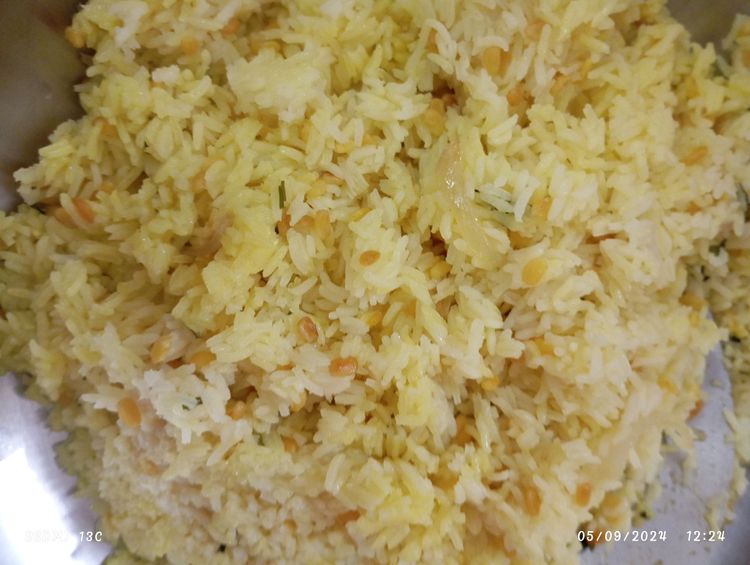
Add vegetables and whole spices and the dish stops being invalid food and becomes dinner. Masala khichdi is the umbrella term here: cumin, ginger, tomato, turmeric, garam masala, plus whatever else is in the drawer that day. Carrot, peas and beans are standard. Cauliflower is excellent but goes to complete mush if you pressure-cook it alongside everything else, so add it late. Regional pots pull in their own habits, and the Hyderabadi and Bihari versions below are noticeably spicier and richer than a plain Gujarati one.
- Indian
- Vegan
- Lunch

- Indian
- Vegetarian
- Lunch
- Indian
- Vegetarian
- Lunch
- Indian
- Vegetarian
- Lunch

- Indian
- Vegan
- Lunch
Lighter Grains: Millet, Rawa and Bhagar
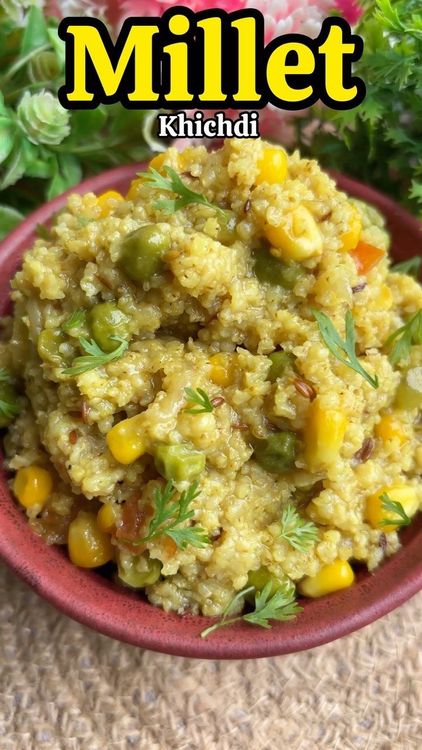
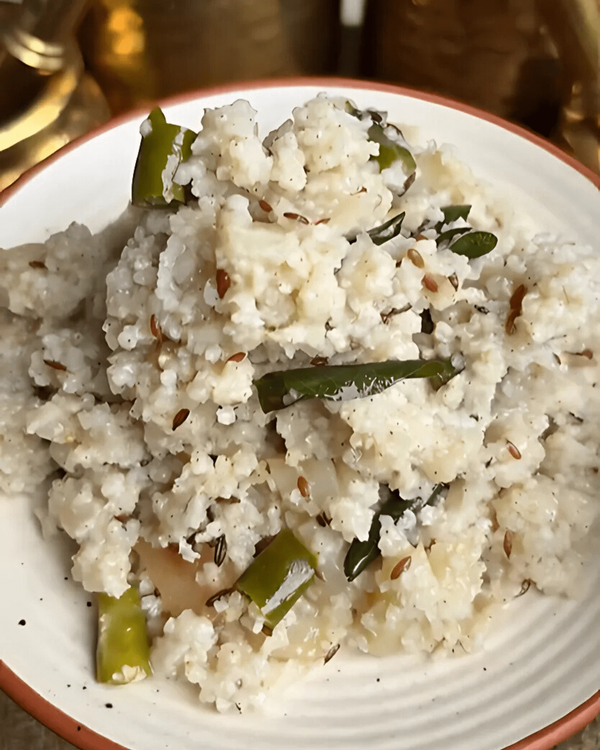
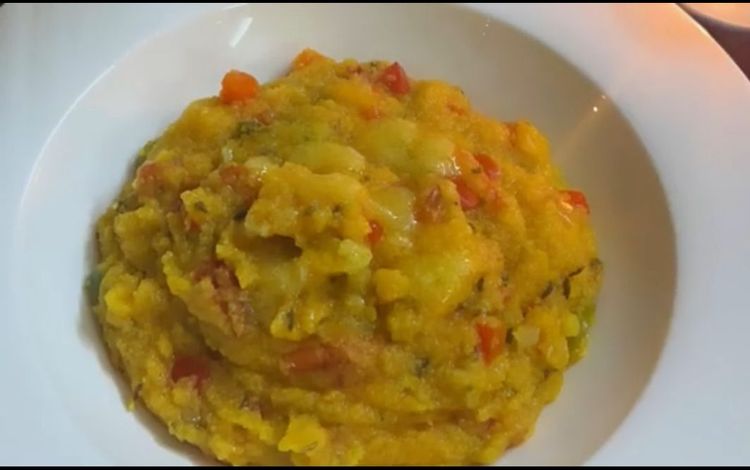
Swap the rice and the whole thing changes character. Foxtail and little millet bring a nutty chew and a lot more fibre, which is why healthy khichdi so often means a millet pot these days. Rawa gives you something closer to a savoury upma, ready in half an hour with no soaking at all. Bhagar, also called varai or samo, is a fasting grain that behaves like rice but cooks through in twelve minutes flat. All three want less water than you think, so start low and add more.
- Indian
- Vegetarian
- Lunch
- Indian
- Vegan
- Lunch
- Indian
- Vegetarian
- Lunch
How to Make Khichdi With the Texture You Actually Want
Start with the ratio, because it decides the dish before you touch a spice. For a loose, spoonable bowl, use equal weights of rice and skinned moong dal and roughly four parts water to one part total grain. For a drier, pilaf-like plate, go three parts rice to one part dal and two and a half parts water. Rinse both until the water runs almost clear, then soak for twenty minutes if you have the time. Soaking is not compulsory with moong, but it shaves five minutes off the cook.
Bloom your whole spices in ghee first: cumin seeds until they sizzle and darken slightly, then asafoetida for a couple of seconds, then ginger and green chilli. Add turmeric off the heat so it does not scorch. Stir the drained rice and dal through that fat for a full minute before any water goes in. This one step is the difference between a pot that tastes seasoned and a pot that tastes like it was boiled and rescued afterwards.
In a pressure cooker, three whistles on medium then a natural release gives a properly soft result; on the stovetop, cover and simmer for 25 to 30 minutes and check the water twice. It will always thicken as it sits, so pull it off the heat looking slightly too wet. If it has gone stodgy by the time you serve, whisk in a ladle of boiling water rather than cold, which shocks the starch and makes it gluey.
Buying and Soaking Sabudana Without the Sticky Lumps
Not all sago is the same, and this is where most failures start. Buy medium pearls, roughly three millimetres across, not the tiny nylon ones sold for kheer. Those small pearls have nowhere near enough starch structure to survive a hot pan and will dissolve into paste no matter how carefully you cook them. Good pearls look chalky white and opaque in the bag, feel hard between your teeth, and rattle when you shake the packet.
Rinse them in a sieve under running water for a full minute to wash off surface starch, then drain thoroughly and put them in a bowl with water sitting just level with the top of the pearls, no deeper. Cover and leave for five to six hours, or overnight for a morning cook. The test is simple: press a pearl between thumb and forefinger and it should crush cleanly with no hard white dot in the centre. If it still has that dot, sprinkle over two tablespoons of water and give it another hour.
Once soaked, drain any standing water and fluff the pearls with a fork rather than a spoon. Toss them with the crushed roasted peanuts, salt and sugar before they ever meet the pan, because coating each pearl in peanut powder is the real anti-stick insurance. Cook on medium heat, not high, and stop the moment they turn translucent, which takes about four minutes. Overcooked sago cannot be fixed, so pull the pan early and let residual heat finish the job.
Tadka, Toppings and What to Serve Alongside
The tempering goes on at the end, poured over the surface of the finished pot so it sits in a glossy pool rather than being stirred away. Heat two tablespoons of ghee until it shimmers, add a teaspoon of cumin, wait for the crackle, then add thin garlic slices and take them to pale gold rather than brown. Kill the heat, add a pinch of asafoetida and a quarter teaspoon of Kashmiri chilli, and pour it straight over. That residual heat is enough to bloom the chilli without burning it, and burnt chilli is bitter in a way you cannot rescue.
Texture on top matters more than people admit, because the base is soft all the way through and your mouth gets bored. Crisp fried onion, roasted peanuts, pomegranate seeds, thin cucumber, a fistful of coriander, a hard squeeze of lemon. Fasting bowls almost demand the peanut and lemon combination; a savoury dal pot takes fried onion and a spoon of pickle better.
For sides, the traditional trio is plain yoghurt or kadhi, papad, and something sharp and pickled. Kadhi is the one worth the extra pan: its sourness cuts through all that soft starch and turns a modest bowl into a proper meal. A cool boondi raita does a similar job in half the time. Fried papad, crushed over the top rather than served whole, adds salt and crunch in one move, and a spoon of mango or lemon pickle on the rim gives every bite somewhere to go.
Pro Tips From My Kitchen
- Salt the pot before pressure-cooking, not after: dal that absorbs seasoned water tastes seasoned all the way through, while salt stirred in at the end only ever sits on the surface.
- Dry-roast the moong dal in a pan for two minutes until it smells nutty before rinsing it. This single step adds a toasty depth that no amount of tadka can replicate later.
- Never use freshly milled basmati here. Older, shorter grains like sona masoori break down obligingly, which is exactly what you want; basmati stays proudly separate and fights the whole idea.
- If your sago clumps in the pan anyway, take it off the heat, spread it on a plate to cool for five minutes, then break the lumps with your fingers and return it briefly. It genuinely rescues about half of them.
- Keep a thermos of boiling water beside the stove on reheat day. Every leftover pot sets solid in the fridge, and hot water loosens it back to the original consistency in seconds.
- Taste for acid, not just salt, before serving. Nine times out of ten a bowl that tastes flat and heavy is missing a squeeze of lemon rather than another pinch of garam masala or another spoon of ghee.
- Cook the vegetables to the pot, not the clock. Carrot and peas can go in at the start, but cauliflower, spinach and courgette should join in the last five minutes or they disintegrate into the starch and leave you with nothing to chew on.
Frequently Asked Questions
Which of these khichdi recipes should a complete beginner start with?
Start with a plain moong dal khichdi in a pressure cooker. Skinned moong needs no soaking, breaks down forgivingly, and quietly hides any ratio mistakes you make along the way. Once three whistles and a simple cumin tadka feel automatic, move on to a masala version with vegetables and whole spices, then attempt anything that involves soaked sago pearls, which are far less forgiving.
What is the correct rice to dal ratio?
For a soft, spoonable bowl use equal weights of rice and dal with four parts water. For a drier plate that holds its shape, use three parts rice to one part dal and two and a half parts water. Everything in between works, so treat it as a dial rather than a rule. Remember that it thickens as it cools, so stop cooking while it still looks too loose.
Why does my sabudana khichdi always turn sticky?
Almost always the soak. Either you used too much water, which turns the pearls to mush, or you used the tiny kheer-grade pearls that cannot hold their structure in a hot pan. Use medium pearls about three millimetres across, water sitting level with the top of them, five to six hours covered, then drain fully and toss with crushed roasted peanuts before anything meets the pan.
Can I make it in an Instant Pot instead of a stovetop cooker?
Yes, and it is arguably easier. Saute the tadka directly in the pot on the saute setting, add the rinsed grain and water, then pressure cook on high for six minutes with a ten-minute natural release. Use slightly less water than a stovetop version calls for, roughly three and a half parts instead of four, since almost nothing evaporates from a sealed pot.
Is khichdi actually healthy or just comfort food?
Both, honestly. Rice and dal eaten together form a complete protein, and the dish is naturally low in fat right up until you add the ghee. For a genuinely healthy khichdi, use millet instead of white rice, keep the ghee to a teaspoon per serving, and load in twice as many vegetables as the recipe suggests. The fibre alone changes how long it keeps you full.
How long does it keep, and can I freeze it?
Three days in the fridge in a sealed box, and it freezes well for a month in single-portion tubs. Freeze it slightly wetter than you would want to eat it. Reheat with a splash of boiling water stirred in gradually until it loosens, then finish with a fresh tadka poured over the top. That last step matters more than anything else for reviving leftovers.
What can I use instead of moong dal?
Toor dal gives a heavier, more savoury pot and needs about ten extra minutes in the cooker. Masoor cooks fast but goes slightly grey, which bothers some people. A half-and-half mix of moong and toor is my usual compromise: the moong provides the creaminess and the toor brings body and chew. Chana dal stays stubbornly firm unless you soak it for an hour first.
What do you serve with it for a proper meal?
Kadhi is the classic partner and the one genuinely worth the extra pan, since its sourness cuts straight through all that soft starch. Otherwise plain yoghurt or a cool boondi raita, a fried papad crushed over the top rather than served whole, a spoon of mango or lemon pickle, and something crunchy like sliced onion with lemon. Those four take five minutes and change the meal completely.
Twenty-four pots, one idea: cook a grain and a pulse in the same water until they give in, then season the result like you mean it. Whether you land on the creamy Awadhi bowl, the Hyderabadi one with real heat, or a Navratri plate of peanut-flecked sago, these khichdi recipes all reward the same two habits, a proper tadka and a squeeze of lemon at the table.
Related
- one pot meals
- comfort food
- navratri fasting
- indian rice dishes
- pressure cooker
- vegetarian dinner
Popular Searches
- Best khichdi recipes
- Easy khichdi recipes
- Quick khichdi recipes
- Healthy khichdi recipes
- Simple khichdi recipes
- Homemade khichdi recipes
- Delicious khichdi recipes
- Popular khichdi recipes
- moong dal khichdi
- sabudana khichdi
- how to make khichdi
- masala khichdi
Marnirni-apinthi Building, Lot Fourteen,
North Terrace, Adelaide, South Australia, 5000
Australia
