
24 Barfi Recipes That Set Properly Every Single Time
Updated July 15, 2026 · Curated by Chefadora
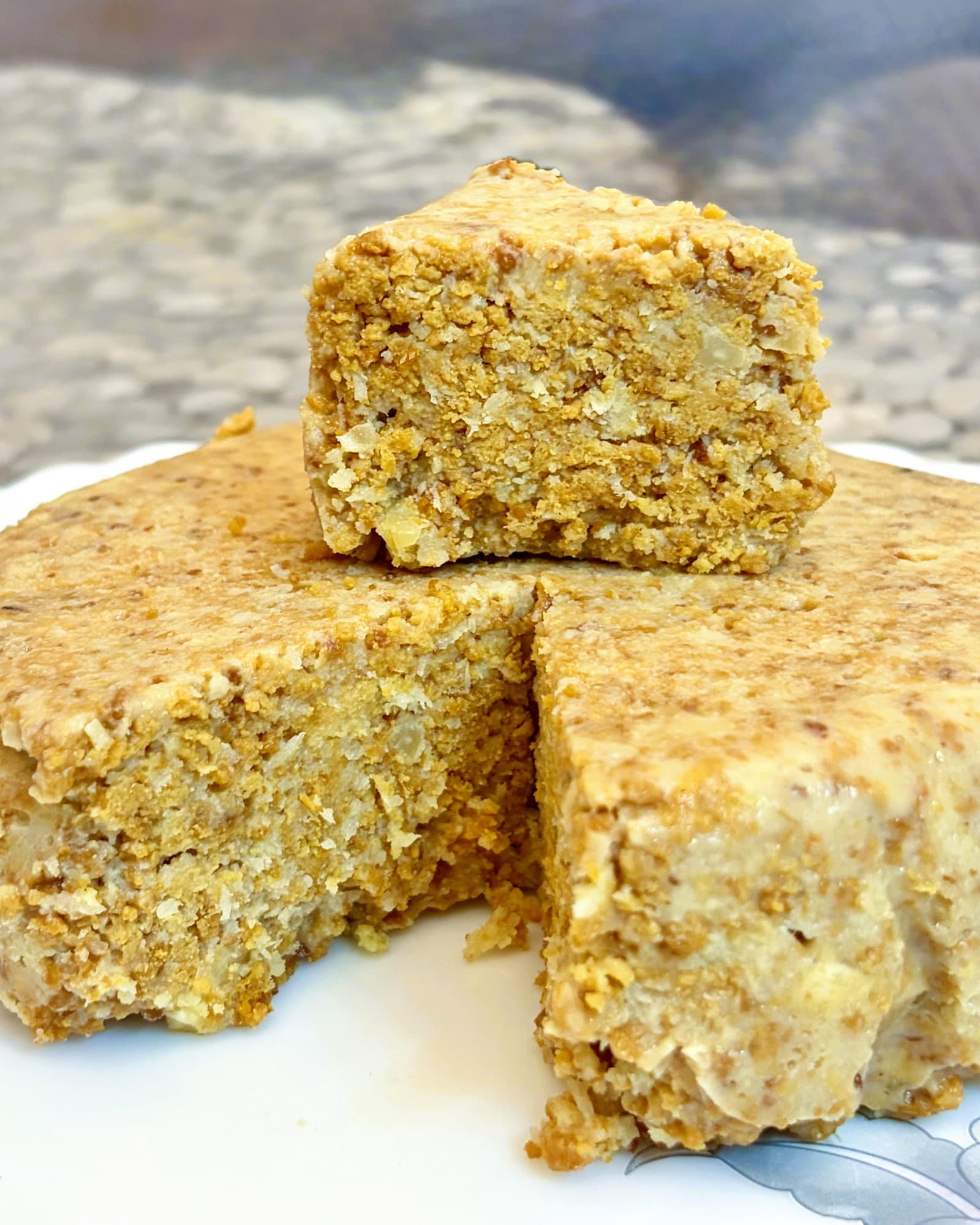
Every October my kitchen counter vanishes under steel trays, and the barfi recipes on this page are the ones that keep earning their space there. Twenty-four of them, all from Chefadora cooks, running from the coconut barfi you can finish in twenty-five minutes to the besan barfi that asks you to stand at the stove and stir gram flour until it smells like toasted biscuits.
What I love about this family of sweets is how forgiving the format is. You cook something sweet down until it stops sticking to the sides of the pan, pour it into a greased tray, score it into diamonds, and walk away while it sets. Milk barfi needs three ingredients and patience. Kaju barfi needs a sugar syrup you learn to read with your fingers. Almost everything else sits comfortably between those two poles.
I have grouped them by what they are actually made of, so you can shop once and cook three. Times, ratings and skill levels come from the cooks who made them, not from me.
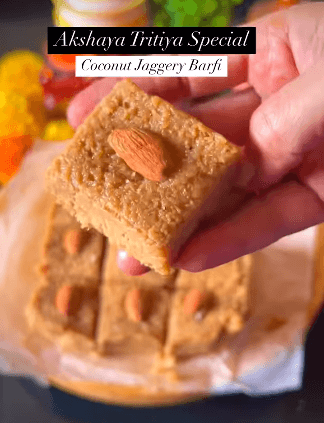
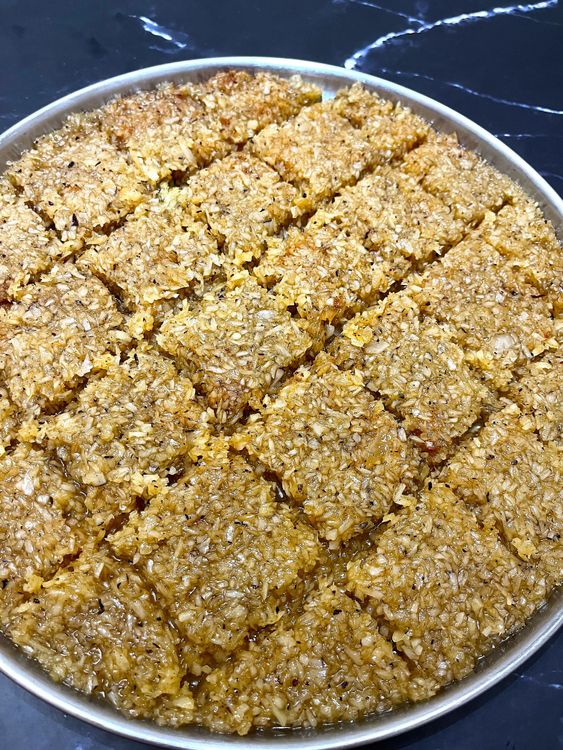
Coconut Barfi Recipes for Diwali and Ordinary Sundays
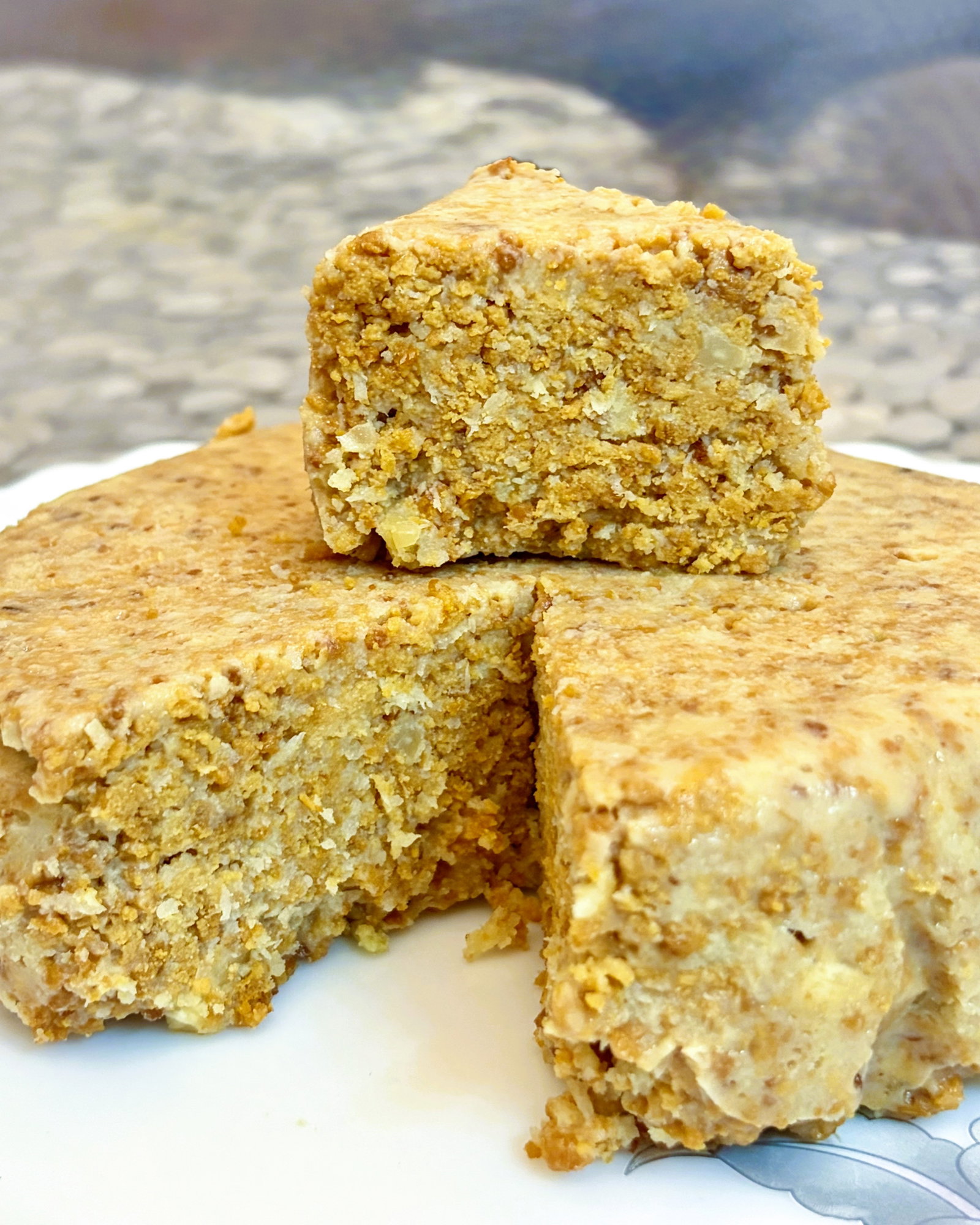
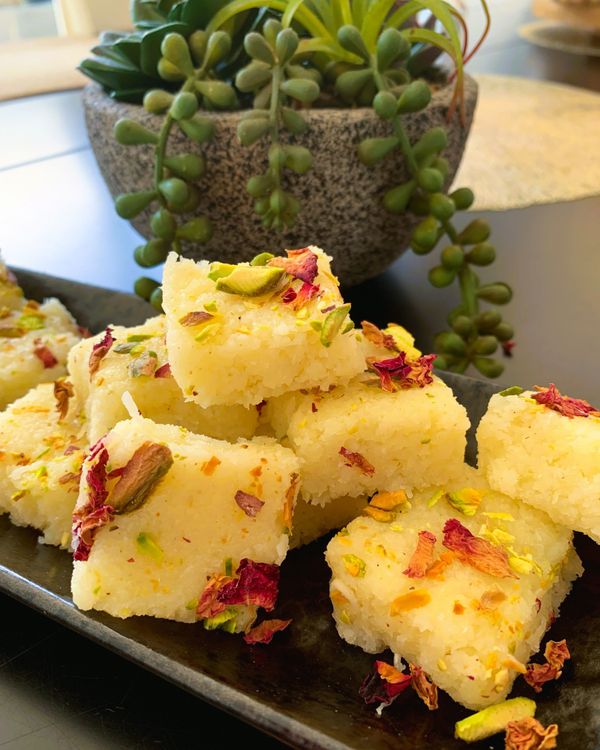
Grated coconut, sugar or jaggery, a splash of milk, twenty-five minutes. This is the gateway sweet, and it is what I hand to anyone convinced they cannot make mithai. The only real skill is knowing when to stop: pull the pan off the heat the second the mass holds a clean line behind your spatula, because coconut keeps drying as it cools and thirty extra seconds turns tender squares into sandy ones. Every coconut barfi below works with desiccated coconut too, as long as you soak it in warm milk first.

- Vegetarian
- Dessert
- Indian
- Vegetarian
- Dessert
- Indian
- Vegetarian
- Dessert


- Indian
- Vegetarian
- Snack
- Indian
- Vegetarian
- Snack

- Indian
- Vegetarian
- Snack
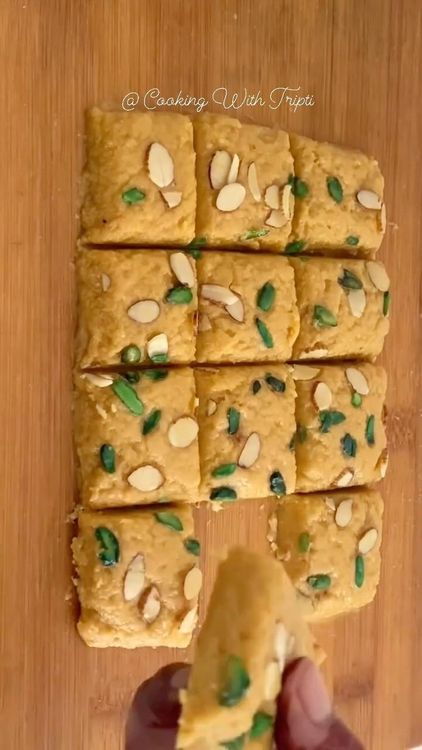
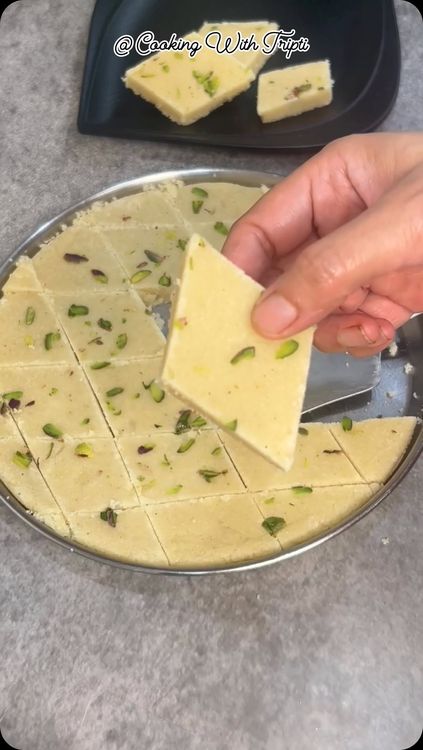
Besan and Semolina Squares That Taste Like Halwai Work
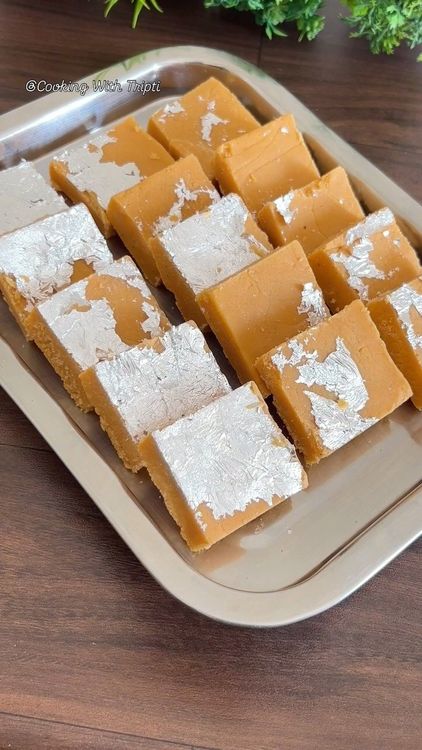
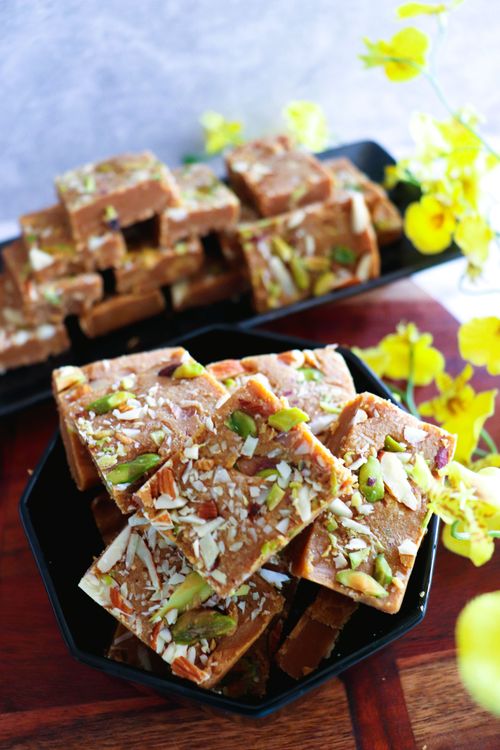
Gram flour and suji both need the same thing from you: a long, low roast in ghee, stirred constantly, until the raw smell goes and the colour shifts to wet sand. That roast is ninety percent of the flavour. Rush it on high heat and you get a pale, slightly bitter set that no amount of cardamom will rescue. A besan burfi worth eating takes forty minutes of unglamorous stirring, which is exactly why the sweet-shop version costs what it does. Put on a podcast.

- Indian
- Vegetarian
- Dessert
- Indian
- Vegetarian
- Dessert
- Indian
- Vegetarian
- Snack
- Indian
- Vegetarian
- Dessert


- Indian
- Vegetarian
- Dessert
Nut and Seed Sweets: Cashew, Pistachio, Almond, Til
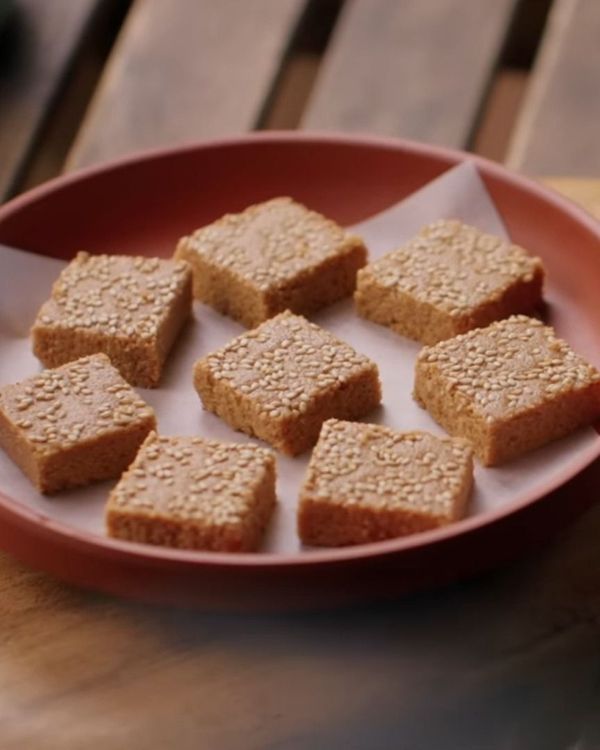
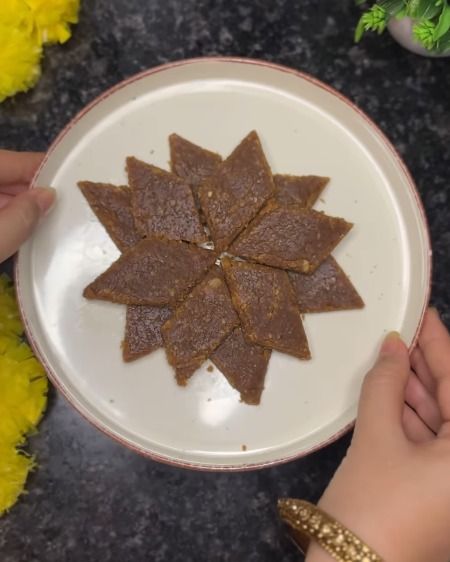
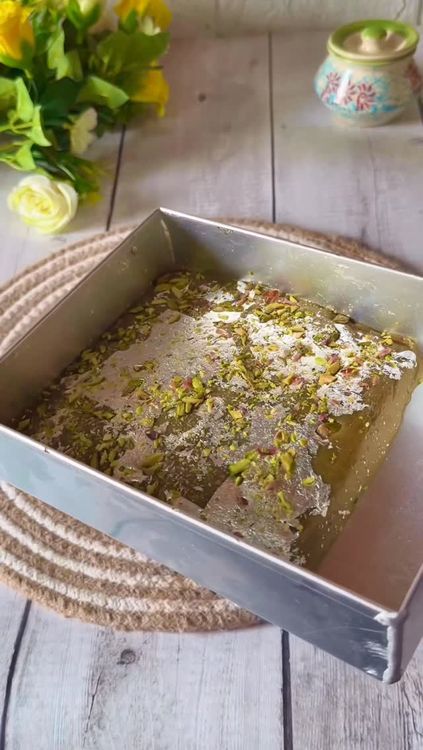
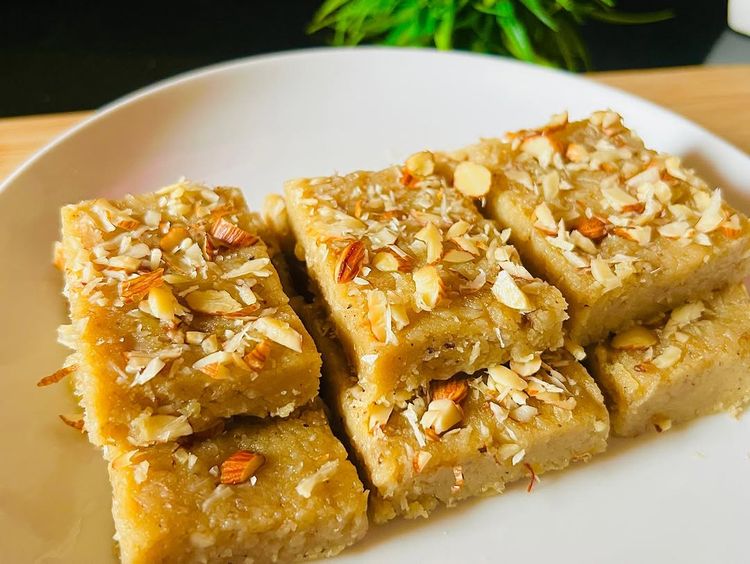
These are the gift-box sweets, and they run on sugar syrup rather than long reduction. Grind your nuts in short pulses and stop the moment they look like coarse flour, because ten seconds too long releases oil and you end up with paste. Kaju barfi in particular lives or dies on one-string consistency syrup: press a cooled drop between thumb and forefinger, pull them apart, and look for a single thread that holds before it snaps. Til works differently, going all the way to brittle.
- Indian
- Vegetarian
- Snack

- Indian
- Vegan
- Dessert
- Indian
- Vegetarian
- Snack
- Indian
- Vegetarian
- Snack
Milk, Khoya and Jaggery Fudge
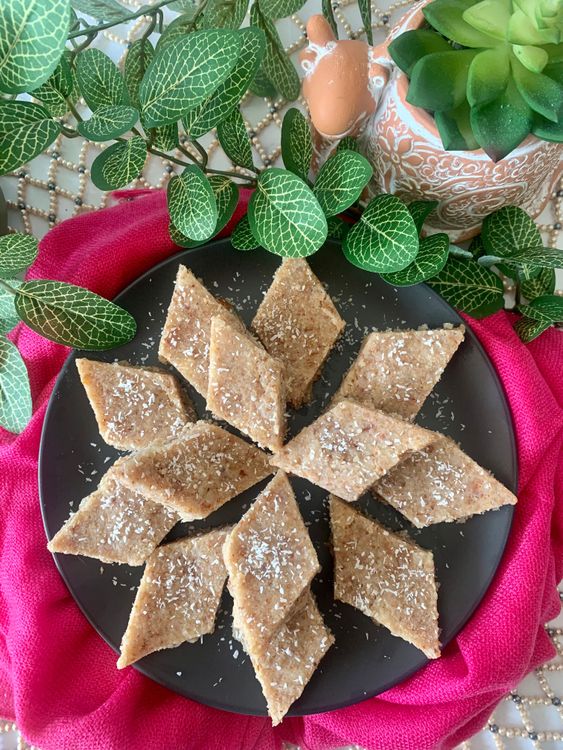
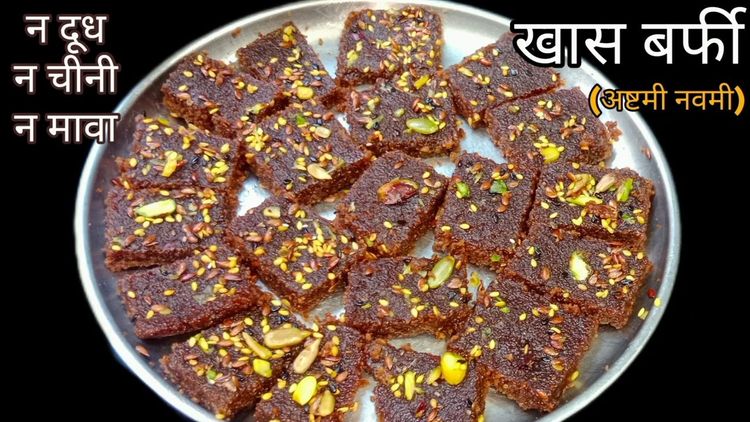
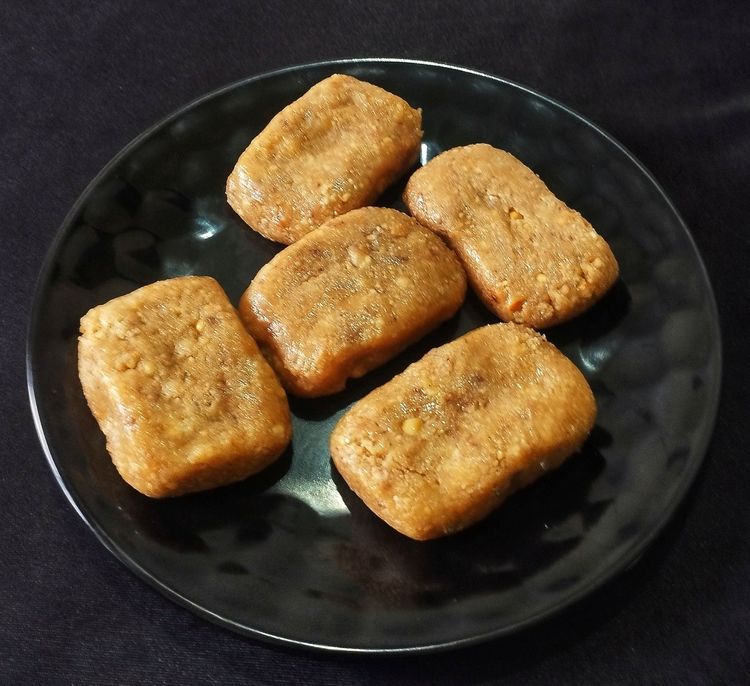
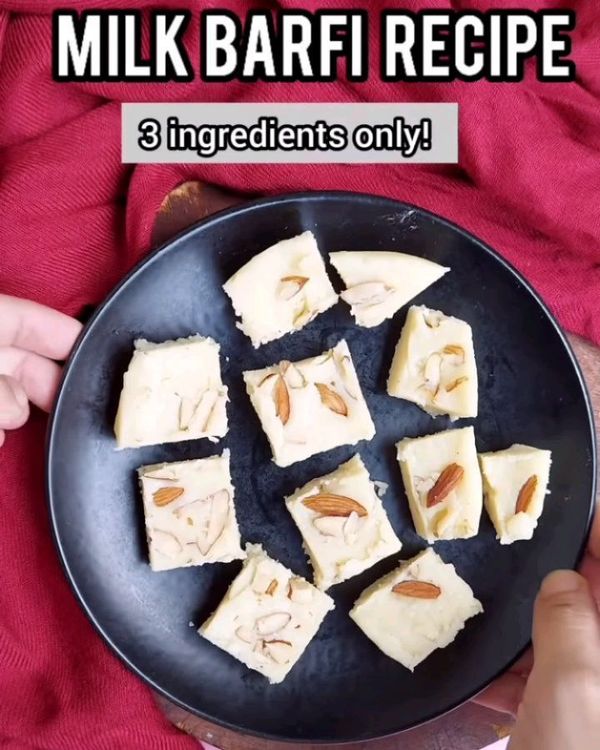
The oldest branch of the family, and the one with nowhere to hide. Milk barfi is three ingredients cooked down for half an hour, so your dairy has to be good and your pan has to be heavy. Use the widest pan you own, because evaporation is the whole job and surface area does that work for you. Jaggery versions taste deeper and set a touch softer than white sugar, and they will darken further as they cool, so judge colour early rather than late.
- Indian
- Vegetarian
- Dessert
- Traditional
- Vegetarian
- Dessert
- Indian
- Vegetarian
- Snack

- Indian
- Vegetarian
- Dessert
Vegetables, Millets and Modern Twists
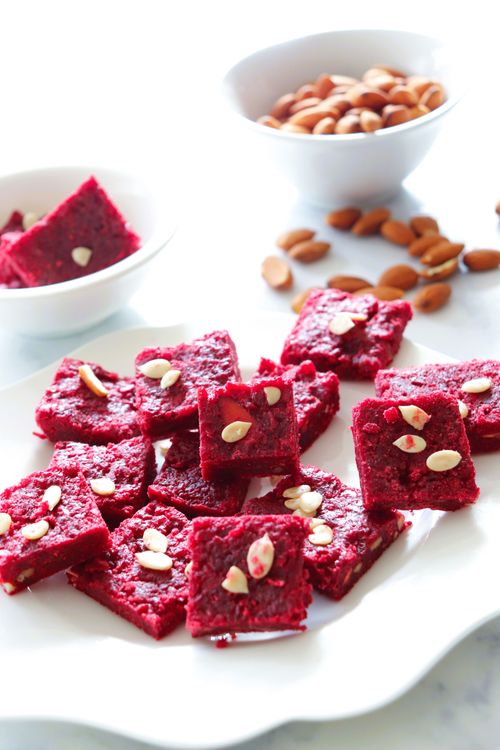
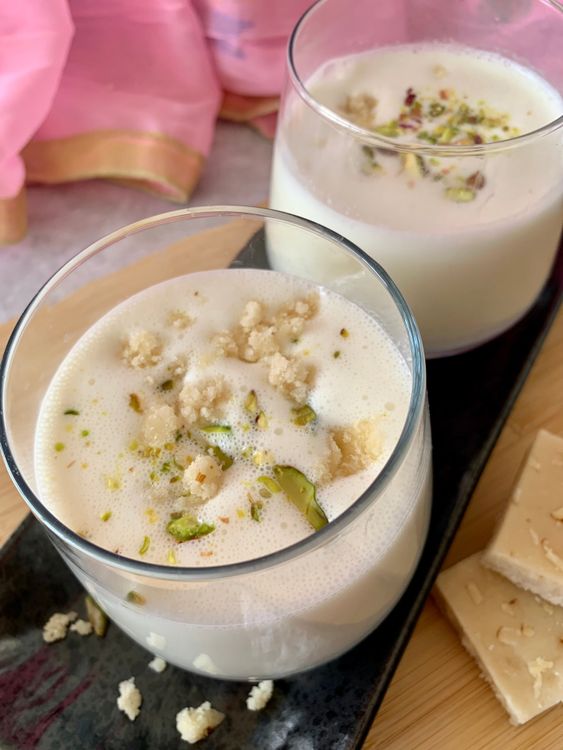
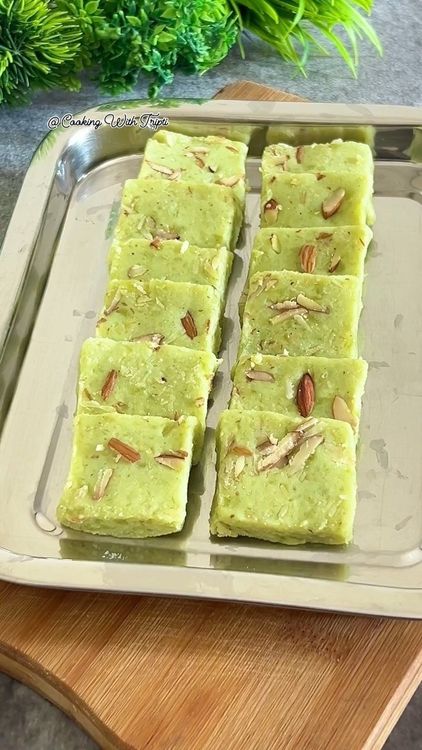
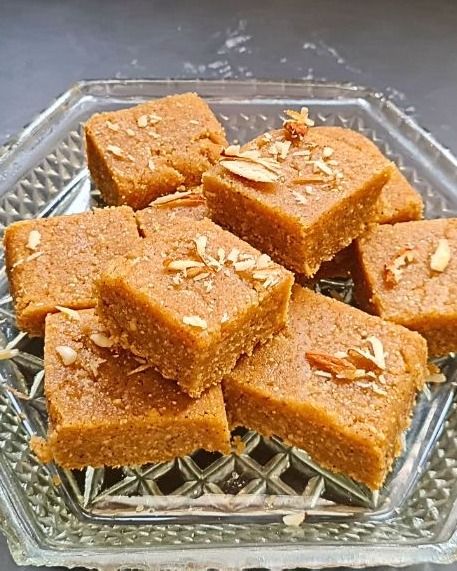
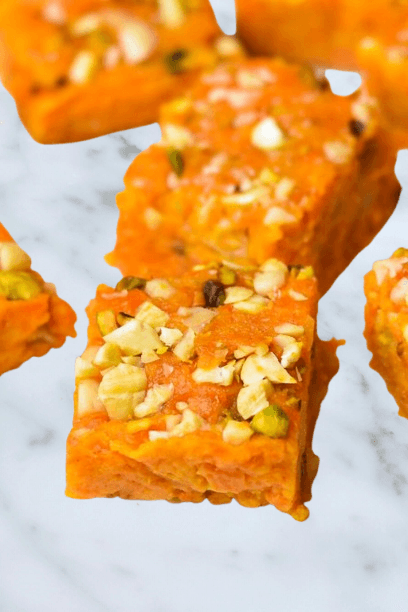
This is where Chefadora cooks get interesting. Bottle gourd, beetroot, carrot and kodo millet all bring moisture and structure that dairy alone cannot, and they let you cut the sugar without the set collapsing. Vegetable versions need longer cooking than you expect, because you are driving off water the vegetable brought to the party. Squeeze grated lauki gently before it hits the pan, keep the heat medium, and taste as you go, since sweetness varies wildly between one gourd and the next.
- Indian
- Vegetarian
- Beverage
- Indian
- Vegetarian
- Snack

- Indian
- Vegetarian
- Snack
- Indian
- Vegetarian
- Dessert
- Indian
- Vegetarian
- Dessert
How to Make Barfi That Sets Every Time
The single question every beginner asks is when to stop cooking, and the answer is the same across almost every version on this page: stop when the mass leaves the sides of the pan. Drag your spatula through the middle and count. If the trail closes up immediately, keep going. If it holds open for a beat and you can see dry pan underneath, you are there. A second signal is the ghee: once the fat starts beading at the edges and the mixture pulls together into one glossy lump rather than a slurry, it will set.
Have your tray ready before you start, not after. Line a shallow steel plate or an eight-inch tin with parchment, grease it with ghee, and keep a flat-bottomed katori or a small offset spatula next to it. The mixture stiffens fast, and the difference between a smooth slab and a lumpy one is about ninety seconds of hesitation. Tip it out, press it level while it is still hot enough to move, and resist the urge to keep smoothing once it has begun to grip.
Score, do not slice. Wait eight to ten minutes until the surface is warm rather than hot, then run a knife through in one direction and then the other, cutting most of the way down but not lifting anything out. Let it cool fully at room temperature for an hour or two, then snap the pieces apart along the score lines. Cutting a cold slab from scratch is how you get crumbs and ragged edges instead of clean diamonds.
Buying and Storing Khoya, Coconut and Ghee
Khoya, or mawa, is the ingredient most worth being fussy about. Fresh khoya from a sweet shop should be pale cream, faintly sweet, and crumble rather than smear. If it smells sour or tastes even slightly tangy, it has turned, and no amount of sugar hides that in the finished sweet. It freezes well for about two months in a tight box, so buy it in a block during festival season and grate it straight from frozen. Milk powder is a genuine substitute when fresh khoya is not available, and several cooks here build around it deliberately.
For coconut, fresh grated beats frozen, and frozen beats desiccated, but all three work. Frozen grated coconut should be thawed and squeezed of excess water, or these squares will need an extra ten minutes of cooking. Desiccated needs the opposite treatment: soak it in warm milk for fifteen minutes so it does not drink moisture out of the set and go chalky. Ghee should smell nutty and clean; if it smells like crayons, it is old, and that flavour carries straight through.
Storage is simple and people get it wrong anyway. Nut and coconut versions keep five to seven days in an airtight box at cool room temperature. Anything with fresh khoya or reduced milk goes in the fridge after two days and should be eaten within a week. Refrigeration firms and dries everything, so bring pieces back to room temperature for twenty minutes before serving. Layer with parchment, never cling film pressed to the surface, which makes the tops weep.
Troubleshooting Grainy, Sticky and Crumbly Sets
Grainy usually means sugar crystallised, and it almost always traces back to stirring syrup after it came to a boil or to stray crystals on the side of the pan. Brush the sides down with a wet pastry brush while the syrup heats, and once it boils, leave it alone. Half a teaspoon of lemon juice or a spoon of glucose in the syrup keeps crystals from forming. If it has already gone sandy, add two tablespoons of milk, warm it gently, and cook it back down. You often get one rescue attempt.
Sticky and refusing to set means undercooked, and the fix is honest work rather than the freezer. Scrape everything back into the pan, add nothing, and cook on medium heat until it thickens visibly and pulls together again. Cashew sweets are the fussiest here because the paste can go from correct to oily in under a minute, so keep the flame low on the final stretch. If it does turn oily, knead in a tablespoon of milk powder while warm and it usually comes back.
Crumbly is overcooked, and it is the hardest to reverse because you have driven off too much moisture. Sprinkle a tablespoon of warm milk or cream over the mixture, knead it while it is still hot, and press it firmly into the tray with real pressure rather than gentle patting. Failing that, crumble the lot deliberately, roll it into balls with a little condensed milk, and call them ladoos. Nobody at the table has ever once complained.
Pro Tips From the Kitchen
- Use the widest, heaviest pan you own rather than the deepest. Reduction is about surface area, and a wide kadhai will cut twenty minutes off any milk-based recipe on this page without changing a single ingredient.
- Toast your cardamom pods for thirty seconds in the dry pan before crushing them. Ground cardamom bought six months ago has already given up most of its aroma, and this one step is the difference between perfumed and merely sweet.
- Add saffron to warm milk, not to the hot pan. Two tablespoons of milk at body temperature for ten minutes pulls out the colour and flavour properly, whereas dropping threads into boiling sugar just wastes expensive strands.
- Salt is not optional, even in sweets. A generous pinch stirred in at the end sharpens the jaggery, cuts the fat, and makes people say they cannot stop eating it without ever being able to tell you why.
- Keep a bowl of cold water beside the stove when you are cooking sugar syrup. Dropping a little in tells you the stage instantly, and it is far faster and more reliable than squinting at bubbles or trusting a timer.
- Cut on the diagonal for diamonds, straight for squares, and wipe the knife between every second cut. A clean blade is genuinely why sweet-shop pieces look sharp and yours look like they were torn apart by hand.
Frequently Asked Questions
Which barfi recipes are easiest for a complete beginner?
Start with the five-ingredient coconut version or the bread one. Both are beginner-tagged, take under thirty minutes, and neither needs sugar syrup at a specific stage, which is where most first attempts fall over. Cook until the mass leaves the sides of the pan, press it into a greased tray, and you are basically done. The milk-powder versions are a good second step.
How to make barfi without khoya or condensed milk?
Milk powder is the most reliable stand-in and several recipes here are built around it deliberately. Whisk full-fat milk powder into a little warm milk and ghee to make a paste, then cook it down as you would fresh mawa. Ricotta, crumbled paneer and even reduced full-fat milk all work too, though each one needs a few extra minutes of cooking to drive off moisture.
Why did my besan barfi turn out grainy or bitter?
Bitter almost always means the gram flour scorched, which happens when the flame is too high or the pan too thin. Roast it on low heat, stirring constantly, for a full fifteen to twenty minutes until it darkens evenly and smells like biscuits. Graininess is a separate issue and usually points to sugar crystallising, so keep the syrup undisturbed once it comes to a boil.
How long does coconut barfi keep, and does it freeze?
At cool room temperature in an airtight box, five to seven days. In the fridge, up to two weeks, though it firms up considerably and is better left out for twenty minutes before serving. It freezes for about three months if you layer the pieces with parchment and thaw them in the fridge overnight. Jaggery versions keep slightly longer than sugar ones.
Can I swap jaggery for sugar in any of these?
In coconut, sesame and vegetable versions, yes, roughly one for one by weight. Melt it with a splash of water and strain out the grit first. Jaggery browns the finished sweet and adds a molasses note that most people prefer. In nut-based sweets that depend on precise one-string syrup, it is riskier, since jaggery behaves differently and colours the pale slab you were probably after.
What is the difference between barfi and burfi?
None whatsoever. They are two romanisations of the same Hindi word, which itself comes from the Persian for snow, a reference to the pale, dense slab of the classic milk version. You will also see burfee and barfee. Chefadora cooks spell it both ways, which is why this page mixes the two, and the recipes are no different for it.
Do I need a thermometer for kaju barfi?
Not really, though it removes the guesswork if you own one. One-string consistency lands around 106 to 110 degrees Celsius. Without a thermometer, cool a drop of syrup on a plate for a few seconds, press it between thumb and finger, and pull apart. A single thread that holds briefly before snapping is your signal to add the ground cashews.
Why do my pieces crumble instead of cutting cleanly?
Two likely causes. Either the mixture went too far and lost the moisture that binds it, or you cut it stone cold. Score the slab while it is still warm, eight to ten minutes after tipping it out, then let it cool fully and snap along those lines. If it is already dry, knead in a tablespoon of warm milk and press it back into the tray.
Pick one from the coconut group this weekend, because that is the shortest distance between an ordinary afternoon and a tray of something worth sharing. The barfi recipes here span fifteen minutes to an hour, three ingredients to twelve, so there is a version for the night before a festival and one for a Tuesday. Cook until it leaves the pan, and you are most of the way there.
Related
- Diwali sweets
- Indian mithai
- jaggery desserts
- make ahead sweets
- festival cooking
- no bake desserts
Popular Searches
- Best barfi recipes
- Easy barfi recipes
- Quick barfi recipes
- Healthy barfi recipes
- Simple barfi recipes
- Homemade barfi recipes
- Delicious barfi recipes
- Popular barfi recipes
- coconut barfi
- besan barfi
- milk barfi
- how to make barfi
Marnirni-apinthi Building, Lot Fourteen,
North Terrace, Adelaide, South Australia, 5000
Australia
