
16 Hyderabadi Recipes, From Dum Biryani to Baghare Baingan
Updated July 16, 2026 · Curated by Chefadora
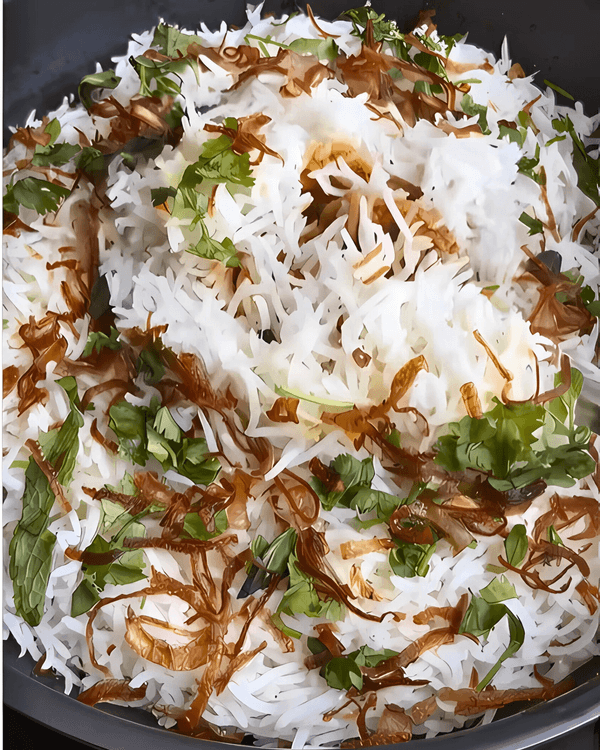
Hyderabad cooks like a city that spent four centuries as its own small empire, because it did. The Qutb Shahi kings came down from Persia in the 1500s and built a court that ran on saffron, kewra and pots sealed shut with dough. The Telugu and Marathwada country all around them answered back with tamarind, sesame, peanuts and curry leaves. The hyderabadi recipes on this page sit exactly on that seam: Persian technique, Deccan sourness, and a heat that arrives a beat late and then refuses to leave.
I have grouped all 16 of them the way an Old City kitchen actually thinks. Rice first, because that is the argument everyone came for. Then the wedding-hall chicken curries the Nizam's cooks would recognise. Then the sour vegetable and lentil dishes that carry an ordinary Tuesday, and finally paneer and the street-cart snacks that Charminar sells after dark.
Some of these want three hours and a heavy lid. One wants forty minutes and a pressure cooker. Start wherever your week has room, and read the blurb under each before you commit.
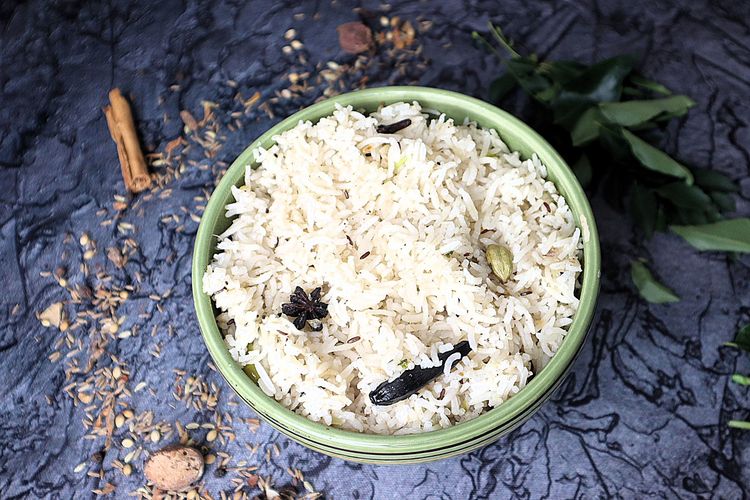
Dum Biryani and Bagara Rice: The Hyderabadi Recipes Everyone Starts With
This is the kachchi tradition: raw marinated meat goes into the pot under half-cooked rice, the lid is sealed, and everything finishes in its own steam. Nothing about it is forgiving, which is why hyderabadi dum biryani is the dish cooks measure themselves against. Get the marinade sour enough, the rice at seventy percent, the seal tight and the flame low, and the grains come out separate over a wet, spiced bottom layer. The vegetable version plays the same game with less risk, and it is the friendliest way into hyderabadi biryani if you have never sealed a pot. Bagara rice is the release valve: thirty minutes, one pot, a plain fragrant base for salan and dalcha to sit beside.
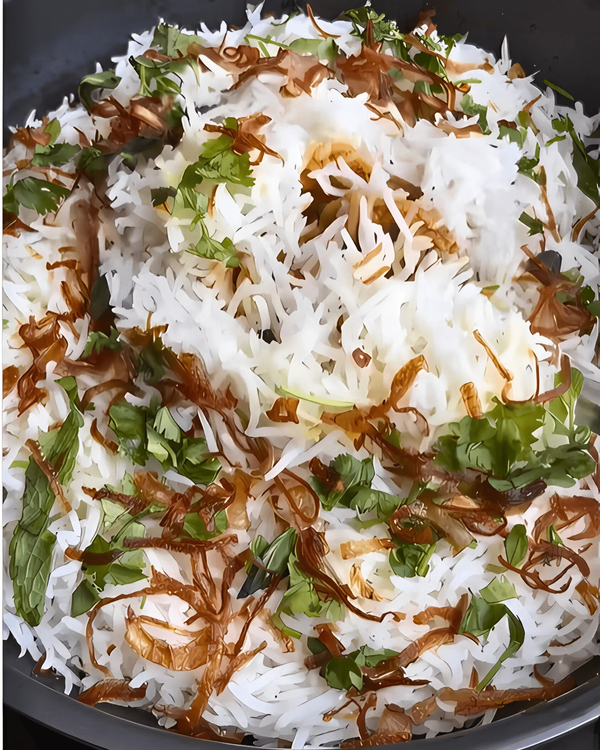

- Indian
- Non-Vegetarian
- Lunch
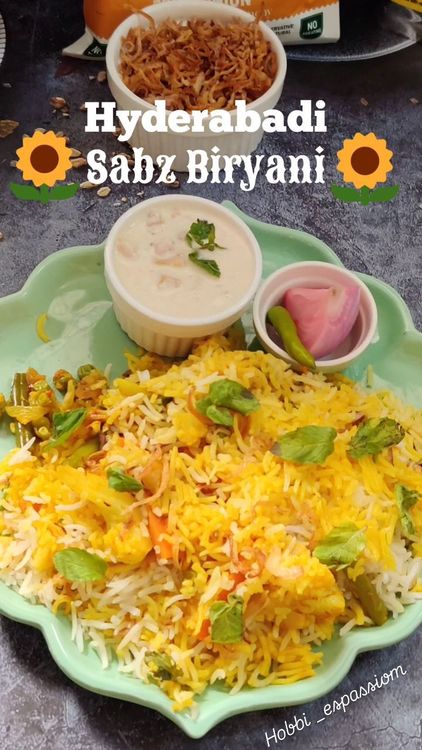

- Indian
- Vegetarian
- Lunch
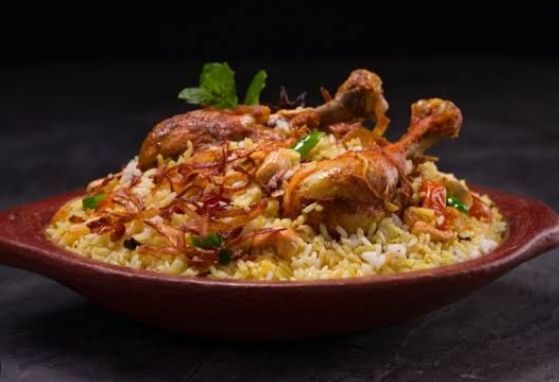

- Indian
- Non-Vegetarian
- Lunch

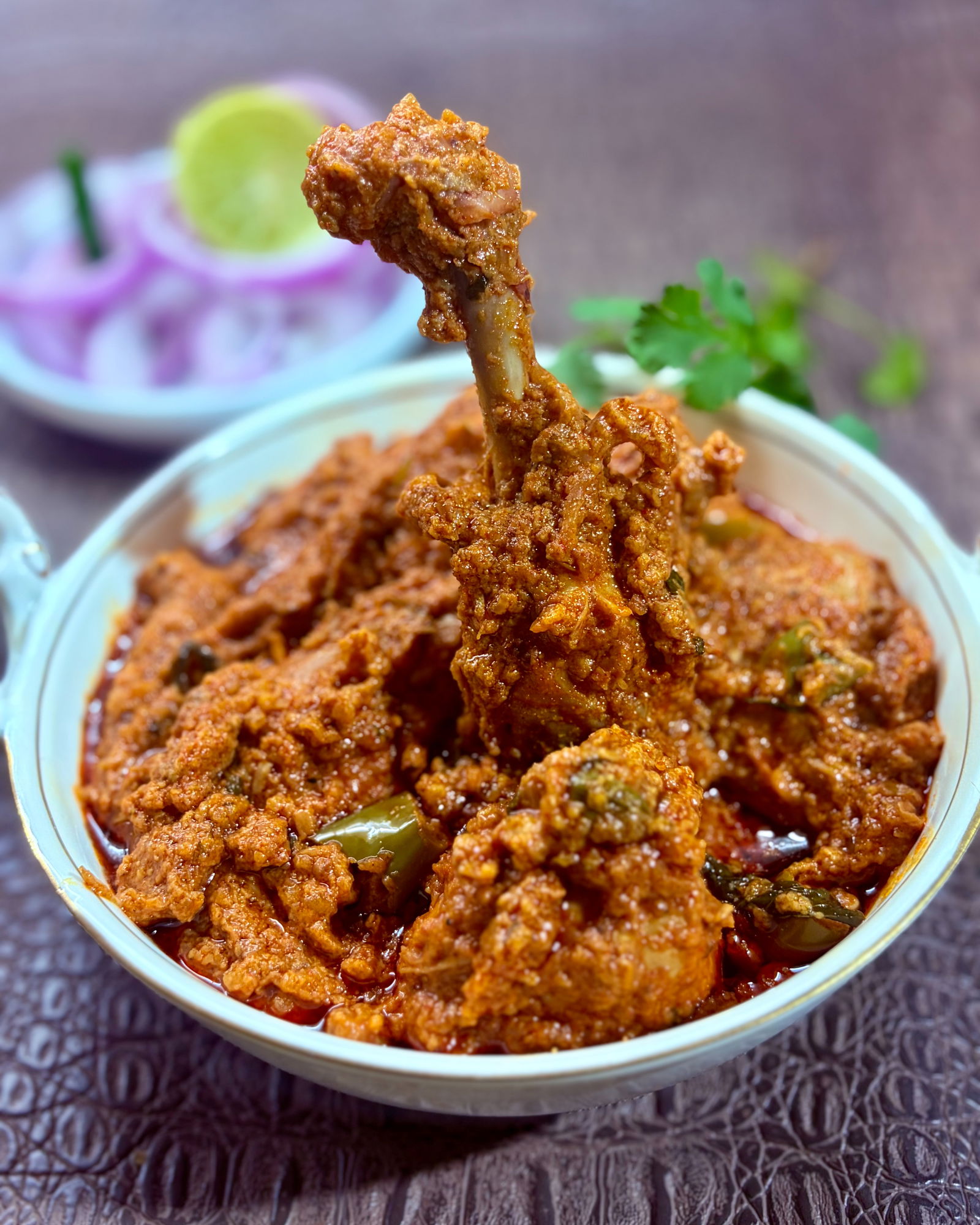
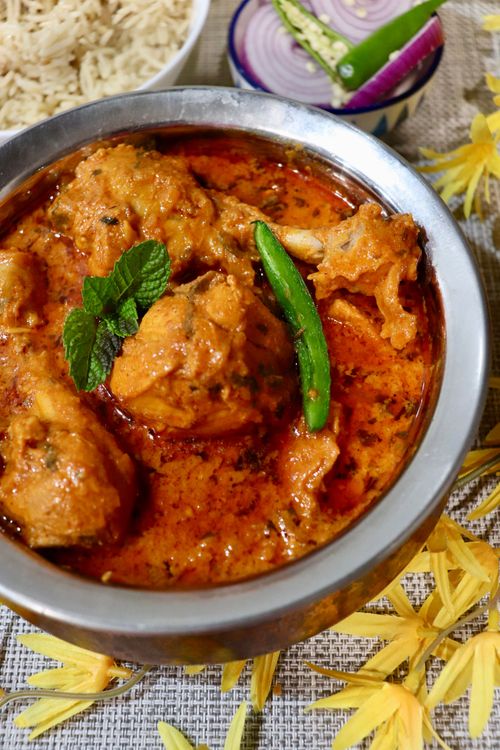
Nizami Chicken Curries: Lal Murg and Daawat-Style Red Chicken
Red chicken is banquet food. At a daawat the pot is enormous, the chillies are Kashmiri or Guntur soaked and ground to a paste rather than shaken in as powder, and the colour comes from that paste plus long-fried onions rather than from anything artificial. The technique that matters is bhunai: cook the masala down, add a splash of water, cook it down again, repeat until oil pools at the edge. Skip it and the gravy tastes raw no matter how long it simmers. Yoghurt goes in off the heat, whisked, or it splits. These three are close cousins and worth cooking back to back, and among nizami recipes they are the ones most likely to convert a sceptic.

- Hyderabadi
- Non-Vegetarian
- Dinner


- Indian
- Non-Vegetarian
- Dinner
- Indian
- Non-Vegetarian
- Dinner
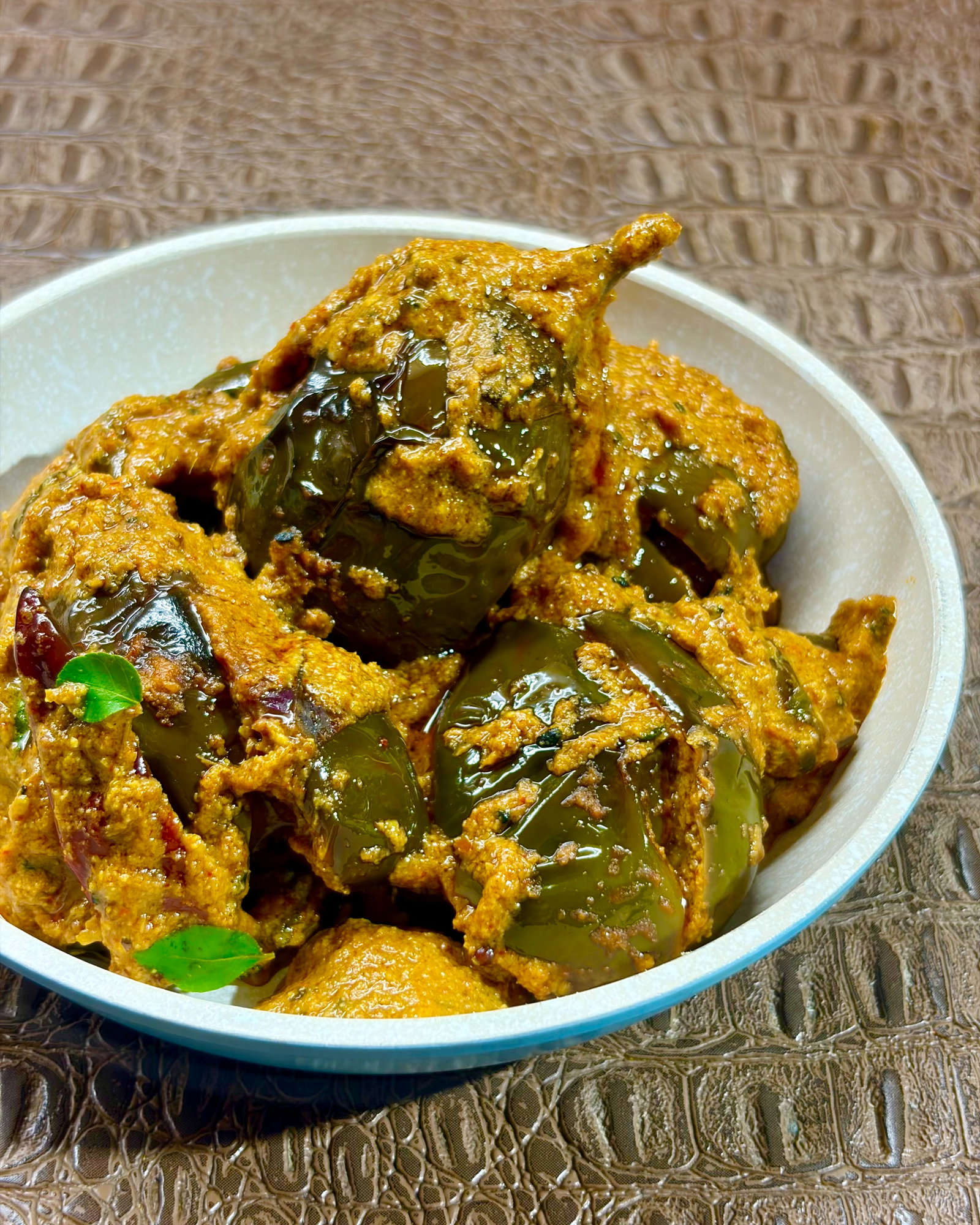
Baghare Baingan, Khatti Dal and the Sour-Nutty Deccan Table
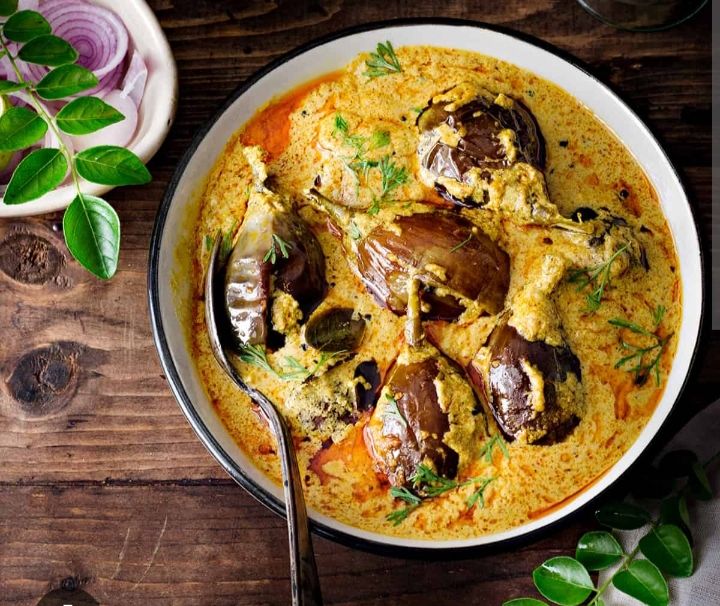
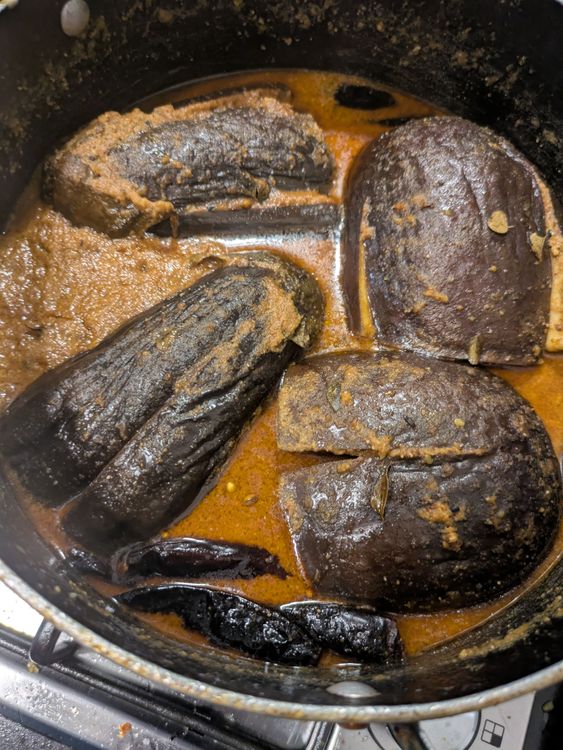
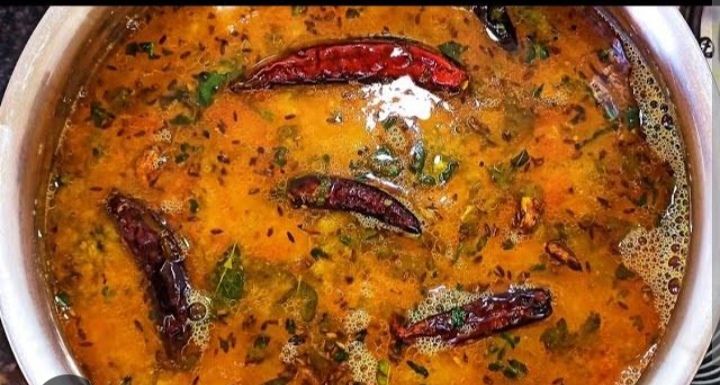
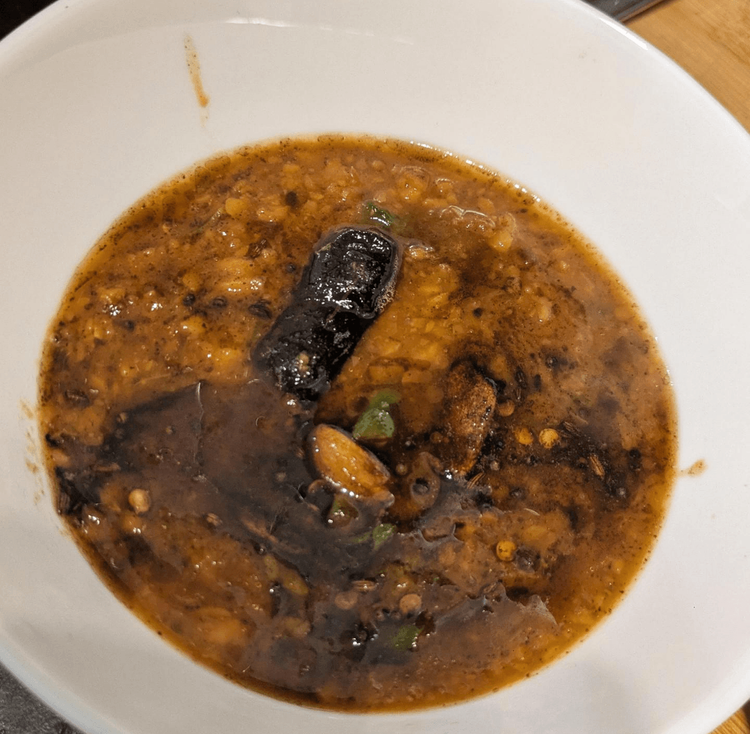
Here is where the Deccan overrules Persia entirely. The masala is peanuts, sesame, dry coconut and a little poppy seed, roasted separately so nothing scorches, ground, then loosened with tamarind. It coats slit baby eggplants and turns them glossy and almost sweet against the sour. Khatti dal is the weekday twin: toor dal, tamarind, green chilli, and a garlic-and-curry-leaf tadka poured over while it still spits. Both improve overnight in the fridge, and both cost a fraction of what the meat dishes do. These are the everyday nizami recipes, the ones cooked on Wednesdays rather than for weddings. Five here, three of them eggplant, and the small differences between those three are the interesting part.
- Vegetarian
- Main Course
- Indian
- Vegan
- Lunch
- Hyderabadi
- Vegan
- Dinner
- Hyderabadi
- Vegan
- Lunch
- Indian
- Vegetarian
- Lunch
Paneer and Old City Street Food: Spot Idli and Creamy Curries
Spot idli is not a temple-town idli. It is a cart dish from the lanes off Charminar, where cold idlis are chopped, thrown onto a hot griddle with dark chutney powder and oil, and pressed until the edges crisp and the middles stay soft. The best thing that can happen to yesterday's batter. The paneer dishes belong to a later, hotelier version of the city's cooking, but they earned their place: cashew and cream to round the edge, a green-chilli bite underneath, and both are done inside an hour. This is the restaurant face of hyderabadi cuisine, and it is where most people outside the city meet it first. Two idli recipes here, one long-fermented and one quick.
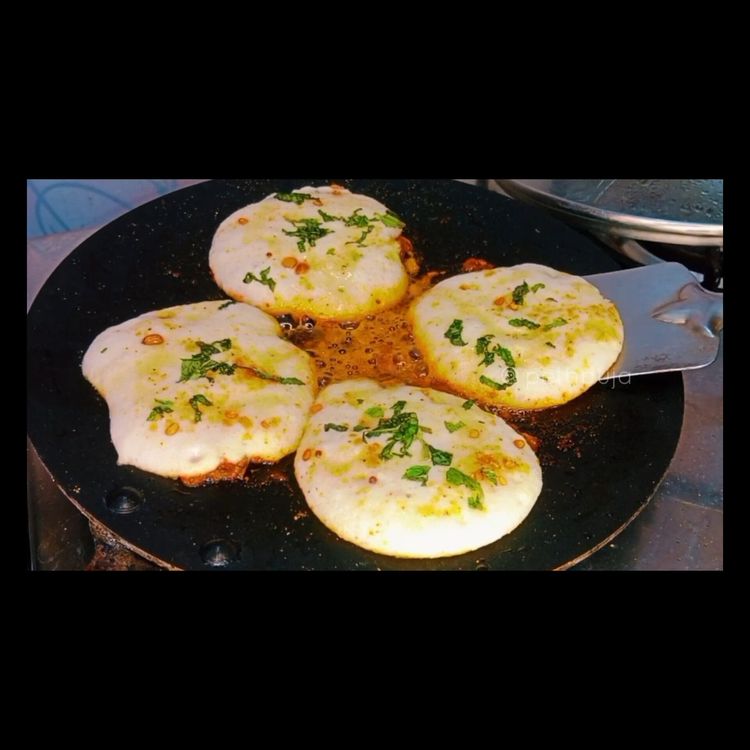
- Indian
- Vegetarian
- Breakfast
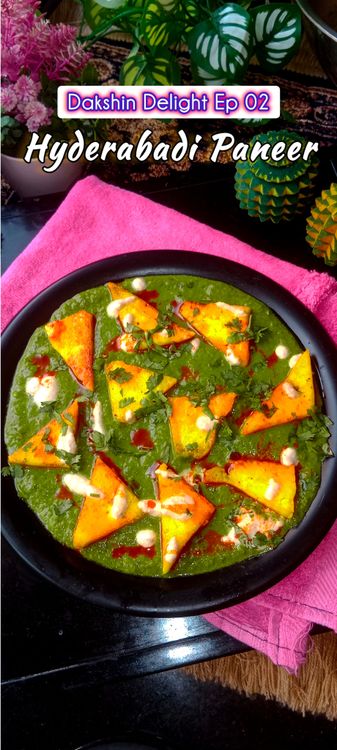
- Indian
- Vegetarian
- Lunch
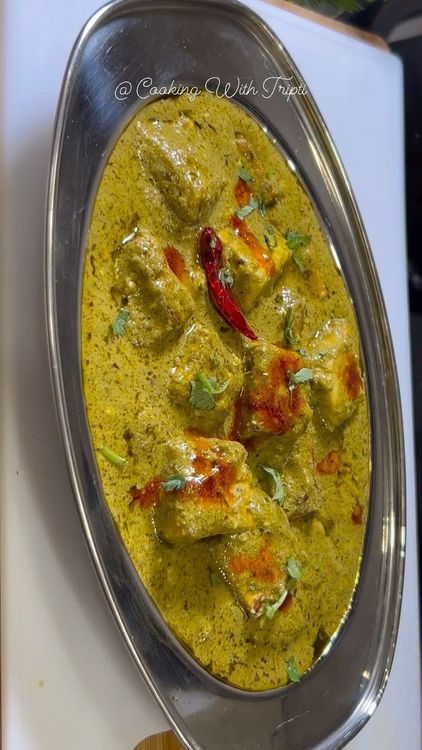

- Indian
- Vegetarian
- Lunch
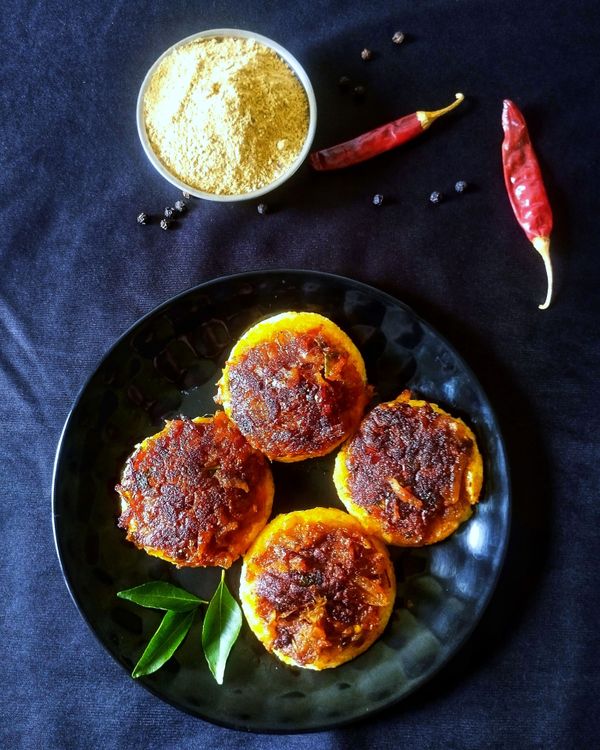
- Indian
- Vegetarian
- Breakfast
Dum Cooking, the Nizami Way
Dum means breath, and the technique is about not letting the pot exhale. In the Qutb Shahi and Asaf Jahi kitchens the lid was luted to the rim with a rope of atta dough — purdah, they called it, a veil — and hot coals were banked on top so heat came from above as well as below. Everything inside cooks in a closed loop of its own steam, and the aromatics have nowhere to escape to.
Two schools exist. Kachchi is the harder one, and it is what hyderabadi dum biryani means: raw meat, marinated for hours in sour yoghurt with ginger, garlic, chilli and a spoon of grated raw papaya, goes into the pot uncooked. Half-cooked rice is layered over it, the pot sealed, and meat and grain finish in the same window. Pakki means the meat is cooked before layering, which is what most home recipes quietly do.
Practically: use your widest, heaviest pot, because depth is the enemy — a tall pot steams the top and scorches the bottom. Boil the rice to about seventy percent, when a grain crushes with slight resistance in the middle. Seal with dough, or with foil and then the lid. Give it eight to ten minutes on high to build steam, then slide a flat tawa underneath and drop the flame to its lowest setting for twenty-five to forty minutes. Do not lift the lid. When you break the seal, the smell tells you before your eyes do. Rest five minutes, then dig down the side with a flat spoon and turn it over rather than stirring, so the grains stay whole.
Hyderabadi vs Lucknowi Biryani
People argue about this endlessly and mostly talk past each other, because the two dishes solve different problems. Lucknow's biryani descends from the Awadhi court, where the ideal was subtlety: meat is simmered first in a delicate yakhni stock, the rice is cooked in that stock, and the two are layered together already tender. The spicing is restrained, the colour pale, the aroma leaning on kewra and mace. You are supposed to taste the meat.
The Deccan went the other way. Hyderabadi biryani is a kachchi dish built on a fiercely sour, fiercely hot yoghurt marinade — green chillies, red chilli paste, mint by the fistful, lemon, fried onions folded in raw. The rice goes on top of uncooked meat and the whole thing gambles on the seal. The result is uneven on purpose: the top white and fragrant, the middle stained saffron, the bottom dark, wet and almost curry-like. You are supposed to taste all three in one spoon.
The accompaniments follow the same logic. Lucknow serves a mild korma or plain raita, because the biryani is already balanced. The Deccan serves mirchi ka salan and dalcha alongside, which sounds like piling heat on heat but really adds another sour, nutty register the rice does not have. If you have only ever eaten one, cook the other next — the contrast teaches more than any explanation. And for what it is worth, hyderabadi cuisine has never claimed the gentler crown. It was built for daawats of hundreds, where a dish had to hold its shape across three hours of serving.
The Nizami Pantry: Saffron, Kewra, Fried Onions
Fried onions — birista — are the load-bearing ingredient of hyderabadi biryani, and almost everyone under-does them. Slice them as thin as you can bear, salt them, let them weep ten minutes and squeeze out the water. Fry in enough oil that they swim, moving them constantly, and pull them one shade lighter than you want: they carry on darkening on the plate. Drain on paper and cool, and they turn brittle and sweet. Half into the marinade, half on top. Burnt birista makes the whole pot bitter, and there is no fixing it afterwards.
Saffron is the second one people waste. Do not throw threads into the pot dry. Crush them between your fingers, steep in three tablespoons of warm — not hot — milk for fifteen minutes, and you get a stain that actually distributes. Kewra, screwpine water, is the signature of this pantry and the easiest thing to overuse: half a teaspoon for a family pot, added at layering, not during cooking, or the volatile part boils off. Rose water is not a substitute; it goes soapy in savoury food.
Then the Deccan half of the shelf, which is what makes nizami recipes taste like nowhere else. Tamarind, soaked in warm water and squeezed by hand rather than bought as concentrate. Peanuts, white sesame and dry coconut, roasted separately because they brown at different speeds. Kashmiri chillies for colour, Guntur for heat, both soaked and ground to paste rather than used as powder. Sour yoghurt, ghee for the tadka, curry leaves that are fresh or not there at all. Stock those and most of hyderabadi cuisine is within reach.
Mirchi ka Salan & Raita: The Essential Sides
Mirchi ka salan is not a chilli dish, whatever the name suggests. Use fat Bhavnagri or banana peppers, slit them and scrape out most of the seeds, and fry them briefly until the skin blisters and goes slack — they end up mild and almost vegetal. The gravy is the point: peanuts, sesame and dry coconut roasted and ground with a little water into a thick paste, bloomed with mustard seeds, cumin, nigella and curry leaves, then let down with tamarind water and cooked slowly until the oil rises. It should taste sour, nutty and faintly bitter, and it fills the gaps a plate of rice leaves behind.
Raita is doing quieter work. It is not a dip and should not be thick. Whisk chilled yoghurt loose with a little water until it pours, then add finely sliced onion, a little cucumber if you like, chopped mint, a pinch of roasted cumin and salt at the last moment — salt early and the onions leach and go watery. Some houses add a spoon of the biryani's own fried onions. Keep it cold; it resets your mouth between spoonfuls, and a lukewarm raita cannot do that job.
Dalcha is the third member of the set and the one people forget: bottle gourd and toor dal cooked soft with tamarind and, in the non-vegetarian version, mutton on the bone. Between them you get sour, nutty, cool and savoury covering everything the rice does not. Make the salan a day ahead if you are cooking a full spread. It genuinely tastes better on day two, once the tamarind and the peanut have stopped arguing.
Pro Tips From the Deccan Kitchen
- Marinate the biryani meat for at least four hours and ideally overnight. The sourness of the yoghurt is doing the tenderising, and a thirty-minute marinade gives you tough chicken sitting under perfect rice, which is the worst possible outcome.
- Salt your rice water like pasta water — it should taste properly seasoned. It is the only chance the grains get, and under-salted rice over a well-salted gravy is the most common thing wrong with home biryani.
- Roast peanuts, sesame and coconut in three separate batches for any salan or baingan masala. Sesame burns in seconds, coconut takes longer, and one scorched batch poisons the entire paste with bitterness you cannot cook out.
- Squeeze real tamarind pulp yourself instead of using concentrate. Soak a lime-sized ball in warm water for fifteen minutes, mash with your fingers and strain. The bottled stuff is flatter and weirdly sweet, and sourness is half the point here.
- Add yoghurt off the heat, whisked smooth, and stir it in before the pot goes back on the flame. Dropping cold yoghurt into a hot pan splits it into grains, and no amount of simmering will bring it back together.
- Slide a flat tawa or griddle under the pot before you drop to low heat for dum. It diffuses the flame across the base, and it is the single cheapest insurance against a scorched bottom layer.
- Cook the eggplant and dal dishes a day early. Baghare baingan and khatti dal both go noticeably rounder overnight as the tamarind settles into the nut paste, and reheating them gently is easier than timing them fresh.
Frequently Asked Questions
Which hyderabadi recipes should a beginner cook first?
Start with khatti dal — fourteen ingredients, forty-five minutes, a pressure cooker and almost no way to fail. Then bagara rice, which is thirty minutes and teaches you how whole spices bloom in ghee. Once those two feel easy, move to baghare baingan for the nut-and-tamarind masala, and only then attempt a sealed pot of rice and raw meat.
What actually makes hyderabadi biryani different from other biryanis?
Two things: the kachchi method, where raw marinated meat cooks under the rice rather than being cooked first, and the marinade itself, which is aggressively sour and hot with yoghurt, lemon, green chilli, mint and fried onions. Most other regional biryanis cook the meat separately and layer it in. That single difference changes the texture of every grain in the pot.
Where does hyderabadi haleem come from, and why only at Ramzan?
It descends from harees, a wheat-and-meat porridge brought by Yemeni Hadhrami soldiers who served in the Nizam's Arab guard in the nineteenth century. Local cooks added ghee, ginger, fried onions and far more spice. Hyderabadi haleem is a Ramzan dish because it is pounded for hours and packs enormous energy into one bowl at iftar, and the Barkas neighbourhood still sets the standard. It carries a GI tag awarded in 2010.
Can I make dum biryani without sealing the pot with dough?
Yes. Lay foil tightly across the rim, press it down the sides, then put the lid on over it and weigh it with something heavy. You lose a little of the theatre and none of the function. What you cannot skip is the low flame, the tawa underneath and the discipline of not lifting the lid for the full thirty to forty minutes.
Why is my baghare baingan bitter instead of nutty?
Almost always the sesame or the coconut caught while roasting. Both go from fragrant to acrid in about fifteen seconds, and once ground into the paste the bitterness spreads through everything. Roast each nut and seed in its own batch on medium-low, pull them the moment they smell toasted, and cool them before grinding. Old eggplant seeds can also contribute.
What is the difference between bagara rice and biryani?
Bagara rice is deliberately plain: basmati steamed with whole spices bloomed in ghee, no meat, no layering, no dum. It is a base, built to be eaten with mirchi ka salan, dalcha or a curry that supplies all the flavour. Biryani is the whole meal in one pot. If you want the Deccan spread on a weeknight, bagara rice is how you get there in thirty minutes.
Is nizami food always very spicy?
It is hotter than Awadhi or Mughlai cooking, but the heat is layered rather than blunt. Kashmiri chillies do the colour work, Guntur chillies do the heat, and tamarind and yoghurt keep pulling it sour so the chilli never sits alone. Plenty of nizami recipes are barely hot — hyderabadi haleem and the paneer dishes here included. Dial back the Guntur and you still get the dish: sourness, not burn, is what defines it.
How do I stop my fried onions from turning bitter?
Pull them from the oil early, at golden rather than brown. They keep cooking on residual heat for another thirty seconds on the paper and darken as they cool, which is exactly when beginners panic and leave them in too long. Slice evenly so they cook at the same rate, salt and squeeze them dry first, and never crowd the pan.
Sixteen dishes, four ways in. If you take one thing from these hyderabadi recipes, make it the sourness — the tamarind in the dal, the yoghurt in the marinade, the lemon under the mint. That is the Deccan half of the story, and it is what stops all that ghee and saffron from going heavy. Cook the dal this week and seal a pot on Sunday.
Related
- nizami recipes
- dum biryani
- baghare baingan
- deccan food
- eid feast
- khatti dal
Popular Searches
- Best hyderabadi recipes
- Easy hyderabadi recipes
- Quick hyderabadi recipes
- Healthy hyderabadi recipes
- Simple hyderabadi recipes
- Homemade hyderabadi recipes
- Delicious hyderabadi recipes
- Popular hyderabadi recipes
- hyderabadi biryani
- hyderabadi haleem
- hyderabadi cuisine
- nizami recipes
Marnirni-apinthi Building, Lot Fourteen,
North Terrace, Adelaide, South Australia, 5000
Australia
