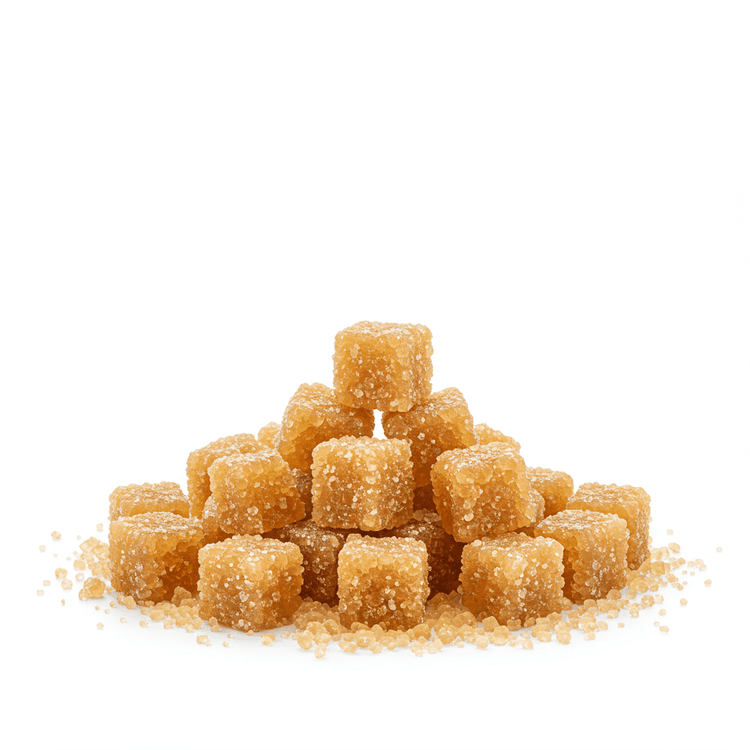
Sweeteners are substances used to add sweetness to foods and beverages. While sugar often comes to mind first, the world of sweeteners is vast and varied, encompassing natural and artificial options, each with distinct properties and impacts on health. Understanding these differences is crucial for making informed choices about your diet.
Navigating the Sweetener Landscape: Natural vs. Artificial
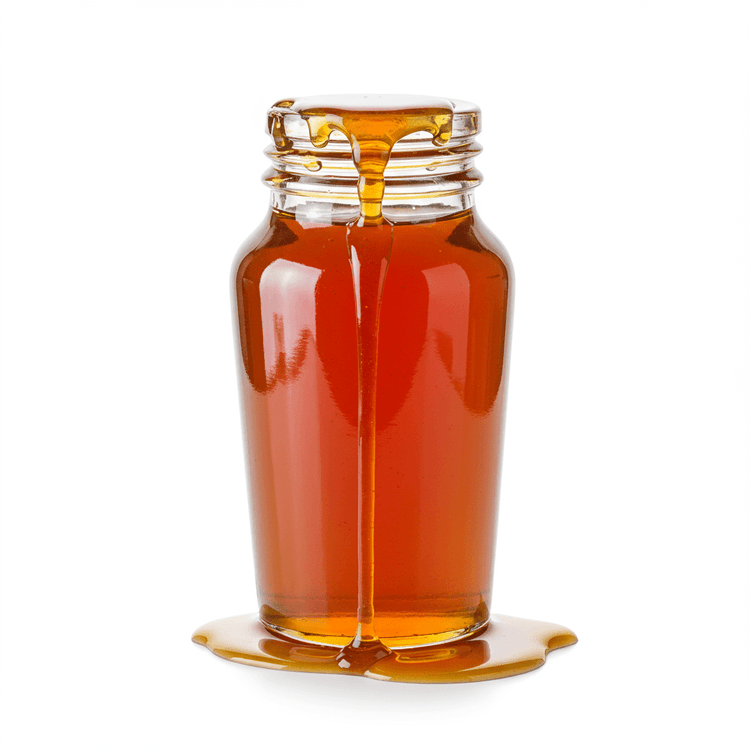
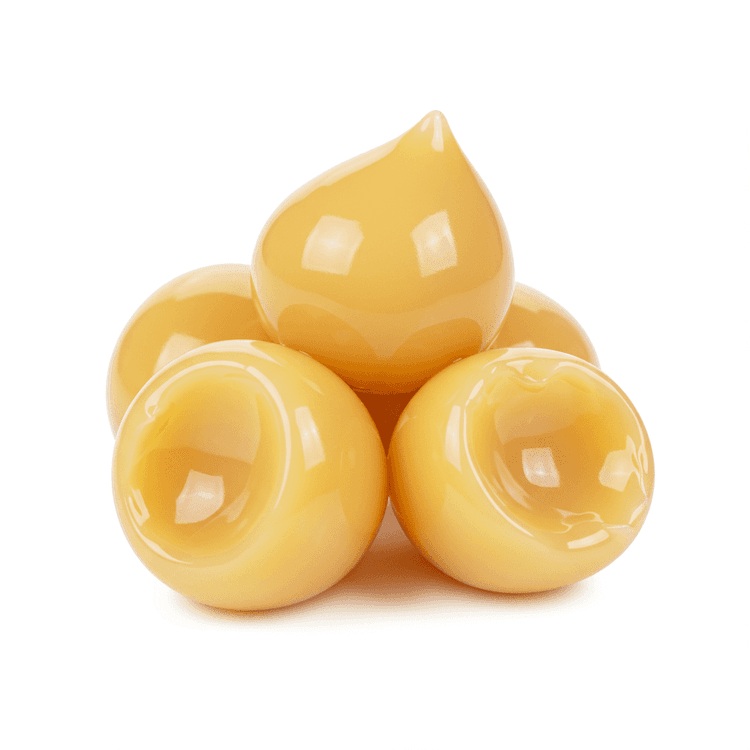
Natural sweeteners, like honey, maple syrup, agave nectar, and molasses, are derived from plant or animal sources and retain some of their original nutritional content. Honey, for example, contains antioxidants and trace minerals like iron and potassium. Maple syrup, especially darker grades, also boasts antioxidant properties and minerals like manganese and zinc. Agave nectar, while often perceived as a healthier alternative, is primarily fructose, so moderation is key. Stevia, a natural sweetener extracted from the stevia plant, is a popular zero-calorie option.
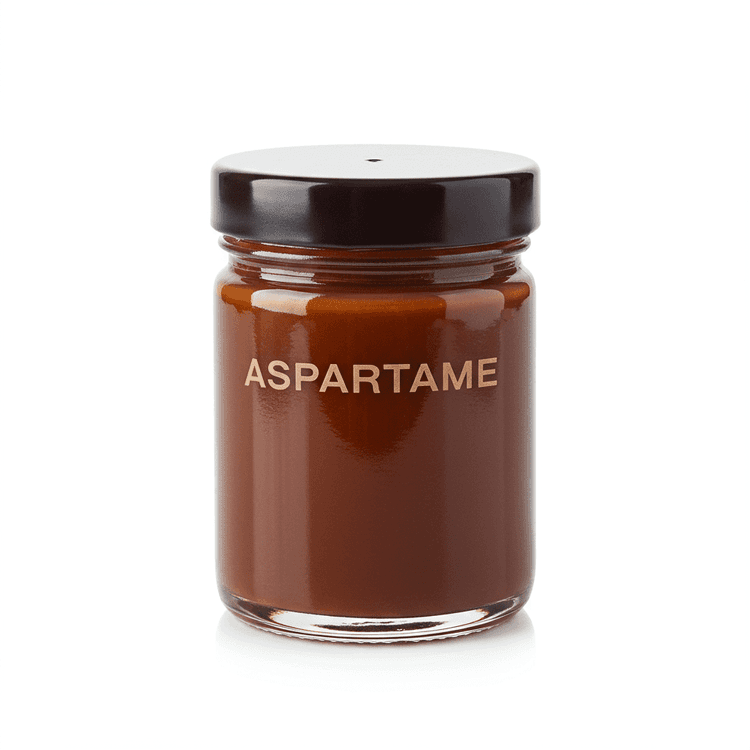
Artificial sweeteners, on the other hand, are synthetically produced and offer intense sweetness with minimal to no calories. Common examples include aspartame, sucralose, saccharin, and acesulfame potassium. These sweeteners are often used in diet sodas, sugar-free candies, and other low-calorie products. The impact of artificial sweeteners on health is a topic of ongoing research and debate, with some studies suggesting potential effects on gut health and appetite regulation.
Sweeteners in the Kitchen: Culinary Applications and Beyond
Sweeteners play a pivotal role in countless culinary applications. From baking cakes and cookies to sweetening beverages and sauces, they enhance flavor and texture. Natural sweeteners, with their unique flavor profiles, can add depth and complexity to dishes. Honey, for instance, lends a distinct floral note, while maple syrup offers a rich, caramel-like sweetness. In baking, the type of sweetener used can affect the moisture content and browning of the final product. Many use alternative sweeteners for diabetic cooking or calorie-controlled recipes.
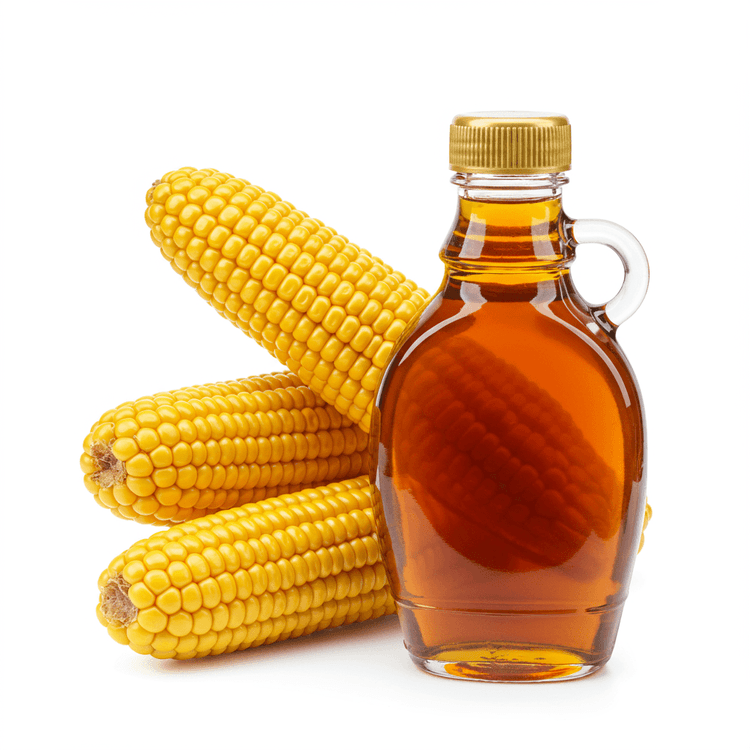
Beyond their culinary uses, sweeteners are also employed in the food industry as preservatives and stabilizers. High-fructose corn syrup, a common ingredient in processed foods, extends shelf life and enhances sweetness. Understanding the role of different sweeteners in processed foods is crucial for making informed dietary choices.
The Importance of Moderation and Informed Choices
While sweeteners can enhance the enjoyment of food and beverages, it's essential to consume them in moderation. Excessive intake of any sweetener, whether natural or artificial, can contribute to health problems such as weight gain, dental issues, and potential metabolic imbalances. The key lies in making informed choices based on individual needs and preferences.
For those seeking to reduce their sugar intake, natural sweeteners like stevia and monk fruit offer calorie-free alternatives. Experimenting with different sweeteners can help you discover your preferred flavors and find healthier ways to enjoy your favorite treats. Consider the glycemic index of each type, particularly important for those with diabetes or insulin resistance. Remember that “natural” doesn’t always mean “healthy” – agave, for instance, is very high in fructose. By understanding the nuances of different sweeteners, you can make conscious decisions that support your overall health and well-being. Incorporate them thoughtfully into a balanced diet, focusing on whole, unprocessed foods as the foundation of your nutritional intake. Sweeteners should enhance your diet, not dominate it. ||
Sweetener are an essential part of a healthy diet, providing a wide range of nutrients and health benefits. Explore our collection of sweetener ingredients.