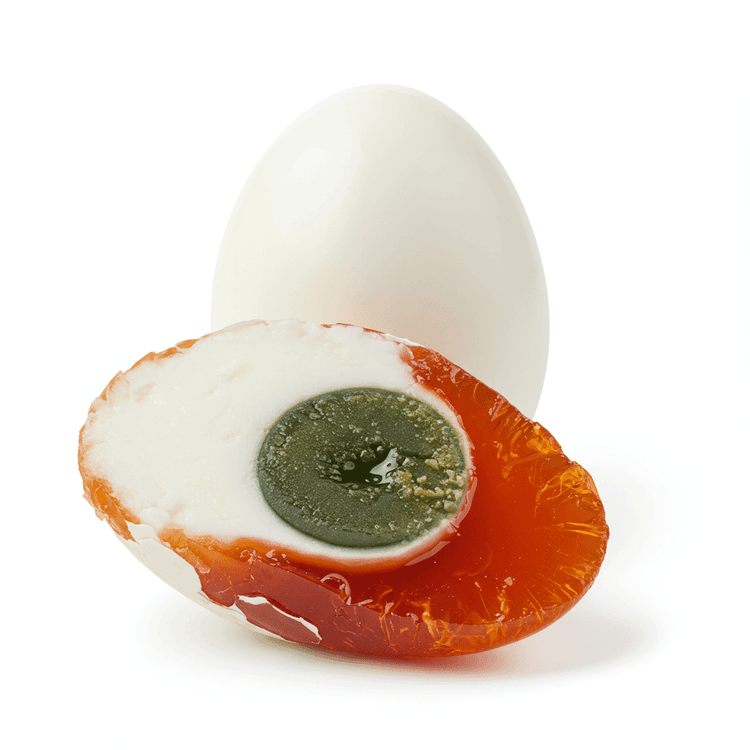
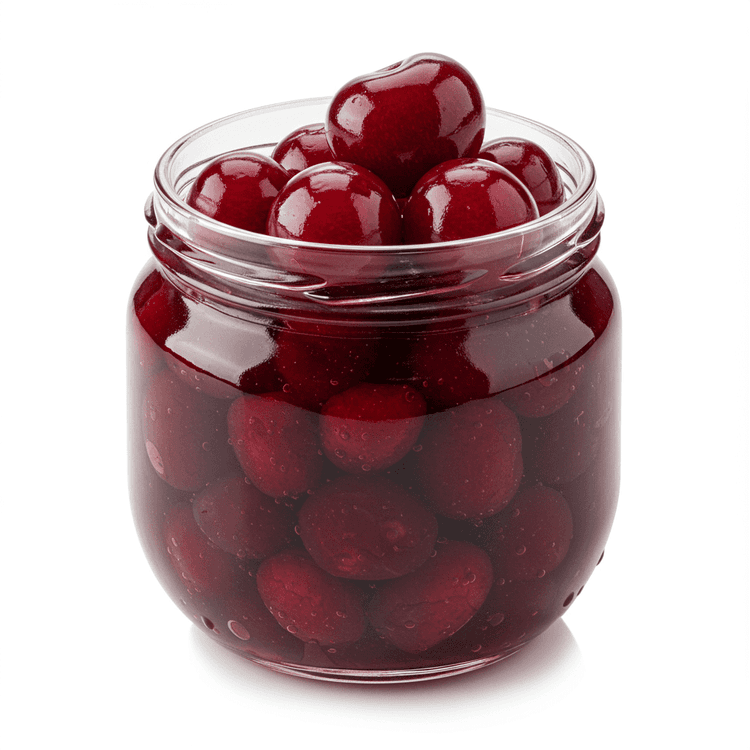
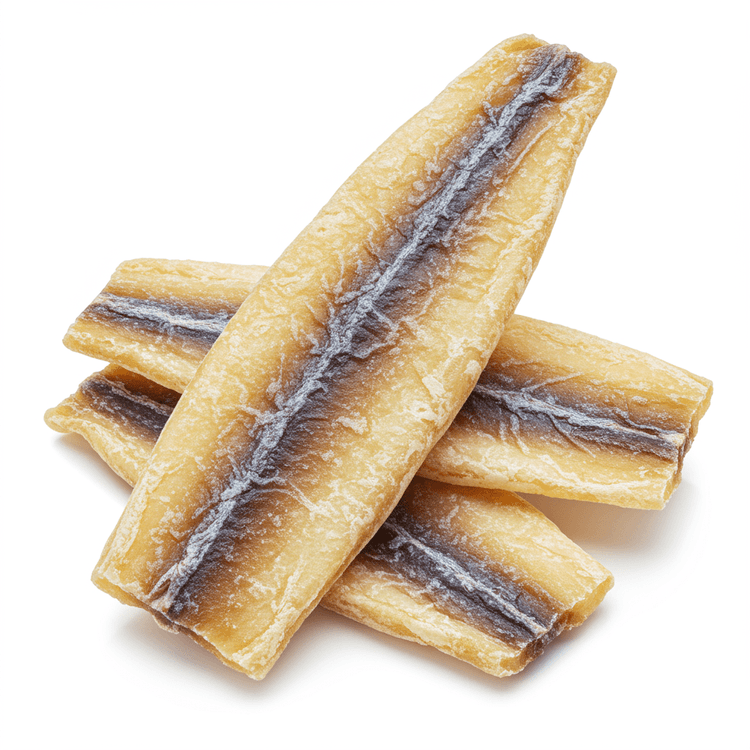
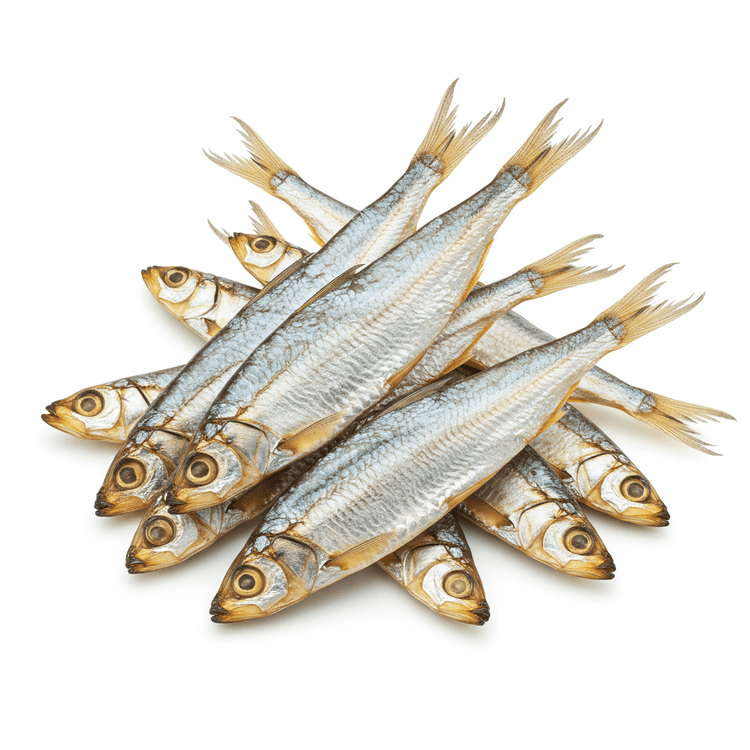
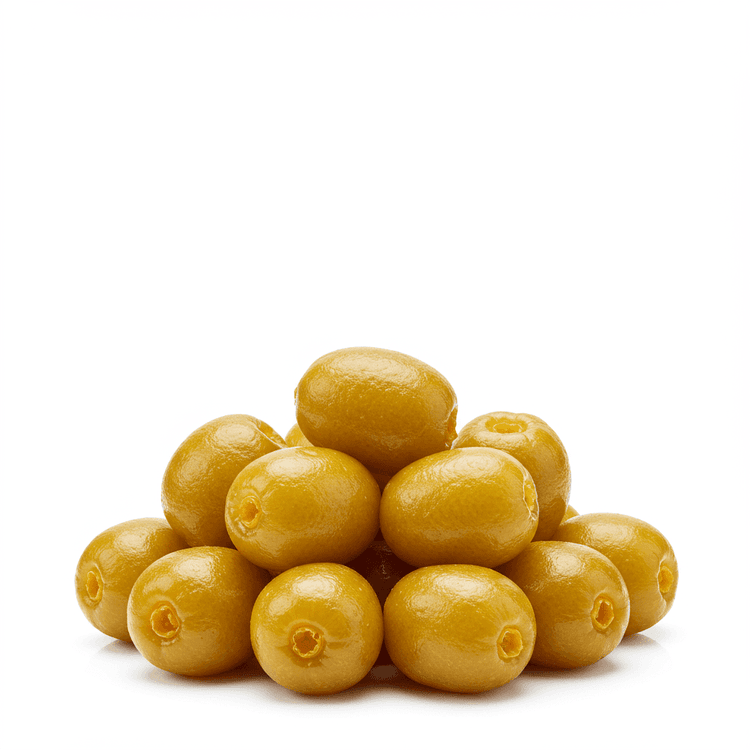
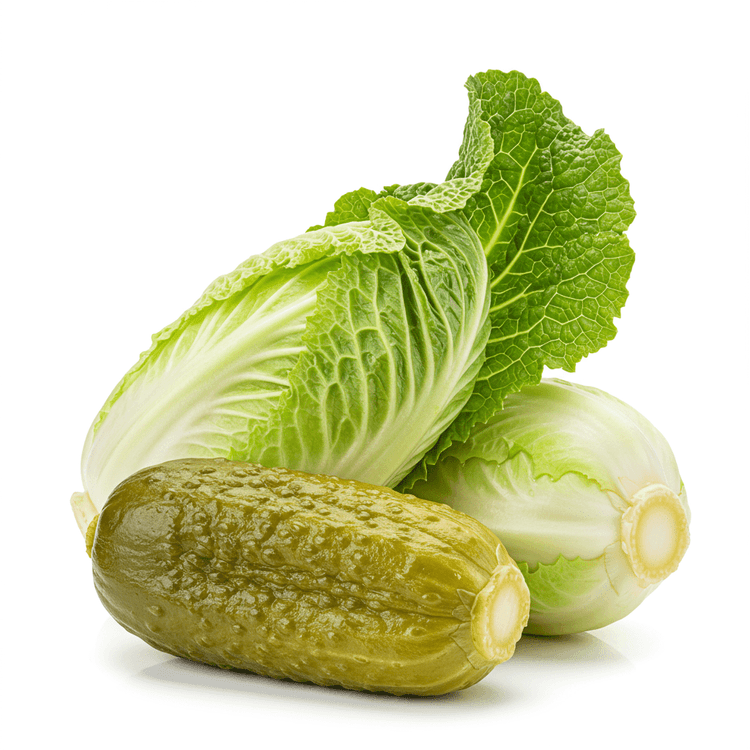
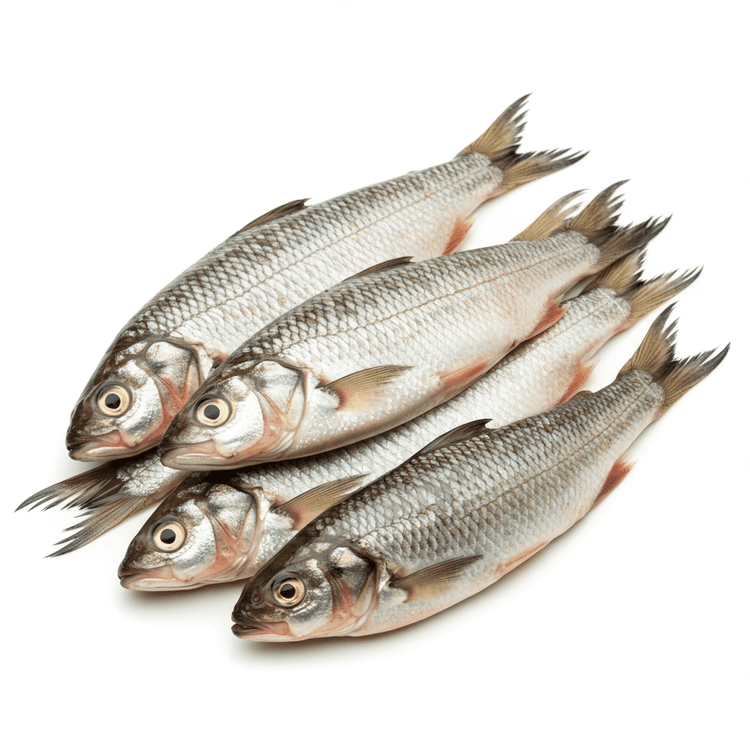
Preserved foods, a culinary cornerstone throughout history, offer a diverse range of options for extending shelf life and ensuring access to sustenance across seasons. From the tangy delight of pickled vegetables to the savory satisfaction of cured meats, the techniques of food preservation – drying, canning, fermentation, and curing – unlock a pantry of possibilities. Understanding the health implications and nutritional nuances of preserved foods is crucial for incorporating them responsibly into a balanced diet.
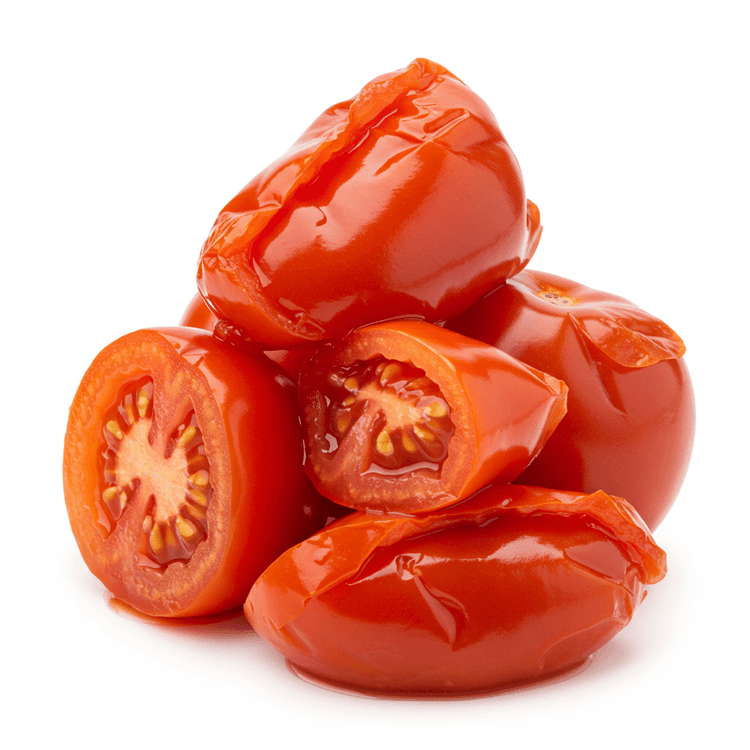
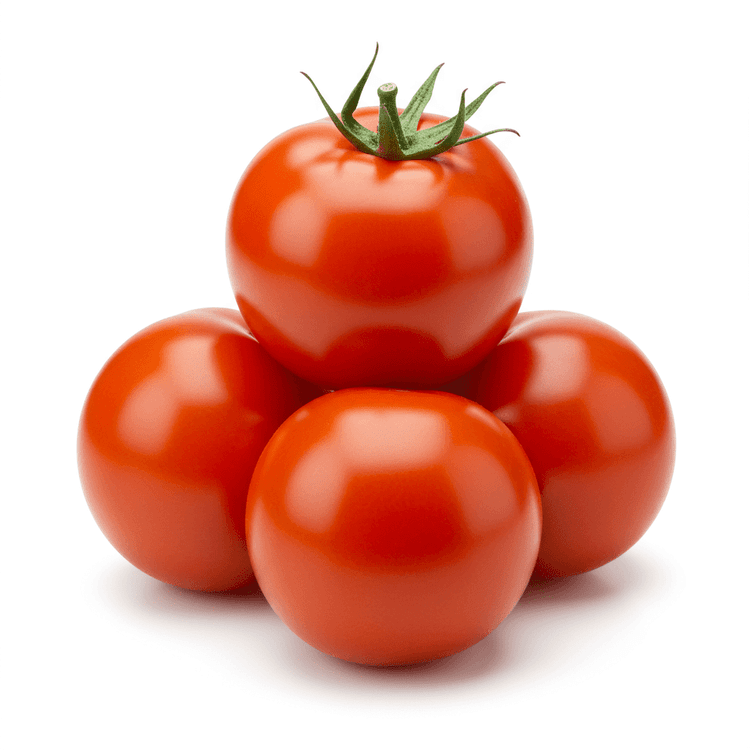
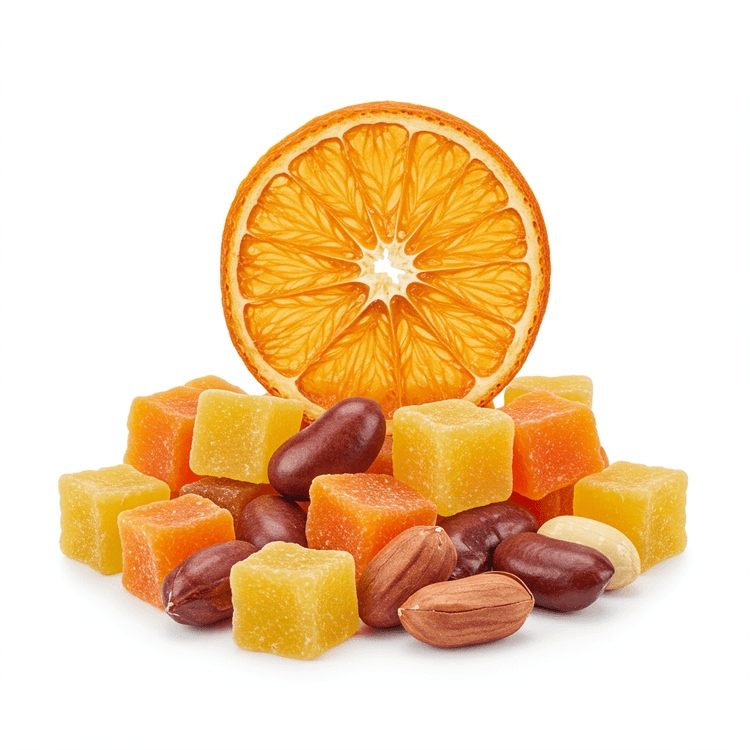
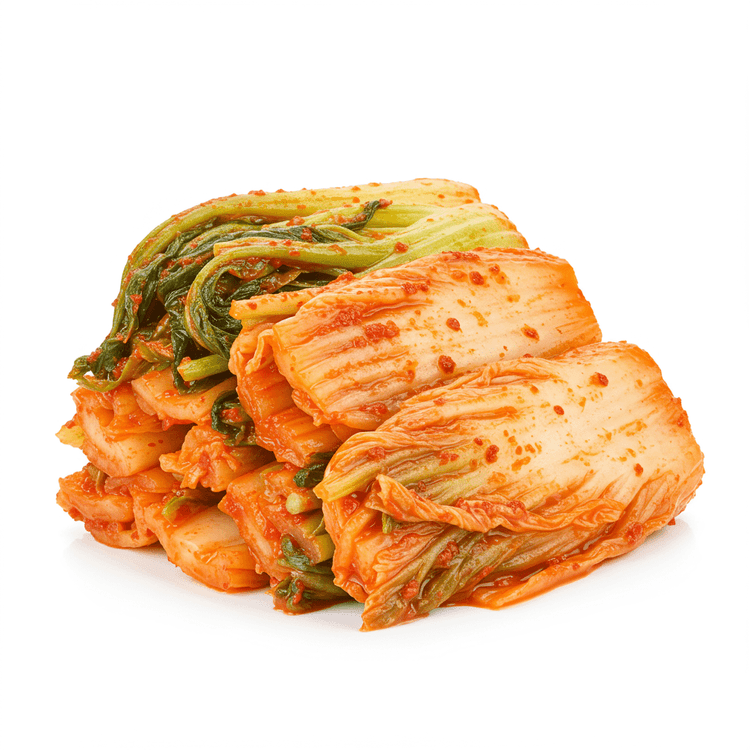
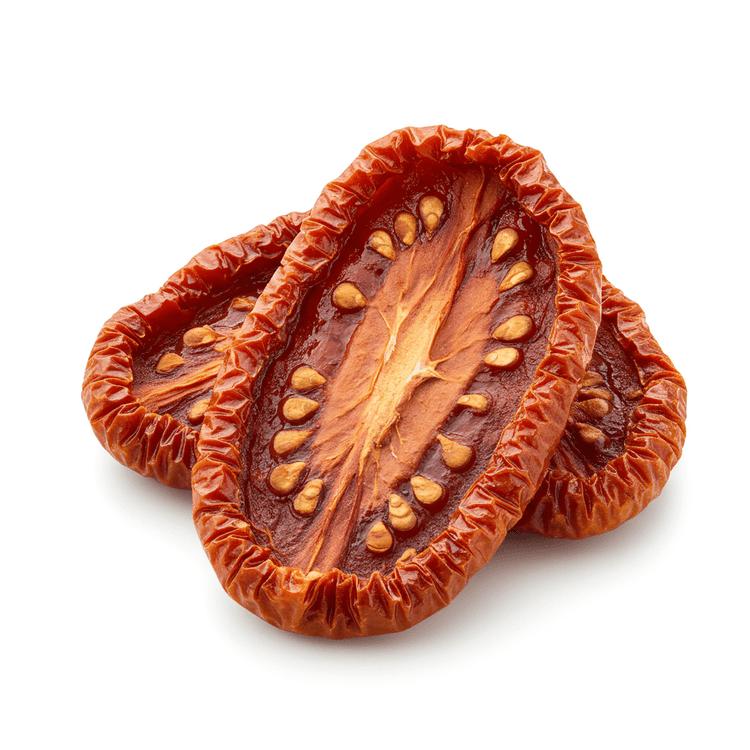
One of the key benefits of certain preserved foods lies in their potential to retain essential nutrients. Fermented foods like sauerkraut, kimchi, and yogurt are teeming with beneficial probiotics, promoting gut health and potentially boosting immunity. These microorganisms aid in digestion, enhance nutrient absorption, and may even contribute to mental well-being. Drying fruits and vegetables, such as apricots, raisins, and sun-dried tomatoes, concentrates their natural sugars, fiber, and vitamins. While drying might lead to some vitamin C loss, other nutrients like potassium and antioxidants are largely preserved. Canned tomatoes, surprisingly, are a significant source of lycopene, a powerful antioxidant linked to reduced risk of certain cancers. The canning process actually increases the bioavailability of lycopene.
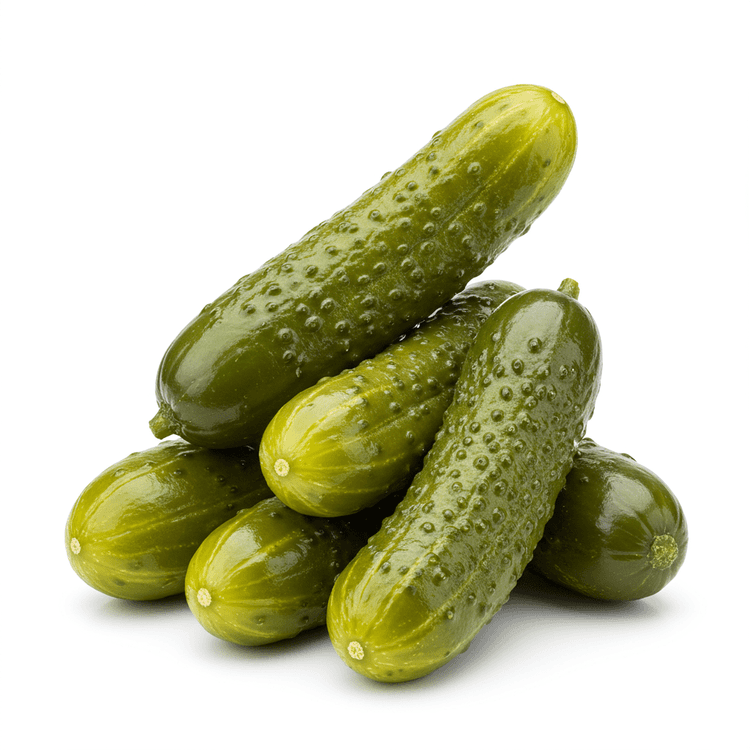
However, it's essential to be mindful of potential drawbacks. Some preservation methods involve high sodium content, as seen in cured meats like bacon and ham, and certain pickled items. Excessive sodium intake can contribute to high blood pressure and cardiovascular issues. Similarly, the pickling process often involves vinegar and sugar, which, while adding flavor, should be consumed in moderation, particularly for those managing blood sugar levels. Certain older canning methods, though rare today, could pose a risk of botulism if not properly executed. Therefore, choosing high-quality, commercially prepared canned goods from reputable sources is paramount.
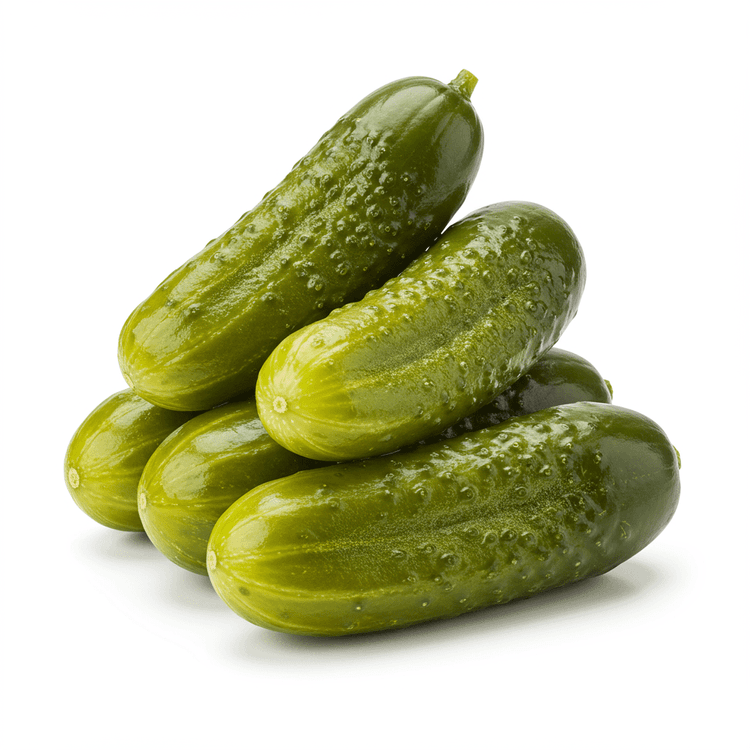
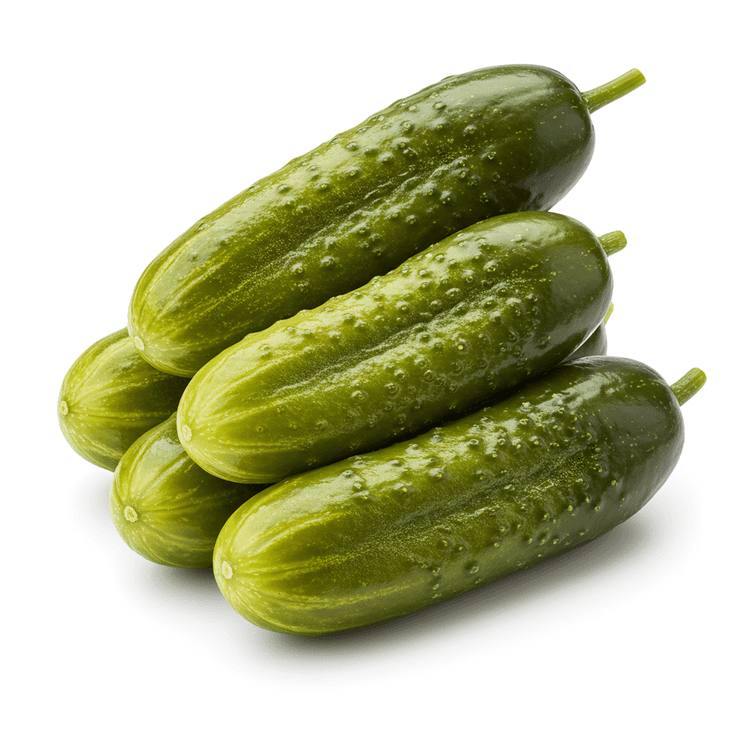
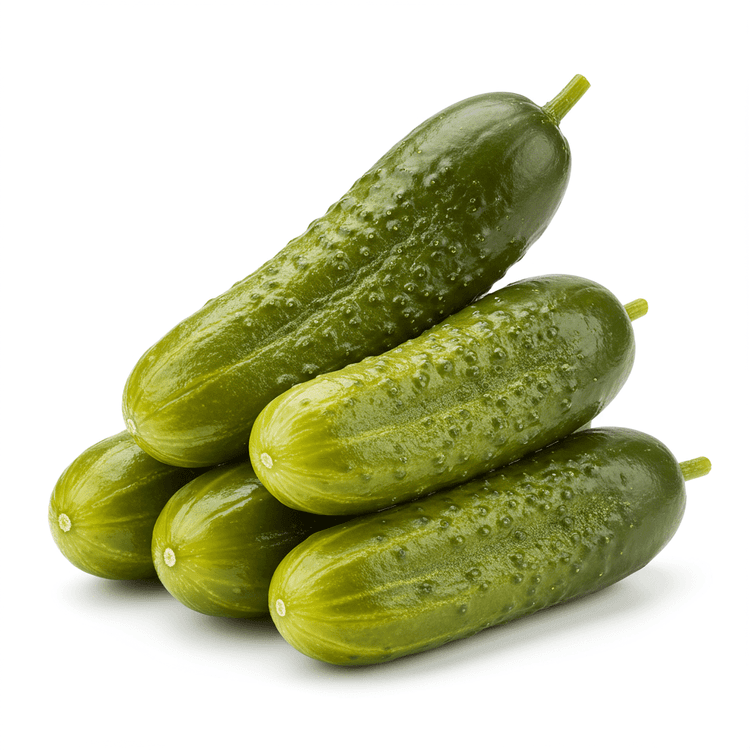
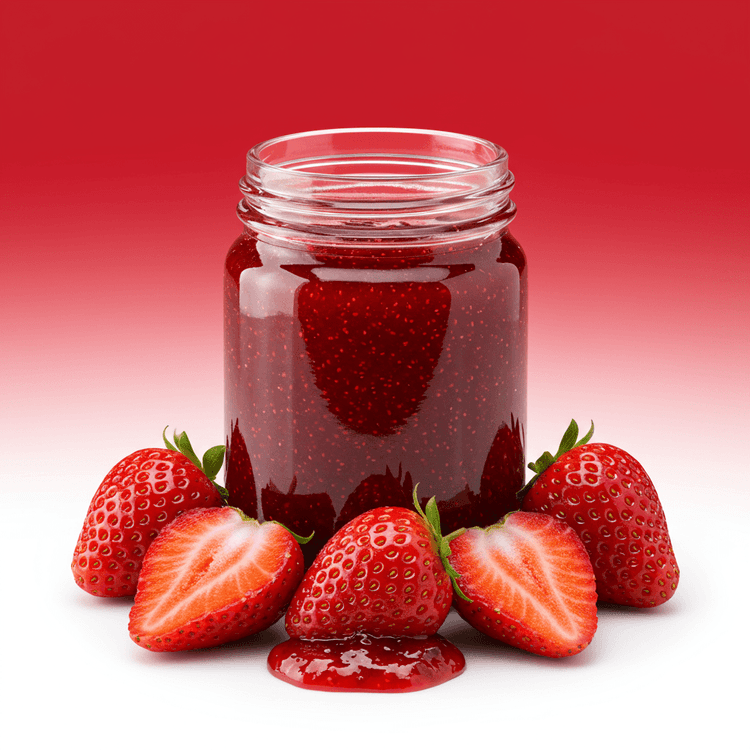
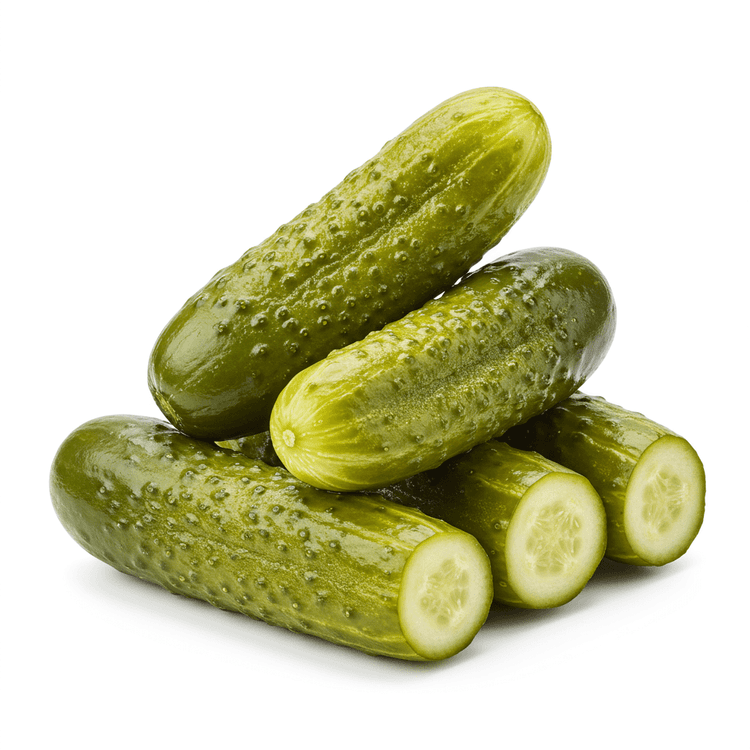
Culinary applications of preserved foods are virtually limitless. Pickled vegetables add a vibrant crunch and acidic counterpoint to salads, sandwiches, and charcuterie boards. Dried fruits contribute sweetness and chewiness to baked goods, trail mixes, and breakfast cereals. Cured meats provide a savory depth to pastas, pizzas, and appetizers. Fermented foods elevate dishes with their unique tangy flavors; kimchi brightens stir-fries, sauerkraut complements sausages, and yogurt forms the base of creamy dips and sauces. Think of sun-dried tomato pesto tossed with pasta, the umami richness of dried shiitake mushrooms in a hearty broth, or the comforting sweetness of homemade jam on freshly baked bread.
Preserved foods play an important role in a well-rounded diet when chosen and prepared thoughtfully. They provide access to diverse flavors and textures, extend the availability of seasonal produce, and can contribute valuable nutrients, particularly probiotics and concentrated vitamins in dried goods. Emphasize variety, balance sodium and sugar intake, and select reputable sources to enjoy the benefits of preserved foods as part of a healthy lifestyle. Read labels carefully, focusing on sodium content, added sugars, and preservatives. Opt for low-sodium varieties whenever possible, and balance your intake of preserved foods with plenty of fresh fruits, vegetables, and lean proteins to maintain a balanced and nutritious diet. ||
Preserved Food are an essential part of a healthy diet, providing a wide range of nutrients and health benefits. Explore our collection of preserved food ingredients.