We use cookies on this website to ensure its proper functioning and to improve the quality of our services. Cookie Policy
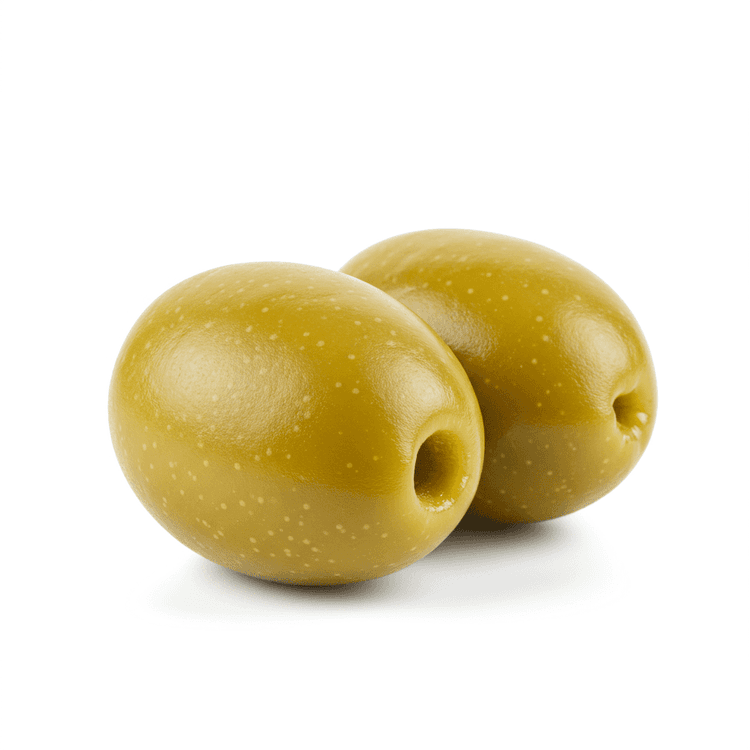
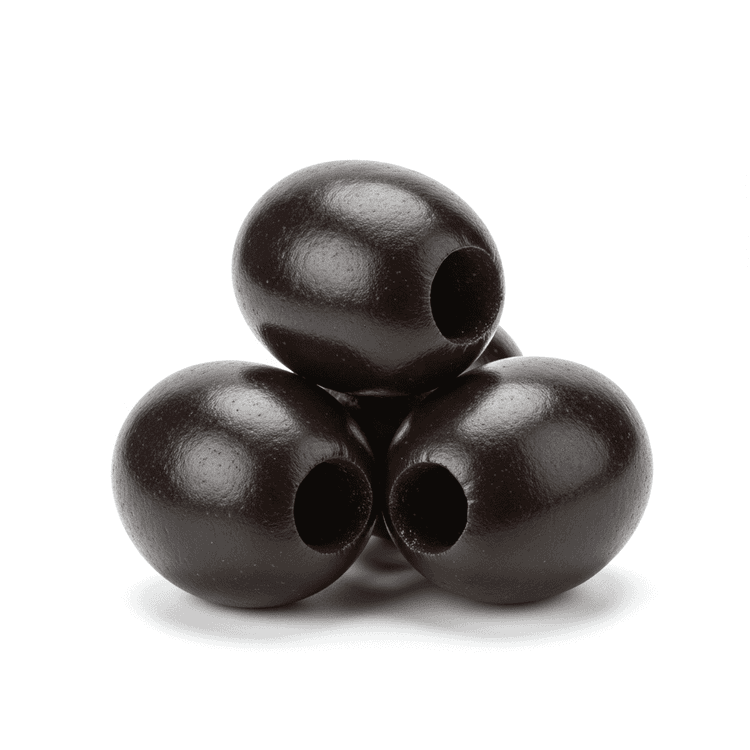
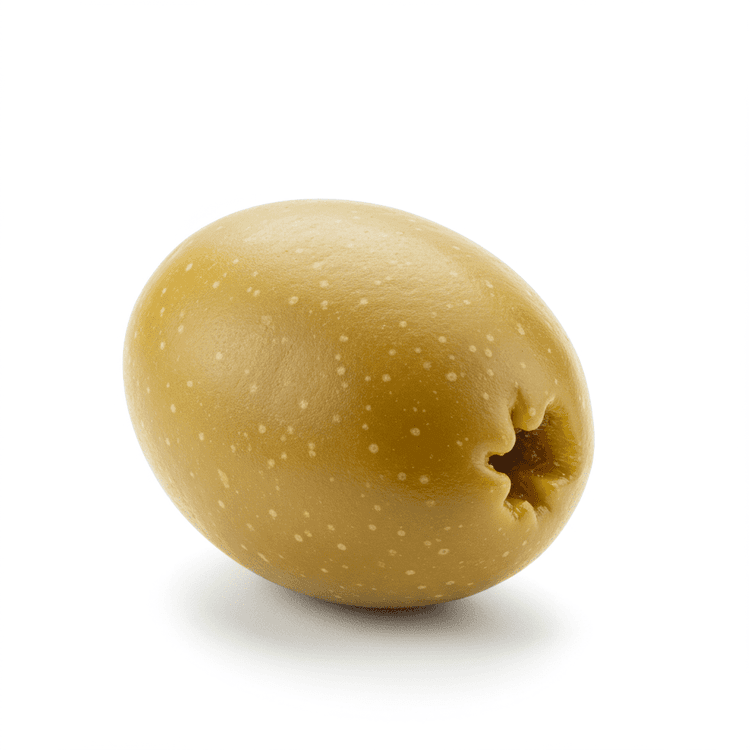
Green olives are simply olives picked before they ripen, which is why they stay firm, keep that bright green-to-yellow color, and carry a sharper, brinier bite than the softer, mellower black olives you get when the same fruit is left to darken on the tree. Straight off the branch they're far too bitter to eat, so they're cured in brine, salt, or lye to draw out that harshness, and it's the curing that gives each variety its own personality. A buttery Castelvetrano tastes almost sweet and mild, a Manzanilla leans crisp and tangy, and a Picholine brings a nutty, slightly peppery edge.
What makes them so useful in the kitchen is that meaty, snappy texture paired with a salty, savory hit that wakes up almost anything you add them to. They hold their shape when you chop them into a salad, warm them into a braise, or fold them through dough, so they season a dish and add body at the same time. Being a cured, preserved food, they also keep for a long while, which makes them the kind of pantry staple you can always reach for when a dish tastes like it needs a little something.
You'll find them whole, pitted, sliced, and stuffed with everything from pimento to almonds or garlic, and each format has its moment: whole ones for the olive bowl on the table, pitted for cooking, sliced for pizza and sandwiches. Whether you're building a charcuterie board or finishing a pot of chicken, green olives are one of those quiet ingredients that pull a whole plate together.
Save recipes from anywhere, and get answers, swaps, and help as you cook.


Available now for early access users.