We use cookies on this website to ensure its proper functioning and to improve the quality of our services. Cookie Policy

Tags and nutritional info are auto-generated and may be inaccurate. Always check the full ingredient list before cooking.


Blend the cashews, soaked almonds, melon seeds, coconut, green chillies, and water into a very smooth paste.
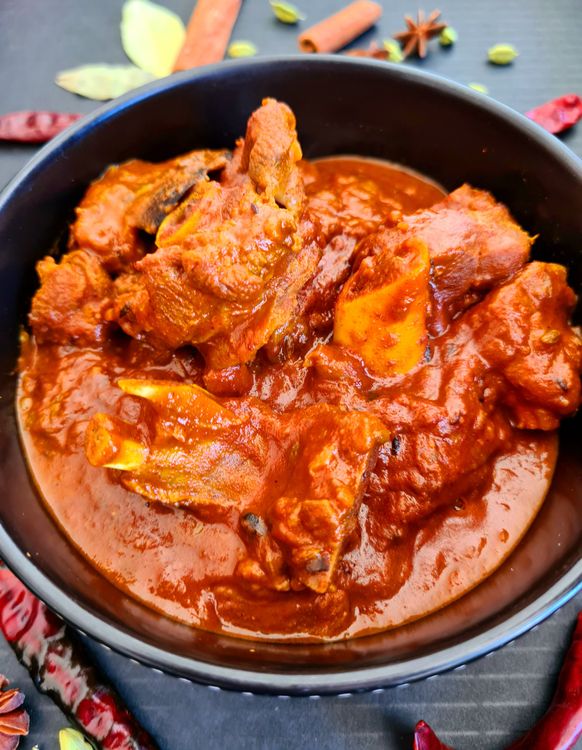
Add the chicken to a large bowl along with yogurt, ginger-garlic paste, coriander powder, roasted cumin powder, Kashmiri chilli powder, hot red chilli powder, turmeric, black pepper, 1 tsp garam masala, ½ tsp lightly crushed shah jeera, salt, lemon juice, ½ cup birista, chopped coriander, mint, half the nut paste, and 1 tbsp ghee. Mix everything well so the chicken is evenly coated. Marinate for at least 1 hour. If possible, let it sit for 2–4 hours for better flavour.
Heat 2 tbsp neutral oil and 1½ tbsp ghee in a heavy-bottomed handi. Add bay leaf, cardamom, cloves, cinnamon, and ½ tsp shah jeera. Let the whole spices bloom for around 30 seconds. Add the remaining nut paste and cook on low heat for 2–3 minutes, stirring gently. Do not let the nut paste brown too much.
Add the marinated chicken along with all of the marinade. Cook on medium heat for 6–8 minutes, turning the chicken gently. Cook only until the raw yogurt aroma disappears and the masala begins to look glossy.
Lower the heat, cover the handi, and cook for around 18–20 minutes. The chicken and yogurt will naturally release moisture, so do not add water immediately. If the masala looks too dry after 8–10 minutes, add only 80–100 ml hot water.
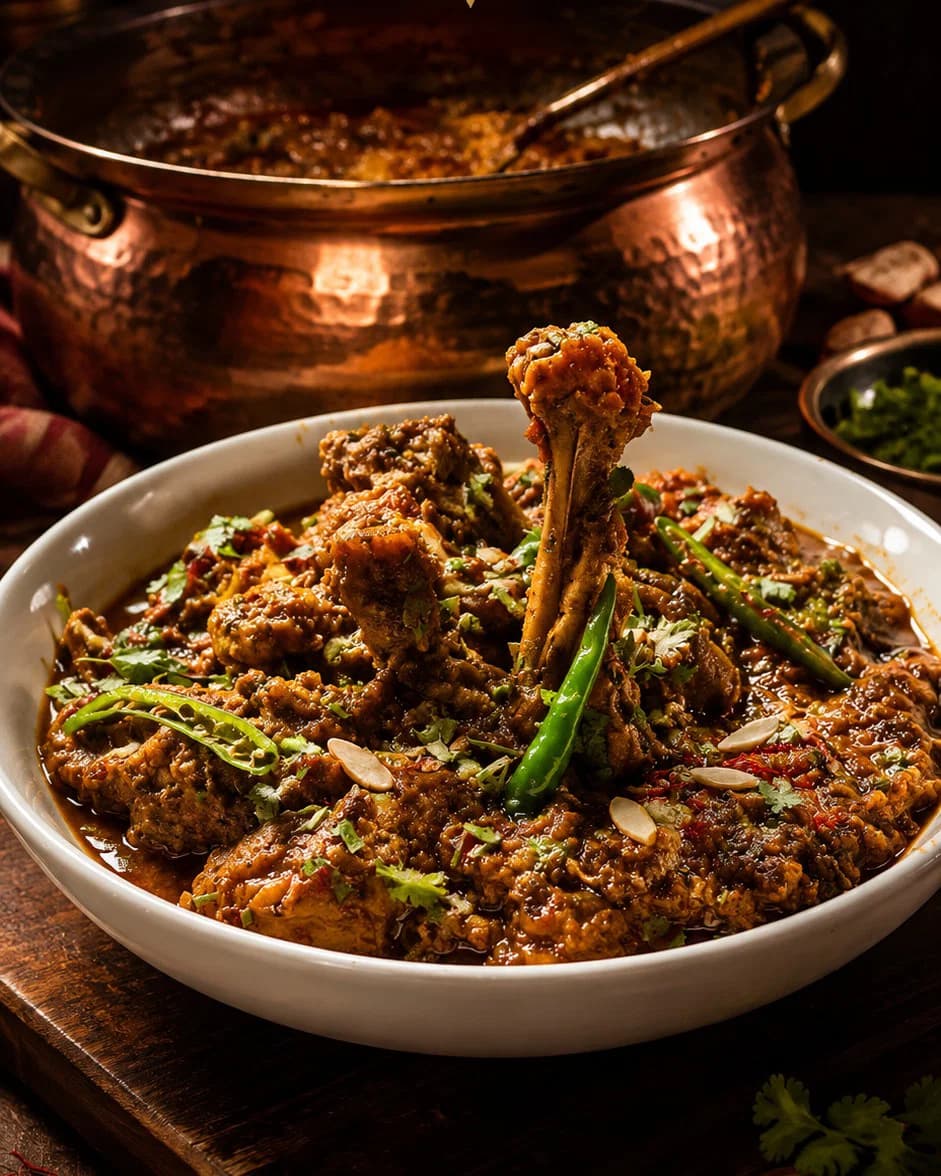
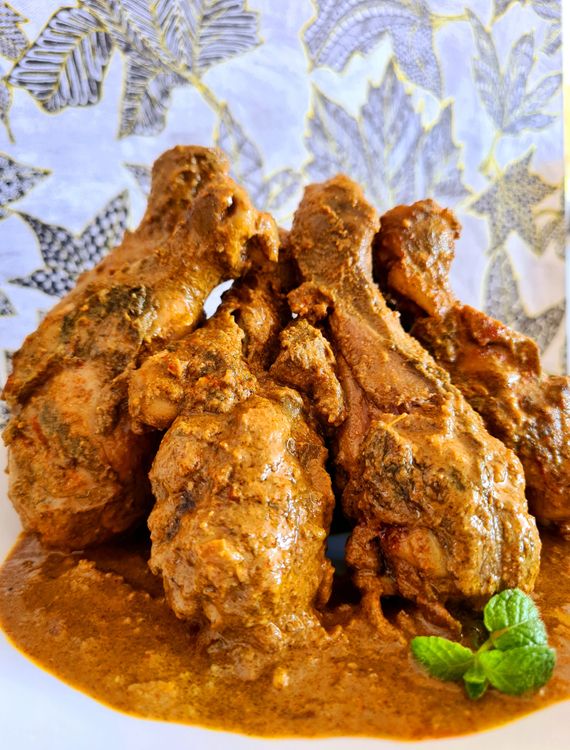
Open the handi and check the seasoning. Add the remaining birista, chopped coriander, mint, saffron soaked in warm milk, kewra water, ½ tsp garam masala, and 1 tsp ghee. Seal the handi tightly with foil and a lid. Place it over a tawa and cook on the lowest possible flame for 20–25 minutes. Switch off the heat and let it rest, still covered, for another 10 minutes before opening.
Want to keep this recipe for later? We can email it to you!
Bone-in leg and thigh work best for this recipe because they stay juicy during slow cooking and add more flavour to the gravy.
Use thick yogurt rather than watery curd, as excess moisture can make the gravy too thin.
Birista is important here because it adds sweetness, body, and depth to the masala.
Melon seeds can be replaced with a few extra cashews. Almonds, coconut, saffron, and kewra can also be skipped if unavailable, though they add more complexity to the final dish.
Cream is not required. The yogurt, nuts, and birista already give the curry enough richness.
What type of chicken is best for this recipe?
Bone-in leg and thigh work best because they stay juicy during slow cooking and add more flavour to the gravy.
Can I use regular yogurt instead of thick yogurt?
It's best to use thick yogurt to avoid excess moisture, which can make the gravy too thin.
What can I use if I don't have melon seeds?
You can replace melon seeds with a few extra cashews.
Is cream necessary for this dish?
No, cream is not required as the yogurt, nuts, and birista already provide enough richness.
How do I know when the dish is ready?
The chicken should be tender and juicy, while the gravy should be thick, glossy, and cling to the meat.
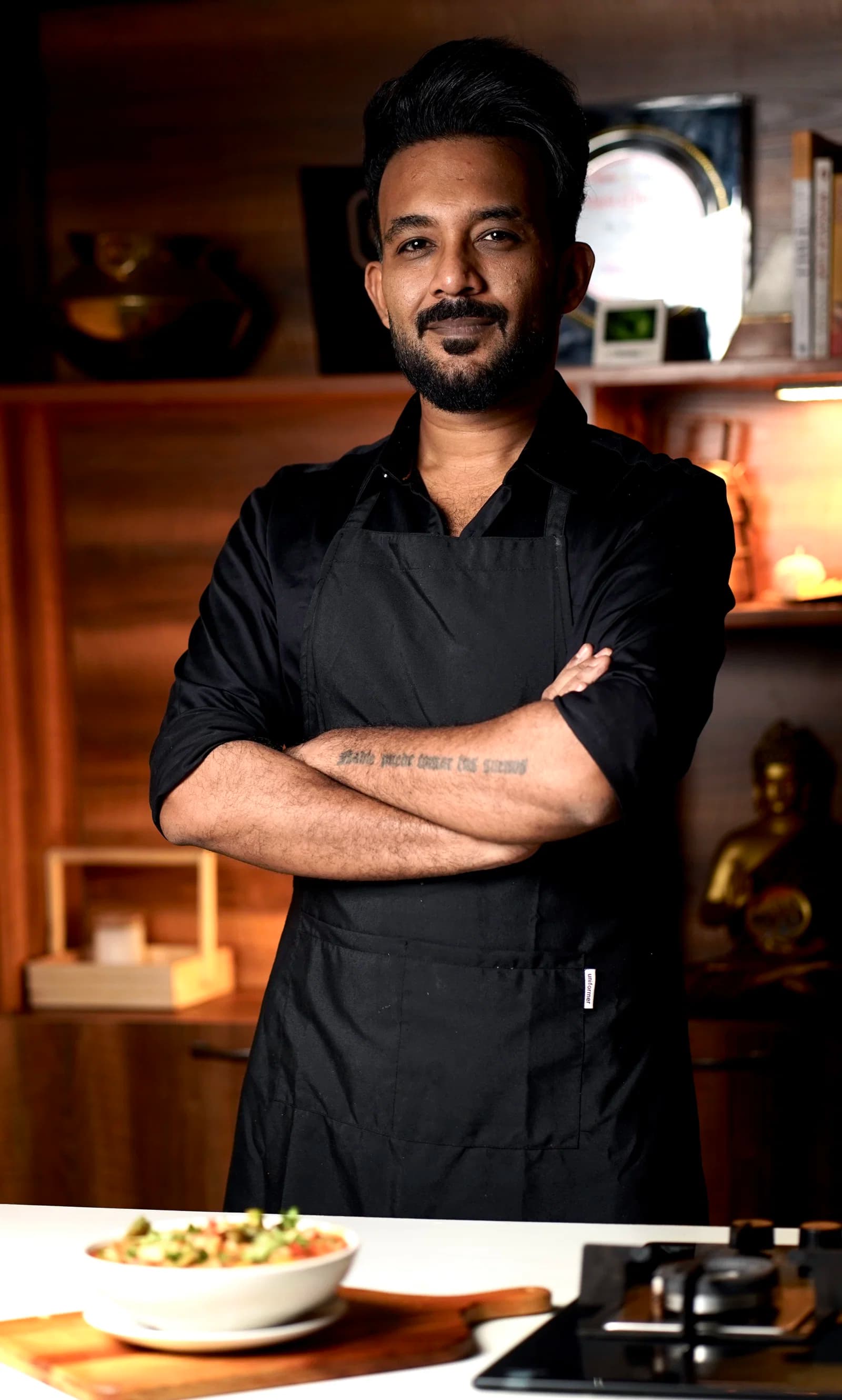
I’m Parichay, a food creator, recipe developer and the person behind Bhukkad in Town. For me, food has always been more than just a recipe. I grew up around Nepal and later made Chandigarh home, so a lot of the way I cook comes from memories, places I’ve travelled to, food I’ve eaten and the people I’ve shared it with. My cooking moves between comforting Indian food, regional recipes, street-food nostalgia and the occasional experiment that starts with, “What if we did this instead?” I love understanding why a dish tastes the way it does, simplifying it for a home kitchen, and then telling the story that made me want to cook it in the first place. Because eventually, the recipe tells you how to make the food. The story tells you why you might want to.
...