We use cookies on this website to ensure its proper functioning and to improve the quality of our services. Cookie Policy
Kewra water, also known as keora water or kewda water, is a fragrant distillate extracted from the pandanus flower (Pandanus odoratissimus). This clear, almost colorless liquid is prized in Indian and Southeast Asian cuisine for its intensely floral and sweet aroma, often described as a blend of rose and hyacinth with a subtle fruity undertone. Kewra water has a potent fragrance, so it is used sparingly to add an exotic touch to dishes and beverages. Many people search for "authentic kewra water uses" or "what does kewra water taste like" when exploring this unique ingredient. It's vital to understand the difference between kewra water and kewra essence, with the essence being a more concentrated and often artificial flavor.
If you've never smelled it before, imagine opening a bottle and getting a wave of something between roses, ripe honeydew, and warm night-blooming flowers. On the tongue it's far more delicate than the aroma suggests, which is exactly why cooks reach for it: a scant few drops perfume an entire pot of rice or a tray of syrup-soaked sweets without ever tasting soapy or perfumey. The flavor itself is barely there, more a whisper of sweetness carried on that heady floral scent. A single teaspoon is often enough for a family-sized dish, and going heavier is the most common mistake beginners make.
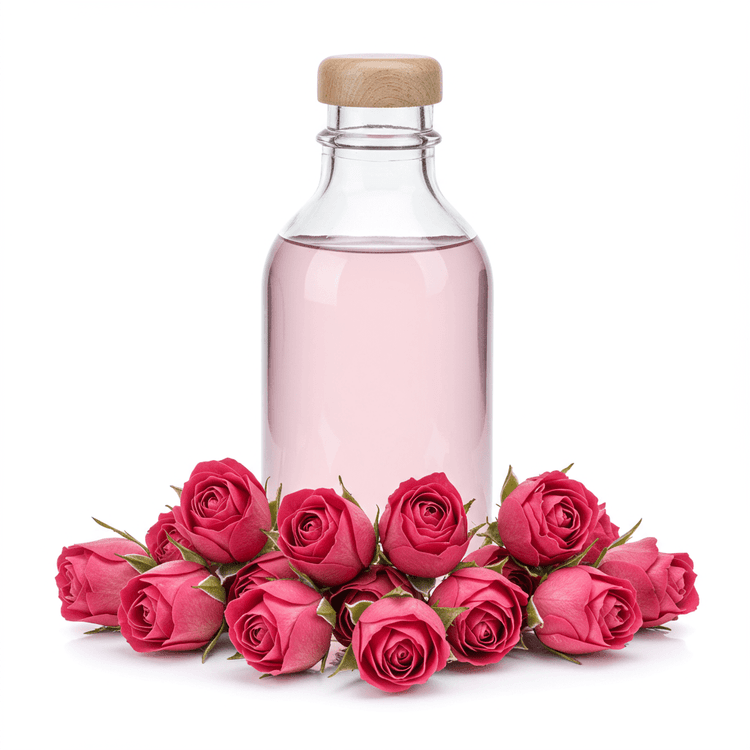
Because it's simply a flower distillate suspended in water, kewra water is naturally gluten-free, vegan, and carries essentially no calories, sugar, or carbs, which makes it a friendly flavoring for keto, low-carb, and plant-based cooking alike. It sits in the same family of aromatic distillates as rose water, and the two are often used interchangeably in the kitchen, though kewra leans greener and more tropical while rose is softer and more classically floral.

Save recipes from anywhere, and get answers, swaps, and help as you cook.


Available now for early access users.