We use cookies on this website to ensure its proper functioning and to improve the quality of our services. Cookie Policy

Tags and nutritional info are auto-generated and may be inaccurate. Always check the full ingredient list before cooking.


Clean the paya.
Heat oil or ghee in a heavy pot. Add cinnamon, cardamom, cloves, and bay leaf. Add onion and cook until golden. Stir in ginger-garlic paste, turmeric, coriander, cumin, chilli powder, and pepper.
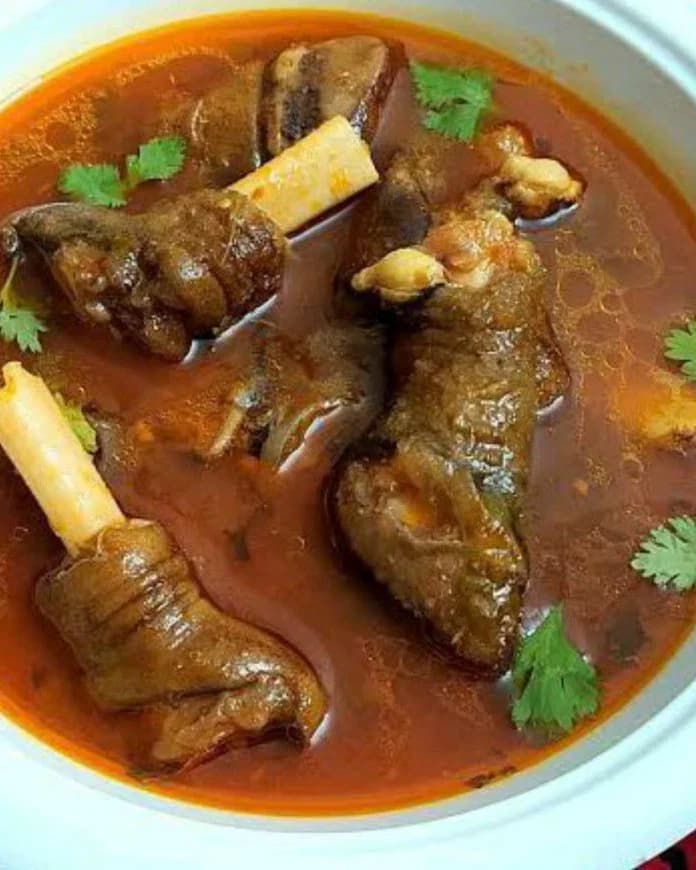
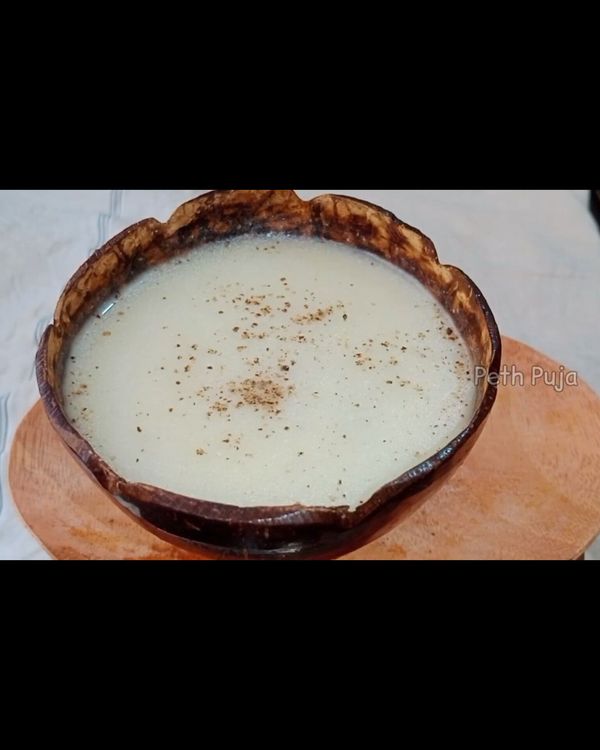
Add the paya, salt, and water. Bring to a boil, skim any foam, then cover and simmer gently for around 3–4 hours, until the trotters are very tender and the broth is rich and slightly sticky.
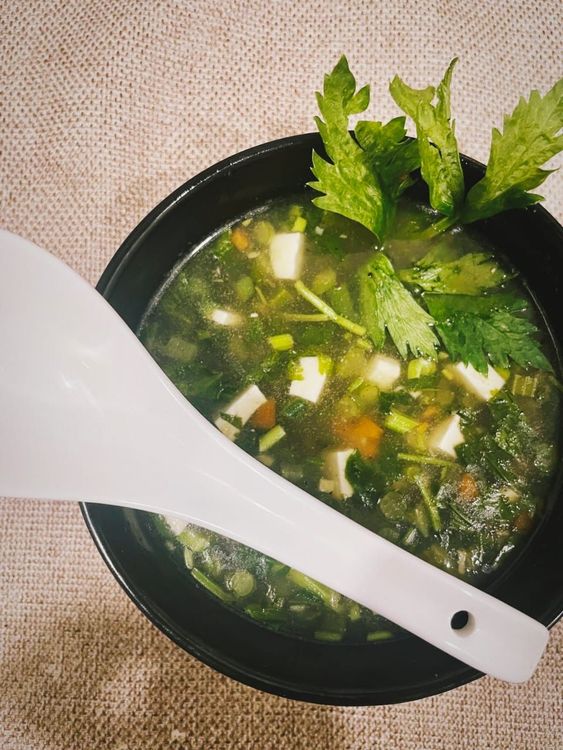
Taste and adjust salt and pepper. Add chopped coriander, mint, and sliced ginger. Finish with a squeeze of lemon and serve hot.
After preparing the masala, add the cleaned paya and 8 cups of water.
Pressure-cook for approximately 45–60 minutes, then allow the pressure to release naturally.
Check tenderness. If the paya is still firm, cook for another 10–15 minutes under pressure.
Simmer uncovered at the end if you want a thicker, richer broth.
Want to keep this recipe for later? We can email it to you!
For a rich broth: Cook slowly until the connective tissue softens and releases gelatin.
For a lighter soup: Skim excess fat from the surface before serving.
For extra warmth: Add freshly crushed black pepper and ginger just before serving.
For a traditional meal: Serve with naan, khamiri roti or soft bread.
Can I use a pressure cooker for this recipe?
Yes, you can use a pressure cooker to reduce the cooking time to 45–60 minutes.
How do I know when the paya is cooked?
The paya is cooked when the trotters are very tender and the broth is rich and slightly sticky.
What can I serve with mutton paya soup?
Serve with naan, khamiri roti, or soft bread for a traditional meal.
How can I make the broth richer?
Cook slowly until the connective tissue softens and releases gelatin.
How do I adjust the spice level?
Adjust the amount of red chilli powder to taste.
Chefspalette is a culinary artist known for her innovative fusion recipes that merge traditional flavors with modern twists. Writing for Chefadora involves exploring diverse cuisines, combining unexpected ingredients, and creating recipes that bring a fresh perspective to classic dishes. With a focus on sustainability, creativity, and flavor, Chefadora inspires readers to experiment in the kitchen and discover the joy of cooking with a sense of adventure.
...