
Top 33 Kheer Recipes: Rice, Sabudana, Payasam and Festive Puddings
Updated July 2, 2026 · Curated by Chefadora
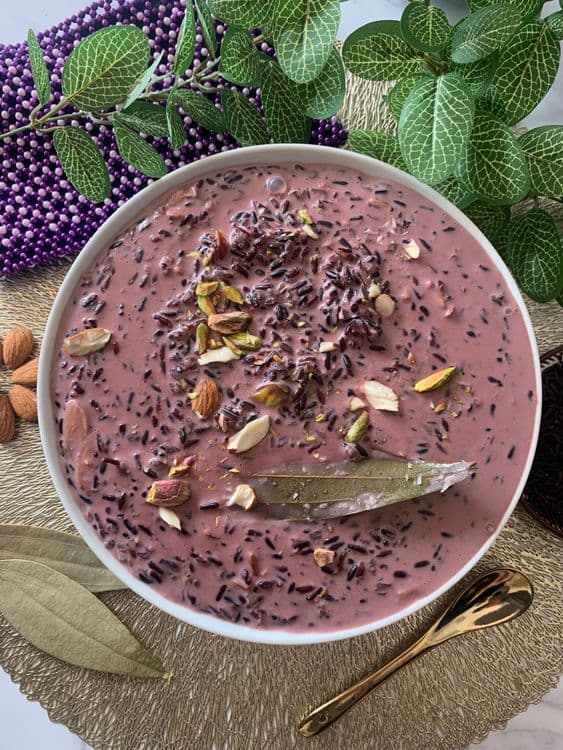
Kheer recipes cover one of the oldest and most comforting desserts in Indian cooking: milk, slow-simmered with rice, vermicelli, sago or lentils until it thickens, then sweetened and finished with cardamom, saffron and nuts. The recipes gathered here range from a classic rice kheer recipe to sabudana kheer, phirni and vegetable versions like carrot kheer, chosen to show the full range of what a milk pudding can be rather than ten takes on the same bowl.
The one thing every kheer recipe shares is time. Milk needs to reduce slowly over gentle heat, stirred often, until it thickens and takes on a faint caramel note from the sugars in the milk itself browning gently. Rush this with high heat and the milk scorches on the bottom of the pan and turns the whole pot bitter; skip the stirring and it catches just the same. Patience, more than any ingredient, is what separates a good kheer from a great one.
Below you will find four clusters: rice-based kheer in its most classic form, sabudana and vermicelli versions that cook faster and lighter, payasam and phirni styles tied to festivals across the country, and a handful of vegetable and grain kheer built on carrot, beetroot and oats. Regional names differ — payasam in the south, kheer in the north — but the technique of reducing sweetened milk stays the same throughout. A number of recipes here defy a single label entirely, sitting somewhere between two clusters, which is really a sign of how flexible the basic method is.
Use this page as a working reference for kheer recipe technique as much as a list to browse. Every recipe links through to full ingredients and method on Chefadora, and the guides below cover what actually decides whether a kheer turns out silky and rich or thin and split — how to reduce milk properly, how much rice or sago to use, when to add sugar, and how to store and reheat kheer without ruining the texture.
Classic Rice Kheer
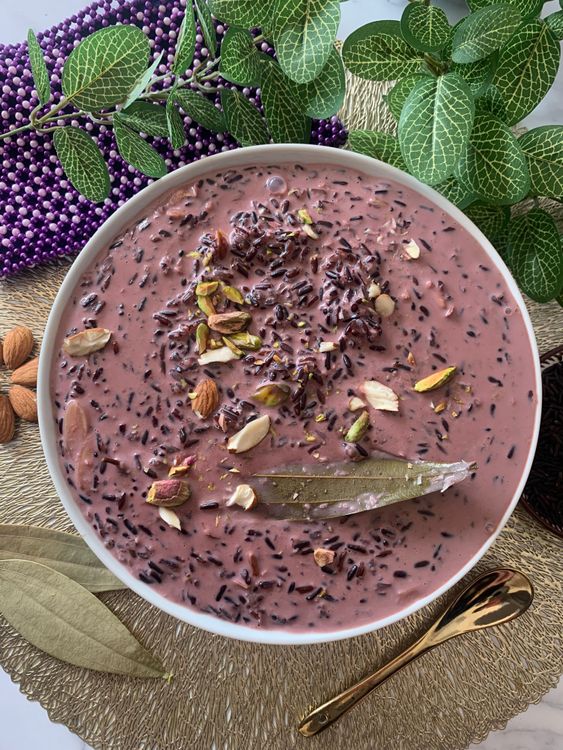
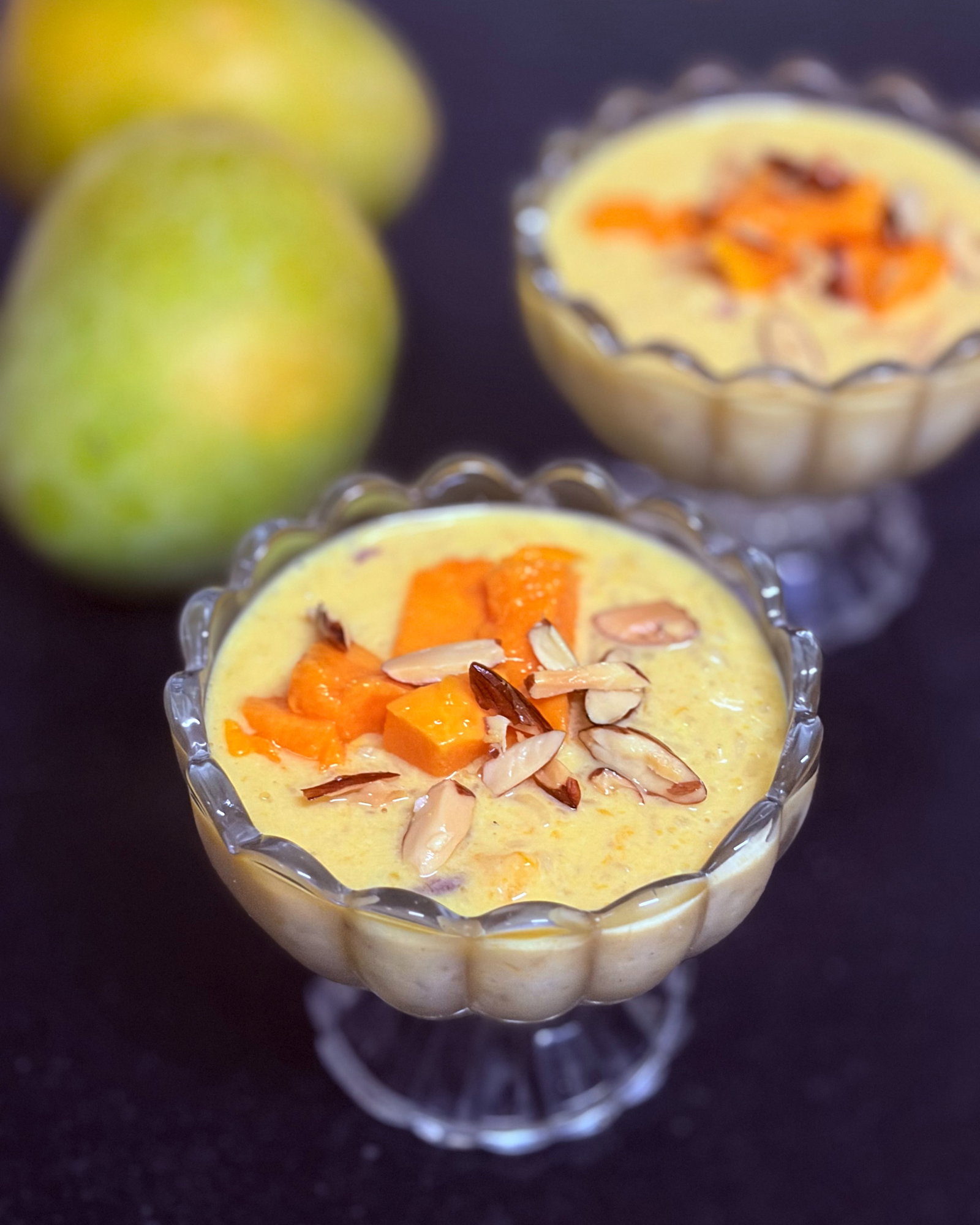
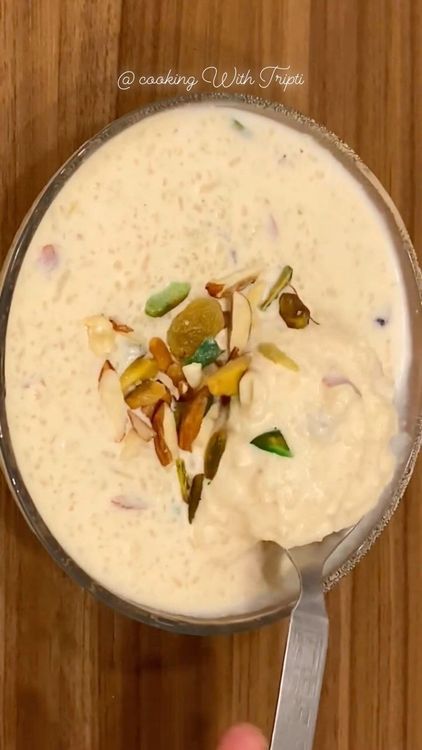
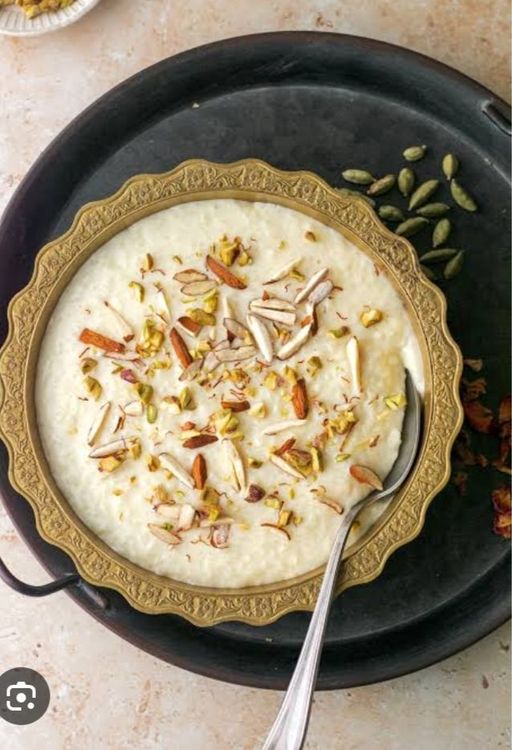
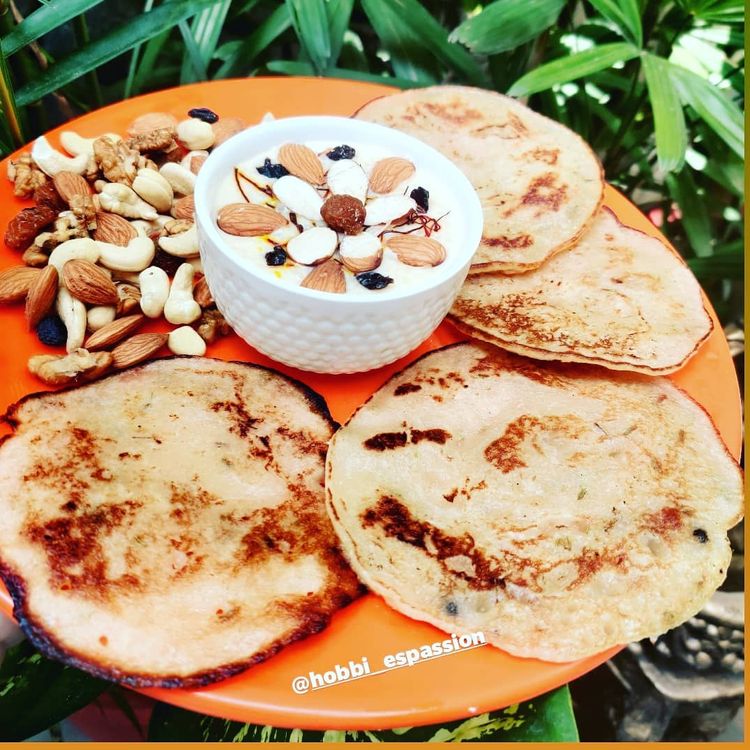
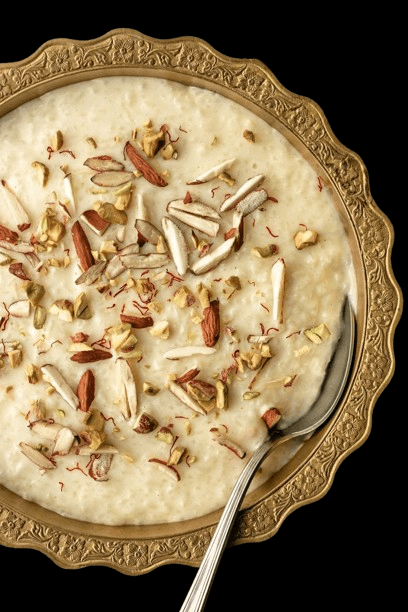
Rice kheer is the version most people picture when they hear the word kheer: milk simmered slowly with rice until the starch it releases naturally thickens the pudding into something silky and clingy, then sweetened and finished with cardamom, saffron and nuts. Short-grain or broken rice gives the most classic texture, releasing starch steadily as it softens, while basmati produces a lighter, slightly looser pudding that some households prefer. The technique is straightforward but unforgiving of impatience — the rice needs a long, low simmer in milk rather than water, which takes considerably longer than cooking rice conventionally, and stirring regularly is what prevents it catching on the base of the pan. Soaking the rice for twenty to thirty minutes beforehand shortens the cooking time noticeably and gives a smoother final texture. Rice kheer variations abound, from a plain, unadorned bowl finished with just cardamom to versions folded through with mango pulp or topped with crushed malpua for a festive presentation, but the underlying method of reducing sweetened, rice-thickened milk stays constant across all of them. Standouts here include Chak Hao Kheer (Black Rice Pudding) and Creamy Mango Kheer (Mango Rice Pudding), plus Creamy Rice Kheer.

- Indian
- Vegetarian
- Dessert
- Vegetarian
- Dessert

- Indian
- Vegetarian
- Dessert
- Indian
- Vegetarian
- Dessert

- Indian
- Vegetarian
- Dessert
- Indian
- Vegetarian
- Dessert

- Indian
- Vegetarian
- Dessert
Sabudana & Vermicelli Kheer
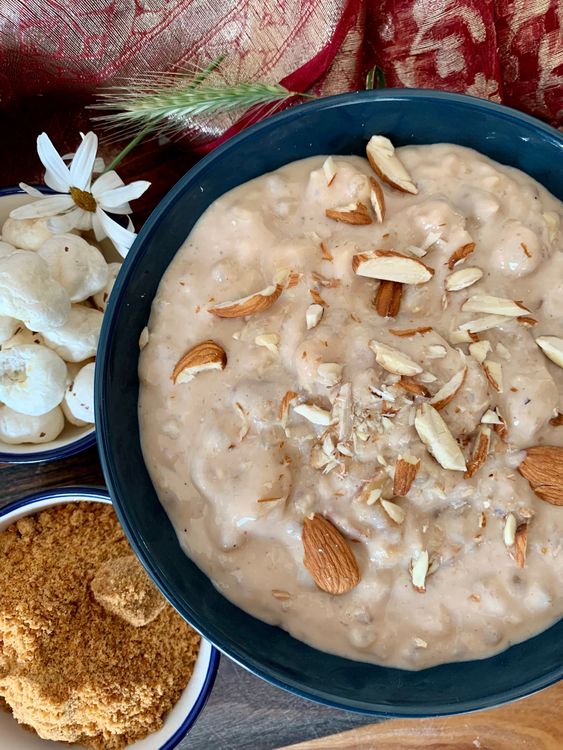
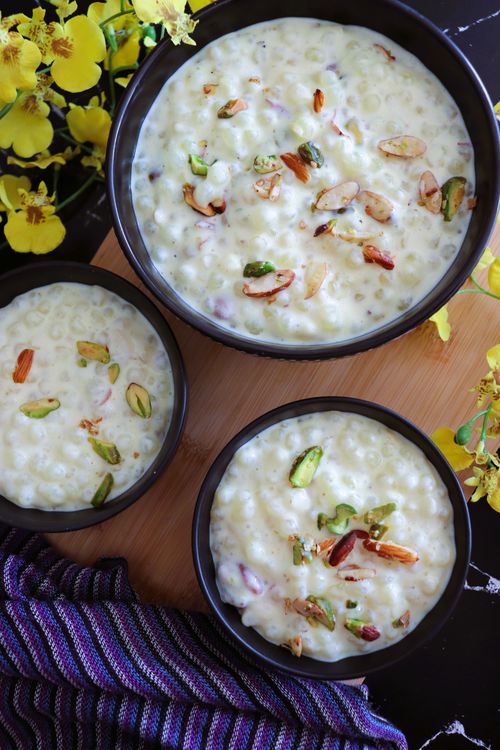
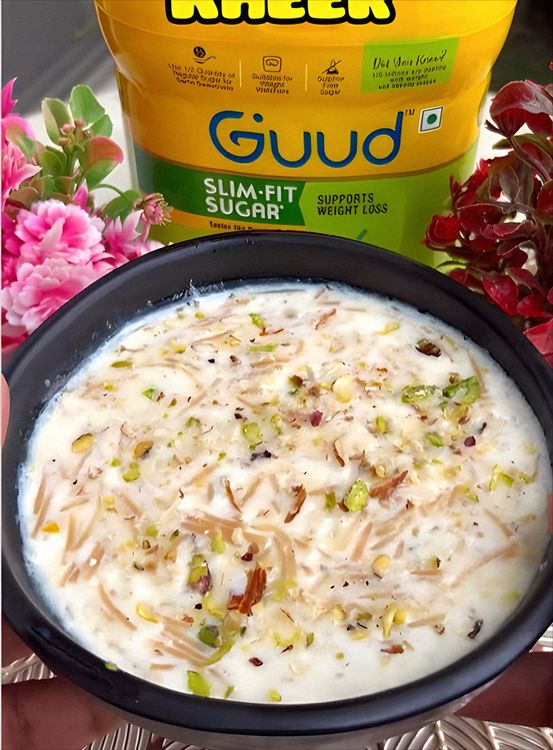
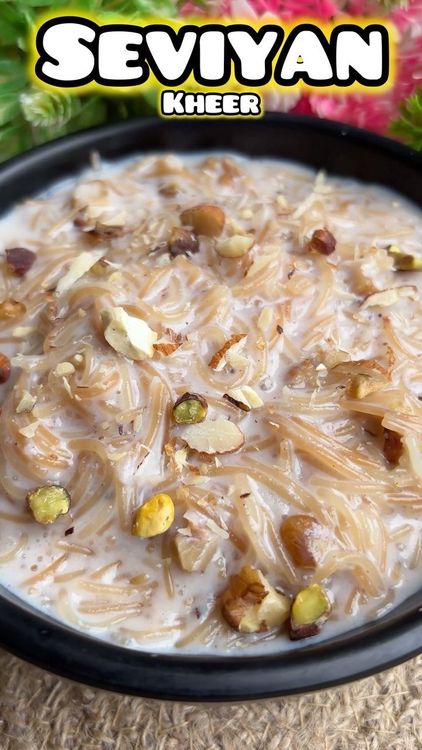
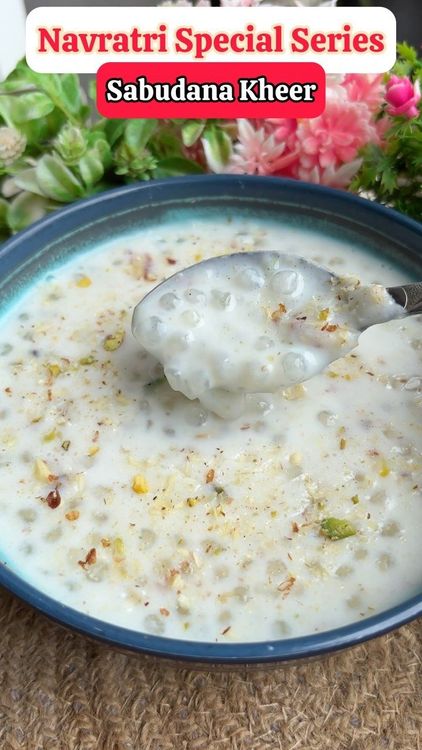
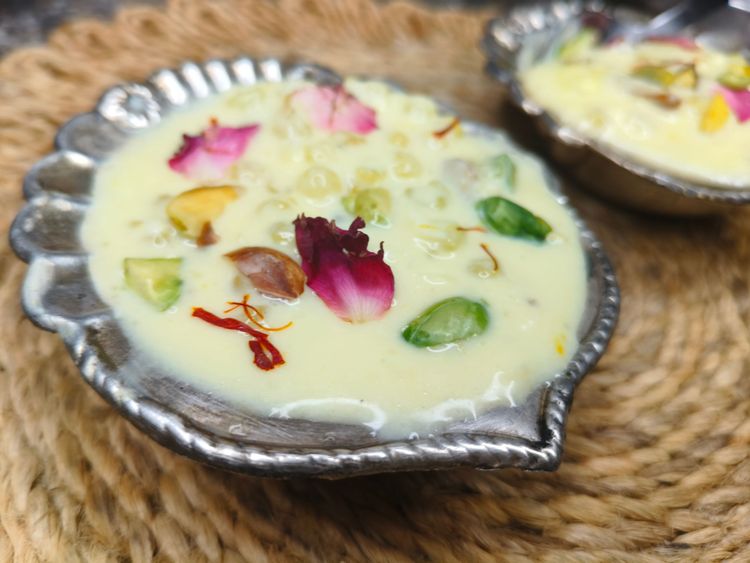
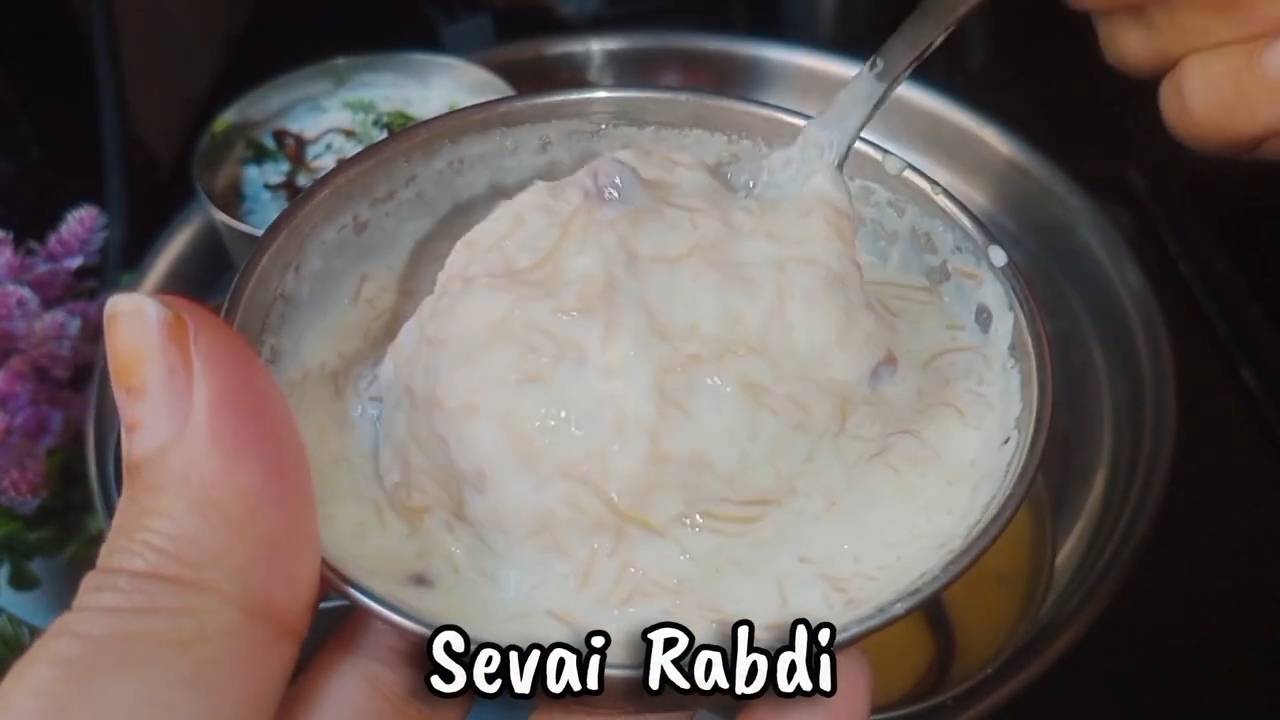
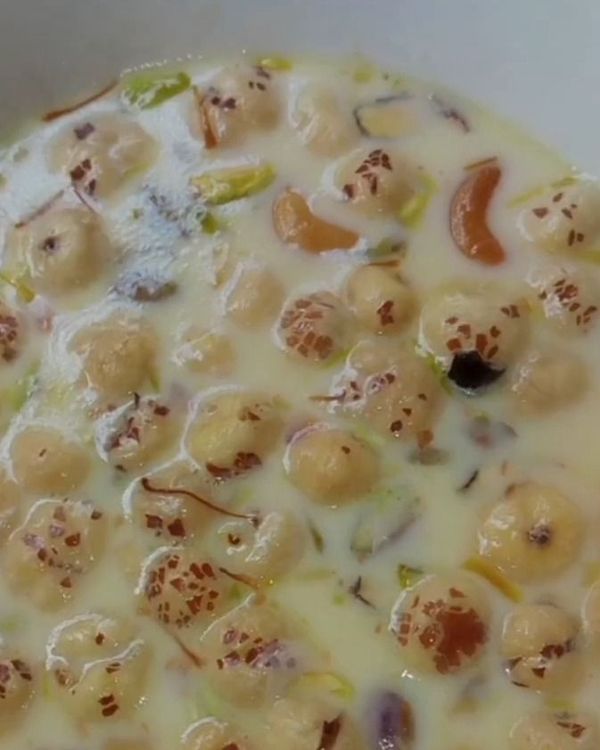
Sabudana and vermicelli kheer trade the long simmer of a rice-based pudding for something faster and lighter, without giving up any of the comfort. Sago pearls need a short soak in water until they turn translucent, after which they cook and thicken quickly once added to hot milk, making sabudana kheer a good choice when you want something ready in well under an hour. Vermicelli, seviyan and semiya kheer are quicker still — a brief roast in ghee before the milk goes in brings out a nutty flavour and firms the strands so they hold their shape rather than turning mushy, and then just ten to fifteen minutes of simmering finishes the dish. Makhana (fox nut) is sometimes paired with sabudana for extra body and a subtly different, slightly spongy bite. Both sago and vermicelli kheer are common fasting-day and festival foods across India precisely because they come together quickly without sacrificing the rich, milky character that makes kheer what it is, and they are a reliable weeknight option when a full rice kheer feels like too much of a project. Standouts here include Makhana Sabudana Kheer (Lotus Seed & Tapioca Pudding) and Sabudana Kheer (Creamy Sago Pudding) , plus Desi Ghee Me Bhuni Hui Seviyan Kheer.
- Indian
- Vegetarian
- Dessert
- Indian
- Vegetarian
- Dessert

- North Indian
- Vegetarian
- Dessert
- Indian
- Vegetarian
- Dessert
- Indian
- Vegetarian
- Dessert
- Indian
- Vegetarian
- Breakfast

- Indian
- Vegetarian
- Dessert

- Indian
- Vegetarian
- Dessert
- Indian
- Vegetarian
- Snack
- Indian
- Vegetarian
- Dessert

- Indian
- Vegetarian
- Dessert
Payasam, Phirni & Festival Kheer
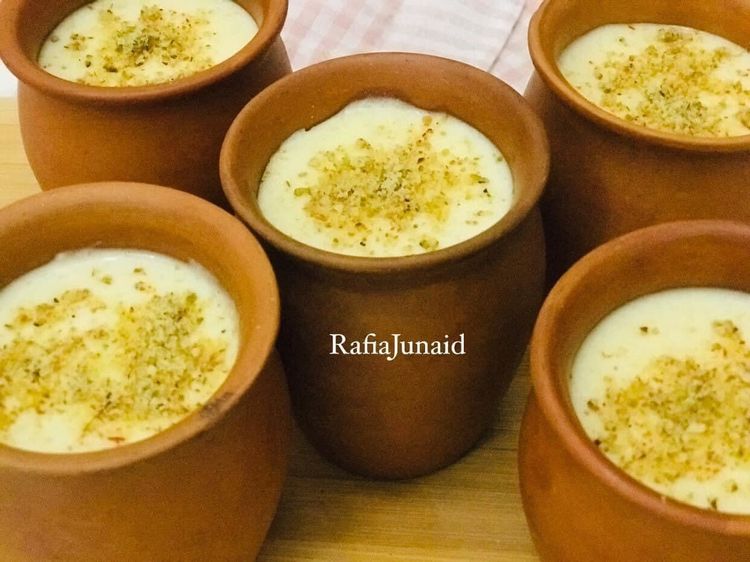
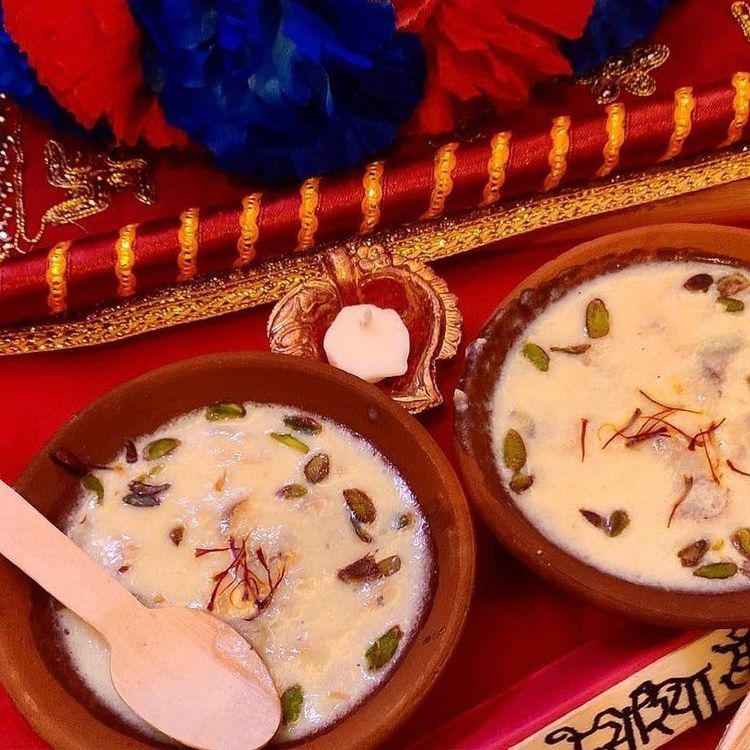
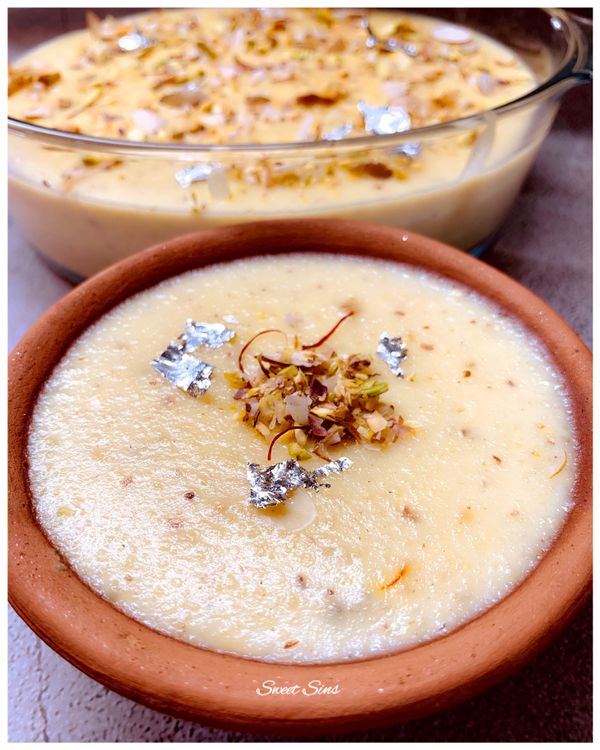
Payasam and phirni are regional cousins of kheer, sharing the same core idea of a sweetened, slow-cooked milk pudding while diverging in ingredients and presentation. South Indian payasam often leans on coconut milk, jaggery or moong dal alongside or instead of plain dairy milk and sugar, giving it a deeper, more caramelised flavour than a straightforward rice kheer. Phirni takes a different route entirely: rice is ground to a coarse paste rather than cooked whole, which thickens the milk into something closer to a set pudding, traditionally poured into shallow earthenware bowls and chilled until firm, with saffron giving it its signature pale gold colour. Many of these recipes are tied to specific festivals and occasions — a particular kheer for a full moon celebration, a payasam for a temple offering — which is part of why the flavours and textures vary so much within what looks, at a glance, like the same category of dessert. Cooking these well means paying attention to the specific base, since ground rice, coconut milk and moong dal all behave differently in a pan than whole grains of rice do. Standouts here include Sharad Poornima Special Kheer and Temple Style Kheer / Payasam, plus Custard Apple Payasam - Sitaphal Kheer.
- Indian
- Vegetarian
- Dessert
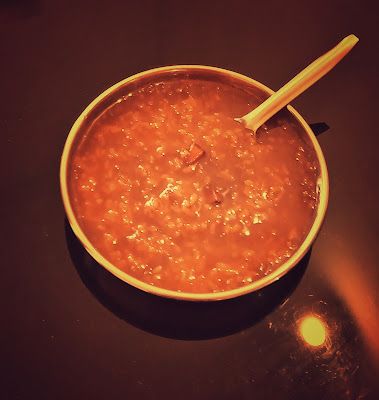
- Indian
- Vegetarian
- Dessert
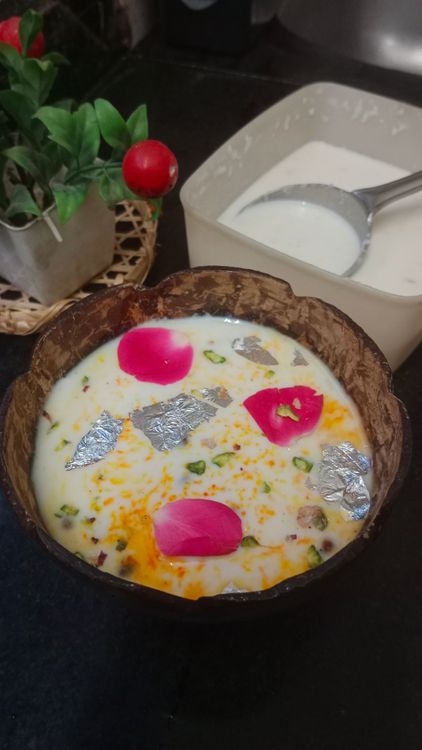
- Indian
- Vegetarian
- Dessert
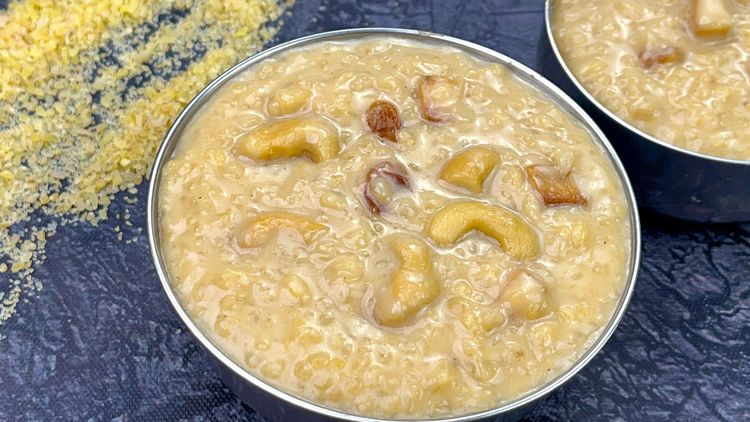

- South Indian
- Vegetarian
- Breakfast

- Indian
- Vegetarian
- Dessert
Carrot, Beetroot & Oats Kheer
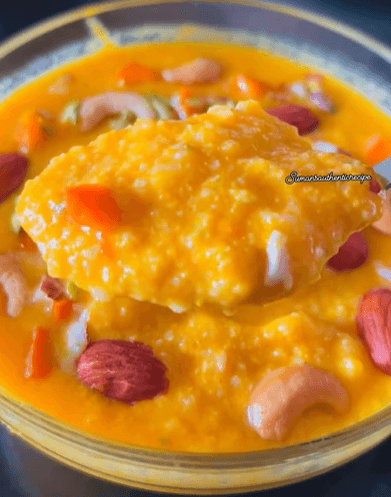
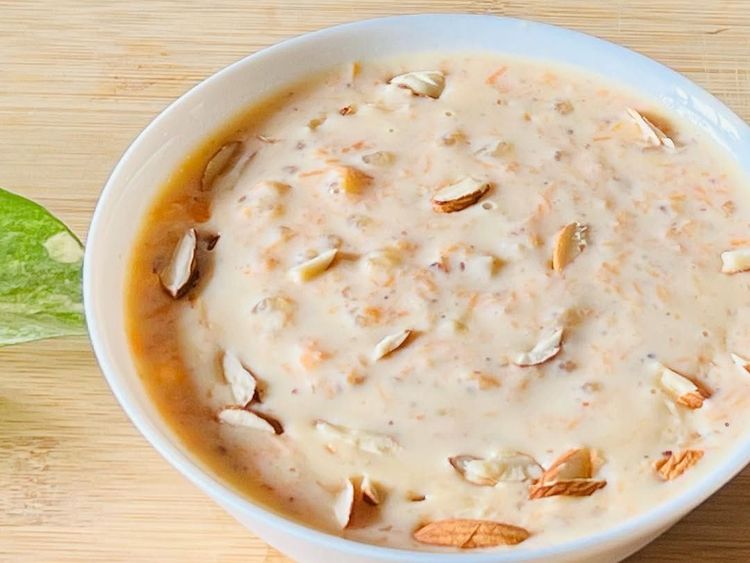
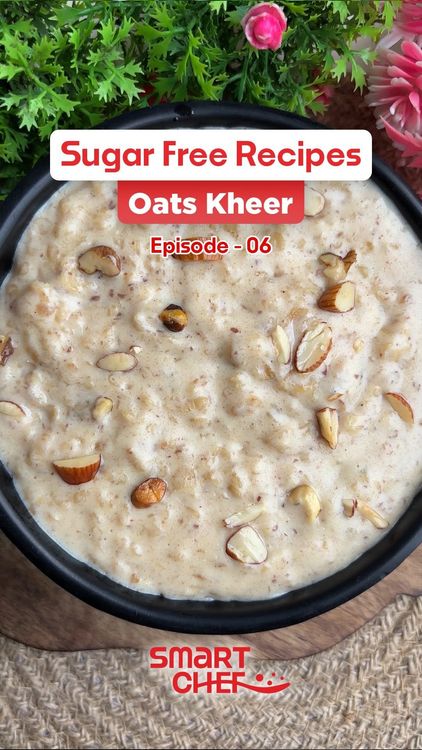
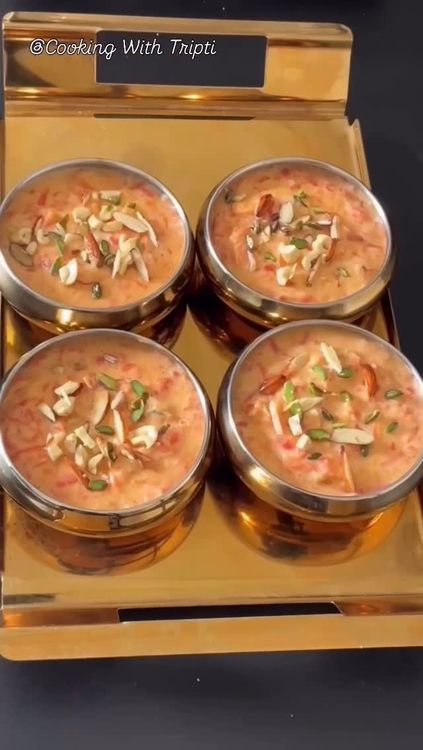
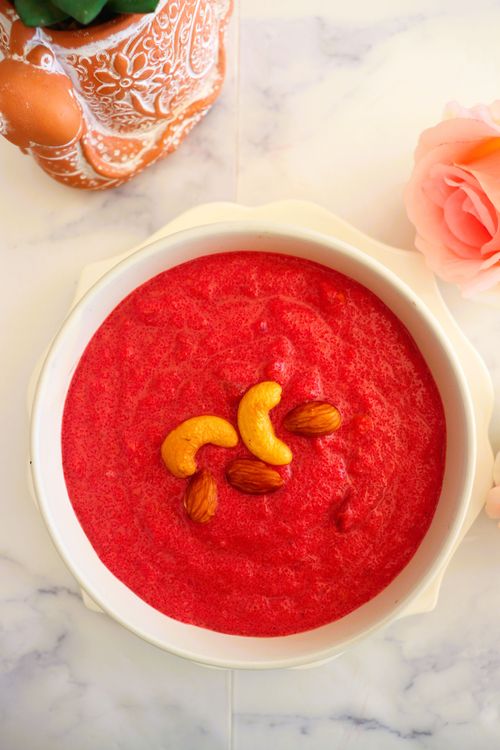
Carrot, beetroot and oats kheer take the same reduced-milk technique used for rice kheer and apply it to a base of grated vegetables or rolled oats instead, giving a lighter, faster pudding with its own natural sweetness and colour. Grated carrot cooked down in milk turns the whole pot a warm orange and needs less added sugar than a plain rice kheer, since the vegetable itself is naturally sweet once softened; beetroot behaves similarly but with an even more striking colour and an earthier flavour that pairs well with cardamom. Oats kheer swaps in rolled or quick oats for rice, cooking considerably faster and giving a slightly different, less clingy texture that some cooks find easier to digest. These versions are popular as a way to work a vegetable or whole grain into a dessert that still reads as a treat, and they are often the kheer recipe of choice for baby food, school lunchboxes or a lighter everyday sweet rather than only festival occasions. The technique still rewards patience — cook the vegetable or oats down properly in the milk before judging sweetness or thickness. Standouts here include Oats Kheer and Carrot Kheer, plus Suji Beetroot Kheer.
- Indian
- Vegetarian
- Dessert
- Indian
- Vegetarian
- Dessert
- Indian
- Vegetarian
- Dessert
- Indian
- Vegetarian
- Dessert
More Kheer Favourites
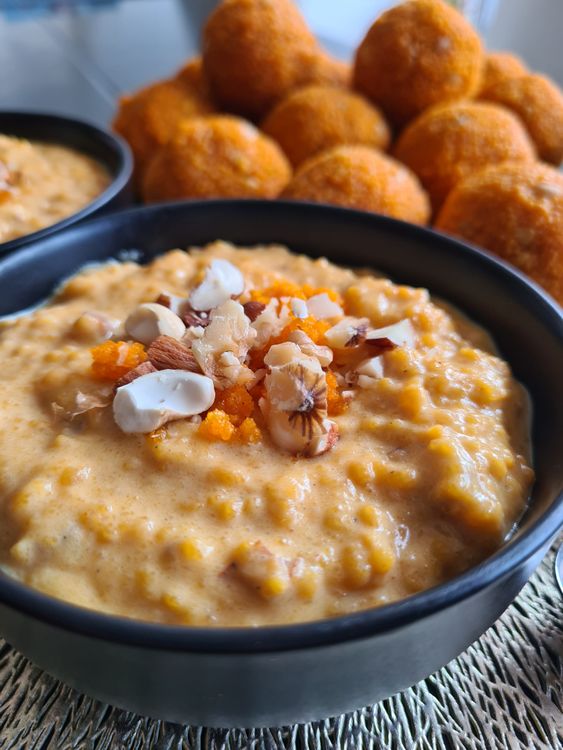
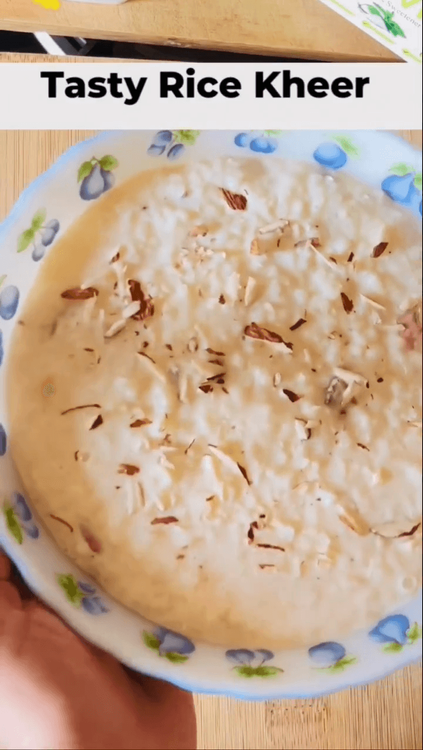
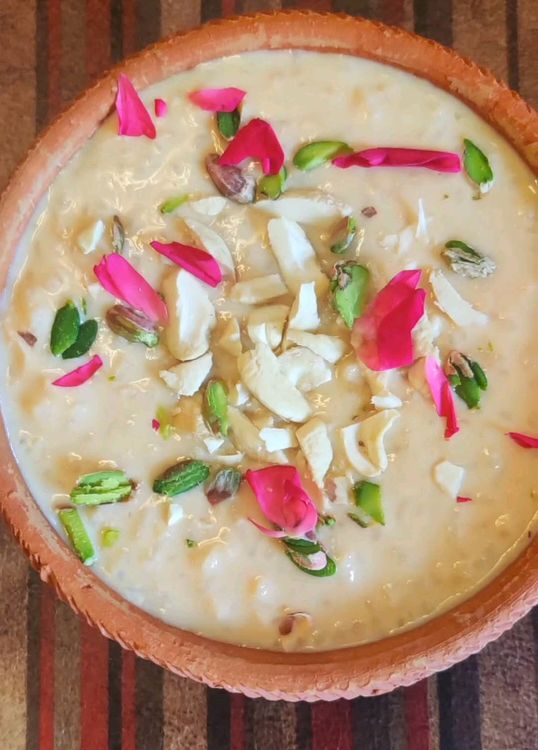
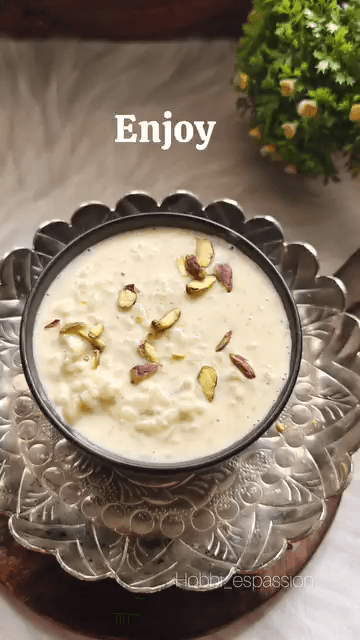
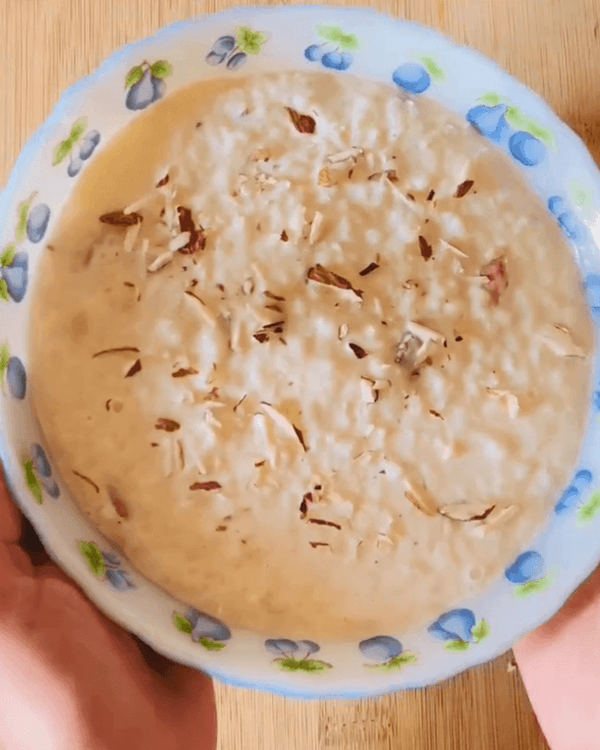
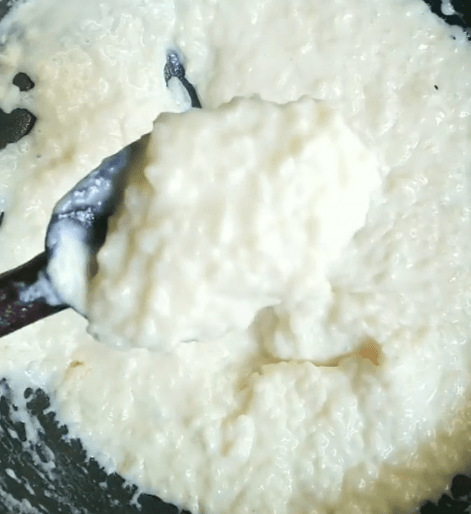
A few more dishes worth a place in your rotation — same techniques, different results. Standouts here include Motichoor Ladoo Ki Kheer (Pudding) and Kheer, plus Kheer.
- Indian
- Vegetarian
- Dessert
- Indian
- Vegetarian
- Dessert
- Indian
- Vegetarian
- Dessert
- Indian
- Vegetarian
- Dessert
- Indian
- Vegetarian
- Dessert

- Indian
- Vegetarian
- Dessert
Reducing Milk Without Scorching or Splitting
A heavy-bottomed, wide pan is non-negotiable for kheer — it gives the milk more surface area to reduce evenly and stops it from catching on a thin base. Bring the milk to a gentle boil first, then drop the heat to low or medium-low for the long simmer that follows; kheer is not a dish to rush on high heat, no matter how tempting it is to speed things along.
Stir every few minutes, scraping the base and sides of the pan, and let the milk reduce slowly until it visibly thickens and coats the back of a spoon. This can take thirty to forty-five minutes depending on the pan and the flame, and the milk will reduce by roughly a third to a half before it reaches the right consistency. Skimming the cream that forms on top back into the pot, rather than discarding it, adds richness.
If the milk threatens to boil over, lower the heat immediately rather than removing the pan, since kheer needs continuous gentle heat to concentrate properly. A splash of milk stirred in at the end if the kheer over-reduces will loosen it back to the right pouring consistency — kheer also thickens further as it cools, so pull it off the heat slightly looser than you want the final texture.
Choosing and Cooking Your Base: Rice, Sago or Vermicelli
Rice kheer traditionally uses a short-grain or broken rice, soaked briefly and simmered directly in the milk so the starch it releases naturally thickens the pudding as it cooks; basmati works too but gives a lighter, less clingy texture. Sabudana (sago) needs a short soak in water first so the pearls turn translucent, then a shorter simmer than rice since it cooks and thickens quickly once added to hot milk.
Vermicelli and seviyan take the least time of all — a quick roast in ghee before the milk goes in gives a nutty flavour and stops the strands turning mushy, then just ten to fifteen minutes of simmering is enough. Whichever base you choose, add it to milk that is already hot rather than cold, and stir in the first few minutes to stop it clumping or settling at the bottom and scorching.
Grain and vegetable kheer, like carrot or beetroot kheer, work a little differently: the vegetable is typically grated and cooked down in the milk itself or sautéed briefly first, which both softens it and lets its natural sugars mellow into the pudding. These versions cook faster than rice kheer since there is no starch to fully hydrate, so watch them closely once the milk starts to thicken.
Sweetening, Spicing and Finishing
Add sugar only once your base has mostly softened and the milk has started to thicken — sugar added too early can slow down rice or sago from cooking through properly, since it competes for the water they need to soften. Taste and adjust at the end rather than guessing at the start, since reduced milk is naturally sweeter than you might expect.
Cardamom, saffron and a small pinch of salt are the backbone of most kheer's flavour — bloom saffron in a spoonful of warm milk before adding it so the colour and aroma spread evenly rather than sitting in one spot. Ground or crushed cardamom stirred in near the end keeps its fragrance brighter than if it simmers the whole time.
Finish with a scatter of chopped nuts — almonds, pistachios or cashews — fried briefly in ghee until golden, which adds both crunch and a toasted flavour that plain raw nuts cannot match. A few strands of saffron and a light dusting of extra cardamom on top just before serving make even a simple kheer look and taste considerably more festive.
Storage, Reheating and Make-Ahead Tips
Kheer keeps well in the fridge for three to four days in an airtight container, and in fact many cooks prefer it a day old, once the flavours have had time to settle and deepen. It will thicken considerably as it chills, since the starch continues to set, so do not judge the final texture straight out of the fridge.
Reheat gently on the stovetop over low heat, stirring in a splash of warm milk to loosen it back to a pourable consistency rather than trying to microwave it straight from cold, which tends to heat unevenly and can split a rich, nut-based kheer. Add any fresh fruit or nut garnish only at serving time so it stays crisp rather than going soft in the fridge.
Kheer can be served warm or chilled depending on the season and the specific style — phirni is traditionally served cold and set in earthenware bowls, while a classic rice kheer is equally good either way. For a make-ahead festival dessert, cook the base a day in advance and add any final garnish of nuts and saffron just before it goes to the table.
Pro Tips from the Test Kitchen
- Use a wide, heavy-bottomed pan so the milk reduces evenly instead of scorching on a thin base.
- Add sugar only after your rice, sago or vermicelli has mostly softened — early sugar slows down cooking.
- Bloom saffron in a spoonful of warm milk before stirring it in for even colour and aroma.
- Fry your nut garnish briefly in ghee until golden for a toasted crunch that raw nuts cannot match.
- Stir kheer every few minutes during the simmer and scrape the base to stop it catching.
- Soak sago pearls until translucent before adding them, or they will stay chalky in the finished kheer.
- Roast vermicelli or seviyan in ghee before adding milk — it stops the strands turning mushy.
- Pull kheer off the heat slightly looser than you want the final texture; it thickens further as it cools.
- Reheat leftover kheer gently on the stove with a splash of milk rather than microwaving it straight from the fridge.
- Let kheer rest a few hours or overnight before serving when possible — the flavour deepens noticeably.
Frequently Asked Questions
Why does my kheer turn out watery?
Watery kheer usually means the milk was not reduced for long enough, or too much rice, sago or vermicelli was omitted for the amount of liquid. Simmer longer over low heat, stirring often, until the milk visibly thickens and coats a spoon — remember it will also continue to thicken as it cools, so it should look slightly looser than your target consistency while still on the stove.
Why does kheer sometimes split or curdle?
Splitting usually comes from boiling too hard, adding an acidic fruit while the milk is very hot, or reheating too quickly from cold. Keep the simmer gentle throughout, add fruit like mango only once the kheer has cooled a little, and reheat slowly over low heat with a splash of extra milk rather than blasting it in a microwave.
What is the difference between kheer and payasam?
Kheer and payasam are essentially the same dish — a sweetened, milk-based pudding — with kheer being the more common name in North India and payasam the term used across South India. Payasam recipes sometimes lean on coconut milk or jaggery instead of only dairy milk and sugar, but the underlying technique of slowly reducing a liquid with rice, lentils or vermicelli is shared.
Can kheer be made vegan or dairy-free?
Yes — plant milks like almond, oat or coconut milk work well in kheer, though they behave a little differently: coconut milk gives a naturally rich, slightly sweet result close to the original, while thinner milks like almond may need a touch of cornstarch or extra simmering time to reach the same creamy thickness.
How long does kheer last in the fridge?
Kheer keeps for three to four days in the fridge in an airtight container, and often tastes better a day in as the flavours settle. It will thicken as it chills, so loosen it with a splash of warm milk when you reheat or serve it cold, depending on the recipe.
What is the best rice to use for kheer?
Short-grain or broken rice is the traditional choice because it releases more starch as it cooks, giving kheer its characteristic clingy, creamy texture. Basmati rice works too and is common in many home kitchens, but it produces a lighter, slightly less thick pudding since it releases less starch.
Why is my rice kheer taking so long to cook?
Rice needs time to fully soften in milk rather than water, since milk is a slower medium for hydrating starch. Soaking the rice for twenty to thirty minutes before it goes into the pan speeds this up considerably, as does using a wider pan that keeps the milk at a steady simmer rather than a low, patchy heat.
Can you freeze kheer?
Kheer can be frozen for up to a month, though the texture changes slightly on thawing — expect some separation that a good stir and a splash of fresh milk will mostly fix. Fresh is best, but freezing a rice or sago-based kheer works considerably better than freezing versions with delicate garnishes like fresh fruit, which are best added after thawing.
What sweetener works best in kheer?
Regular white sugar is the standard, dissolving cleanly without changing the colour or flavour, but jaggery is common in payasam and vegetable kheer for its caramel depth, and condensed milk is a popular shortcut that sweetens and thickens at the same time. Whichever you choose, add it once your base ingredient has mostly softened, not at the very start.
How do you make kheer thicker without adding more rice or sago?
Simply simmer it longer over low heat, stirring often, and let more of the milk's water evaporate — this concentrates both the sweetness and the texture naturally. A small spoonful of milk powder or a touch of cornstarch slurry can also help thicken kheer quickly if you are short on time.
Every kheer recipe on this page comes down to the same principle: reduce milk slowly, add your base and sugar at the right moment, and finish with warm spices and toasted nuts. Once that rhythm feels familiar, rice kheer, sabudana kheer, payasam and even a carrot or beetroot version all become the same technique applied to a different base. None of it demands special equipment, just a wide pan and the patience to let the milk do its work.
Pick a cluster to start with — a classic rice kheer for a first attempt, sabudana or vermicelli for something quicker, or a festival payasam if you are cooking for an occasion — and save the ones you love to a Chefadora cookbook. This page is built to be the kheer recipe reference you keep coming back to, season after season and festival after festival.
Related
- Kheer
- Indian Desserts
- Payasam
- Vegetarian
- Festive
- Milk Pudding
- Diwali
Popular Searches
- Best kheer recipes
- Easy kheer recipes
- Quick kheer recipes
- Healthy kheer recipes
- Simple kheer recipes
- Homemade kheer recipes
- Delicious kheer recipes
- Popular kheer recipes
- kheer recipe
- rice kheer
- payasam recipe
Marnirni-apinthi Building, Lot Fourteen,
North Terrace, Adelaide, South Australia, 5000
Australia
