
Top 25 Bread Recipes: Loaves, Quick Breads, Flatbreads and Sweet Bakes
Updated June 24, 2026 · Curated by Chefadora
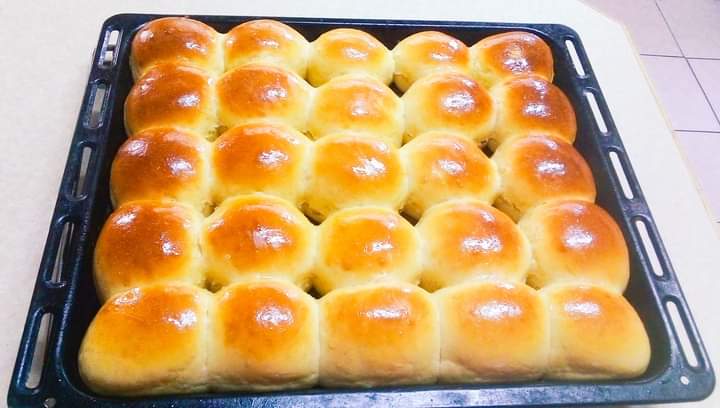
Bread recipes cover the whole arc of home baking, from a humble sandwich loaf to a festive cinnamon swirl. The collection below shows that full range — yeasted loaves and rustic no-knead boules, banana bread and other quick loaves you mix in a single bowl, soft naan and golden garlic bread, and sweet, stuffed bakes that drift toward dessert. One bag of flour, water, salt and a little leavening, and an entire bakery opens up in your own kitchen.
What decides whether bread turns out well is mostly gluten and gas. Kneading and time develop the gluten network that traps the gas your leavening produces, and that trapped gas is what gives bread its rise and open crumb. Yeast works slowly and rewards patience, building flavour as it ferments; baking soda and powder work instantly and want a light hand. Get the hydration, the rise and the oven heat right, and the rest is detail.
You will find the collection grouped into clusters — yeast breads and loaves, quick breads and banana bread, flatbreads, naan and garlic bread, and sweet and stuffed breads. Standout bakes range from a no-knead crusty loaf and soft milk bread to classic banana bread, garlic naan and gooey cinnamon rolls, each built on the fundamentals the guides below lay out in plain terms.
Treat this as a working reference. Each recipe links to full ingredients and steps on Chefadora, and the guides below cover what actually decides whether bread rises tall or stays dense, turns out soft or tough, and bakes through with a proper crust — understanding yeast and the rise, kneading and shaping, and getting the bake itself exactly right.
Yeast Breads and Loaves
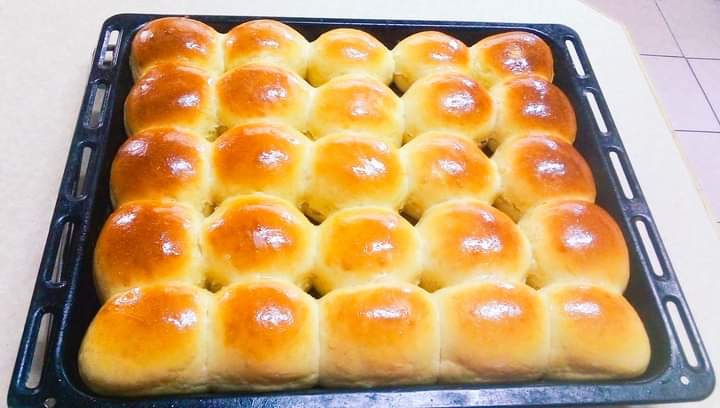
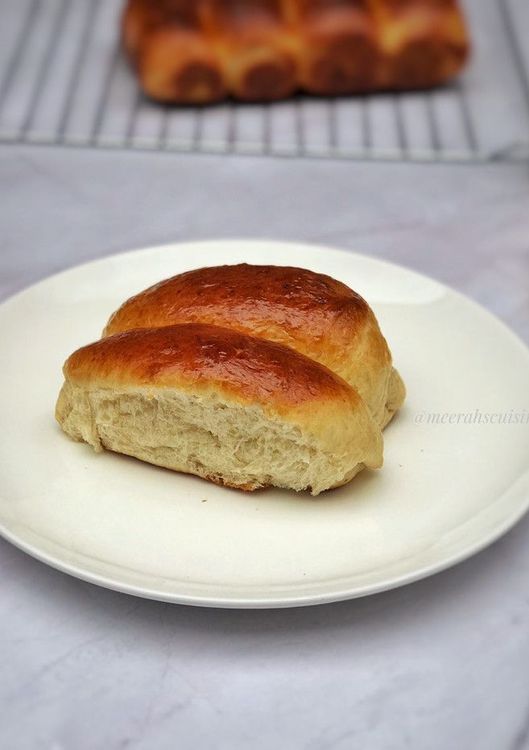
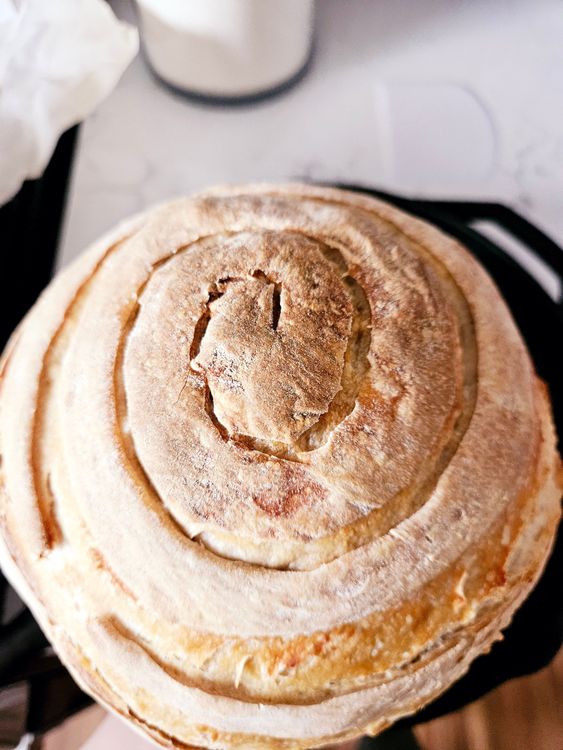
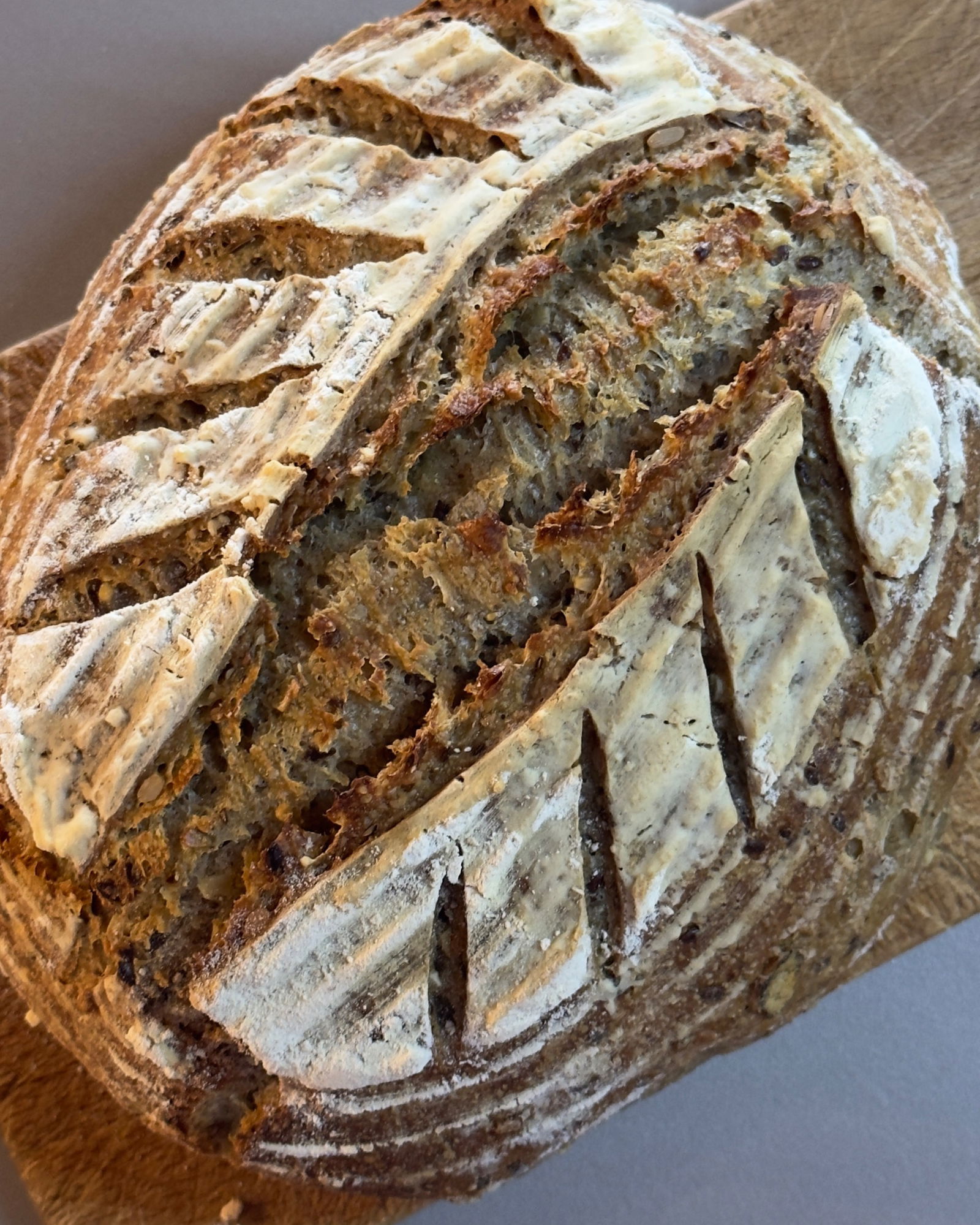
Yeasted loaves are the heart of home baking, and almost all of them come down to the same handful of moves: develop the gluten, give the dough a real rise, shape it with tension, and bake it hot. Whether you are after a soft sandwich loaf, pillowy milk bread and pav, rustic no-knead boules or buttery brioche and dinner rolls, the rhythm holds. Keep your liquids lukewarm so the yeast lives, knead until the dough turns smooth and elastic, and let it prove until it roughly doubles, however long that takes in your kitchen. The most common mistake is rushing the rise or killing the yeast with hot water, both of which leave you with a dense, heavy brick instead of an airy loaf. Shape carefully to build surface tension so the bread climbs rather than spreads, slash the top of crusty loaves to control where they open, and bake with steam for the first ten minutes for a crackling crust. No-knead styles are the gentlest way in, leaning on a long, slow ferment to do the gluten work for you. Get these basics down and every other loaf on the page follows naturally. Standouts here include Bread Rolls or Buns and Milk Bread (Dinner Rolls), plus Milk Bread.
- International
- Eggetarian
- Breakfast

- Asian
- Eggetarian
- Lunch
- Argentinian
- Eggetarian
- Breakfast

- American
- Vegan
- Snack

- Global
- Vegan
- Breakfast
Quick Breads and Banana Bread
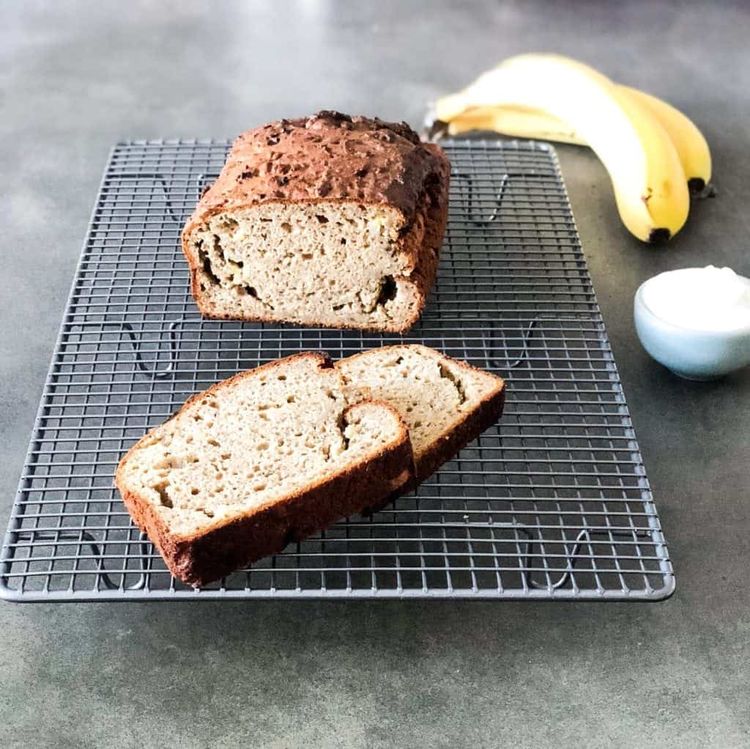
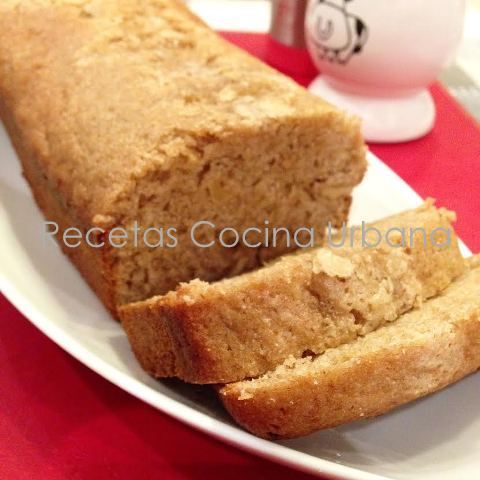
Quick breads are exactly what the name promises: no yeast, no waiting, no kneading, just mix and bake within the hour. Leavened with baking soda or powder instead of living yeast, they rise the instant they hit the heat, which is why banana bread, zucchini bread, cornbread, soda bread and pumpkin loaves are such reliable weeknight bakes. The single rule that matters most here is restraint. Fold the wet and dry ingredients together only until they just come together, lumps and all, because every extra stir develops the gluten and turns a tender, cakey crumb tough and rubbery. For banana bread specifically, reach for the ripest, most heavily speckled bananas you can find, since they are sweeter, more fragrant and mash to a smooth purée. Fill the tin no more than two-thirds full so the loaf has room to dome, bake at a moderate temperature so the centre sets before the edges dry, and test with a skewer that should come out with just a few moist crumbs. A spoon of yogurt or an extra knob of butter keeps these loaves moist for days, ready to slice for breakfast or tea. Standouts here include Banana Breadmaxxing with Biscoff and Strawberries and Soft and Fluffy Pumpkin Bread Rolls, plus Banana Bread.


- Dairy-Free
- Bread & Baking


- Vegetarian
- Bread & Baking
- International
- Dairy-Free
- Breakfast
- American
- Eggetarian
- Bread & Baking

- Vegan
- Snack
Flatbreads, Naan and Garlic Bread
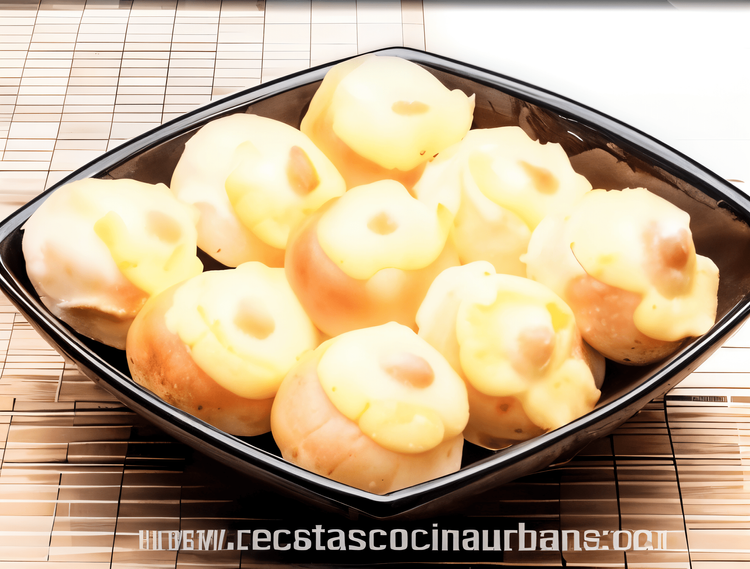
Flatbreads are the fastest bread satisfaction going, cooked in minutes on fierce heat rather than baked slowly in a tin. Naan, pita, kulcha, focaccia, breadsticks and golden garlic bread all share one goal: a blistered, slightly charred surface wrapped around a soft, pliable interior. For naan and kulcha, a little yogurt and fat worked into the dough keeps them tender, and a genuinely hot tawa, grill or oven is what makes them puff and char before they dry out. Pita relies on a hot oven and a well-rested dough to balloon into its signature pocket, so do not roll it too thin or it will not steam apart. The classic error across all of them is a cool cooking surface, which steams the bread pale and leathery instead of giving it those leopard spots; get the pan or oven properly ripping before the dough goes down. Garlic bread is a different trick entirely: a soft garlic-and-herb butter spread generously so it soaks in, then a quick blast under high heat so the edges crisp while the middle stays soft. Brush naan with butter the moment it comes off the heat, and serve everything warm. Standouts here include Cheese Bread Rolls and Naan Bread - Corporate to Chef : Episode 29, plus Cheese Bread.
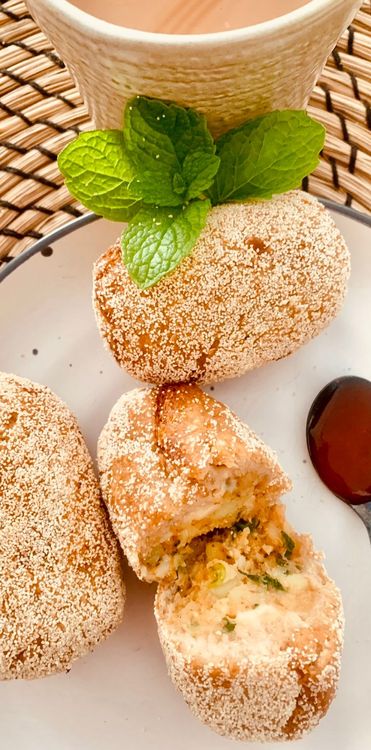

- Indian
- Vegetarian
- Breakfast


- Vegetarian
- Bread & Baking
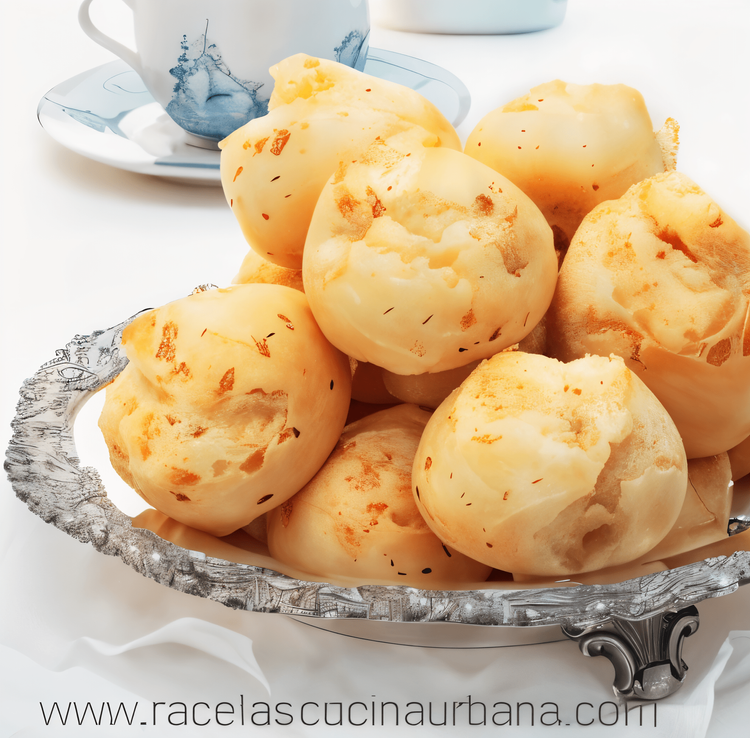
- Brazilian
- Eggetarian
- Snack
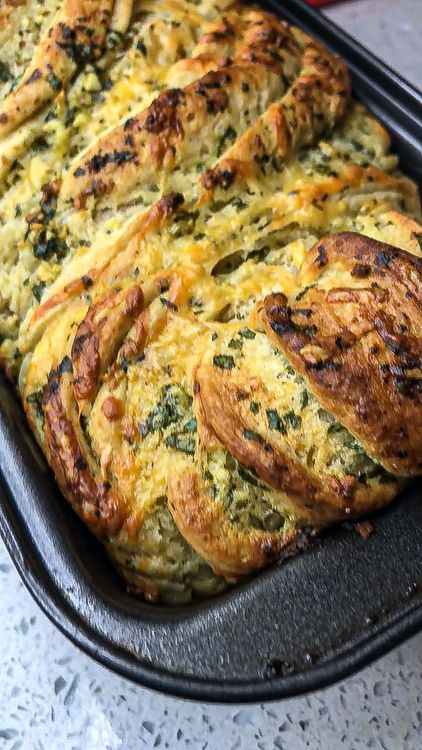
- Italian
- Vegetarian
- Snack
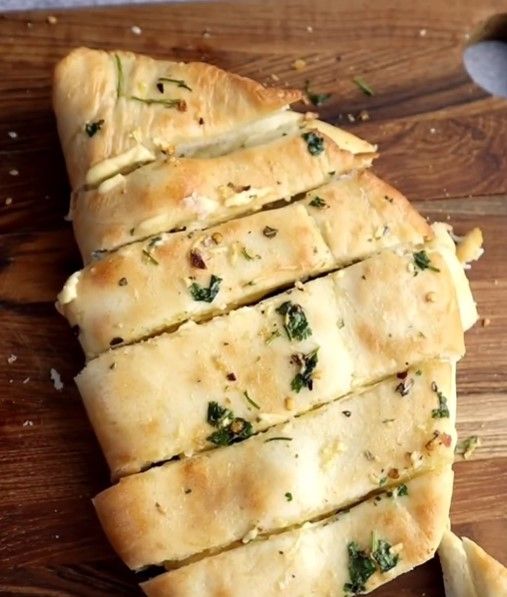

- European
- Vegetarian
- Appetiser
Sweet and Stuffed Breads
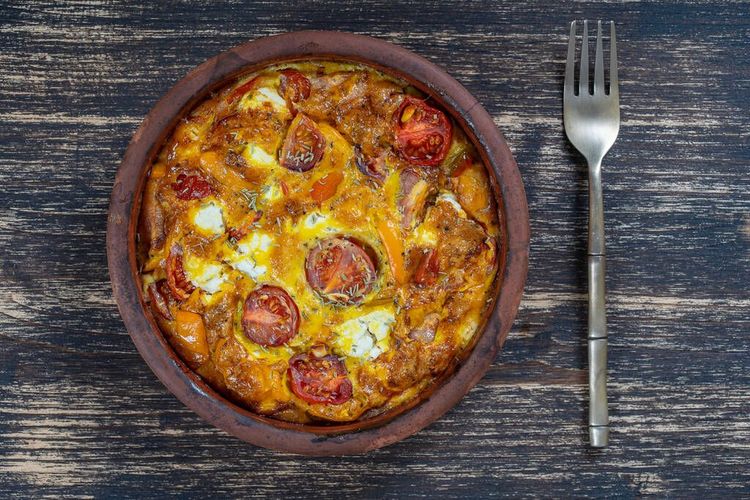
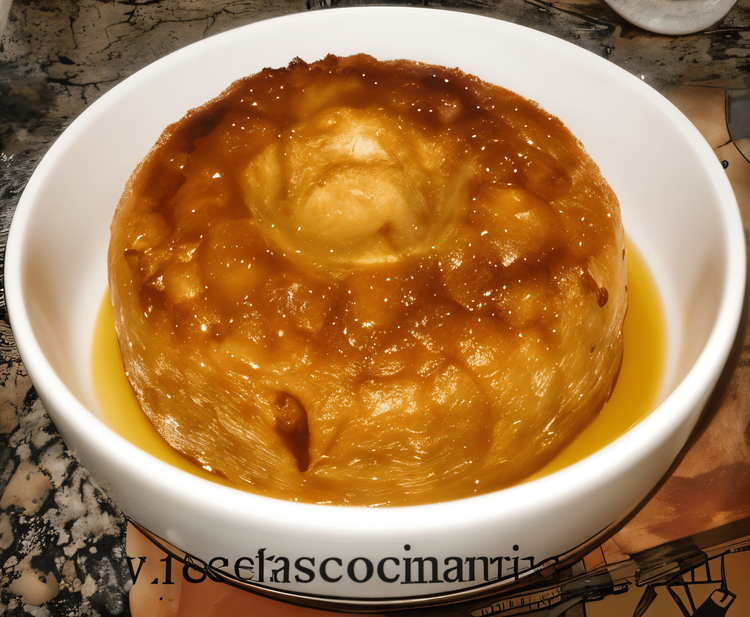
Sweet and stuffed breads are where baking tips happily toward dessert, and the dough usually gets enriched to match. Butter, milk, eggs and sugar build the soft, fragrant crumb behind cinnamon rolls, chocolate babka, brioche, monkey bread and bread pudding, and that richness is exactly what makes them feel like a treat. Enriched dough is slower to rise because the fat coats the gluten and weighs it down, so be patient and give it the extra time it needs to double rather than pulling it early. When you are rolling and filling, keep the seam well pinched and the filling not too loose, because sugar liquefies fast and a leaky roll will scorch and stick in the pan. Bake these a touch gentler than a crusty loaf so the sugary surface browns rather than burns before the centre cooks through. For bread pudding and French toast, stale or slightly dried bread is the friend you want, since it soaks up the custard without collapsing into mush. Finish with a glaze, a brush of butter or a dusting of sugar, and serve while the centre is still soft and the kitchen smells of cinnamon. Standouts here include Bread Pudding with Roasted Vegetables and Bread Pudding, plus Bread Pudding with Kiwi Cream.

- Eggetarian
- Lunch

- Indian
- Eggetarian
- Dessert

- Indian
- Vegetarian
- Snack
- Indian
- Vegetarian
- Dessert
- Argentine
- Eggetarian
- Dessert
More Bread Favourites
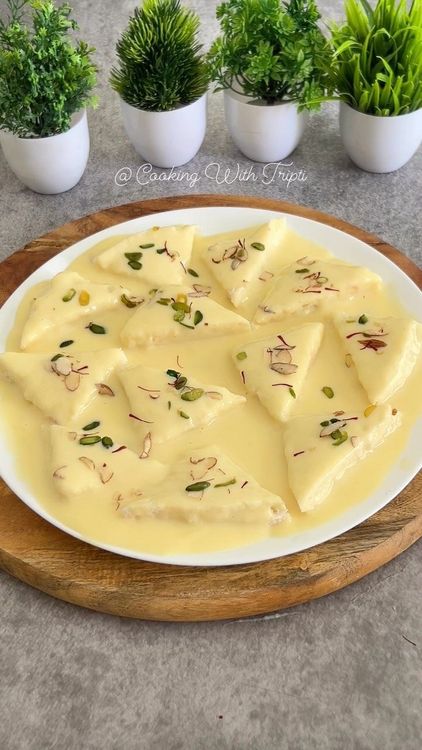
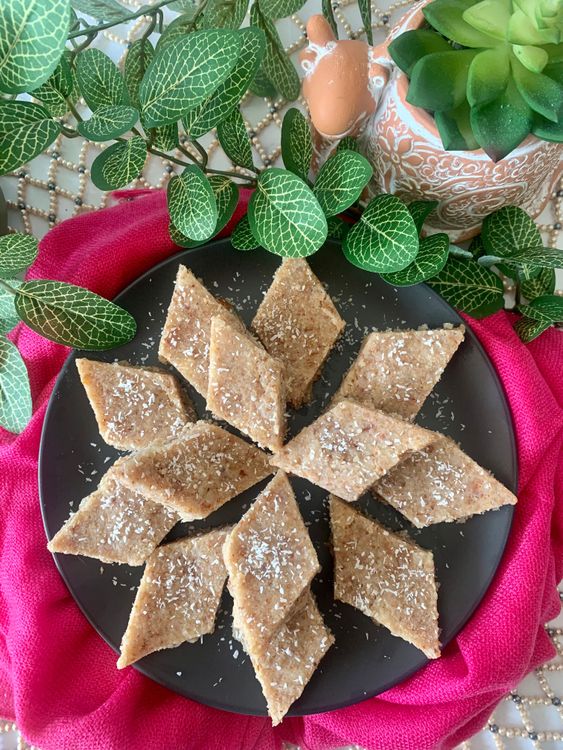
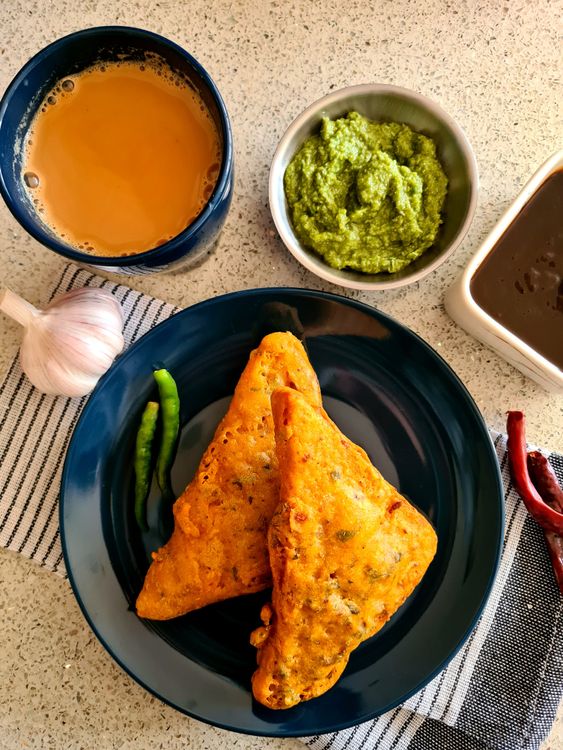
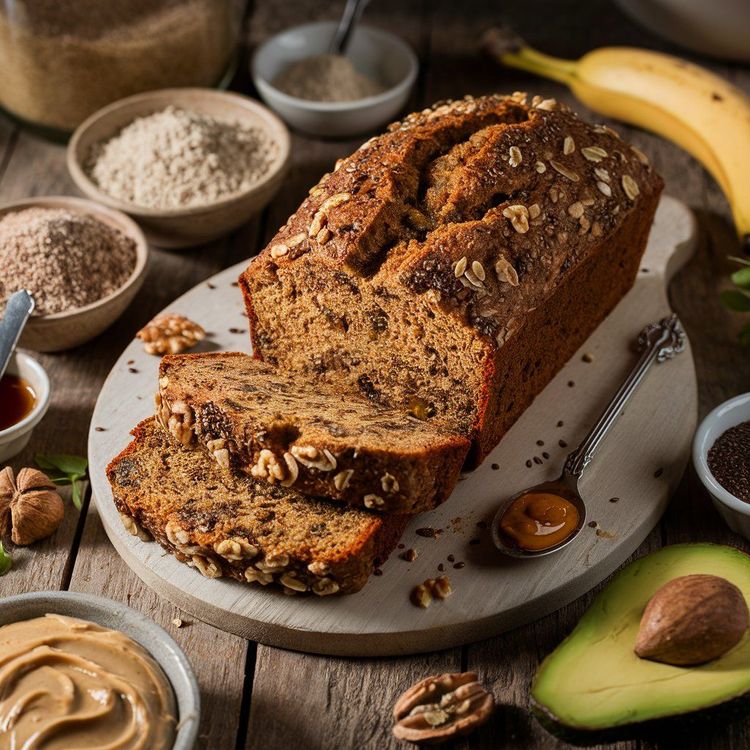
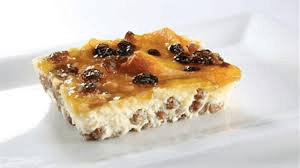
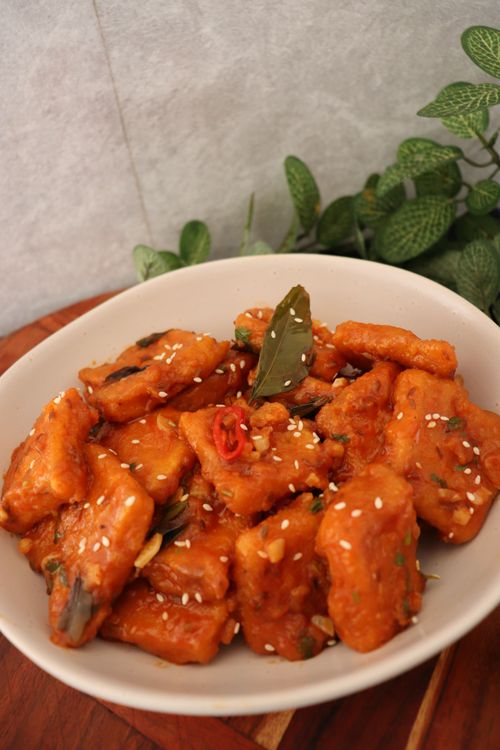
A few bakes never sit neatly in a single category, and these are the ones worth keeping in your back pocket once the staples feel routine. They lean on the same fundamentals you already know — a proper rise, well-developed gluten, a hot oven and a gentle hand with quick batters — but steer the dough toward different shapes, flours and flavours, so bread never tastes the same twice. Picking your next one is mostly about matching effort to mood: reach for a quick, mix-and-bake loaf or a fast flatbread on a busy evening, and save the enriched, multi-rise projects for a weekend when you can let the dough take its time. Pay attention to hydration as you branch out, since a wetter dough gives an open, rustic crumb while a stiffer one bakes soft and even, and adjust your handling to match. Think of this group as the natural next step after the classics, the recipes that quietly earn a regular spot in the rotation once you have baked them once or twice and seen how forgiving good bread really is. Standouts here include Bread Burfi and Bread Pakora, plus Sprouted Grain and Flaxseed Breakfast Bread.
- Indian
- Vegetarian
- Dessert
- Indian
- Vegan
- Breakfast
- American
- Vegan
- Breakfast
- British
- Eggetarian
- Breakfast
- Indian
- Vegan
- Appetiser
Understanding Yeast and the Rise
Yeast is a living thing, and the whole craft of yeasted bread is about keeping it happy. It feeds on the sugars in flour and gives off carbon dioxide, which inflates the dough, plus flavour compounds that make bread taste like more than baked flour paste. Instant yeast can go straight into the flour; active dry yeast prefers a few minutes in warm (not hot) water to wake up. Water above about 50C/120F starts killing yeast, so keep liquids lukewarm, around blood temperature, and never scalding.
The first rise, or bulk ferment, is where flavour develops, so do not rush it. Let the dough roughly double in a warm, draught-free spot, which can take one to two hours, or far longer and slower in the fridge for deeper taste. A cool kitchen simply means a longer wait, not a failed loaf. The poke test tells you when it is ready: press a floured finger in, and if the dent springs back slowly and only part way, it is proved. If it springs straight back it needs more time.
The second rise comes after shaping, and getting it right is what gives you good oven spring, that final burst of rise in the heat. Under-proved dough rises unevenly and can tear; over-proved dough has exhausted its gas and collapses or bakes flat and dense. Aim for the dough looking puffy and feeling pillowy but still holding its shape. No-knead breads lean on very long, slow fermentation to build both gluten and flavour with almost no effort, which is why they are such a forgiving place to start.
Kneading, Hydration and Shaping
Kneading develops gluten, the stretchy protein network that traps gas and gives bread its structure and chew. Work the dough by folding, pushing and turning for eight to ten minutes by hand until it turns smooth, elastic and slightly tacky rather than sticky. The windowpane test confirms it: stretch a small piece thin enough to see light through without tearing, and the gluten is ready. A stand mixer does the same job in less time. No-knead doughs skip this entirely, letting a long rest develop the gluten on its own.
Hydration, the ratio of water to flour, shapes the crumb more than almost anything. Wetter doughs (higher hydration) give an open, airy interior with big holes, the kind you want in a rustic loaf or focaccia, but they are stickier and harder to handle. Drier, stiffer doughs are easier to shape and give a tighter, softer crumb, right for sandwich loaves and rolls. Enriched doughs with butter, milk and eggs, like brioche and milk bread, bake up especially soft and tender thanks to the added fat.
Shaping builds surface tension, and that tension is what helps a loaf rise up rather than spread out. For a round boule, cup and drag the dough on the counter to tighten the surface into a taut skin; for a tin loaf, roll it up snugly to keep an even crumb. Cover shaped dough so it does not skin over and dry out while it proves. Slashing the top of a crusty loaf just before baking gives the expanding gas a controlled place to escape, so the bread opens cleanly instead of bursting at a weak point.
Baking, Crust and Quick Breads
Crusty breads want a hot, humid oven. Preheat fully, often to 220C/425F or higher, and add steam for the first ten minutes, either with a tray of water or by baking inside a covered pot, which traps the dough's own moisture. Steam keeps the surface soft long enough for the loaf to spring fully, then the crust sets and browns into a proper crackling shell. Bake until deeply golden and hollow-sounding when tapped underneath; an internal temperature of about 90 to 96C/195 to 205F confirms a loaf is done through.
Soft breads ask for the opposite touch. Naan and pita bake fast on fierce heat so they puff and blister before drying out, while soft rolls and milk bread bake a little gentler and get brushed with butter or milk for a tender, glossy top. For garlic bread, the trick is a flavoured butter that soaks in, then a quick blast under high heat or the grill so the edges crisp while the middle stays soft. Always let bread cool on a rack before slicing, since cutting into it hot tears the still-setting crumb and lets steam escape unevenly.
Quick breads play by different rules entirely. Leavened with baking soda or powder rather than yeast, they need no rise and no kneading, just a careful mix. The golden rule is to fold wet and dry together only until barely combined, because overmixing develops gluten and turns banana bread, muffins and cornbread tough and rubbery rather than tender. A few lumps are fine. Use very ripe, almost black bananas for the sweetest, moistest loaf, fill the tin no more than two-thirds, and test the centre with a skewer, which should come out clean or with a few moist crumbs.
Pro Tips from the Test Kitchen
- Keep yeast liquids lukewarm, around blood temperature — water hotter than 50C/120F kills the yeast.
- Let the first rise go until the dough roughly doubles; a cool kitchen just means a longer wait.
- Use the poke test: a floured dent that springs back slowly and part way means the dough is proved.
- Knead until the dough is smooth and elastic and passes the windowpane test for stretch.
- Higher hydration gives an open, airy crumb; stiffer dough is easier to shape and bakes softer.
- Shape with tension — drag a boule to tighten its surface so it rises up rather than spreading out.
- Bake crusty loaves hot with steam for the first ten minutes, or use a covered pot, for a crackling crust.
- A loaf is done when it sounds hollow underneath and reaches about 90 to 96C/195 to 205F inside.
- For quick breads, fold wet and dry together only until just combined — overmixing turns the crumb tough.
- Cool bread on a rack before slicing so the crumb finishes setting instead of tearing and going gummy.
Frequently Asked Questions
What are the best bread recipes for a complete beginner?
Start with the most forgiving styles. A no-knead crusty loaf asks almost nothing of you — mix, leave it overnight, and bake in a covered pot — yet rewards you with a bakery-quality crust. Banana bread and other quick breads are even simpler, with no yeast or rising at all. A soft sandwich loaf or dinner rolls teach kneading and shaping gently. Master one of each and you have the foundations for almost any bread.
How do you make easy bread recipes turn out soft and fluffy?
Softness comes from enrichment and hydration. Adding milk, butter or a little oil and an egg, as in milk bread and brioche, tenderizes the crumb and keeps loaves soft for days. Do not skimp on the rise — properly proved dough bakes light, while rushed dough bakes dense. Knead until smooth and elastic so the gluten can trap gas, brush the top with butter or milk after baking, and avoid overbaking, which dries bread out.
Why is my homemade bread dense and heavy?
Dense bread almost always comes down to the rise or the yeast. Dead or stale yeast, liquids hot enough to kill it, or a rise cut short all leave the dough under-proved and heavy. Too much flour makes a stiff dough that struggles to expand, so add flour gradually and keep the dough slightly tacky. Under-kneading leaves weak gluten that cannot hold gas. Give it a warm spot, real time to double, and a proper knead.
Do I really need to knead bread dough?
Not always. Kneading develops the gluten that traps gas and gives bread structure, and for most loaves eight to ten minutes by hand or a few in a mixer does the job. But no-knead breads skip it entirely, using a very long, slow fermentation — often twelve to eighteen hours — to let the gluten develop on its own. The result is a wonderfully open, chewy crumb with a fraction of the effort, which is why no-knead loaves are such a popular starting point.
How do I make a good crust on homemade bread?
A great crust needs high heat and steam. Preheat the oven fully, often to 220C/425F or more, and create steam for the first ten minutes — a tray of boiling water, a quick spritz, or baking inside a covered Dutch oven that traps the dough's own moisture. The steam keeps the surface soft so the loaf can spring, then it sets and browns into a crackling shell. Bake until deeply golden and hollow-sounding underneath for the best crust.
What is the difference between quick bread and yeast bread?
The leavening is the key difference. Yeast breads rise slowly as living yeast ferments and produces gas, which takes time but builds flavour and a chewy, structured crumb — think sandwich loaves and naan. Quick breads, like banana bread and cornbread, are leavened with baking soda or powder, which work instantly, so there is no rising or kneading and you bake within the hour. Quick breads have a softer, more cake-like crumb and want a gentle, minimal mix.
How do you make the best banana bread?
Use very ripe bananas — almost black, heavily speckled ones are sweetest and most fragrant, and they mash to a smooth purée. Mix the wet and dry ingredients together only until just combined, since overmixing develops gluten and makes the loaf tough rather than tender. Do not overfill the tin, bake at a moderate temperature so the centre cooks before the edges dry, and test with a skewer for a few moist crumbs. A little extra fat or yogurt keeps it moist for days.
How do you make soft naan or garlic bread at home?
For naan, work a little yogurt and a touch of fat into the dough for softness, then cook it on a screaming-hot tawa, grill or oven so it blisters and puffs before drying out, brushing with butter and garlic the moment it comes off. For garlic bread, spread a soft garlic-and-herb butter generously over good bread so it soaks in, then blast it under high heat or the grill until the edges crisp while the centre stays soft and pillowy.
How do you store homemade bread so it stays fresh?
Cool bread completely first, then keep crusty loaves cut-side down on a board or in a paper bag at room temperature for a day or two, where the crust stays crisp. Soft and enriched breads keep best wrapped in a bread bag or container. Avoid the fridge, which actually stales bread faster. For longer storage, slice and freeze — frozen bread keeps for weeks and toasts straight from the freezer or thaws in minutes at room temperature.
The thread through every bread recipe here is the same: give yeasted doughs time to ferment and rise, develop the gluten through kneading or long resting, and bake hot enough for a proper spring and crust. For quick breads, do the opposite and mix gently so the crumb stays tender. Master those and loaves, flatbreads and sweet bakes all turn out soft, airy or crusty exactly as intended.
Pick a few bread recipes to bake this week — a no-knead loaf, an easy banana bread and a batch of soft garlic naan — and save your favourites to a Chefadora cookbook. There is a bread for every meal, from the morning toast to the weekend treat; this page is built to be the bread reference you keep coming back to.
Related
- Bread
- Baking
- Homemade
- Vegetarian
- Loaves
- Flatbread
- Banana bread
- Breakfast
Popular Searches
- Best bread recipes
- Easy bread recipes
- Quick bread recipes
- Healthy bread recipes
- Simple bread recipes
- Homemade bread recipes
- Delicious bread recipes
- Popular bread recipes
- homemade bread
- banana bread
- garlic bread
- no knead bread
Marnirni-apinthi Building, Lot Fourteen,
North Terrace, Adelaide, South Australia, 5000
Australia
