
Top 24 Crab Recipes: Cakes, Dips, Bisque, Pasta and Boils
Updated June 29, 2026 · Curated by Chefadora

Crab recipes turn one of the sweetest, most delicate proteins in the sea into everything from a fifteen-minute weeknight pasta to a centerpiece worth a celebration. The dishes below were chosen to show that range — golden crab cakes, hot bubbling dips, silky bisque, butter-soaked legs and a proper boil — rather than ten variations on a single theme. Crab rewards a light hand more than almost any ingredient, so the recipes here are built around letting that natural sweetness lead.
The single thing worth knowing up front is that crab is already cooked. Almost all the crab you buy — picked meat in a tub, frozen legs, whole crabs at the fishmonger — has been steamed or boiled before it reaches you. That changes everything: your job in most of these recipes is to warm it through and season around it, not to cook it again. Over-handle it or hold it on heat too long and the sweet, flaky meat turns stringy, watery and bland.
You will find four clusters here: crab cakes and patties, dips and appetizers, the pasta-soup-and-bisque group, and the hands-on world of legs, boils and stuffed crab. The same handful of moves runs through all of them — pick the meat carefully, fold gently, season boldly, and stop early. Master those and the dish you choose becomes a matter of mood and occasion rather than a different skill each time, whether you are searing a few cakes on a weeknight or tipping a whole boil onto the table for a crowd. The recipes also flag where real crab earns its keep and where humbler imitation will do.
Treat this as a working reference. Each recipe links to full ingredients and steps on Chefadora, and the guides below cover the decisions that actually determine whether crab turns out sweet and tender or rubbery and disappointing — which meat to buy, how to keep cakes from falling apart, when real crab matters and when imitation will do, and how to season a boil so it tastes of more than salt.
Crab Cakes & Patties
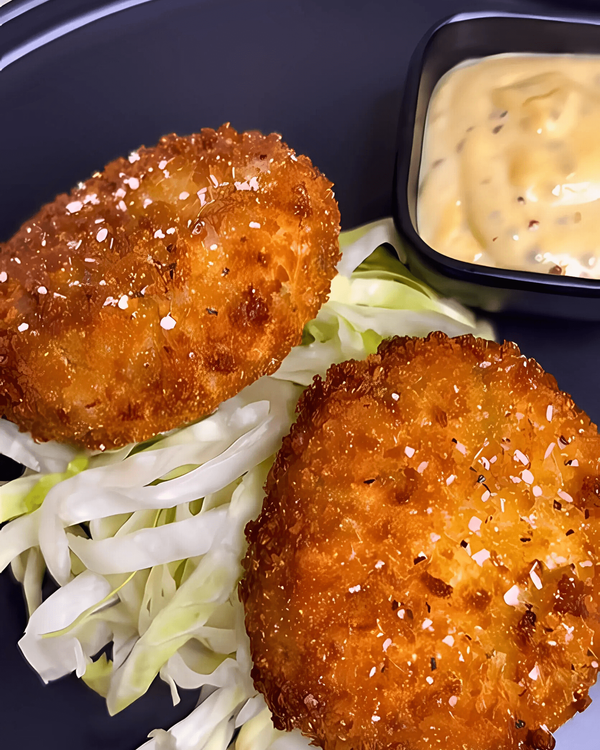
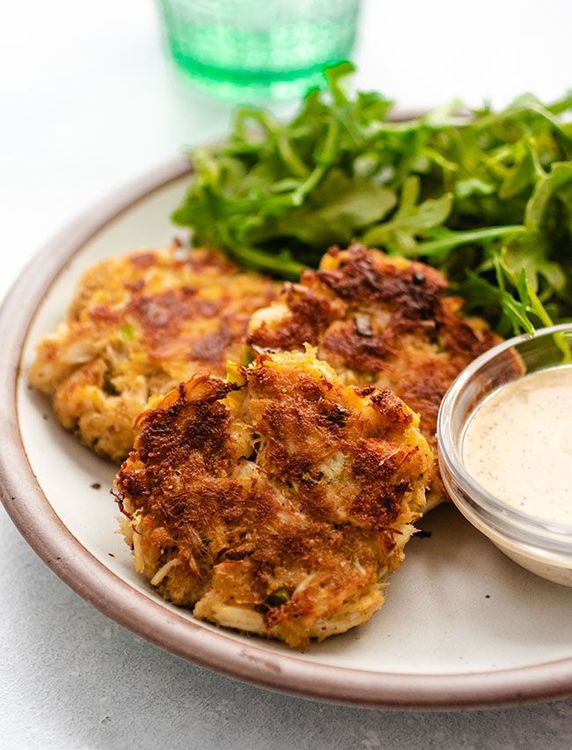
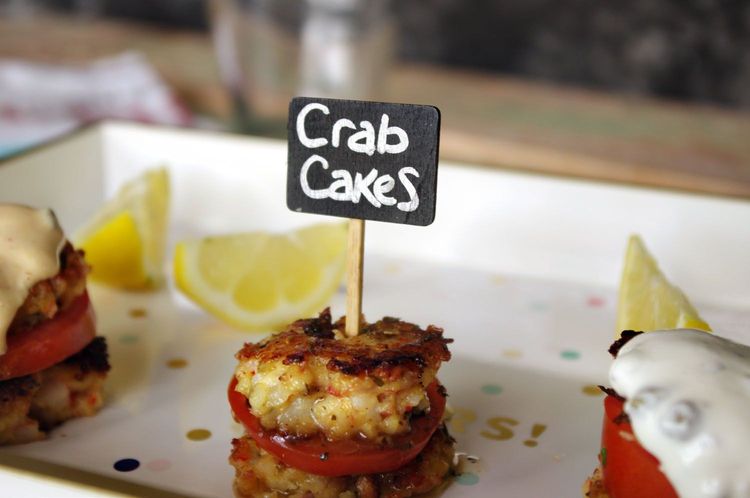
The whole art of a crab cake is showing the crab off rather than burying it. You want a cake that is almost all sweet lump meat, held together by the barest minimum of egg, mayonnaise and fine crumb, so that when you cut one open you see chunks of crab rather than a beige paste. Start with one egg and a couple of tablespoons of binder for a pound of meat, then fold gently with your hands, coating the lumps instead of mashing them. The seasoning that earns its place is restrained and classic: Old Bay, a little Dijon, Worcestershire and lemon. The single most important step home cooks skip is chilling. Form the cakes and rest them in the fridge for at least thirty minutes, an hour is better, so the binder sets and they hold their shape against the heat. Then commit them to a hot, oiled pan and leave them completely alone until a deep golden crust forms, three to four minutes, before you turn them once. That crust is your structure, so do not crowd the pan or flip early, the two mistakes that turn a proud cake into scrambled crab. Standouts here include Golden Crispy Crab Cakes and Crab Cakes, plus Crab Croquettes.

- American
- Pescatarian
- Appetiser
- American
- Pescatarian
- Appetiser

- American
- Pescatarian
- Appetiser
- American
- Pescatarian
- Appetiser
- American
- Pescatarian
- Lunch
Crab Dips & Appetizers
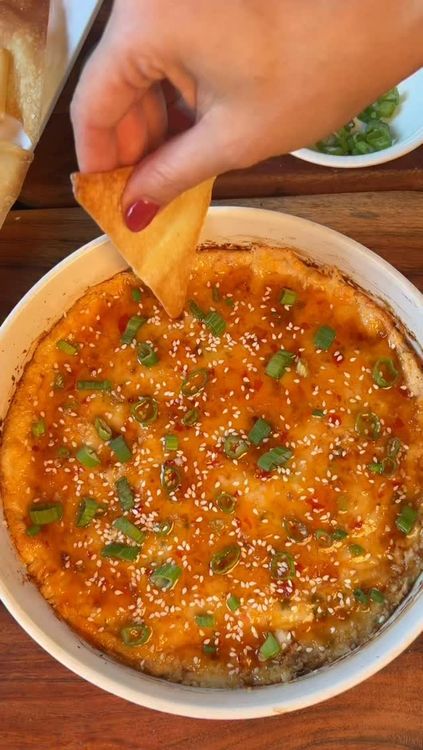
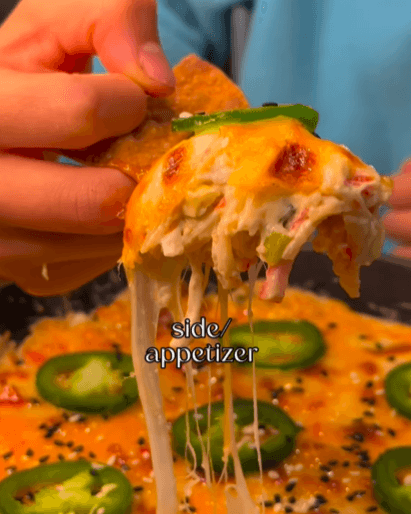
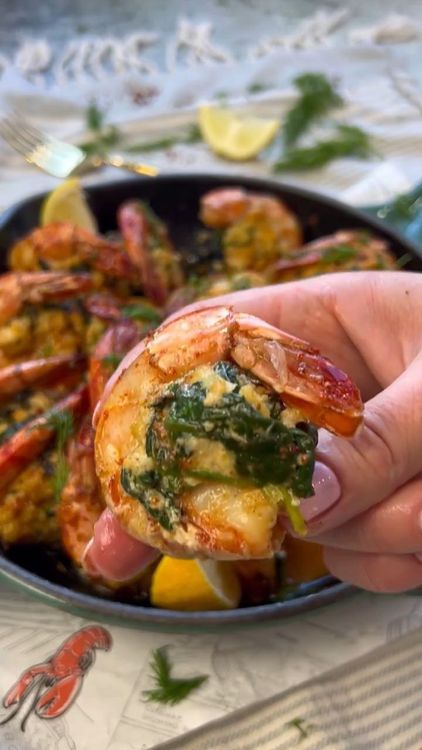
Crab dips and appetizers are about generosity tempered with restraint: you want the crab to read as crab, not vanish under a landslide of cheese. A great hot crab dip starts with softened cream cheese loosened with a little sour cream or mayonnaise, sharpened with lemon, Worcestershire and a hit of Old Bay, then a modest amount of a melting cheese folded through. Fold the crab in at the very end and barely stir, so the lumps stay whole, then bake just until bubbling and golden, fifteen to twenty minutes, no longer, or the dip turns oily and the crab tightens. The same logic carries the smaller bites: crab balls, stuffed mushrooms, crab toasts and the crowd-pleasing crab Rangoon. Here is exactly where the real-versus-imitation choice gets practical, since a casual, heavily sauced Rangoon or a budget party dip is forgiving enough to take imitation crab, while a starring hot lump dip deserves the real thing. Whichever you use, drain it well first, because watery crab makes a watery dip, and serve these the moment they come out of the oven while the cheese still stretches and the crab is hot and sweet. Standouts here include Crab Rangoon Dip and Miso Crab Rangoon Dip with Homemade Corn and Wonton Chips, plus Shrimp and Crab Stuffed Mushrooms.

- American
- Pescatarian
- Appetiser

- American
- Pescatarian
- Appetiser
- American
- Pescatarian
- Appetiser
More Crab Favourites
A few crab dishes never settle neatly into a single category, and these are the ones worth keeping in your back pocket once the staples feel routine. They lean on the same handful of moves you already know, the gentle fold, the bold seasoning around a delicate meat, the discipline to add the crab last and stop early, but steer them toward different textures and occasions. Picking your next one is mostly about matching effort to mood and budget. On a busy night reach for a quick crab toast, a crab salad or a fast pasta where the meat is folded in off the heat and dinner is done in fifteen minutes; save the slower projects, a stuffed whole crab or a from-scratch bisque built on saved shells, for a weekend when you can let the flavors develop properly. This is also where the real-versus-imitation decision pays off again, since the casual, heavily dressed dishes here happily take surimi while the ones that put crab center stage want the real meat. Think of this group as the natural next step after the classics, the recipes that quietly earn a regular place in the rotation once you have tried them. Standouts here include Crab, Mango, and Avocado Salad and Spicy Crab Salad, plus Crab and Shrimp Stuffed Ravioli.

- International
- Pescatarian
- Appetiser
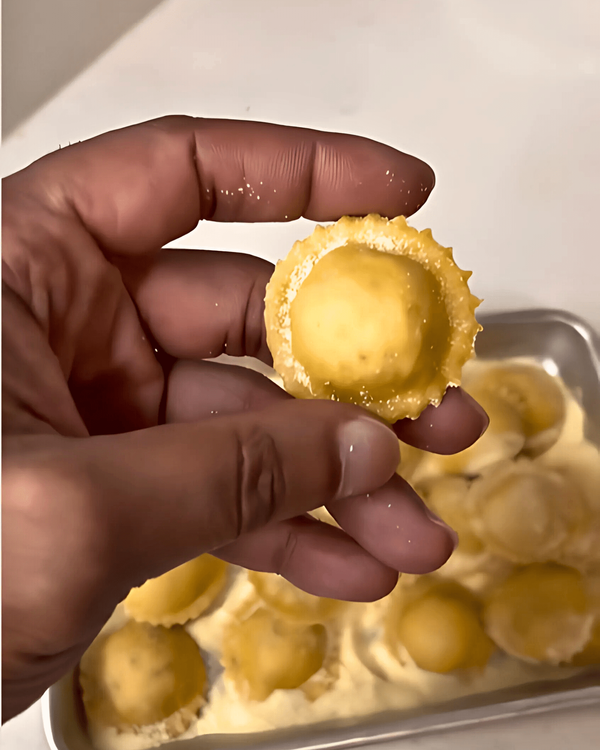
- Italian
- Pescatarian
- Lunch
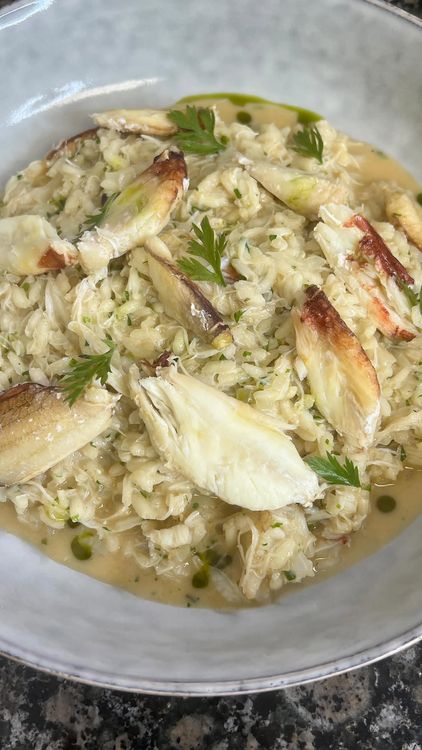
- Italian
- Pescatarian
- Lunch
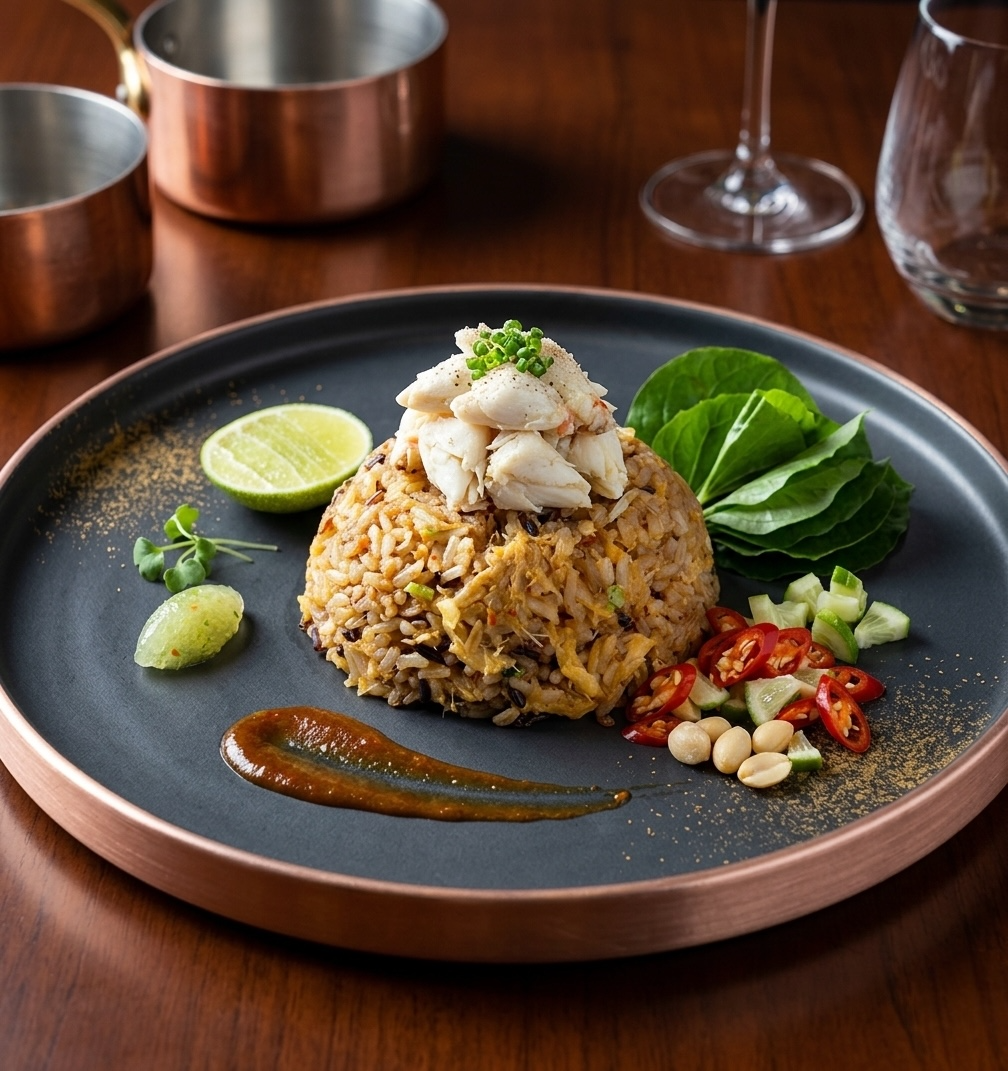

- Pescatarian
- Lunch
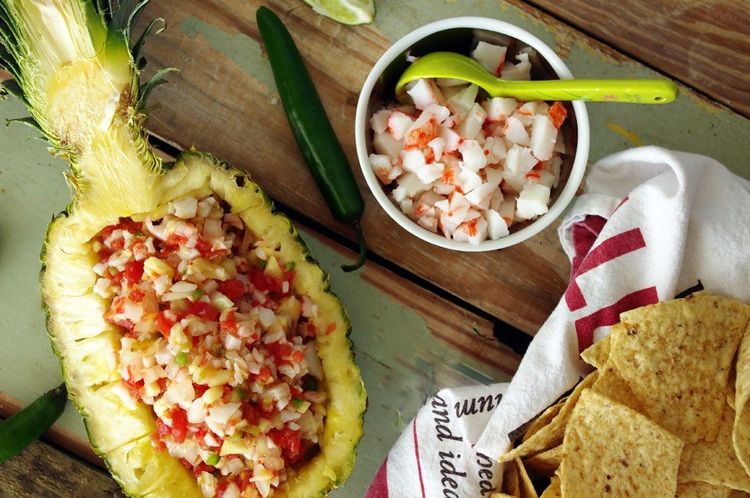
- American
- Pescatarian
- Appetiser
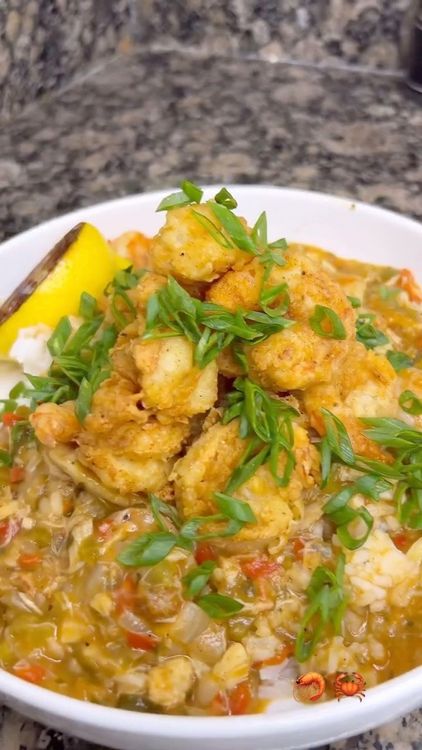
- Cajun
- Pescatarian
- Dinner
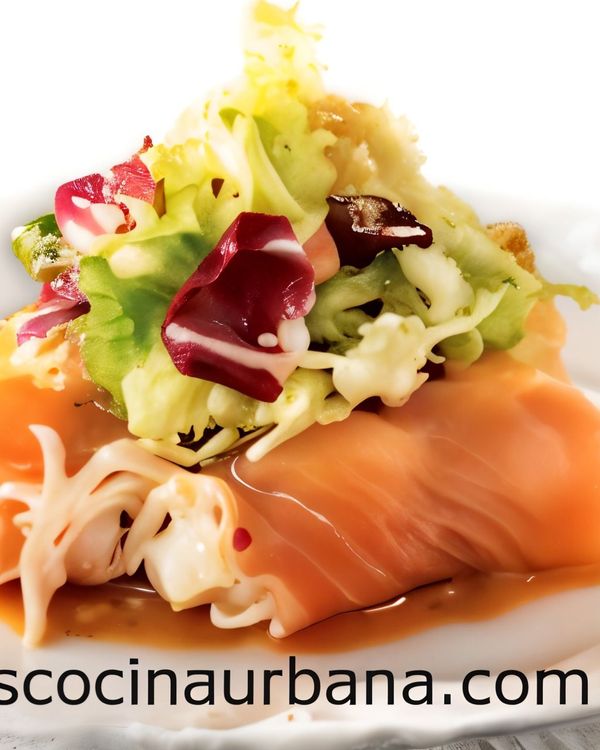
- International
- Pescatarian
- Main Course
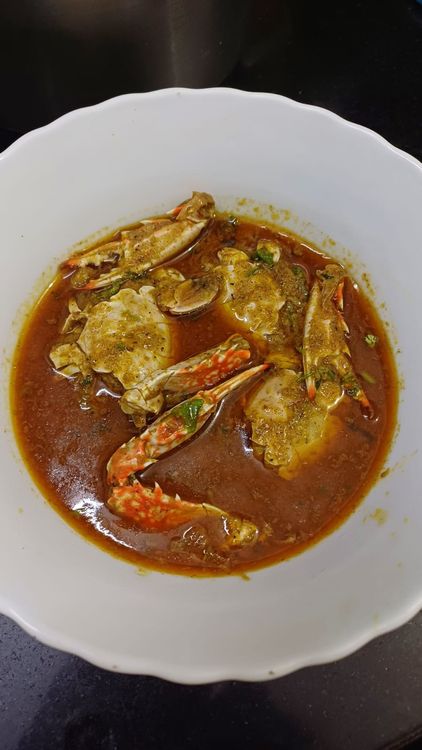

- Goan
- Pescatarian
- Lunch
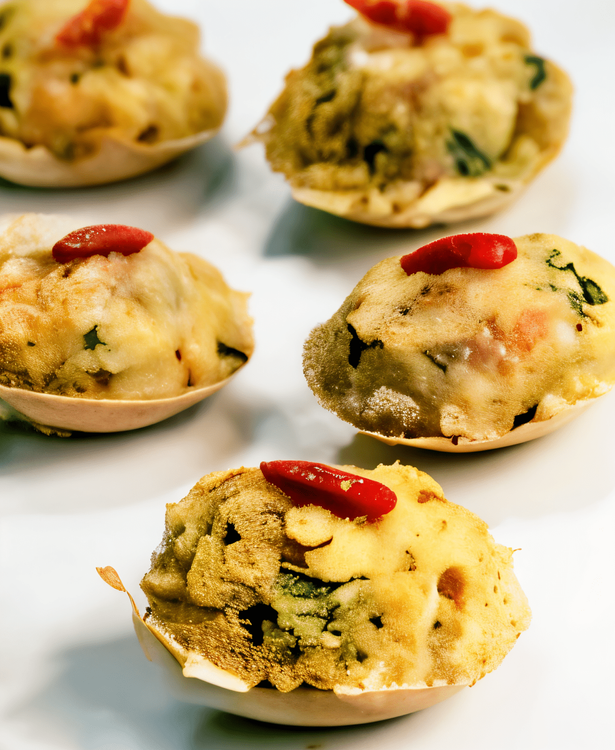
- Brazilian
- Pescatarian
- Appetiser
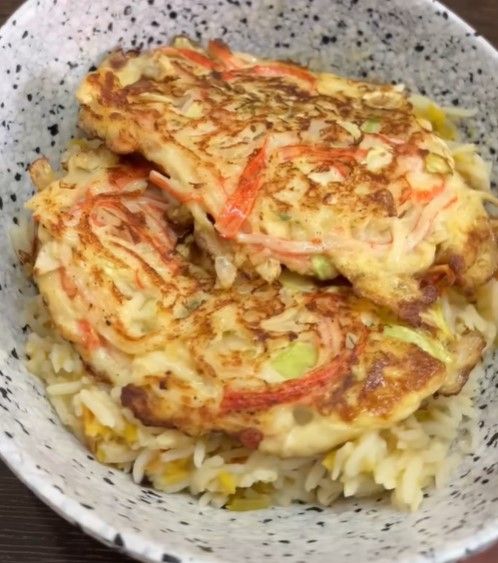

- Korean
- Pescatarian
- Snack
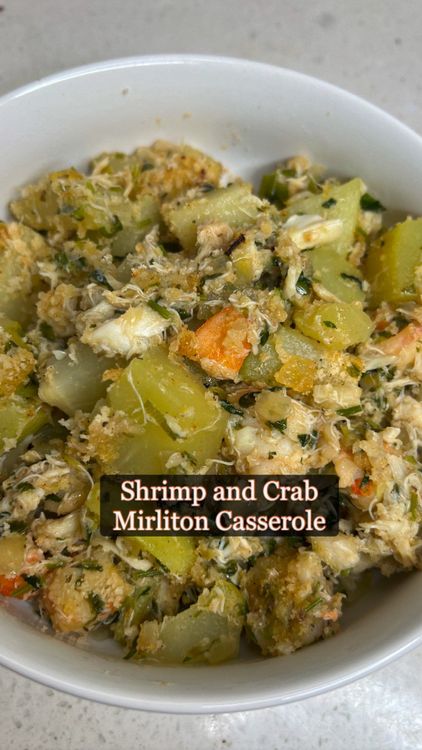
- Cajun
- Pescatarian
- Dinner
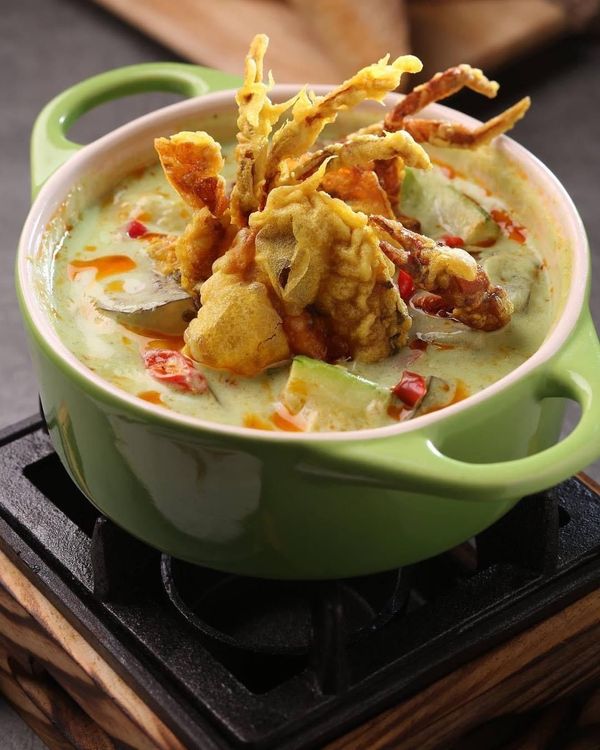
- Thai
- Non-Vegetarian
- Lunch
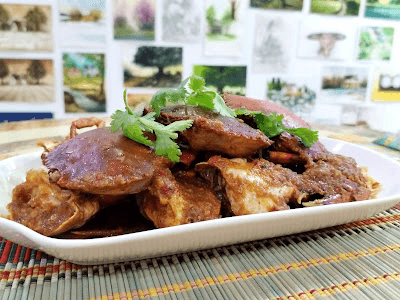
- Malaysian
- Pescatarian
- Dinner
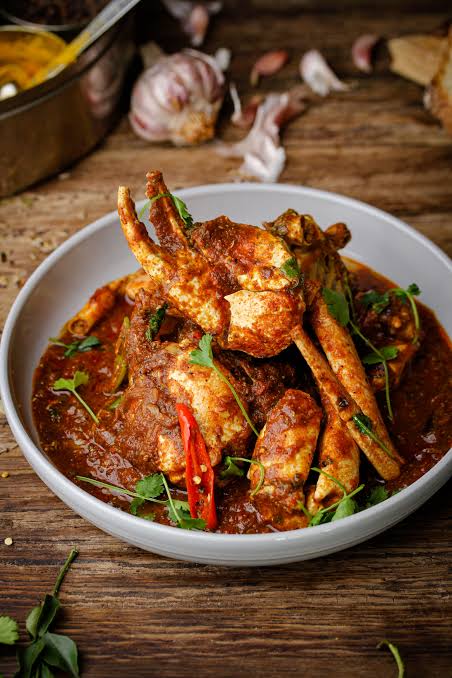
- Pescatarian
- Main Course
Buying and Picking Crab: Lump, Claw and Imitation
Crab meat is graded by where it comes from on the body, and the grade decides the dish. Jumbo lump and lump are large, pristine pieces from the back fin — sweet, expensive, and worth saving for crab cakes and salads where you want to see whole chunks. Backfin and special are smaller flakes, perfect for dips, soups and stuffings where the meat disappears into the mix. Claw meat is darker, browner and stronger-flavored, cheaper, and best in bisque, boils and anything robust enough to carry it.
Pasteurized refrigerated meat in a tub is the everyday choice and very good; fresh-picked from the seafood counter is the treat. Frozen works too, but thaw it slowly in the fridge and drain it well, since waterlogged crab dilutes everything it touches. Whichever you buy, tip it onto a tray and pick through it with your fingers for stray bits of shell and the thin, translucent cartilage — do this gently so you do not shred the lumps you paid for.
A clear word on real versus imitation. Imitation crab (often labeled surimi, krab, or "crab sticks") is not crab at all — it is mild white fish, usually pollock, pulped, bound with starch and sugar, dyed and flavored to mimic the real thing. It is cheaper, sweeter, rubberier and a fine, sturdy choice for California rolls, casual crab Rangoon, salads and budget dips where it is heavily sauced. But it cannot stand in where crab is the star: in a lump crab cake or a she-crab soup, real crab is doing the work and imitation will taste flat and faintly artificial. Buy by the role the crab plays.
Crab Cakes That Hold Together and Stay Sweet
The defining mistake with crab cakes is too much binder. A great cake is mostly crab held together by the barest minimum of egg and breadcrumb — when you look at one, you should see lumps of meat, not a beige paste. Start with a single egg, a couple of tablespoons of mayonnaise and just enough fine breadcrumb or cracker crumb to make the mix cohere when you cup it, then stop. Fold, do not stir; you are coating the lumps, not mashing them. The seasoning that does the heavy lifting is Old Bay, a little Dijon, Worcestershire and a squeeze of lemon.
Chilling is what saves them. Form the cakes, then rest them in the fridge for at least thirty minutes — an hour is better — so the binder sets and the cakes hold their shape when they hit the pan. Cold cakes go into a hot pan with a film of oil or butter and are left alone; the urge to nudge and flip early is exactly what breaks them. Give each side three to four minutes over medium-high until a deep golden crust forms, then turn once. A crust is your structure, so do not crowd the pan and drop its temperature.
Because the crab is already cooked, you are really just heating the cakes through and building a crust, so they cook fast. Pan-frying gives the best crust; for a lighter version, brush with butter and bake at a hot 425°F until golden, or finish pan-seared cakes in the oven. Serve them the moment they come off the heat with lemon and a quick remoulade or tartar. Hold them warm too long and the inside dries out and the crust softens — crab cakes are a cook-to-order dish.
Steaming, Boiling and Reheating Crab Legs
Frozen crab legs — snow, king or Dungeness clusters — are pre-cooked, so you are only reheating them through, which takes minutes, not the long boil people fear. Thaw them overnight in the fridge if you can. To steam, set the clusters in a basket over an inch of boiling water, cover, and go five to seven minutes until they are hot and smell sweet. To boil, drop them into well-seasoned water for four to five minutes. Either way, the moment to stop is when they are heated through, not "cooked" — there is nothing left to cook.
A crab boil is theater and the seasoning is the whole point. Build a court-bouillon: a big pot of water made aggressively savory with Old Bay or a crab-boil blend, salt, lemon halves, bay, garlic and a glug of beer or vinegar, and let it simmer to infuse before anything goes in. Add ingredients by cook time — potatoes and sausage first, corn next, and the crab and any shrimp last for just a few minutes — so everything finishes together and nothing turns to mush. Tip the whole lot onto a newspaper-covered table and eat with your hands.
To get at the meat, crack the shell at the joints with kitchen shears or a cracker rather than brute force, which sprays you and shatters meat into the shell. Run the shears down the soft underside of a leg and the meat lifts out in one piece. Serve crab legs with drawn butter — warm, clarified butter with a little lemon and garlic — and keep the dipping butter gently warm so it does not set. Save the shells; simmered with aromatics they make a stock that is the soul of bisque.
Crab Soups, Bisque and Pasta
Bisque is built on extraction, not on the lump meat you stir in at the end. Sweat aromatics in butter, sweat the shells with them if you saved any, add tomato paste and a splash of brandy or sherry, then a good stock, and simmer to draw out the flavor before you blend and strain it silky. The richness comes from a roux or a cream finish, the depth from the shells and a base of mirepoix cooked down properly. She-crab soup, a Lowcountry classic, leans on the same idea with a hit of sherry and the prized roe folded in at the end.
For any crab soup or chowder, the cardinal rule is the same as everywhere else on this page: the meat goes in last. Build and season the body of the soup completely — taste it, balance the salt and acid, get it right — and only then fold in the crab and warm it through for a minute or two off a hard boil. Crab simmered in soup for any length of time turns stringy and gives up its sweetness to the broth as a faint muddiness rather than a clean flavor.
Crab pasta is one of the fastest luxurious dinners there is, precisely because the crab is already cooked. Build a quick sauce while the pasta boils — garlic and chilli softened in good olive oil, or butter loosened with a little cream and lemon — then toss the drained pasta and a ladle of its starchy water through it, and fold the crab in off the heat at the very end. Linguine, spaghetti and ravioli all suit it. Keep it light; crab is delicate, and a heavy, over-reduced sauce will bury the very thing you are cooking.
Pro Tips from the Test Kitchen
- Most crab you buy is already cooked — your job is to warm it through and season around it, not cook it again.
- Pick through crab meat gently for shell and cartilage, but keep the lumps whole; shredding them wastes what you paid for.
- Use jumbo lump for crab cakes and salads, flake/backfin for dips and stuffings, and cheaper claw meat for bisque and boils.
- Crab cakes need the least binder you can get away with — one egg, a little mayo and just enough crumb to cohere.
- Chill formed crab cakes 30–60 minutes before searing so they hold their shape in the pan.
- Fold crab in last; let it warm through for a minute or two and never boil it, or it turns stringy and watery.
- Drain thawed frozen crab well — waterlogged meat dilutes every dish it goes into.
- Reheat pre-cooked crab legs in just 4–7 minutes by steaming or a quick boil; longer only toughens them.
- Season a crab boil aggressively and let the water simmer to infuse before the seafood goes in.
- Save crab shells — simmered with aromatics they make the stock that gives bisque its depth.
Frequently Asked Questions
Is the crab meat I buy already cooked?
Almost always, yes. Picked crab meat in tubs, frozen crab legs and whole crabs at the counter are nearly all steamed or boiled before sale. That means your job in most recipes is to warm the crab through and season around it, not to cook it from raw. This is exactly why crab dishes come together so fast, and why overcooking — long simmering or holding it warm — is the surest way to ruin sweet, tender crab.
What is the difference between real and imitation crab?
Real crab is the picked meat of an actual crab — sweet, flaky and delicate. Imitation crab (surimi, "krab" or crab sticks) is mild white fish, usually pollock, pulped and bound with starch and sugar, then dyed and flavored to mimic crab. Imitation is cheaper, sweeter and rubberier, and it is fine in heavily sauced dishes like California rolls, casual crab Rangoon and budget dips. But where crab is the star — a lump crab cake or she-crab soup — only real crab will do.
Which crab meat should I buy for crab cakes?
Jumbo lump or lump. These are the large, pristine pieces from the back fin, and in a crab cake you want to see and taste whole chunks of sweet meat, not a paste. Backfin and special grades are smaller flakes that suit dips, soups and stuffings where the crab disappears into the mix, and dark claw meat is best saved for bisque and boils. For cakes, spend on the lump and use the barest minimum of binder around it.
Why do my crab cakes fall apart?
Usually too little chilling, or you flipped them too soon. Form the cakes and rest them in the fridge for at least thirty minutes so the binder sets, then put them into a properly hot pan and leave them undisturbed until a deep golden crust forms before turning once. The crust is your structure. If the mix itself will not hold even when cupped, add a little more egg or fine crumb — but resist over-binding, which trades a sturdy cake for a stodgy one.
How do you cook frozen crab legs?
Gently and quickly, because they are pre-cooked. Thaw them overnight in the fridge if possible, then steam the clusters over boiling water for five to seven minutes, or drop them into well-seasoned boiling water for four to five, until they are hot through and smell sweet. You can also bake them in foil with garlic butter at 375°F for about fifteen minutes. The goal is always to reheat, never to cook again — extra time just toughens the meat.
How do you make a good crab bisque?
Bisque is about extraction more than the meat itself. Sweat mirepoix in butter — adding saved crab shells if you have them — stir in tomato paste and a splash of brandy or sherry, then simmer with stock to draw out flavor before blending and straining it silky. Enrich with a roux or cream, season carefully, and only then fold in the lump crab to warm through off the boil. The depth comes from the base; the lump meat is the finishing touch.
How do I keep crab from tasting watery or bland?
Drain it well and add it last. Frozen and pasteurized crab carry a lot of moisture, so tip thawed meat into a sieve and press out the liquid before it goes anywhere near a pan or bowl. Then build and season the rest of the dish fully before folding the crab in at the very end, warming it just enough to heat through. Long cooking leaches the sweetness into the liquid and leaves the meat stringy and flavorless.
What seasonings go best with crab?
Crab is sweet and delicate, so the classics support rather than smother it: Old Bay above all, plus lemon, butter, a little Dijon, Worcestershire, fresh parsley or chives and a touch of garlic. For boils, a crab-boil blend with bay, lemon and beer builds a savory base. Heat from cayenne or chilli works in moderation. The guiding rule is restraint — you are framing the crab, not competing with it, so taste as you go and stop before the seasoning takes over.
Can I use imitation crab in these recipes?
In some, yes. Imitation crab holds up well in heavily sauced or mixed dishes — California rolls, casual crab Rangoon, crab salad, budget dips and bakes — where its sturdier texture is an advantage and the sauce carries the flavor. Avoid it anywhere crab is the headline, such as lump crab cakes, she-crab soup or simply dressed crab pasta, where its rubbery bite and faintly artificial sweetness will read as flat against the real thing. Match the crab to the role it plays.
How long does fresh crab meat last in the fridge?
Fresh-picked crab meat is best used within a day or two and should smell clean and sweet, like the sea — any ammonia or sour note means it is past it. Pasteurized refrigerated meat keeps longer unopened (check the date), but once opened, treat it like fresh and use it within a couple of days. Keep it cold, drain off any liquid, and if you are not cooking it soon, freezing is better than letting it linger in the fridge.
The thread through every crab recipe here is the same: a sweet, already-cooked meat that rewards a light hand and punishes a heavy one. Pick it carefully, season around it boldly, fold it in last, and stop early — do that and crab cakes, dips, bisque, pasta and a full boil all fall into place. Knowing when to reach for real crab and when imitation will do is half the battle.
Pick three to cook this week — a plate of crab cakes, a hot dip and a bowl of bisque — and save your favorites to a Chefadora cookbook. Then work through the rest, all the way to a hands-on boil for a crowd; this page is built to be the crab reference you actually come back to.
Related
- Crab
- Seafood
- Shellfish
- Appetizer
- Dinner
- Coastal
- Entertaining
Popular Searches
- Best crab recipes
- Easy crab recipes
- Quick crab recipes
- Healthy crab recipes
- Simple crab recipes
- Homemade crab recipes
- Delicious crab recipes
- Popular crab recipes
- crab cakes
- crab dip
- crab bisque
Marnirni-apinthi Building, Lot Fourteen,
North Terrace, Adelaide, South Australia, 5000
Australia
