
Top 19 Asparagus Recipes: Roasted, Grilled, Soups and More
Updated June 29, 2026 · Curated by Chefadora
Asparagus recipes are the surest sign that spring has arrived in the kitchen: tender green spears that go from raw to perfectly cooked in minutes and pair with almost anything — butter, lemon, garlic, bacon, eggs or a shower of parmesan. The dishes below were chosen to show the vegetable's full range, from a simple sheet-pan roast to velvety soups and brunch-worthy bakes, rather than ten variations on the same buttered side.
What makes asparagus a joy to cook is also what trips people up: it cooks fast. Left a few minutes too long it slides from snappy and bright to limp and grey, so nearly every recipe here is built around high heat and a short cook. Get the timing right and you are rewarded with sweet, grassy spears and crisp, slightly caramelized tips — the best part of the stalk.
You will find four clusters: roasted and baked spears for hands-off oven cooking, grilled and sauteed versions for fast stovetop char, soups, salads and sides that let asparagus carry a dish, and the richer bacon-wrapped, quiche and egg preparations. Master one method and the rest follow, because the vegetable behaves the same way wherever you put it.
Treat this as a working reference. Each recipe links to full ingredients and steps on Chefadora, and the guides below cover the things that actually decide whether asparagus turns out vibrant and tender or stringy and overcooked — how to snap off the woody ends, how to match your method to the thickness of the spears, and how to season without drowning that fresh, green flavor.
Roasted & Baked Asparagus
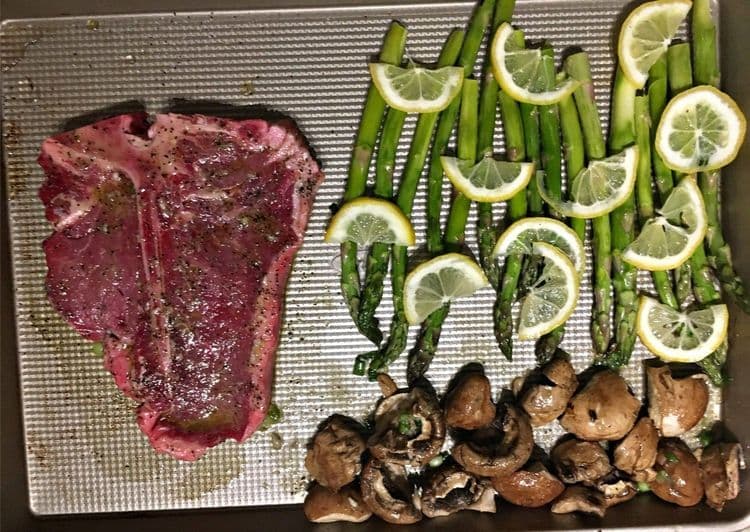
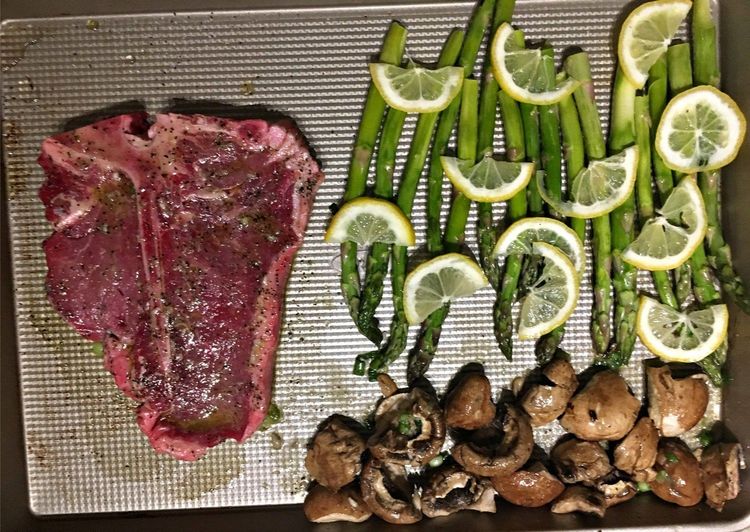
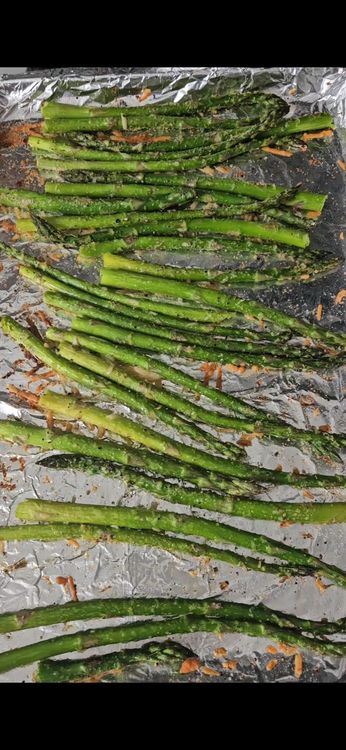
Roasting is where most people should start with asparagus, because the oven does almost all the work and the results are hard to mess up. The whole method comes down to a genuinely hot oven, around 425°F, a thin coat of oil and salt, and the discipline to spread the spears in a single layer so they roast rather than steam. Crowd the pan and you trap moisture; give each spear a little room and the tips crisp while the stalks turn sweet and tender. Thin spears need only eight to ten minutes, thicker ones twelve to fifteen, and the easiest way to ruin a batch is to walk away and forget them, since they slide from vivid green to limp and grey fast. Remember to snap or trim off the woody ends first, and pat the spears dry so they brown instead of sweat. Scatter garlic, lemon zest or parmesan over the top in the last few minutes, finish with a squeeze of lemon off the heat, and you have a side that goes with nearly anything. Standouts here include Asparagus and T-Bone Sheet Pan Dinner and Grandma's Pot Roast with Baby Potatoes and Asparagus, plus Roasted Asparagus with Lemon and Parmesan.

- American
- Non-Vegetarian
- Dinner


- American
- Non-Vegetarian
- Dinner

- American
- Vegetarian
- Side Dish
Asparagus Soups, Salads & Sides
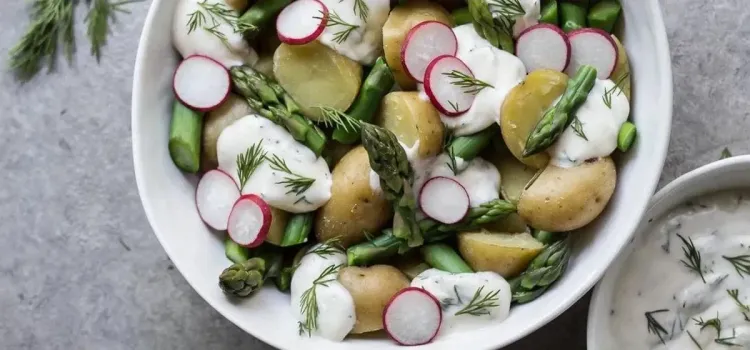
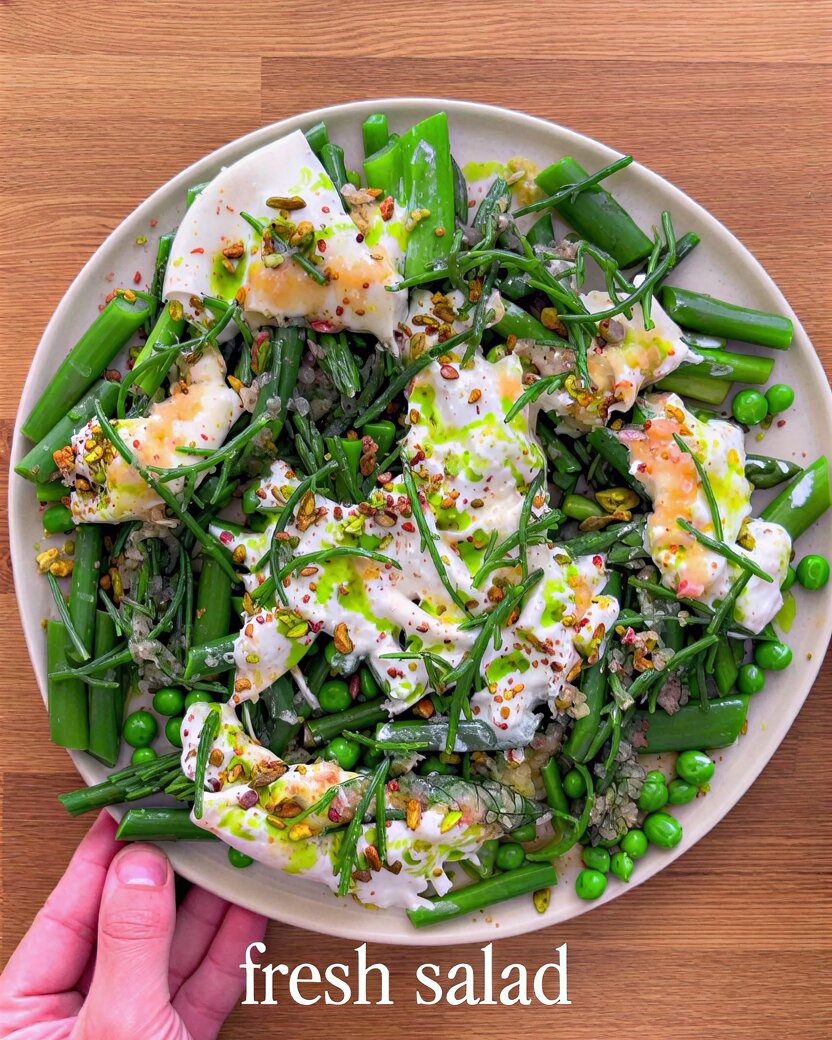
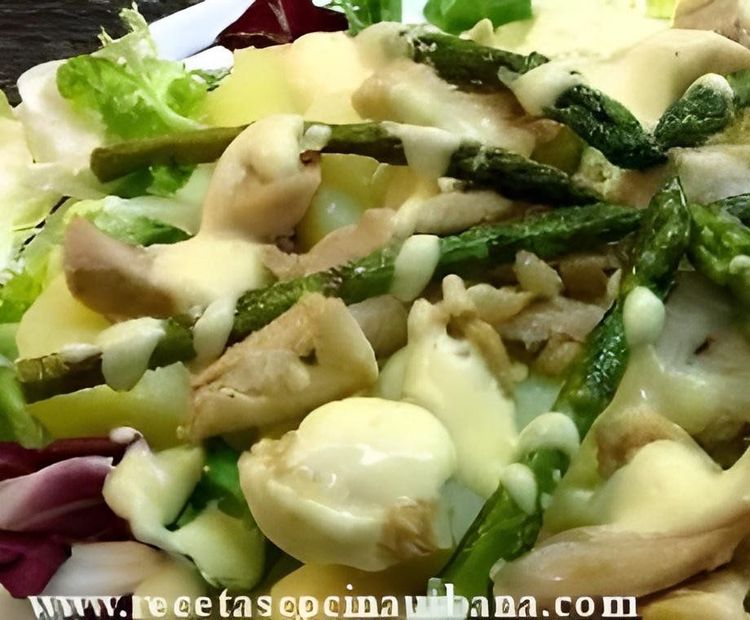
This is where asparagus stops being a quick side and becomes the dish itself. Blitzed with stock and a little cream, the spears turn into a silky, grassy spring soup; shaved thin with a peeler, they make a crisp, peppery raw salad that needs no cooking at all; folded through risotto or pasta, they bring color and a tender bite. The technique that unlocks most of these is blanching: drop trimmed spears into well-salted boiling water for just one to two minutes, then plunge them straight into ice water to lock in a vivid green and stop the cooking exactly where you want it. Drain and dry well before dressing, or they will weep and dilute your vinaigrette. Always snap off the woody ends first, since nothing ruins a soup or salad like a stringy stalk. Lean on lemon, good olive oil, parmesan and fresh herbs, and treat these as the recipes that let asparagus carry a plate rather than just garnish one. Standouts here include Herbed Potato and Asparagus Salad and Spring Salad with Burrata, Asparagus, and Umami Vinaigrette, plus Chicken and Asparagus Salad.
- American
- Vegetarian
- Lunch

- Non-Vegetarian
- Salad
- International
- Non-Vegetarian
- Salad
Bacon-Wrapped, Quiche & Egg Dishes
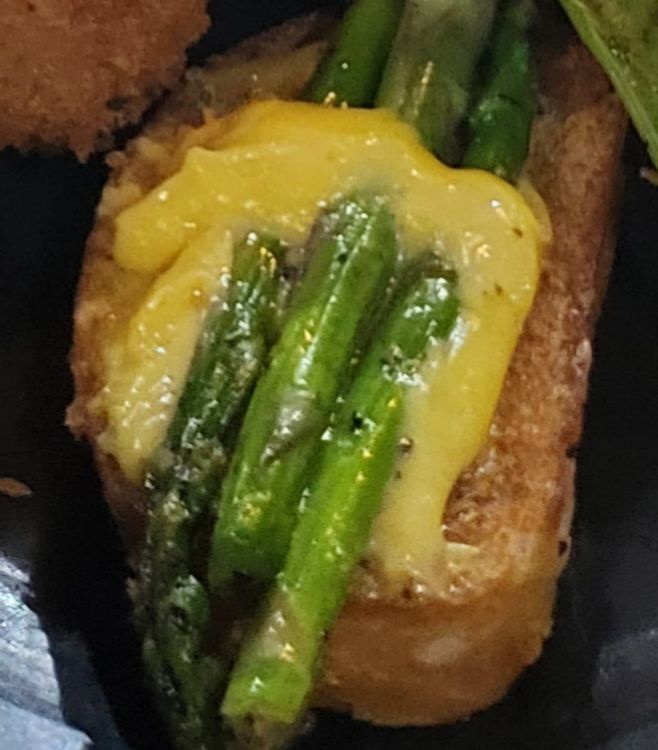
Here is the richer, brunch-leaning end of the asparagus repertoire, and it leans hard on one classic truth: asparagus and eggs were made for each other. Bundle a few spears in a strip of bacon or prosciutto and roast until the fat crisps and the spears go tender; bake them into a quiche or frittata with cheese and cream; or simply lay roasted spears under a poached or jammy egg so the yolk becomes the sauce. The trick with the wrapped versions is to part-cook the bacon or use thin spears, so the meat crisps in the same time the asparagus needs and nothing comes out either flabby or stringy. For quiches and tarts, blanch or roast the spears briefly first and pat them dry, since raw asparagus releases water that turns a custard soggy. Snap off the woody ends as always. These are the dishes for a slow weekend brunch, an Easter spread, or any time you want asparagus to feel a little indulgent. Standouts here include Asparagus Toasts with Hollandaise Sauce and Poached Eggs with Asparagus and Onion Sauce, plus Bacon Wrapped Asparagus with Lemon Tarragon Aioli.

- European
- Eggetarian
- Appetiser

- European
- Eggetarian
- Breakfast
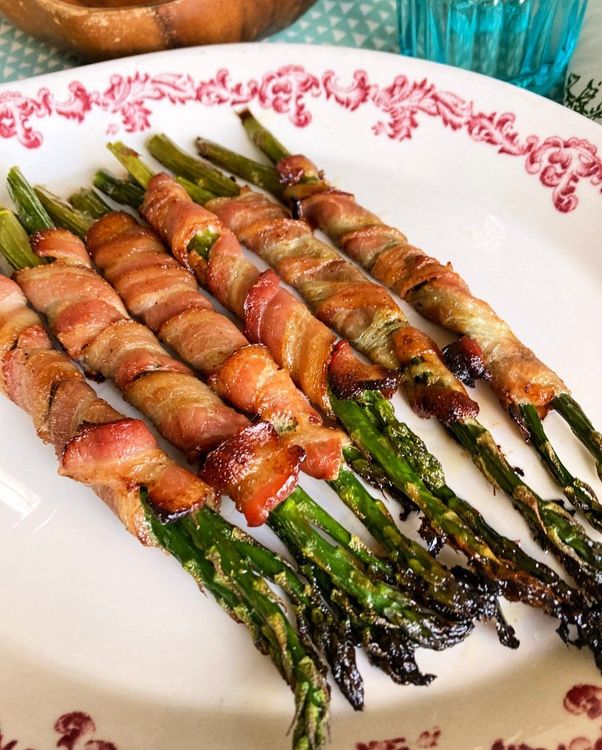
- American
- Non-Vegetarian
- Appetiser
More Asparagus Favourites
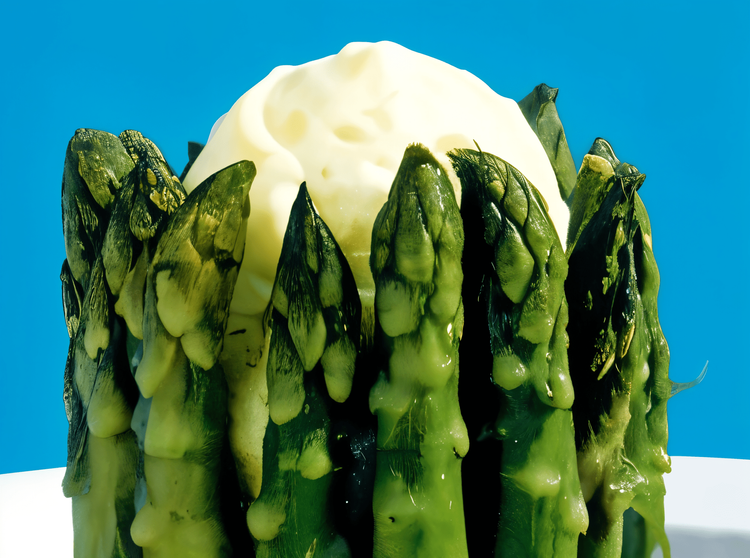
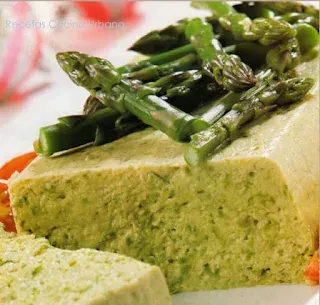
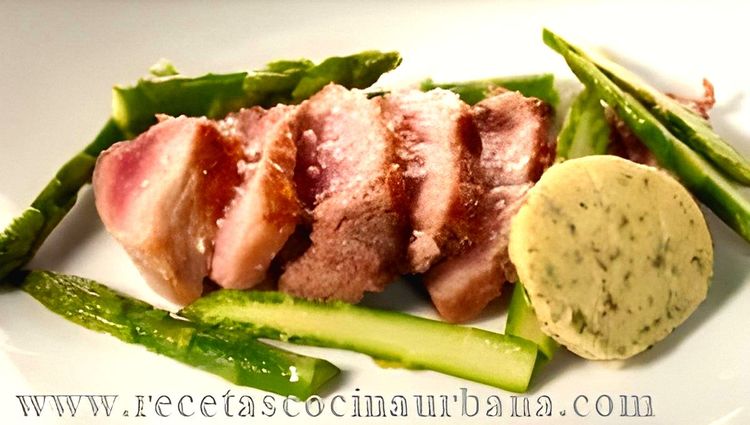
A few asparagus dishes never quite fit a single category, and these are the ones worth keeping in your back pocket once the roasted-and-buttered routine feels too familiar. They lean on the same handful of techniques you already know — a hot oven, a ripping pan, a quick blanch — but steer them toward different flavors and formats, whether that is a creamy gratin, a stir-fry with soy and ginger, an asparagus tart, or spears tucked into a grain bowl. Picking your next one is mostly about matching effort to mood: reach for a fast saute or sheet-pan roast on a busy weeknight when you want something green in fifteen minutes, and save the gratins and tarts for a weekend when you can let things bake properly. Pay attention to the thickness of your spears, too, since thin ones cook in a flash while thick ones stay juicier and stand up to longer heat. Snap off the woody ends, keep the cook short, and treat this group as the natural next step once the classics are second nature. Standouts here include Asparagus Omelette and Asparagus with Mornay Sauce, plus Asparagus with Parsley Dressing.
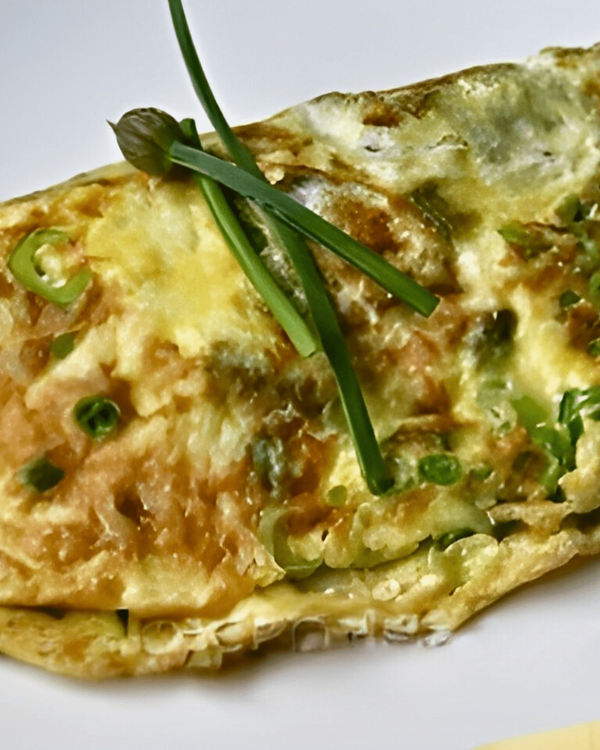
- European
- Non-Vegetarian
- Breakfast
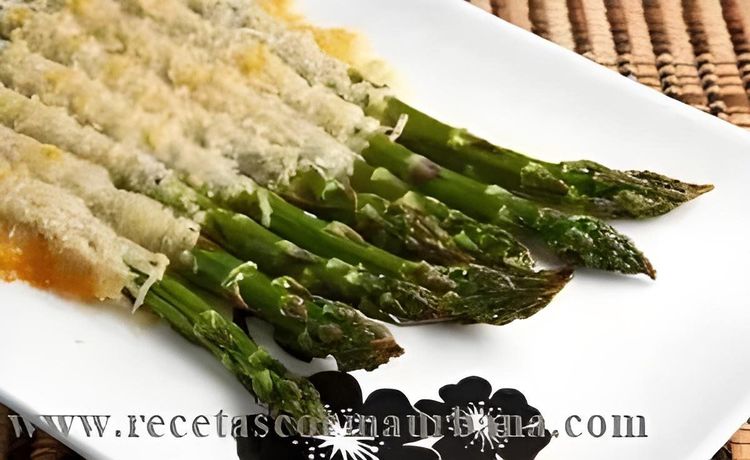
- French
- Eggetarian
- Lunch
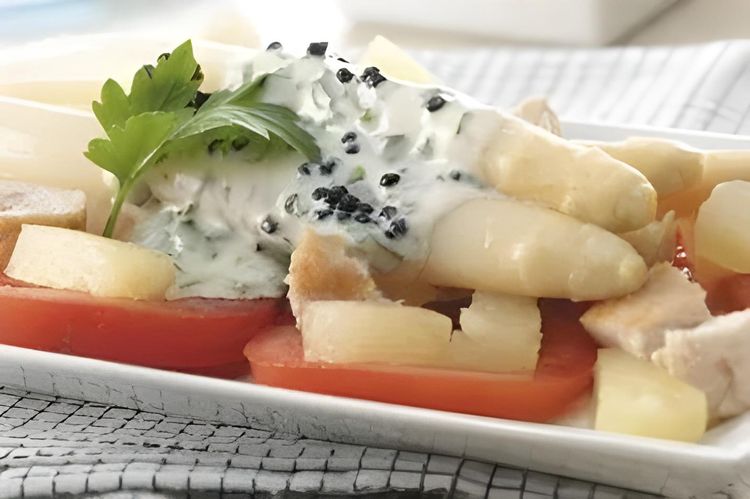
- Mediterranean
- Non-Vegetarian
- Appetiser
- International
- Vegetarian
- Appetiser


- Non-Vegetarian
- Dinner
- Italian
- Eggetarian
- Main Course


- Vegetarian
- Dinner
- European
- Non-Vegetarian
- Dinner
- International
- Pescatarian
- Lunch

- Italian
- Non-Vegetarian
- Appetiser
Buying, Trimming and Snapping the Woody Ends
Look for firm, straight spears with tight, dry tips — open or mushy tips and limp stalks are signs of age. Thickness is a preference, not a quality marker: thin spears cook in a flash and suit sauteing, while thick ones stand up to grilling and roasting and stay juicier inside. Whichever you buy, choose a bunch of even thickness so everything cooks at the same rate.
The woody base of each spear is tough and stringy no matter how long you cook it. The simplest fix is to hold a spear at both ends and bend it gently until it snaps — it breaks naturally right where the tender part gives way to the woody part, leaving you with the good stuff. For a tidier, less wasteful bunch, line the spears up and trim an inch or so off the bottoms with a knife instead.
Thick spears benefit from peeling the lower third with a vegetable peeler, which removes the fibrous skin and helps them cook evenly. Rinse asparagus well to dislodge any grit trapped in the tips, then pat thoroughly dry — surface water is the enemy of browning and the reason roasted spears sometimes steam instead of crisping. Dry asparagus, a little oil and a hot surface are the whole secret.
Roasting in the Oven Without Overcooking
A hot oven is the most foolproof route. Heat it to around 425°F (220°C), toss the trimmed spears with a little oil, salt and pepper, and spread them in a single layer on a sheet pan — crowding makes them steam and go limp. Thin spears need about eight to ten minutes; thick ones twelve to fifteen. They are done when a knife slips into a stalk with slight resistance and the tips are crisp and lightly browned.
For more flavor, scatter minced garlic, lemon zest or grated parmesan over the spears in the last few minutes rather than at the start, so they brown without burning. A squeeze of lemon and a little flaky salt off the heat lifts everything. If you want extra-crisp tips, run the pan under the broiler for the final minute, watching closely — it goes from golden to scorched in seconds.
The single biggest mistake is leaving asparagus in too long. It carries over once out of the oven, so pull it while the spears still have a slight snap and look vivid green; an extra two minutes is the difference between tender-crisp and olive-grey mush. When in doubt, undercook slightly and let residual heat finish the job on the way to the table.
Grilling and Sauteing for Char and Bite
High, dry heat is what gives asparagus its best flavor — a little char that plays against the sweet, grassy interior. On the grill, toss the spears in oil and lay them crosswise over the grate (or use a basket) so none slip through, and cook over medium-high for three to five minutes, rolling once or twice, until grill marks appear and they are just tender. Thicker spears take well to the grill; very thin ones can scorch.
To saute, get a wide skillet genuinely hot before the oil shimmers, add the spears in a single layer and leave them to color before tossing — constant stirring steams rather than sears. A few minutes is all it takes. Finish with a knob of butter, a smashed garlic clove and a squeeze of lemon swirled in off the heat, which coats the spears in a quick, glossy pan sauce without making them soggy.
Both methods reward you for keeping the cook short and the heat high. Have everything prepped before the pan or grill is hot, because once asparagus starts cooking it is done in minutes. Taste a spear toward the end rather than relying on the clock — you are after tender-crisp, with a bright snap, never the floppy texture of a spear that has gone a minute too far.
Serving, Pairing and Make-Ahead
Asparagus loves fat and acid: butter, olive oil, a poached or jammy egg, hollandaise, parmesan, lemon and good vinegar all flatter it. It is a natural partner for spring produce and for richer plays like bacon, prosciutto and cream in a quiche. As a side it goes with almost any roast, fish or pasta; as a star it carries a frittata, risotto or soup. Keep seasoning simple so the vegetable's own flavor leads.
For salads and cold sides, blanch the spears in well-salted boiling water for one to two minutes, then plunge them into ice water — this sets a vivid green color and stops the cooking exactly where you want it. Drain and dry well before dressing. Shaved raw asparagus, sliced thin with a peeler, makes a crisp, peppery salad that needs no cooking at all.
Asparagus is best cooked just before serving, but you can prep ahead: trimmed spears keep two to three days standing upright in a jar with an inch of water in the fridge, loosely covered, like a bouquet. Blanched spears can be cooked a day ahead and reheated briefly or served cold. Avoid holding cooked asparagus warm for long, as it keeps softening and dulls in color.
Pro Tips from the Test Kitchen
- Snap off the woody ends by bending each spear until it breaks naturally — it gives way right where the tough part ends.
- Roast at a high heat (around 425°F) in a single layer; crowding the pan steams the spears instead of crisping them.
- Pat the spears thoroughly dry before roasting or sauteing — surface water prevents browning.
- Match the method to the spear: thin spears for sauteing, thick ones for grilling and roasting.
- Add garlic, parmesan or lemon zest in the last few minutes of roasting so they brown without burning.
- Pull asparagus while it still has a slight snap — it carries over and an extra two minutes turns it grey.
- For salads, blanch one to two minutes then shock in ice water to lock in a vivid green color.
- Lay spears crosswise on the grill grate (or use a basket) so none slip through the bars.
- Peel the lower third of thick spears with a vegetable peeler so they cook evenly.
- Store trimmed spears upright in a jar with an inch of water in the fridge to keep them fresh for days.
Frequently Asked Questions
How do you remove the woody ends of asparagus?
Hold a spear at both ends and bend it gently — it will snap right where the tender part meets the tough, woody base, so you keep only the good portion. This works because the fibrous lower stalk gives way naturally. For a neater, less wasteful bunch, line the spears up and cut an inch or so off the bottoms with a knife, and peel the lower third of very thick spears.
What temperature should I roast asparagus at?
Around 425°F (220°C) is ideal — hot enough to crisp the tips and lightly caramelize the spears without overcooking the inside. Toss the trimmed spears with oil, salt and pepper, spread them in a single layer, and roast eight to ten minutes for thin spears or twelve to fifteen for thick ones. They are done when a knife meets slight resistance and the tips are browned.
How long does asparagus take to cook?
Less time than most people expect. Thin spears roast in eight to ten minutes, thick ones in twelve to fifteen; sauteing or grilling takes just three to five minutes over high heat; and blanching for salads is done in one to two. The key is that asparagus cooks fast and keeps cooking after it leaves the heat, so pull it while it still has a slight snap.
How do you keep asparagus from getting soggy?
Dry it well, cook it hot and fast, and stop early. Surface water and a crowded pan cause steaming, which leaves spears limp, so spread them in a single layer and pat them dry first. High heat — a hot oven, ripping skillet or grill — gives you tender-crisp spears with browned tips. Most sogginess is simply overcooking, so taste toward the end rather than trusting the clock.
Should you peel asparagus before cooking?
Thin and medium spears do not need peeling at all. Thick spears benefit from peeling the lower third or so with a vegetable peeler, which removes the tougher, fibrous skin and helps them cook evenly so the base is tender by the time the tips are done. Always rinse the tips well to remove any grit, then dry the spears before they hit the pan.
Can you cook asparagus from frozen?
Yes, though the texture is softer than fresh. Frozen asparagus is best roasted or sauteed straight from frozen at high heat — do not thaw first, or it turns watery and limp. It works well in soups, quiches, frittatas and casseroles, where a slightly softer spear is fine, but for a crisp roasted side or a fresh salad, fresh in-season asparagus is hard to beat.
What goes well with asparagus?
Asparagus loves fat and acid: butter, olive oil, lemon, parmesan, hollandaise and good vinegar all flatter it, and eggs — poached, in a frittata or a quiche — are a classic spring pairing. It also takes beautifully to bacon and prosciutto wrapped around the spears. As a side it suits roast chicken, salmon, steak and pasta, while keeping its own fresh, grassy flavor front and center.
Is asparagus healthy?
Very. Asparagus is low in calories and a good source of fiber, folate and vitamins A, C and K, along with antioxidants. It is naturally low in fat and sodium, which makes it an easy, nutritious side however you cook it. Roasting, grilling and steaming keep it light; just go easy on heavy additions like cream, cheese or bacon if you are watching richness, and lean on lemon and herbs instead.
How do you store fresh asparagus?
Treat it like a bouquet: trim the bottoms and stand the spears upright in a jar with about an inch of water, then cover loosely with a bag and keep them in the fridge, where they stay fresh and crisp for several days. Change the water if it clouds. Avoid sealing them in a closed bag without water, which makes them go limp and slimy faster.
Why does asparagus turn grey or olive-colored?
That dull color is the sign of overcooking — the bright green fades as the spears soften and cook past their prime. To keep asparagus vivid, cook it hot and fast and pull it while it still has snap, and for salads or cold dishes, shock the blanched spears in ice water to lock in the color. Vibrant green and tender-crisp go hand in hand; grey and floppy is the same overcooking, twice over.
The thread through every asparagus recipe here is the same: a fast-cooking spring vegetable that rewards high heat and a light touch. Snap off the woody ends, dry the spears, cook them hot and pull them while they still snap, and roasts, grills, soups and bakes all fall into place. Lean on butter, lemon, garlic, parmesan and eggs, and let the asparagus itself lead.
Pick three to cook this week — a simple sheet-pan roast, a fast sauteed side and something richer like a bacon-wrapped bundle or a quiche — and save your favorites to a Chefadora cookbook. Then work through the rest while the season lasts; this page is built to be the asparagus reference you actually come back to each spring.
Related
Popular Searches
- Best asparagus recipes
- Easy asparagus recipes
- Quick asparagus recipes
- Healthy asparagus recipes
- Simple asparagus recipes
- Homemade asparagus recipes
- Delicious asparagus recipes
- Popular asparagus recipes
- oven asparagus
- roasted asparagus
- grilled asparagus
Marnirni-apinthi Building, Lot Fourteen,
North Terrace, Adelaide, South Australia, 5000
Australia
