
34 Mutton Recipes: Curries, Biryani, Karahi & Kebabs
Updated July 7, 2026 · Curated by Chefadora
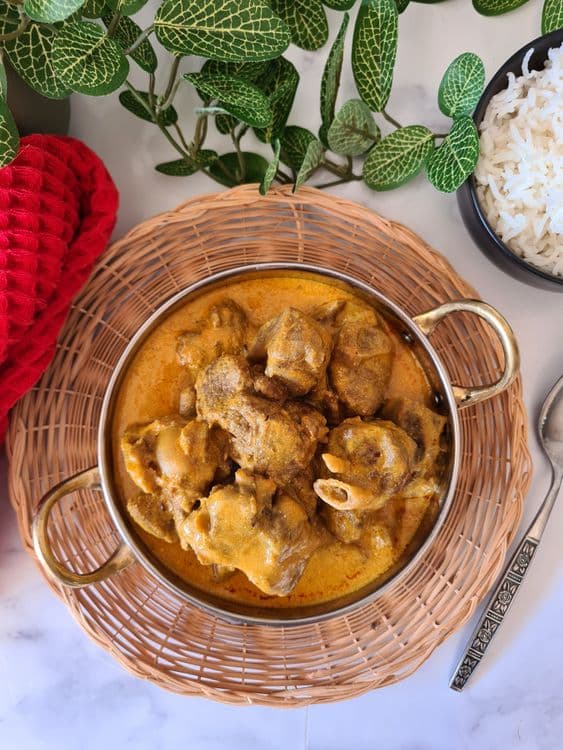
There's a particular kind of patience that goat meat rewards, and this set of mutton recipes is built around it. I've pulled together 34 real dishes that stretch from slow Sunday curries and festive biryanis to quick tawa fries and mince-based kebabs, so whether you have twenty minutes or a lazy afternoon, there's something here that fits. Every one of these has been cooked and shared by home cooks, not invented on a whiteboard.
What ties them together is technique rather than any single flavor. Goat is lean and hard-working, so it asks you to brown properly, bhuna your masala, and then give it time. Get those three things right and a tough, humble cut turns into the most satisfying plate on the table.
I've grouped everything into five sections so you can cook by mood: rich gravies, rice dishes, dry roasts, regional specialties, and quick mince. Read the guides below to learn how to cook mutton properly, from choosing cuts to timing and spicing, then dive straight into whichever cluster you're craving tonight.
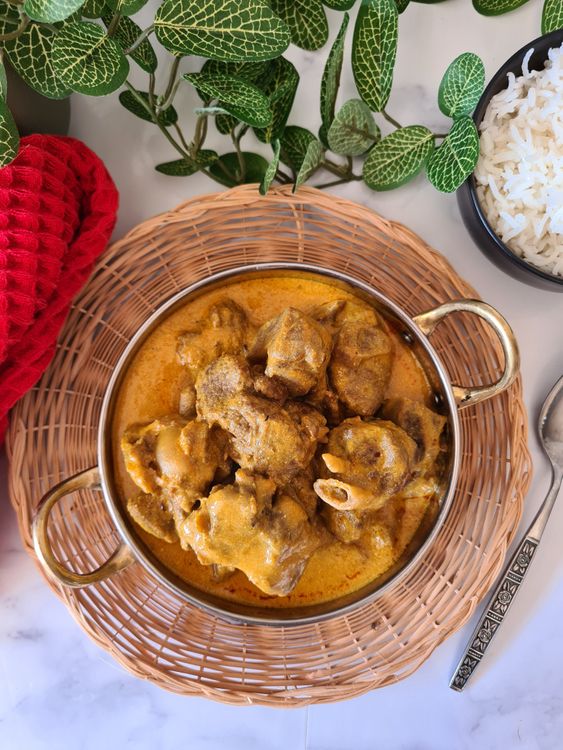
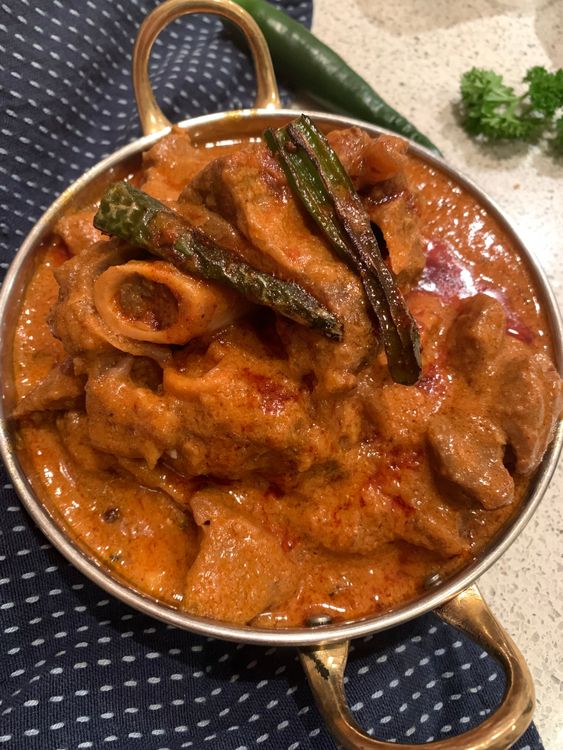
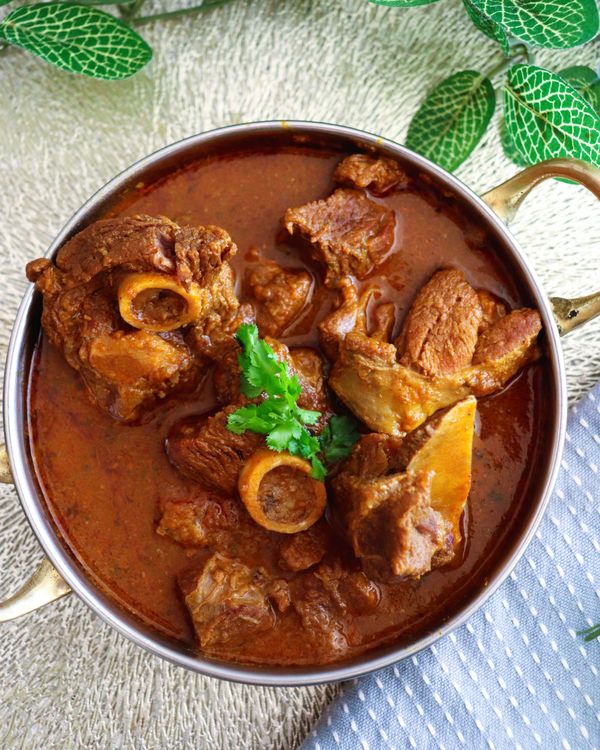
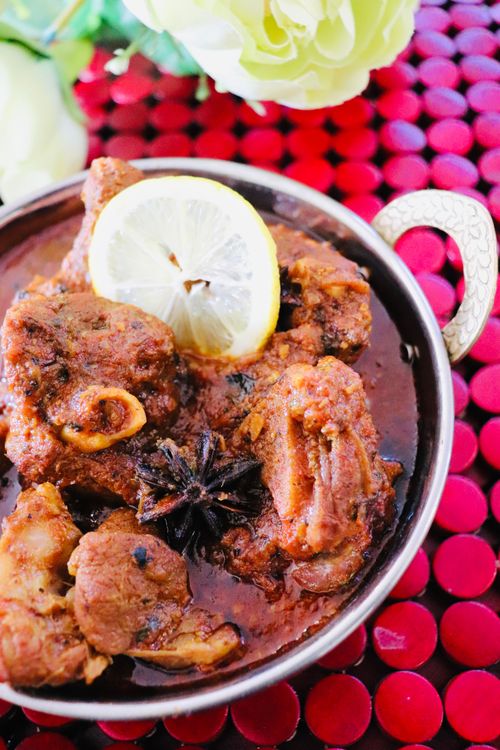
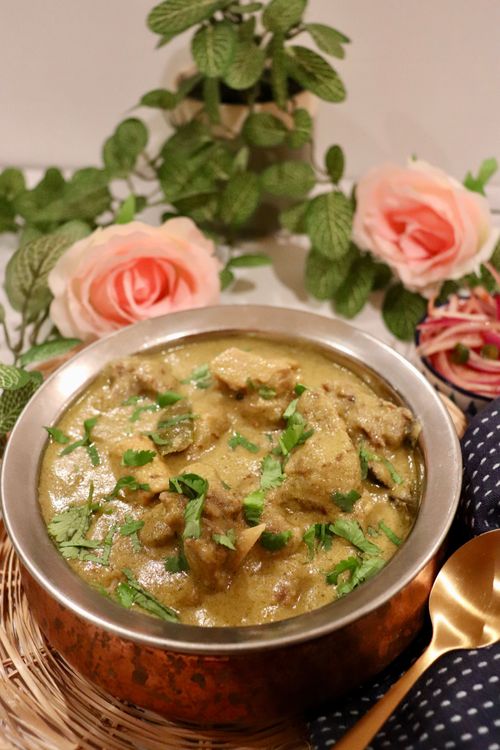
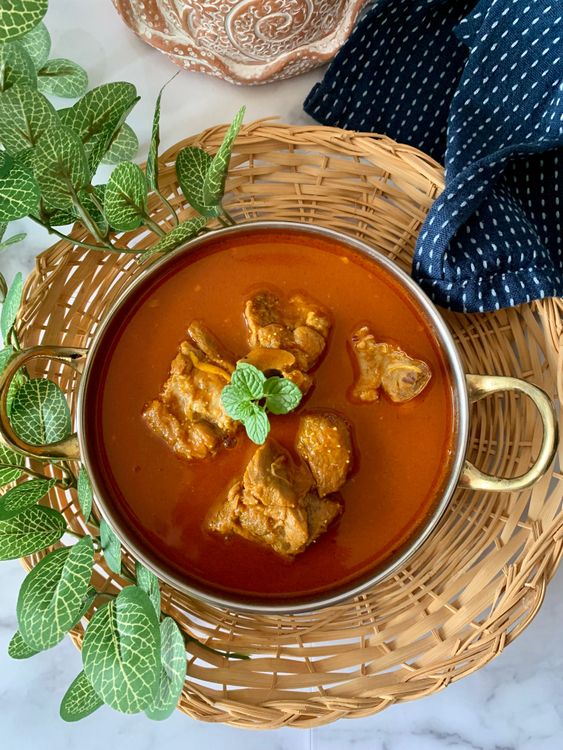
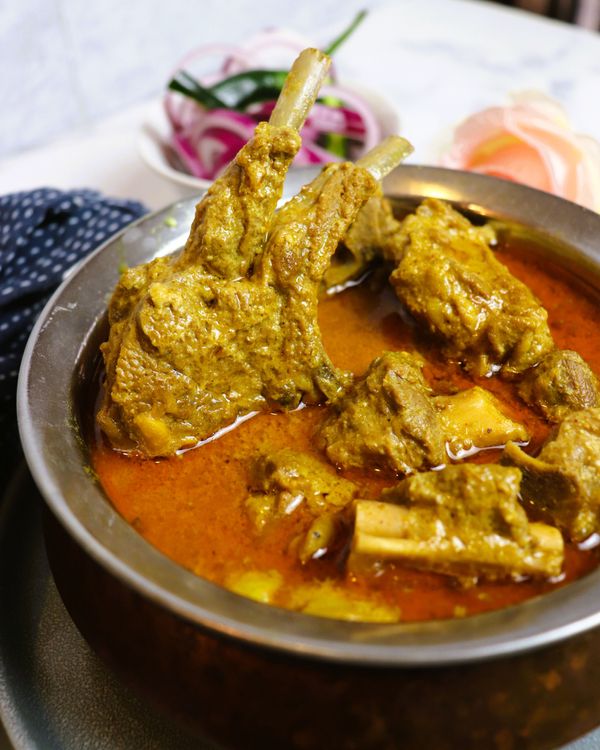
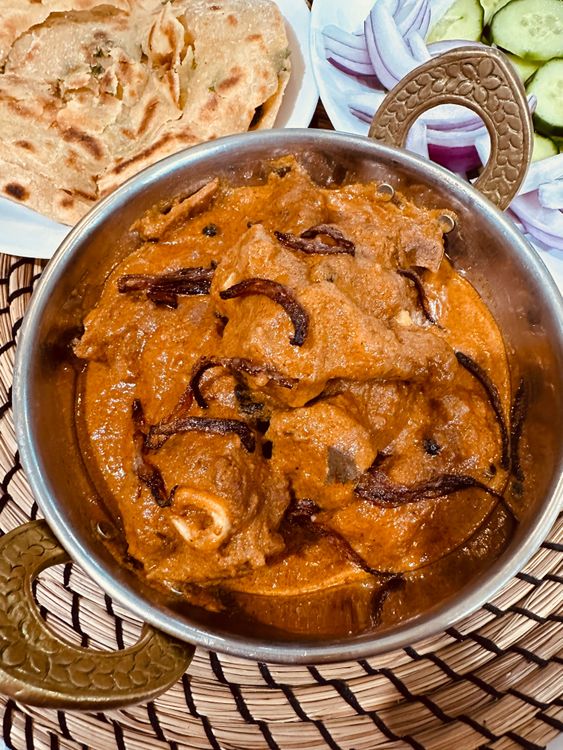
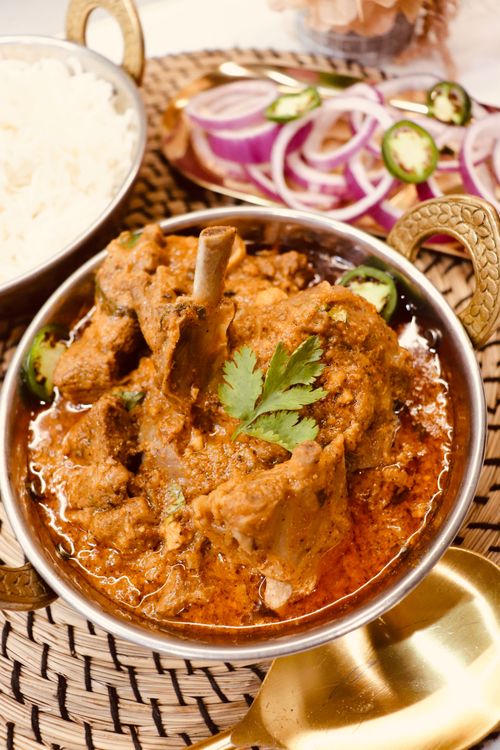
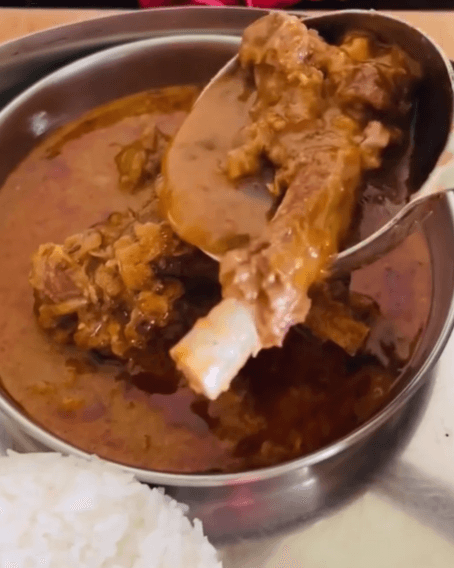
Mutton Curry & Gravy Classics
This is the heart of any goat-meat kitchen: slow-simmered gravies where bone-in pieces give up their richness over an hour or more. You'll find everything from a fiery, spicy mutton curry to a mild Mughlai korma, dhaba-style gravies, and tangy regional braises, all built on the same rhythm: brown the onions deeply, bhuna the masala until the oil separates, then let time do the tenderizing. A good gravy reheats better than it serves fresh, so cook it a day ahead. Keep the heat gentle once the meat goes in, because a hard boil toughens goat before it ever softens.

- Indian
- Non-Vegetarian
- Lunch
- Indian
- Non-Vegetarian
- Lunch
- Indian
- Non-Vegetarian
- Lunch
- Indian
- Non-Vegetarian
- Lunch
- Indian
- Non-Vegetarian
- Lunch
- Indian
- Non-Vegetarian
- Lunch
- Indian
- Non-Vegetarian
- Lunch
- Indian
- Non-Vegetarian
- Lunch
- Indian
- Non-Vegetarian
- Dinner
- Indian
- Non-Vegetarian
- Lunch
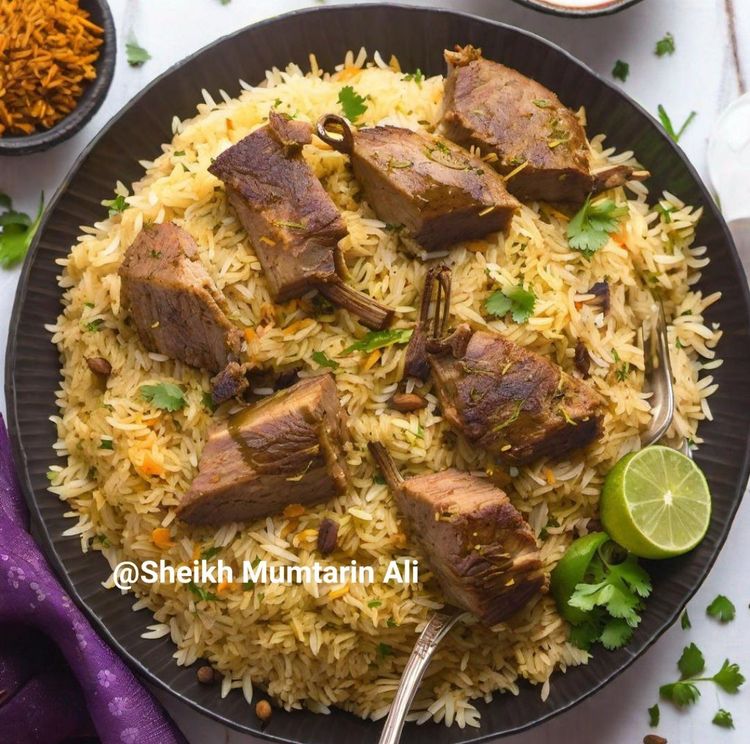
Mutton Biryani & Rice Dishes
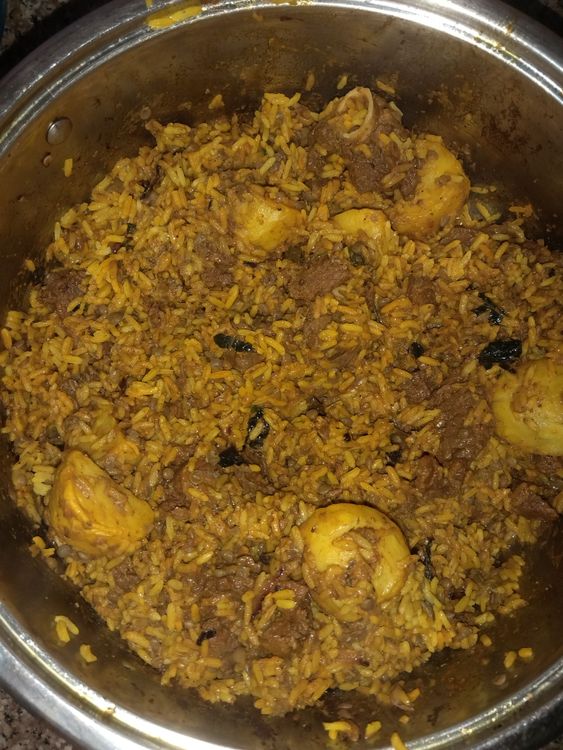
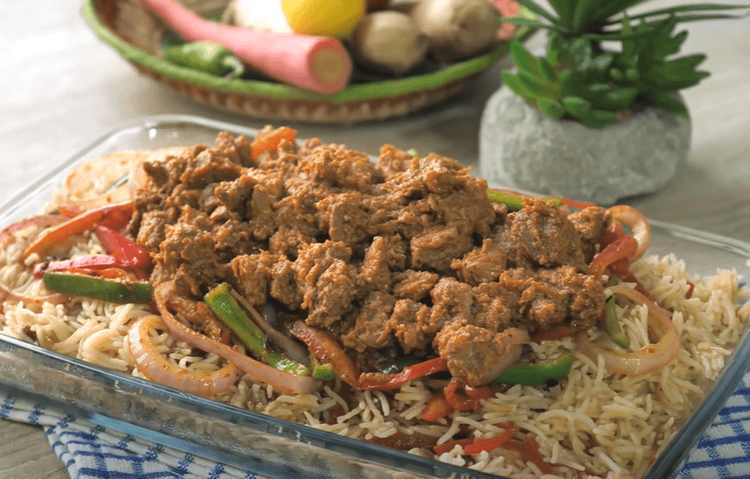
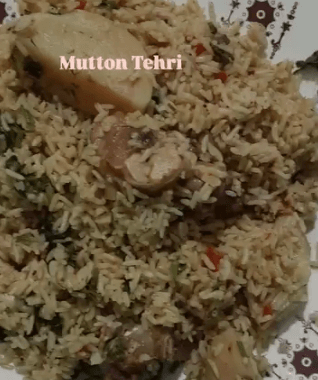
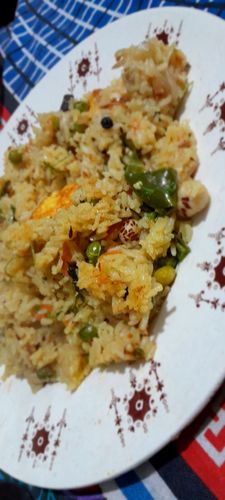
Rice and goat belong together, whether layered in a dum biryani or simmered one-pot as pulao and tehri. The trick across all of them is treating the meat and the rice as two separate projects that meet at the end: par-cook the goat until nearly tender, cook the rice to about seventy percent, then marry them with steam. Get your salt right in the water, since rice only seasons from the liquid it absorbs. These range from a quick weeknight tehri to a full weekend Hyderabadi mutton biryani built for a crowd.
- Indian
- Non-Vegetarian
- Lunch
- Indian
- Gluten-Free
- Lunch

- Pakistani
- Non-Vegetarian
- Lunch
- Indian
- Non-Vegetarian
- Lunch

- Indian
- Non-Vegetarian
- Dinner
Dry & Roast Mutton
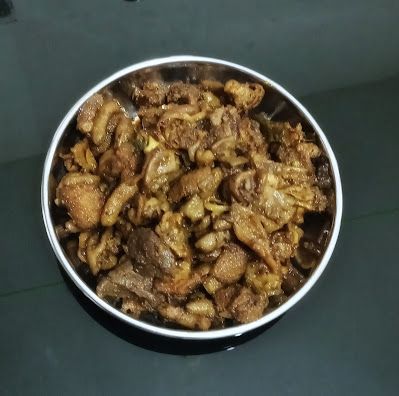
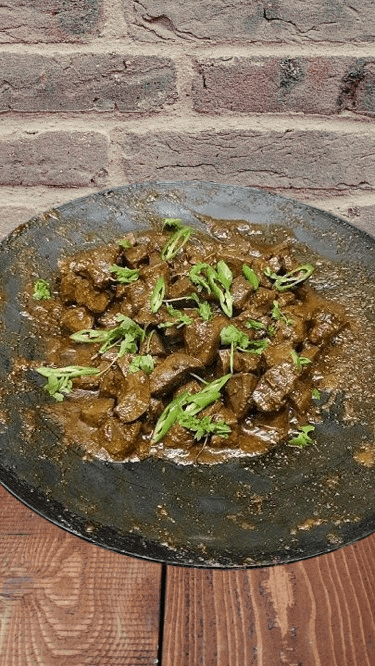
When you want texture over gravy, these dry preparations deliver, from spice-crusted roasts and seared liver to green-masala chops with edges that catch and caramelize. The technique is almost the opposite of a curry: cook the meat until tender, then keep reducing until the masala tightens into a coat rather than a sauce. A wide, heavy pan matters here because you need surface area for evaporation and browning. Most of these come together in under an hour, make excellent starters, and shine straight off the heat while the crust is still crisp and the spices smell freshly toasted.
- Indian
- Non-Vegetarian
- Lunch
- Indian
- Non-Vegetarian
- Lunch
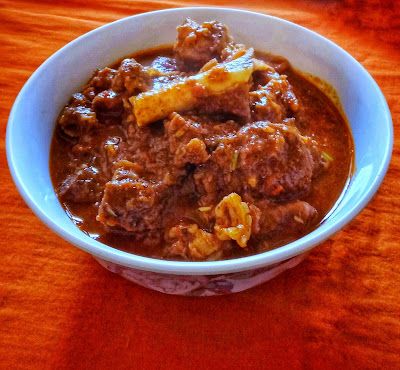
- Indian
- Non-Vegetarian
- Lunch
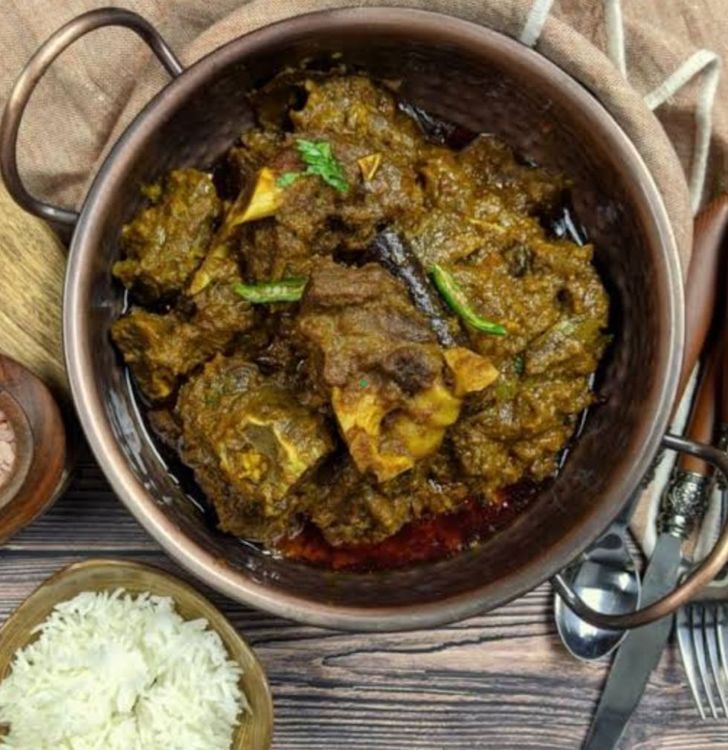
- Indian
- Non-Vegetarian
- Lunch
Regional Specialties: Rogan Josh, Karahi & Chettinad
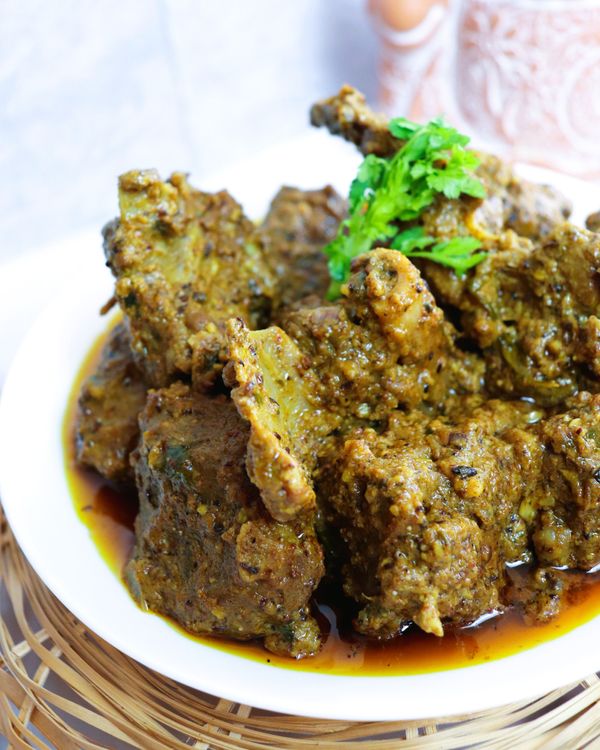
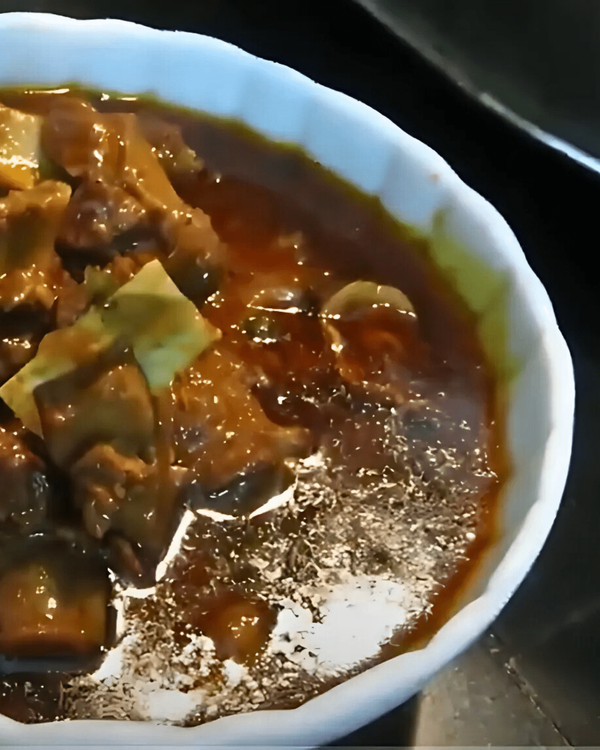
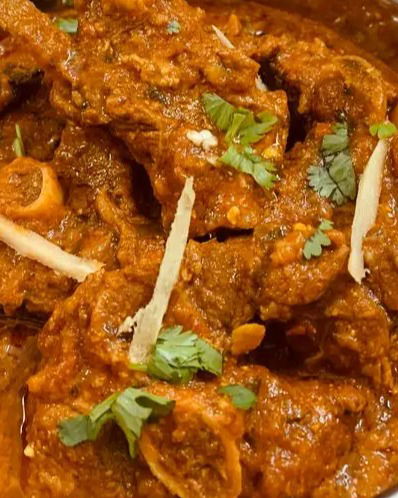
India and Pakistan each fold their own history into goat, and this section travels through it: a crimson Kashmiri mutton rogan josh, a Peshawari namkeen karahi stripped to seven ingredients, a Bengali kosha mangsho cooked dark and glossy, and a bright Himachali khatta finished sour. What ties them together is regional restraint, since each leans on one signature move, whether that's yogurt and Kashmiri chilli, pure salt and goat fat, or the clean tang of tamarind. Cook them as written before you improvise, because that careful balance is really the whole point of every dish here.

- Indian
- Non-Vegetarian
- Lunch
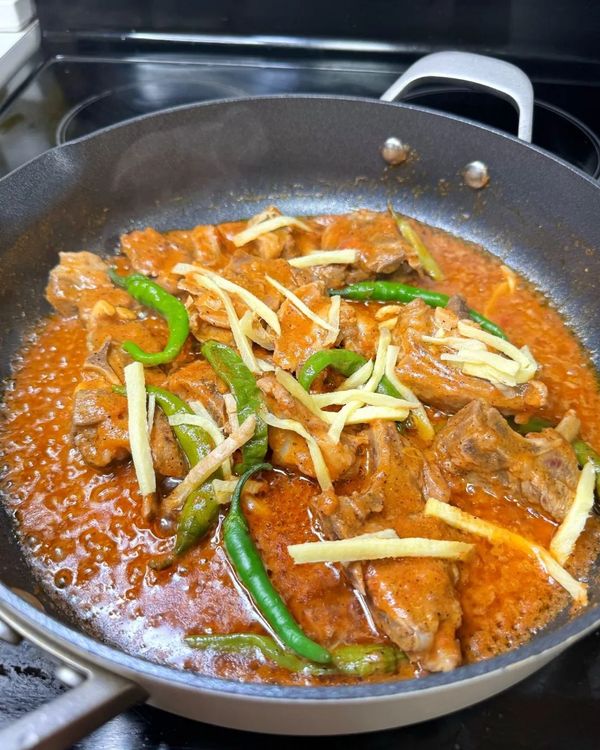
- Pakistani
- Non-Vegetarian
- Lunch

- Indian
- Non-Vegetarian
- Dinner
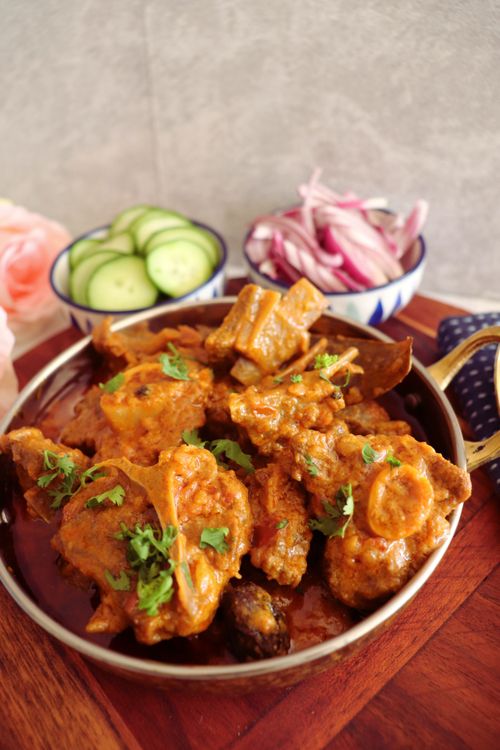
- Indian
- Non-Vegetarian
- Lunch
- Indian
- Non-Vegetarian
- Lunch

- Bengali
- Non-Vegetarian
- Lunch
- Pakistani
- Non-Vegetarian
- Dinner
- South African
- Non-Vegetarian
- Lunch
Mutton Keema & Kebabs
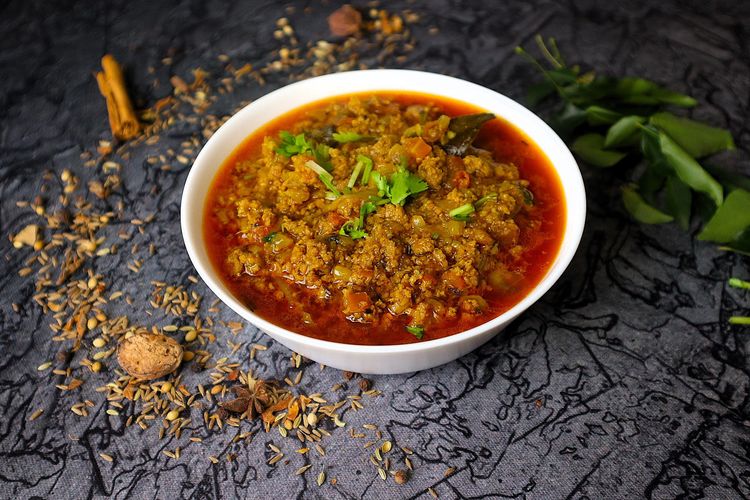
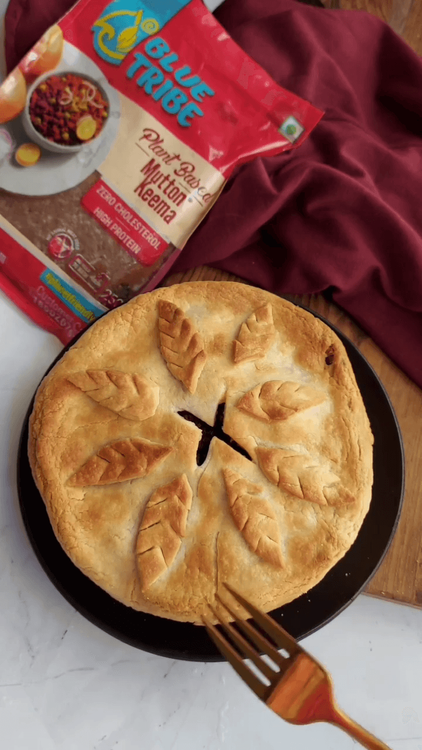
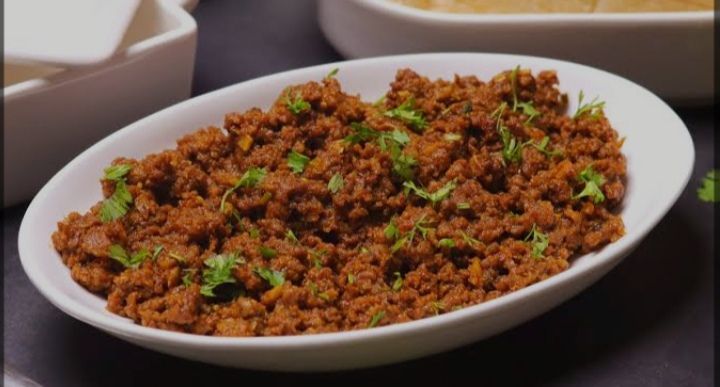
Mince opens up a faster, more playful side of goat cookery, from koftas, rolls, and samosas to lollipops and quick dry mutton keema that cook in a fraction of the time a whole-cut curry needs. Because the meat is ground, fat distribution and binding matter more than long braising, so a little rest in the fridge helps kebabs and koftas hold their shape. Season the raw mince assertively, since ground meat mutes spice as it cooks. There's even a plant-based pastry here for mixed tables, proving the format is every bit as flexible as its filling.

- Indian
- Non-Vegetarian
- Lunch

- Indian
- Non-Vegetarian
- Dinner

- Indian
- Non-Vegetarian
- Snack

- Indian
- Non-Vegetarian
- Appetiser
- Indian
- Non-Vegetarian
- Dinner

- Indian
- Non-Vegetarian
- Appetiser

- Indian
- Non-Vegetarian
- Lunch
How to Cook Tender Mutton: Cuts & Timing for Great Mutton Recipes
Learning how to cook mutton until it's truly tender comes down to two things: the cut you buy and the time you give it. Goat is a lean, hard-working meat, so the collagen-rich cuts are the ones you want. Shoulder, leg, and neck all braise into softness, while bone-in pieces add gelatin that gives the gravy real body. Ask your butcher for a mix of meat and bone, cut into roughly two-inch pieces, and avoid lean, boneless leg on its own, because it tends to dry out before it ever tenderizes.
Time is non-negotiable. On the stovetop, most curries need ninety minutes to two hours at a bare simmer, and older goat can take longer still. You'll know it's done when the meat pulls from the bone with light pressure but still holds its shape. Rushing with high heat is the most common mistake I see: a rolling boil seizes the muscle fibers and makes them tough, and then you're stuck waiting even longer for them to finally relax.
A few levers speed things up honestly. A yogurt or raw-papaya marinade breaks down fibers, a good long bhuna develops flavor before any water goes in, and resting the finished pot for thirty minutes lets everything settle. Salt early so it penetrates the meat rather than just seasoning the gravy, and keep the lid on to hold in steam and heat.
Pressure Cooker vs Slow-Cooked: Which Method to Choose
Both methods get you to tender, but they trade time for control. A pressure cooker is the weeknight hero, driving moisture and heat into the meat under pressure and turning a two-hour braise into twenty-five to thirty minutes at full whistle. It's ideal for keema, everyday curries, and anything where you want dinner on the table fast. The downside is that you lose the gradual reduction that concentrates flavor, so the gravy can taste a little flatter.
Slow cooking on the stovetop or in a heavy pot is where depth lives. The long, open simmer lets water evaporate and the masala reduce, so flavors layer and the gravy thickens naturally. Kormas, rogan josh, and kosha mangsho all reward this patience, and the difference between a good and a great version is usually just an extra forty minutes of unhurried, steady heat.
My usual compromise is to pressure-cook the meat until about eighty percent tender, then open the lid and reduce on the stovetop to finish. You get the speed of pressure and the concentrated, bhuna'd flavor of a slow braise in one pot. Just adjust your liquid, since pressure cookers lose far less water than an open pan, so start with less than a stovetop recipe suggests and add more only if you really need it.
Marinating & Spicing Goat: Building Layered Flavor
A marinade does two jobs at once: it seasons and it tenderizes. Yogurt is the workhorse here, since its gentle acidity and enzymes soften tough fibers while adding tang and helping the spices cling. Give the meat at least an hour, and overnight if you can, together with ginger-garlic paste, salt, and a little oil. For tougher or older goat, a small spoonful of raw-papaya paste is remarkably effective, but use it sparingly and don't over-marinate, or the surface turns unpleasantly mushy.
Spicing is about sequence, not just quantity. Whole spices go into hot oil first to bloom their aromatics, ground spices go in with the onion-tomato masala where a splash of water keeps them from scorching, and the delicate finishing touches, like garam masala, kasuri methi, and fresh coriander, go in at the very end so they stay bright. Toasting and grinding your own garam masala makes a genuine difference in these dishes.
Balance is the last step and the one people skip. Taste before serving and adjust: a squeeze of lemon or a pinch of tamarind lifts a heavy gravy, a little sugar rounds out excess sourness, and salt ties everything together. Fat carries flavor, so don't skim away every last bit of the goat's rendered richness; that glossy sheen on top is part of the reward.
Pro Tips for Better Mutton
- Bring the meat to room temperature before it hits the pan; cold goat straight from the fridge seizes up and steams instead of browning, which robs the curry of its deep base flavor.
- Brown the onions past golden to a proper deep amber, because this caramelization is the single biggest driver of color and sweetness in a classic goat gravy, and it simply can't be rushed at the end.
- Keep a kettle of hot water beside the stove and top up with hot, never cold, liquid; a cold splash shocks the simmering meat and tightens the very fibers you are patiently trying to soften.
- Bhuna the masala until you see oil pooling at the edges before you add the meat, since that visual cue means the raw spice edge has cooked out and the base is genuinely ready for the goat.
- Save the bones and any marrow, because they release gelatin that gives the gravy a glossy, lip-coating body that no amount of cream or cashew paste can honestly fake.
- Let the finished pot rest, covered, for at least twenty minutes off the heat; the meat reabsorbs its juices and the flavors settle, so it always tastes better after a short pause than straight off the flame.
Frequently Asked Questions
Are these mutton recipes made with sheep or goat meat?
In South Asian cooking, 'mutton' almost always means goat, and that's the case across this whole collection, so the dishes are written for bone-in goat meat. If you can only find lamb or older sheep, they will work too, though the cooking times shift: lamb tenderizes faster, while mature sheep may need even longer than goat to turn properly soft.
How long does goat take to cook until it is tender?
On the stovetop, expect ninety minutes to two hours at a gentle simmer for bone-in pieces, depending on the animal's age. In a pressure cooker, the same result takes roughly twenty-five to thirty minutes at full pressure. The meat is ready when it pulls away from the bone easily but still holds its shape rather than shredding apart into threads.
Do I need to marinate the meat before cooking?
It isn't strictly required, but it helps a great deal. A yogurt and ginger-garlic marinade seasons the meat through and gently tenderizes tough fibers, giving you better texture and deeper flavor. Even thirty minutes makes a real difference, and overnight is ideal. For older, tougher cuts, a tiny amount of raw-papaya paste works wonders without any real fuss.
Why is my curry still tough after cooking a long time?
Usually it's the heat, not the time. Even a spicy mutton curry should never be cooked at a hard, rolling boil, because that seizes the muscle fibers and makes goat rubbery, so it keeps fighting back no matter how long you cook. Drop the pot to a bare simmer, keep the lid on, and stay patient; salting early also helps it soften.
What should I serve alongside these dishes?
Gravy-based curries and kormas love plain basmati, jeera rice, naan, roti, or a soft sheermal to mop up the sauce. Dry roasts and kebabs make great starters, or pair them with dal and rice for a fuller plate. A sliced-onion salad, a wedge of lemon, and a cooling raita round out almost any goat-based meal beautifully.
Can I make these ahead of time and freeze them?
Absolutely, and most goat curries actually taste better the next day once the spices have had time to meld. Cool the dish fully, then refrigerate it for up to three days or freeze it for up to three months. Reheat gently with a splash of water. Fried snacks like samosas and kebabs freeze best before they are fried.
What is the difference between a curry, a korma, and a karahi?
A curry is the broad term for any spiced gravy dish. A korma is richer and milder, thickened with yogurt, cream, or nut pastes for a silky finish. A karahi is cooked fast in a wok-like pan, usually tomato-forward and bolder, with much less liquid. Each one treats the very same goat quite differently on the plate.
Is goat meat healthy compared with other red meats?
Goat is one of the leaner red meats, lower in fat and calories than beef or lamb while still being high in protein and iron. Many dishes here are naturally low-carb and high-protein, which suits muscle-building and lower-carb eating. As always, the oil and cream you add during cooking affect the final numbers the most, so adjust to taste.
Whichever route you take, from an unhurried Sunday gravy to a festive biryani or a plate of crisp kebabs, these mutton recipes reward patience and honest technique over shortcuts. Buy good bone-in goat, give it real time at a gentle simmer, and season in layers, and you'll turn a tough, humble cut into the most satisfying thing on the whole table.
Related
- mutton curry
- goat curry
- biryani
- keema
- rogan josh
- Indian mains
Popular Searches
- Best mutton recipes
- Easy mutton recipes
- Quick mutton recipes
- Healthy mutton recipes
- Simple mutton recipes
- Homemade mutton recipes
- Delicious mutton recipes
- Popular mutton recipes
- mutton curry
- mutton biryani
- mutton rogan josh
- mutton keema
Marnirni-apinthi Building, Lot Fourteen,
North Terrace, Adelaide, South Australia, 5000
Australia
