
33 Kheer Recipes for Every Festival and Craving
Updated July 7, 2026 · Curated by Chefadora
I have probably made more kheer than any other dessert, and this collection of 33 kheer recipes is the one I wish I'd had years ago. It gathers the whole family of Indian milk puddings in one place: the slow-simmered rice classics my grandmother made, quick seviyan bowls for surprise guests, grain-free sabudana and makhana for fasting days, silky set phirni, southern payasam, and a whole shelf of fruit and vegetable twists.
Every dish here is real and tested, pulled from the Chefadora community and clustered so you can find exactly the style you're craving. Whether you want a twenty-minute weeknight fix or an hour-long festival showpiece, there's something below. I've added the techniques that actually matter, how far to reduce the milk, when to add sugar, and how to keep fruit from curdling, plus comparisons and answers to the questions people ask most.
Think of the five sections that follow as doors into the same beloved dessert, each opening onto a different mood: comforting and traditional, quick and forgiving, festive and rich, or light and modern. Read the guides once and the technique carries across all thirty-three. Pick a bowl, warm your milk, and let's get simmering.
Classic Rice Kheer Recipes, Slow-Simmered the Old Way
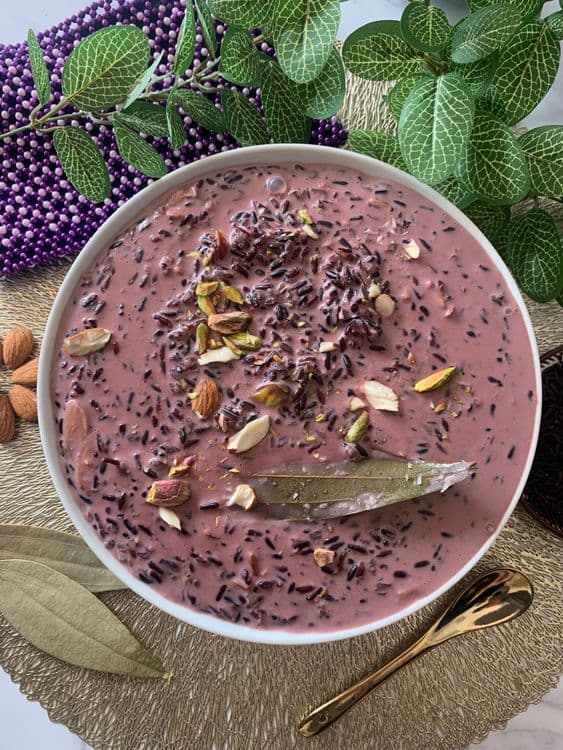
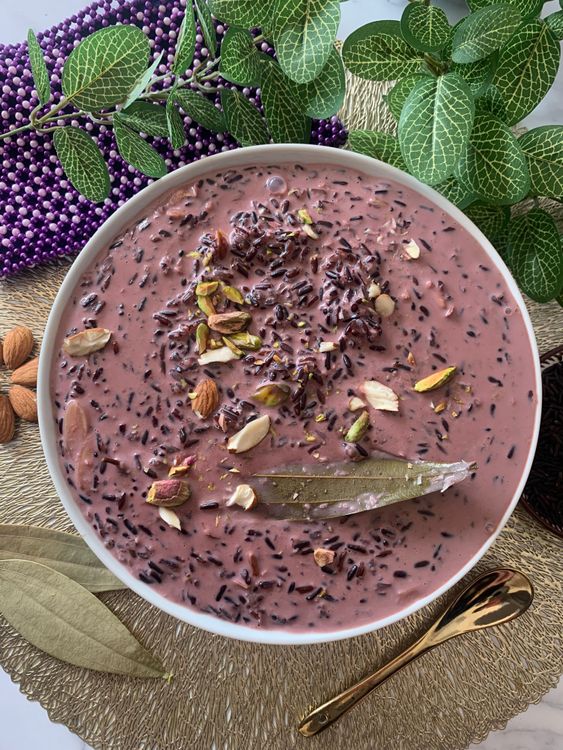
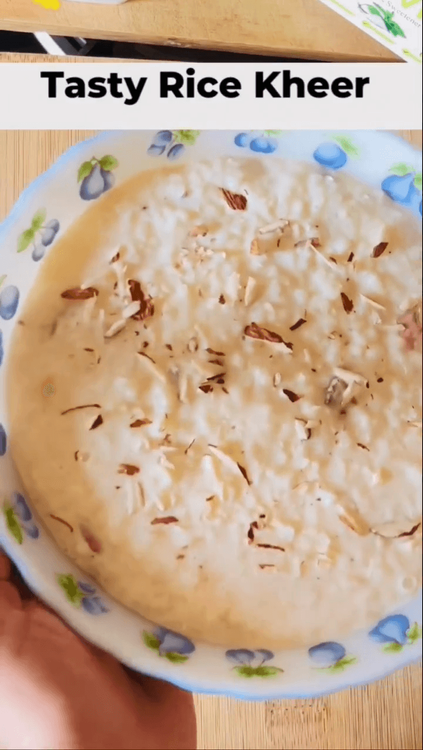
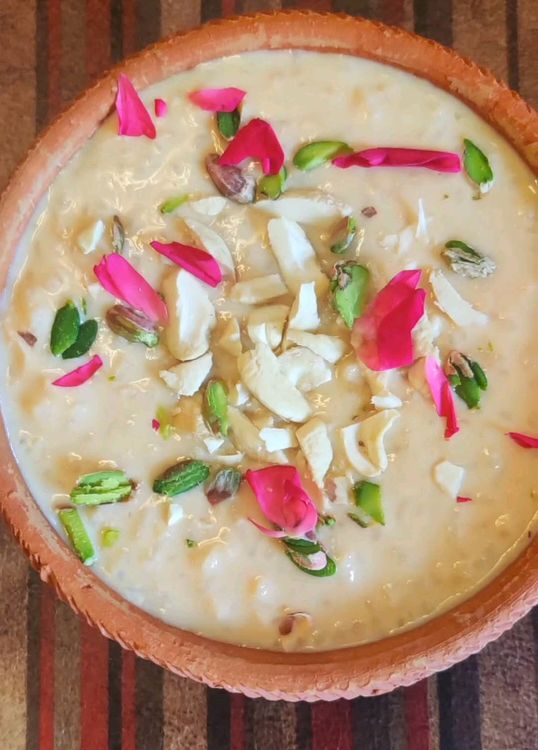
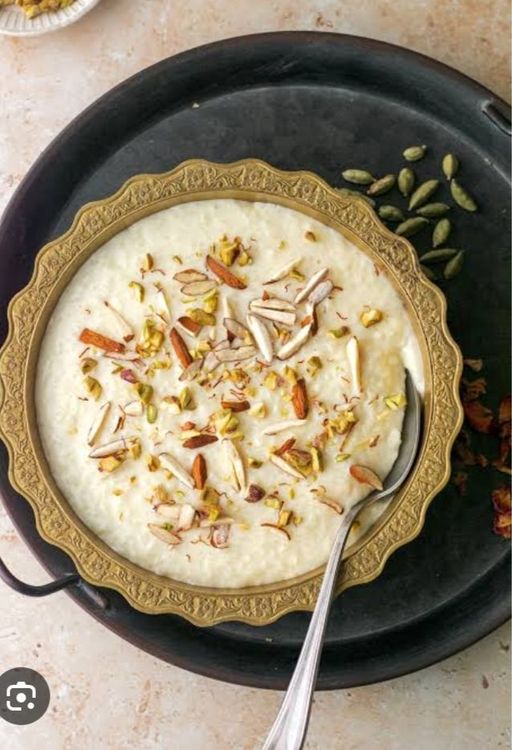
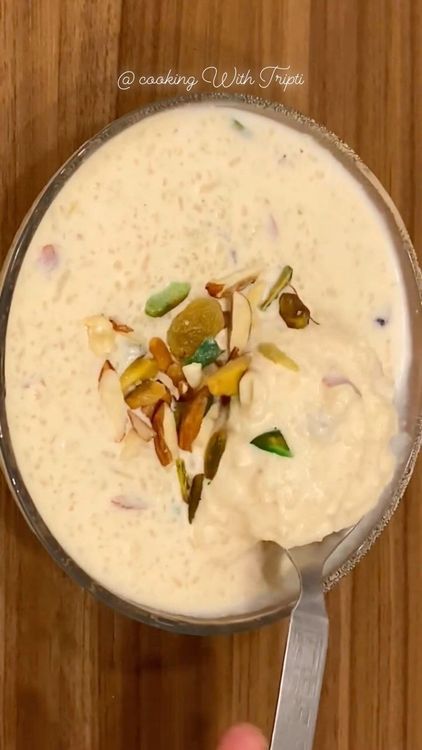
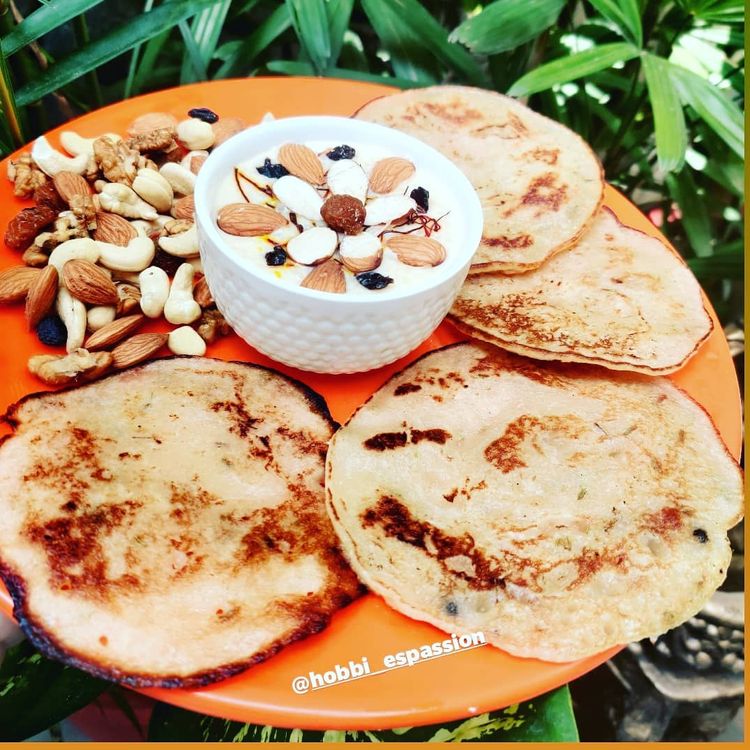
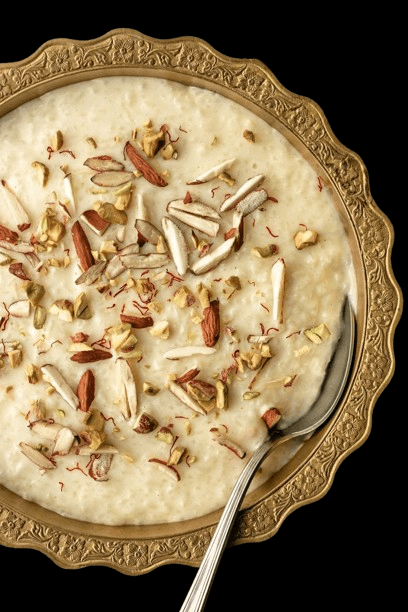
This is where most people start, and where I still return. Classic rice kheer is nothing more than short-grain rice, whole milk, sugar and cardamom, but the magic lives in the simmer: low heat, frequent stirring, and enough patience to let the milk reduce and the grains collapse into velvet. These eight range from twenty-minute Punjabi speed jobs to hour-long reductions, a striking black-rice bowl from Manipur, and a festive pairing spooned over soft malpude pancakes. Master any one and the rest fall into place.

- Indian
- Vegetarian
- Dessert
- Indian
- Vegetarian
- Dessert

- Indian
- Vegetarian
- Dessert
- Indian
- Vegetarian
- Dessert

- Indian
- Vegetarian
- Dessert

- Indian
- Vegetarian
- Dessert
- Indian
- Vegetarian
- Dessert

- Indian
- Vegetarian
- Dessert
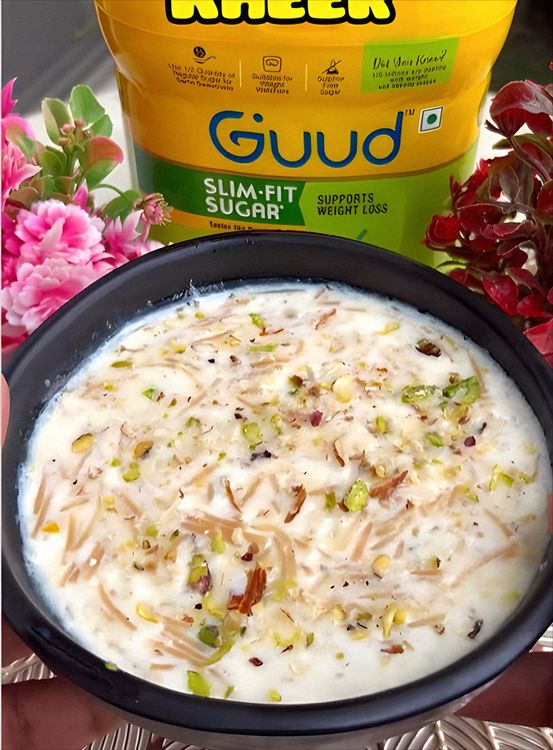
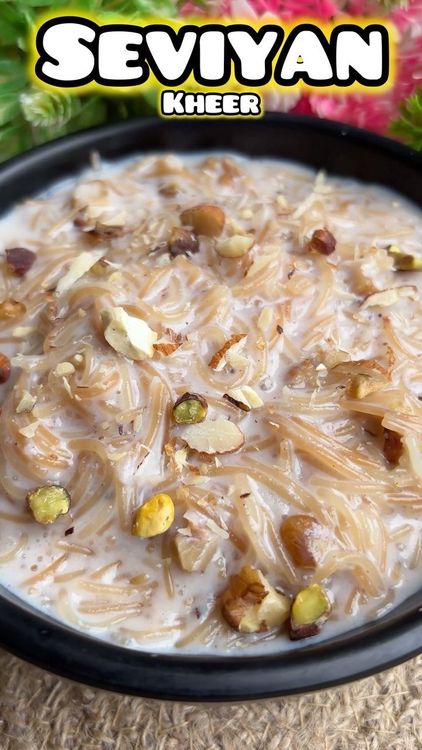
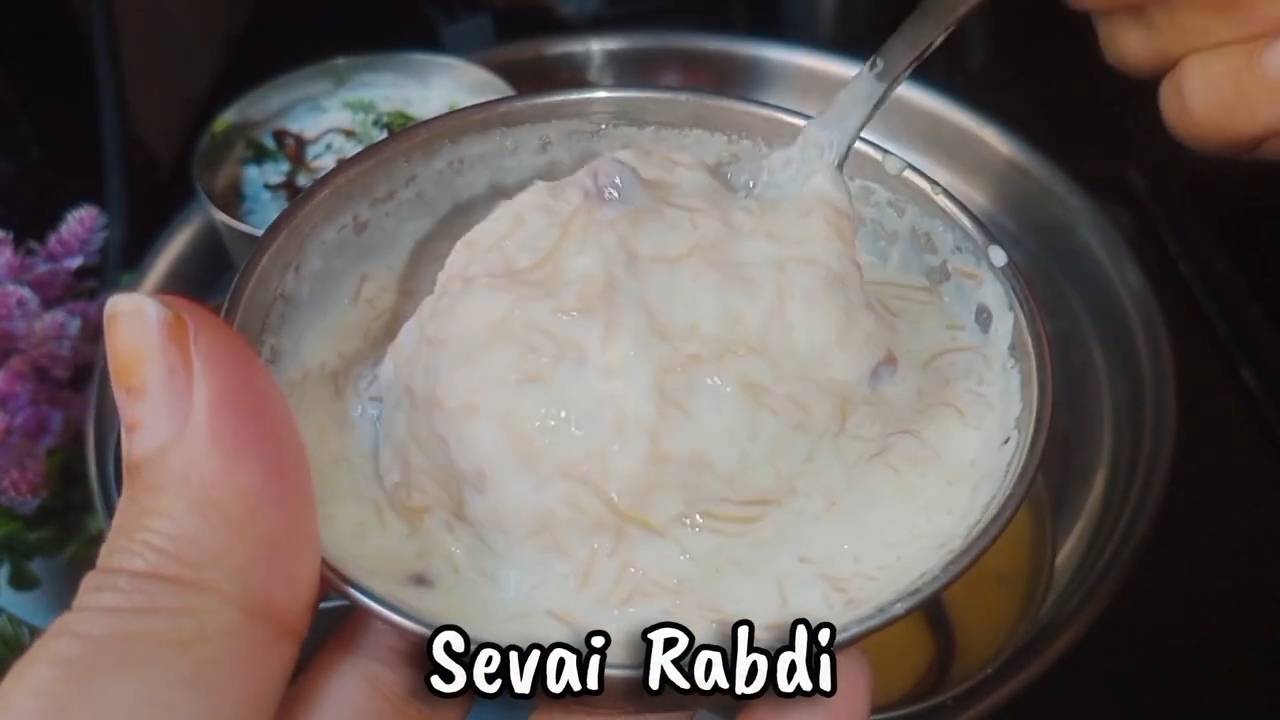
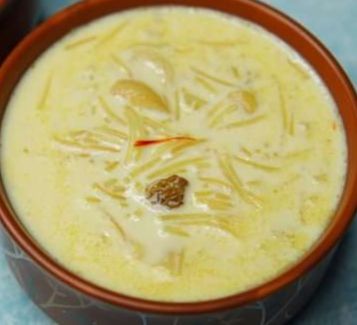
Vermicelli and Seviyan Puddings for Quick Sweetness
When time is short, vermicelli is your friend. Roasted in ghee until deep gold, the fine strands cook in minutes and drink up sweet cardamom milk without the long reduction rice demands. The names shift by region, seviyan kheer, semiya, sevai, vermicelli, but the idea holds. These four are the ones I reach for when guests arrive unannounced and I need something festive on the table in under half an hour. They are also the most beginner-proof puddings in the whole collection, hard to overcook and endlessly forgiving.

- North Indian
- Vegetarian
- Dessert
- Indian
- Vegetarian
- Dessert

- Indian
- Vegetarian
- Dessert

- Indian
- Vegetarian
- Dessert
Sabudana & Makhana Kheer for Fasting Days
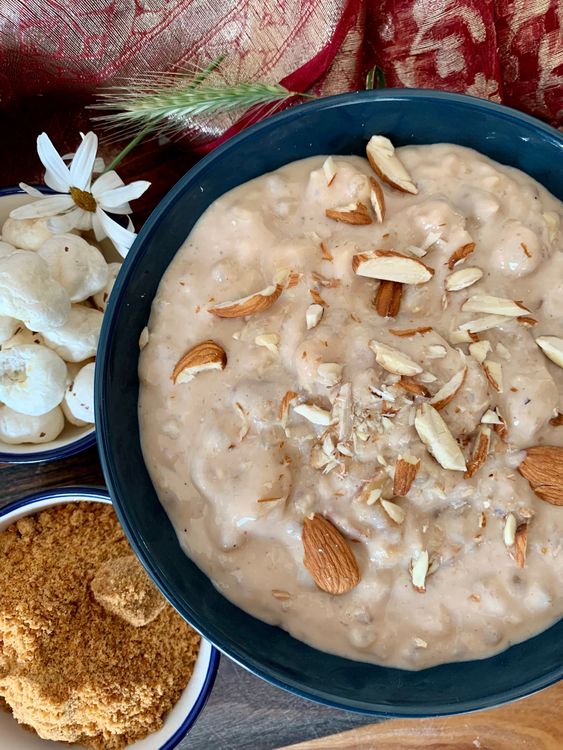
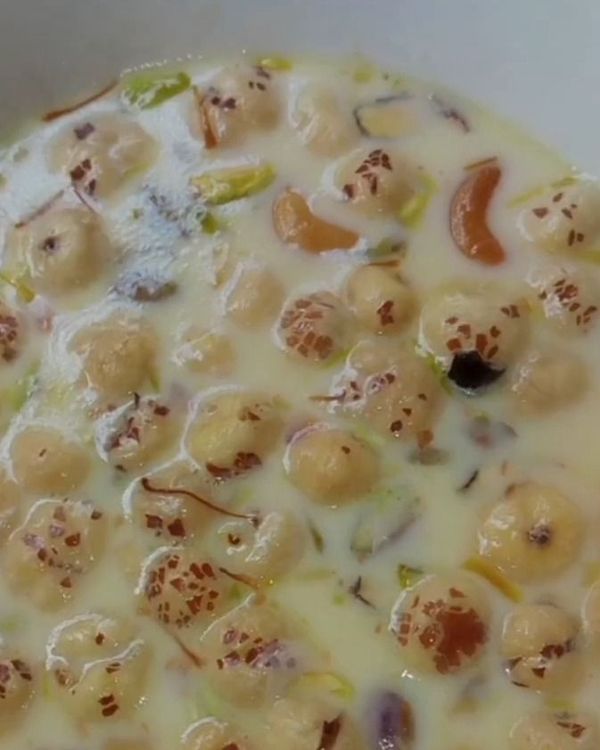
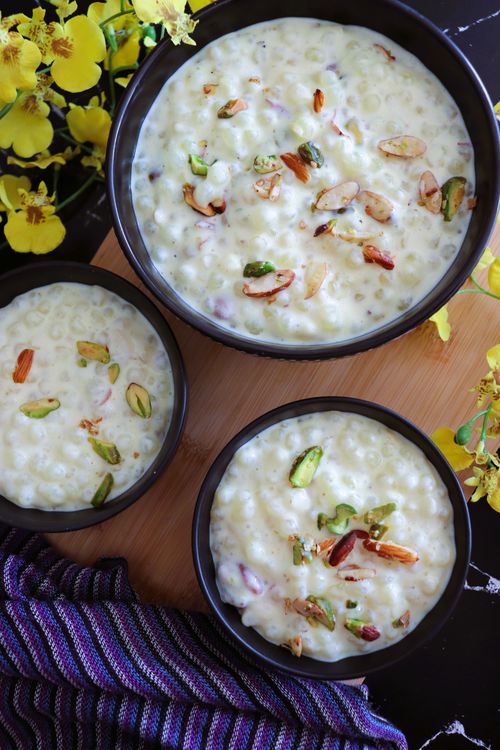
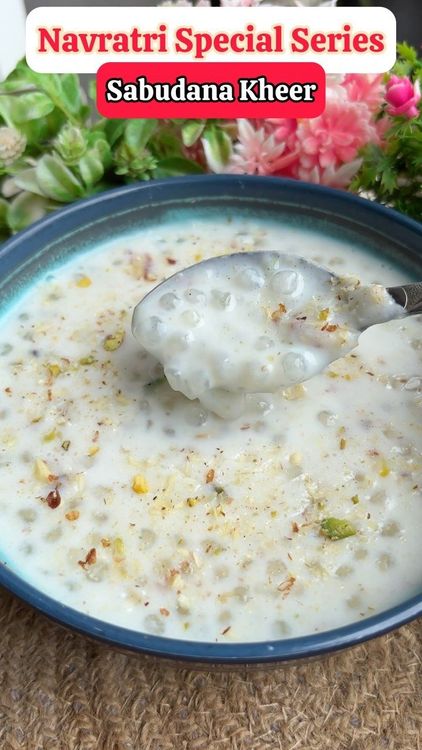
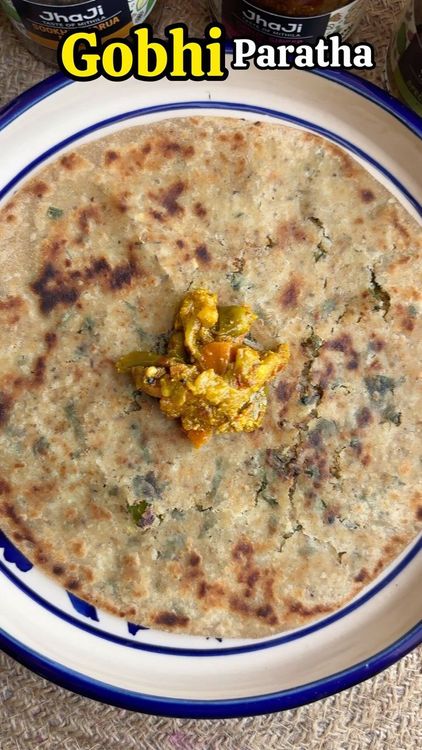
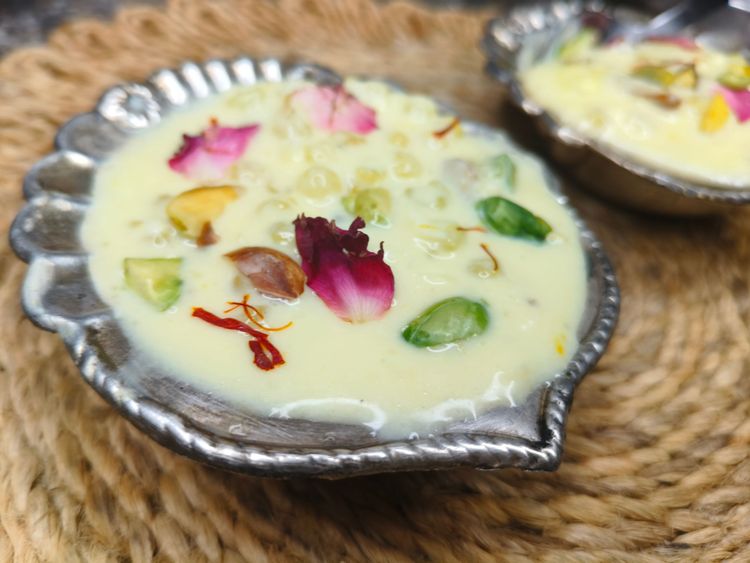
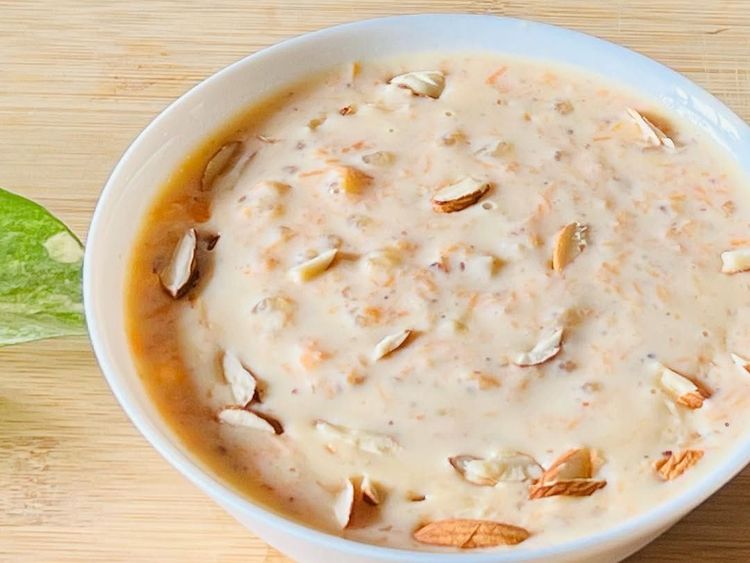
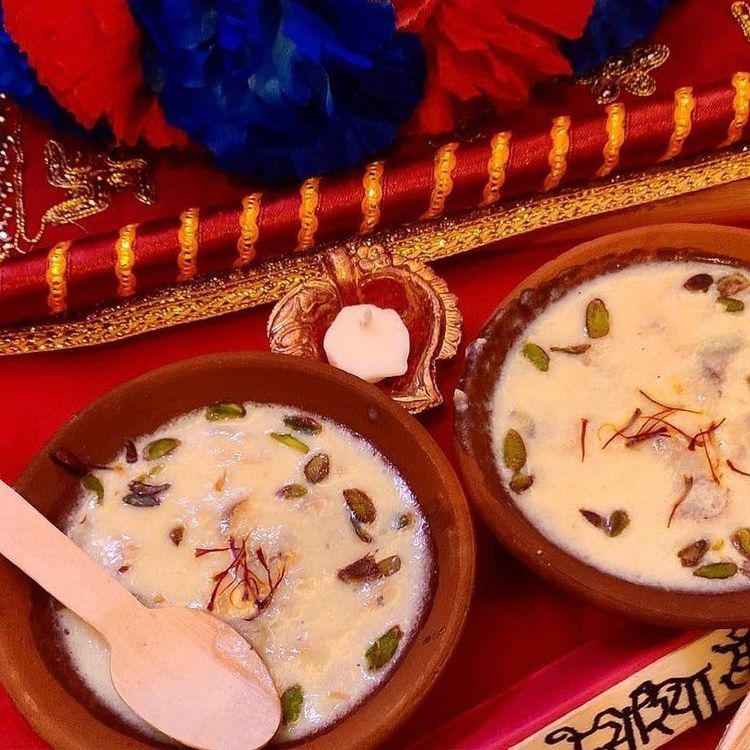
Come Navratri or any vrat, grains are off the table, which is exactly when sabudana kheer and makhana step forward. Soaked tapioca pearls and puffed lotus seeds both thicken milk beautifully while staying grain-free, so these puddings sit comfortably within fasting rules. Textures vary widely here, from slippery sago beads to the crisp-then-soft chew of roasted makhana, and several come together in well under an hour. A few even sneak grated carrot in for colour and natural sweetness without breaking a single fasting convention.
- Indian
- Vegetarian
- Dessert
- Indian
- Vegetarian
- Dessert
- Indian
- Vegetarian
- Dessert
- Indian
- Vegetarian
- Dessert
- Indian
- Vegetarian
- Breakfast

- Indian
- Vegetarian
- Dessert
- Indian
- Vegetarian
- Snack
- Indian
- Vegetarian
- Dessert
Festival Payasam, Phirni & Regional Favourites
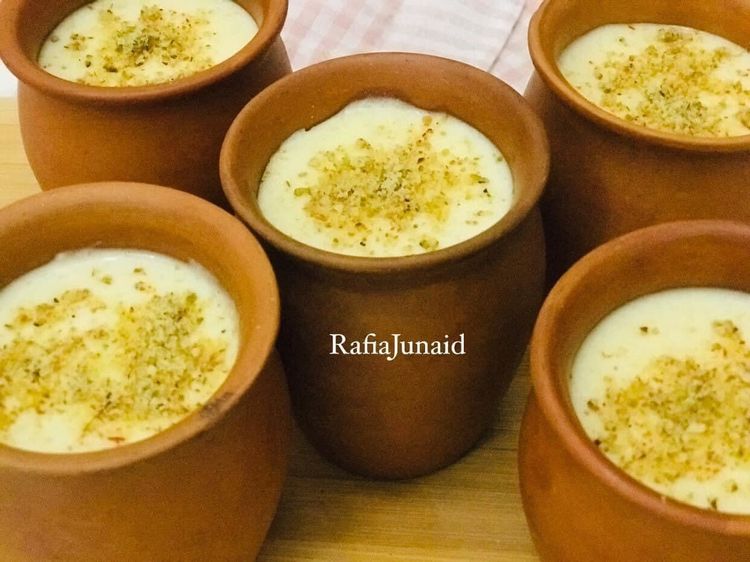
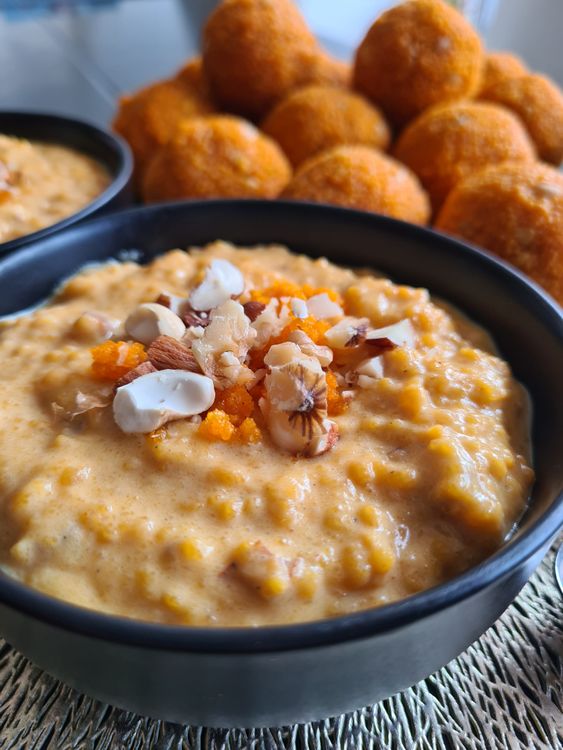
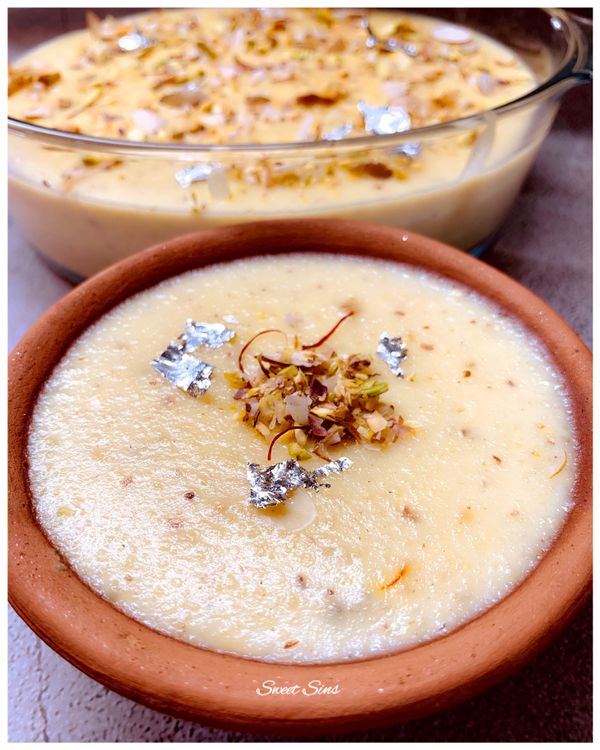
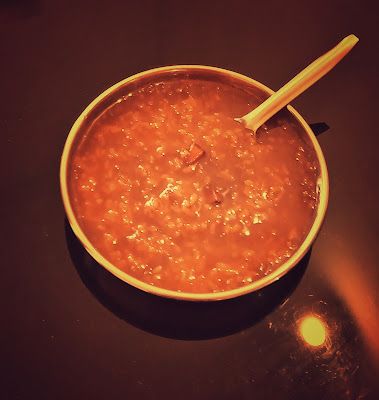
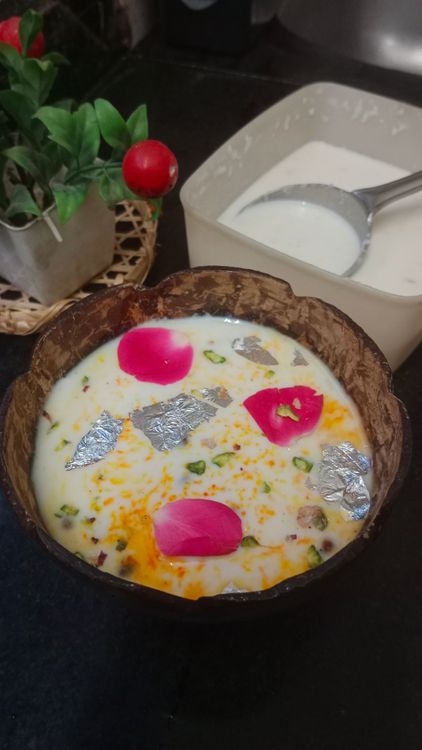
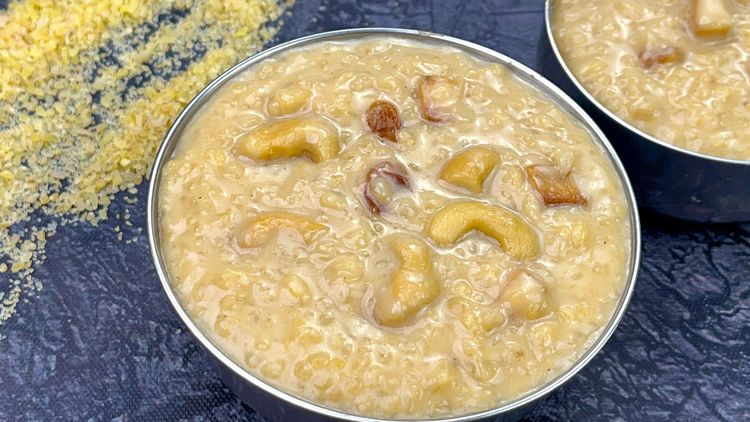
Every celebration on the subcontinent seems to end with a bowl of something milky and sweet. This group gathers the show-stoppers: silky set phirni chilled in clay, Kerala temple payasam offered as prasadam, a jaggery-rich wheat-and-dal payasam from the south, a honeyed custard-apple version, and even a pudding built from crumbled motichoor ladoos. These are the dishes I make when the occasion calls for a little ceremony and a lot of ghee, the ones that draw a crowd to the kitchen before they're even finished.
- Indian
- Vegetarian
- Dessert

- Indian
- Vegetarian
- Dessert
- Indian
- Vegetarian
- Dessert
- Indian
- Vegetarian
- Dessert

- South Indian
- Vegetarian
- Breakfast
Fruit, Veggie & Everyday Kheer Twists
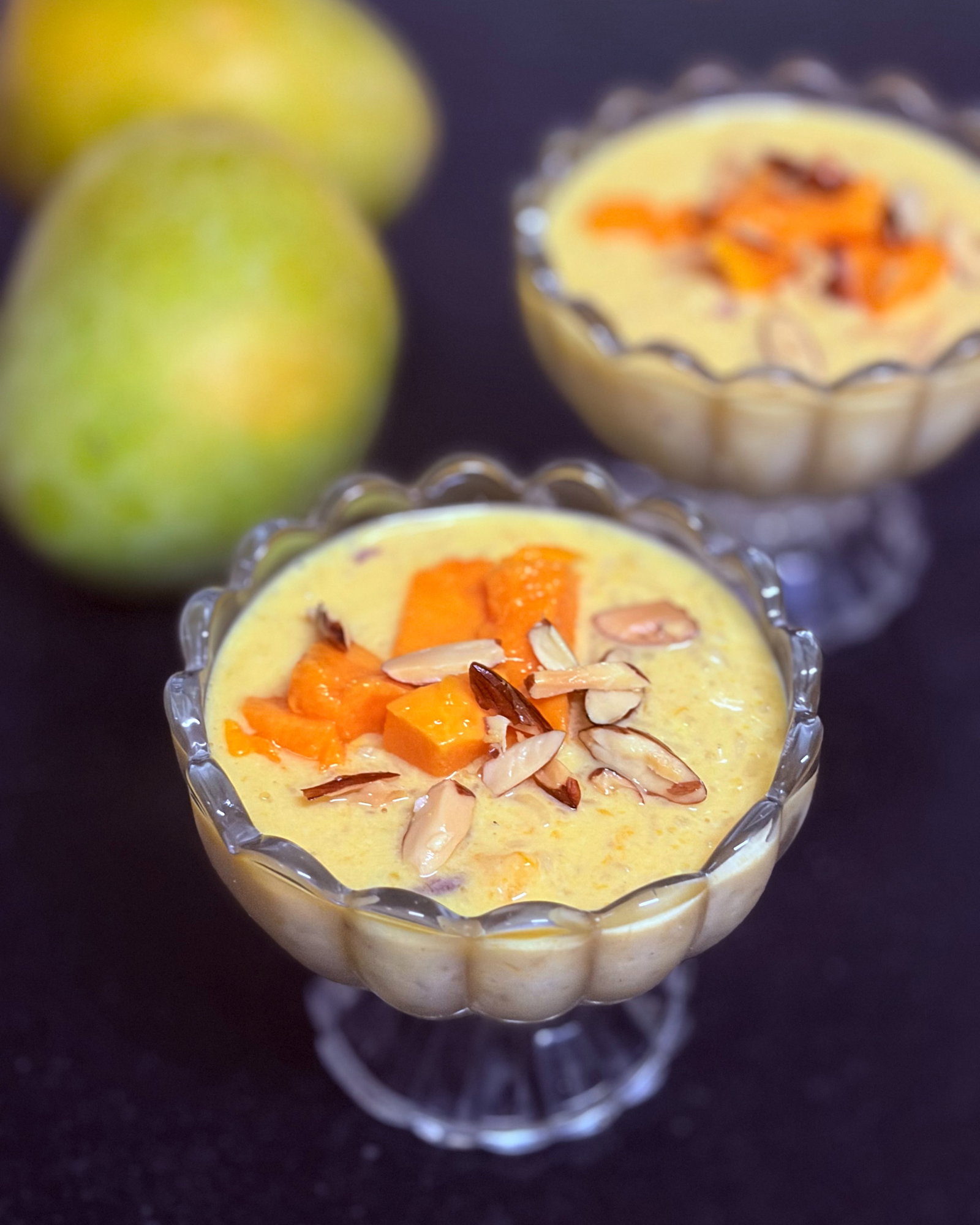
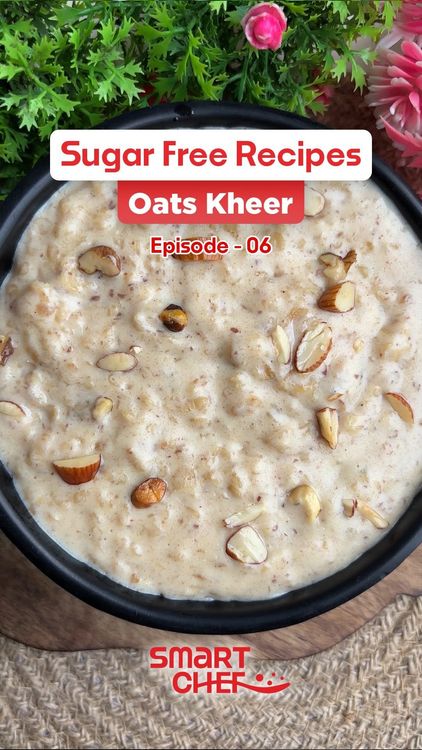
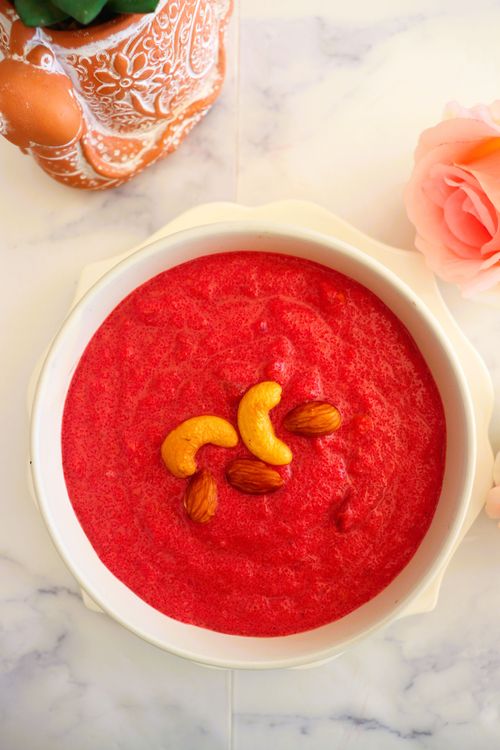
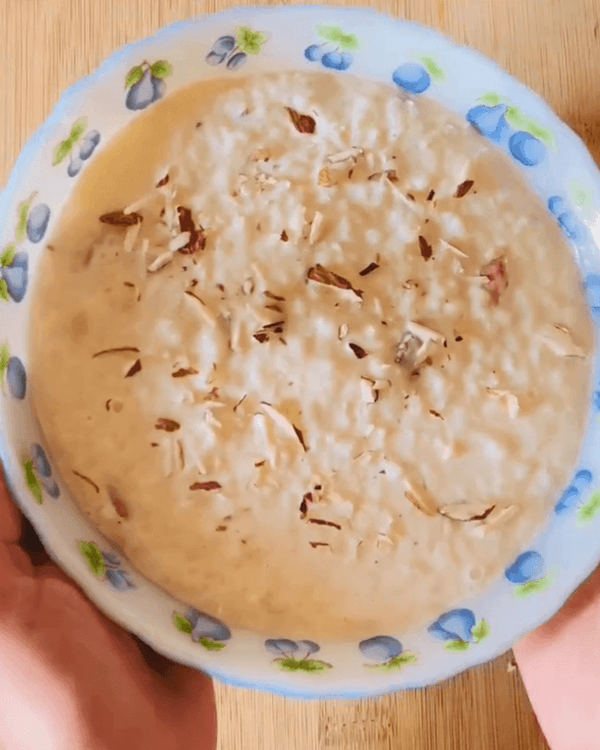
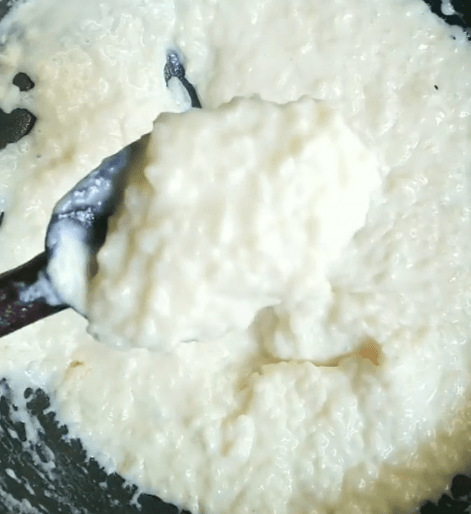
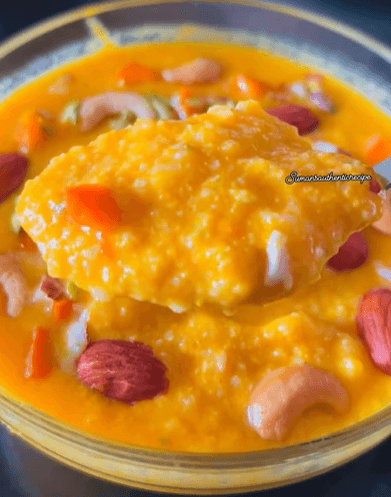
Not every bowl needs to be traditional. Here mango, carrot, beetroot and oats muscle their way in, along with sugar-free and five-minute versions for when a craving strikes on a Tuesday. Fruit gets folded in off the heat so it stays bright; vegetables melt down for natural sweetness and colour. These eight prove how far the humble milk pudding can stretch once you stop treating the recipe as fixed, and they're the ones I lean on when I want dessert without the guilt or the wait.
- Vegetarian
- Dessert
- Indian
- Vegetarian
- Dessert

- Indian
- Vegetarian
- Dessert
- Indian
- Vegetarian
- Dessert
- Indian
- Vegetarian
- Dessert

- Indian
- Vegetarian
- Dessert
- Indian
- Vegetarian
- Dessert
- Indian
- Vegetarian
- Dessert
Getting Creamy Kheer: The Art of Reducing Milk
The single biggest difference between a thin, milky bowl and a luxurious one is how far you reduce the milk. Start with full-fat whole milk, never skim, and bring it to a boil in a heavy-bottomed pan or kadhai so it doesn't catch. Then drop the heat and settle in. You want a lazy simmer, not a rolling boil, and you want to stir every few minutes, scraping the bottom and sides so the milk solids that cling there melt back in rather than scorching. That layer of malai, the skin that forms on top, is pure flavour: fold it back each time instead of throwing it away. Over thirty to fifty minutes the milk will thicken, turn faintly ivory, and reduce by roughly a third.
Add your sugar late, only once the rice or vermicelli is fully soft, because sugar added early tightens the grains and stops them breaking down. If you're impatient, a spoonful of milk powder, condensed milk or a handful of grated khoya shortcuts the richness of a long-cooked rice kheer without hours at the stove, though purists will tell you nothing beats time. Toast your nuts and raisins in a little ghee before stirring them through. Finally, remember the pudding thickens dramatically as it cools, so pull it off the heat while it still looks slightly loose, or your set bowl will turn stodgy by the time it reaches the table.
Kheer vs Payasam vs Phirni: What's the Difference?
People use these names loosely, but there are real distinctions worth knowing. Kheer is the broad North Indian term for milk simmered with a starch, most often whole rice, until thick and sweet. Payasam is essentially the South Indian cousin, though it ranges wider: it might be built on rice, vermicelli, moong dal, or even wheat rava, and it frequently leans on jaggery and coconut milk rather than refined sugar and dairy alone. In Kerala it becomes prathaman; in Tamil Nadu you'll hear payasam; the spirit is the same festive milk pudding shared at temples, weddings and harvest feasts across the region.
Phirni is the outlier and the easiest to tell apart. Instead of whole rice, it uses rice ground to a coarse paste, which releases far more starch and sets into a smooth, custard-like spoonable texture rather than a pourable one. It is almost always served cold, traditionally in small earthenware bowls called shikoras that wick away moisture and lend an earthy note. So, to keep it simple: whole grain and pourable is kheer, ground rice and set is phirni, and payasam is the southern umbrella that borrows freely from both. Knowing which you actually want tells you how much to reduce the milk, which sweetener to reach for, and whether to serve it warm or chilled.
Festival Kheer: Tips for Diwali, Eid and Navratri
Festivals are when this pudding earns its keep, and cooking for a crowd changes the game. Scale up in a wide, heavy pan rather than a tall one so the milk has surface area to reduce; a deep pot just steams and never thickens. Make it a day ahead where you can, because most versions taste better once the flavours have had a night to marry in the fridge, and the texture firms into something more luxurious. Loosen it with a splash of warm milk before serving if it has set too far, and always taste for sugar again once it is cold, since chilling noticeably mutes sweetness.
Match the sweet to the occasion. For Navratri and vrat, choose sabudana or makhana so guests observing a fast can eat freely, and keep the sugar gentle. For Eid, seviyan is traditional, so roast that vermicelli deep and dress it lavishly with nuts and dried fruit. For Diwali, a rich rice kheer or a saffron phirni set in clay bowls feels suitably celebratory. Garnish generously and late: fried cashews, slivered pistachios, golden raisins, a pinch of saffron bloomed in warm milk, and a whisper of rose water or kewra to carry the aroma right across the room.
Pro Tips for Perfect Kheer Every Time
- Always use a heavy-bottomed pan or nonstick kadhai; thin pans scorch the milk in minutes, and a burnt note is impossible to hide once it has crept into the pot.
- Rinse and soak your rice for twenty minutes, then bruise the grains lightly, so they release starch faster and the pudding turns creamy without an extra hour of patient stirring.
- Add sugar only after the grains are fully soft, because sugar hardens starch and your rice will stay stubbornly chalky if you sweeten the pot too early in the cook.
- Bloom saffron in a tablespoon of warm milk for ten minutes before adding it; dropping dry strands straight into the pot wastes both the colour and the fragrance you paid for.
- If the milk threatens to boil over, keep a long-handled spoon resting across the rim of the pan and lower the heat the moment it starts to climb toward the edge.
- Stop cooking while it still looks a little loose, since every version thickens noticeably as it cools, and an overcooked pot turns gluey, heavy and dull by the next morning.
Frequently Asked Questions
Which kheer recipes are best for beginners?
If you're new to this, start with a simple rice or vermicelli version. Semiya and seviyan puddings are the most forgiving because the strands cook in minutes and the timing is hard to botch. A basic five-ingredient rice pudding is also beginner-friendly; just keep the heat low, stir often, and add the sugar only once the grains have gone properly soft. From there you can branch confidently into fruit and fasting-day twists.
How do I make kheer without it turning lumpy or grainy?
Lumps usually come from milk catching on the base or from adding cold ingredients to hot milk. Stir every couple of minutes, scraping the bottom, and keep the flame low throughout. Dissolve any milk powder or cornflour in a little cold milk before it goes in, and temper fruit purees off the heat so their acidity can't split the dairy. A heavy pan and steady patience solve almost every texture problem you'll meet.
Can I make this pudding vegan or dairy-free?
Yes. Swap whole milk for full-fat coconut, cashew or oat milk and you'll still get a creamy result, though coconut will bring its own flavour, which suits South Indian payasam especially well. Use jaggery or maple syrup in place of dairy-derived sweeteners, and expect a slightly shorter cook, since plant milks tend to reduce faster than dairy. Add a spoon of soaked cashew paste for extra body if it feels thin.
What is the best rice to use for a classic bowl?
Short-grain, starchy rice is ideal because it breaks down and thickens the milk naturally as it cooks. Basmati is the traditional choice in Punjabi versions for its fragrance, broken or gobindobhog rice works beautifully in Bengali payesh, and any leftover cooked rice can be pressed into a quick fix. Avoid parboiled or long-grain varieties, which stay stubbornly separate and never give you that signature creamy, cohesive texture.
How long does it keep, and can I freeze it?
Stored in an airtight container, most versions keep three to four days in the fridge and often taste better on day two. It thickens as it chills, so loosen with a little warm milk before serving. Freezing works for rice and sabudana styles for up to a month, though the texture softens a touch; thaw it overnight in the fridge and stir well to bring everything back together smoothly.
Why is my phirni not setting properly?
Phirni sets because ground rice releases lots of starch, so if yours stays runny you likely used too little rice paste or didn't cook it long enough. Grind soaked rice to a coarse, sandy paste, cook until the mixture visibly coats the back of the spoon, then chill for at least three hours. It firms up considerably in the cold, so resist the urge to over-thicken it while hot.
Should I use sugar or jaggery to sweeten it?
Both work, but they behave differently. Refined sugar keeps the colour pale and the flavour clean, which suits delicate rice puddings and phirni. Jaggery brings caramel depth and is traditional in South Indian payasam, but it can curdle hot milk, so take the pan off the heat, let it cool a little, then stir the jaggery in right at the very end. Palm jaggery gives an even mellower, rounder sweetness.
Can I make a healthier or sugar-free version?
Absolutely. Oats stand in for rice to add fibre, dates or a sugar substitute replace refined sugar, and low-fat milk lightens the load, though you'll sacrifice some richness. Bulking the bowl up with makhana or sabudana adds satisfying body without much sugar, and finishing with ripe fruit lets natural sweetness carry it, so you can cut back on added sweeteners without the dish ever tasting bland.
However you like your bowl, thick or loose, grain or sago, warm or fridge-cold, there are kheer recipes here for every mood and every festival on the calendar. Start with a version that matches your skill and your pantry, master the slow reduction, then branch out into the fruit, vegetable and fasting-day twists. This humble milk pudding rewards patience more than any special ingredient, so take your time and enjoy the simmer.
Related
- rice kheer
- seviyan kheer
- sabudana kheer
- phirni
- payasam
- festival sweets
Popular Searches
- Best kheer recipes
- Easy kheer recipes
- Quick kheer recipes
- Healthy kheer recipes
- Simple kheer recipes
- Homemade kheer recipes
- Delicious kheer recipes
- Popular kheer recipes
- rice kheer
- seviyan kheer
- how to make kheer
- sabudana kheer
Marnirni-apinthi Building, Lot Fourteen,
North Terrace, Adelaide, South Australia, 5000
Australia
