
24 Kofta Recipes, From Silky Malai to Smoky Grilled Lamb
Updated July 15, 2026 · Curated by Chefadora
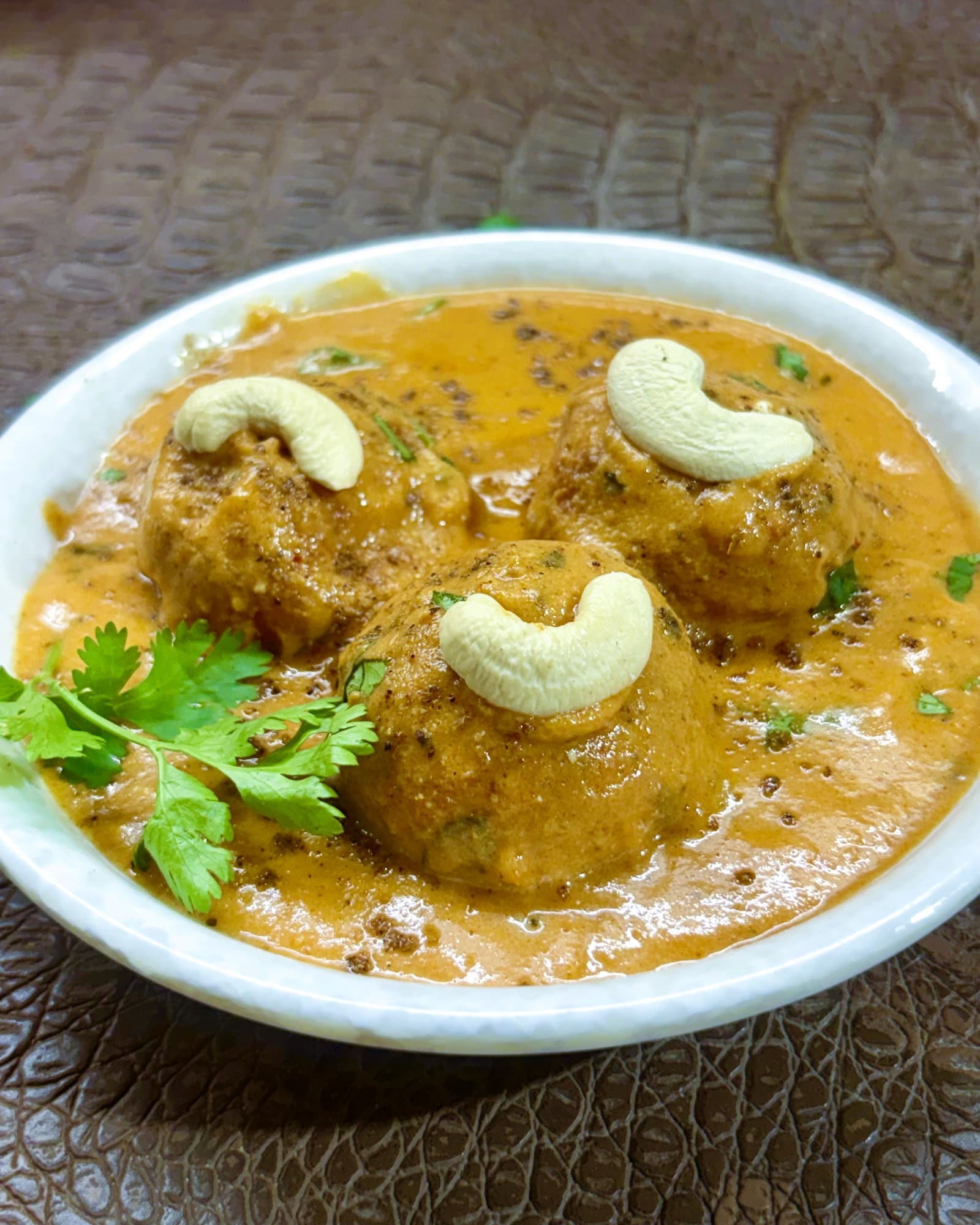
I have fried, baked and pan-steamed more of these little dumplings than I care to admit, and the thing nobody tells you is that the balls are the easy part. It's the gravy that decides whether dinner is memorable. The kofta recipes below come from Chefadora cooks across Punjab, Awadh, Turkey and Lebanon, and they cover every direction the dish can take: silky cashew sauces, tangy tomato bases, smoky skewers you eat off a torn flatbread.
What surprised me most when I lined all twenty-four up was the range. A grated bottle gourd version simmered in thin desi gravy is a 35-minute weeknight affair with fifteen ingredients. A restaurant-style kofta curry built on soaked cashews and a boiled onion paste is a Saturday project that runs over an hour. Both are worth knowing, and neither is harder than the other — they just ask for different amounts of your attention.
I've grouped them by the three things you're actually deciding between: the sauce, the filling, and the cooking method.
Malai Kofta Recipes and Creamy Cashew Gravies
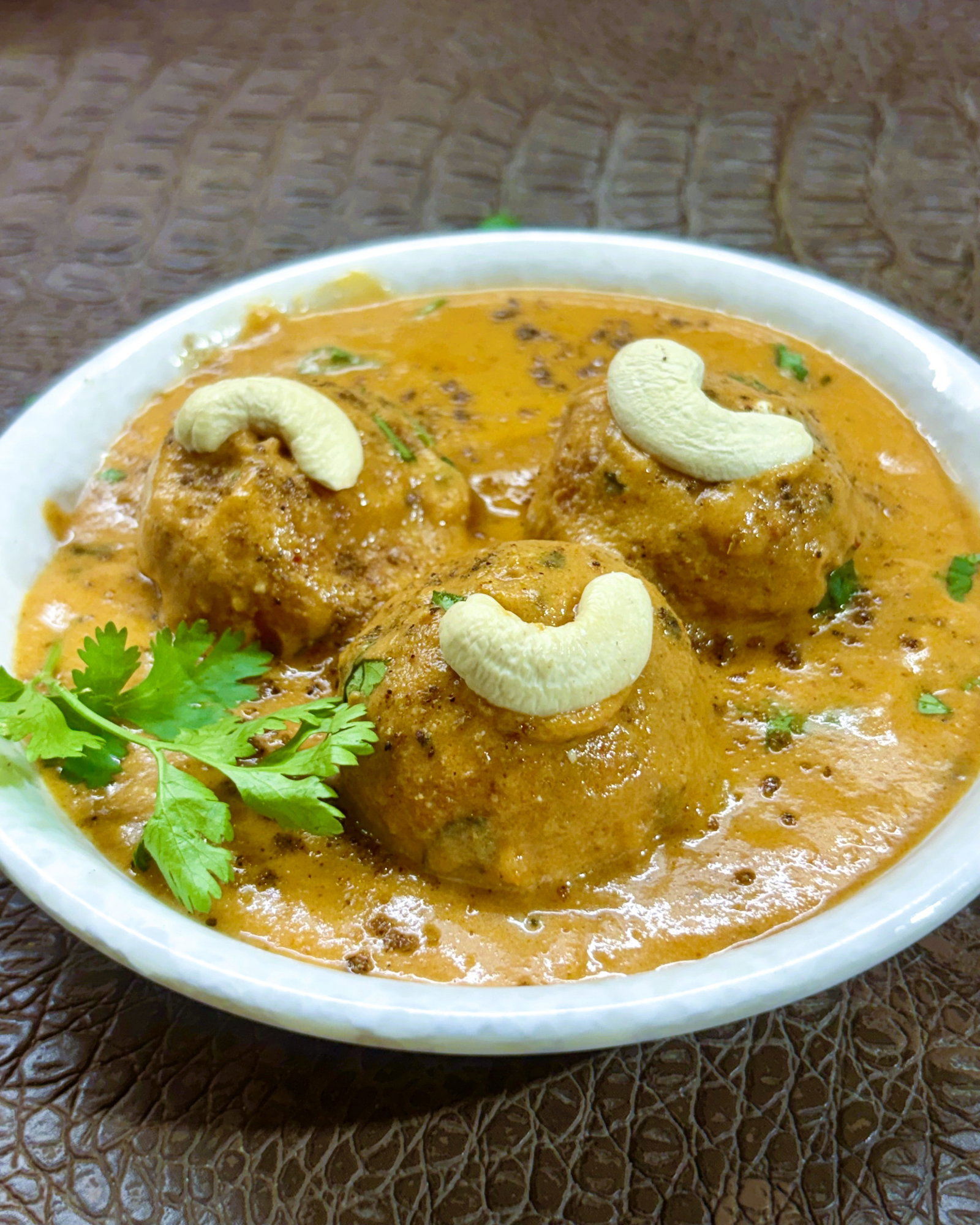
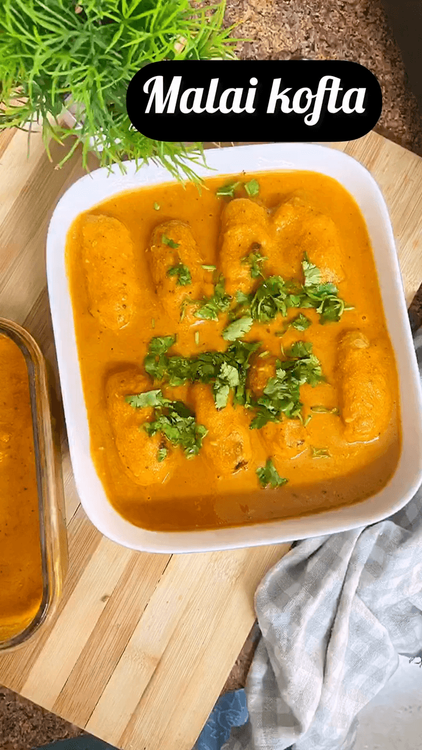
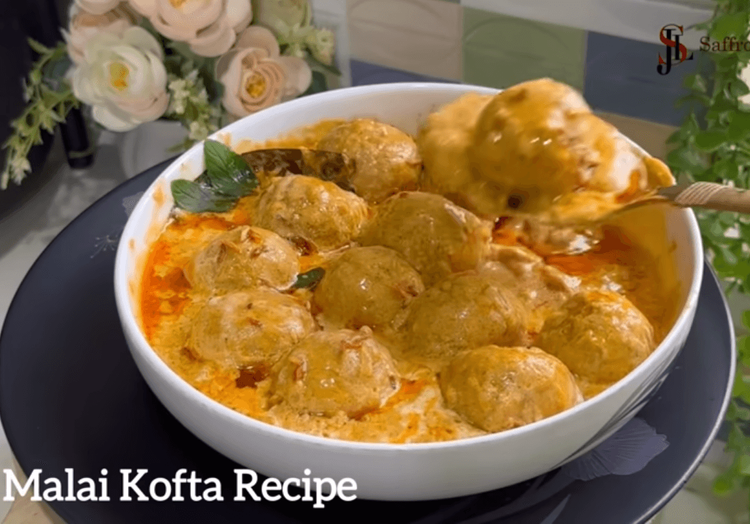
If you only learn one dish from this page, make it malai kofta — soft paneer-and-potato dumplings that go almost custardy inside a pale, cashew-thickened sauce. The four here take slightly different routes: two lean mild and sweet with cream and a whisper of kasuri methi, one is a tightly explained walkthrough, and one runs a chicken filling through the same luxurious gravy. Expect 60 to 70 minutes, and don't rush the onion base. It needs to lose its raw edge completely or the whole pot tastes sharp underneath all that richness.

- Vegetarian
- Main Course


- Vegetarian
- Main Course
- Indian
- Vegetarian
- Dinner
- Bangladeshi
- Non-Vegetarian
- Lunch
Lauki, Dudhi and Bottle Gourd Koftas in Everyday Gravy
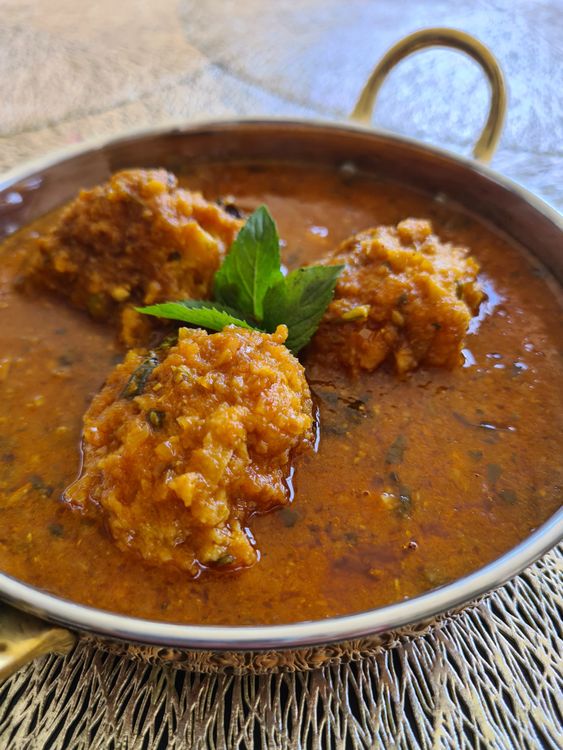
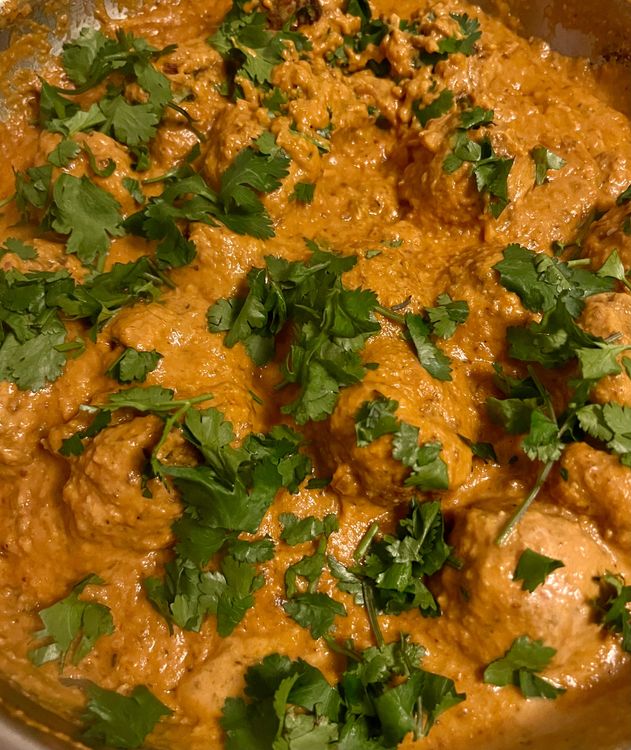
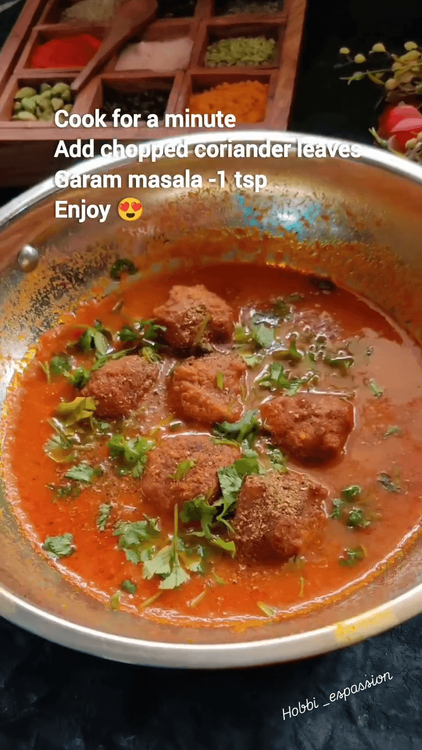
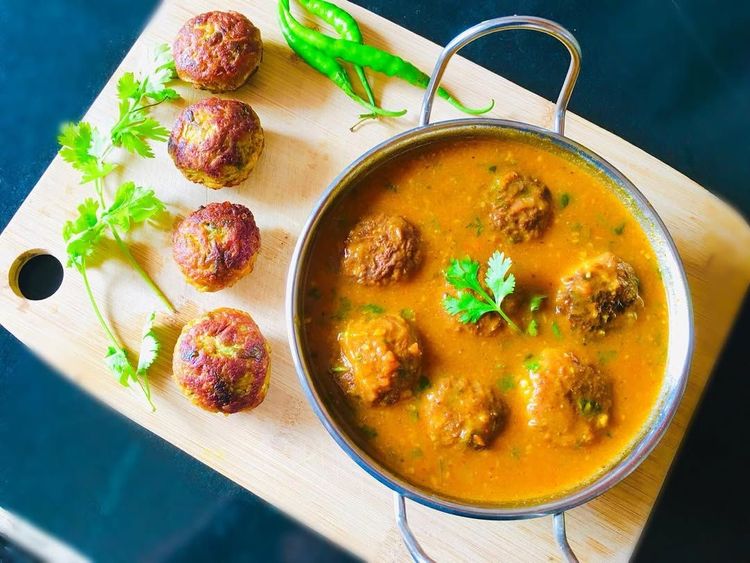
Bottle gourd is the workhorse of this whole category, and lauki kofta is the dish most North Indian households actually cook on a Tuesday. Grate the gourd, salt it, then squeeze it dry — genuinely dry, until the pulp feels like damp cotton wool. That trapped water is why so many first attempts dissolve in the pot. These five range from a 35-minute build with fifteen ingredients to a slow desi-gravy version with browned onions that takes a full hour. All of them taste better on day two.
- Indian
- Vegan
- Lunch

- Indian
- Vegetarian
- Lunch


- Indian
- Vegetarian
- Lunch

- Indian
- Vegetarian
- Lunch
- Indian
- Vegan
- Dinner
Paneer, Potato and Vegetable Koftas for Weeknights
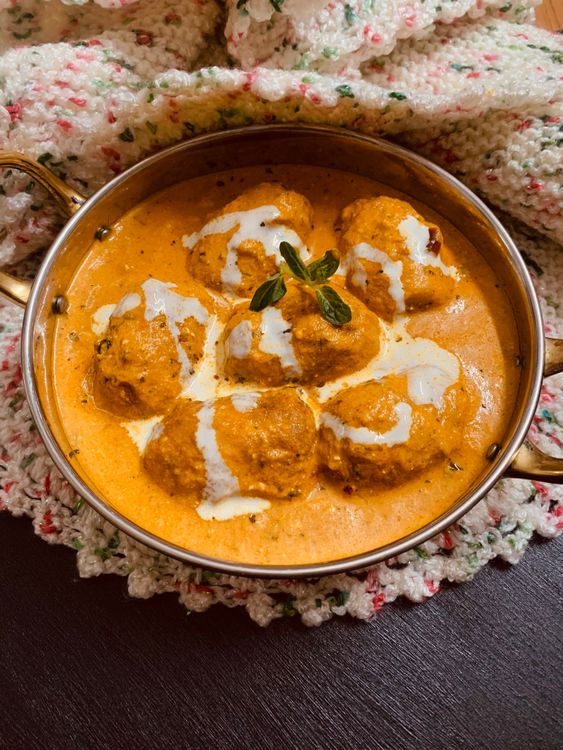
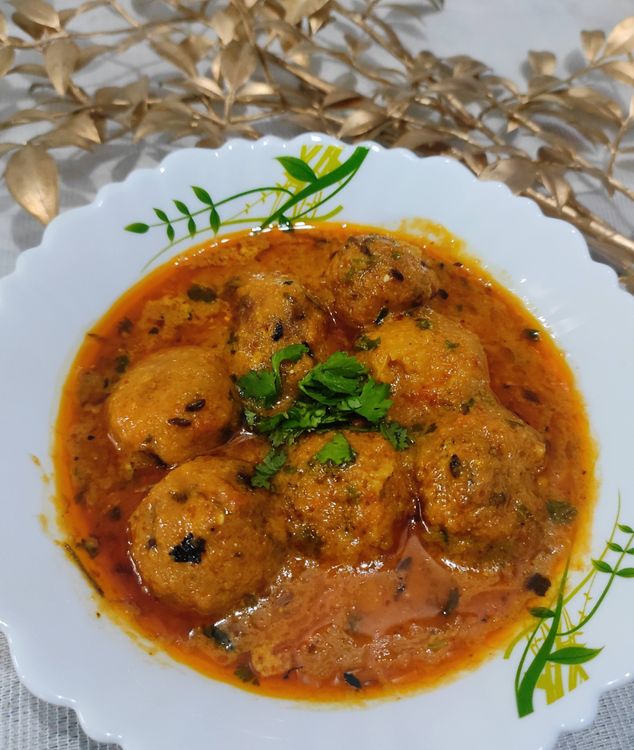
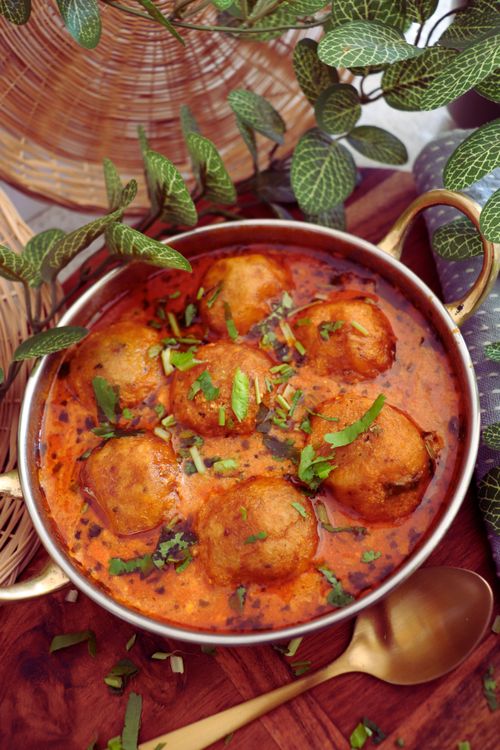
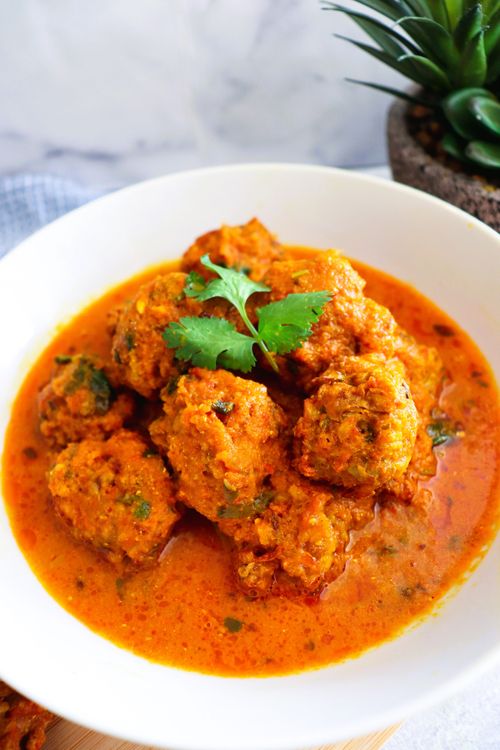
This is the widest group: six vegetarian builds using potato, cabbage, soya granules, raw banana and cheese. A good veg kofta needs a binder that isn't simply more flour — boiled potato does it, and so does a spoon of besan toasted until it smells like nuts. The paneer kofta versions are the richest of the six; the cabbage and soya ones are what I make when the fridge is bare. Cooking times run 35 to 70 minutes, and every one of them freezes well before it meets a sauce.
- Indian
- Vegetarian
- Lunch

- Indian
- Vegetarian
- Lunch
- Indian
- Vegetarian
- Lunch
- Indian
- Vegetarian
- Lunch
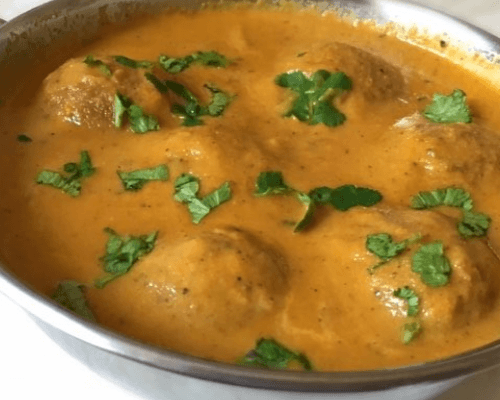
- Indian
- Vegan
- Dinner
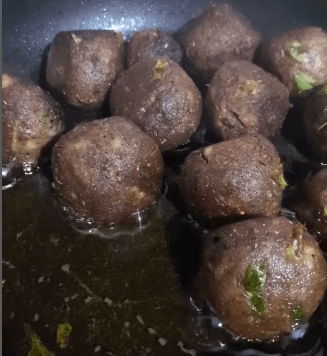
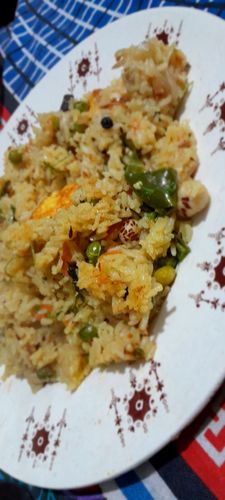
- Indian
- Vegan
- Appetiser
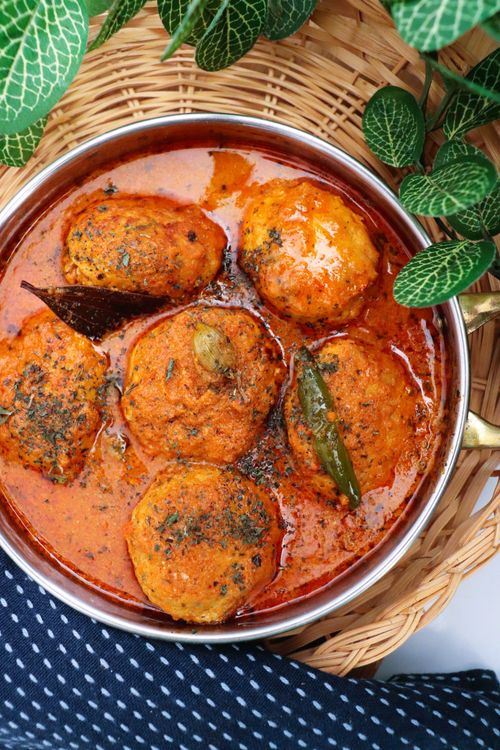
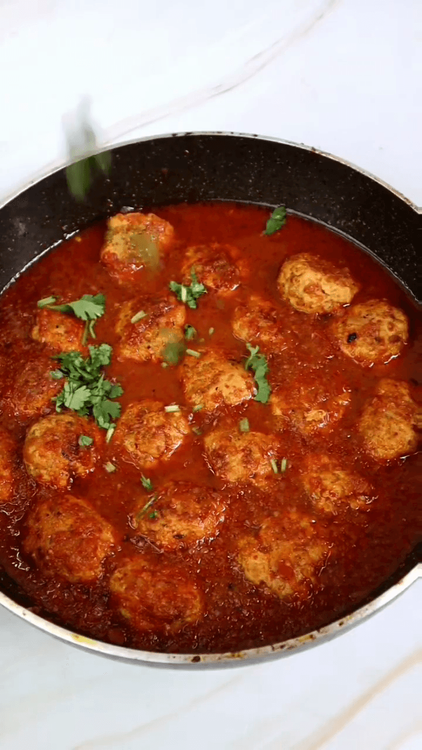
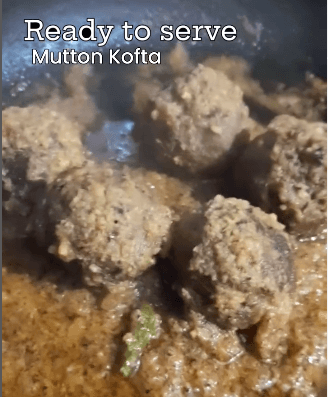
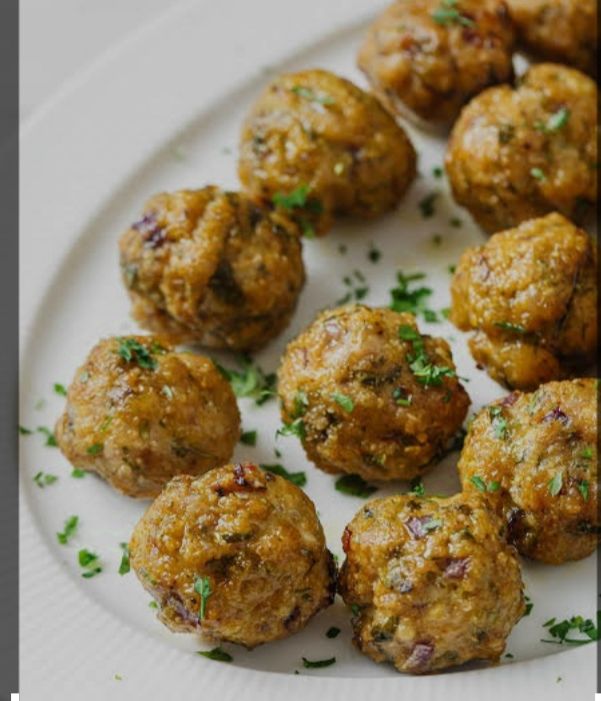
Chicken and Mutton Koftas in Rich Mughlai Gravy
Meat changes the rules. Minced chicken and mutton hold together on their own protein, so you can skip the flour entirely and still get a springy, juicy bite. A proper Awadhi or Mughlai kofta curry leans on browned onion, yoghurt and whole garam masala rather than tomato, which is why these taste deeper and darker than their vegetarian cousins. Five recipes here, 35 to 90 minutes. The longest is worth the afternoon — the mince gets pounded to a paste, and that is exactly what makes it soft rather than bouncy.
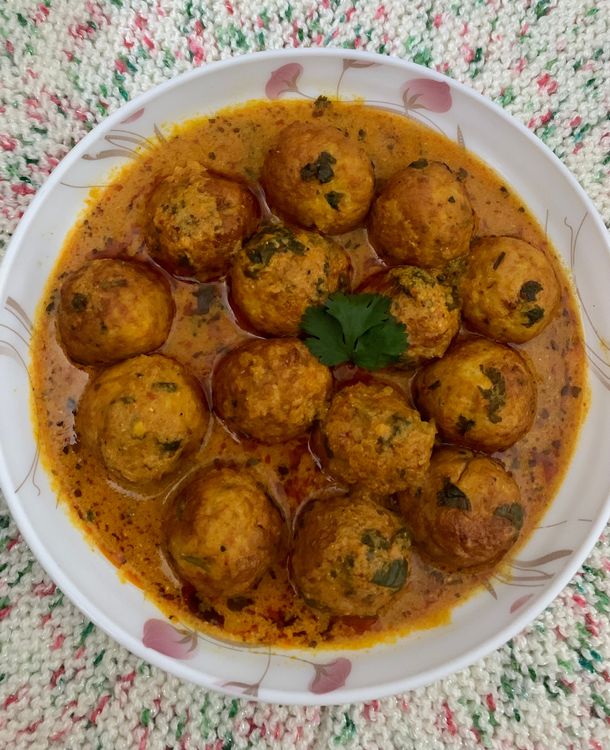
- Indian
- Non-Vegetarian
- Lunch
- Indian
- Non-Vegetarian
- Lunch

- Indian
- Non-Vegetarian
- Dinner
- Indian
- Non-Vegetarian
- Dinner

- Indian
- Non-Vegetarian
- Dinner
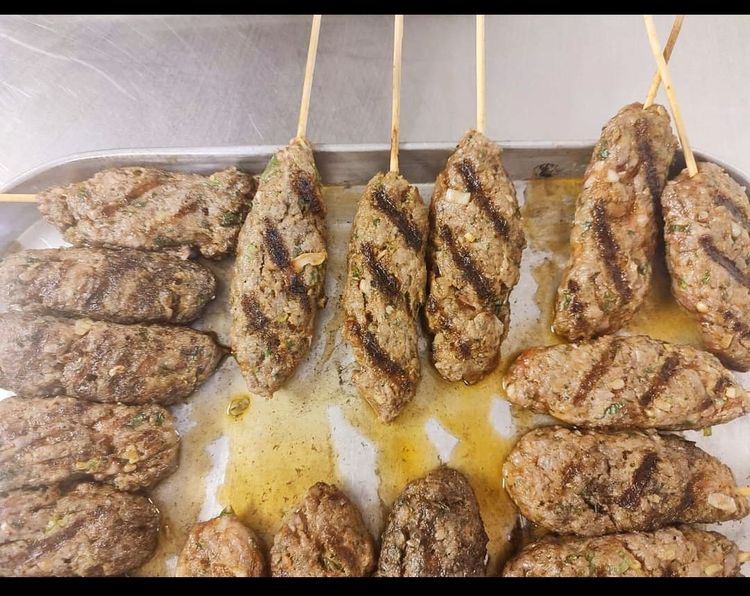
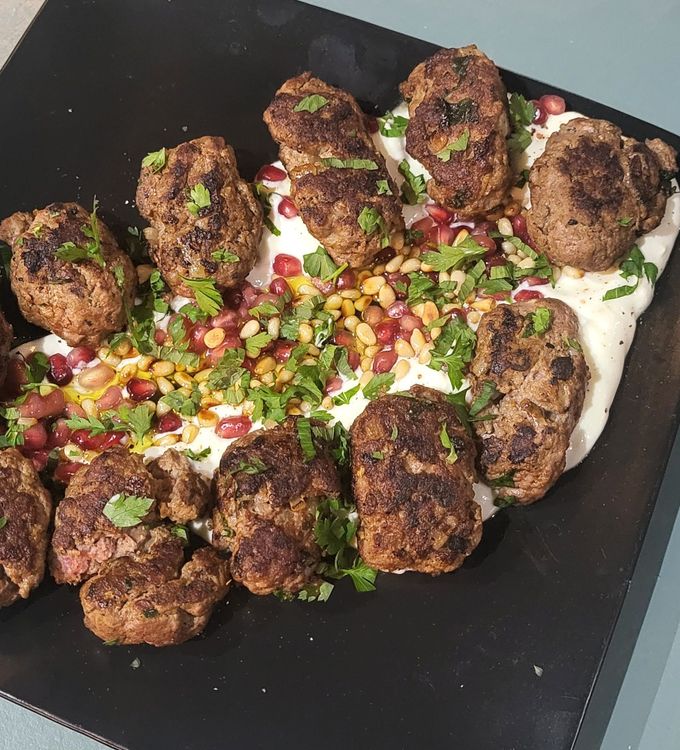
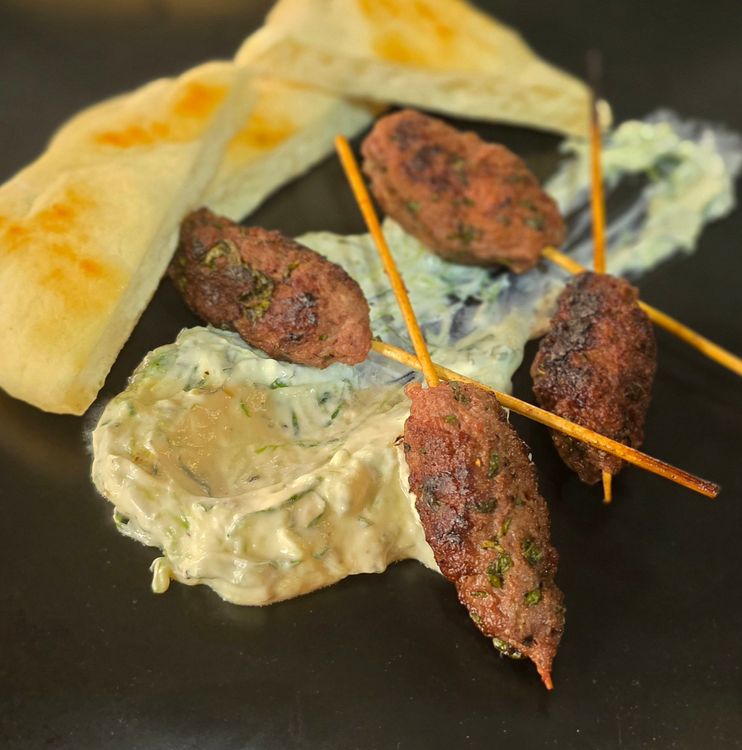
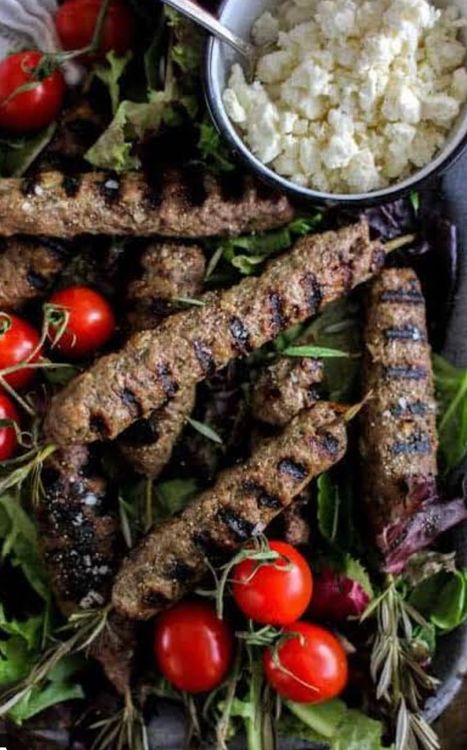
Grilled Lamb Koftas, Turkish and Lebanese Style
Head west and the sauce disappears entirely. These four are shaped around skewers or pressed straight onto a grill: Turkish lamb with cumin and sumac, minted lamb with cool tzatziki and warm flatbread, and a Lebanese build with pine nuts that runs close to two hours in the oven. The mince wants to be fatty — twenty percent at minimum — and it wants a long rest in the fridge so it grips the skewer instead of sliding off. Char them hard. That blistered outside is the entire point.

- Mediterranean
- Non-Vegetarian
- Dinner

- Turkish
- Non-Vegetarian
- Lunch
- Mediterranean
- Nut-Free
- Dinner

- Middle Eastern
- Non-Vegetarian
- Lunch
Koftas That Don't Fall Apart
Every failure I have had came down to water. Grated vegetables — bottle gourd especially — hold far more of it than they look like they do, and that moisture turns your binder into soup the moment it hits hot oil. So: grate, toss with half a teaspoon of salt, wait ten minutes, then wring the pulp in muslin until nothing more drips out. Save that pale green liquid for the gravy. It is free flavour.
The second lever is the binder. Besan is the classic choice, but raw besan tastes chalky, so dry-roast it for two or three minutes until it smells like toasted nuts before you fold it in. Two tablespoons per cup of squeezed pulp is about right. Boiled, cooled, riced potato works too and gives a softer texture — that is the malai kofta route. Cornflour is a last resort; it makes the balls slick rather than tender.
Then chill them. Shape the balls, rest the tray in the fridge for twenty minutes, and fry from cold at around 170°C. If you are unsure, drop one test ball in first. If it disintegrates, fold in another spoon of roasted besan — that test is the most useful thing in any lesson on how to make kofta, and it costs you one dumpling. Last rule: never simmer them. Add them to the sauce at the very end, off the heat if you can. A lauki kofta left bubbling for twenty minutes will always break.
The Creamy Cashew Gravy
The white sauce that defines malai kofta is not cream — it is cashews, and the difference matters more than any spice you add. Soak twenty cashews in hot water for fifteen minutes, then blitz them with a splash of that water until the paste is completely smooth, with no grit when you rub it between your fingers. A cheap blender leaves grain behind; push it through a sieve if you have to. This is what gives the sauce body without the greasy heaviness of double cream.
The base underneath should be boiled, not fried. Simmer onion, ginger, garlic and two green chillies in water until soft, then blend them smooth. Frying browns the onion, and browning is exactly what you do not want in a pale sauce. Bloom whole spices in ghee, add the boiled paste, and cook it out for eight to ten minutes until the raw smell has gone and fat beads at the edge of the pan. Only then stir in the cashew paste, on a low flame, or it will split.
Finish with the small things that make it taste restaurant-made: a pinch of sugar, kasuri methi crushed between your palms, a spoon of cream off the heat. Salt at the very end, because the sauce concentrates as it sits. For a tomato-forward paneer kofta you would invert almost all of this — brown the onions hard, add tomato, let it go orange and tangy. Same dumplings, two sauces, worth learning as separate skills.
Fried vs Baked vs Appe-Pan
Deep-frying is the benchmark and I will not pretend otherwise. Oil at 170°C sets a shell in about ninety seconds, and that shell stops the sauce soaking through to the middle and collapsing it. The cost is obvious: roughly a tablespoon of oil absorbed per six balls, plus a pan to clean. If you fry, fry in small batches. Crowding drops the oil temperature, and cold oil is what makes fried food greasy rather than crisp.
Baking is the honest compromise. Roll the balls, brush them with oil, and give them 200°C for eighteen to twenty minutes, turning once halfway. They come out drier and denser, and they will not brown the same way, so lean harder on the gravy for richness. An air fryer does the same job in twelve minutes at 190°C and beats an oven here, because circulating air crisps every side at once instead of only the one touching the tray.
The appe pan — the dimpled paniyaram pan — is my favourite of the three for vegetable mixtures. A few drops of oil in each well, medium heat, and you turn each ball with a skewer as the underside sets. Eight minutes, start to finish. You get a browned, almost-fried exterior for a fraction of the fat, and the shape stays round instead of flattening. It will not work for meat, which needs fiercer heat, but for potato, cabbage or gourd it is excellent.
Pro Tips
- Salt your grated vegetables and let them sit for ten minutes before you squeeze — the salt draws water out osmotically and you will pull nearly twice as much liquid as squeezing alone gets you. Weigh the pulp before and after if you want proof; a cup of grated gourd routinely gives up 60ml.
- Always fry one test ball before committing the whole batch. If it holds its shape, carry on; if it spreads, fold in a spoon of roasted besan or a little riced potato and test again. This thirty-second check has saved me more dinners than any other habit I have in the kitchen.
- Shape with lightly oiled palms rather than floured ones. Flour on the outside burns in the oil and leaves bitter dark specks floating in your gravy, while oil gives you a smooth surface and clean release from your hands. Aim for walnut-sized, and keep them all the same size so they cook evenly.
- Add the fried balls to the sauce at the last possible moment — ideally at the table. If you are making ahead, store the gravy and the dumplings in separate containers and combine them while reheating. Nearly everything that goes wrong on day two comes from letting them soak overnight.
- Crush kasuri methi between your palms before it goes in, and add it off the heat. The dried leaves need friction to release their aroma, and direct heat turns them bitter surprisingly fast. Half a teaspoon is plenty for four servings — it is a background note, not the melody.
- Freeze the shaped raw balls on a tray, then bag them once they are solid. They fry straight from frozen with about ninety seconds extra, and they keep for three months. This is the single change that turns a weekend project into a Tuesday dinner you can actually face.
Frequently Asked Questions
What are the best kofta recipes for a complete beginner?
Start with a potato-based one. Boiled potato is a forgiving binder, and the 35-minute aloo version on this page uses only twenty ingredients, most of which you already own. Once you have shaped and fried a batch successfully, move on to grated vegetables, which demand proper squeezing. Meat mixtures are actually easier than vegetables, because the protein binds itself without help, so they make a fine second step.
Why do my koftas break apart in the gravy?
Almost always excess moisture or too little binder. Squeeze grated vegetables until they are genuinely dry, roast your besan before folding it in, and chill the shaped balls for a full twenty minutes before they go anywhere near oil. The other common culprit is simmering: once fried, they should sit in the sauce for five minutes at most, off the heat if possible, and never overnight.
How do I make malai kofta taste like the restaurant version?
Three things do most of the work. Use a properly smooth soaked-cashew paste rather than cream for body, boil your onion-ginger-garlic base instead of frying it so the sauce stays pale rather than beige, and finish with crushed kasuri methi, a pinch of sugar and cream stirred in off the heat. Restaurants also strain their gravy through a sieve, which is tedious but makes a visible difference.
Can I make a veg kofta without deep frying?
Yes, and two methods work well. An air fryer at 190°C for twelve minutes gives you a crisp shell for a fraction of the oil, turning once. Better still is an appe or paniyaram pan: a few drops of oil per well, medium heat, turn each ball with a skewer as it sets, done in eight minutes. Baking at 200°C works too, but comes out noticeably denser and paler.
What is the trick to a good lauki kofta?
Squeeze the grated bottle gourd far harder than feels reasonable. Salt it first, wait ten minutes, then wring it in muslin until nothing drips at all. Keep that green liquid and use it in the gravy in place of water. Then keep the spicing gentle — bottle gourd is delicate, and heavy masala simply bullies it out of the dish.
How long does kofta curry keep in the fridge?
The gravy keeps four days and genuinely improves by day two as the spices settle into it. The dumplings are a different story: stored sitting in sauce, they turn to mush overnight without fail. Keep the two in separate containers, then warm the gravy through and drop the balls in for the last few minutes only. Frozen separately, both will last a good three months.
What is the difference between the Indian and Middle Eastern versions?
Indian ones are dumplings — vegetables or mince bound, shaped, fried, then served swimming in a sauce. Middle Eastern and Turkish ones are pressed onto skewers or straight onto a grill and eaten dry, with flatbread, yoghurt or tzatziki alongside. Same word, different dish: one is really about the gravy, the other is entirely about char and fat.
How to make kofta ahead of time for a party?
Shape the balls up to a month ahead and freeze them raw on a tray before bagging them; they fry straight from frozen with about ninety seconds extra. Make the gravy two days ahead, since it only improves in the fridge. On the night, reheat the sauce, fry or air-fry the balls, and combine the two about five minutes before serving. Nothing tastes reheated.
Twenty-four kofta recipes, five very different directions, and one shared truth running under all of them: squeeze the water out, roast the besan, and never let the balls sit simmering. Pick the 35-minute potato one if you are starting tonight, or block out a Saturday for the cashew gravy. Either way, get the sauce right first and everything else follows.
Related
- indian curry
- vegetarian dinner
- cashew gravy
- meatballs
- punjabi food
- mughlai
Popular Searches
- Best kofta recipes
- Easy kofta recipes
- Quick kofta recipes
- Healthy kofta recipes
- Simple kofta recipes
- Homemade kofta recipes
- Delicious kofta recipes
- Popular kofta recipes
- malai kofta
- veg kofta
- lauki kofta
- kofta curry
Marnirni-apinthi Building, Lot Fourteen,
North Terrace, Adelaide, South Australia, 5000
Australia
