Superfoods. The name alone conjures images of vibrant health and boundless energy. But what exactly makes a food a "superfood," and why are they so highly prized? While there's no official scientific definition, the term generally refers to nutrient-rich foods that offer exceptional health benefits beyond their basic caloric value. They are packed with vitamins, minerals, antioxidants, and other beneficial compounds that can significantly contribute to overall wellness.
One of the key reasons superfoods are so beneficial is their high antioxidant content. Antioxidants combat free radicals, unstable molecules that can damage cells and contribute to aging and chronic diseases like heart disease, cancer, and Alzheimer's. Many superfoods are bursting with antioxidants like vitamins C and E, selenium, and phytonutrients such as flavonoids and carotenoids. These potent compounds help protect the body from oxidative stress, promoting cellular health and reducing inflammation.
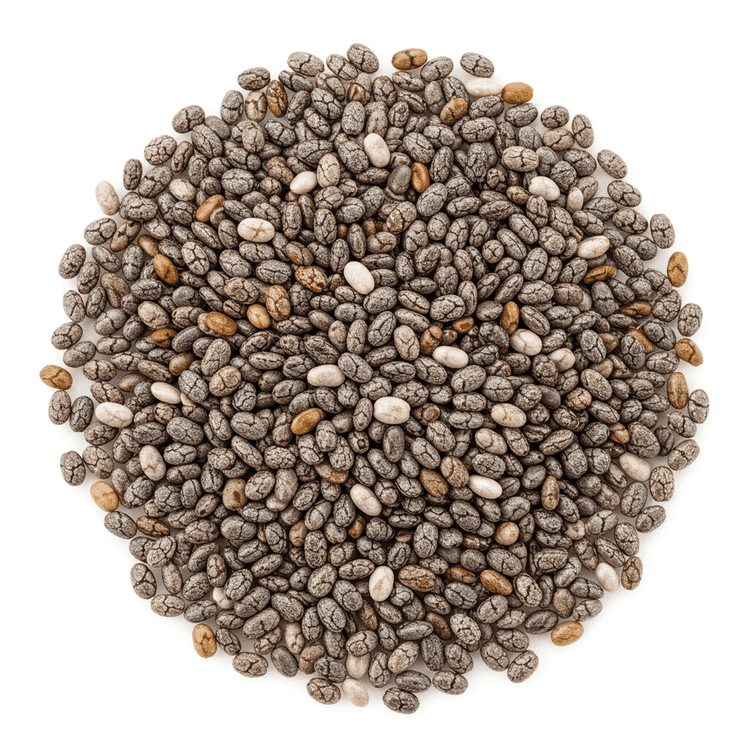
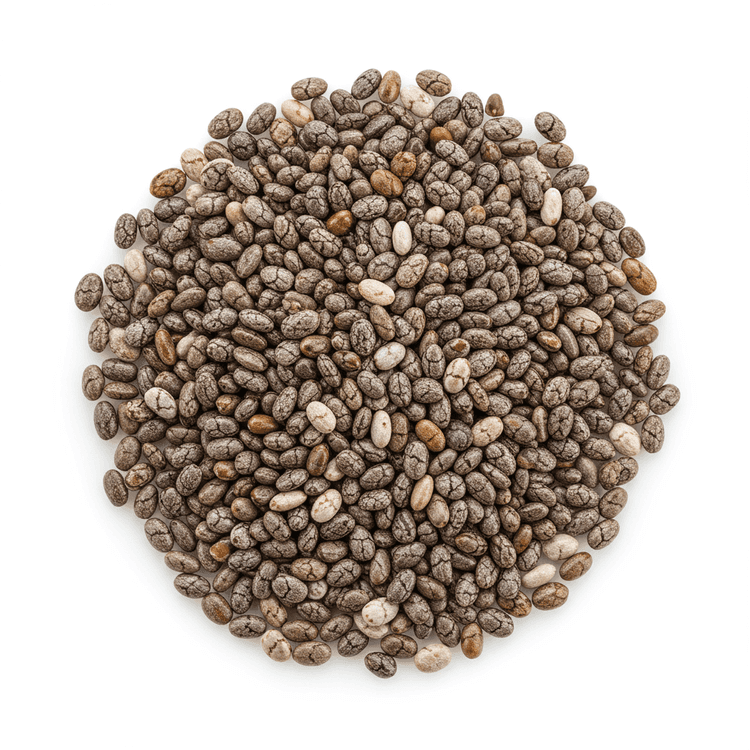
Think of blueberries, often hailed as a superfood champion. These little blue gems are loaded with anthocyanins, powerful antioxidants that give them their vibrant color and contribute to improved cognitive function and heart health. Similarly, leafy greens like spinach and kale are rich in vitamins A, C, and K, as well as folate and iron, making them essential for immune function, bone health, and energy production. Chia seeds, another popular superfood, are an excellent source of omega-3 fatty acids, fiber, and protein, supporting heart health, digestive health, and sustained energy levels.
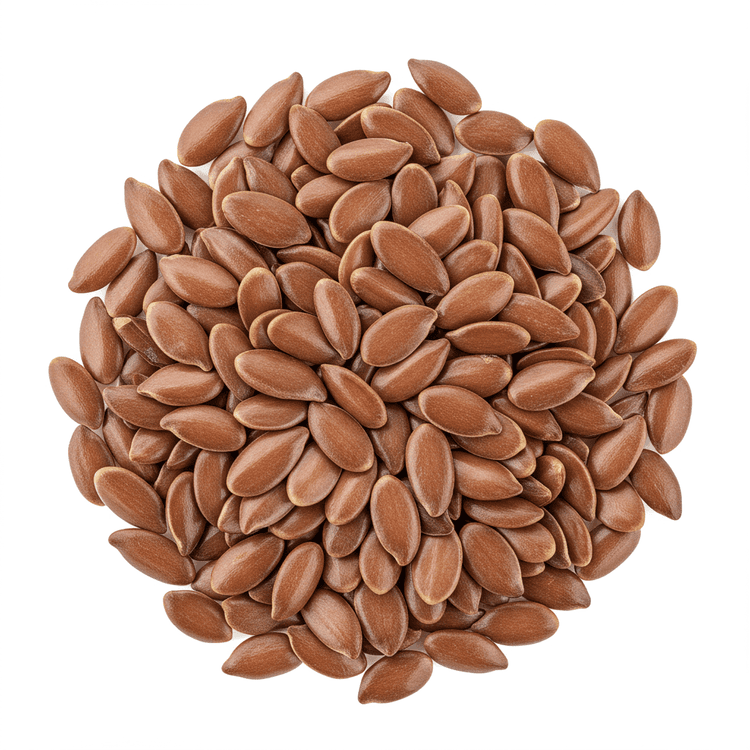
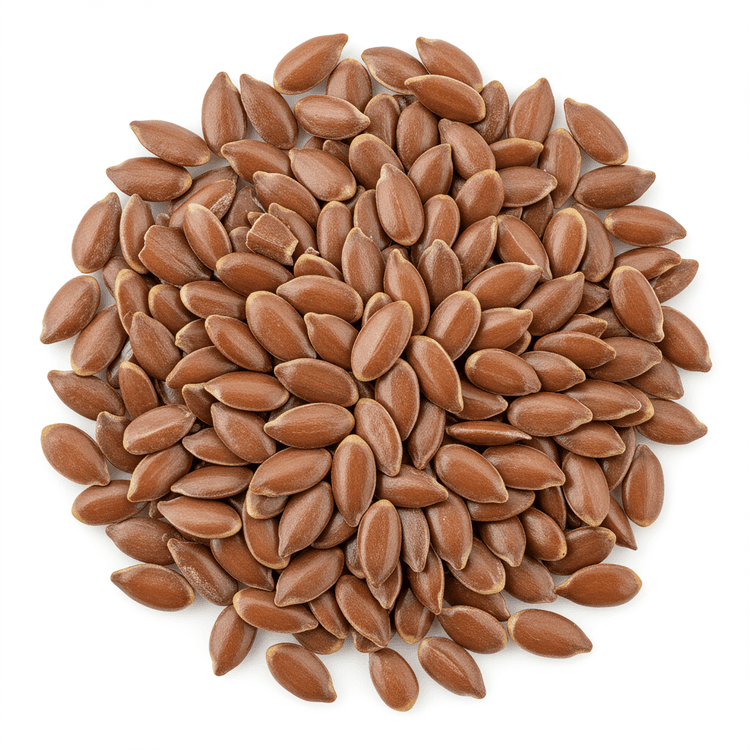
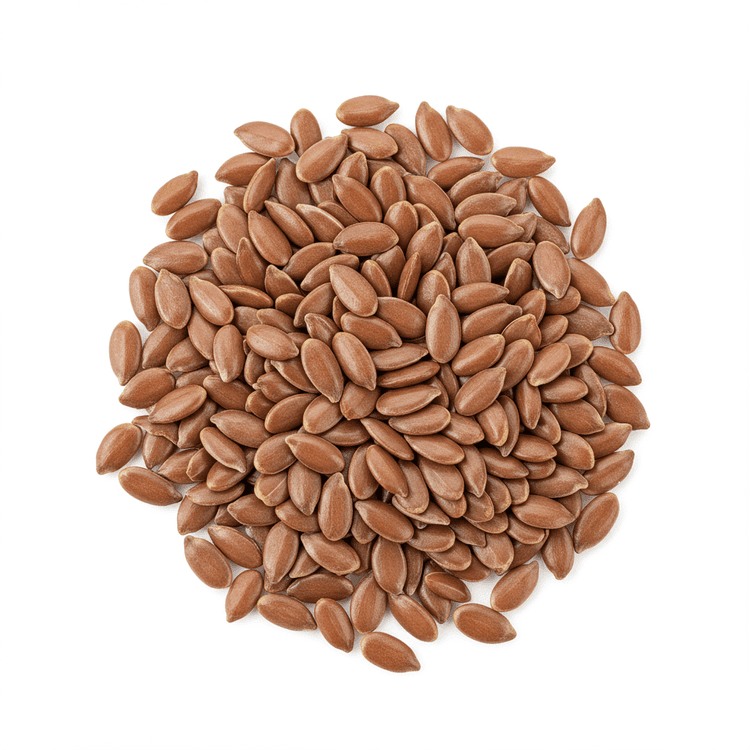
From a culinary perspective, superfoods are incredibly versatile. Berries can be added to smoothies, yogurts, and baked goods for a boost of flavor and nutrition. Leafy greens can be incorporated into salads, stir-fries, and soups. Seeds like chia and flax can be sprinkled on cereals, added to smoothies, or used as a binder in vegan baking. Avocado, a creamy superfood rich in healthy fats, can be used in guacamole, sandwiches, or salads. Even spices like turmeric, known for its anti-inflammatory properties, can be easily added to curries, soups, and even smoothies.
Incorporating superfoods into a balanced diet is crucial for optimizing overall wellness. They provide a concentrated source of essential nutrients that can support various bodily functions, from immune health and cardiovascular health to cognitive function and digestive health. They are not a magic bullet, but rather a powerful tool to enhance your dietary intake and promote long-term health. They contribute to a feeling of vitality and well-being. The nutrient density found in superfoods helps ensure the body has the necessary building blocks for optimal performance. From the vibrant hues of berries to the earthy notes of leafy greens, superfoods offer a delicious and nutritious way to nourish your body from the inside out. Embracing these nutritional powerhouses can pave the way for a healthier and more vibrant life.
While the term "superfood" is often used in marketing, focusing on whole, unprocessed foods rich in nutrients, regardless of whether they are labelled "super," is the most beneficial approach to nutrition. However, understanding the nutritional benefits of traditionally labeled superfoods can help in building a healthy and balanced diet. ||
Superfood are an essential part of a healthy diet, providing a wide range of nutrients and health benefits. Explore our collection of superfood ingredients.