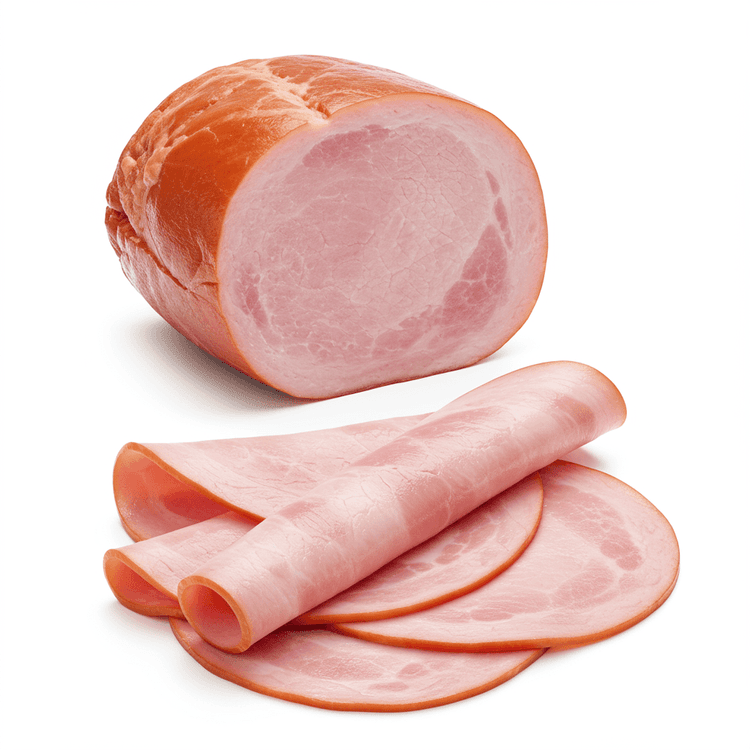
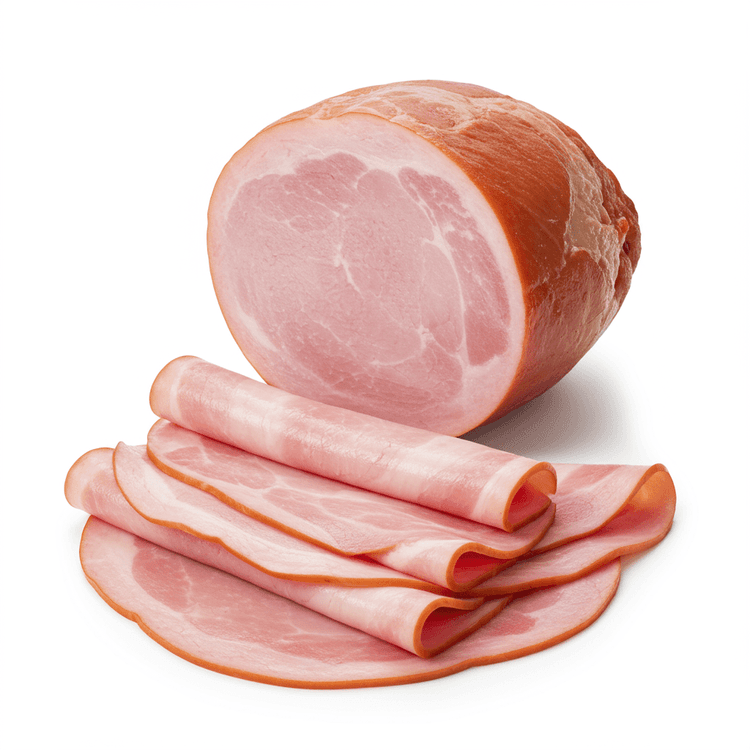
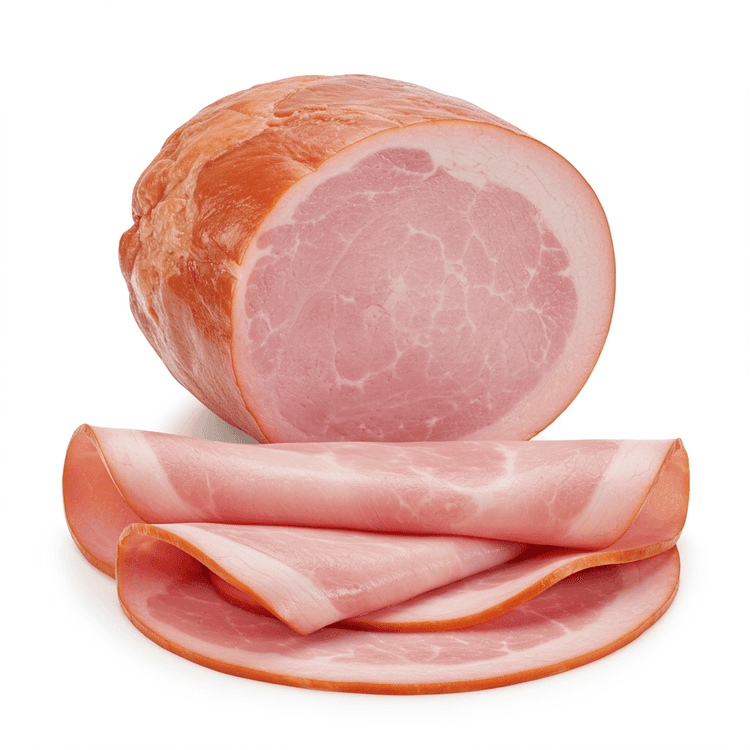
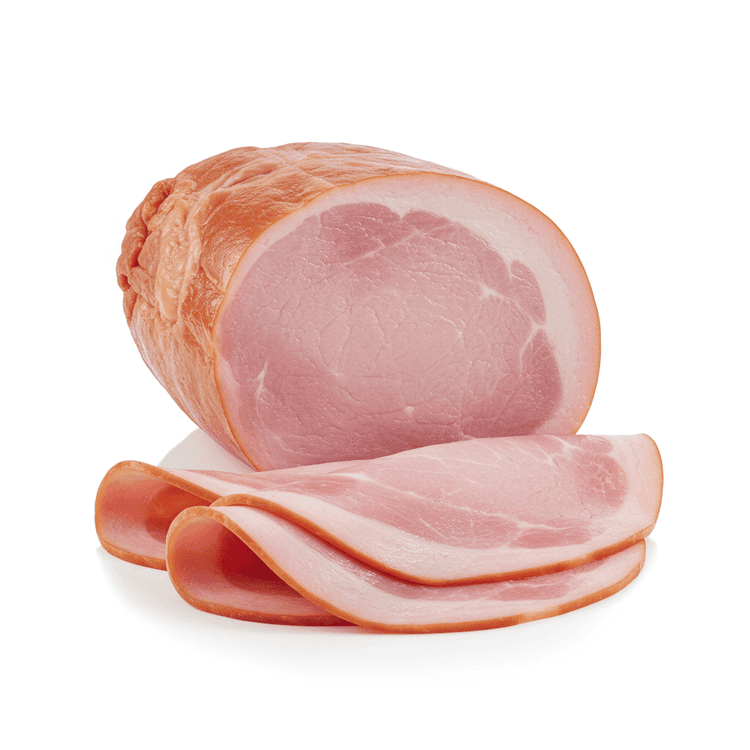
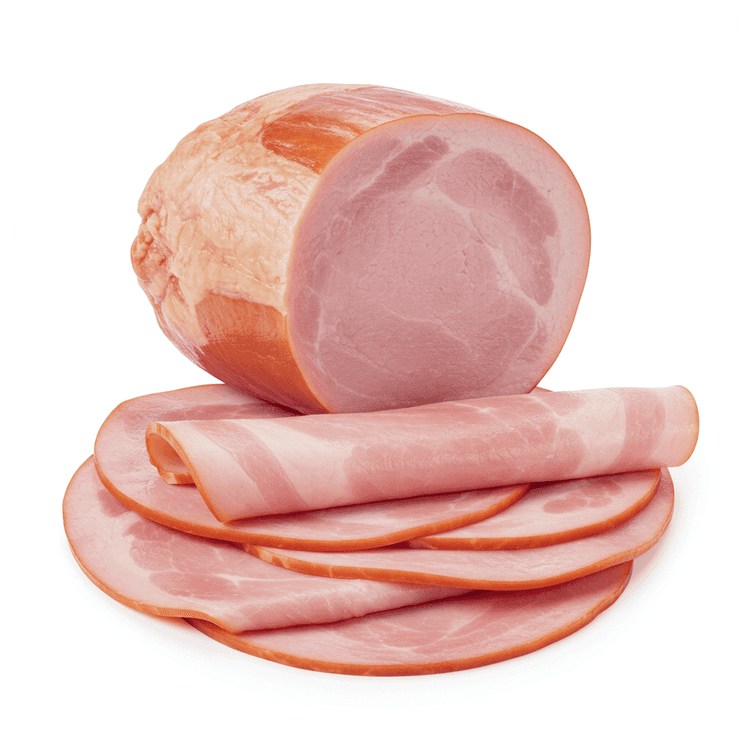
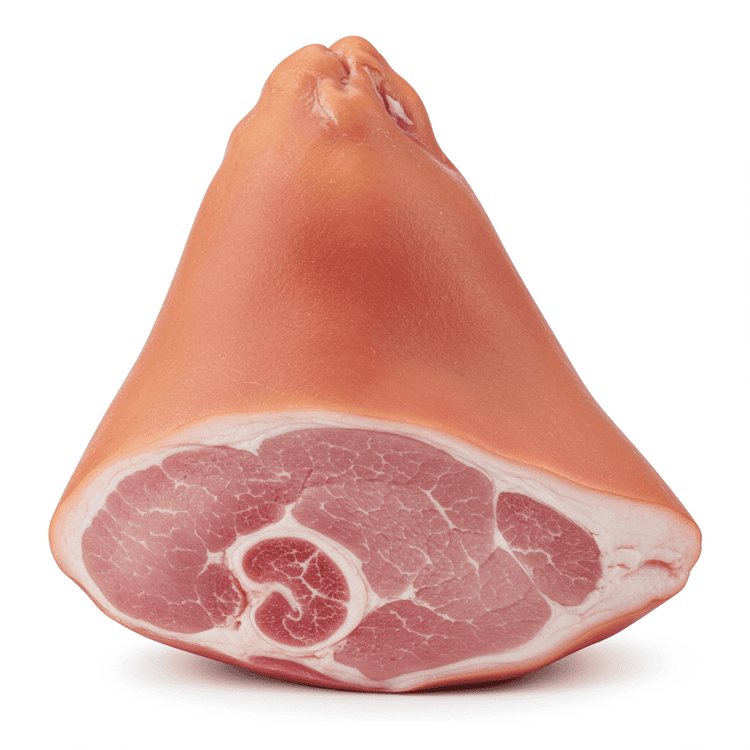
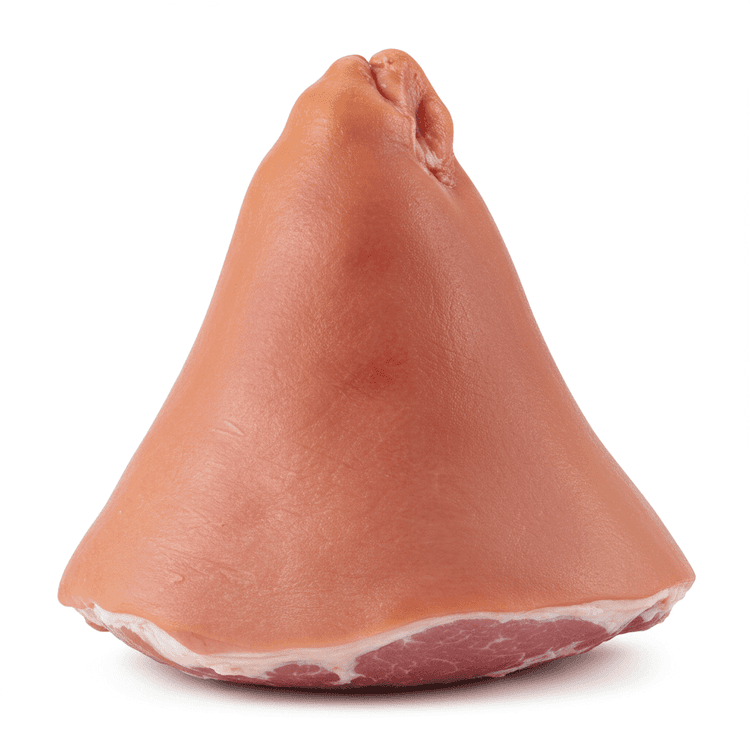
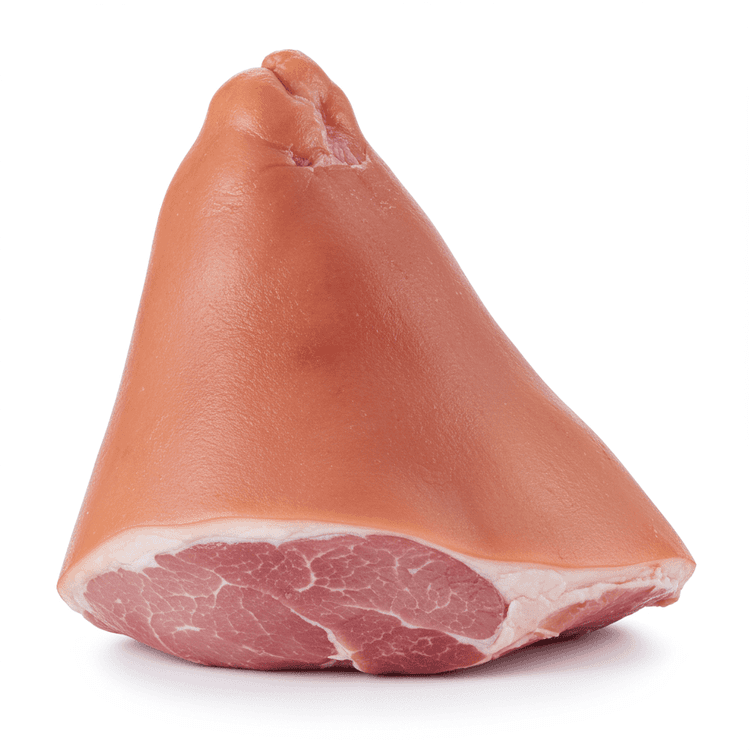
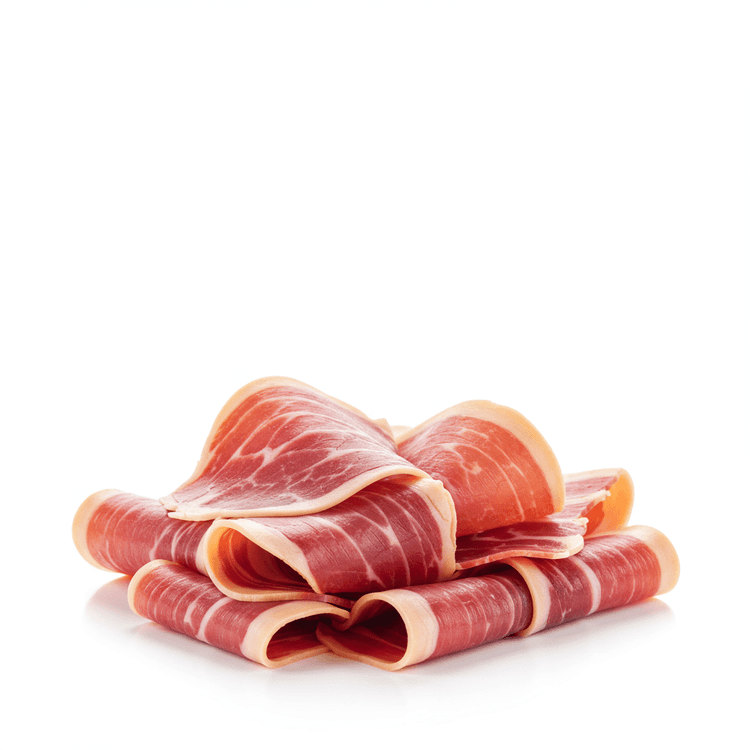
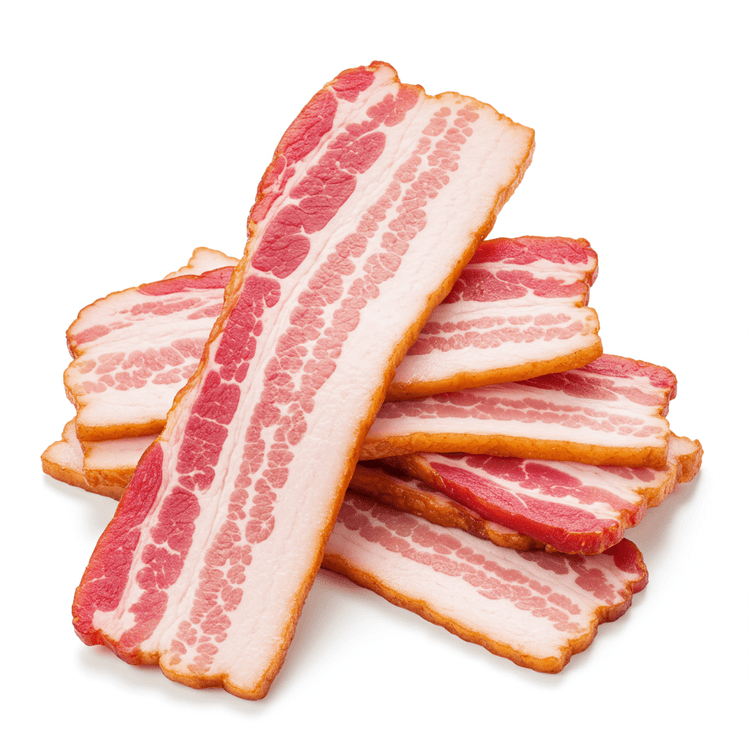
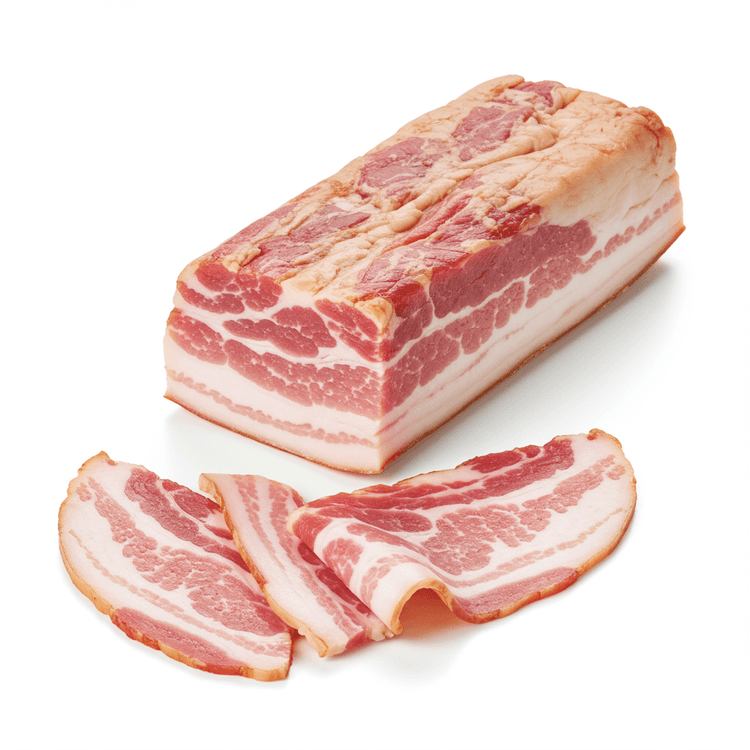
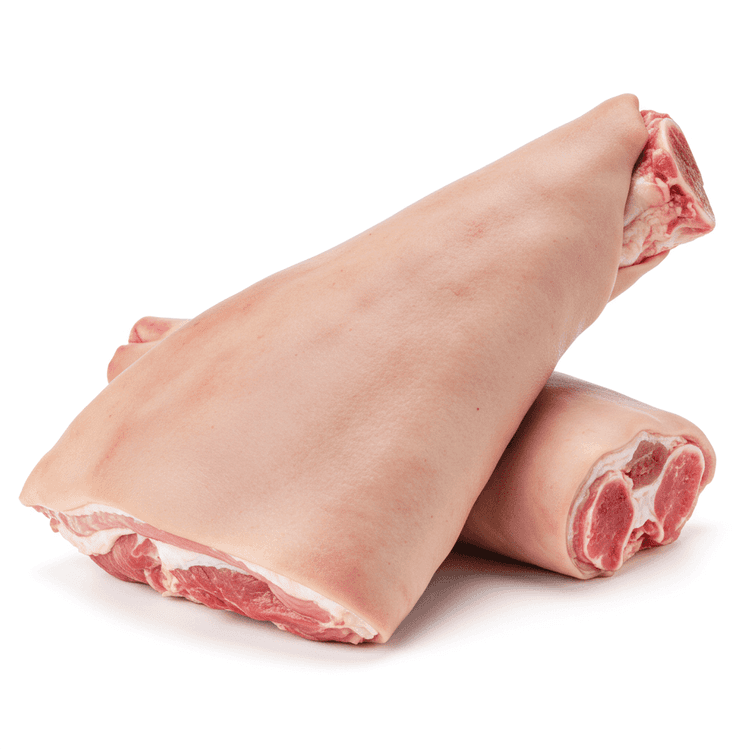
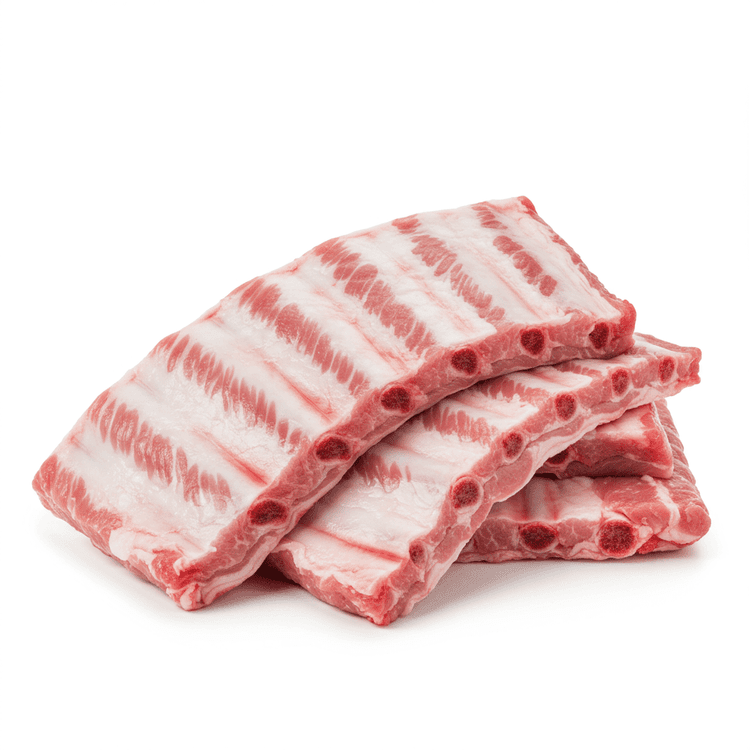
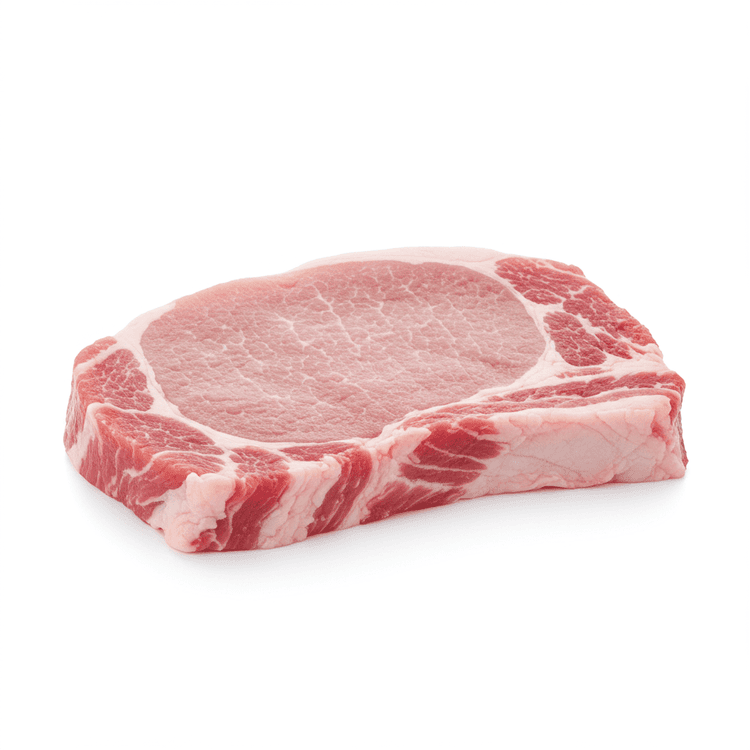
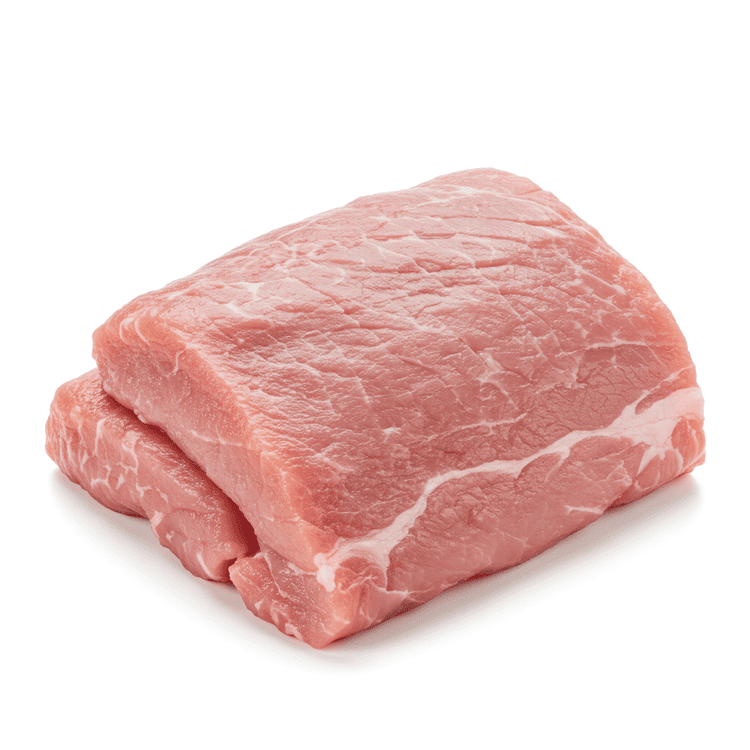
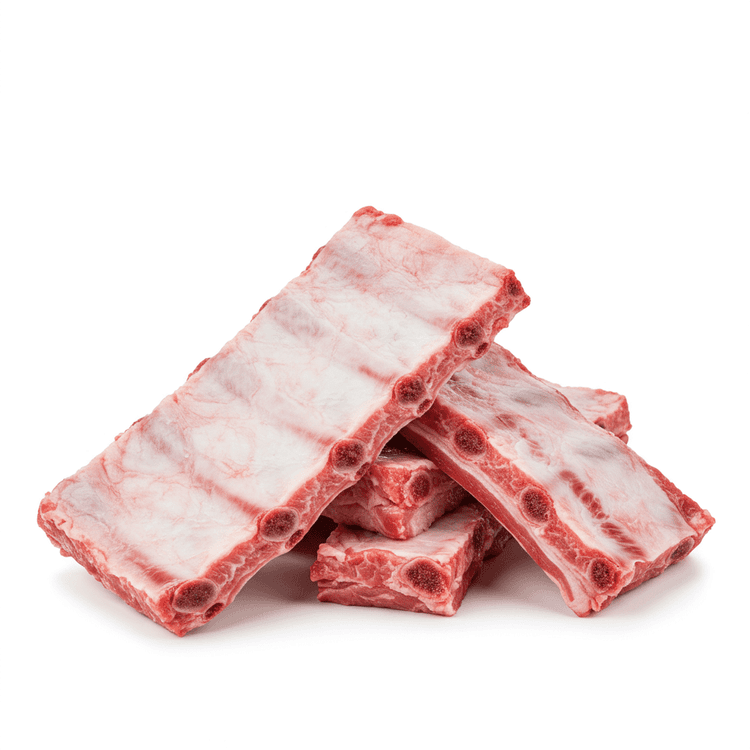
Pork, often misunderstood, offers a surprisingly versatile and nutritious addition to a balanced diet. It's a complete protein, meaning it contains all nine essential amino acids our bodies can't produce on their own, crucial for building and repairing tissues, supporting immune function, and producing enzymes and hormones. Contrary to some beliefs, leaner cuts of pork can be a healthy choice, especially when prepared with mindful cooking methods.
Pork is a valuable source of several vital nutrients. It's rich in thiamin (vitamin B1), essential for energy metabolism and nerve function. Pork also provides niacin (vitamin B3), which helps convert food into energy and supports healthy skin and nerves. Vitamin B12, crucial for red blood cell formation and neurological function, is abundant in pork. Furthermore, pork contains riboflavin (vitamin B2), involved in cell growth and function. In terms of minerals, pork is a good source of phosphorus, important for bone health and energy production, as well as selenium, an antioxidant that helps protect against cell damage.
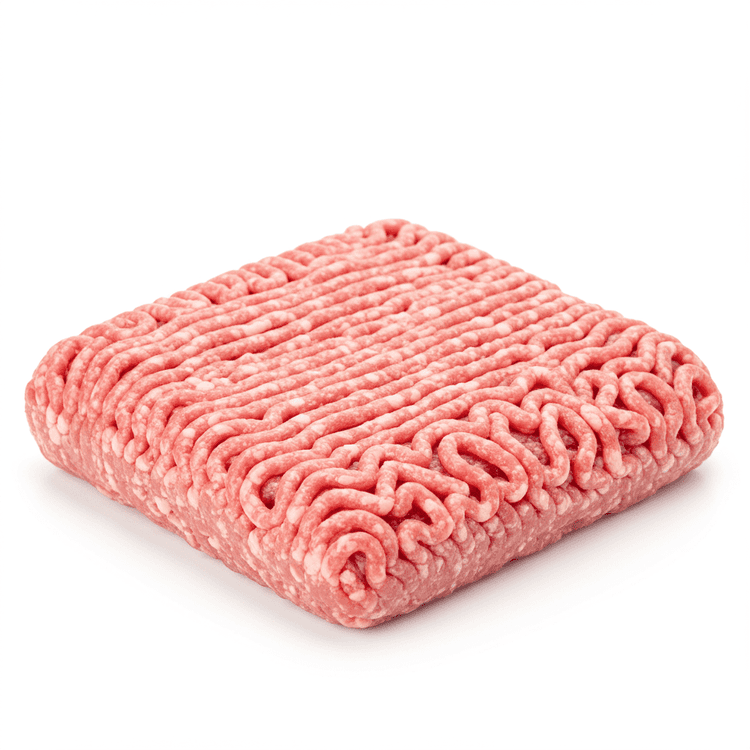
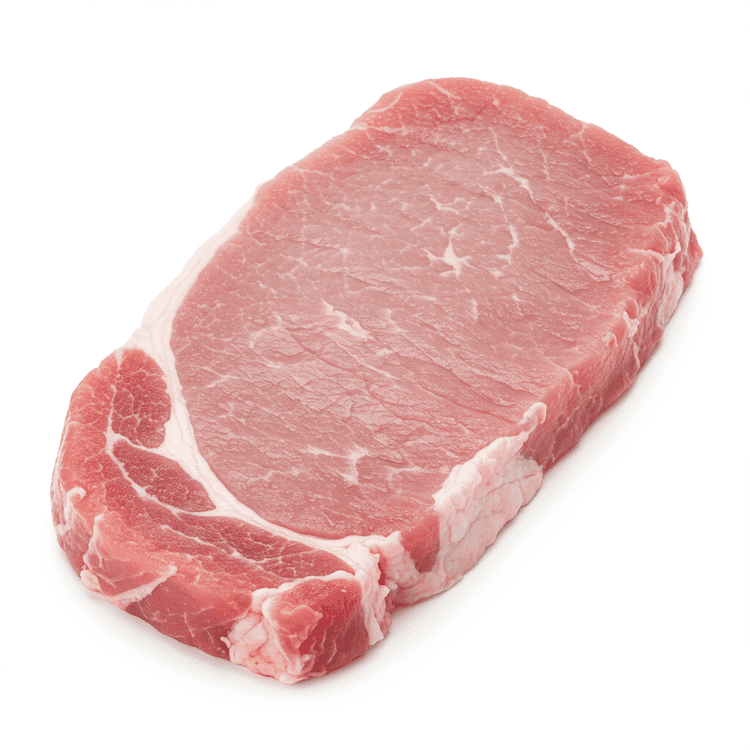
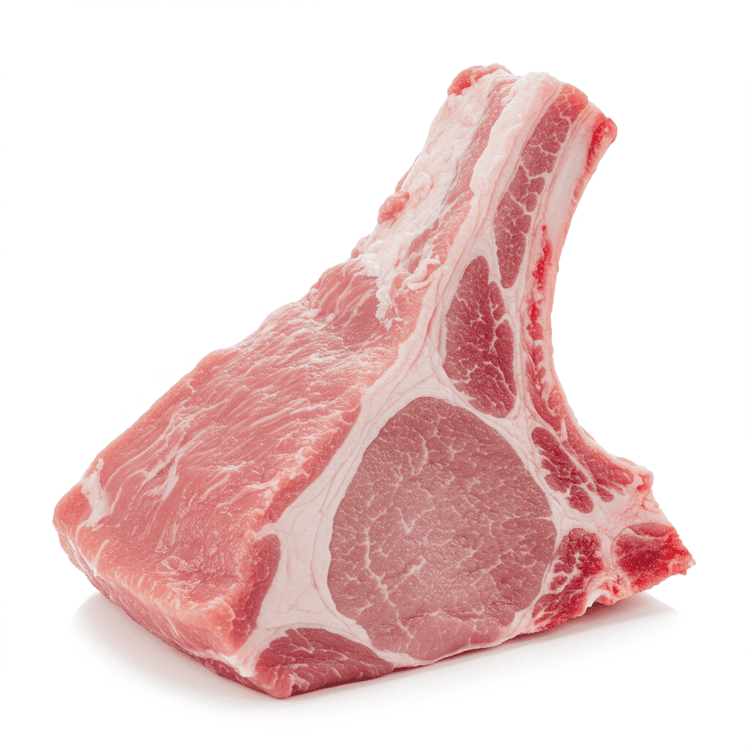
Culinary uses of pork are incredibly diverse. From succulent pulled pork sandwiches and flavorful pork tacos to elegant pork tenderloin roasts and hearty pork stews, the possibilities are endless. Pork chops, grilled or pan-fried, are a classic and quick weeknight meal. Ground pork can be used in countless dishes, from meatballs and meatloaf to stir-fries and sauces. Slow cooking, braising, and roasting are excellent methods for tenderizing tougher cuts, while grilling and stir-frying are ideal for leaner cuts.
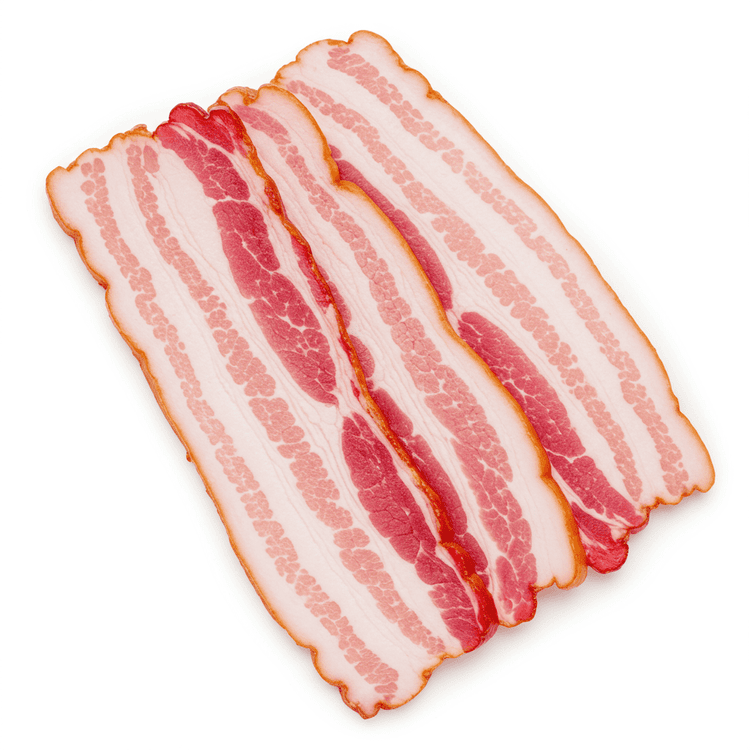
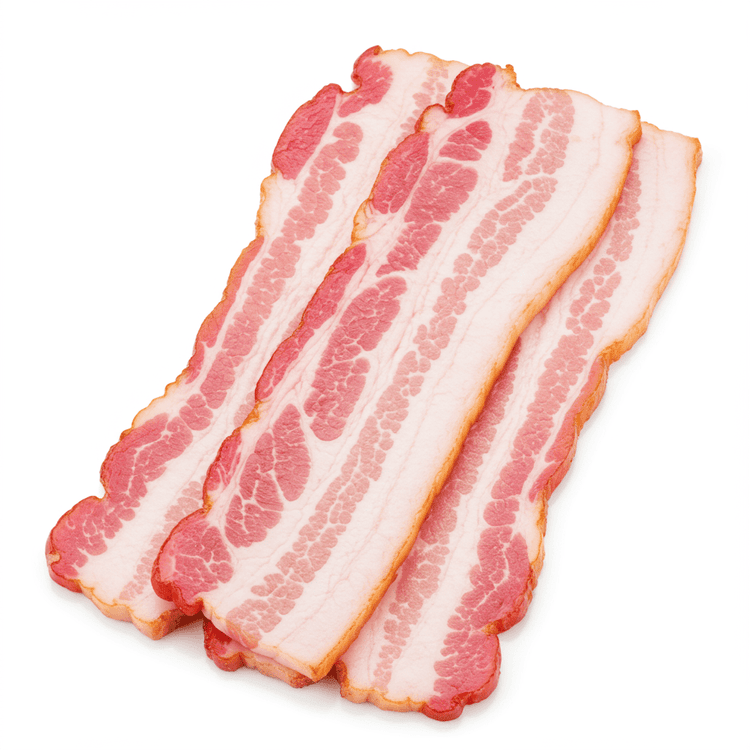
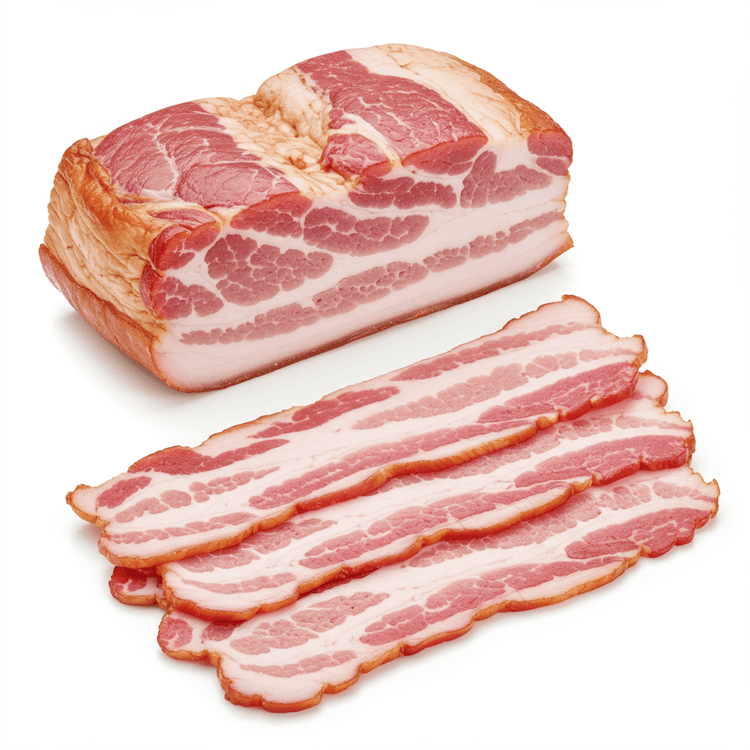
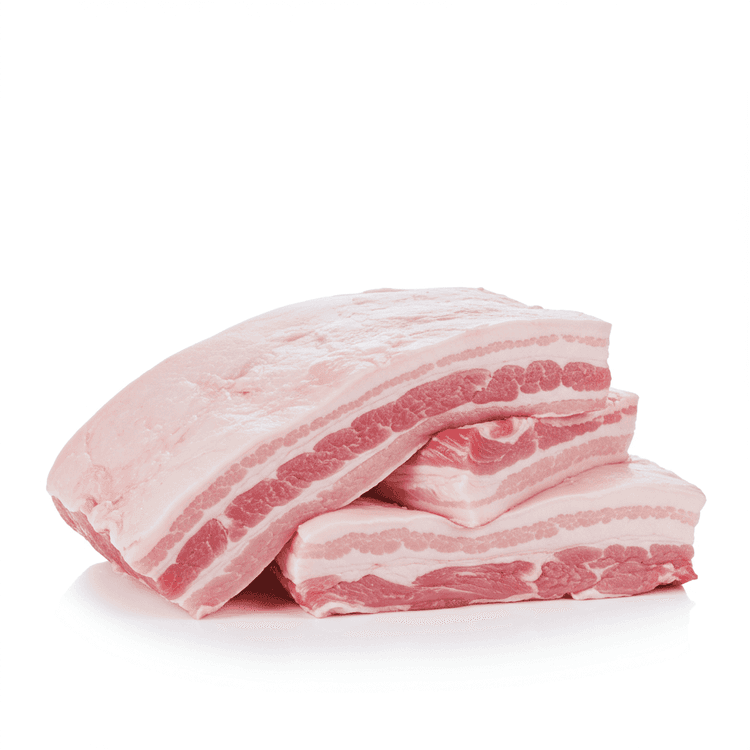
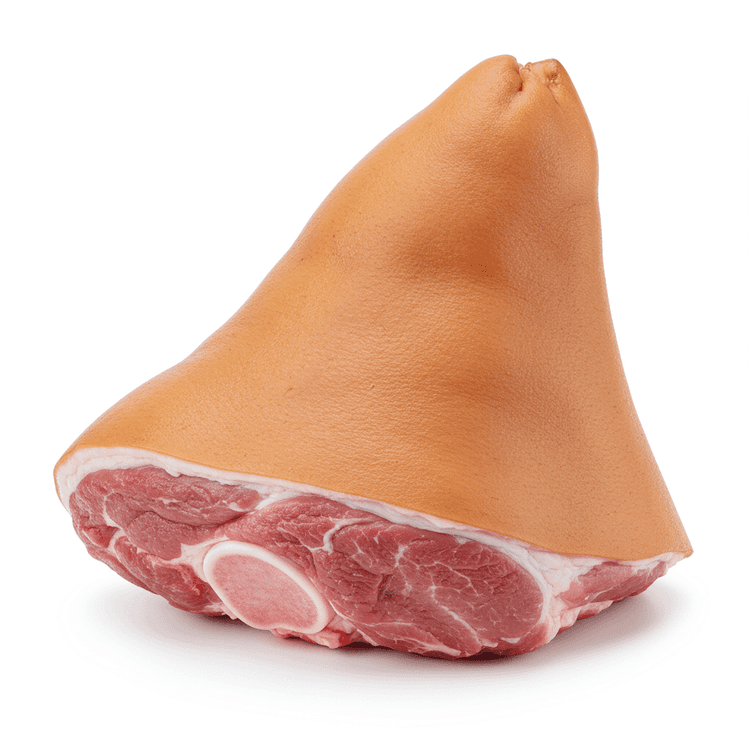
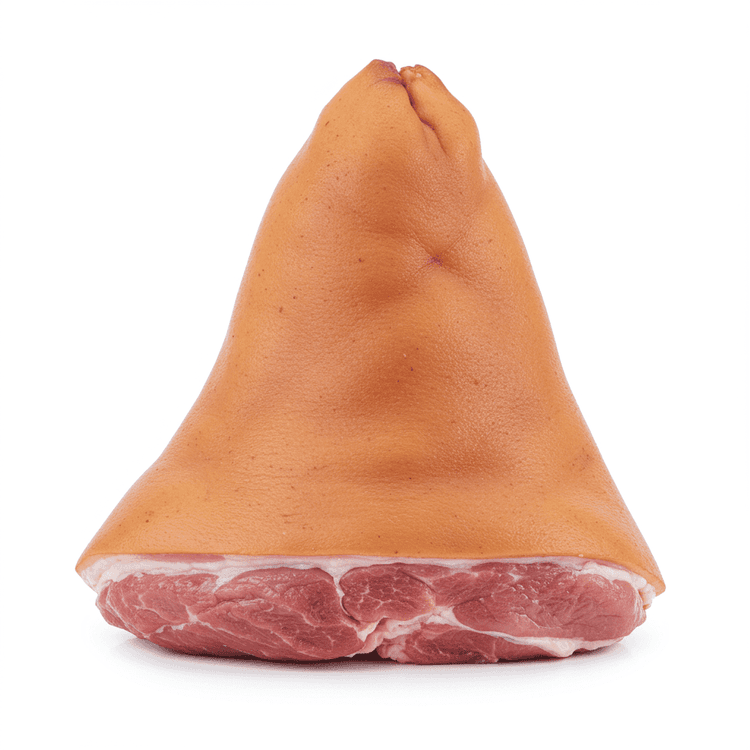
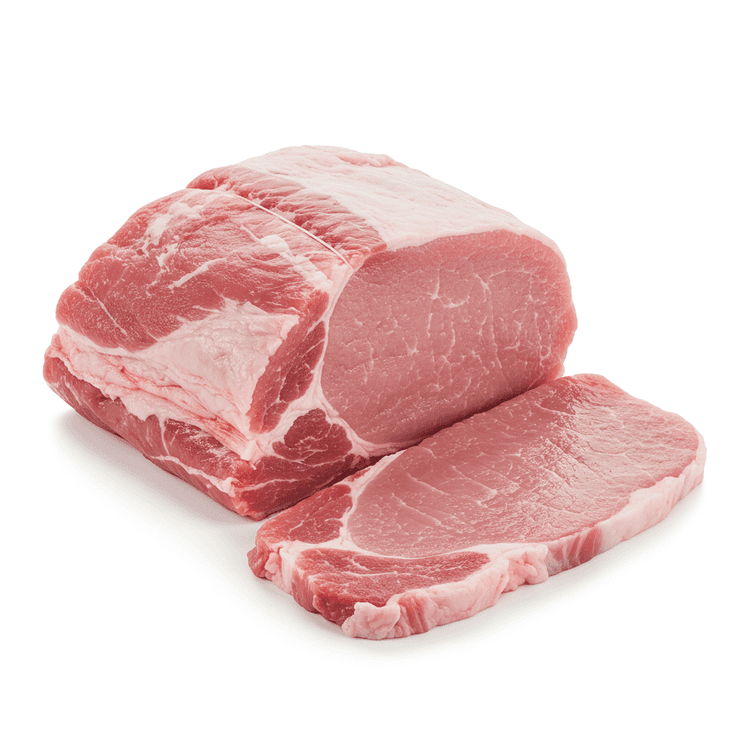
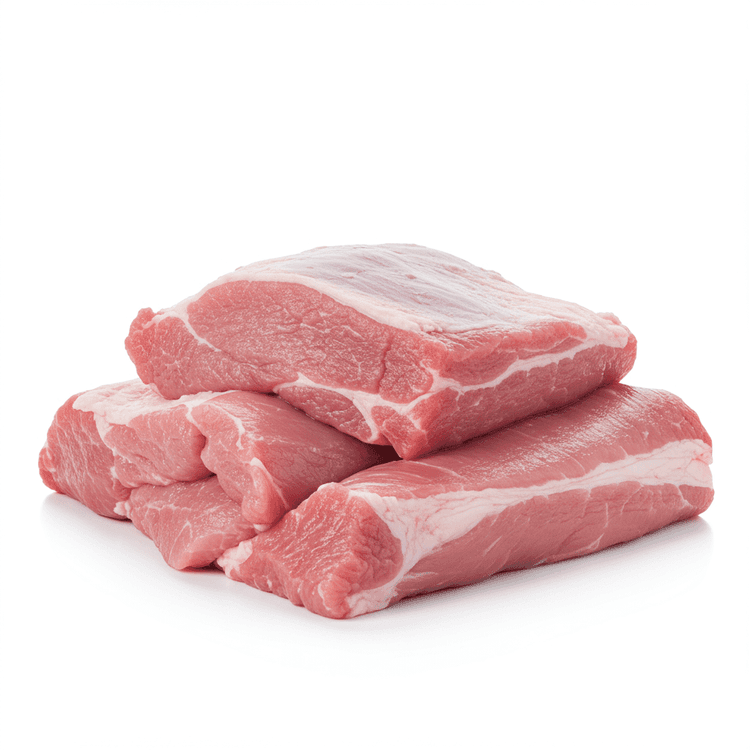
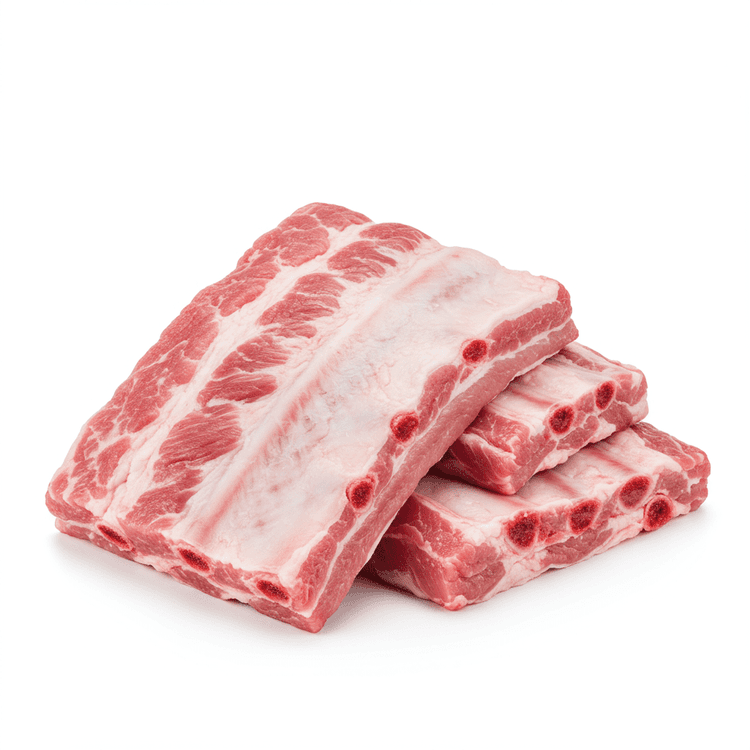
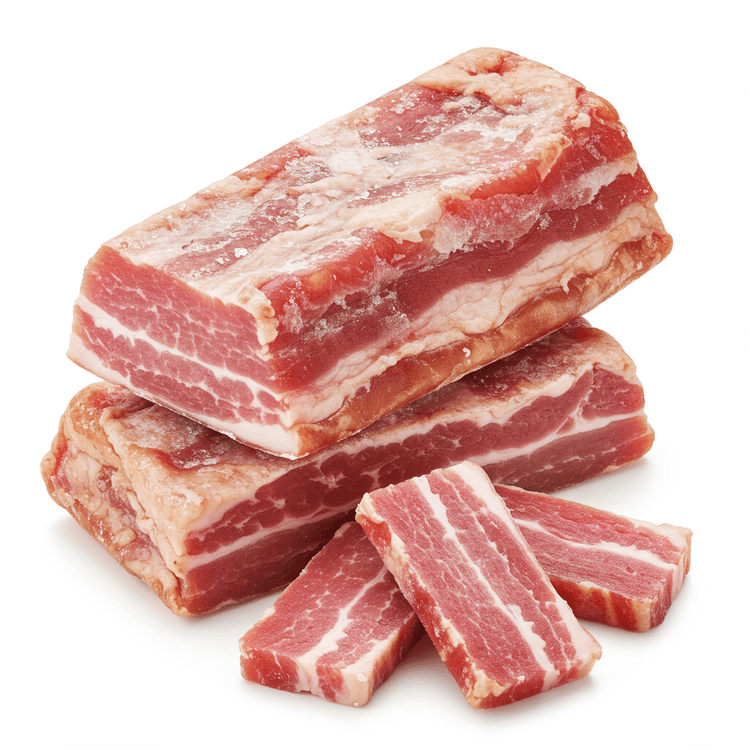
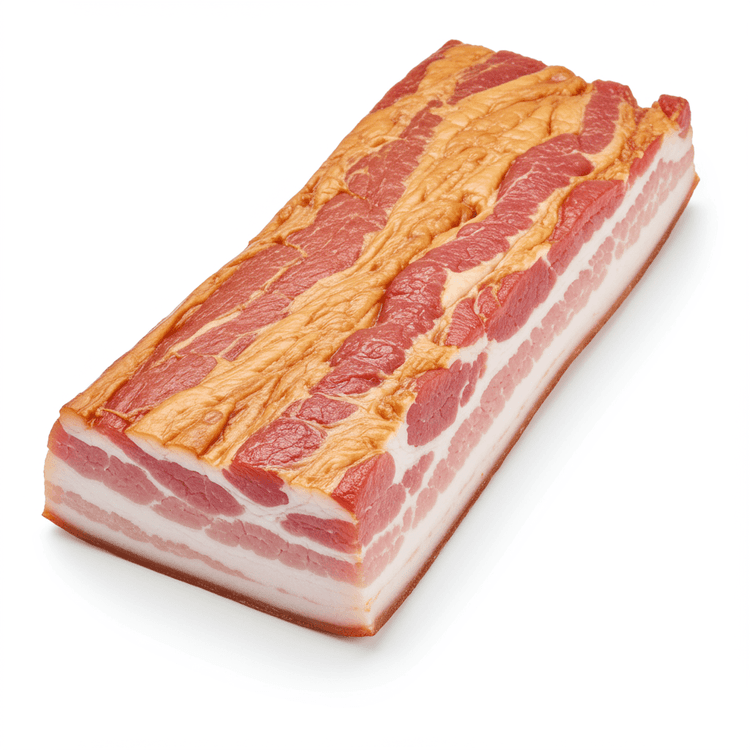
Different cuts of pork offer varying nutritional profiles. Pork tenderloin is one of the leanest cuts, making it a great option for those watching their fat intake. Pork loin and sirloin roast are also relatively lean. Fattier cuts, like pork belly, offer a richer flavor and can be enjoyed in moderation as part of a balanced diet. Always trim excess fat before cooking to reduce the overall fat content.
Why is pork important for a balanced diet? Beyond its impressive nutrient profile, pork provides a satisfying and flavorful source of protein, contributing to feelings of fullness and satiety. This can be particularly beneficial for weight management and preventing overeating. The amino acids in pork support muscle growth and repair, making it a valuable food for athletes and anyone looking to maintain a healthy body composition. By choosing leaner cuts and employing healthy cooking methods, you can enjoy the many benefits of pork while staying on track with your nutritional goals. Remember to consider portion sizes and pair pork with plenty of vegetables, whole grains, and healthy fats for a well-rounded and nutritious meal. Exploring different pork recipes and cooking techniques can unlock a world of delicious and healthy eating possibilities. ||
Pork are an essential part of a healthy diet, providing a wide range of nutrients and health benefits. Explore our collection of pork ingredients.