We use cookies on this website to ensure its proper functioning and to improve the quality of our services. Cookie Policy
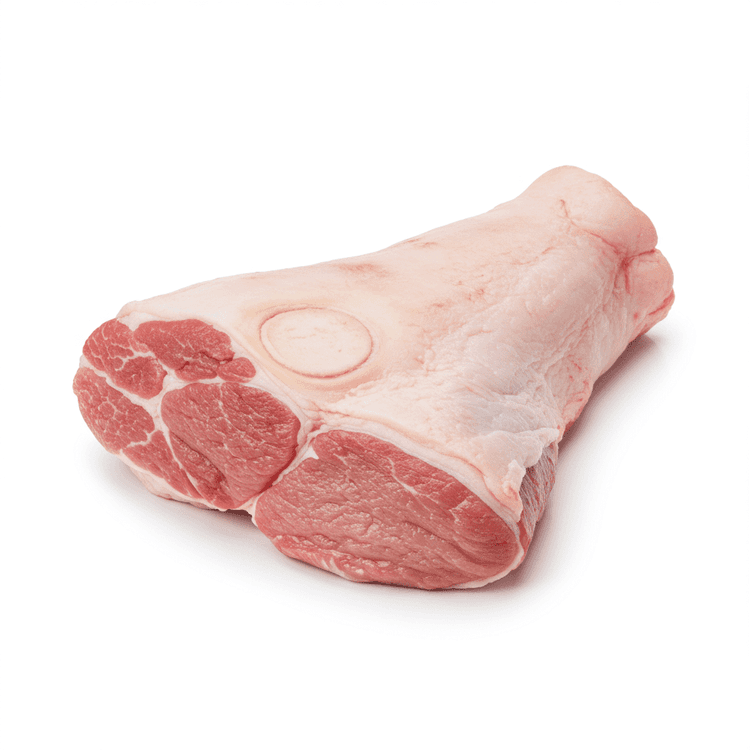
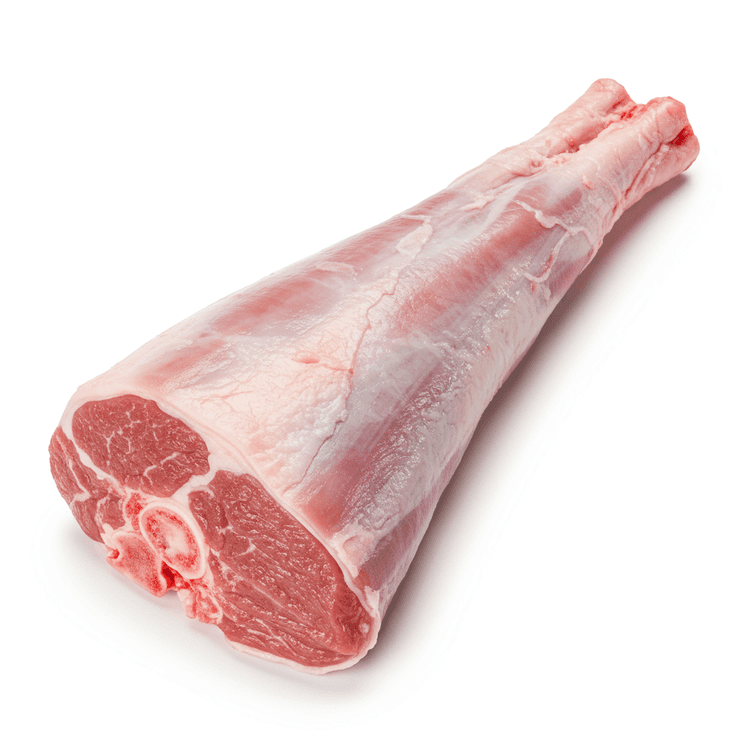
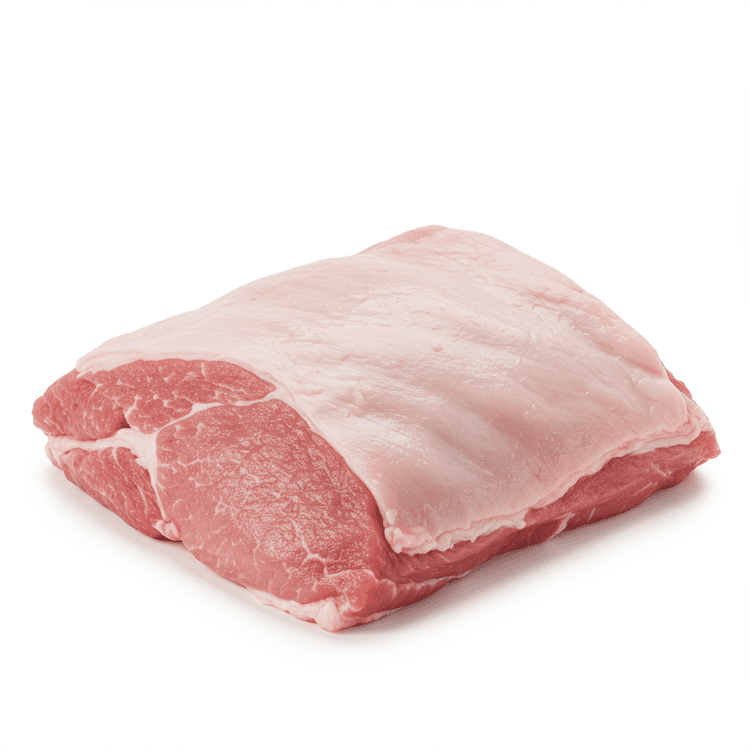
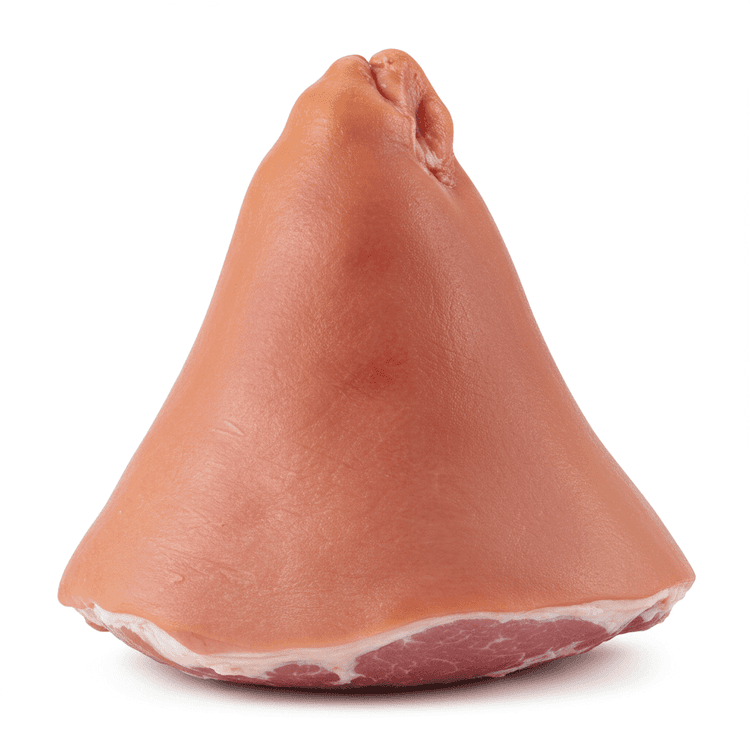
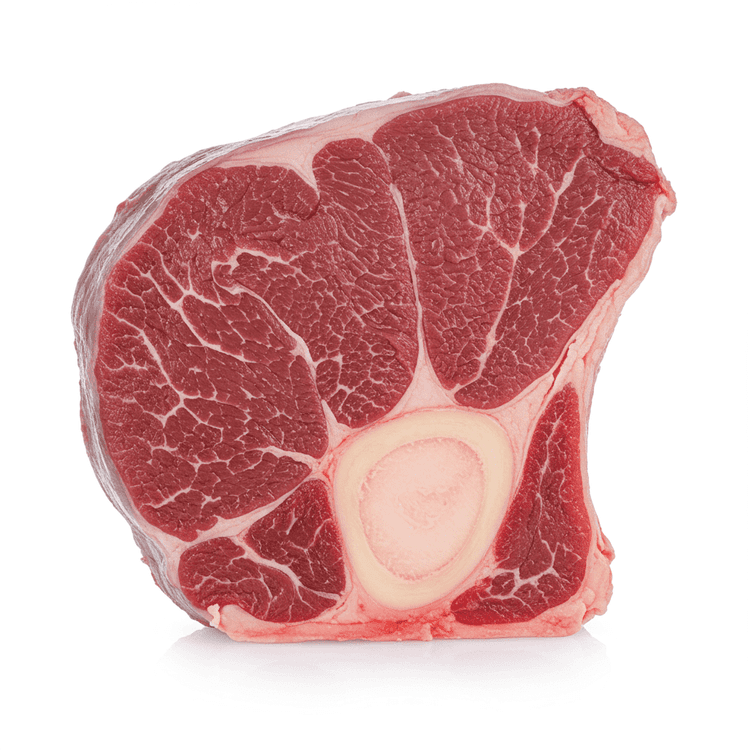
Pork shank, also called pig knuckle or hock, comes from the lower part of the pig's leg — the stretch between the knee and the ankle. It's a hardworking muscle, which is exactly why it tastes so good: all that movement builds up rich, meaty flavor and a generous web of connective tissue. Cook it fast and it turns tough and chewy, but give it time and gentle heat and something wonderful happens. The collagen slowly melts into gelatin, the meat goes silky and tender, and it practically slides off the bone. Raw, it's pale pink to light red with a thick cap of skin; cooked, it deepens to a glossy mahogany brown.
What sets the shank apart from leaner cuts is that it rewards patience rather than punishing it. The same things that make it a poor choice for a quick pan-fry — the sinew, the bone, the fat — are exactly what make a braise so luxurious. As it simmers, the marrow in the bone leaks its savory richness into the pot, and the surrounding sauce or broth turns thick and glossy on its own, no cornstarch needed. Flavor-wise, think deeply porky and almost sweet, with a mouthfeel that coats your lips a little from all that natural gelatin.
Because it's an inexpensive, forgiving cut, the pork shank shows up in comfort-food traditions all over the world — German Schweinshaxe with its shattering crackling, Italian-style braises served over polenta, and countless slow-simmered soups. If you enjoy cooking this way, it's worth exploring the rest of the pork family for cuts that behave in similarly patient, low-and-slow fashion.
Save recipes from anywhere, and get answers, swaps, and help as you cook.


Available now for early access users.