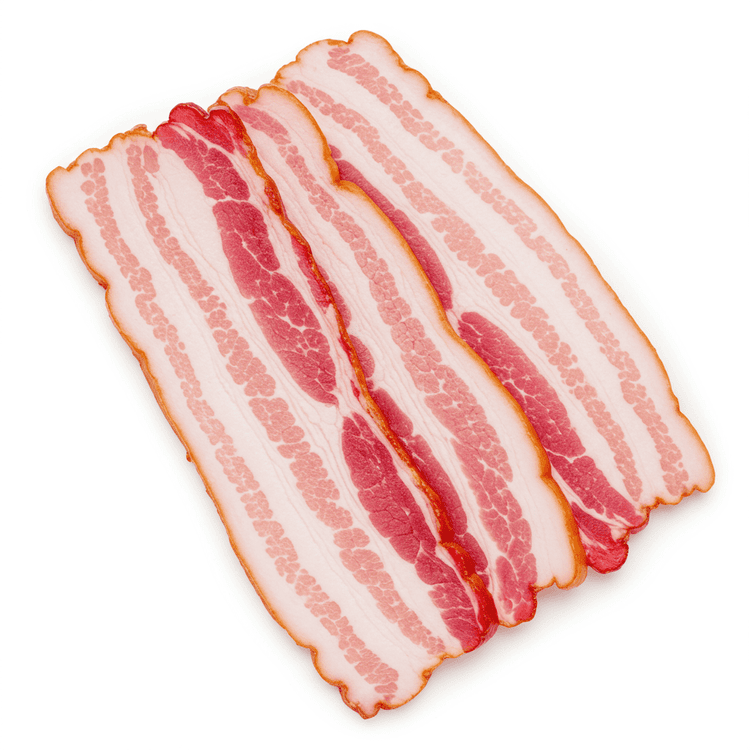
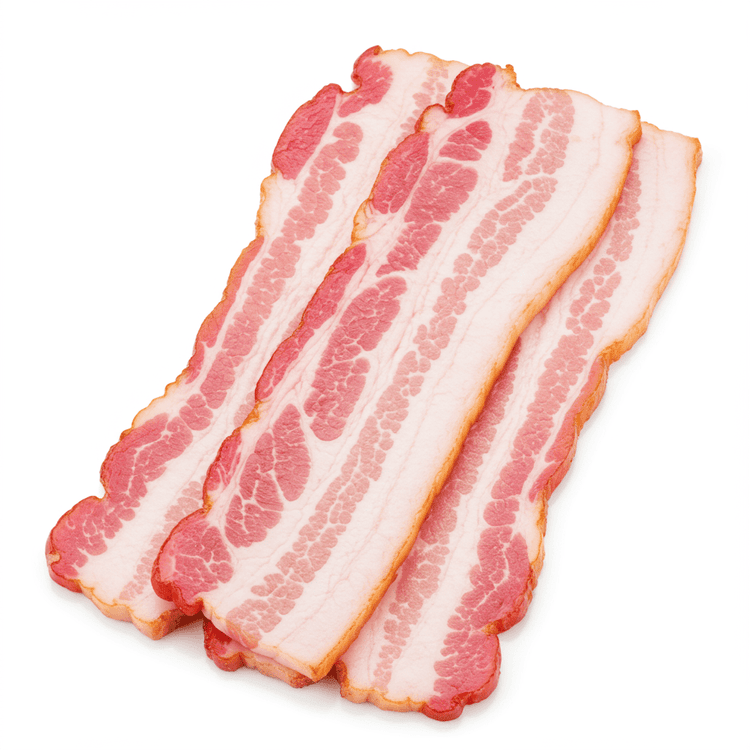
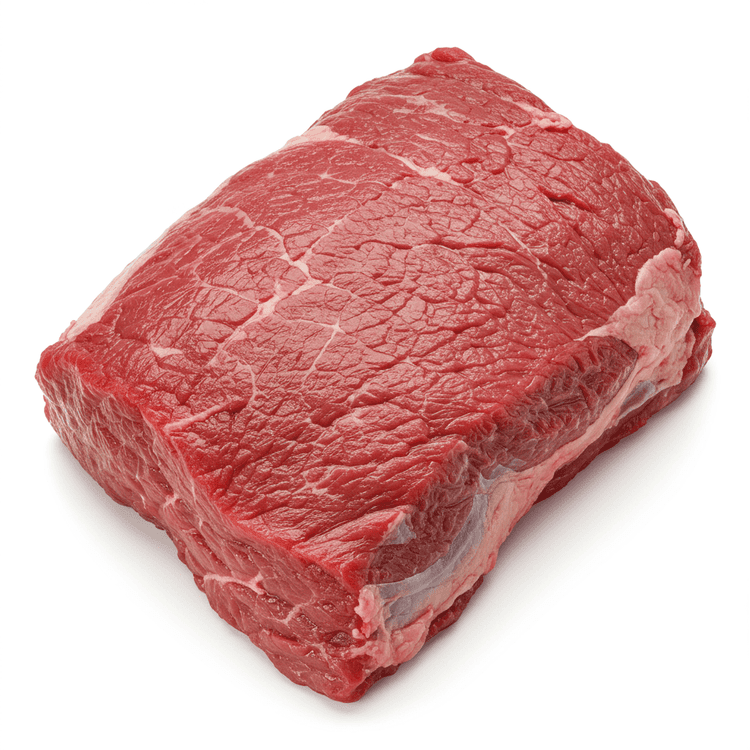
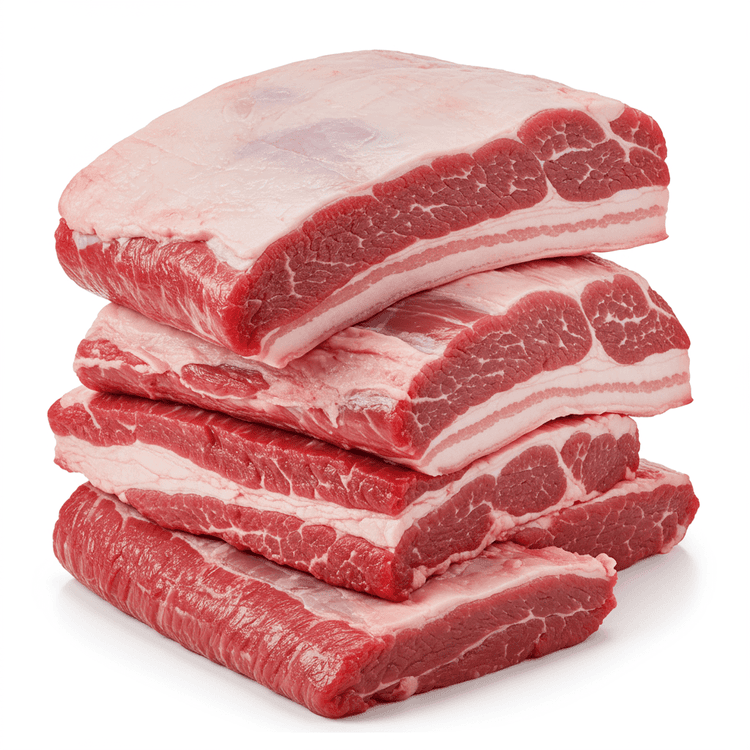
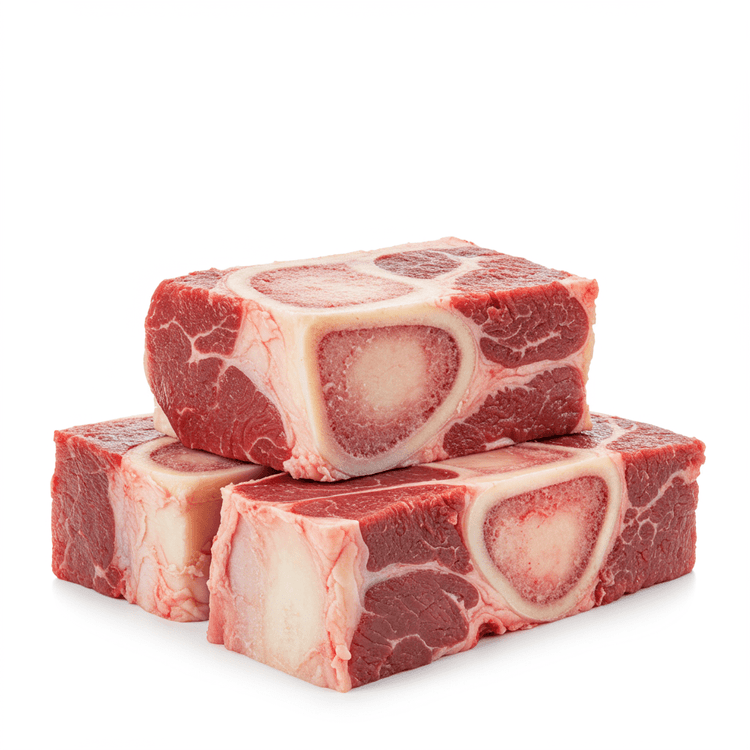
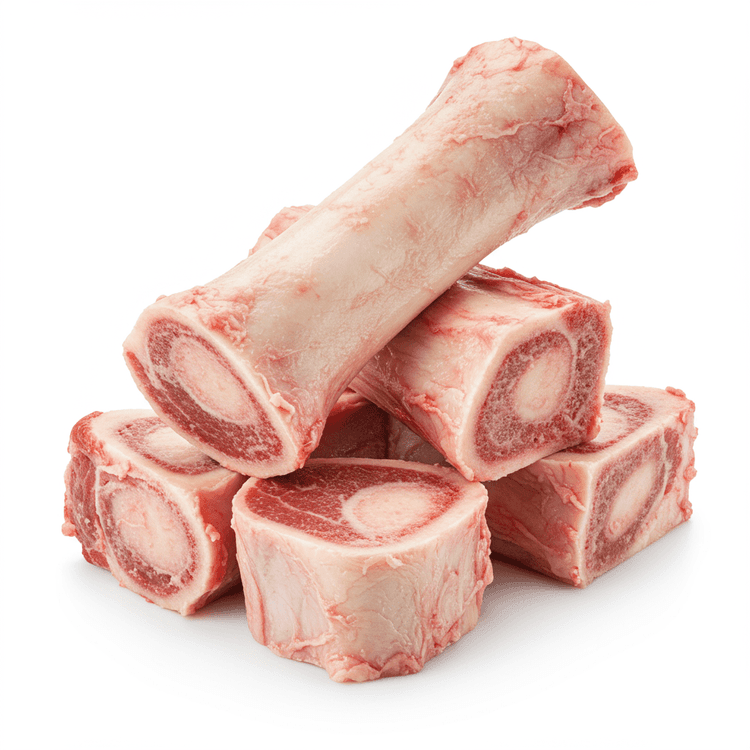
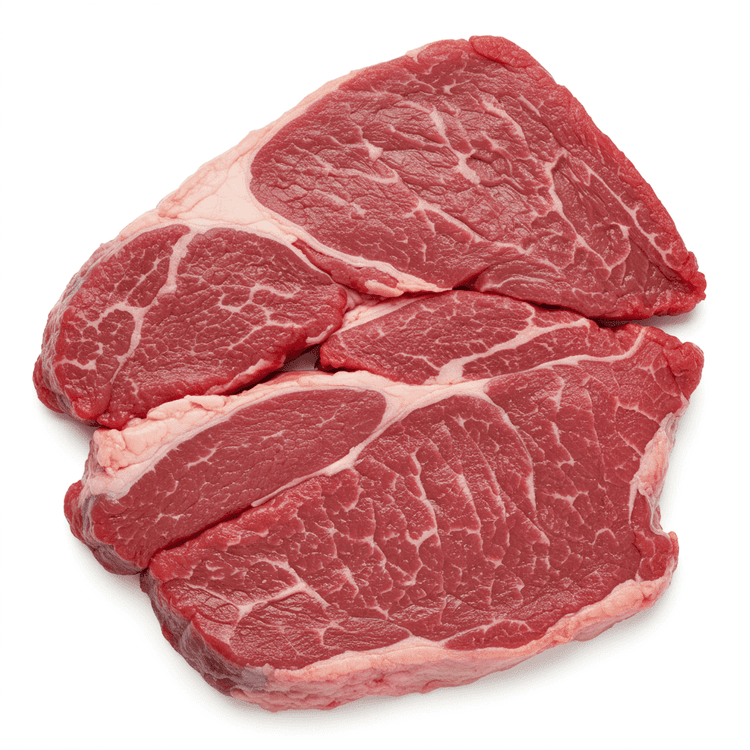
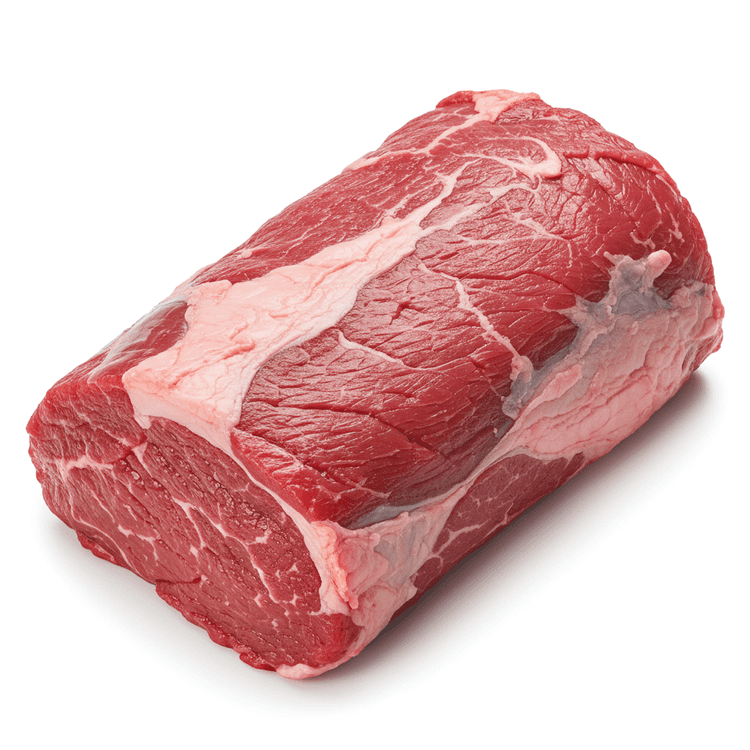
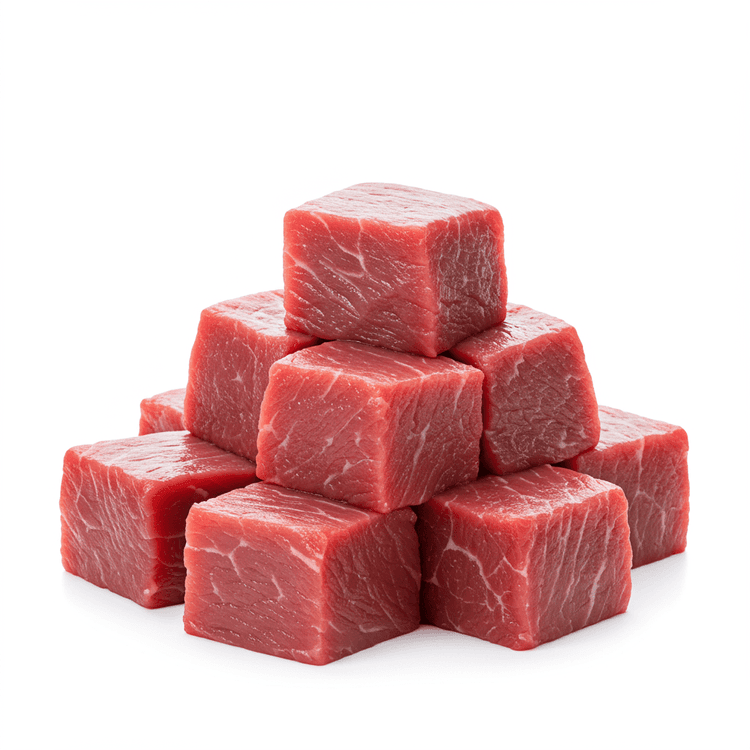
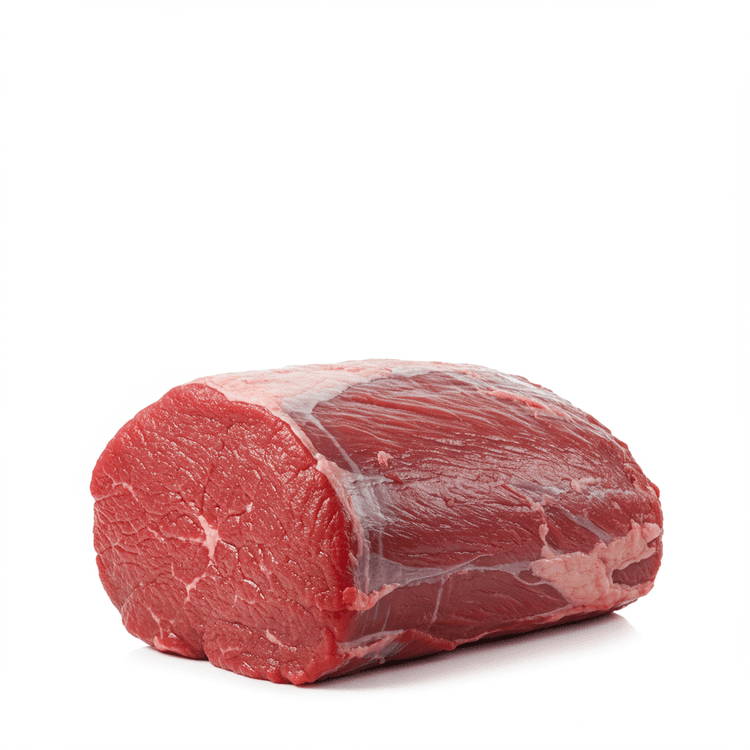
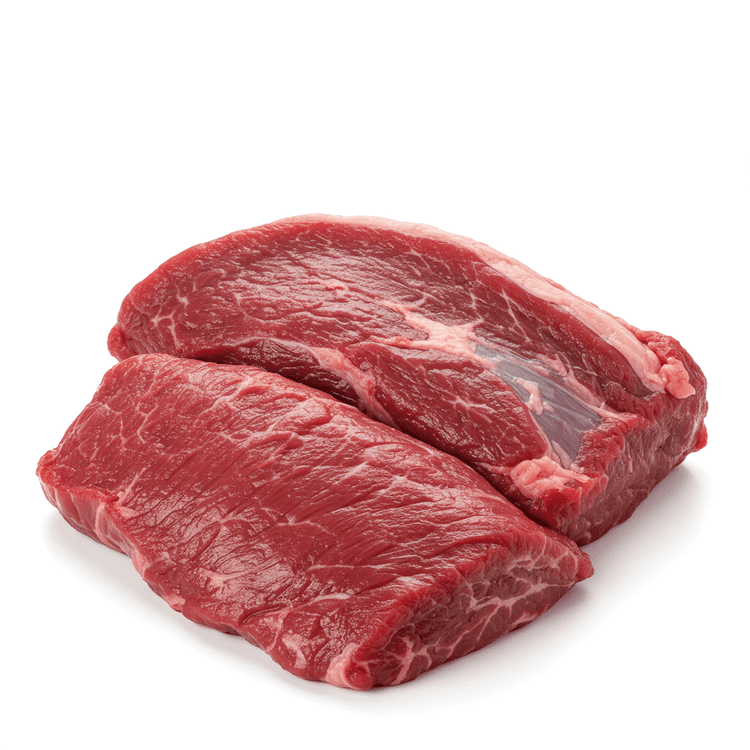
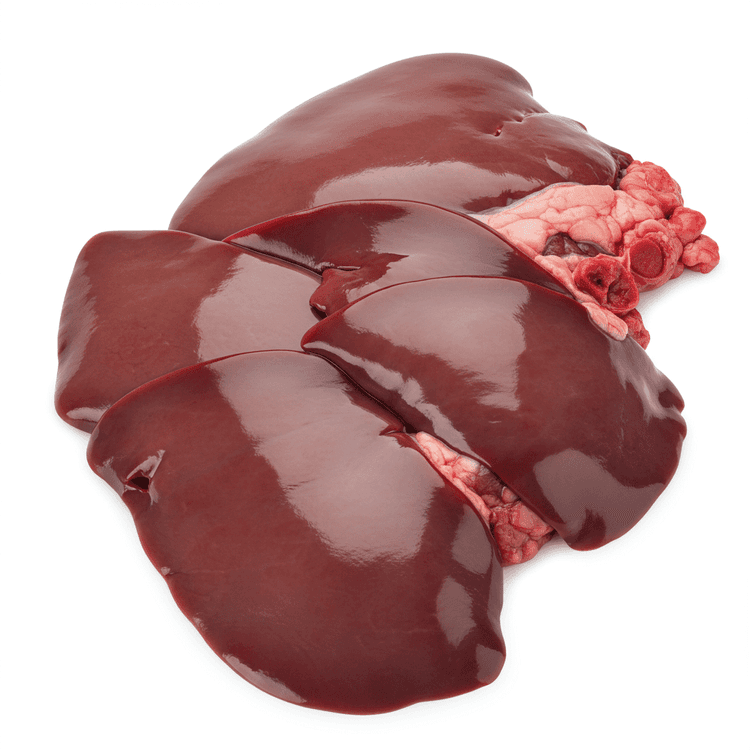
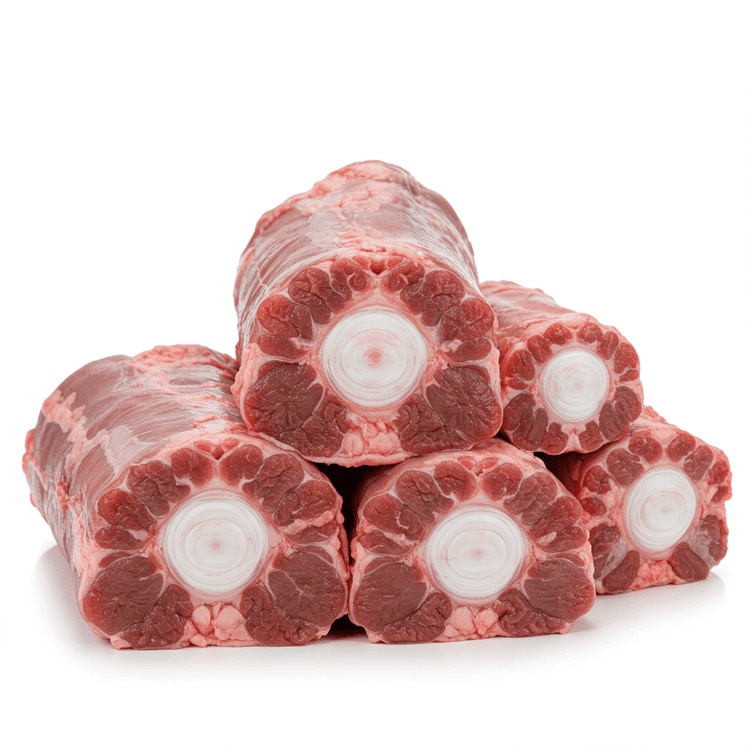
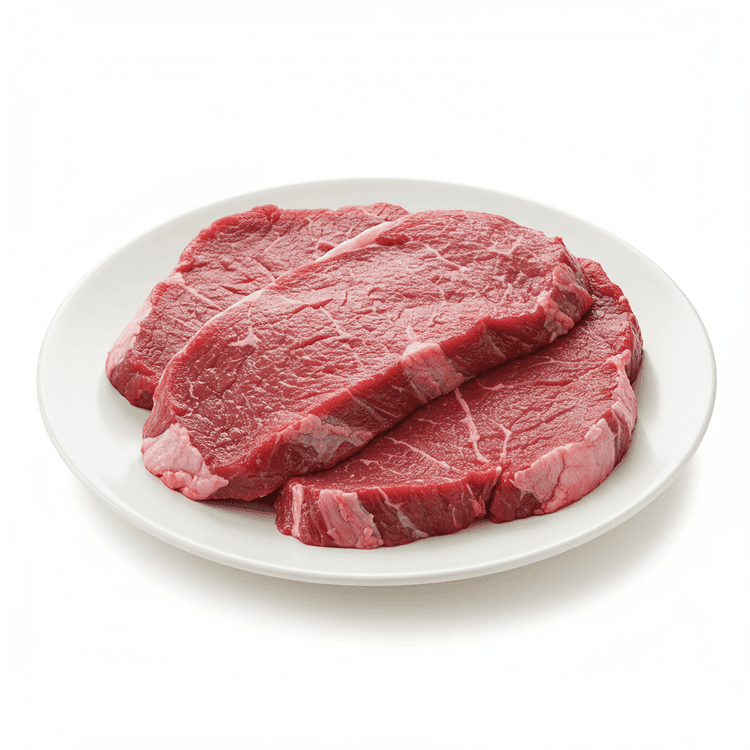
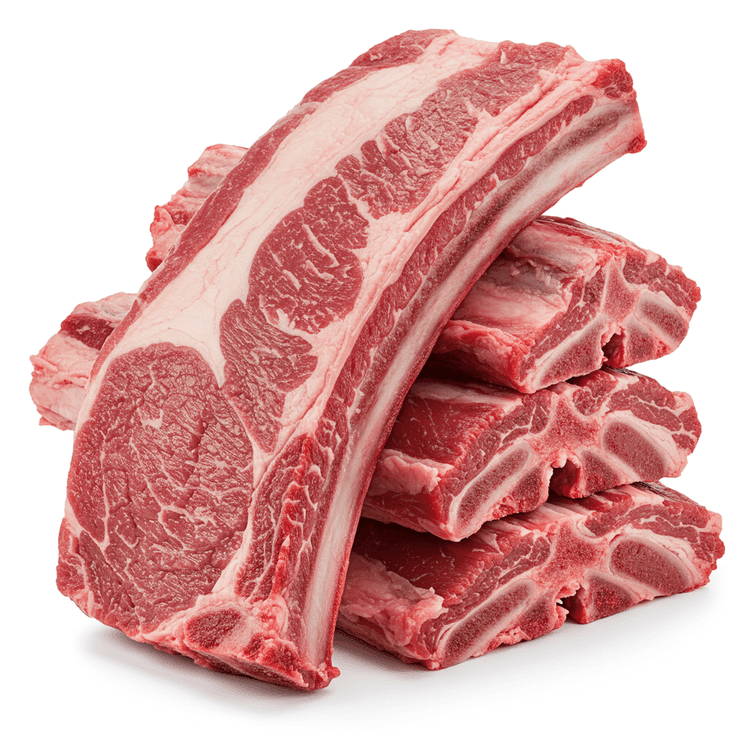
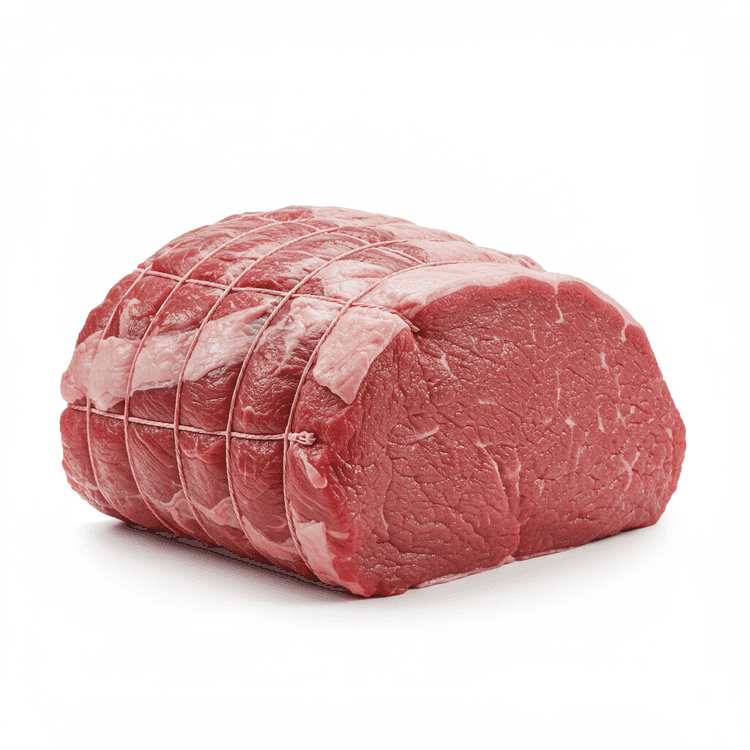
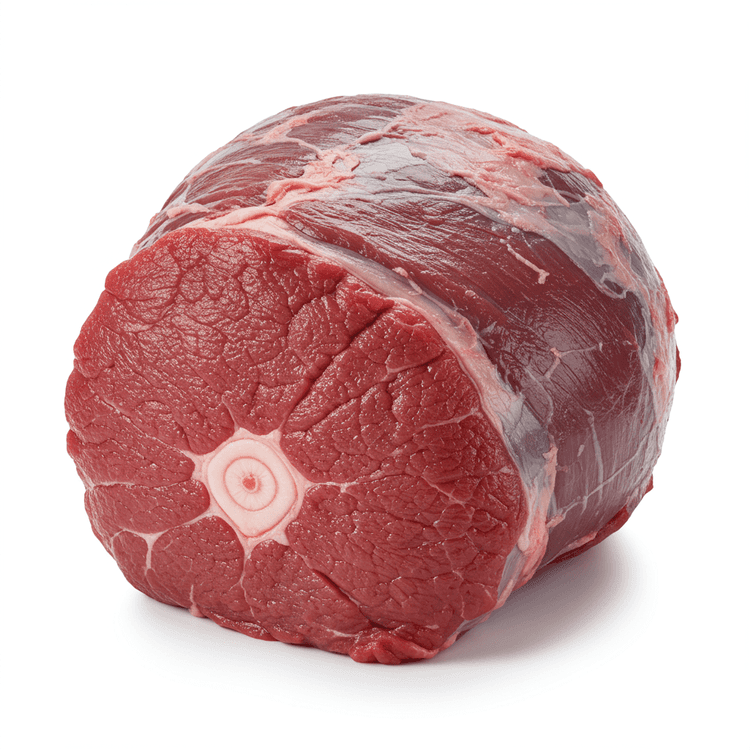
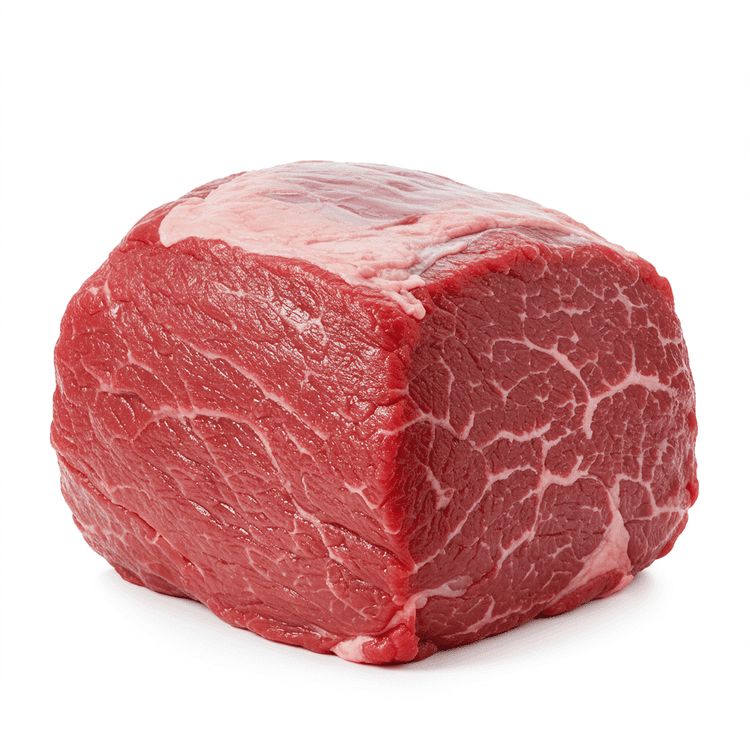
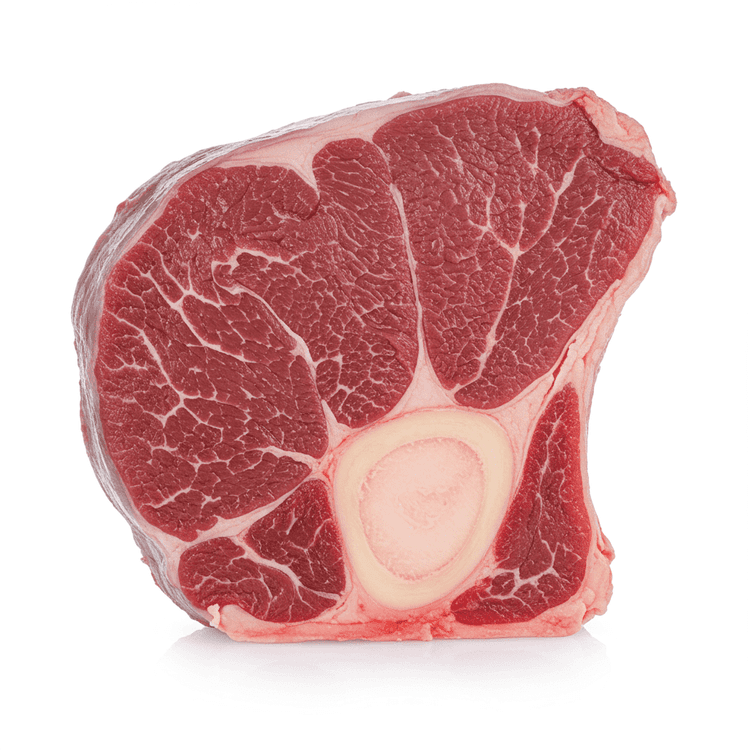
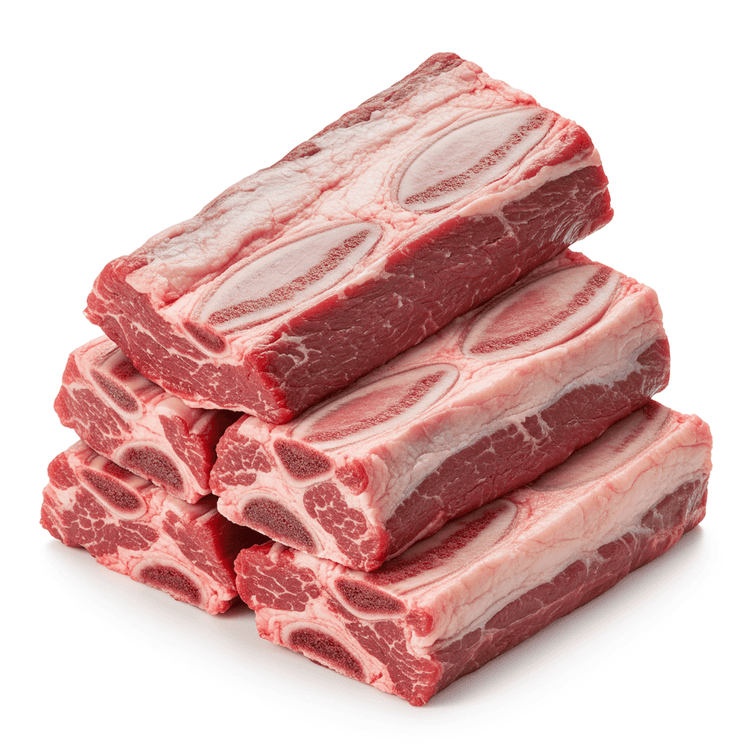
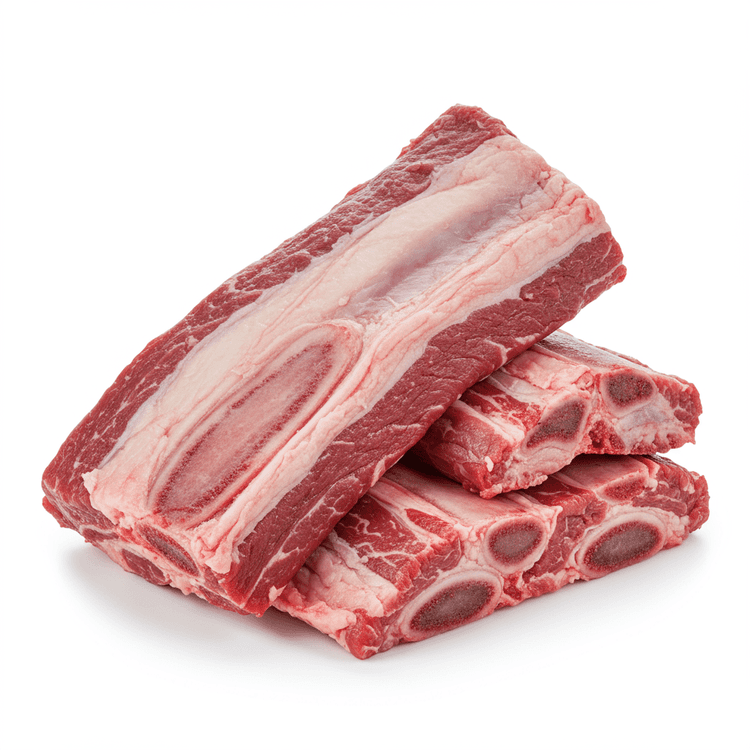
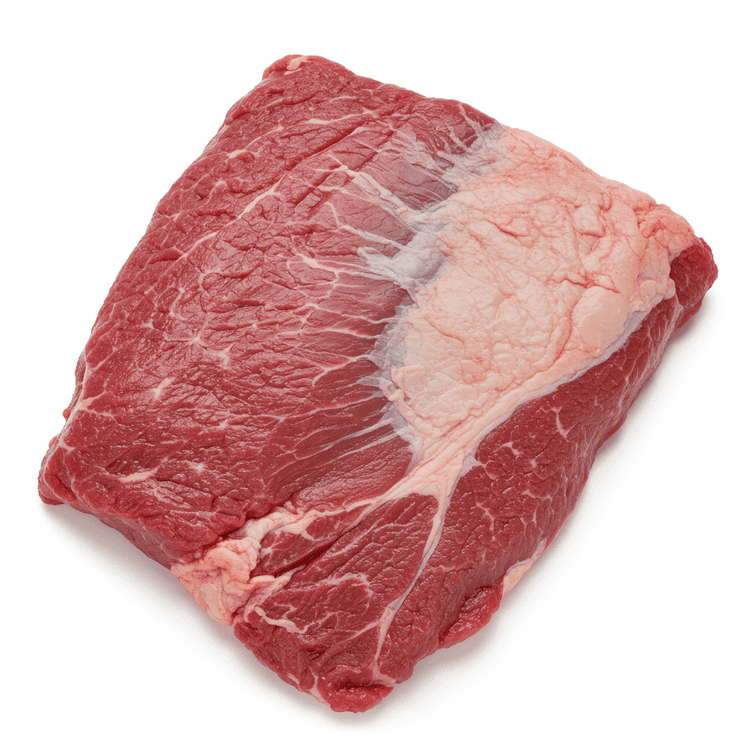
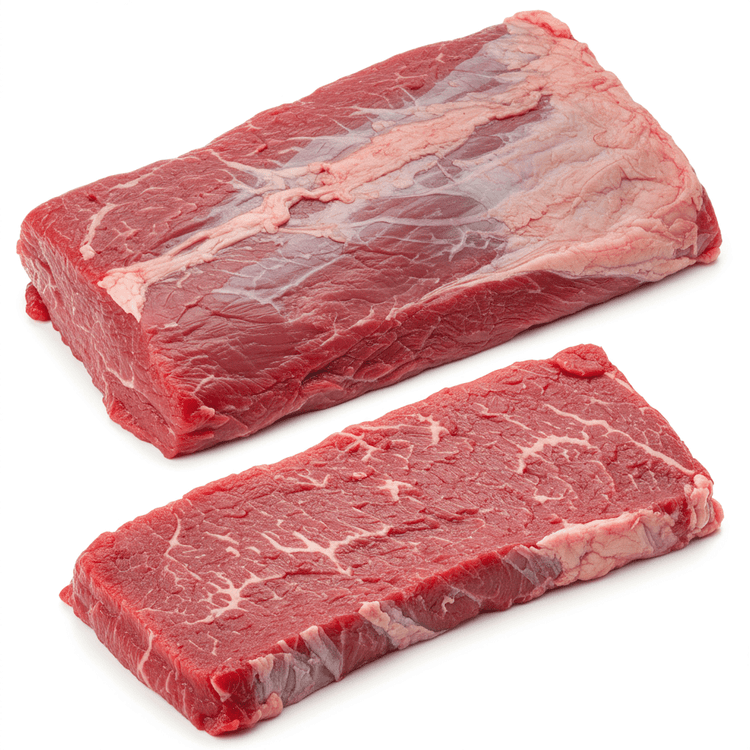
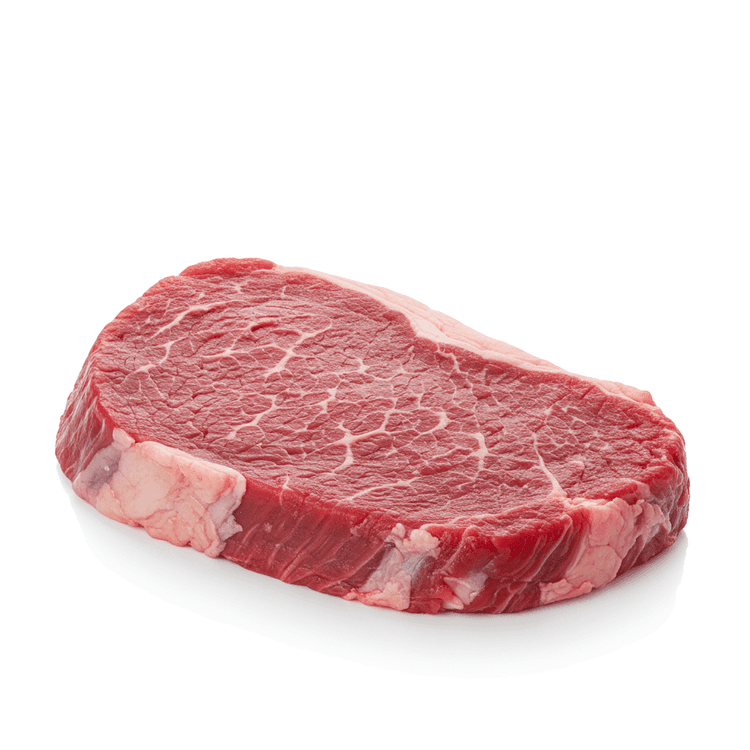
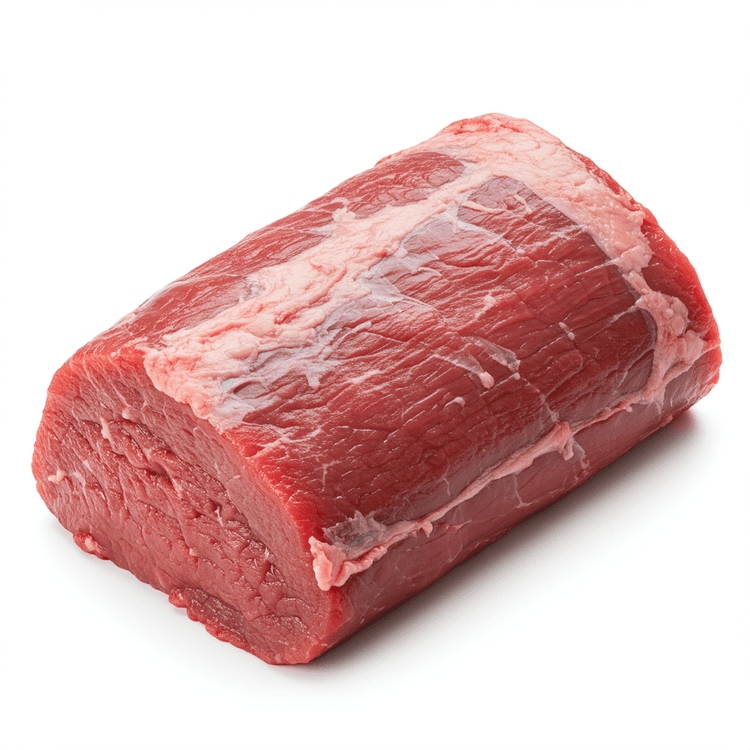
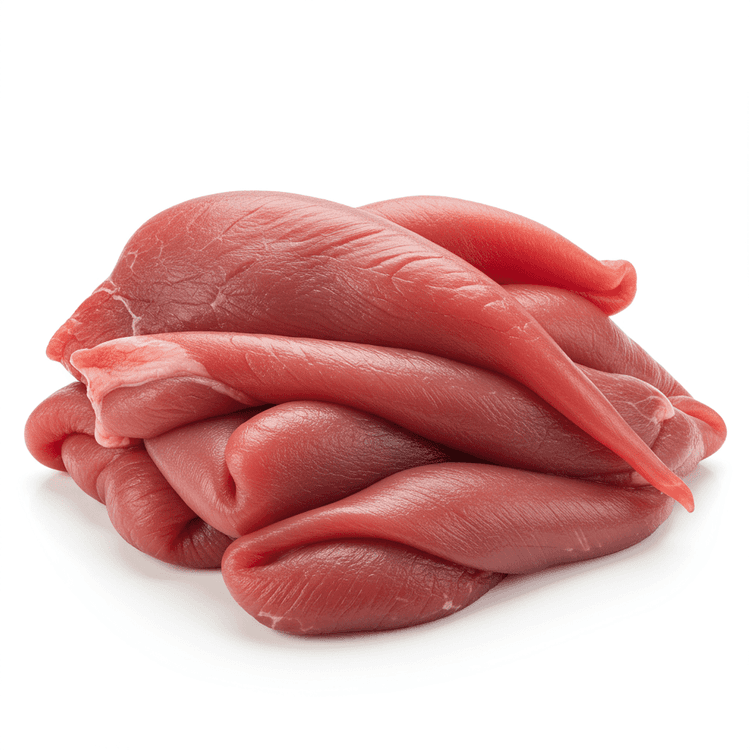
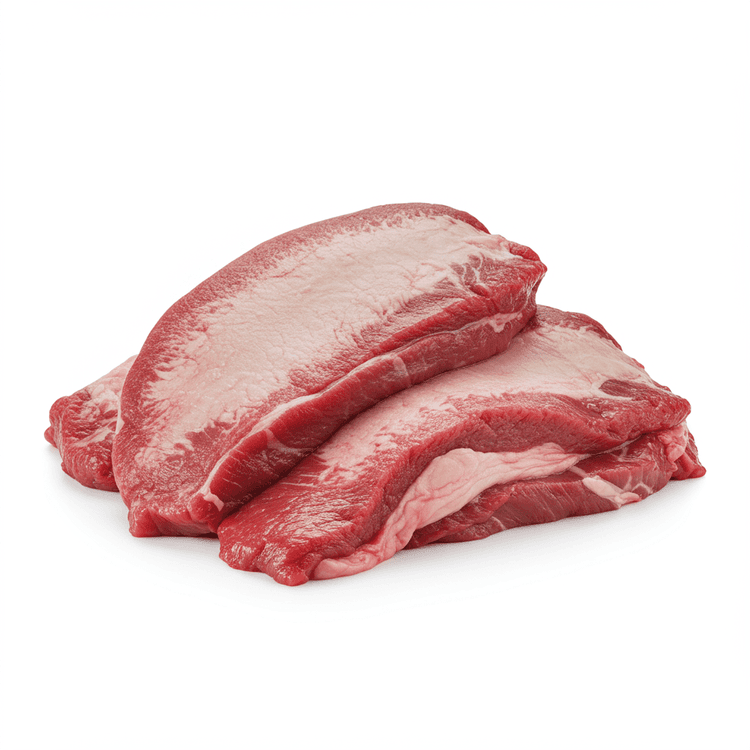
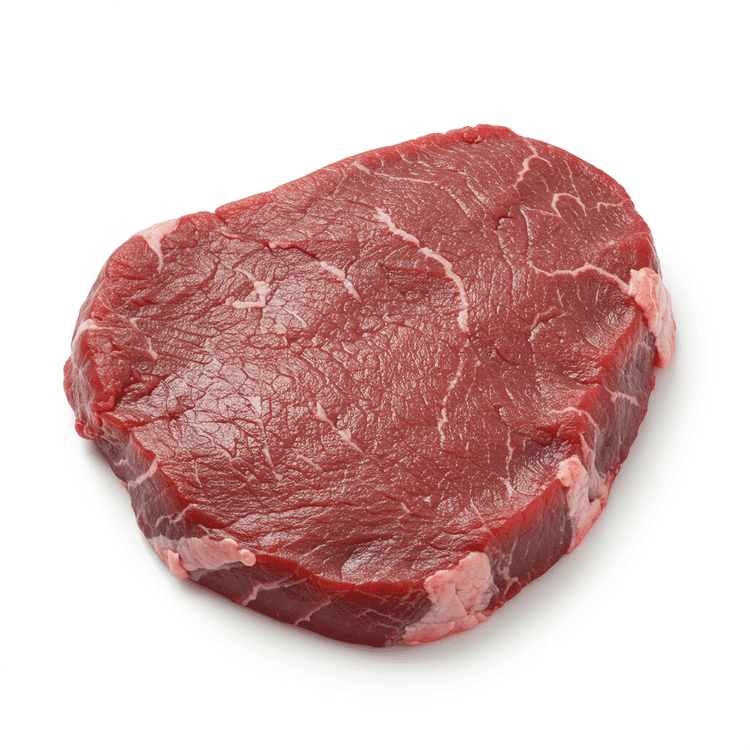
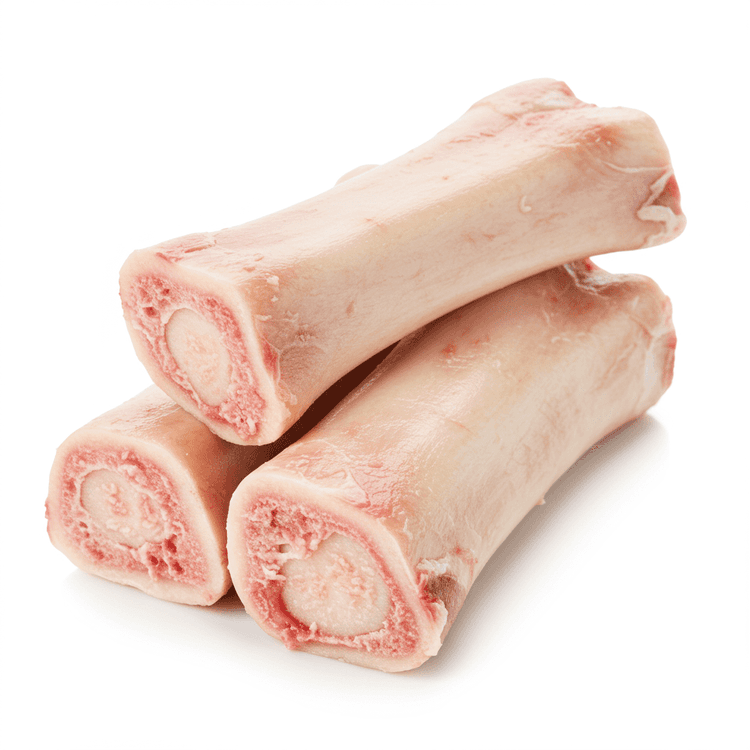
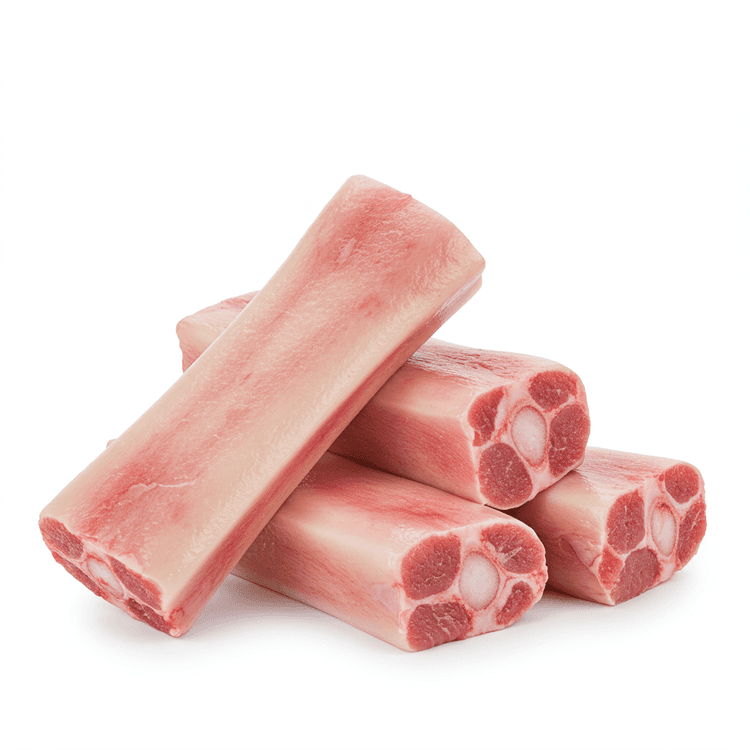
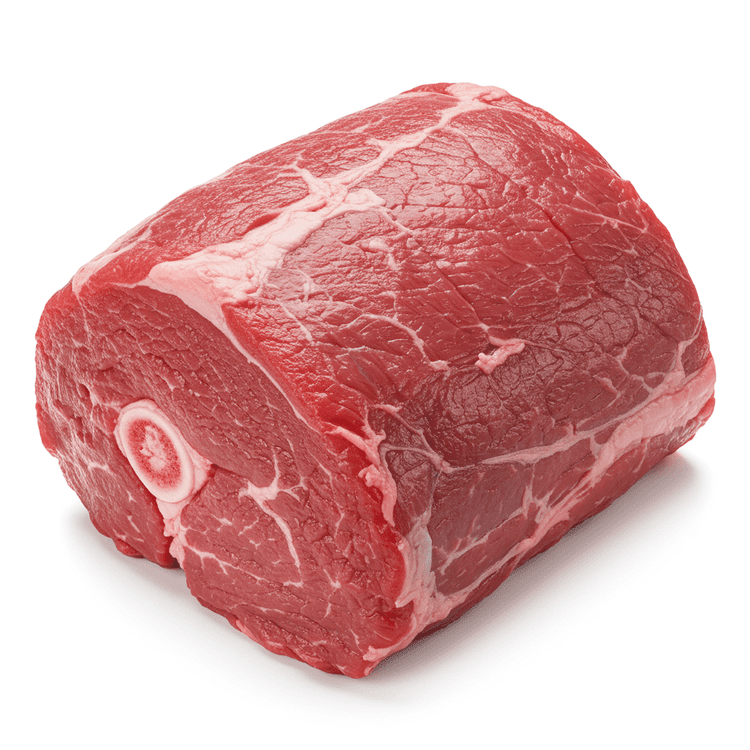
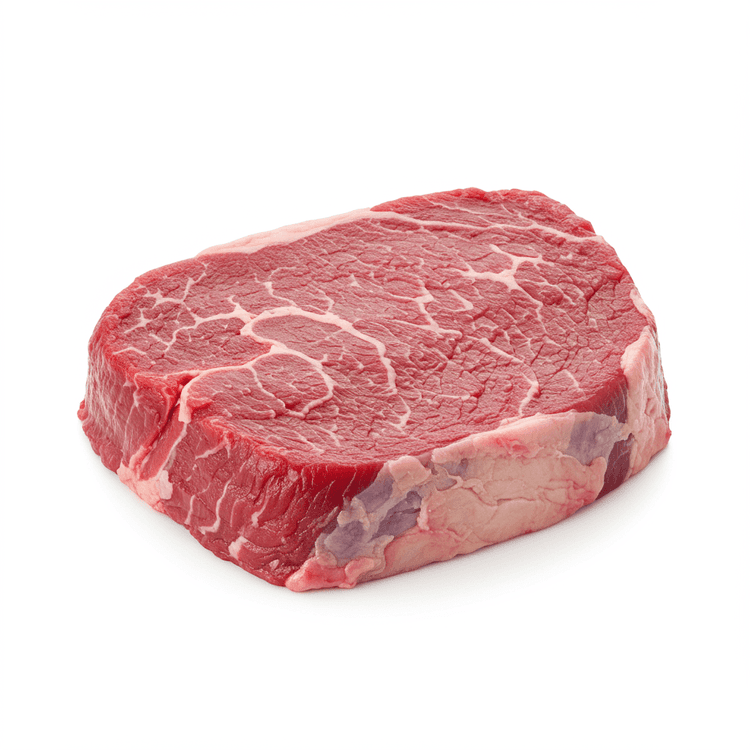
Meat, a cornerstone of cuisines worldwide, provides essential nutrients crucial for a healthy and balanced diet. From succulent steaks to flavorful stews, meat offers a diverse range of options for culinary creativity. But beyond its delicious taste, meat is a powerhouse of protein, iron, zinc, and B vitamins, each playing a vital role in maintaining optimal health.
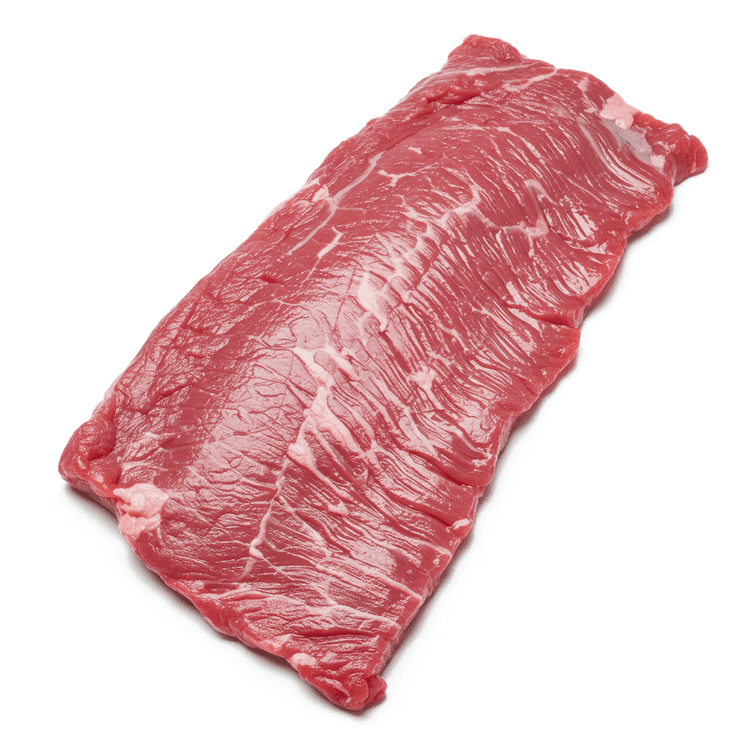
One of the primary benefits of meat consumption lies in its high protein content. Protein is the building block of our bodies, essential for muscle growth and repair, enzyme production, and hormone regulation. Meat offers complete protein, meaning it contains all nine essential amino acids that our bodies cannot produce on their own. This is particularly important for athletes, growing children, and individuals recovering from illness or injury. Different cuts of meat offer varying protein levels, allowing for tailored choices based on dietary needs.
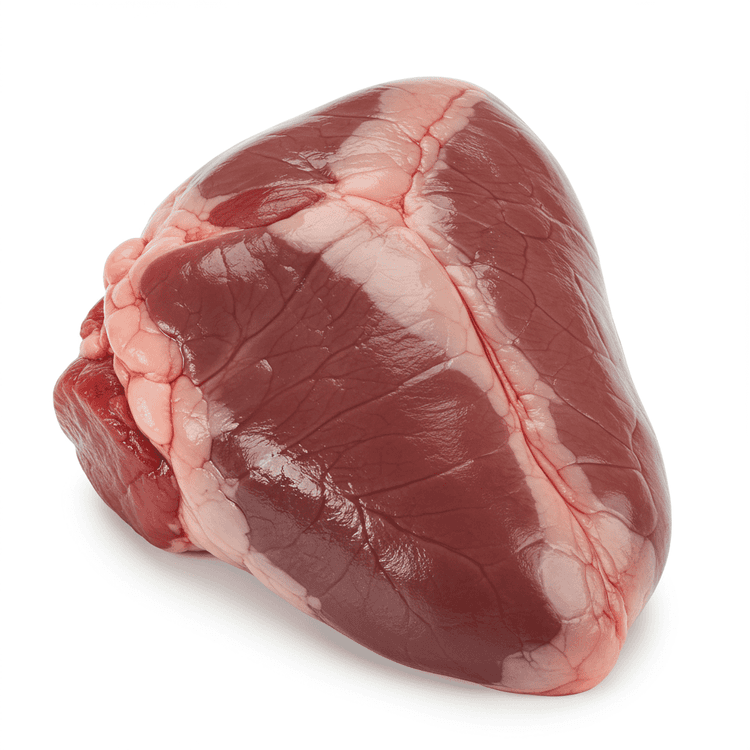
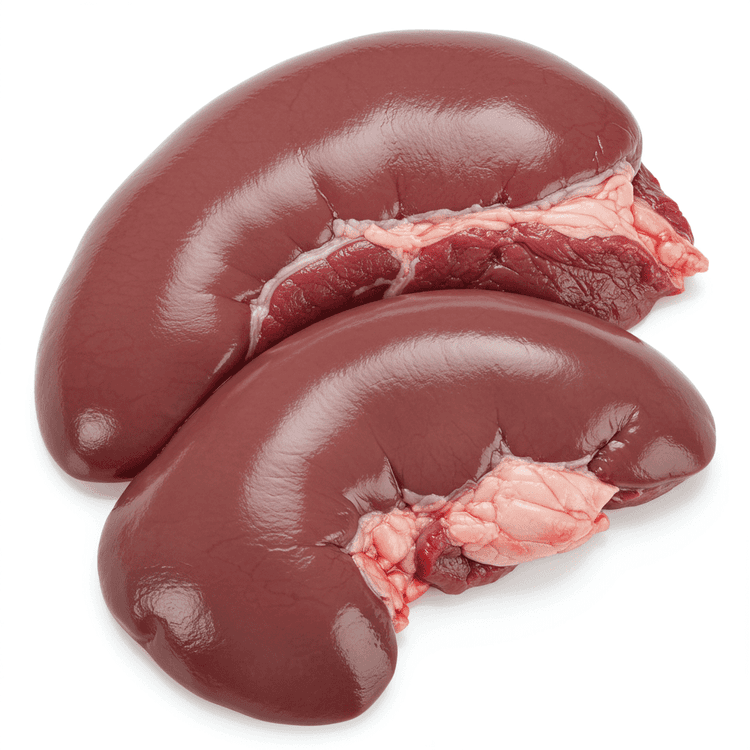
Beyond protein, meat is an excellent source of iron, particularly heme iron, which is more easily absorbed by the body compared to non-heme iron found in plant-based sources. Iron is crucial for red blood cell production, carrying oxygen throughout the body. Iron deficiency can lead to fatigue, weakness, and impaired cognitive function. Zinc, another vital mineral abundant in meat, plays a critical role in immune function, wound healing, and DNA synthesis. A strong immune system relies on adequate zinc intake to fight off infections and maintain overall health.
Meat also provides a range of B vitamins, including vitamin B12, which is primarily found in animal products. Vitamin B12 is essential for nerve function, DNA synthesis, and red blood cell formation. Deficiency in B12 can lead to neurological problems and anemia. Other B vitamins in meat, such as niacin and riboflavin, are involved in energy metabolism, helping the body convert food into fuel.
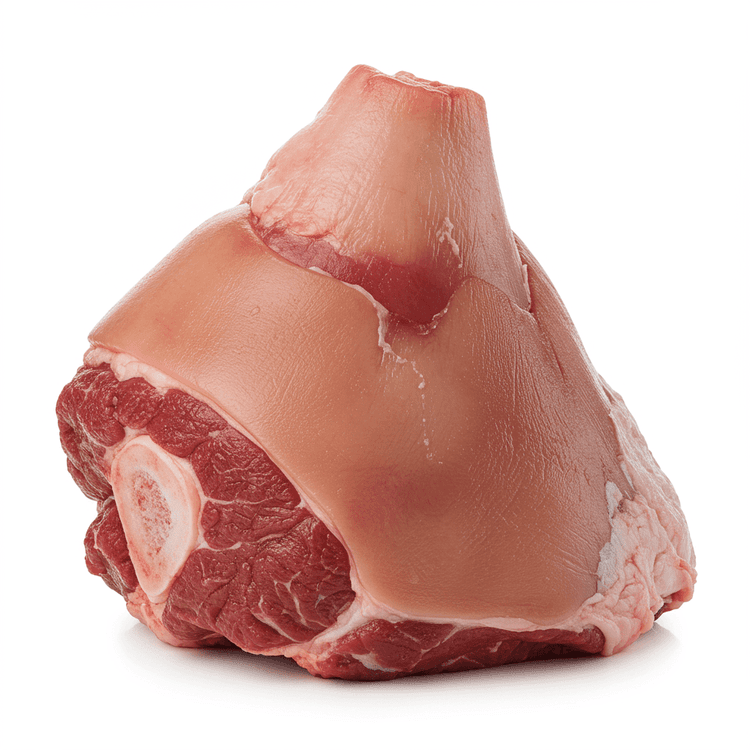
Culinary uses of meat are incredibly diverse. From grilling and roasting to braising and stewing, various cooking methods enhance the flavor and texture of different cuts. Popular dishes featuring meat include grilled steak, roasted chicken, hearty beef stew, flavorful pork tacos, and juicy lamb chops. The versatility of meat allows for endless culinary possibilities, catering to diverse tastes and preferences. Many cultures have signature meat dishes that reflect their unique culinary traditions.
Incorporating meat into a balanced diet can offer significant nutritional advantages. The high protein content promotes satiety, helping to manage weight and reduce cravings. The abundance of essential vitamins and minerals supports various bodily functions, contributing to overall health and well-being. However, it's important to choose lean cuts of meat and practice moderation. Opt for lean ground beef, skinless poultry, and trimmed pork or lamb to minimize saturated fat intake. Combining meat with plenty of fruits, vegetables, and whole grains ensures a well-rounded and nutrient-rich diet. Consider incorporating grass-fed and finished options for potentially higher levels of omega-3 fatty acids and conjugated linoleic acid (CLA).
In conclusion, meat is a valuable source of essential nutrients that contribute to a healthy and balanced diet. Its high protein content, abundance of iron, zinc, and B vitamins, and culinary versatility make it a staple in many cuisines around the world. By choosing lean cuts, practicing moderation, and combining meat with a variety of other nutrient-rich foods, you can reap the numerous health benefits it offers and enjoy delicious and satisfying meals. ||
Meat are an essential part of a healthy diet, providing a wide range of nutrients and health benefits. Explore our collection of meat ingredients.