Oils are an indispensable part of the culinary world and a significant source of essential nutrients for a balanced diet. These liquid fats, derived from various plants, nuts, seeds, and even animals, play crucial roles in both cooking and our overall health. Understanding the different types of oils and their unique properties allows you to make informed choices that can significantly impact your well-being.
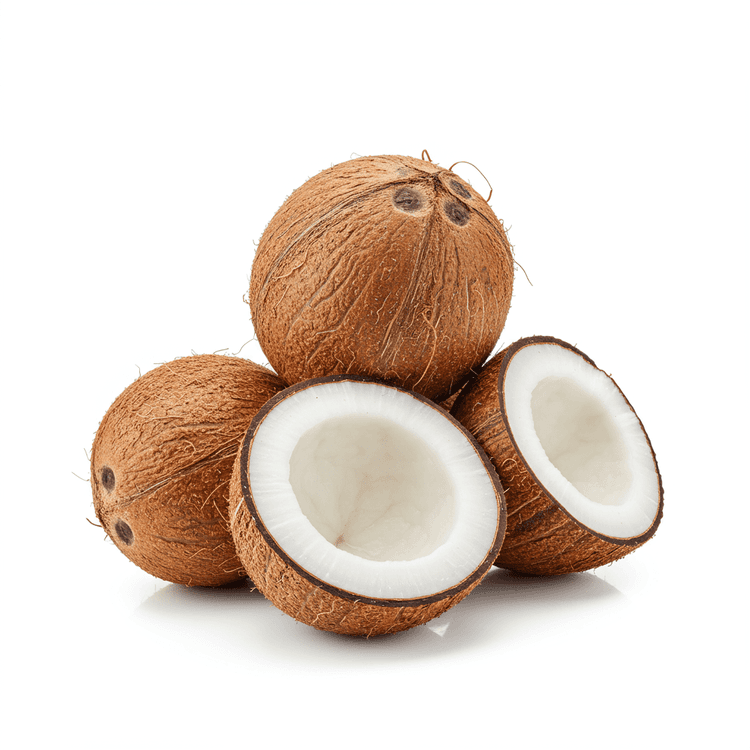
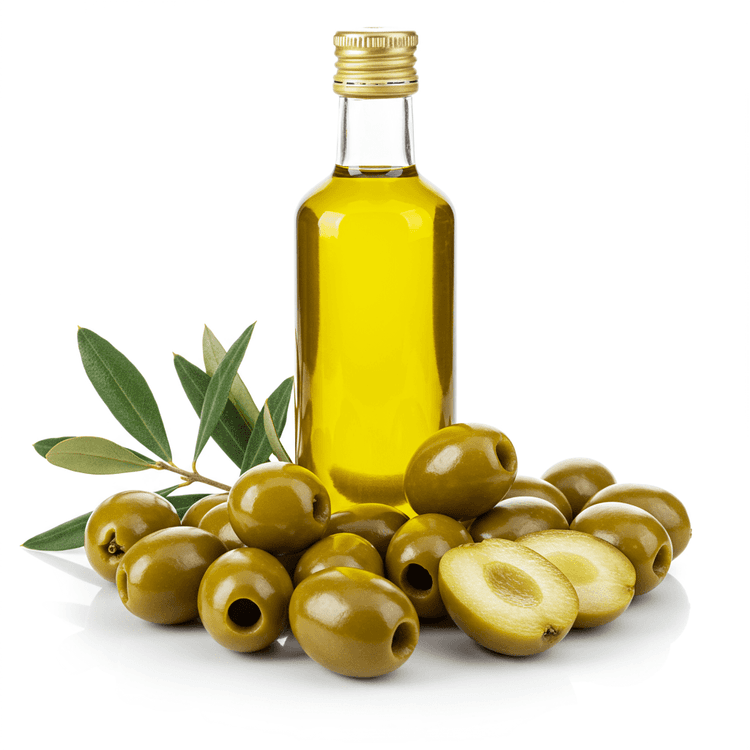
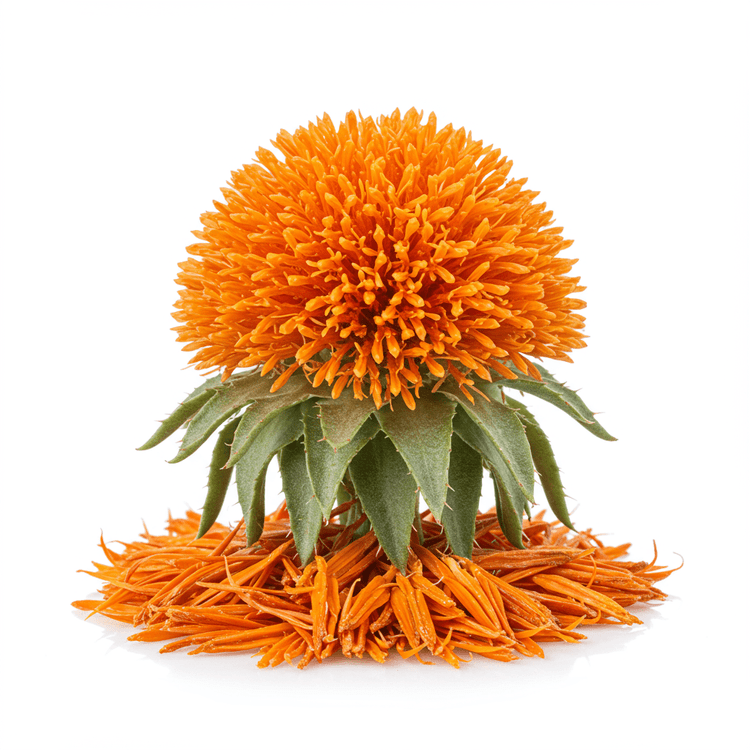
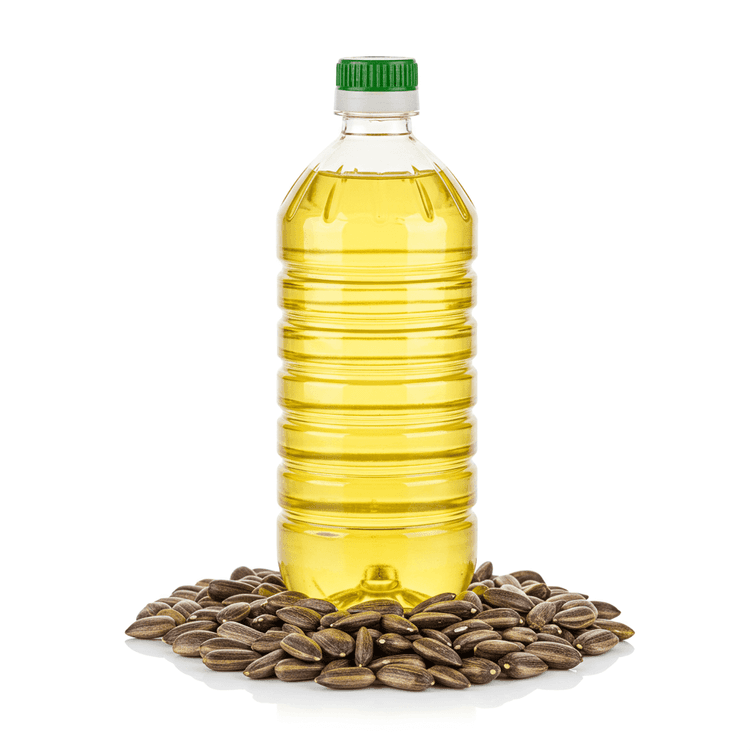
From a nutritional standpoint, oils provide concentrated sources of energy, delivering more than twice the calories per gram compared to carbohydrates or proteins. Beyond energy, oils are vital for the absorption of fat-soluble vitamins like A, D, E, and K. These vitamins are essential for immune function, bone health, vision, and antioxidant protection. Certain oils, particularly those derived from plants, are rich in essential fatty acids, namely omega-3 and omega-6 fatty acids. These fatty acids, which our bodies cannot produce on their own, are crucial for brain function, heart health, and reducing inflammation. Examples include alpha-linolenic acid (ALA) found in flaxseed oil and linoleic acid found in sunflower and safflower oil. Olive oil, a cornerstone of the Mediterranean diet, is celebrated for its high content of monounsaturated fats, particularly oleic acid, which has been linked to improved cholesterol levels and reduced risk of heart disease. Coconut oil contains medium-chain triglycerides (MCTs), which some studies suggest may be metabolized differently, potentially aiding in weight management, although more research is needed.
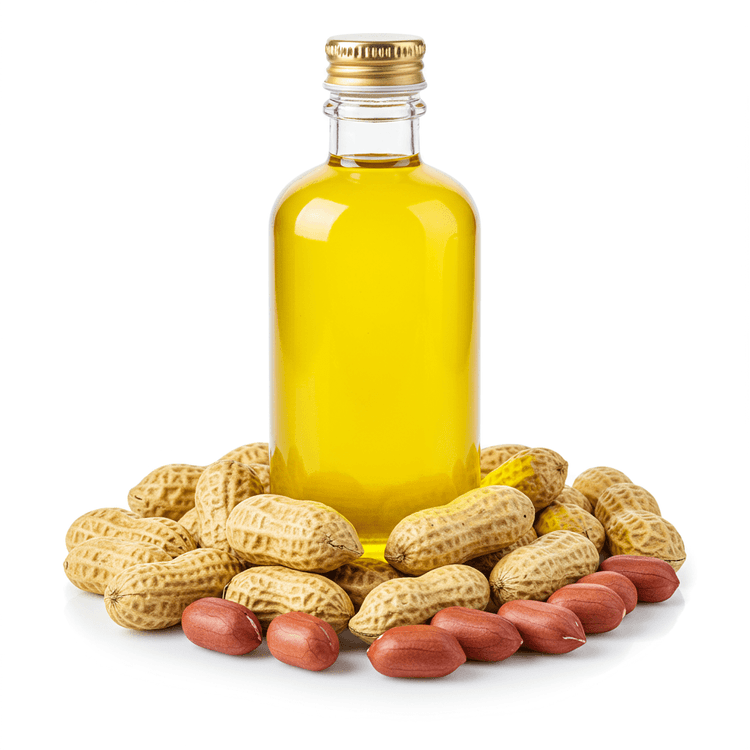
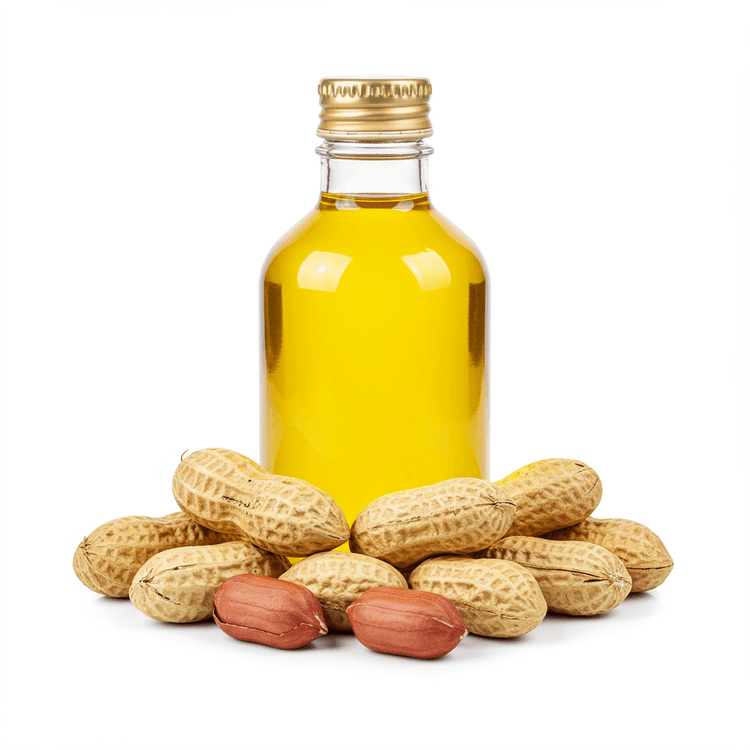
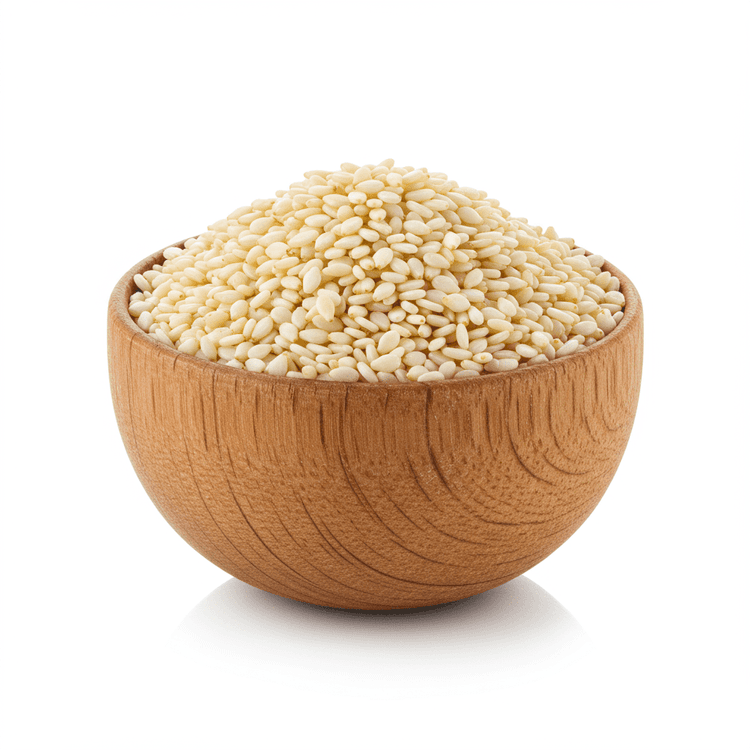
Culinary applications of oils are vast and varied. They serve as cooking mediums for frying, sautéing, roasting, and baking, imparting distinct flavors and textures to dishes. Different oils have different smoke points, influencing their suitability for various cooking methods. High smoke point oils like avocado, canola, and refined peanut oil are ideal for high-heat cooking, while lower smoke point oils like extra virgin olive oil are best suited for sautéing or finishing dishes. Oils are also integral ingredients in salad dressings, marinades, sauces, and dips, adding richness and emulsifying flavors. The choice of oil can profoundly impact the flavor profile of a dish; nutty sesame oil adds an Asian flair, while robust olive oil enhances Mediterranean cuisine. Furthermore, oils prevent food from sticking to pans, contribute to the browning process (Maillard reaction), and improve the overall palatability of many foods.
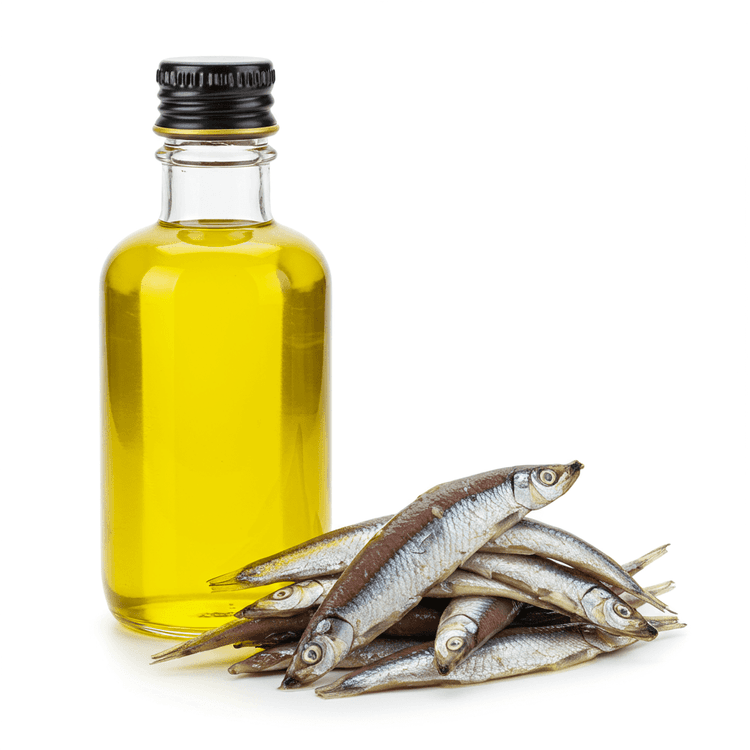
Oils are important for a balanced diet because they contribute essential fats crucial for cell structure, hormone production, and nerve function. Choosing the right oils can also provide valuable antioxidants, like vitamin E, which protect against cell damage caused by free radicals. The inclusion of oils high in omega-3 fatty acids, like flaxseed or fish oil, can help maintain a healthy omega-3 to omega-6 ratio, crucial for reducing inflammation in the body. While oils are calorically dense, incorporating them mindfully in moderation can support overall wellness. Prioritizing unsaturated fats over saturated and trans fats is key. Using oils to enhance the flavor of whole, unprocessed foods can also encourage healthier eating habits and improve the absorption of nutrients from other foods. By understanding the nuances of different oils and their impact on both culinary experiences and nutritional well-being, you can make informed choices that contribute to a healthier and more flavorful life. ||
Oil are an essential part of a healthy diet, providing a wide range of nutrients and health benefits. Explore our collection of oil ingredients.