Baked goods, a category brimming with comforting aromas and satisfying textures, often get a bad rap. But beyond the tempting treats lie opportunities for nourishment and even health benefits, depending on the ingredients and preparation methods. Let's explore the world of baked goods, separating fact from fiction and uncovering how they can fit into a balanced diet.
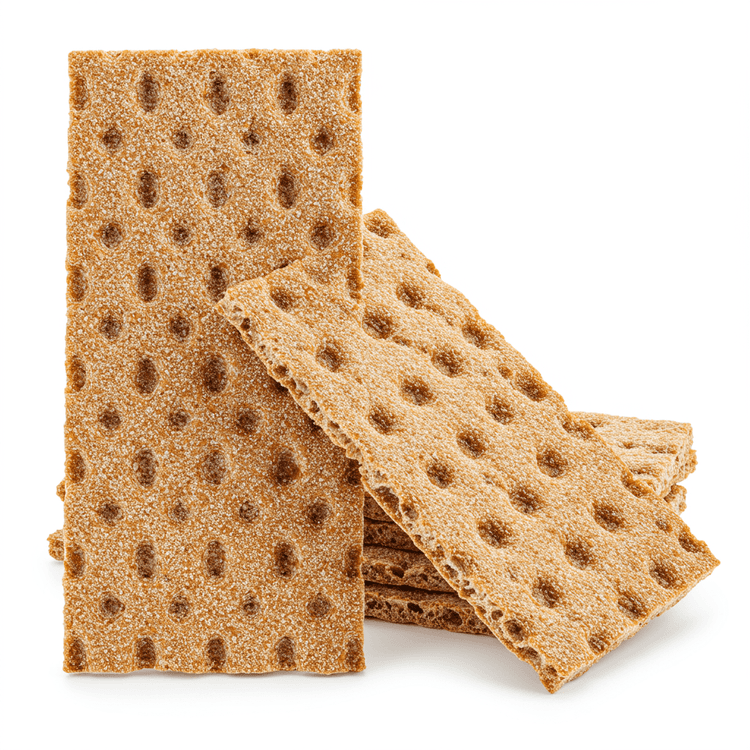
While traditionally associated with high sugar and refined flour content, modern baking offers a wide spectrum of possibilities. Whole grains like whole wheat flour, oats, and rye are increasingly common, boosting the fiber content significantly. Fiber is crucial for digestive health, promoting regularity and contributing to feelings of fullness, which can aid in weight management. Baked goods made with whole grains also often retain more vitamins and minerals, including B vitamins, iron, and magnesium.
Beyond the base flour, the additions matter immensely. Incorporating fruits like berries, apples, and bananas not only adds natural sweetness but also provides vitamins, antioxidants, and further fiber. Nuts and seeds contribute healthy fats, protein, and a wealth of micronutrients, such as vitamin E, selenium, and zinc. Even vegetables like zucchini, carrots, or pumpkin can be seamlessly integrated, adding moisture and valuable nutrients like vitamin A and potassium. When crafting your own baked creations, consider the power of these additions to enhance the nutritional profile.
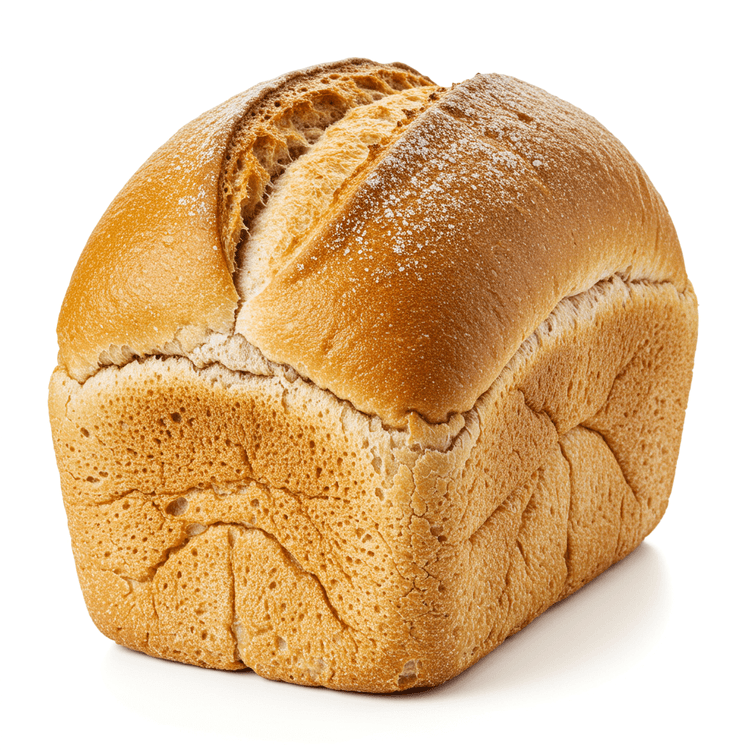
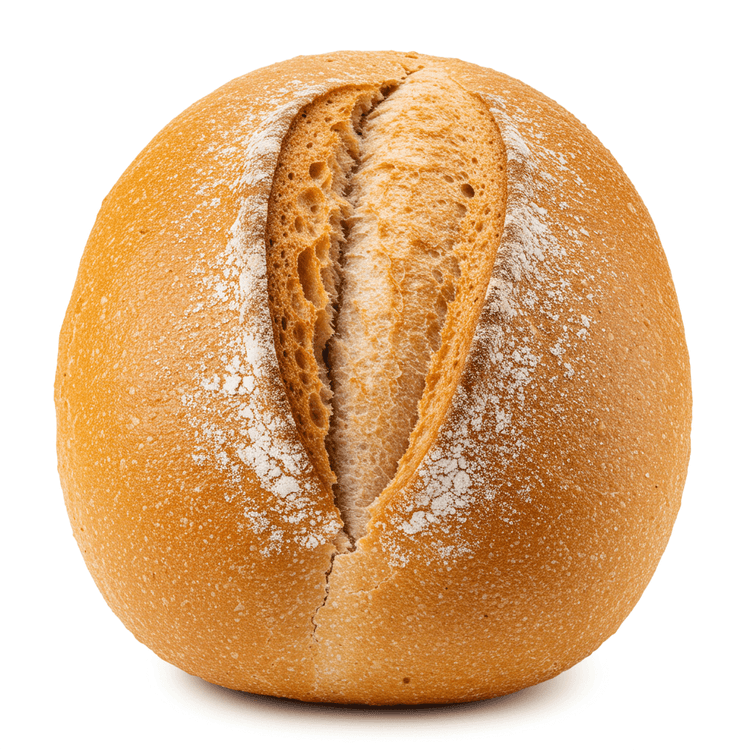
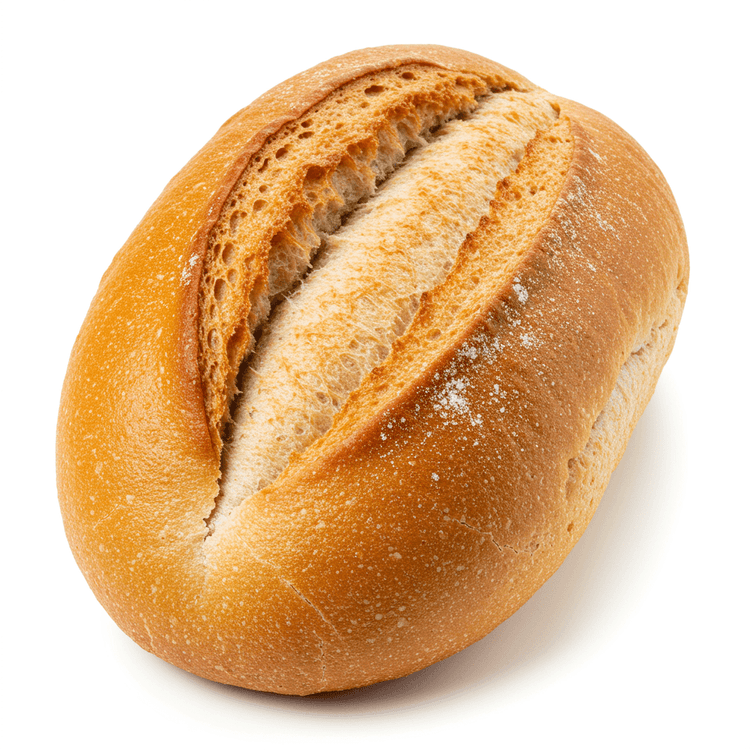
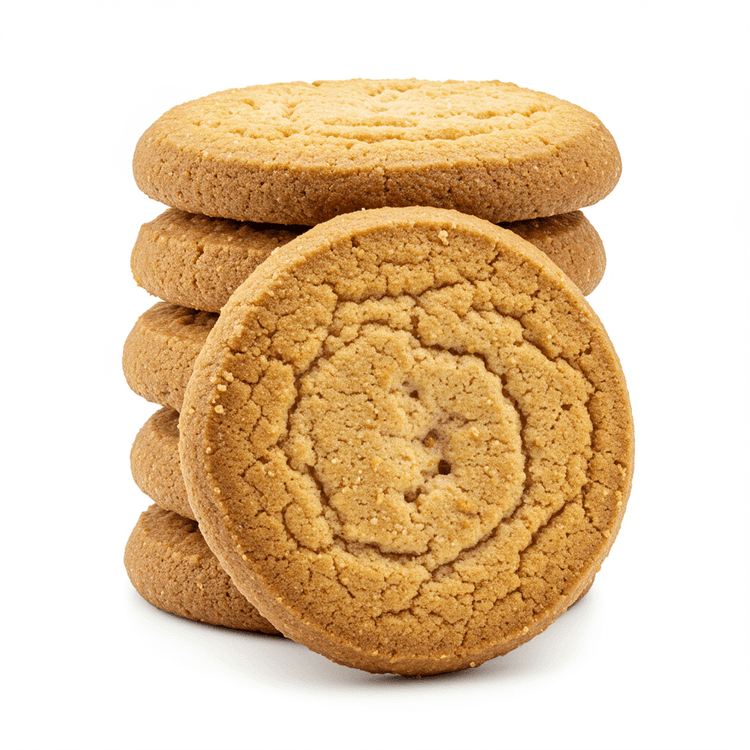
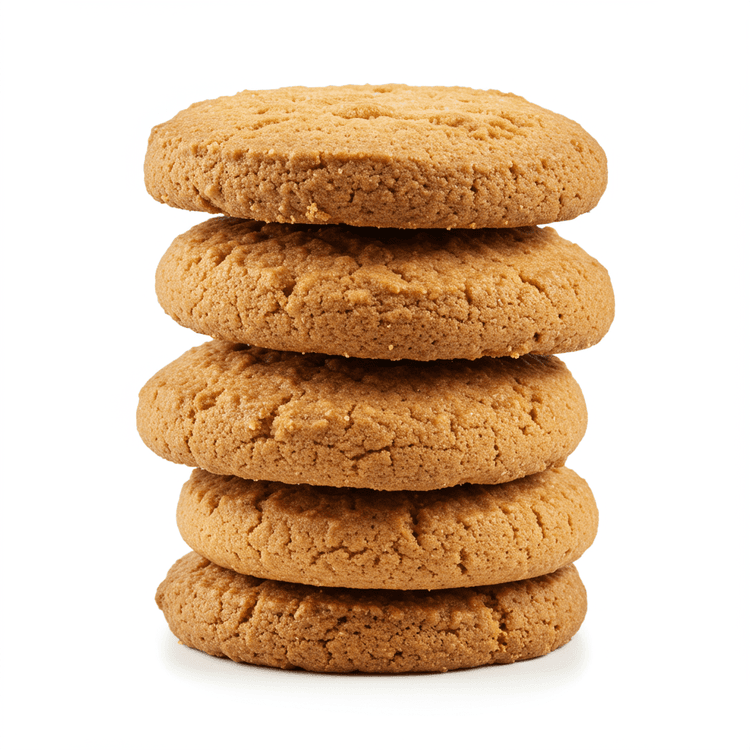
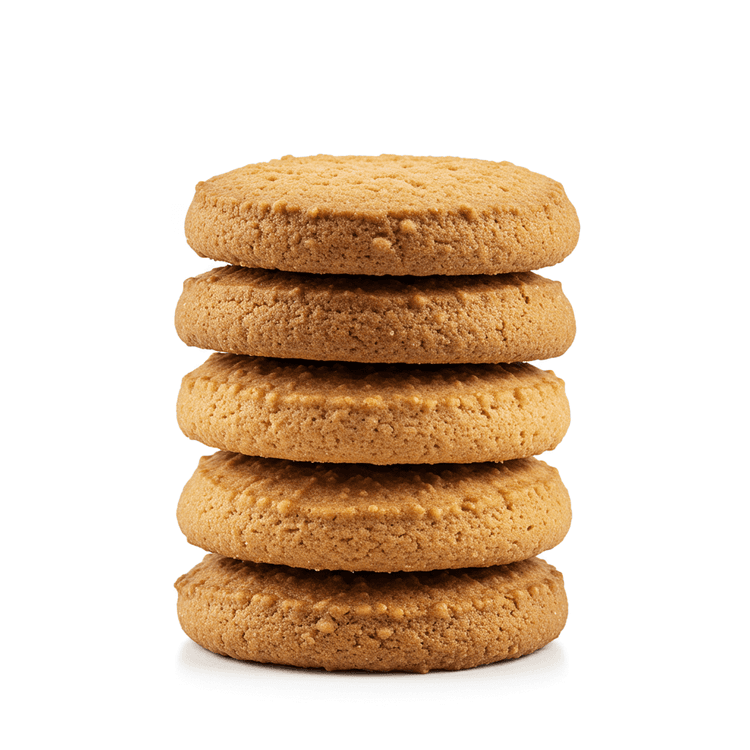
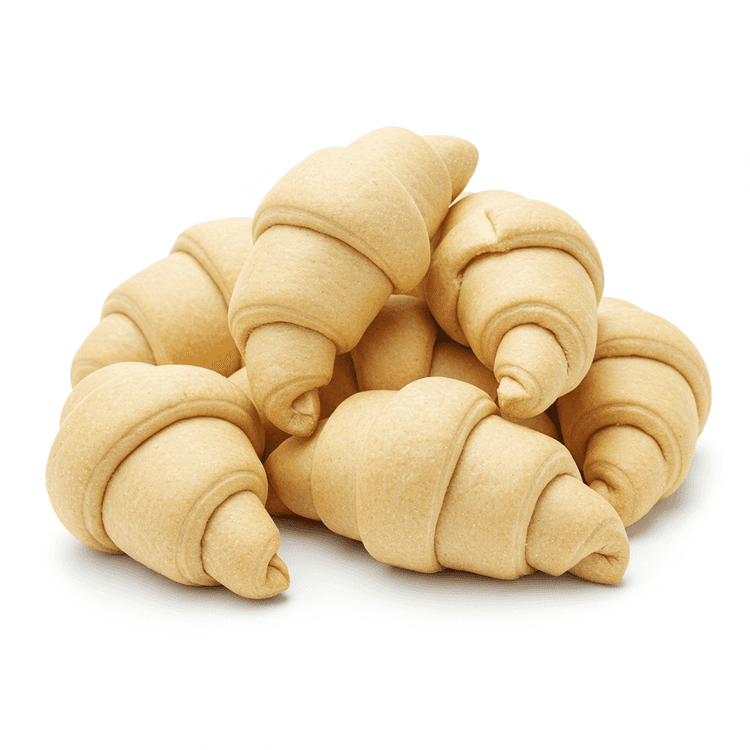
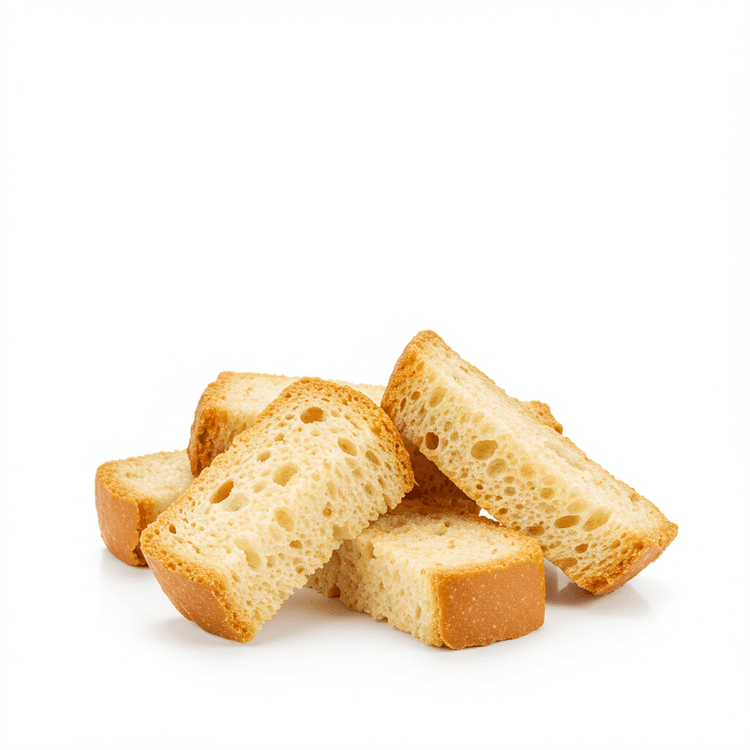
Culinary uses for baked goods are seemingly endless. From the simple pleasure of a warm slice of whole-wheat toast to the elaborate elegance of a multi-layered cake, they play a central role in many cultures and cuisines. Bread forms the foundation of countless meals, serving as a vessel for sandwiches, a side for soups and stews, and a canvas for flavorful toppings. Muffins and scones provide portable breakfasts and snacks. Cookies offer a sweet ending to a meal or a comforting treat during a break. Cakes and pies mark celebrations and special occasions.
The key to incorporating baked goods into a balanced diet lies in mindful choices and moderation. Opt for recipes that emphasize whole grains, natural sweeteners (like honey or maple syrup in moderation), and healthy fats (like olive oil or avocado oil). Be mindful of portion sizes and consider baking your own goods to control the ingredients and reduce the amount of sugar, salt, and unhealthy fats. When purchasing commercially made baked goods, carefully read the nutrition labels and choose options with lower sugar, saturated fat, and sodium content.
While not a primary source of essential nutrients in a balanced diet, thoughtfully chosen and prepared baked goods can contribute to overall wellness. The fiber from whole grains promotes digestive health and satiety. The fruits, vegetables, nuts, and seeds incorporated into many recipes provide valuable vitamins, minerals, and antioxidants. By making informed choices and embracing healthier baking practices, you can enjoy the pleasures of baked goods without compromising your health goals. Baked goods offer a delightful canvas for creativity and a satisfying way to nourish your body, mindfully. ||
Baked Goods are an essential part of a healthy diet, providing a wide range of nutrients and health benefits. Explore our collection of baked goods ingredients.