We use cookies on this website to ensure its proper functioning and to improve the quality of our services. Cookie Policy

Tags and nutritional info are auto-generated and may be inaccurate. Always check the full ingredient list before cooking.


Heat oil in a pan over medium heat. Add sliced onions and sauté until golden on the edges.

Add garlic, ginger, and green chillies; sauté for 1 minute until fragrant.

Add chopped tomatoes, coriander stems/leaves, and ½ tsp salt. Cook until the tomatoes soften and their moisture evaporates.
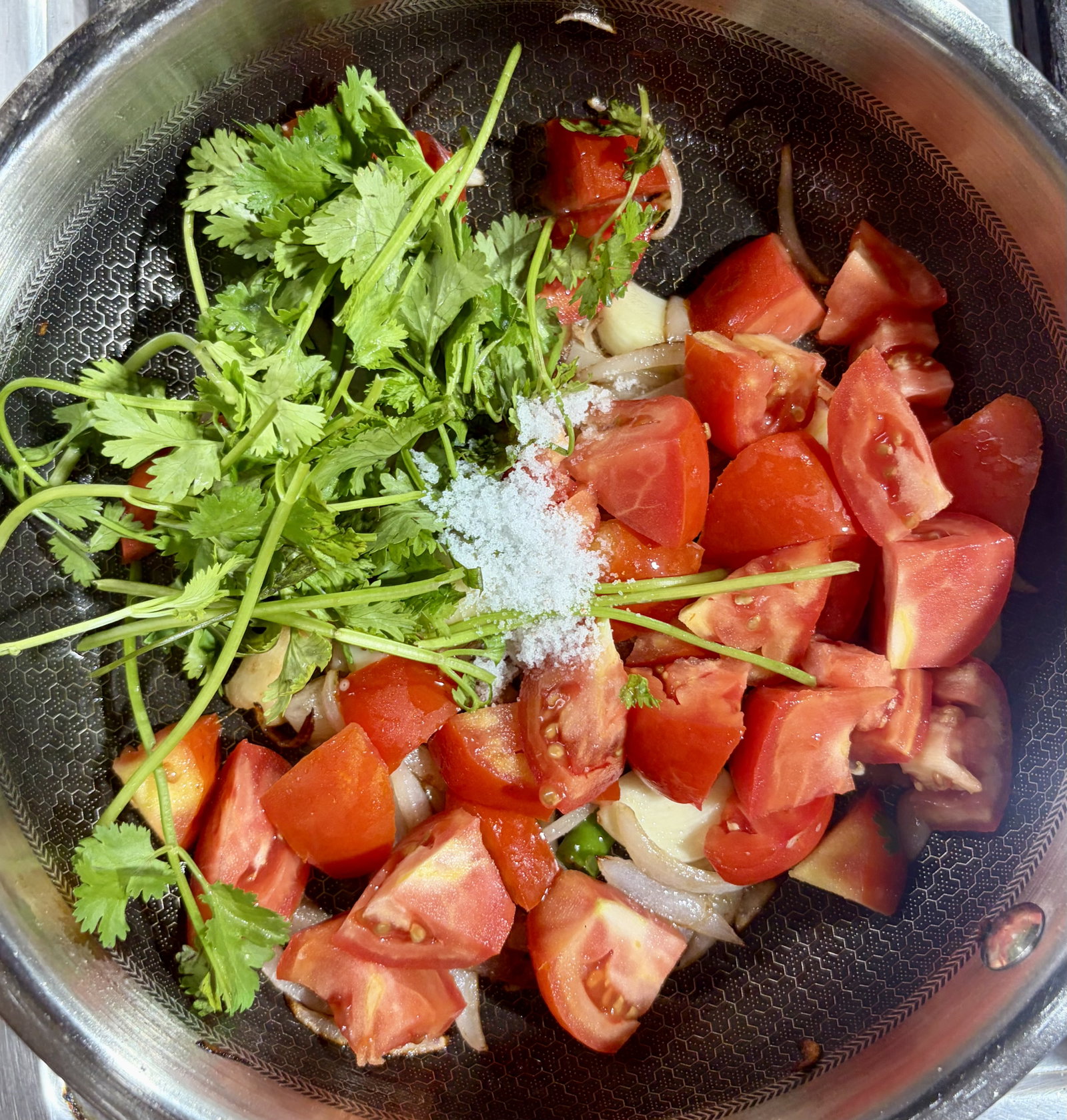
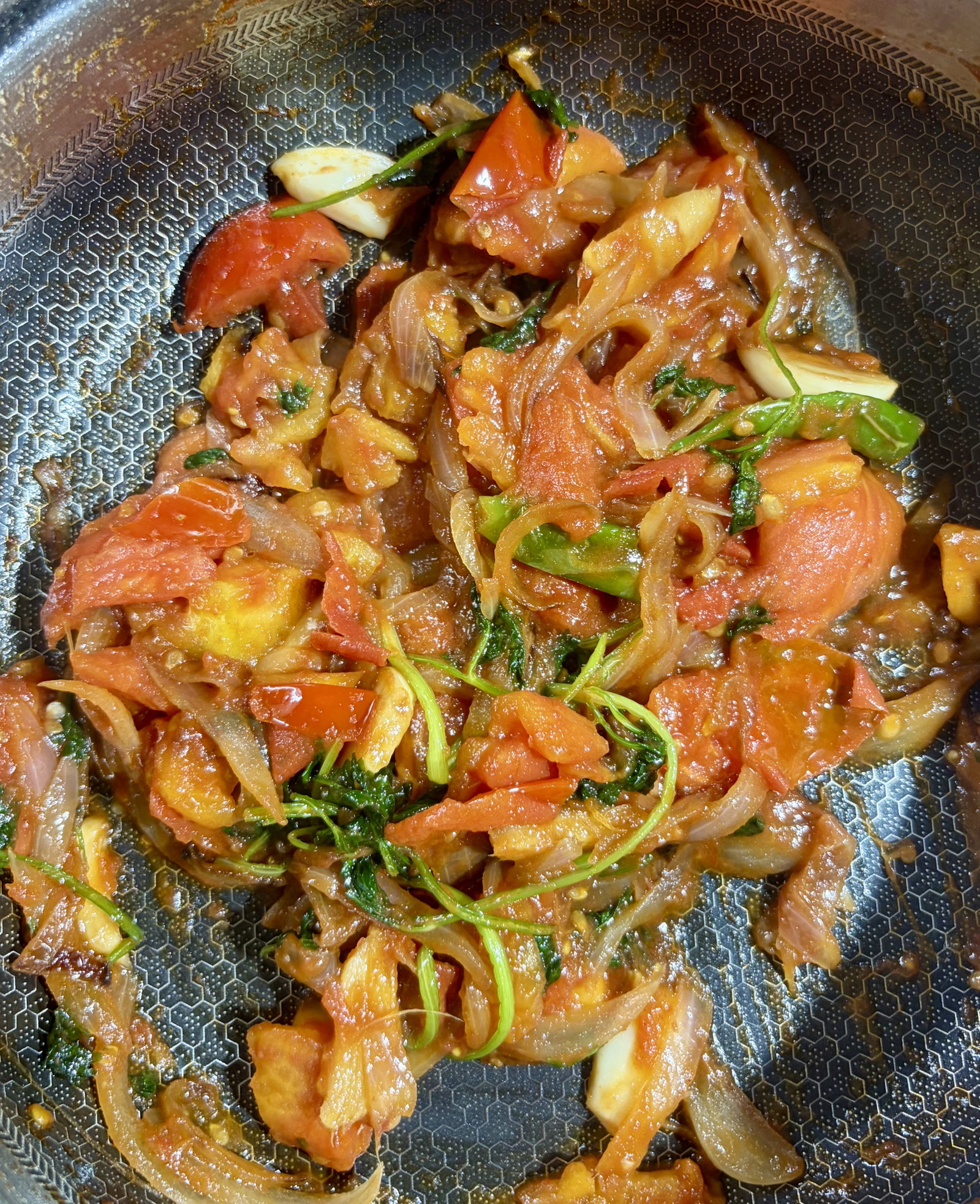
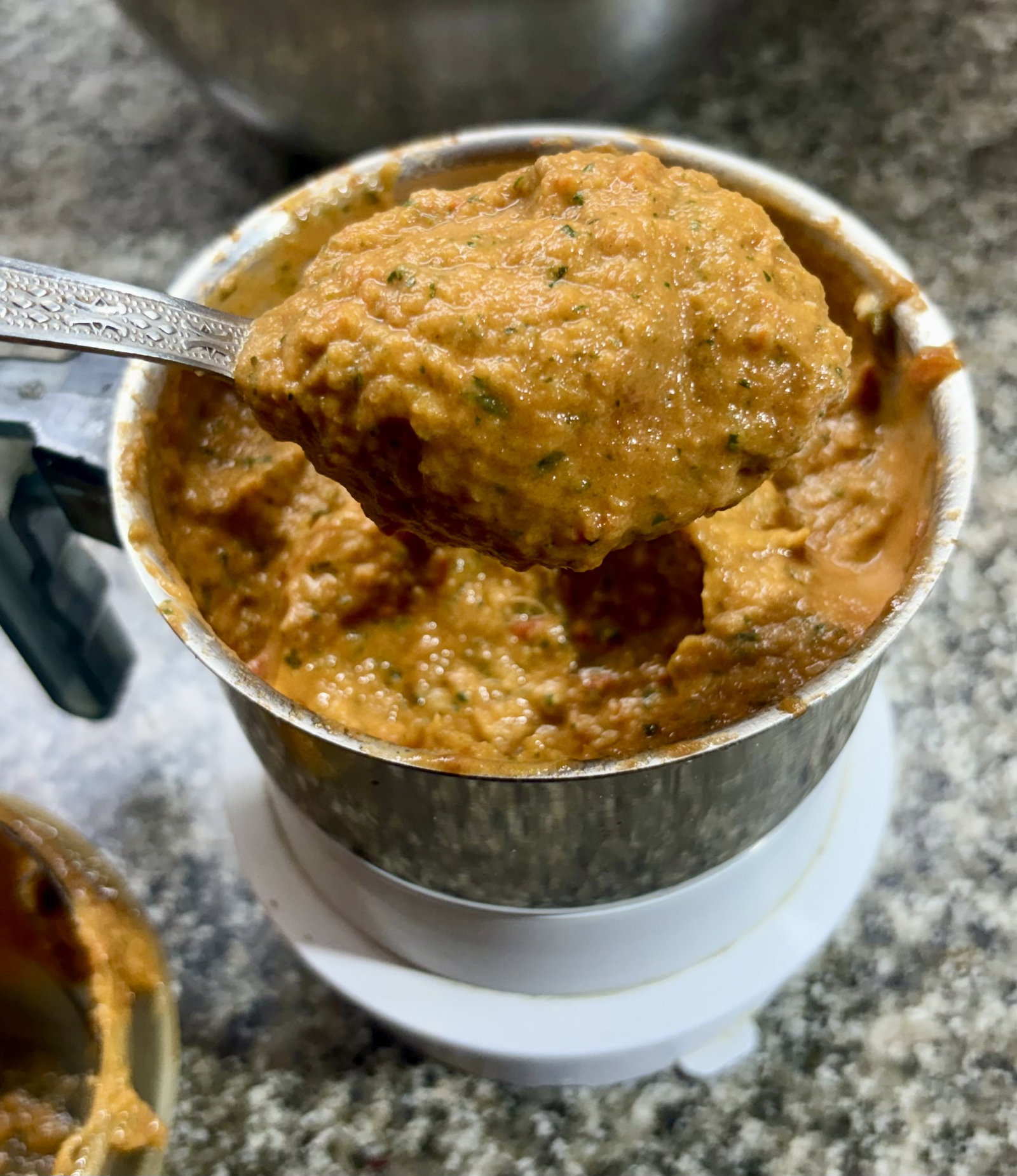
Remove from heat, let cool, and blend into a smooth paste.
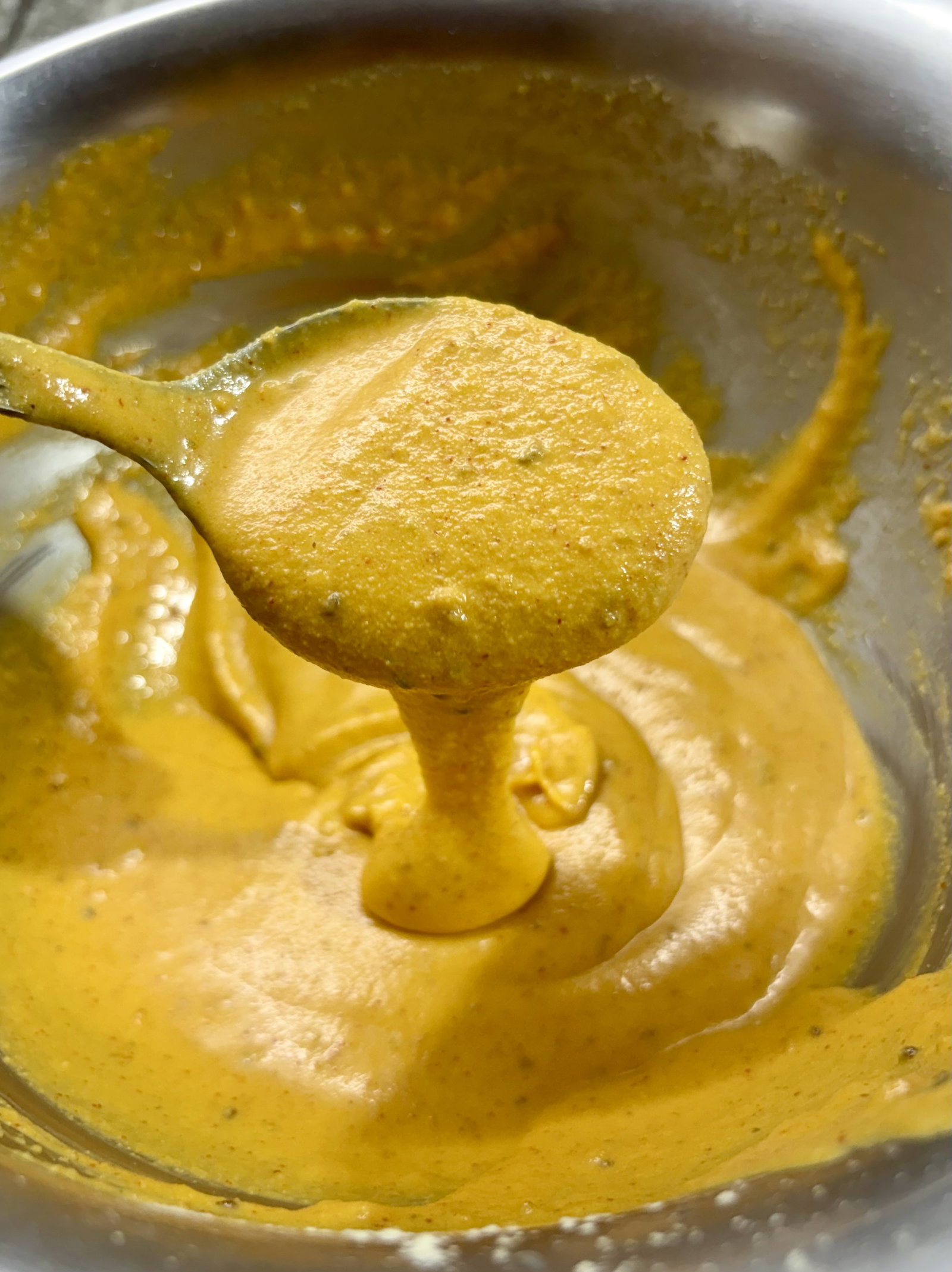
In a bowl, whisk together the curd, 1 cup water and 1 tbsp besan until completely smooth and lump-free. Set aside.

In a mixing bowl, combine besan, curd, ghee, ajwain, Kashmiri red chilli powder, turmeric, coriander powder and salt.

Gradually add water while whisking to form a thick, smooth batter.
Whisk vigorously for 4–5 minutes to aerate the batter for light dumplings, then rest for 5–10 minutes to let the besan hydrate.
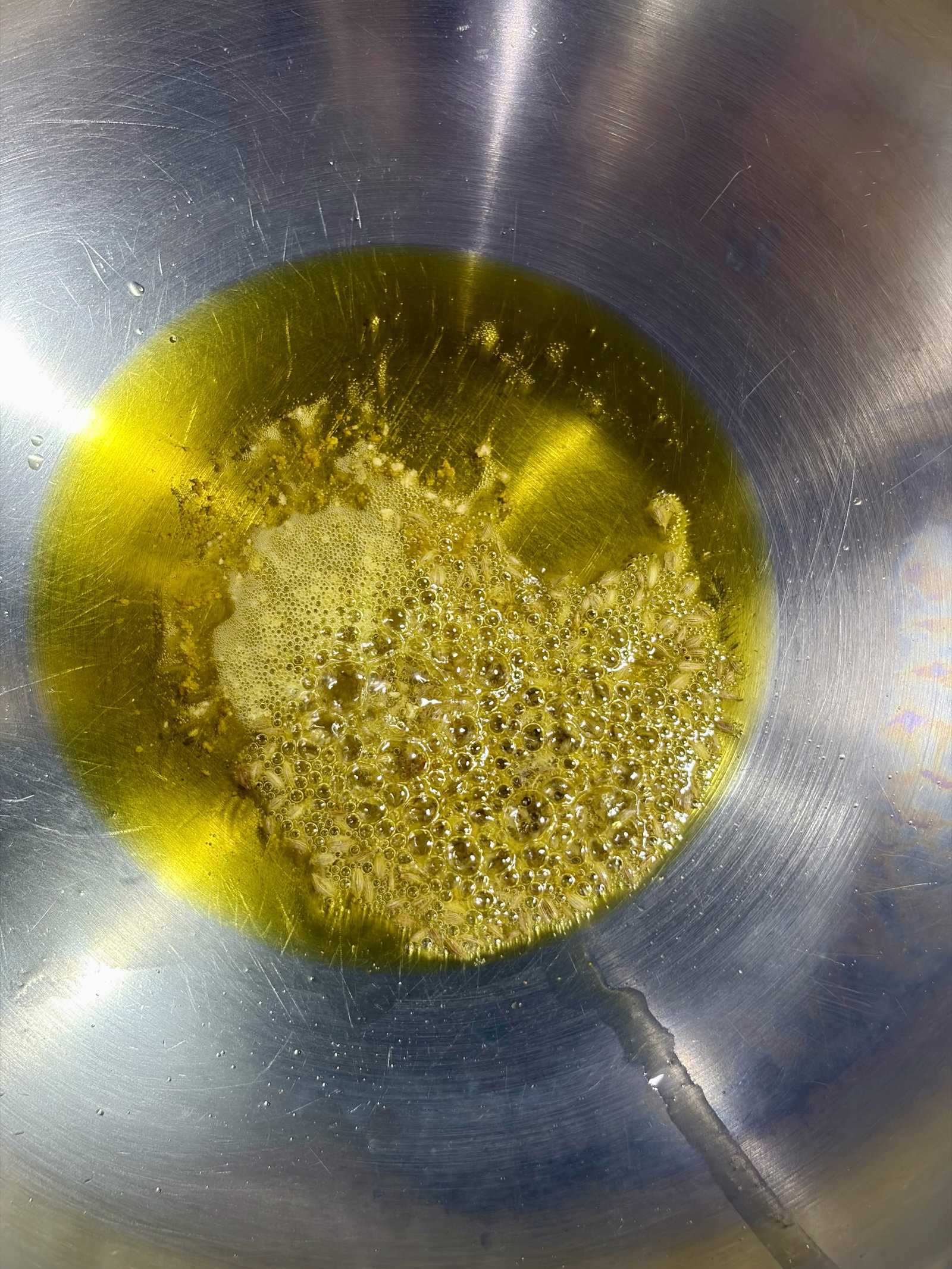
Heat mustard oil in a wide pan until hot, then turn the heat to low.
Add hing and cumin seeds, and let them crackle.
Add the blended masala paste along with red chilli powder, coriander powder, cumin powder, turmeric, and salt. Cook, stirring continuously until the oil separates from the masala.

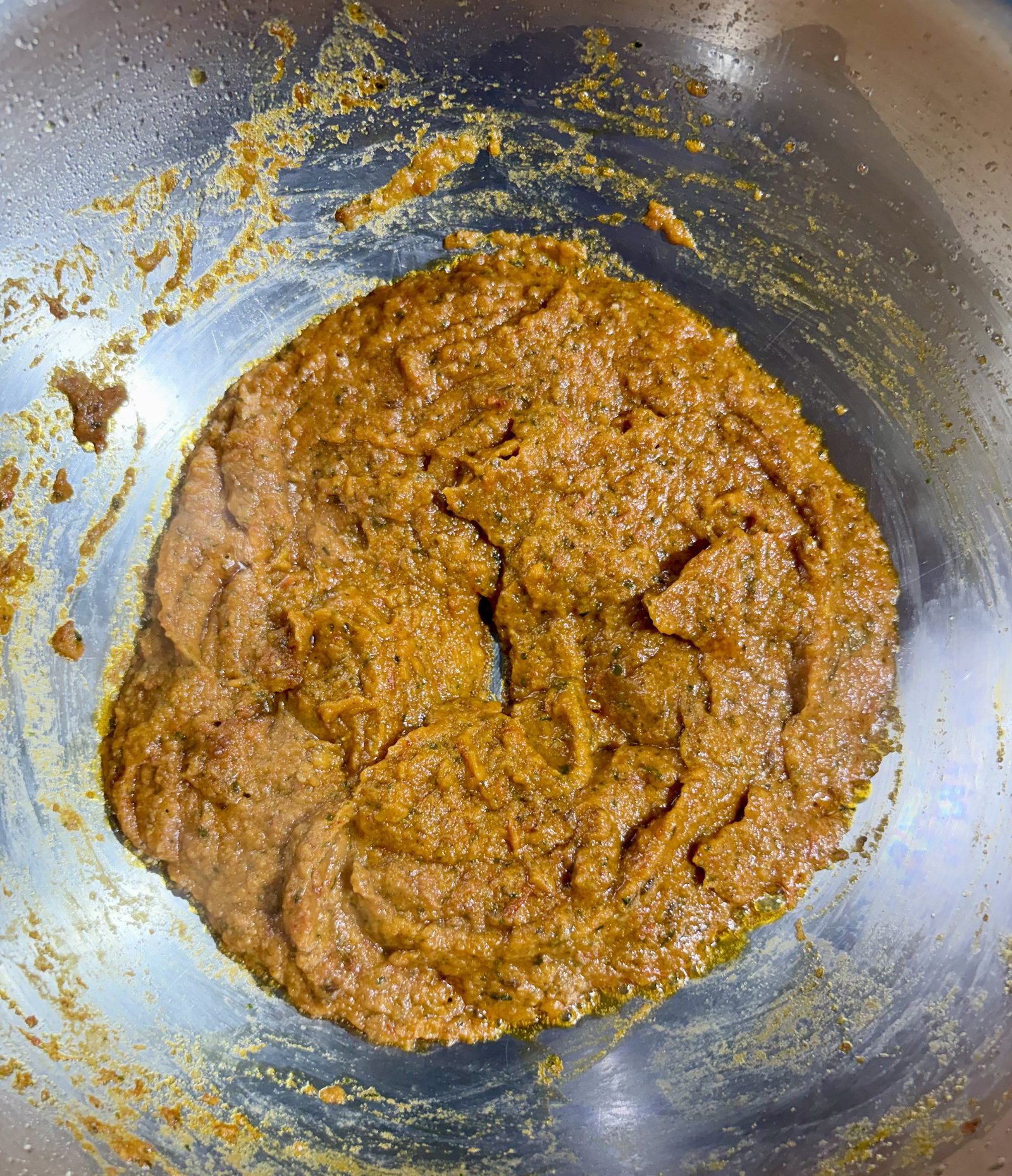
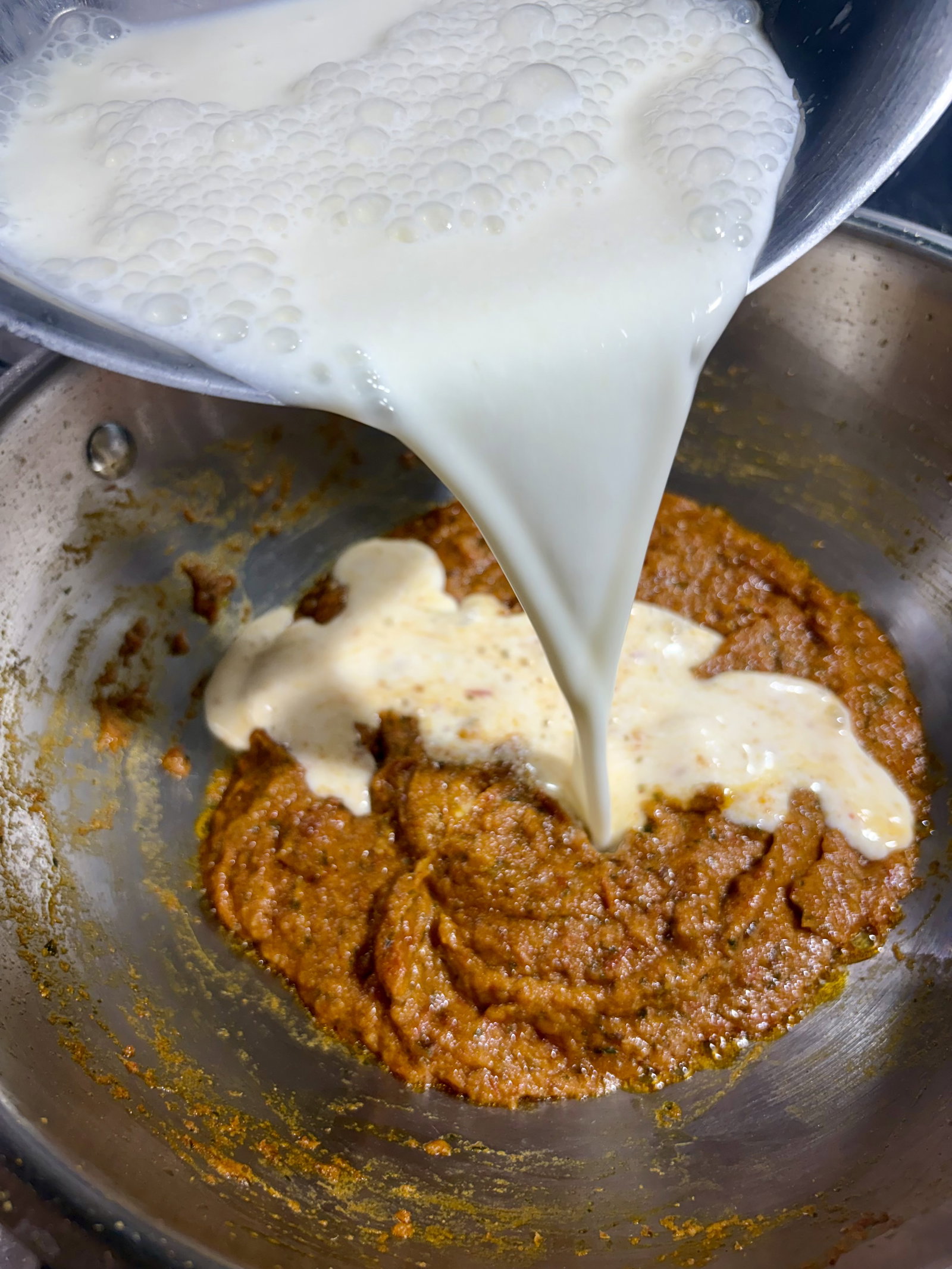
Keep the heat low and slowly pour in the prepared curd mixture, stirring continuously until the oil surfaces on top.

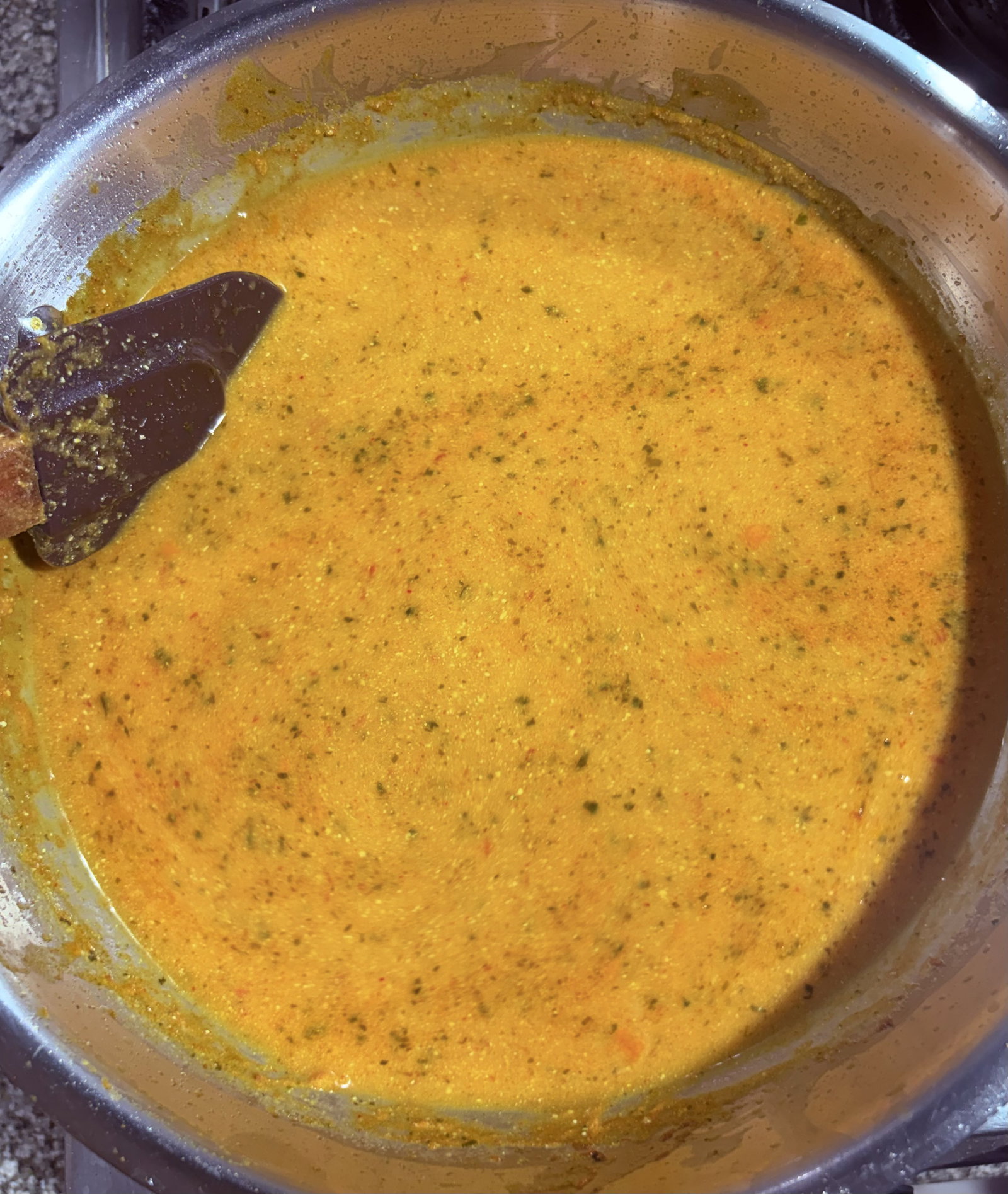
Pour in warm water, stir well, and bring the gravy to a rolling boil.
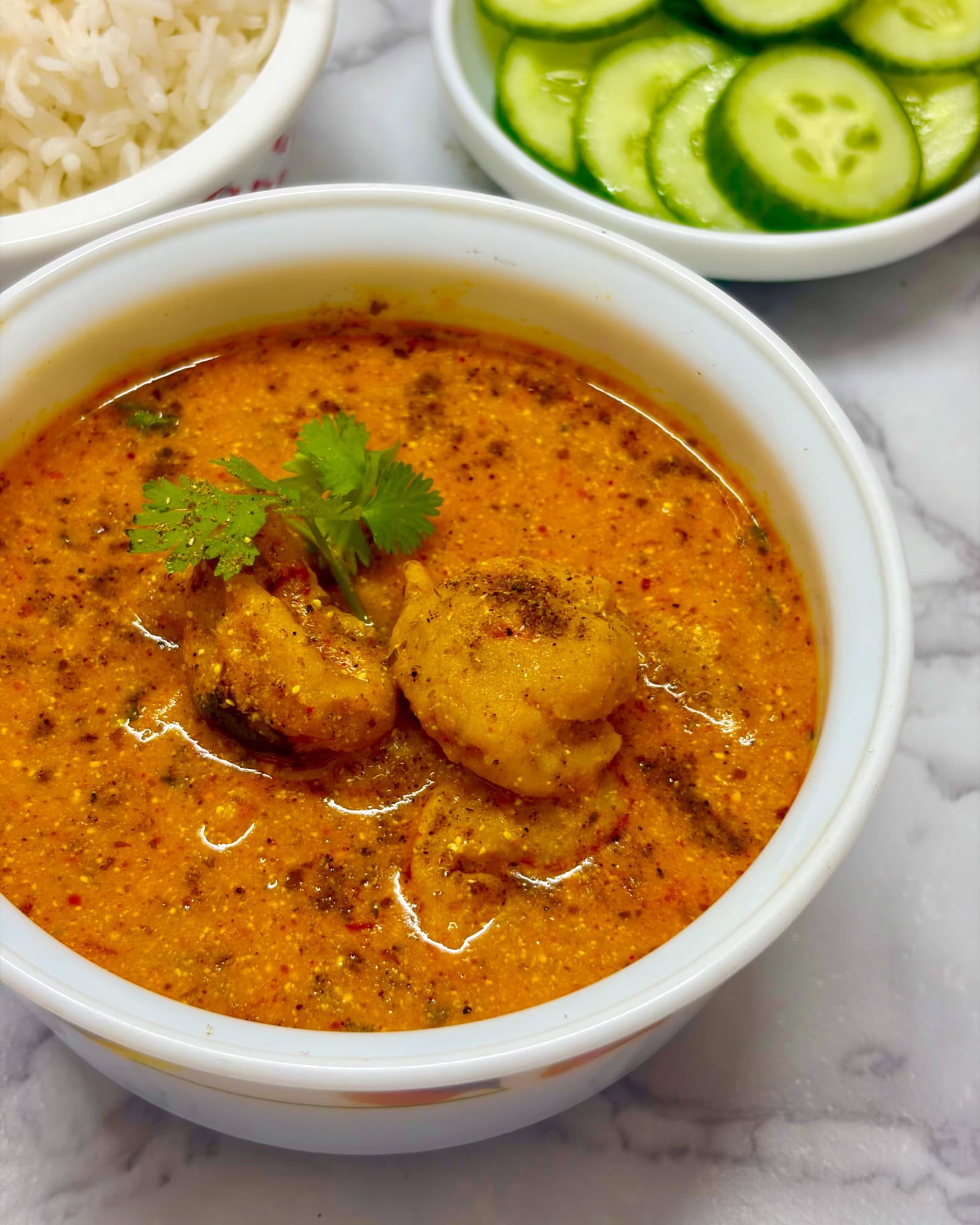
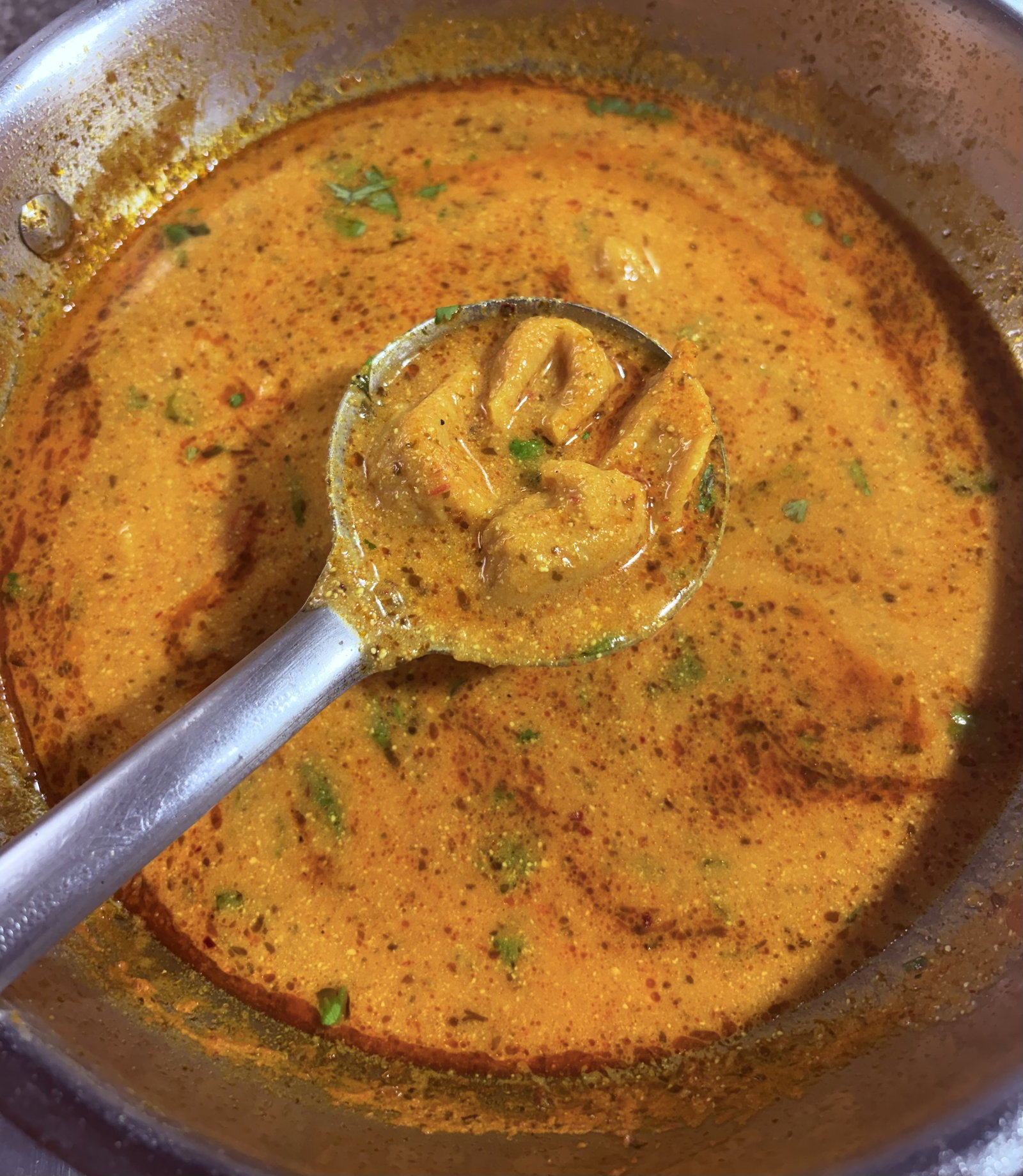
Give a quick 5-second whisk right before dropping into the gravy to restore lightness. Then gently drop small portions of the besan batter into the boiling gravy using a spoon or your fingertips. Do not stir immediately —the dumplings will naturally set and float to the surface.

Once floating, stir gently, cover with a lid, and simmer on low-medium heat for 10-15 minutes until the dumplings are cooked through and the gravy thickens to your liking.

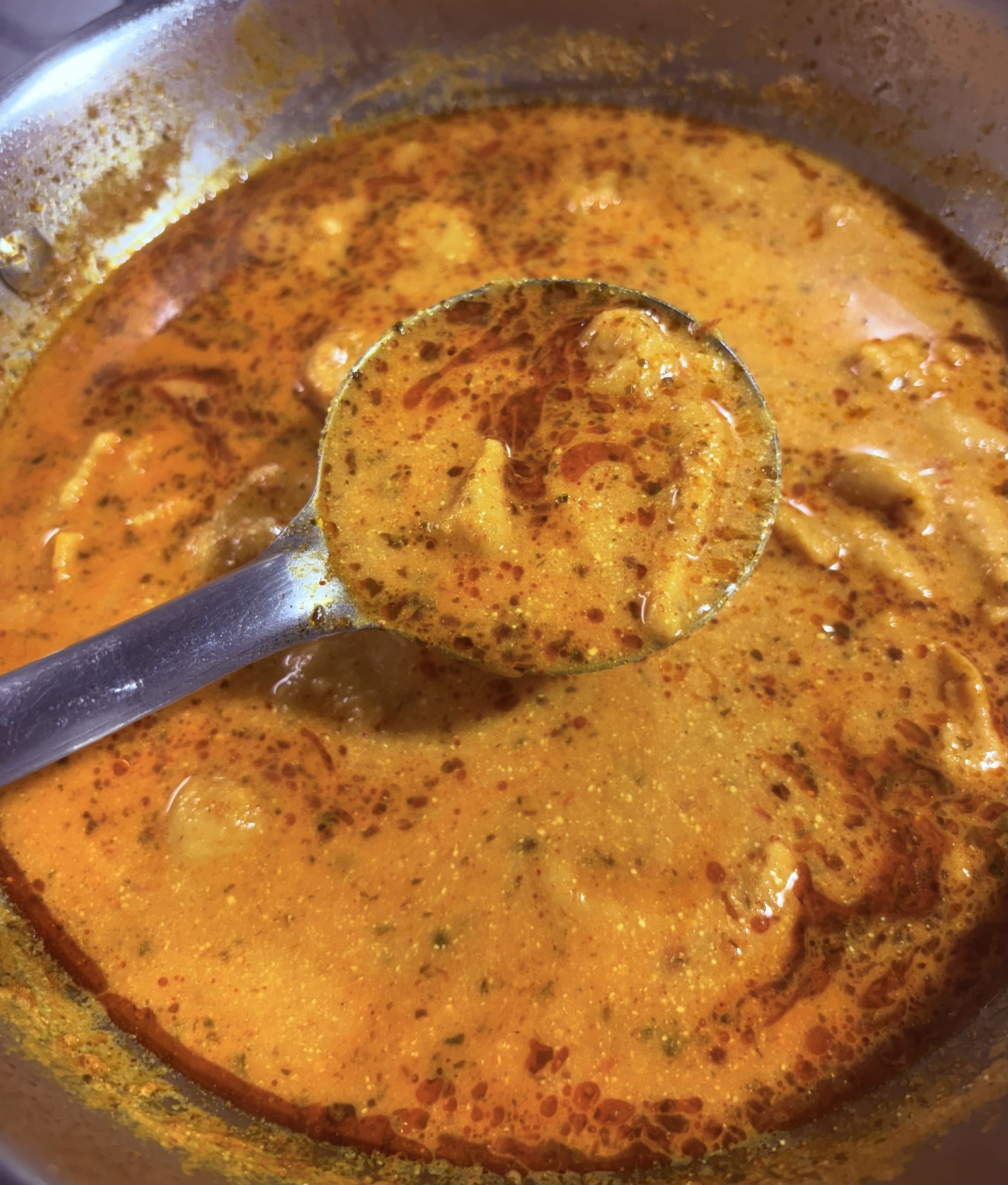
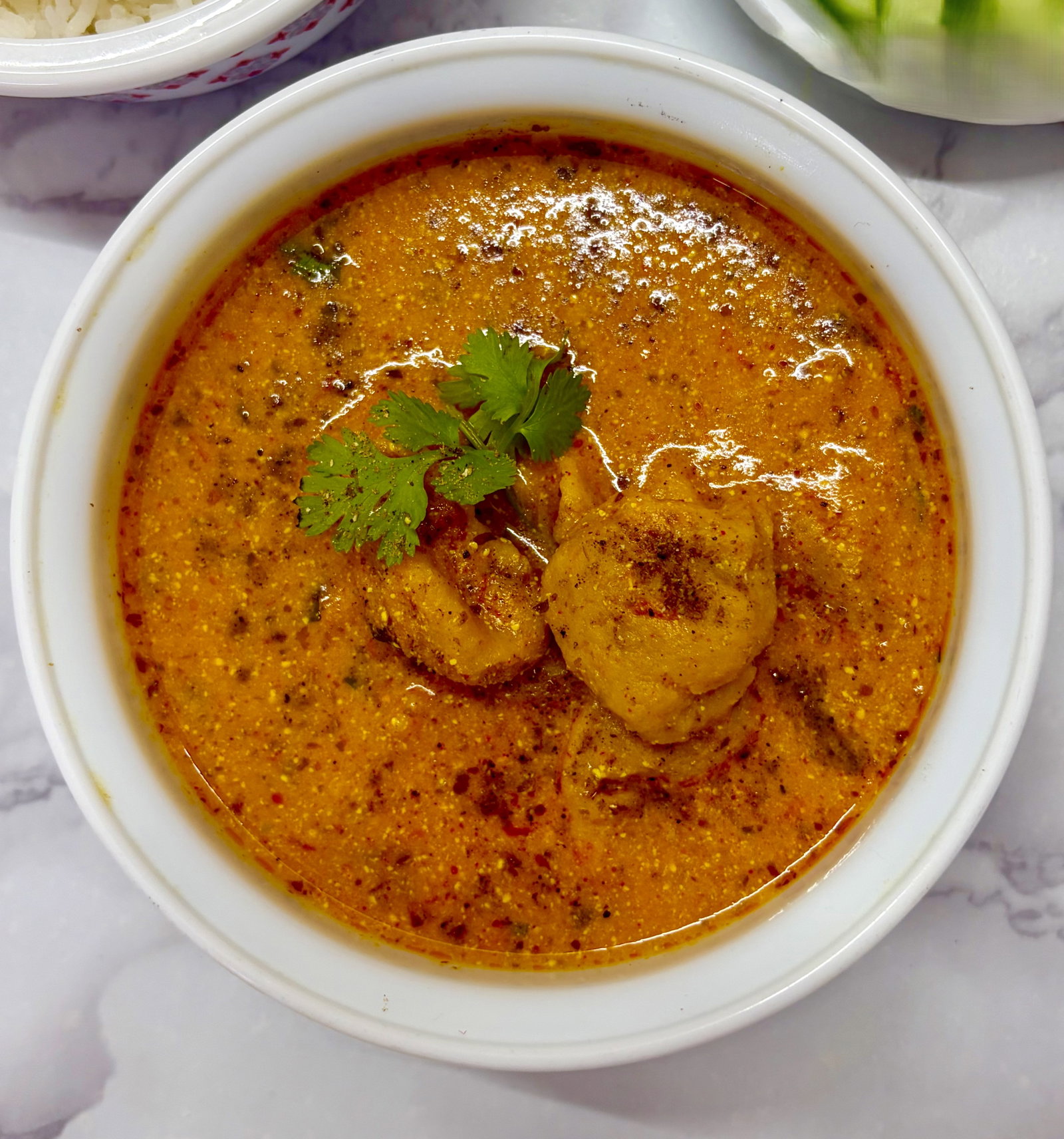
Garnish with fresh coriander and serve hot with rotis, parathas, or steamed rice.
Want to keep this recipe for later? We can email it to you!
Adjust Water for Curd Type: Use 1 cup of water for thick, store-bought curd; ½–¾ cup if using thin homemade curd.
Aerate the Batter: Whisk the dumpling batter vigorously for 4–5 minutes to trap air—this creates pillowy, light dumplings without using baking soda.
Keep Gravy Boiling: Drop batter only when the gravy is at a rolling boil so the dumplings instantly seal and hold their shape.
Adjust Consistency: Besan thickens gravy as it cools—add a splash of warm water before serving if it gets too thick.
Can I use regular oil instead of mustard oil?
Yes, you can use regular oil, but mustard oil adds a distinct flavour to the dish.
What can I serve with Besan Ki Sabzi?
It pairs well with hot rotis, parathas, or steamed rice.
How do I know when the dumplings are cooked?
The dumplings will float to the top and the gravy will thicken when they are cooked.
Can I make the dumplings in advance?
It's best to make the dumplings fresh as they might lose their texture if stored.
Is there a substitute for curd?
You can use a dairy-free yogurt alternative if you prefer.