
Top 45 Freezer Meals Recipes: Make-Ahead Dishes for Batch Cooking
Updated July 2, 2026 · Curated by Chefadora

Freezer meals are less a single recipe type than a habit: cook a batch once, portion it properly, and future you gets a real meal in the time it takes to reheat. The recipes gathered here span rich curries and gravies, chutneys and pickles that freeze in small portions, breads and savory bakes, and sweet bars and breakfast staples — all chosen because they hold up well to freezing and thawing rather than turning watery, grainy or stale.
Not everything freezes equally well, which is the main thing separating a good freezer meal from a disappointing one. Dishes built on a reduced, spiced base — curries, dals, sauces — tend to freeze beautifully, since the flavor only continues to develop. Delicate dairy, very watery vegetables and anything meant to be crisp are the trickiest, which is why several of the recipes below are specifically built as freezer-friendly bases rather than finished dishes.
The four groups here reflect that: curries, gravies and mains that reheat into a full dinner; chutneys and pickles that freeze in small batches for a flavor boost on demand; breads and savory bakes that come back to life in the oven; and bars, cookies and breakfast staples built for grab-and-go batch cooking. Between them, a single freezer-stocking session covers dinner, condiments, bread and breakfast.
Use this page as a working guide to batch cooking, not just a recipe list. Every recipe links through to full ingredients and method on Chefadora, and the guides below answer the questions that actually decide whether a freezer meal reheats well — how to portion and package food properly, how to freeze without losing texture, and how to thaw and reheat so a make-ahead meal tastes freshly cooked rather than reheated.
Freezer-Friendly Curries, Gravies & Mains
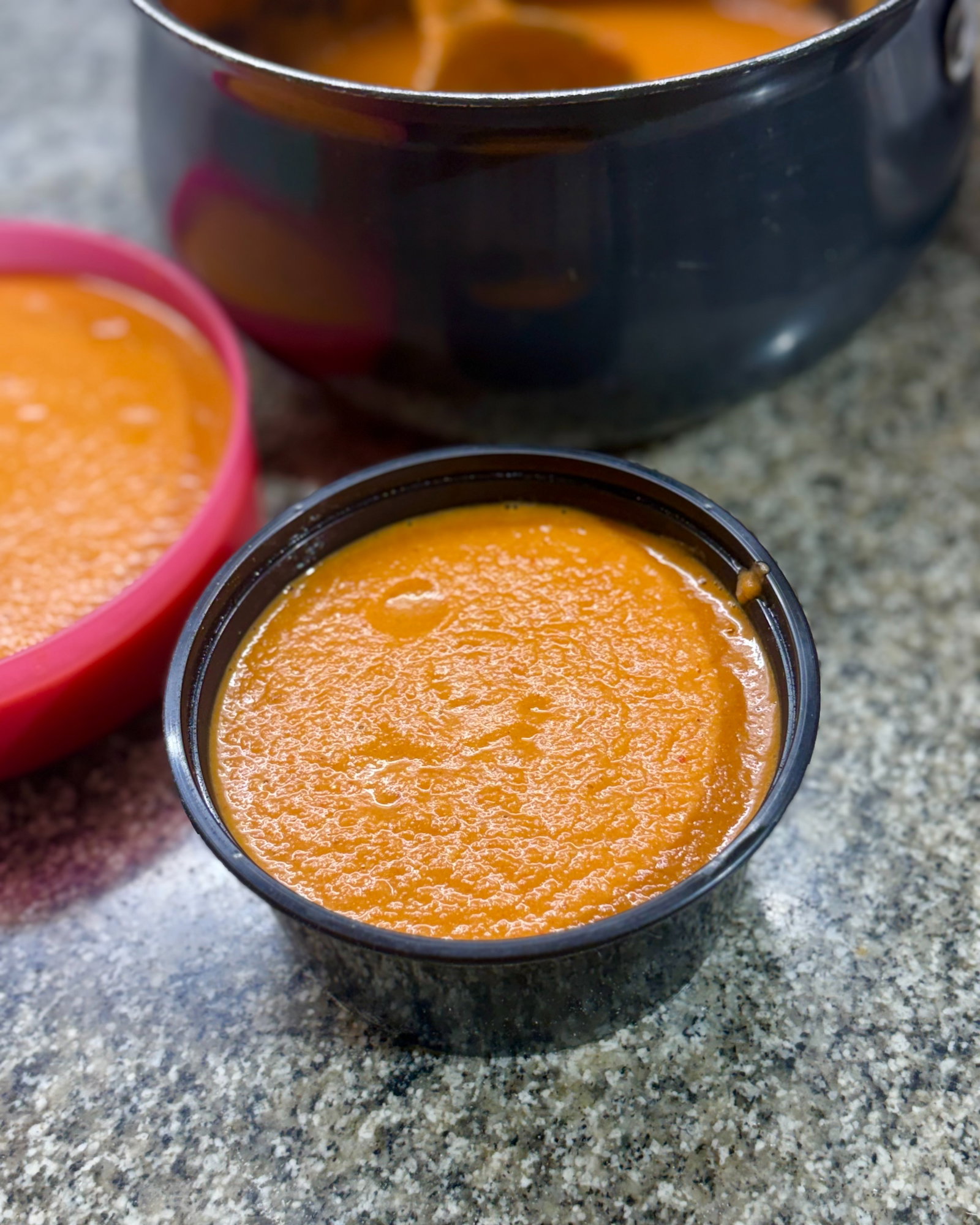
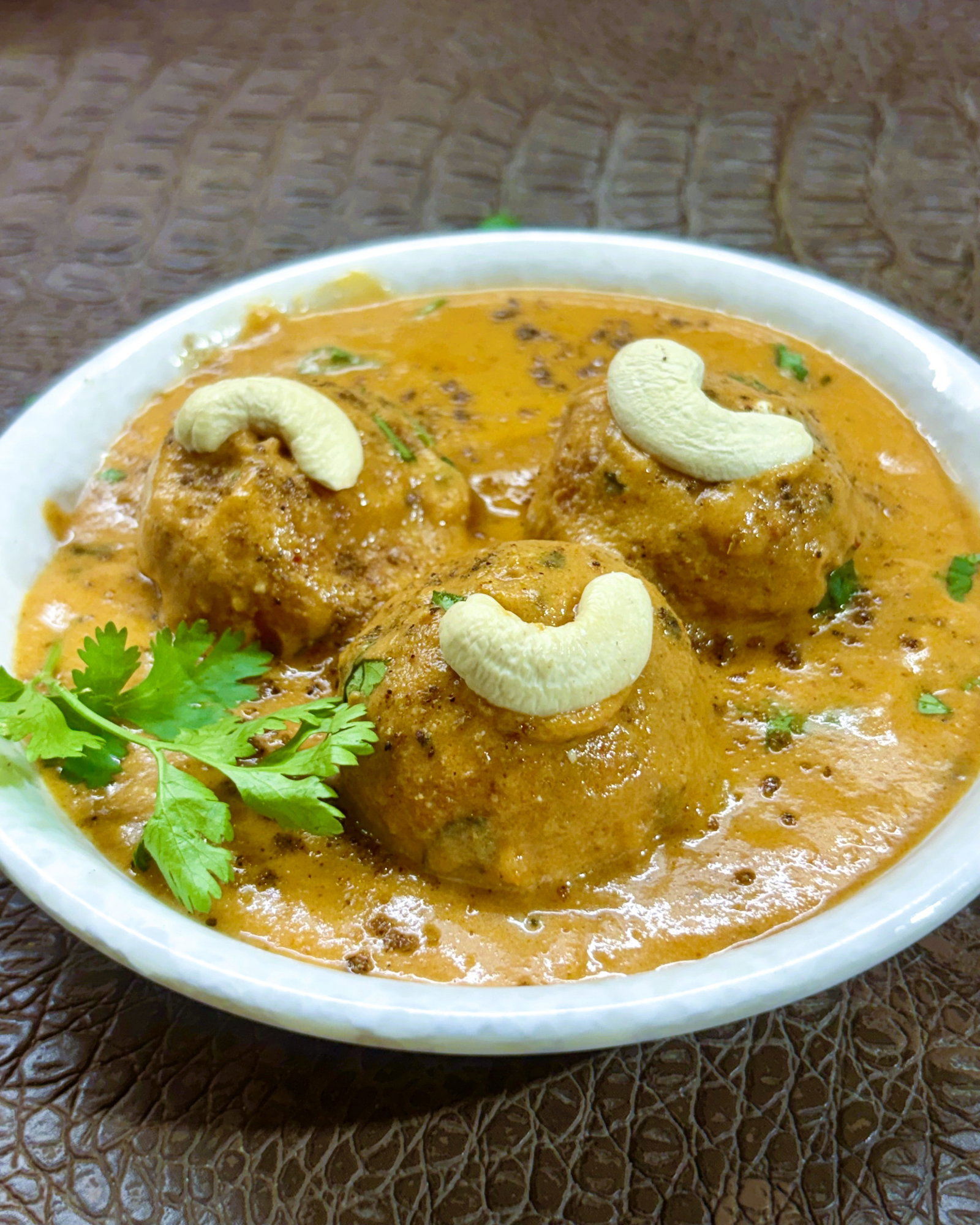
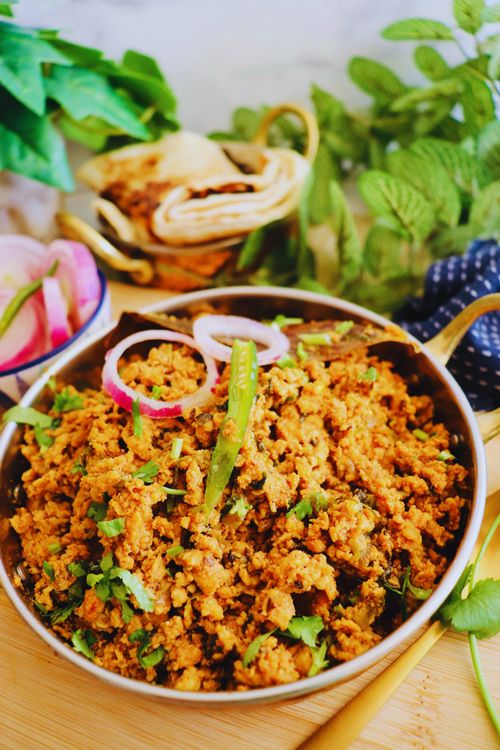
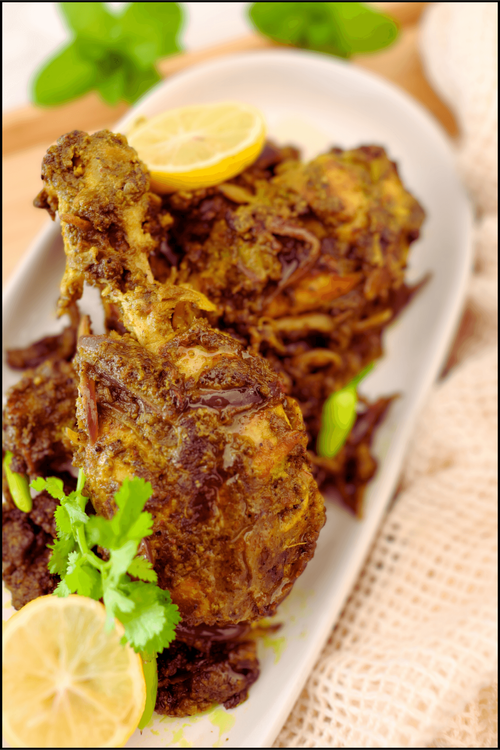
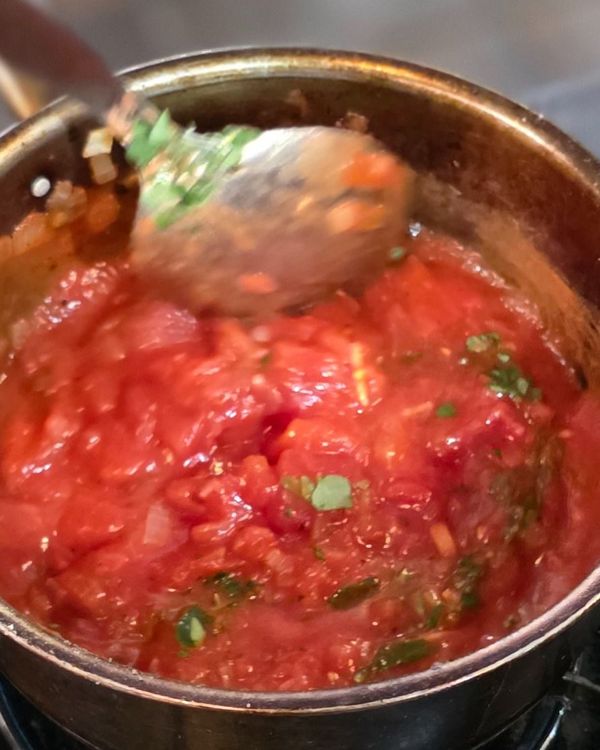
Curries, gravies and spiced mains are the single best category for batch cooking, because their flavor comes from a reduced, cooked-down base rather than anything fresh or delicate — freezing does not just preserve that flavor, it often lets the spices continue to meld while the dish sits. The method that works best is building the dish to about ninety percent complete, cooling it fully, and freezing it in meal-sized portions, then finishing it with any dairy, fresh herbs or a final tempering of spices once it is reheated. This is exactly the approach behind several all-purpose gravies and sauce bases in this cluster, designed specifically to be frozen unfinished so a dinner is minutes away rather than an hour of chopping and simmering. Meat-based mains like keema, kofta and whole braised dishes freeze particularly well since the connective tissue and fat that make them rich only improve with a slow reheat. Portion into individual or family-sized containers before freezing rather than one large block, since that is what determines whether a weeknight dinner is a quick reheat or a full thaw-and-wait. Reheat gently, stir in any final fresh elements, and a from-frozen dinner tastes close to the day it was made. Standouts here include Arhar Dal Tadka and Palak Chicken (Spinach Chicken Curry), plus CHEESY CHICKEN FINGERS.
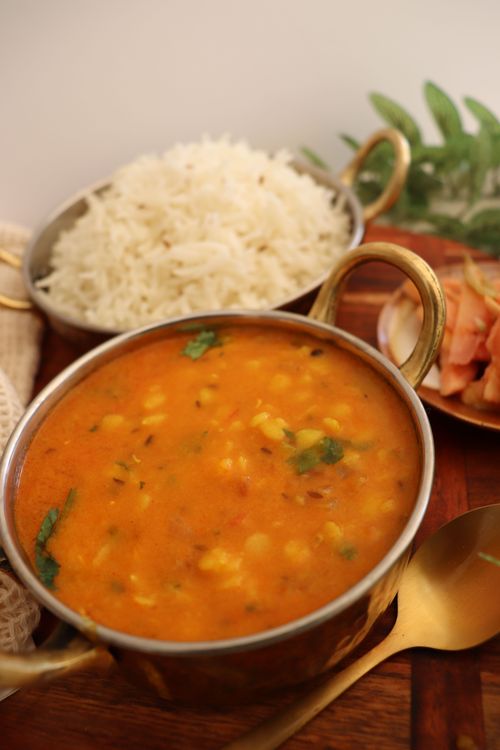

- Indian
- Vegetarian
- Lunch
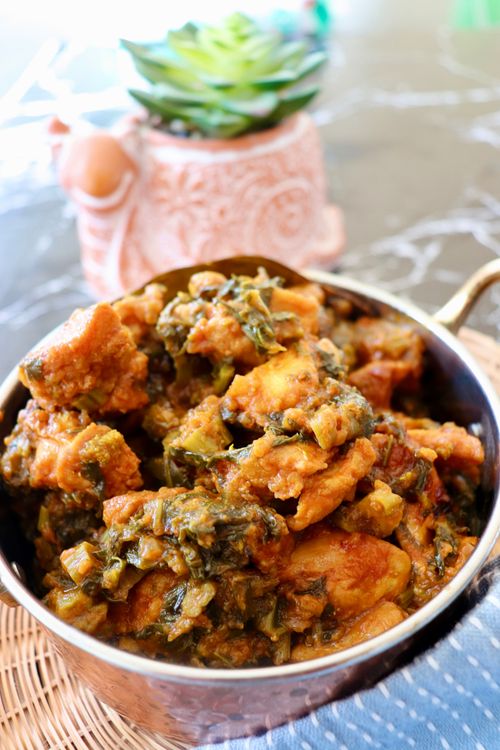
- Indian
- Non-Vegetarian
- Lunch
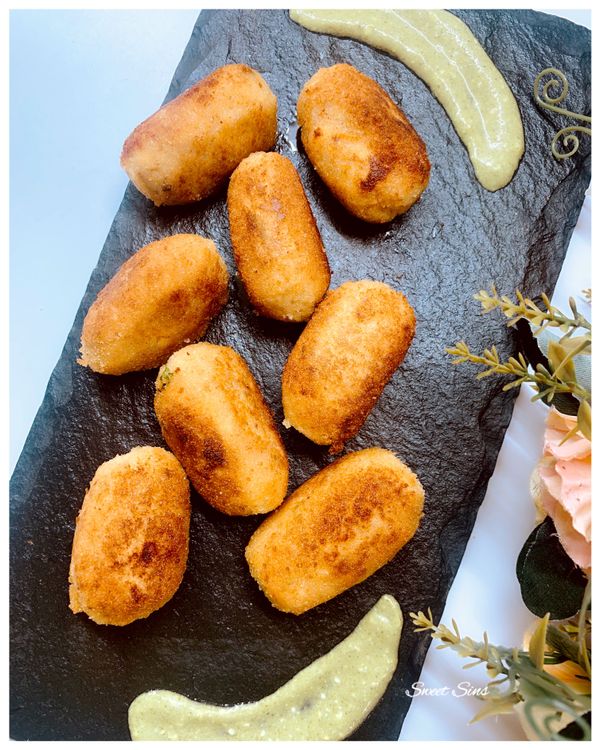

- Indian
- Non-Vegetarian
- Snack
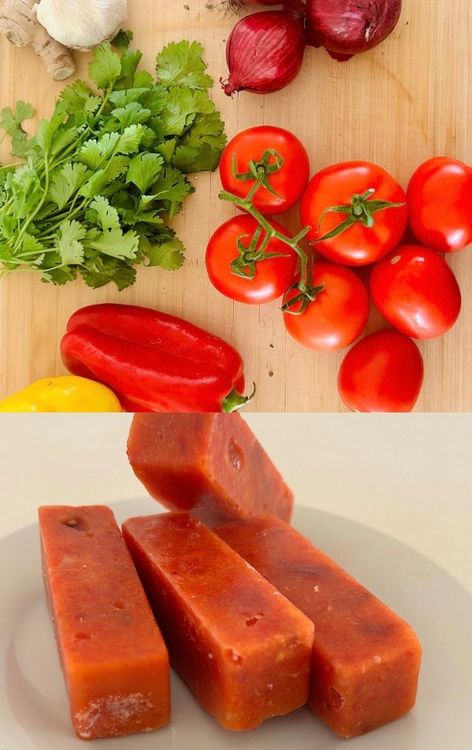

- International
- Vegan
- Sauce & Condiment

- Indian
- Vegan
- Sauce & Condiment
- Italian
- Vegan
- Side Dish
- Russian
- Non-Vegetarian
- Dinner
- Indian
- Vegan
- Main Course
- Vegetarian
- Main Course
- Indian
- Non-Vegetarian
- Lunch
- Goan
- Non-Vegetarian
- Lunch

- Italian
- Vegan
- Sauce & Condiment
Freezer & Fridge Chutneys, Pickles & Condiments
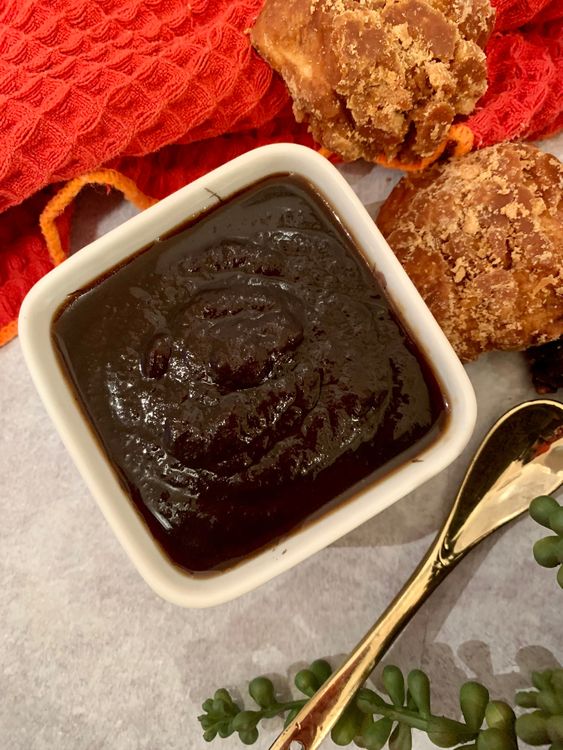
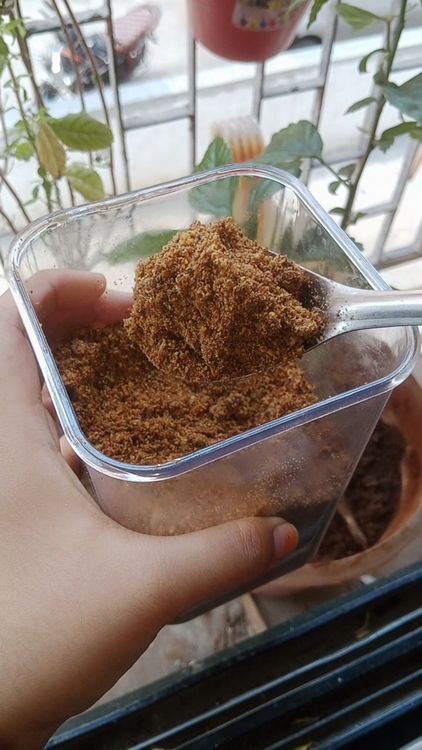
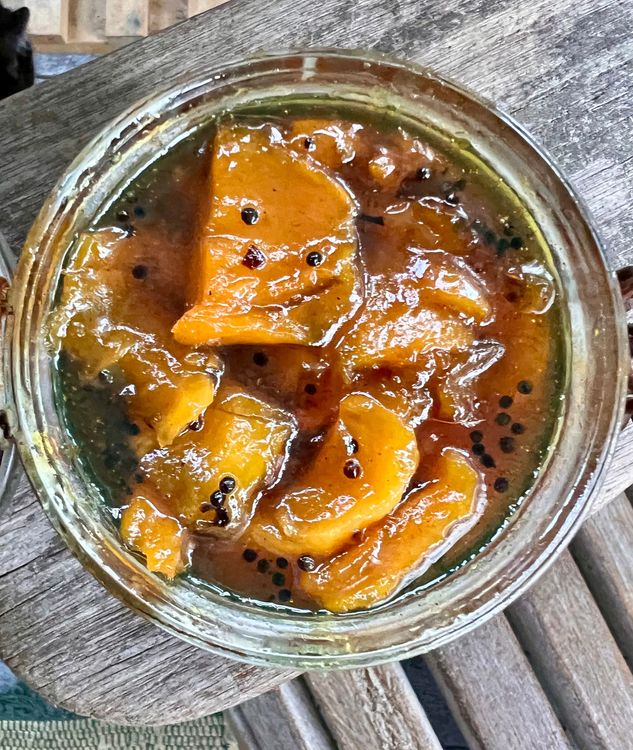
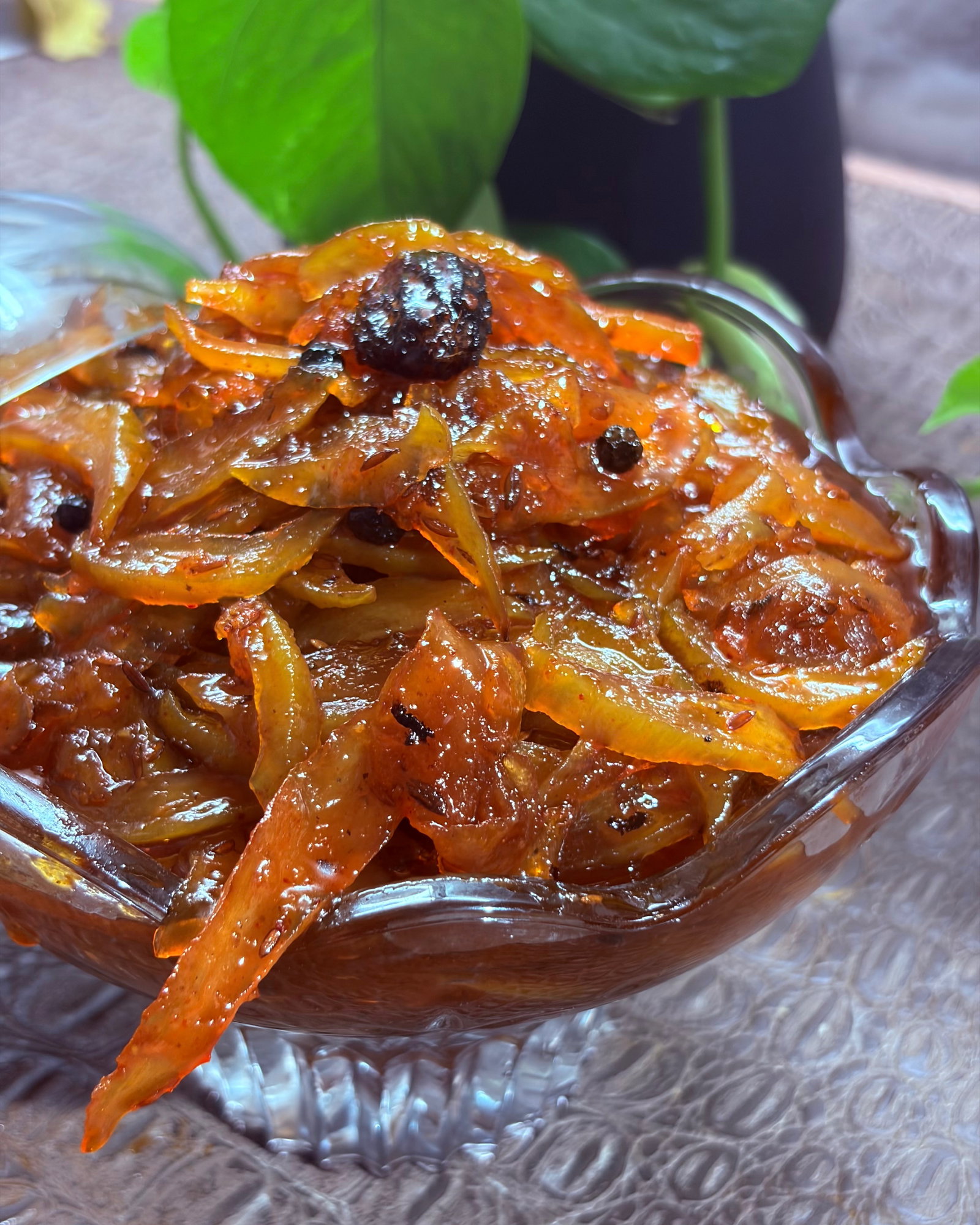
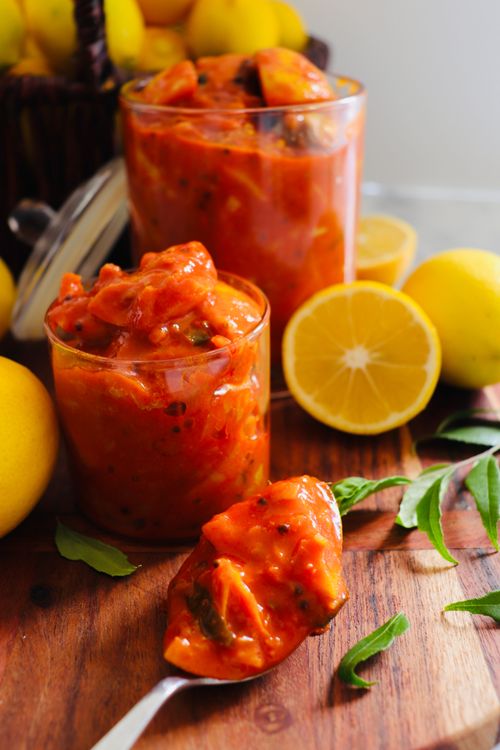
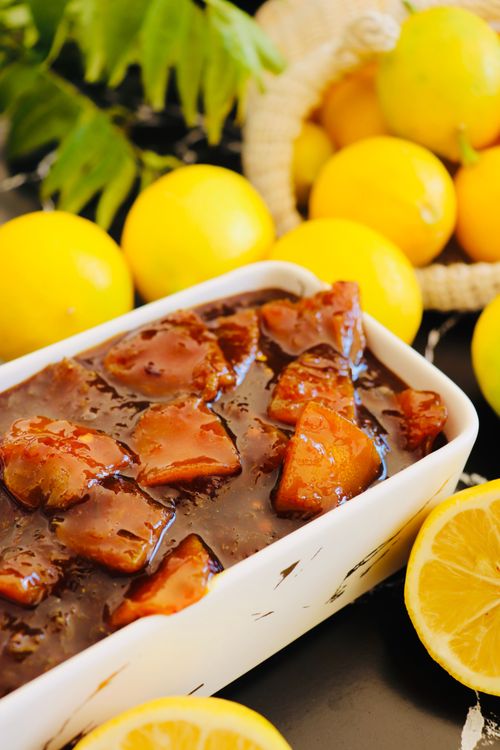
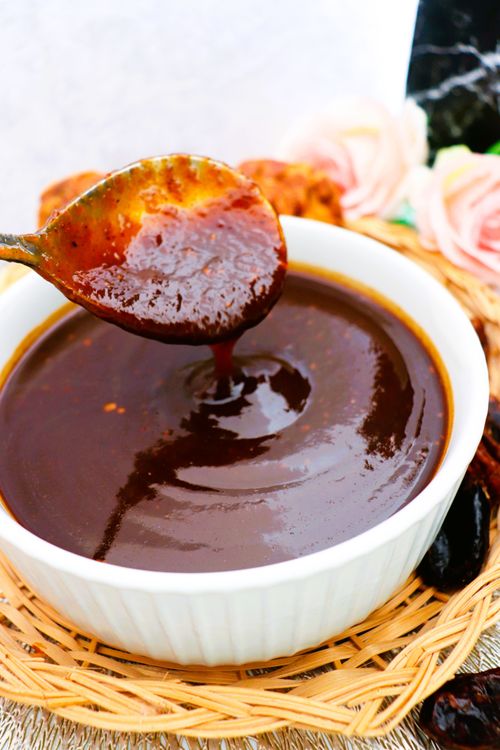
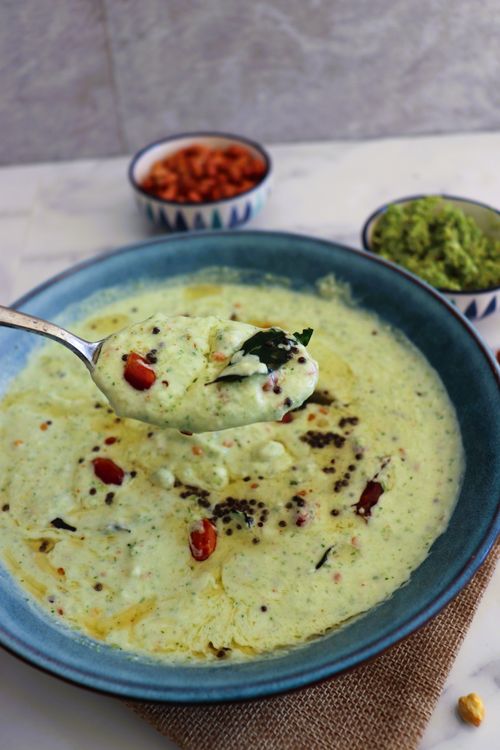
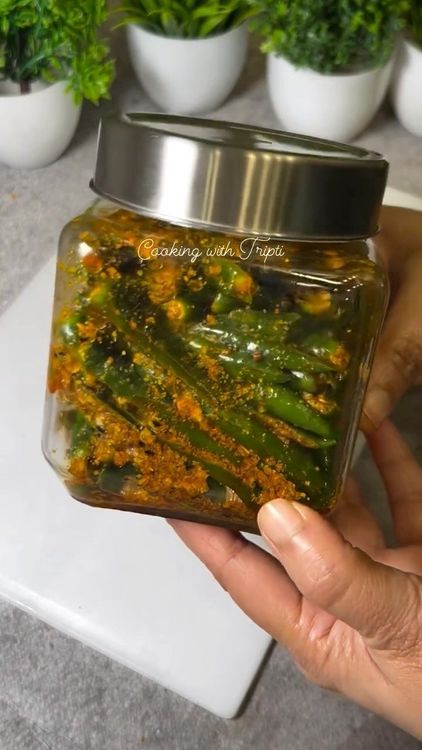
Chutneys and pickles are an underused freezer category — most home cooks think of them as fridge staples with a long shelf life already, which is true, but freezing extends that life further and lets you batch a big pot of a seasonal chutney, like a green mango or tamarind version, without worrying about it going off before you finish it. Freeze in small portions, ice-cube trays for very small amounts or small containers for a few tablespoons at a time, since a little chutney goes a long way and you rarely need to thaw a large batch at once. The high acid and sugar content in most chutneys and pickles actually helps them freeze and thaw well, since both act as natural preservatives that limit ice crystal damage compared to a plain vegetable. Thaw a small portion in the fridge or at room temperature for an hour, and give it a stir, since some separation is normal and does not affect flavor. Having a stash of frozen chutney on hand turns a plain plate of dal and rice, a sandwich or a simple curry into something with real depth in the time it takes to spoon some out and let it come to temperature. Standouts here include Imli Chutney (Tamarind Chutney) and Healthy Flaxseed Chutney for Winters , plus Mango Chutney.
- Indian
- Vegan
- Sauce & Condiment

- Indian
- Vegan
- Sauce & Condiment

- Indian
- Vegan
- Sauce & Condiment
- Indian
- Vegan
- Sauce & Condiment
- Indian
- Vegan
- Sauce & Condiment
- Indian
- Vegan
- Sauce & Condiment
- Indian
- Vegan
- Snack
- Indian
- Vegetarian
- Side Dish

- Indian
- Vegan
- Sauce & Condiment
Freezer-Friendly Breads & Baked Snacks
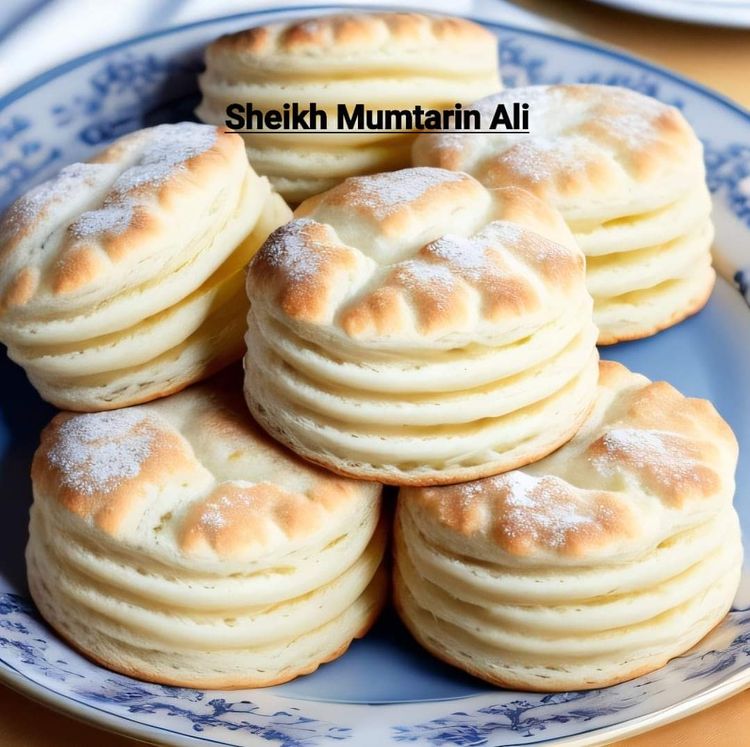
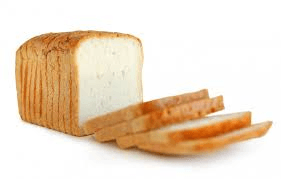
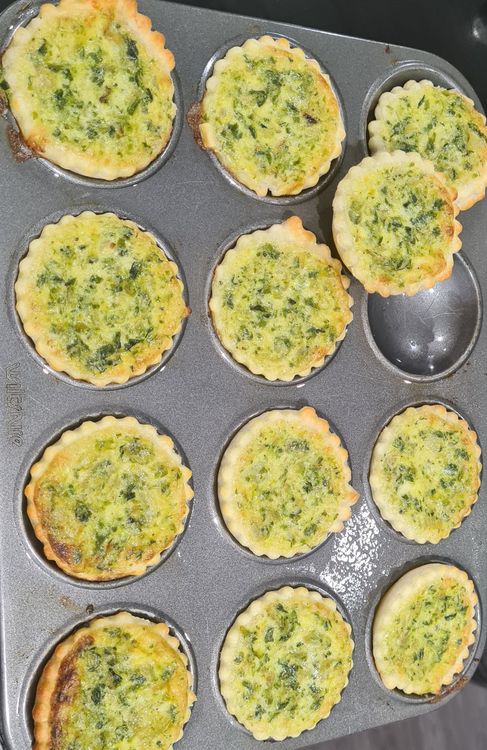
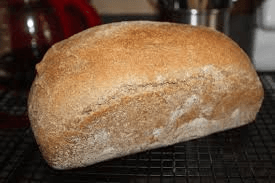
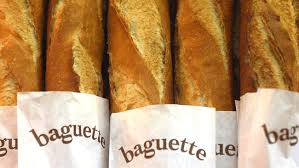
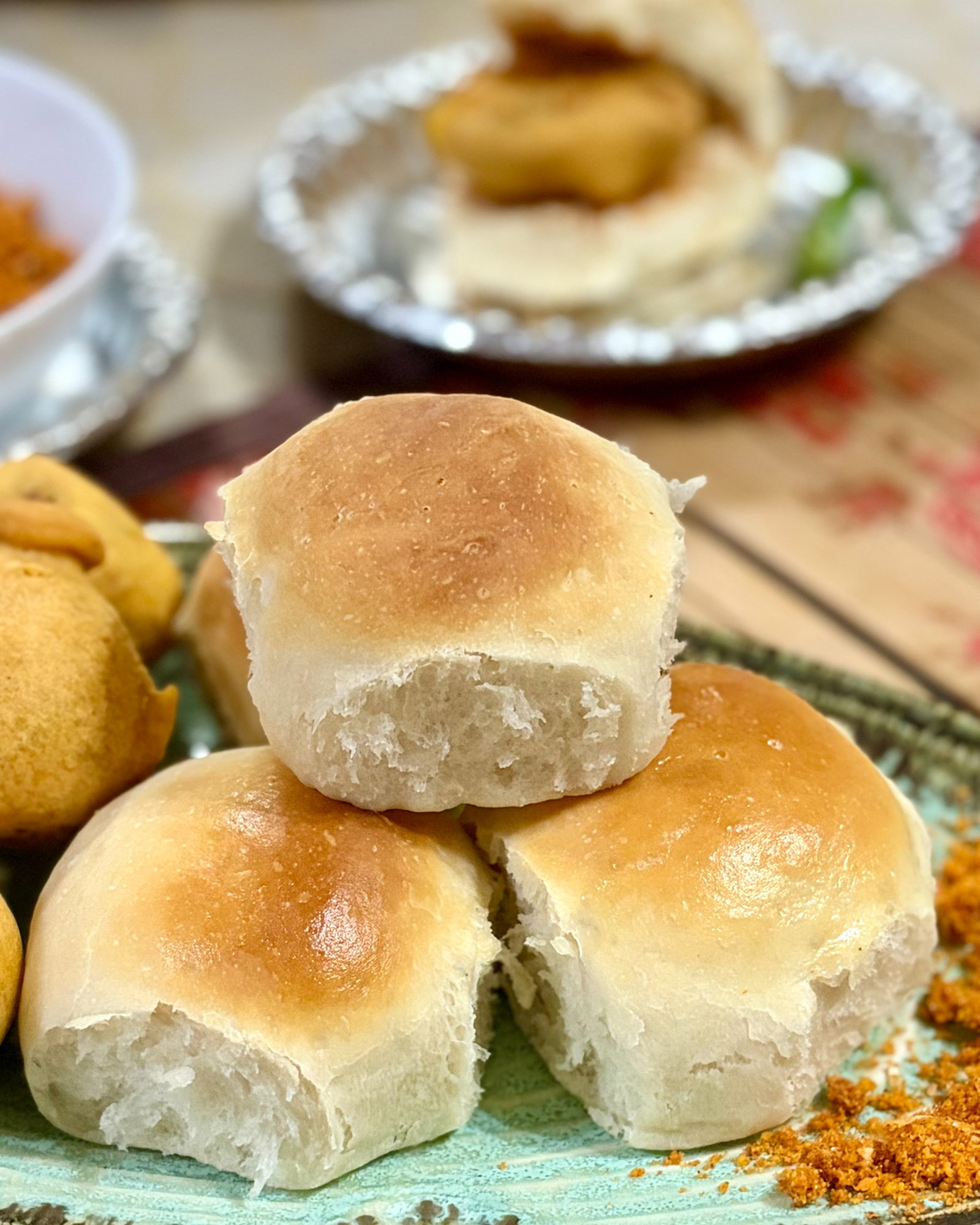
Bread, biscuits and savory baked snacks are some of the most forgiving foods in the entire freezer, since a proper reheat in the oven restores nearly all of their original texture — something almost nothing else on this page can claim. Whole loaves freeze well wrapped tightly in plastic and then foil or a freezer bag, and are best sliced before freezing if you only plan to thaw a portion at a time, since a whole frozen loaf takes far longer to come back to room temperature than a few slices. Smaller items like biscuits, buns and savory bites like quiches or cutlets freeze individually on a tray first, then transfer to a shared bag once solid, so you can pull out exactly the number you need rather than thawing the whole batch. Reheat directly from frozen in a moderate oven rather than the microwave, which leaves bread gummy instead of restoring its crust. This cluster is especially useful for batch baking sessions — since the oven is already hot and already on, doubling a batch of biscuits or a loaf of bread costs very little extra effort for a freezer full of ready bread. Standouts here include Prawns Thecha Cutlet | Maharashtrian Prawn Cutlet and Buttermilk Biscuits , plus E02: WHITE LOAF BREAD.

- Indian
- Dairy-Free
- Appetiser
- English
- Vegetarian
- Breakfast
- Western
- Vegetarian
- Breakfast

- French
- Eggetarian
- Appetiser
- International
- Vegetarian
- Breakfast
- International
- Vegan
- Bread & Baking
- Vegetarian
- Bread & Baking

- Fusion
- Vegan
- Appetiser
- Fusion
- Vegan
- Breakfast
Make-Ahead Sweets, Bars & Breakfast
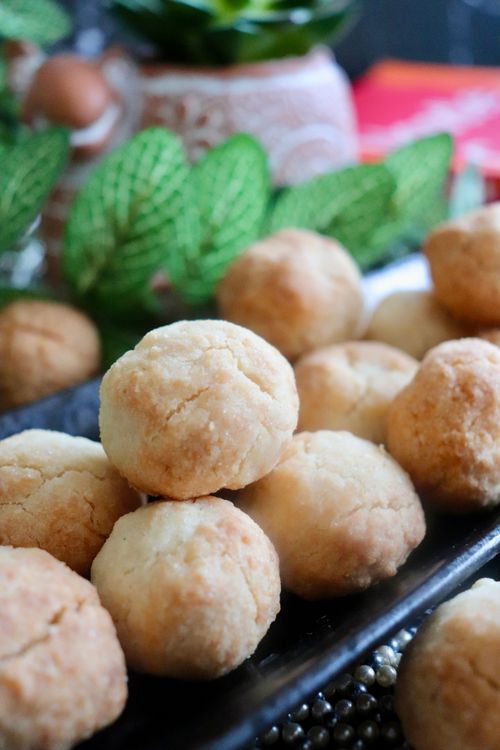
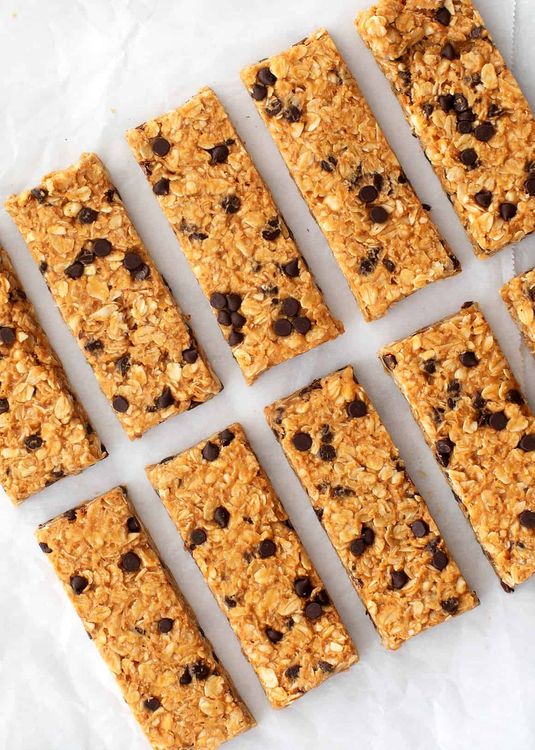
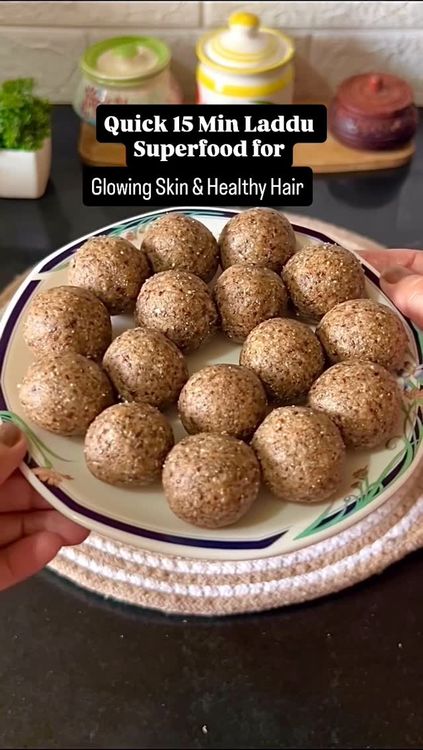
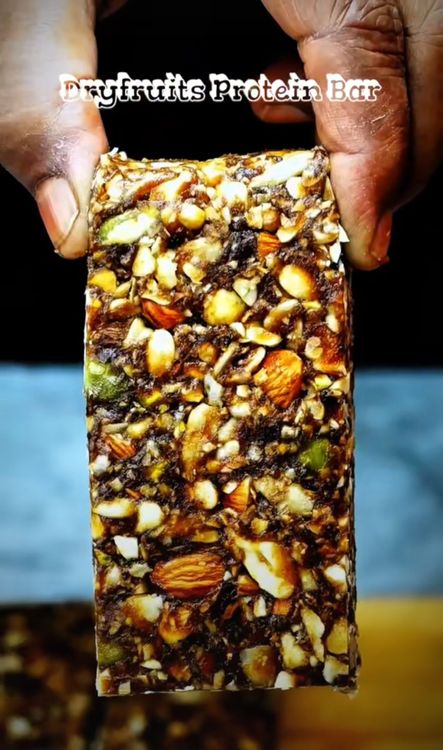
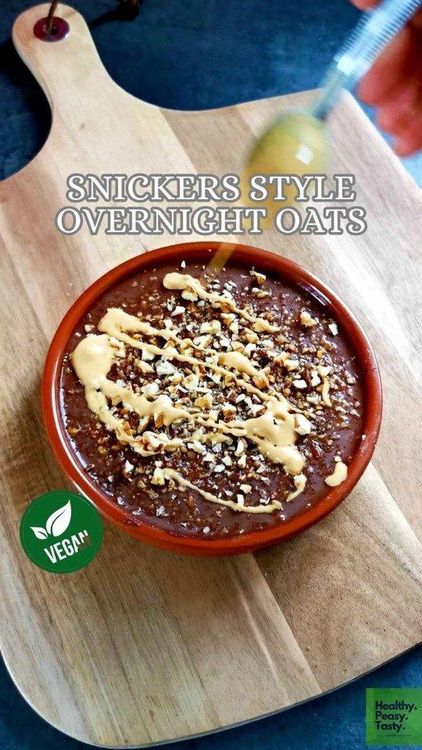
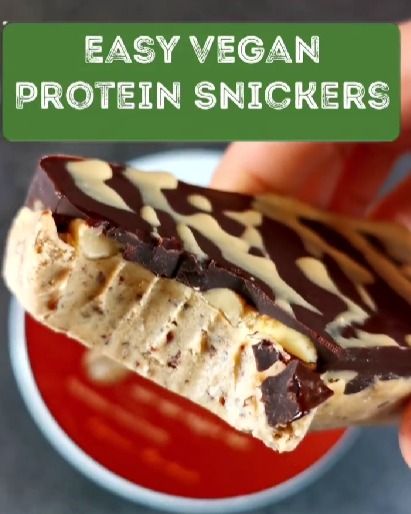
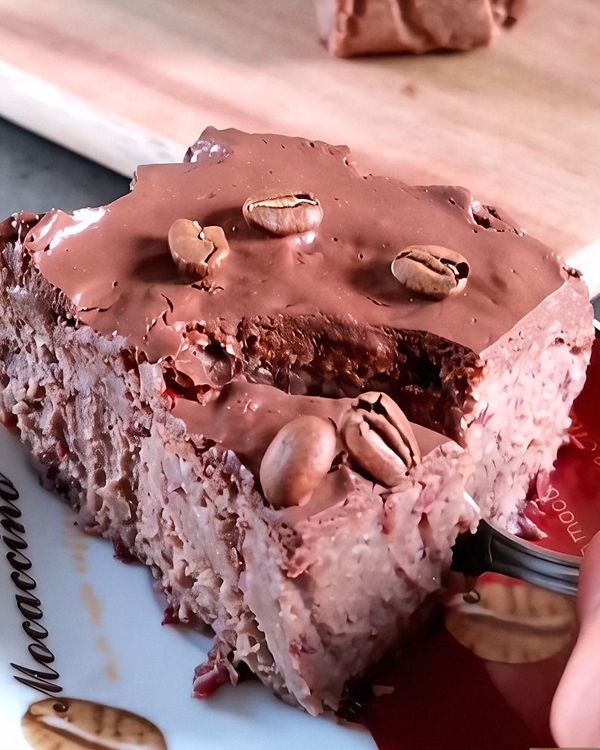
Bars, cookies and breakfast staples are the easiest wins in freezer cooking, because a single batch-cooking session can fill the freezer with weeks of grab-and-go breakfasts and snacks with almost no extra effort beyond doubling a recipe you are already making. No-bake bars, protein cookies and muffins all freeze extremely well, since they are dense and low in moisture compared to a delicate cake, and most can go straight from the freezer into a lunchbox and thaw by the time they are eaten. Overnight oats and similar make-ahead breakfasts are best frozen in individual portions in jars or containers with a little headspace, then thawed in the fridge the night before or eaten slightly chilled straight from a shorter thaw. Items like date paste, oat milk and other bases are worth freezing in small portions too, since they are used a spoonful or splash at a time rather than all at once. Because this cluster is built around small, portioned items rather than one big dish, it is the lowest-effort place to start if batch cooking feels like a bigger project than you have time for. Standouts here include Homemade Coconut Cookies and Homemade Granola Bars, plus High-Protein One-Step Banana Muffins.
- International
- Vegan
- Snack
- American
- Vegetarian
- Breakfast
- Indian
- Vegetarian
- Snack
- Global
- Vegan
- Breakfast
- International
- Vegan
- Breakfast
- International
- Vegan
- Breakfast
- International
- Vegetarian
- Breakfast
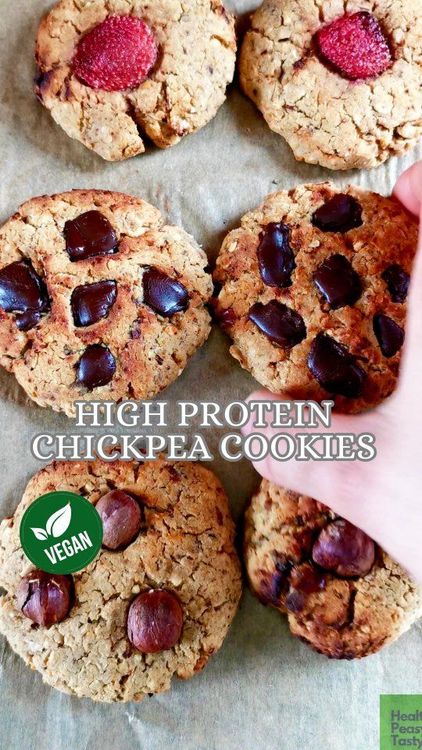
- International
- Vegan
- Breakfast
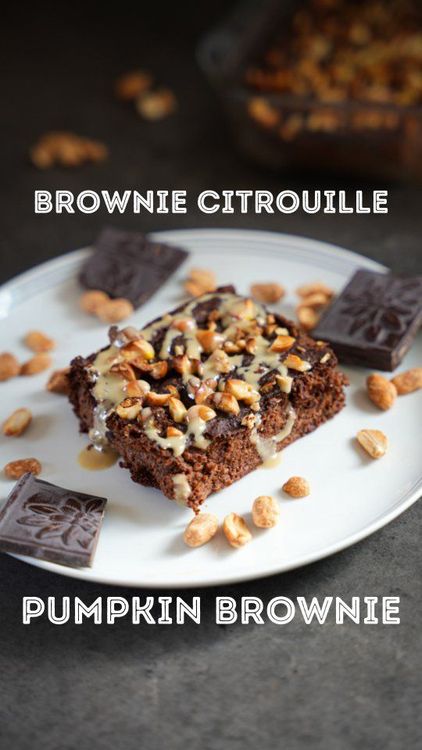
- International
- Vegan
- Snack
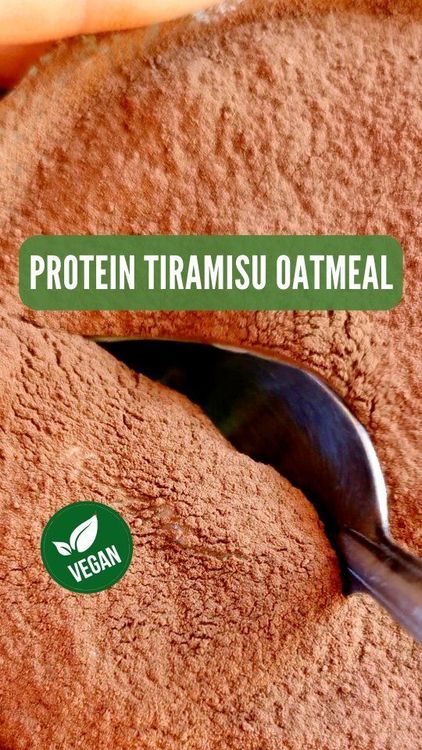
- Fusion
- Vegetarian
- Breakfast
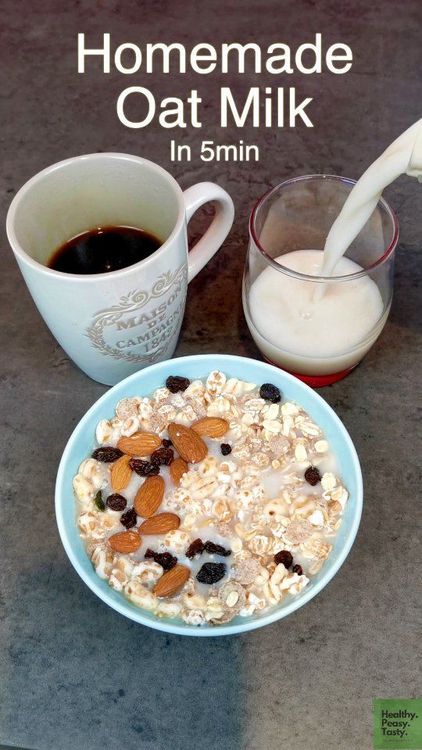
- Global
- Vegan
- Breakfast
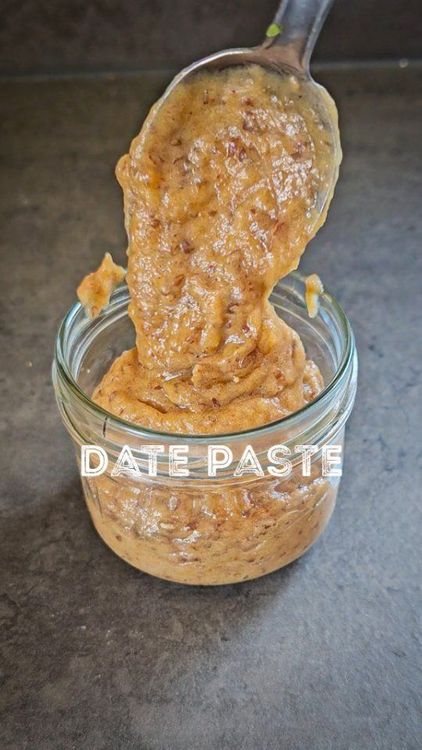
- French
- Vegan
- Snack
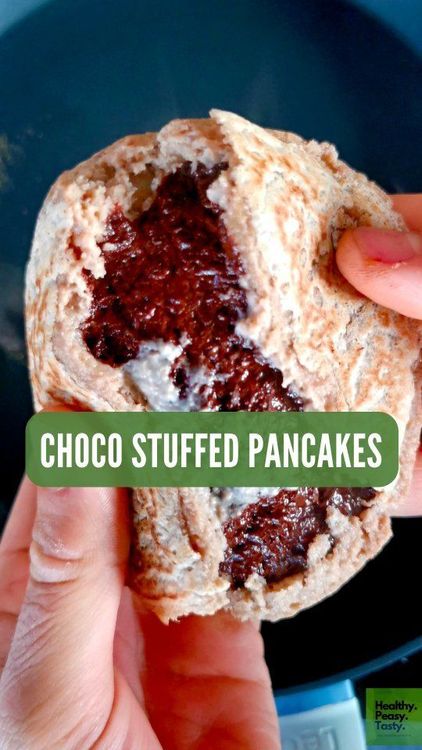
- International
- Vegan
- Breakfast
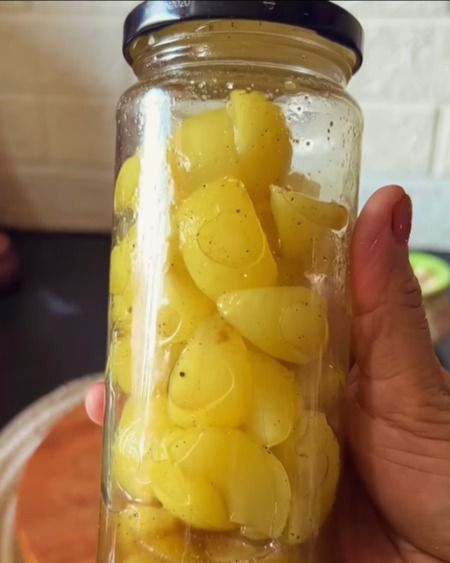
- Indian
- Vegetarian
- Snack
Portioning and Packaging for the Freezer
Freeze food in the portions you will actually reheat, not in one large block. A single container meant to feed a family of four that you only need to feed two forces you to thaw the whole thing, so portion curries, sauces and gravies into individual or family-sized containers before they go in the freezer, labeled with the dish and date.
Flat freezing is the most space-efficient method for liquids and semi-liquids — pour sauces, gravies or dal into freezer bags, lay them flat on a tray until solid, then stack them upright like books once frozen. Flat-frozen portions also thaw faster than a frozen block, since more of the surface is exposed to whatever is thawing it, whether that is the fridge or a bowl of warm water.
Squeeze as much air out of freezer bags as possible, and use airtight containers rather than ones with loose-fitting lids — air exposure is what causes freezer burn, the dry, discolored patches that ruin texture and flavor even when the food underneath is still technically safe to eat. A layer of plastic wrap pressed directly onto the surface of a sauce before sealing the container adds extra protection.
What Freezes Well and What Does Not
Curries, dals, gravies and sauce bases are some of the best freezer candidates, since their flavor is concentrated rather than fresh and crisp, and reheating only continues to meld the spices. The same goes for cooked grains, bread doughs and baked goods, most of which reheat with very little loss of texture, especially breads that get a few minutes back in the oven rather than the microwave.
Dairy-heavy sauces, anything with raw or lightly cooked vegetables meant to stay crisp, and fried foods meant to stay crunchy are the trickiest categories. Cream and yogurt-based sauces can split or turn grainy after freezing, so where possible, freeze the base without the dairy and stir it in fresh once reheated. Watery vegetables like cucumber or lettuce turn limp and are not worth freezing at all.
When a recipe sits in a gray area — a gravy that is 90 percent done but not fully finished, for instance — freezing it at that intermediate stage and completing the last step fresh is often the better approach than freezing the finished dish. This is exactly the logic behind several of the sauce bases in this collection, built specifically to be frozen unfinished and completed on the night you need them.
Thawing and Reheating Without Losing Texture
The fridge is the safest and generally the best way to thaw a frozen meal, taking anywhere from several hours for a small portion to overnight or longer for a large one. Thawing at room temperature is faster but lets the outer layer sit in the temperature range where bacteria grow fastest for too long, and is worth avoiding for anything beyond a quick partial thaw.
Reheat curries, dals and sauces gently over low to medium heat on the stovetop, stirring occasionally, rather than blasting them on high, which can scorch the bottom before the center has warmed through. A splash of water or stock stirred in during reheating brings back the original consistency, since sauces tend to thicken further in the freezer as ice crystals form and then break down.
Breads and baked goods reheat best in the oven rather than the microwave — a few minutes at 350°F restores a crust and interior texture the microwave cannot replicate, which instead tends to leave bread gummy. For items you plan to reheat directly from frozen rather than thawing first, allow extra time and check the center is properly hot rather than just warm on the outside.
Building a Batch Cooking Routine
The easiest way to keep a freezer genuinely stocked is to double a recipe whenever you are already cooking it, freezing half rather than treating batch cooking as a separate project. This spreads the extra effort across normal cooking days instead of requiring a dedicated marathon session, and it means the freezer fills up gradually with dishes you already know you like.
If you do want a dedicated batch cooking day, pick two or three recipes that share ingredients or equipment — a curry base, a batch of chutney, and a tray of muffins, for instance — so the shopping list and the cleanup are shared across all three rather than tripled. Label everything clearly with the dish and date, and keep a running list of what is in the freezer so nothing gets forgotten at the back.
Rotate stock on a first-in, first-out basis, and aim to use most freezer meals within two to three months for the best flavor and texture, even though many are technically safe well beyond that. A freezer that is organized and labeled gets used; one that is a jumble of unlabeled bags tends to accumulate food nobody wants to gamble on, which defeats the purpose of batch cooking in the first place.
Pro Tips from the Test Kitchen
- Freeze curries, sauces and gravies flat in bags first, then stack them upright once solid — they take up less space and thaw faster than a frozen block.
- Label every container with the dish name and date; freezer contents are much harder to identify once frozen than they look at the time.
- Freeze cream- or yogurt-based sauces without the dairy stirred in, then add it fresh after reheating to avoid a split or grainy texture.
- Squeeze all the air out of freezer bags, or press plastic wrap directly onto the surface of a sauce, to prevent freezer burn.
- Double a recipe whenever you are already cooking it and freeze the extra portion, rather than treating batch cooking as a separate project.
- Thaw frozen meals in the fridge overnight rather than at room temperature, for both safety and better texture.
- Reheat breads and baked goods in the oven, not the microwave, to bring back a proper crust and texture.
- Reheat sauces and curries gently over low to medium heat, adding a splash of water or stock to restore the original consistency.
- Portion food into meal-sized containers before freezing so you only thaw what you actually need.
- Use frozen meals within two to three months for the best flavor, and rotate older portions to the front so nothing gets forgotten.
Frequently Asked Questions
How long do freezer meals last?
Most cooked freezer meals stay safe well beyond three months at 0°F, but flavor and texture start to decline after that window, especially in dishes with a lot of moisture. For the best results, aim to use most freezer meals within two to three months, and label everything with the date so older portions get used first rather than forgotten at the back.
What foods do not freeze well?
Watery vegetables like cucumber, lettuce and celery turn limp and mushy after freezing and thawing, since ice crystals rupture their cell walls. Cream- and yogurt-based sauces can split or turn grainy, and fried foods meant to be crisp usually go soft. Where a recipe includes one of these elements, it is often better to freeze the base without it and add that ingredient fresh after reheating.
What is the best way to thaw a frozen meal?
Thawing in the fridge overnight is the safest and generally the best method for texture, since a slow, cold thaw keeps the food out of the temperature range where bacteria multiply quickly. For a faster option, submerge a sealed bag in cold water, changing the water every 30 minutes. Reheating directly from frozen also works for many soups, curries and sauces, though it takes longer.
Can you freeze food in glass containers?
Yes, as long as they are labeled freezer-safe and you leave headspace at the top, since liquids expand as they freeze and can crack a completely full container. Freezer-safe plastic containers and bags are generally more forgiving and take up less space, which makes them the more practical choice for large batches, but glass works well for smaller portions you plan to reheat directly in the same container.
How do I stop freezer burn?
Freezer burn happens when food is exposed to air inside the freezer, so the fix is minimizing that exposure — squeeze air out of freezer bags before sealing, use airtight containers rather than ones with loose lids, and press plastic wrap directly onto the surface of sauces or gravies before closing the container. Freezer burn is not unsafe to eat, but it does dry out and dull the flavor of whatever it touches.
Can I freeze rice and pasta?
Cooked rice freezes well for up to about a month and reheats easily with a splash of water. Pasta freezes less predictably — it can turn soft once thawed, especially if it was already fully cooked before freezing, so slightly undercooking pasta before freezing helps it hold its texture better once reheated. Freezing pasta already mixed into a sauce works better than freezing it plain.
What is the best container for freezer meals?
Flat, stackable freezer bags are the most space-efficient option for sauces, curries and gravies, since they freeze flat and thaw quickly. Rigid airtight containers work well for items that need to hold their shape, like baked goods or portions you plan to reheat directly. Whatever you use, make sure it is genuinely airtight, since a loose seal is the main cause of freezer burn.
How do I reheat frozen curry without it splitting?
Reheat gently over low to medium heat, stirring occasionally, rather than on high, which heats the outside faster than the center and can cause a cream- or yogurt-based sauce to split. If the sauce does look like it is separating, a splash of water whisked in while stirring often brings it back together. Dishes frozen without the dairy added, with cream stirred in fresh, avoid the problem entirely.
Can I freeze bread dough or do I need to bake it first?
Both work, though they behave differently. Baked bread freezes well and reheats in the oven with most of its original texture intact. Raw dough can also be frozen, either before or after its first rise, and then thawed and proofed before baking, which is useful if you want fresh-baked bread without starting completely from scratch. Whichever stage you freeze at, wrap it tightly to prevent it drying out.
Is batch cooking actually cheaper than cooking each meal fresh?
Usually, yes — buying ingredients in bulk for a larger batch tends to cost less per portion than buying smaller amounts repeatedly, and it reduces the food waste that comes from ingredients going bad before you get to use them. The bigger saving for most people is time rather than money: one longer cooking session replaces several shorter ones, which is often the real reason batch cooking sticks as a habit.
Good freezer meals come down to the same few habits: freeze food at the right stage, portion it into amounts you will actually use, package it to keep air out, and thaw and reheat gently rather than rushing either step. Curries, sauces, breads and sweet bakes all hold up well when those basics are in place, which is why they make up the bulk of this collection.
Pick one recipe from each cluster to try this week — a curry base, a chutney, a loaf of bread and a batch of bars — and you will walk away with a freezer that can cover dinner, condiments and breakfast for weeks. Save your favorites to a Chefadora cookbook, and keep this page handy the next time a free afternoon calls for a proper batch cooking session.
Related
- Freezer Meals
- Batch Cooking
- Make Ahead
- Meal Prep
- Curry
- Baking
- Snacks
Popular Searches
- Best freezer meals
- Easy freezer meals
- Quick freezer meals
- Healthy freezer meals
- Simple freezer meals
- Homemade freezer meals
- Delicious freezer meals
- Popular freezer meals
- freezer meal recipes
- make ahead meals
- batch cooking recipes
Marnirni-apinthi Building, Lot Fourteen,
North Terrace, Adelaide, South Australia, 5000
Australia
