We use cookies on this website to ensure its proper functioning and to improve the quality of our services. Cookie Policy

Tags and nutritional info are auto-generated and may be inaccurate. Always check the full ingredient list before cooking.


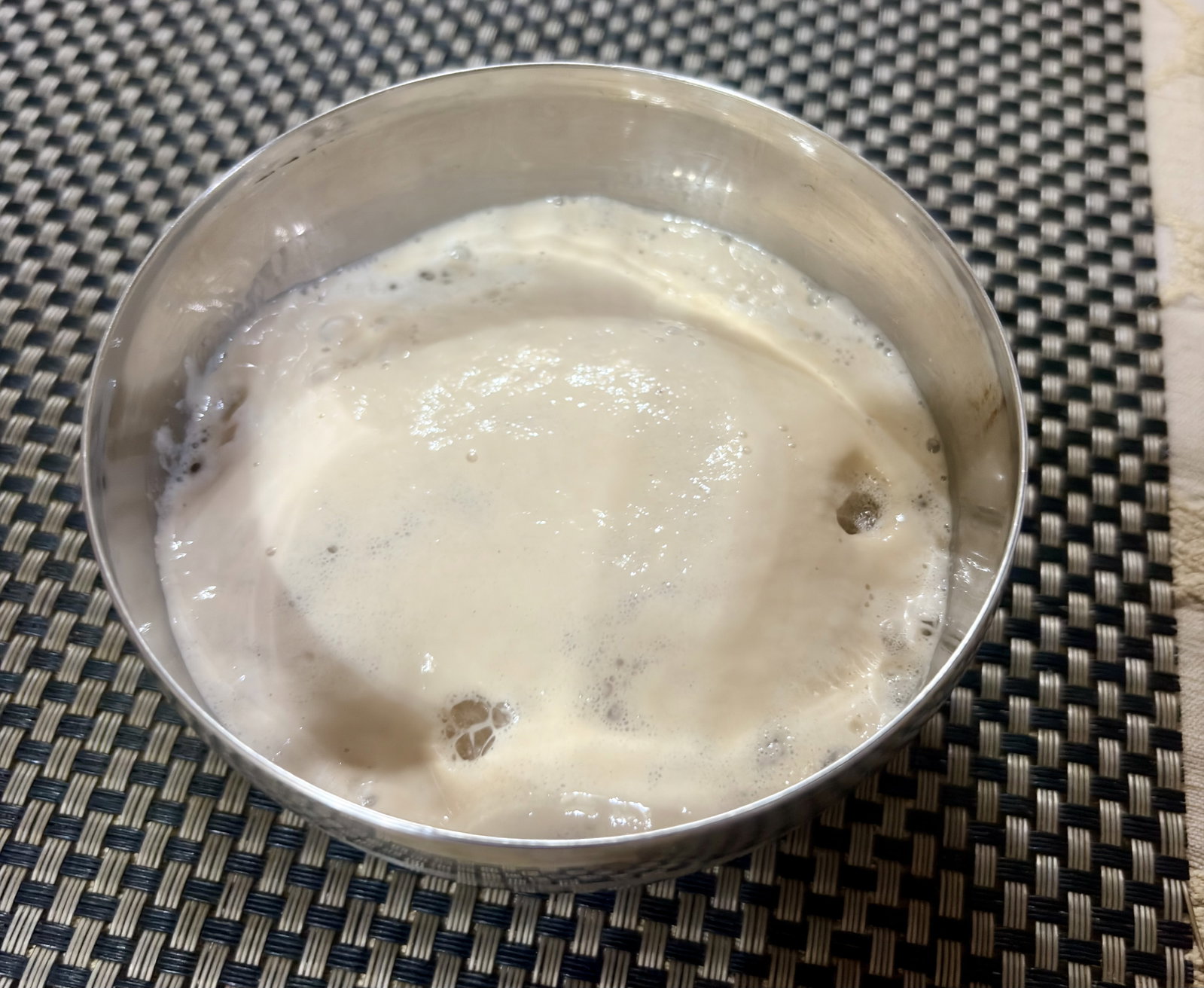
In a small bowl, mix the active dry yeast, sugar, and 2 tablespoons of the measured lukewarm water.
Let it sit undisturbed for 8–10 minutes, or until the mixture becomes frothy and bubbly.
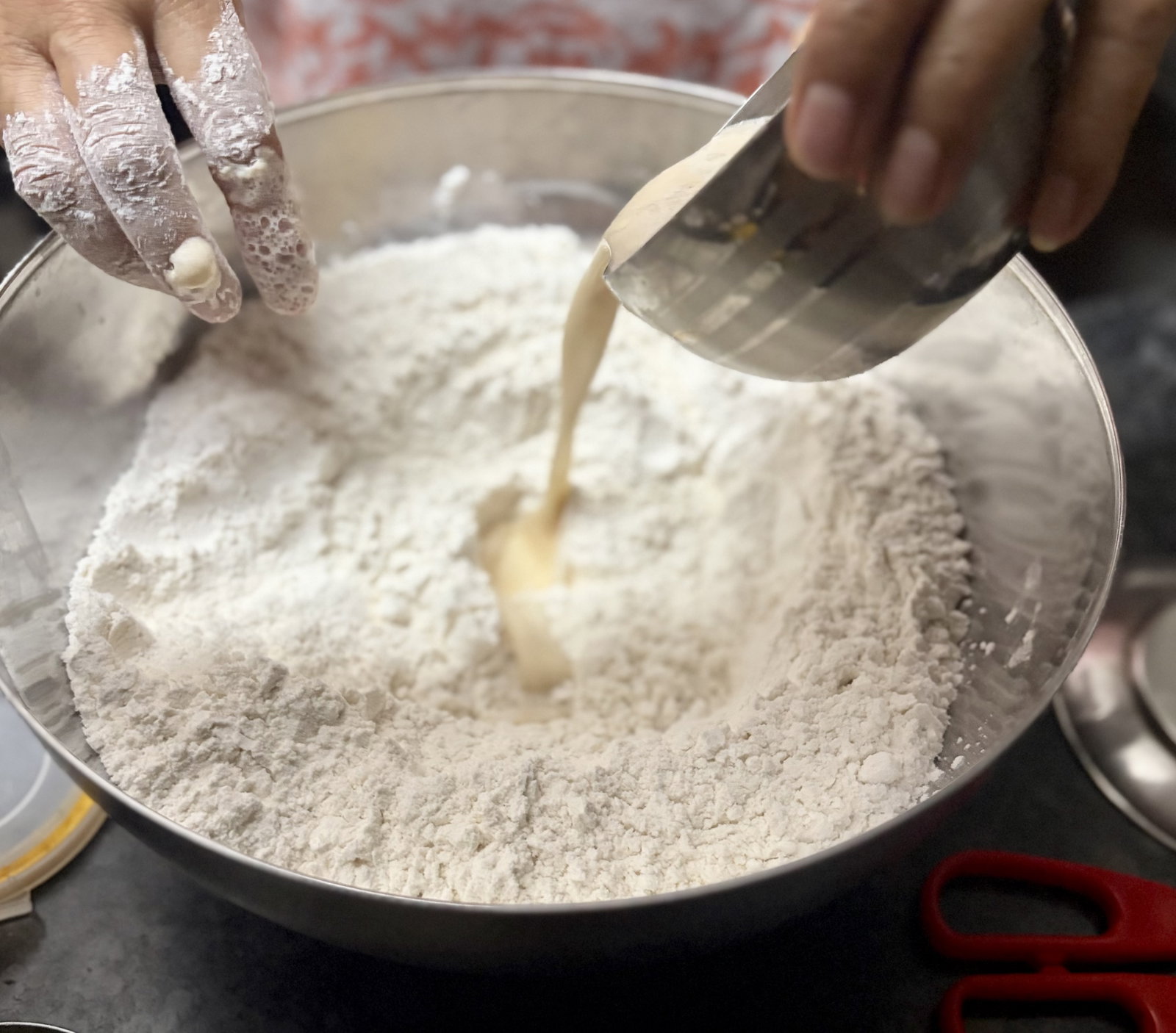
Combine flour and salt in a large mixing bowl.
Pour in the frothy yeast mixture, then gradually add the remaining lukewarm water to form a soft, sticky dough.
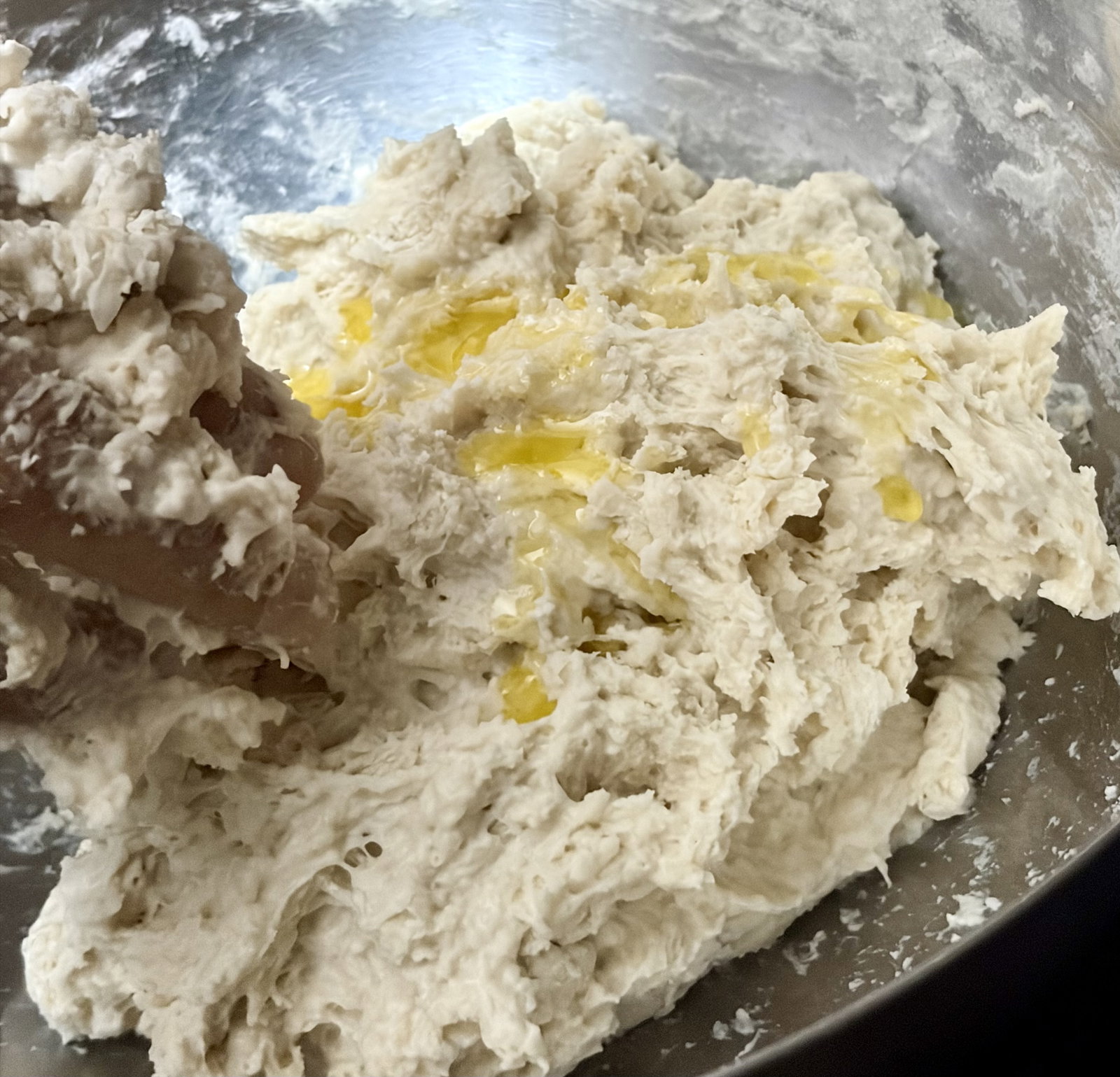
Add melted butter and knead vigorously for 8–10 minutes until the dough becomes smooth and elastic.
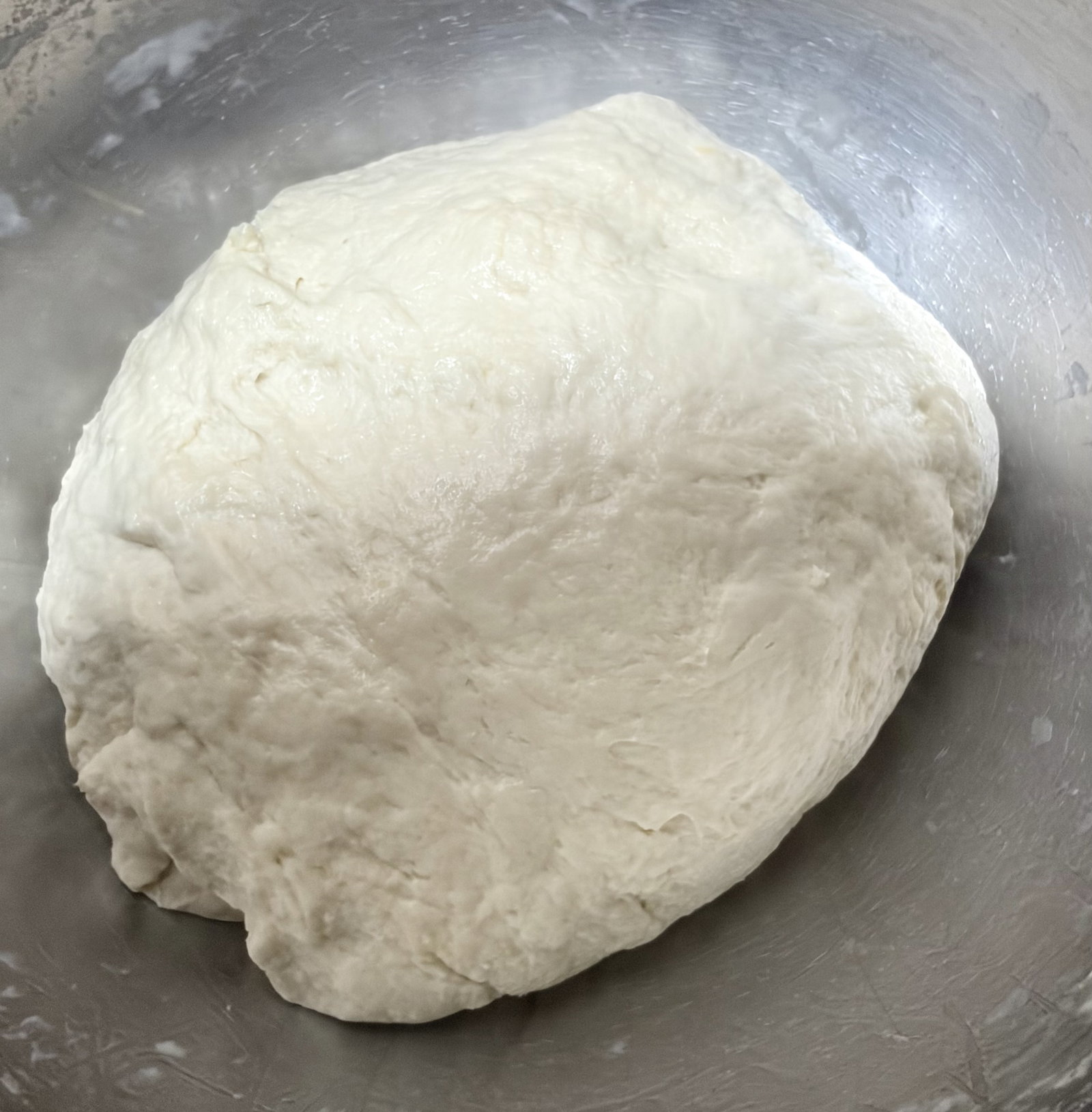
Shape the dough into a ball and lightly grease the surface with a little oil to prevent it from drying.
Cover the bowl with a damp cloth or cling film. Place it in a warm spot for 45 minutes to 1 hour, or until it has doubled in size.
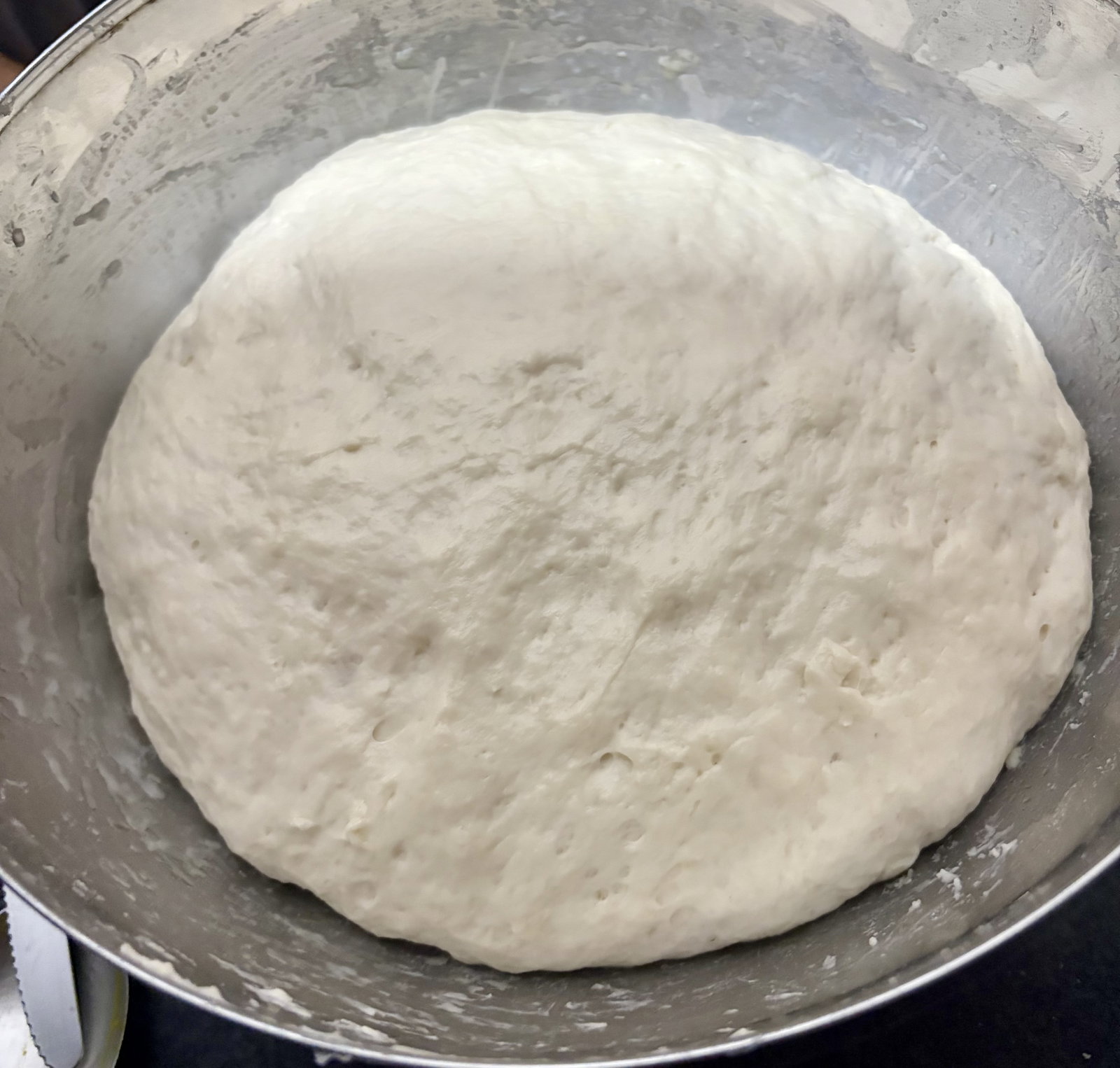
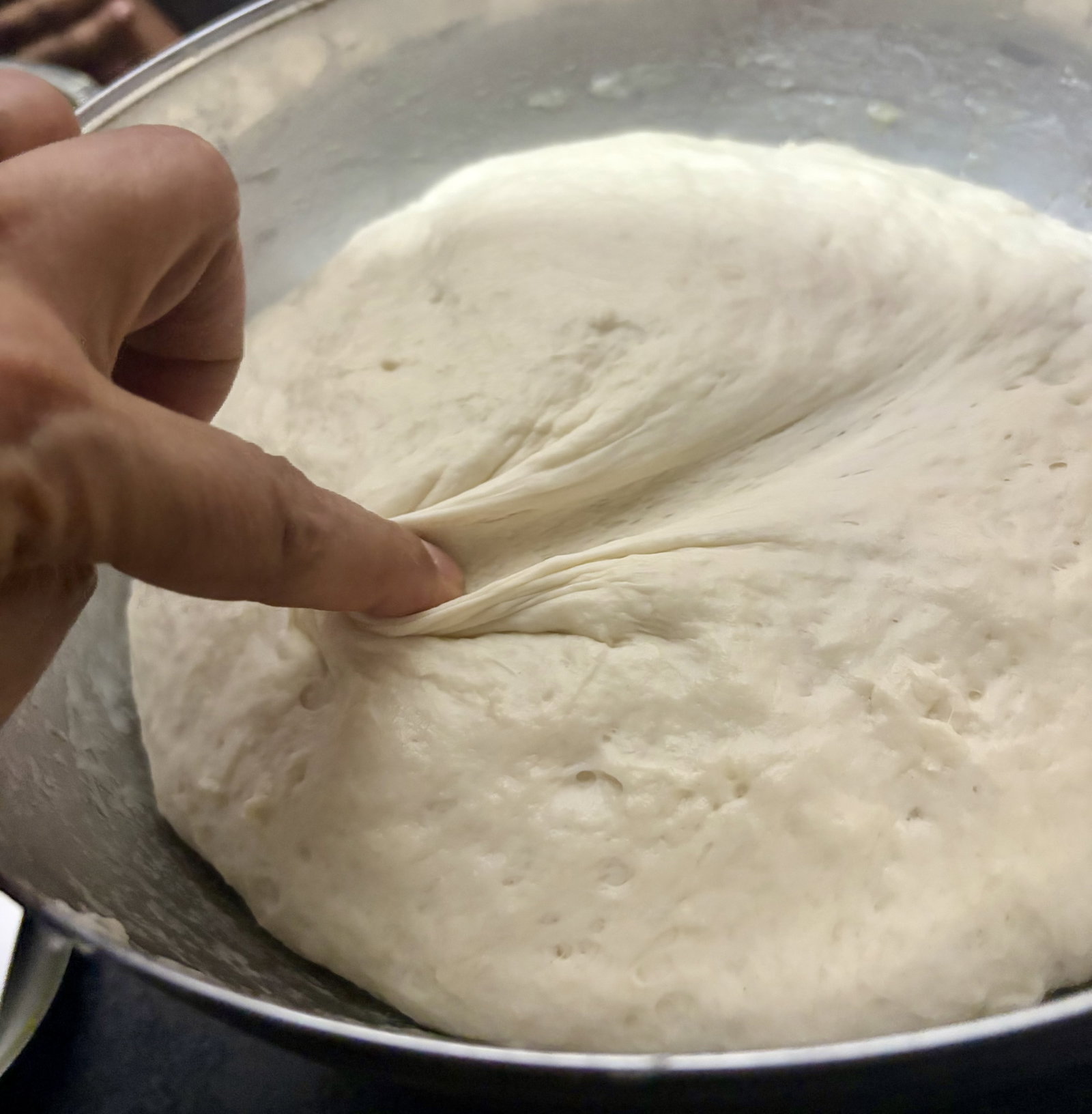
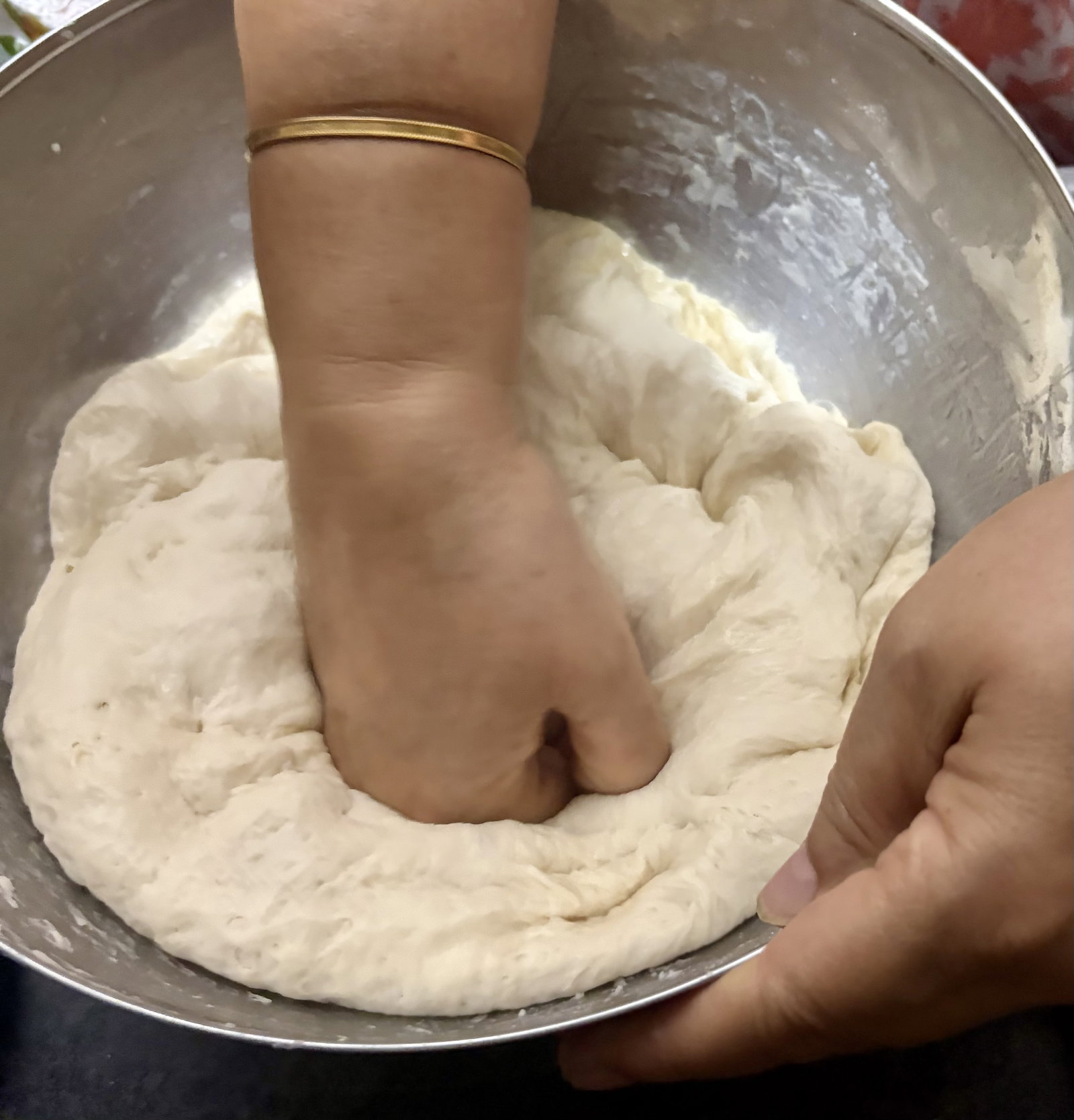
Gently punch the risen dough to release the trapped air.
Grease a small baking tray and lightly dust it with flour.
Divide the dough into 6-8 equal portions and roll into smooth, crack-free balls.
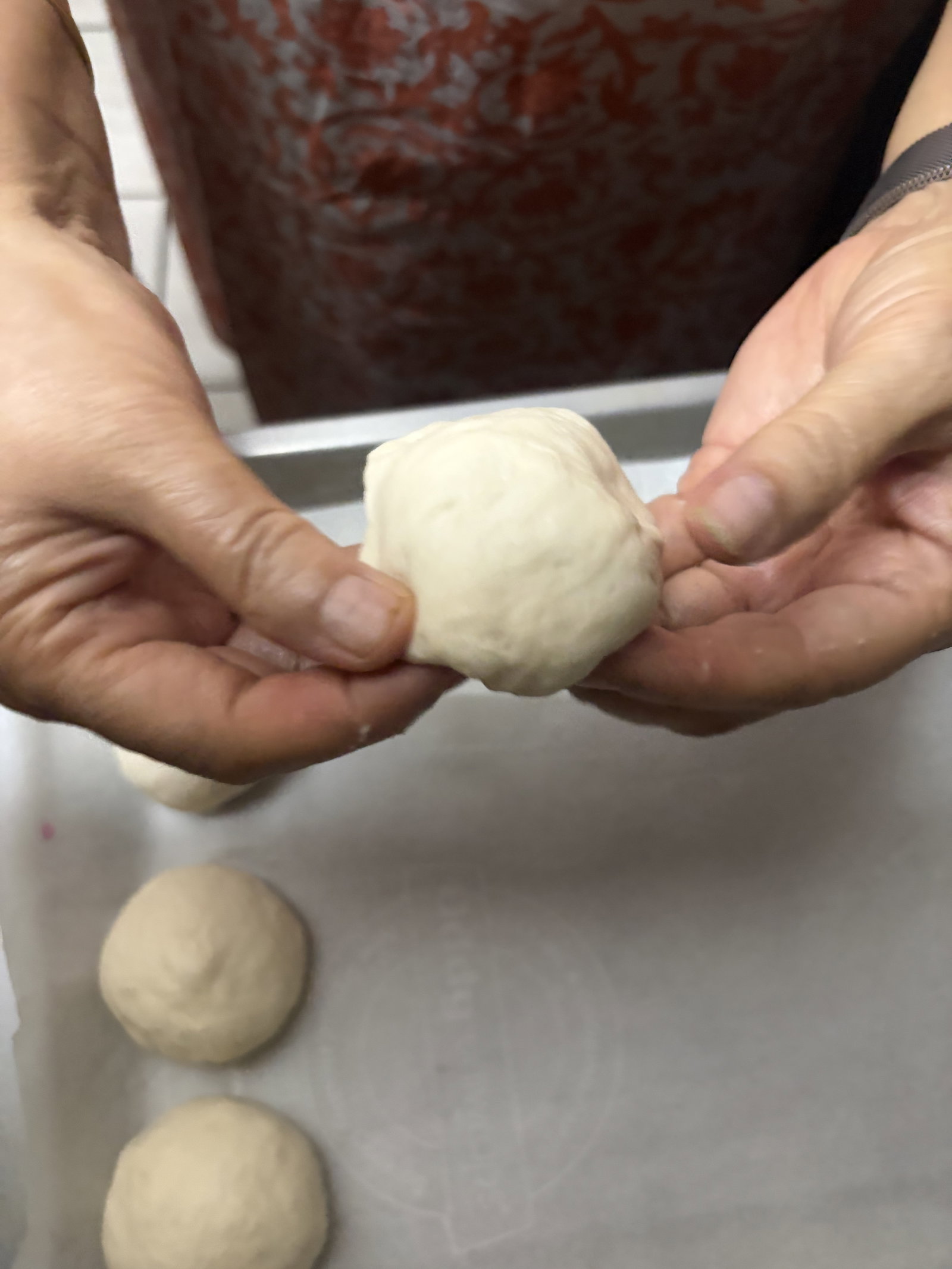
Arrange the dough balls closely together in rows on the baking tray.
Gently brush the tops of the dough balls with milk.
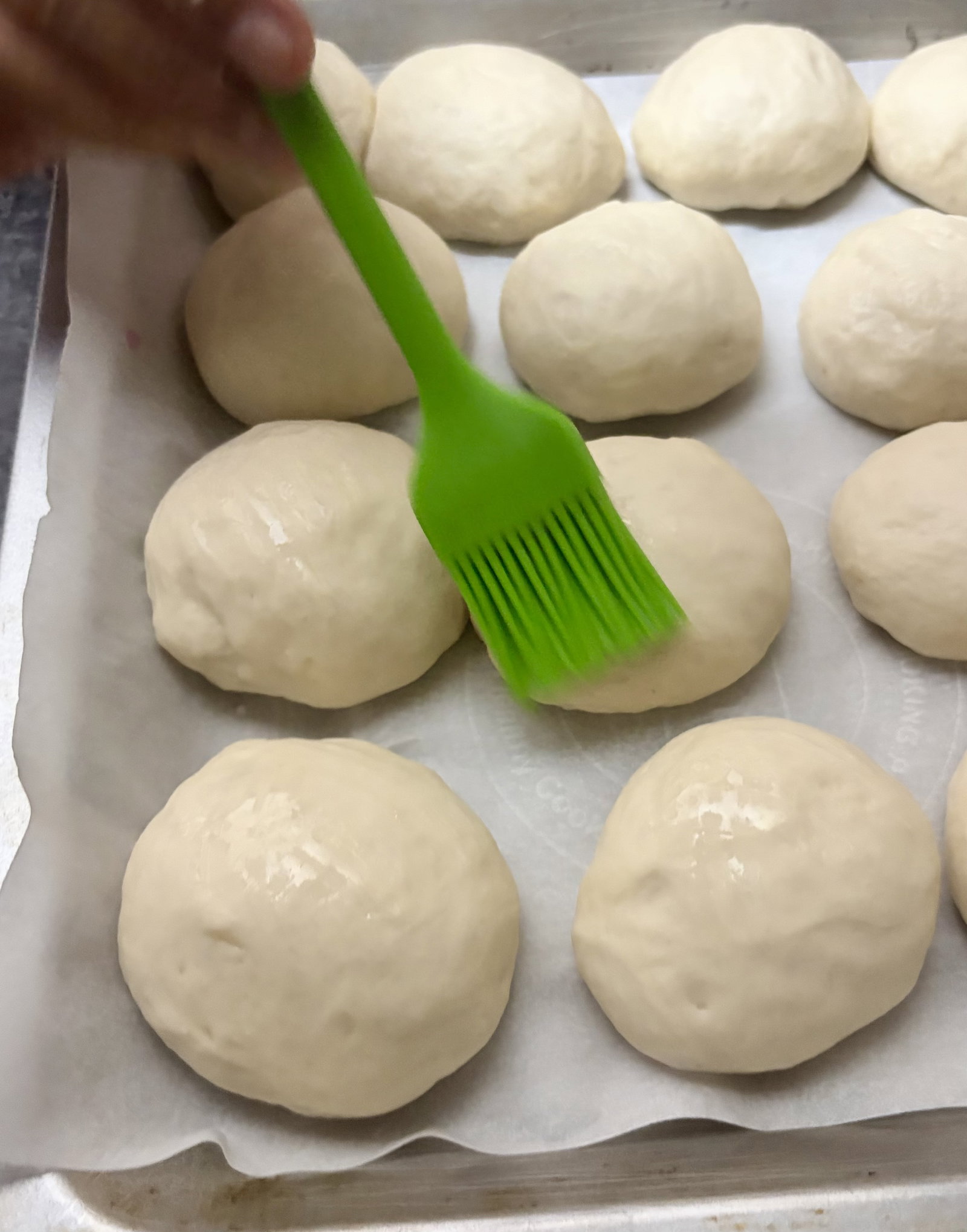
Cover loosely with a damp cloth and let them rise for 45–60 minutes until doubled in size and tightly crowded together.
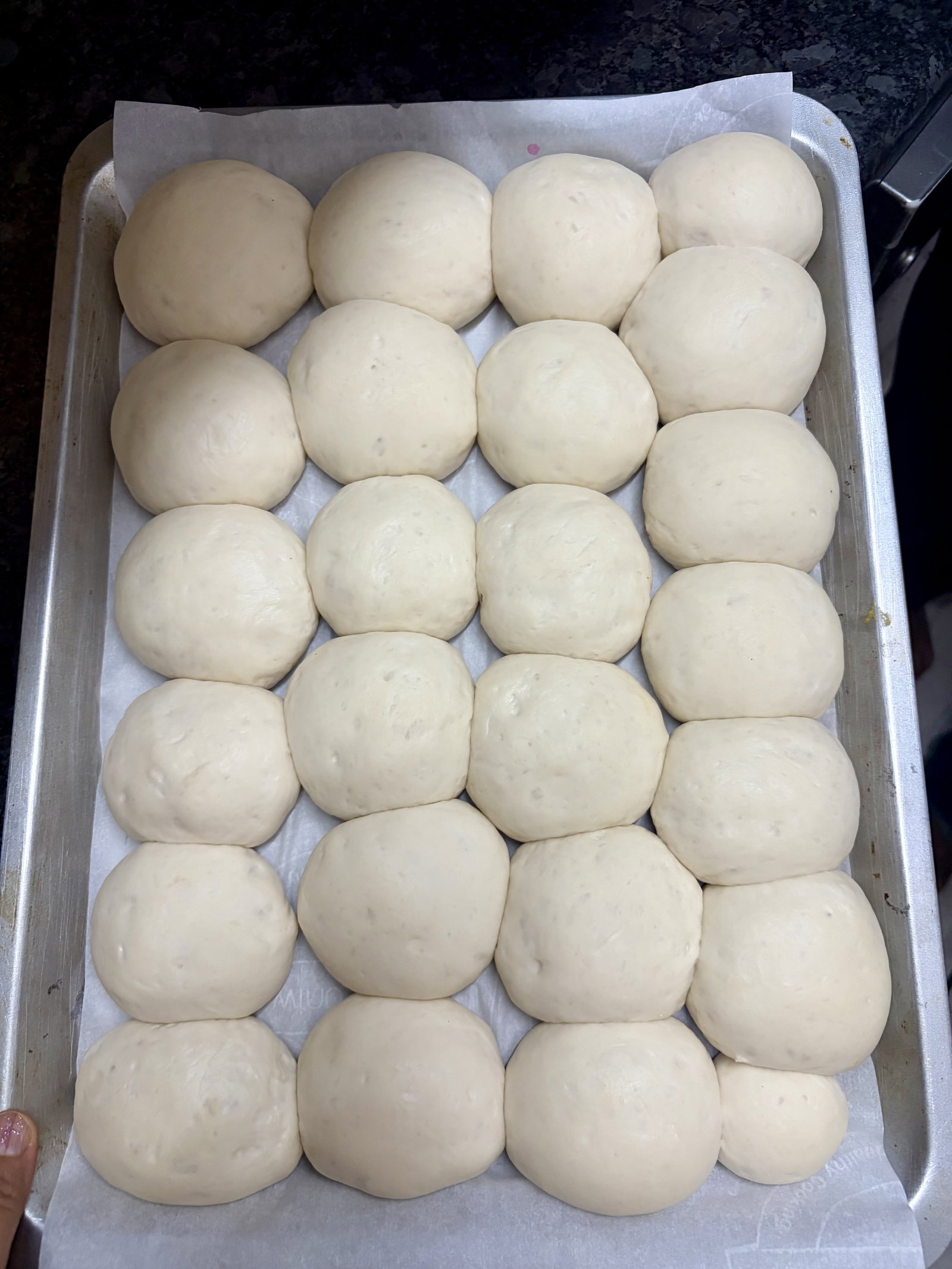
Preheat the oven to 200°C.
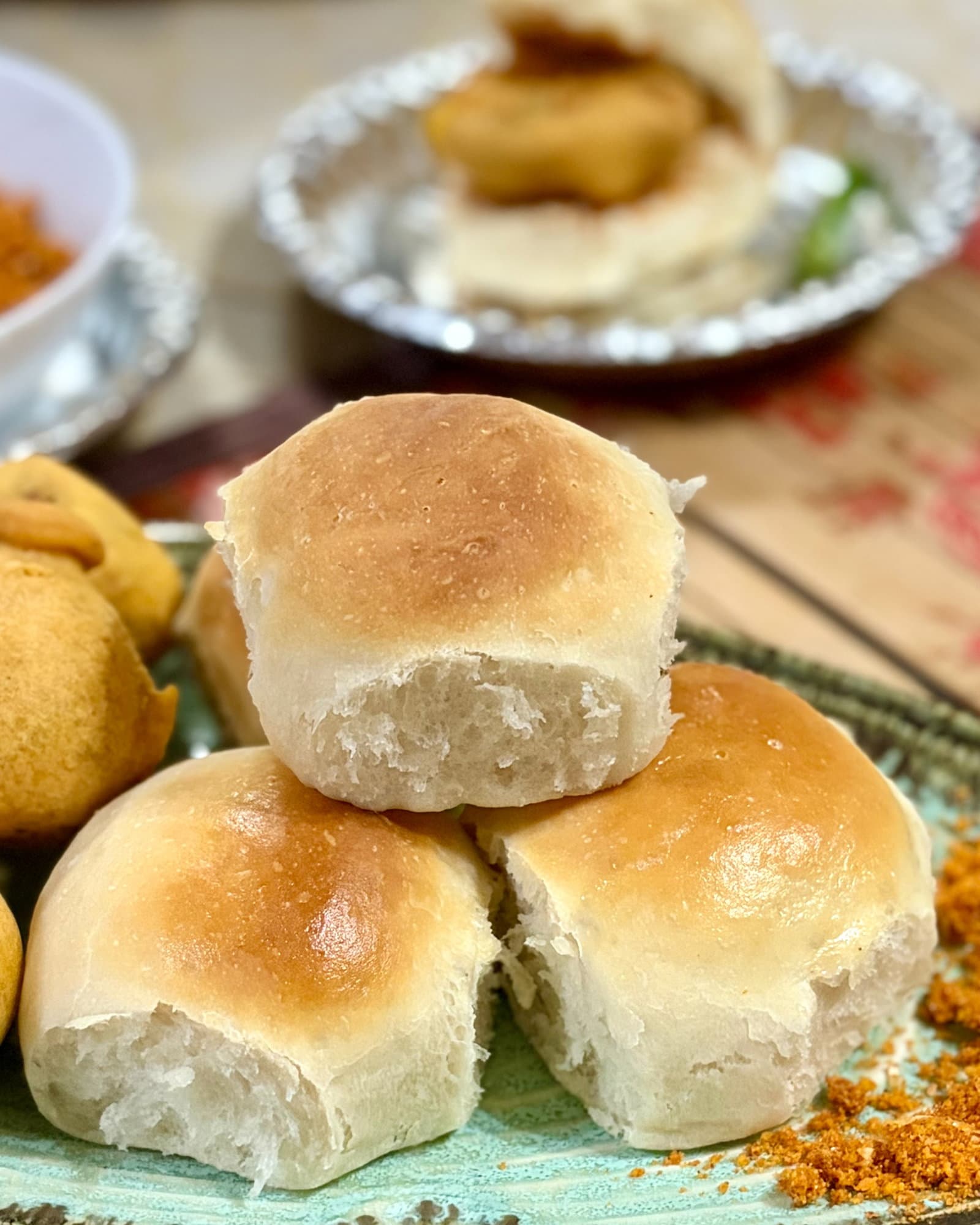
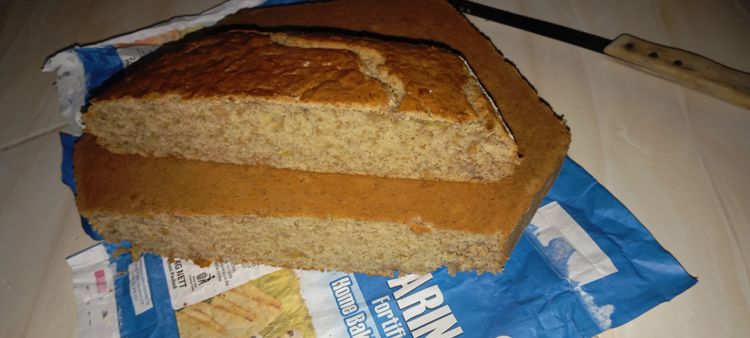
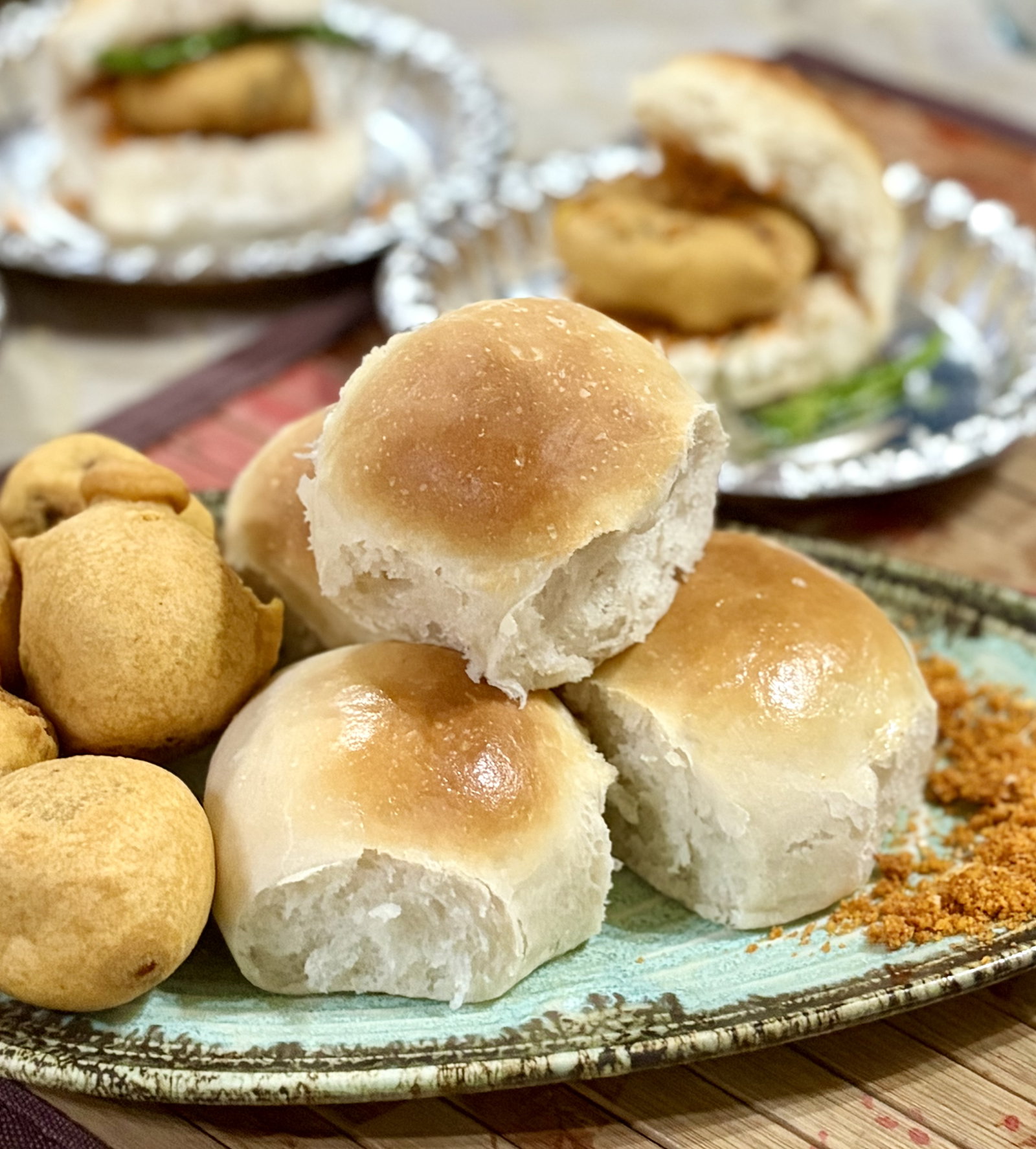
Bake the pavs for 25–30 minutes until the tops turn a beautiful, deep golden brown.
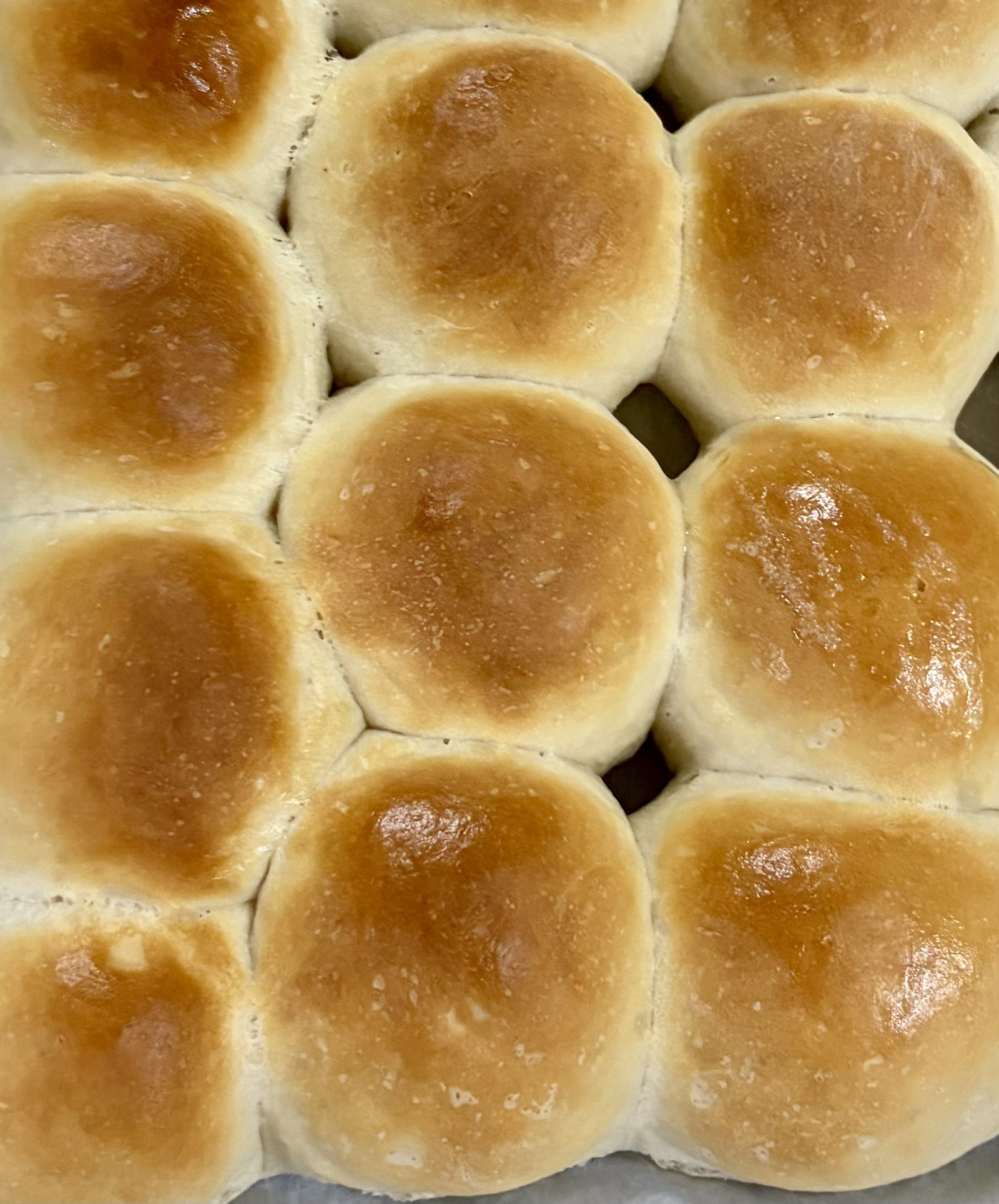
Remove the pavs from the oven and immediately brush the tops generously with melted butter for a soft, glossy finish.
Let them cool slightly before pulling them apart.
Want to keep this recipe for later? We can email it to you!
Can I use instant yeast instead of active dry yeast?
Yes. Skip the activation step and mix it straight into the flour. Use the same 2 tsp.
What if my dough doesn't rise?
Usually dead yeast or water that was too hot. Check the froth at the activation stage before committing the flour — that's your early warning.
Can I freeze the pav buns?
Yes, up to a month. Cool completely, wrap tightly, then thaw at room temperature and warm briefly before serving.
How do I make the pav buns vegan?
Use plant milk for the wash and vegan butter both in the dough and for brushing. Everything else is already plant-based.
Why are my pav buns dense instead of fluffy?
Under-kneading or a skipped second rise. Both are about gluten development and trapped air, and neither can be fixed after baking.
How long does this recipe actually take?
Around 2.5 to 3 hours, not the 45 minutes on the card. That figure covers active work only — the two rises add 90–120 minutes and the bake another 25–30.
What if I don't have an oven?
A heavy covered pot with salt or sand in the base, preheated 10–15 minutes, then baked on low for 30–35. The tops won't brown properly, so butter them generously afterwards.
How far ahead can I make these?
Give the dough its first rise in the fridge overnight — it slows fermentation and improves flavour. Baked pav keeps a day, or a month frozen.
Why did my pav turn out dry inside?
Over-baked, or the dough was too stiff. It should be soft and slightly sticky after kneading. Butter straight from the oven traps the steam still inside.
Can I use whole wheat flour instead of all-purpose?
Up to half works. Fully whole wheat gives a heavy roll, because the bran cuts the gluten strands you spent ten minutes building. Add a little extra water if you swap.