
Top 25 Sweetened Condensed Milk Recipes: Cakes, Flan, Fudge and More
Updated June 30, 2026 · Curated by Chefadora

Sweetened condensed milk recipes span an astonishing range for a single canned ingredient: silky flans, dense and moist cakes, quick fudge, Indian sweets, Brazilian classics and the creamy base for a dozen different ice creams and no-churn frozen treats. The link between all of them is the same tin: whole milk cooked down with sugar until thick, sweet and shelf-stable, with a caramel-forward flavour that enriches every recipe it touches.
What condensed milk does in baking is hard to replicate with separate sugar and milk. The concentrated milk proteins interact with the sugar during cooking in a way that creates a characteristic texture — richer than cream, more stable than butter, sweeter than either. In flan it sets into a smooth custard without much effort; in fudge it provides the exact sugar concentration needed to set without a thermometer; in cake batter it adds moisture that keeps crumb soft for days.
You will find four clusters: condensed milk cakes and bakes, flans and custard puddings, no-bake fudge and sweets, and homemade condensed milk recipes for when the tin runs out or when you want a dairy-free alternative. Every recipe links to full method on Chefadora, and the guides below cover the technique decisions — how condensed milk behaves in heat, how to make your own, how to use it as a substitute and how to store opened tins.
This is an ingredient-driven collection rather than a style-driven one. You might want a flan one week and a Brazilian fudge the next, or a mug cake on a Tuesday and a proper pound cake for the weekend. The range of what one tin can produce is genuinely surprising, and this page is built to show all of it in one place.
Condensed Milk Cakes & Bakes
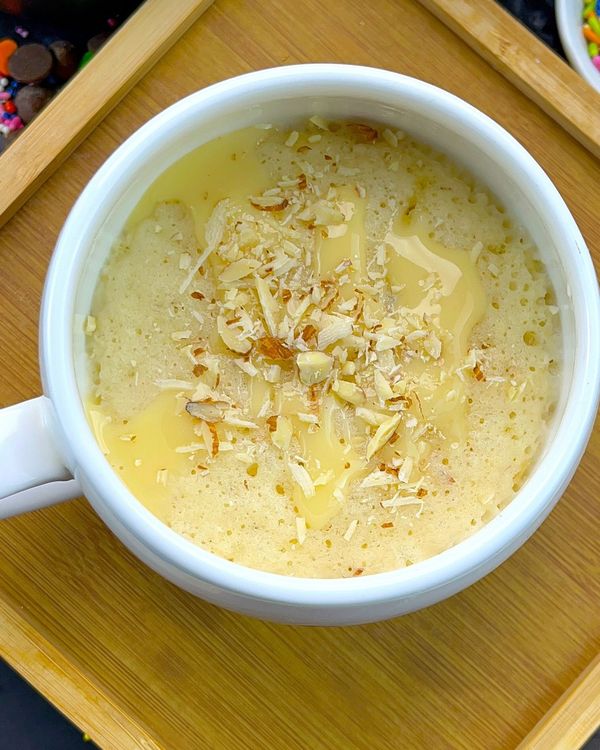
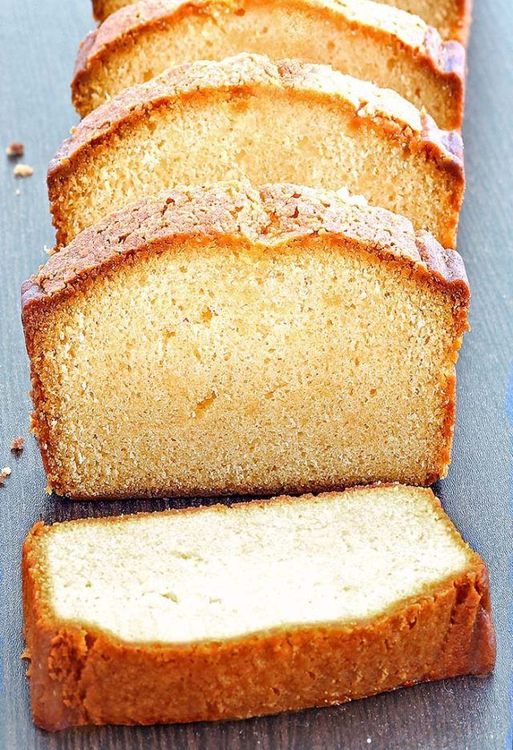
Condensed milk in a cake batter does several things at once that no other single ingredient can: it sweetens, it adds moisture, it contributes milk protein that improves crumb structure, and it has a slight caramel flavour from the processing that gives the finished cake a warmth beyond simple sweetness. The result is a cake that stays moist for longer than a standard butter cake, with a denser, more tender crumb that slices cleanly and keeps well for three to four days. Tres leches — a sponge soaked in a mixture of condensed, evaporated and whole milk — is the most famous example of condensed milk in cake form, and it illustrates the ingredient's main quality: it saturates a dry sponge without making it heavy or wet-tasting, because the sugar prevents the liquid from being absorbed in the way water or plain milk would be. Mug cakes made with condensed milk work well because the microwave heat caramelises the surface slightly, giving a golden exterior that compensates for the absence of oven browning. The main technique note is oven temperature: bake condensed milk cakes at 170–180°C rather than a hotter setting because the high sugar causes browning faster than a standard sponge. Standouts here include Tres Leches Cake and Tres Leches Cake, plus Condensed Milk Sponge Cake.


- Latin American
- Vegetarian
- Dessert
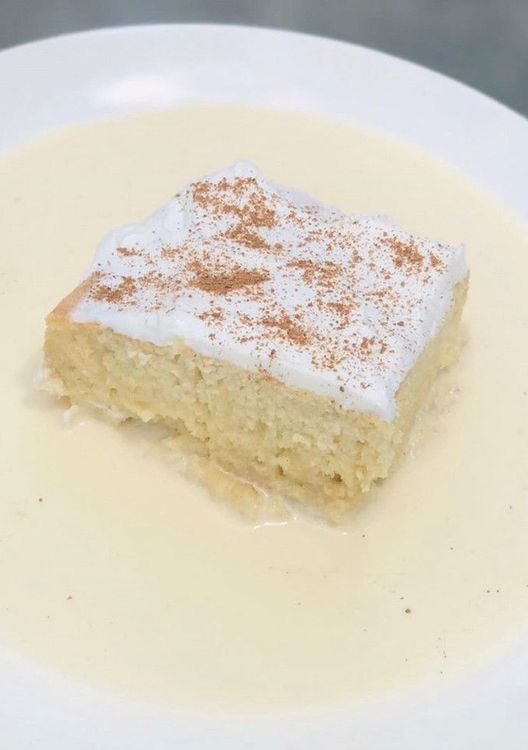

- Latin American
- Nut-Free
- Dessert
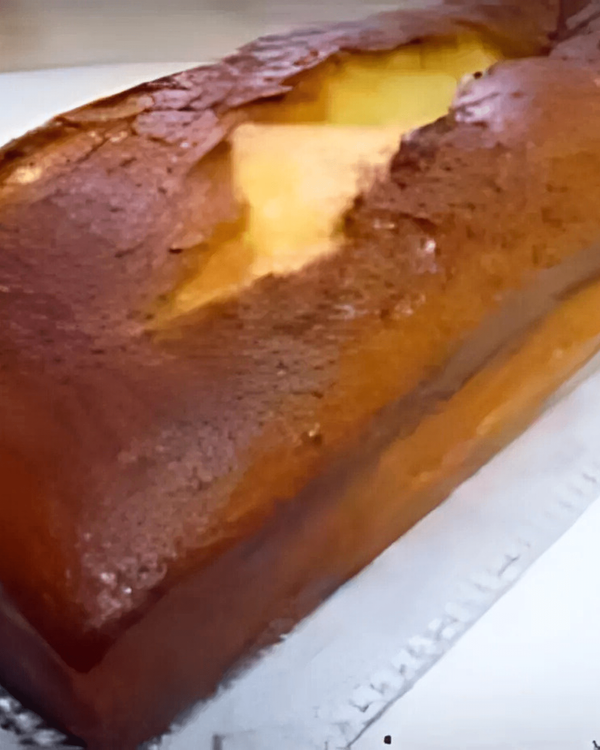
- Latin American
- Eggetarian
- Snack
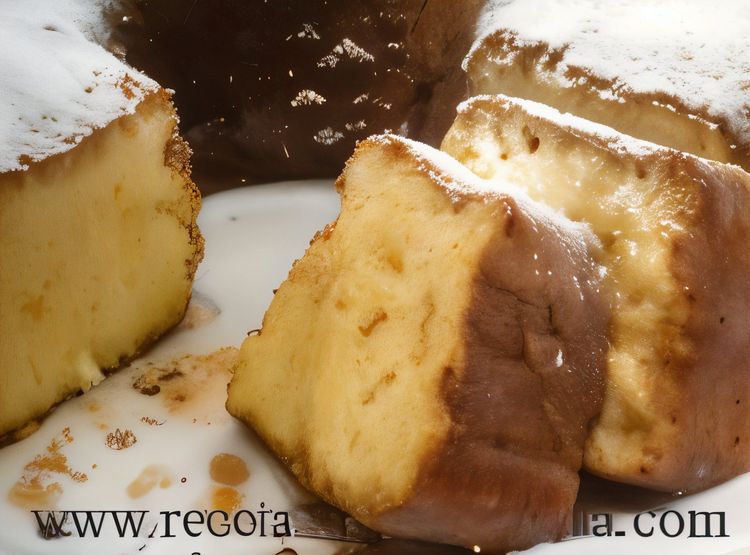
- Argentine
- Eggetarian
- Breakfast
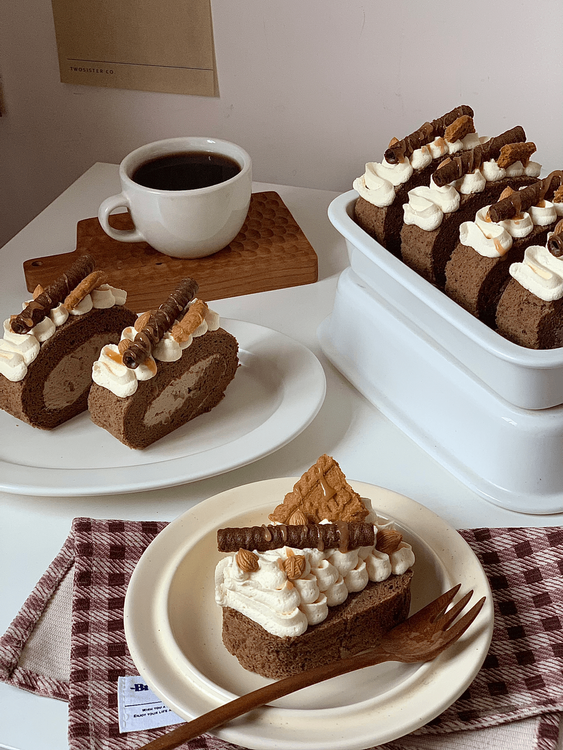

- French
- Eggetarian
- Dessert

- Global
- Vegetarian
- Snack

- International
- Eggetarian
- Dessert
- American
- Eggetarian
- Snack
Condensed Milk Flans, Puddings & Custards
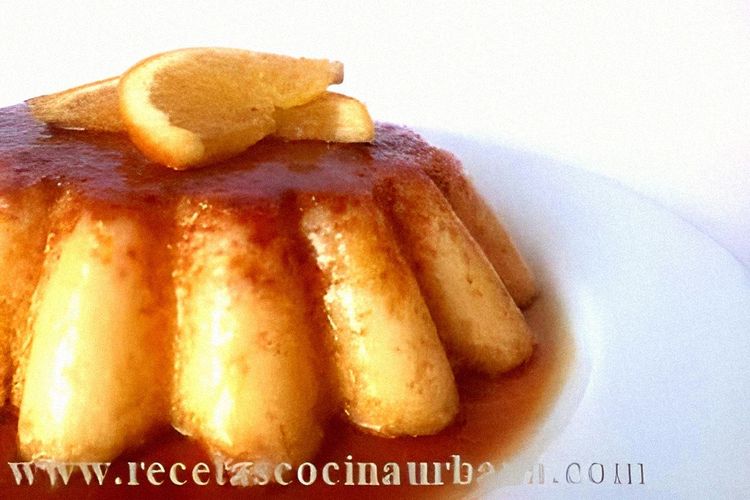
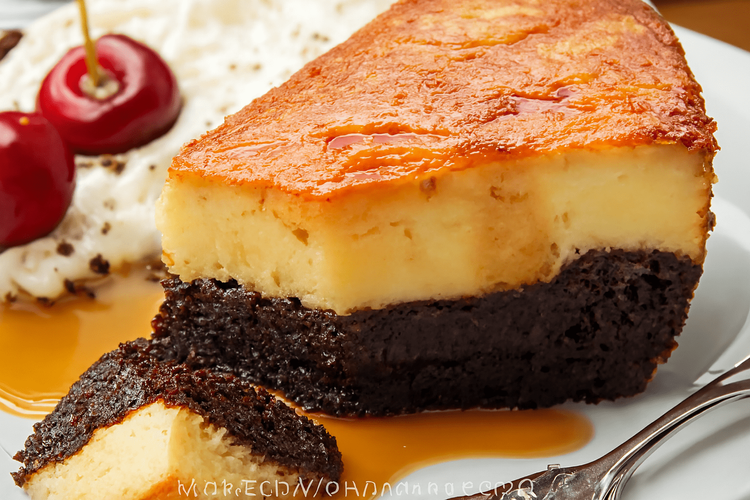
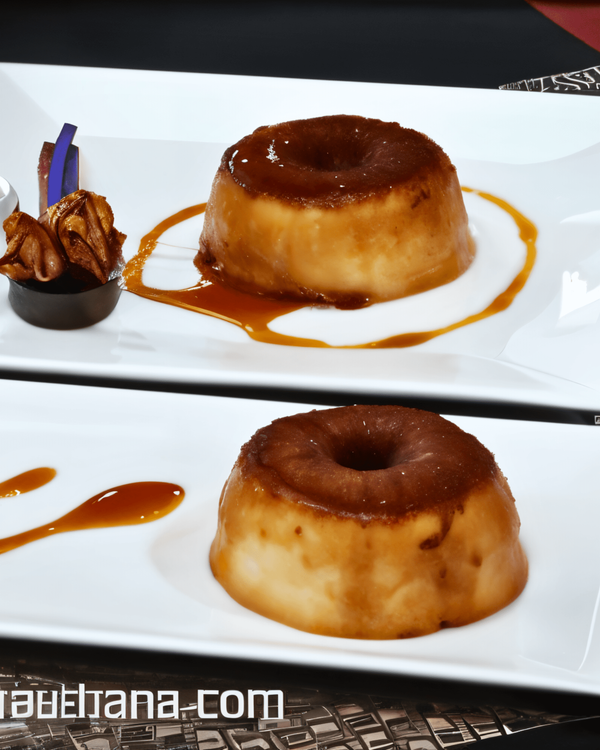
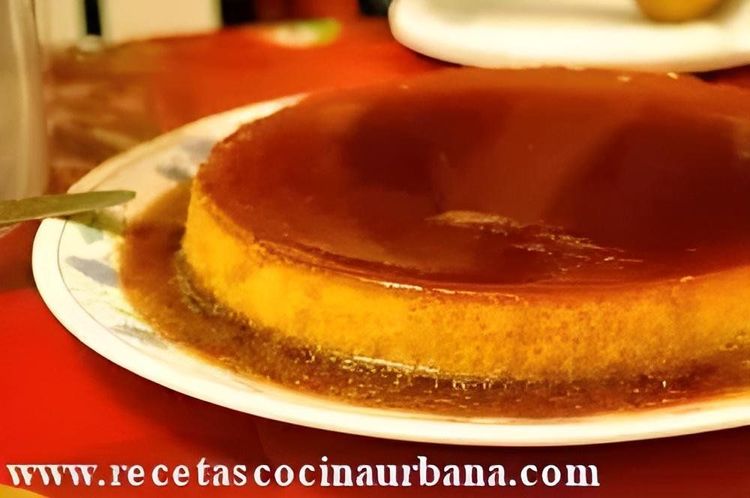
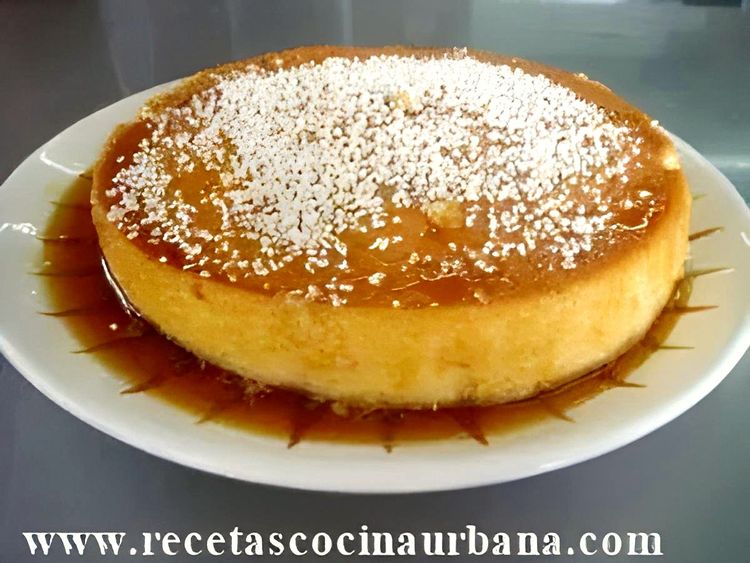
Flan is the definitive condensed milk dessert — smooth, set and silky with a caramel top that forms as the tin cooks in a water bath. The condensed milk provides both sweetness and the milk solids that allow the custard to set without excessive eggs. A standard flan uses three to four eggs, one tin of condensed milk and one equal measure of whole milk or evaporated milk — this ratio is consistent across dozens of regional variations from Mexican flan napolitano to Venezuelan quesillo to South American chocoflan. The technique that determines quality is the water bath: baked at too high a temperature without surrounding water, the eggs set unevenly and the texture becomes grainy and porous rather than smooth. The water moderates the heat and allows the flan to set gently from the outside in. Testing doneness is a jiggle test — a set flan wobbles slightly in the centre but does not ripple like liquid; it firms further as it cools. Always unmould cold, after at least four hours or overnight in the fridge, so the caramel has time to become fully liquid and pool properly around the base when inverted. Standouts here include Homemade Orange Flan with Condensed Milk and Cheese Chocoflan, plus Pumpkin Flan.
- Latin American
- Eggetarian
- Dessert
- Mexican
- Eggetarian
- Dessert
- International
- Eggetarian
- Dessert
- Mexican
- Eggetarian
- Dessert
- Mexican
- Eggetarian
- Dessert
Condensed Milk Fudge, Sweets & No-Bake Treats
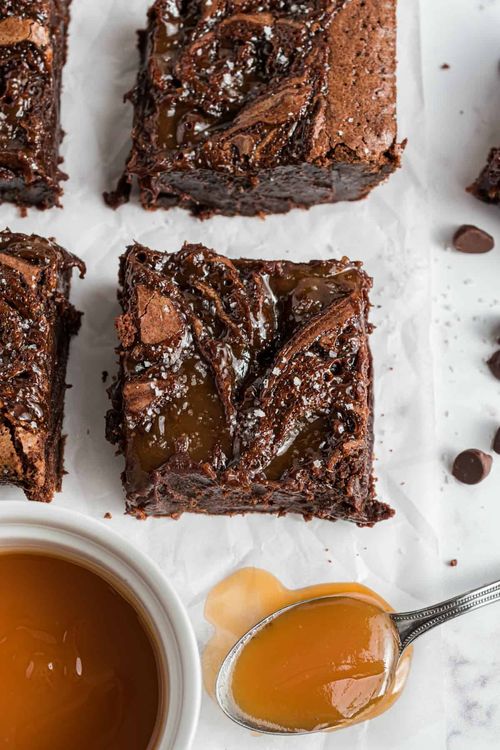
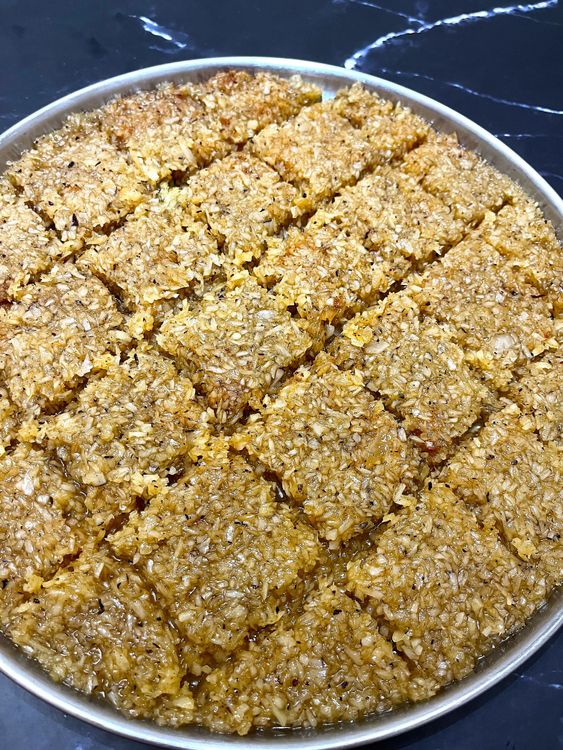
Condensed milk fudge is reliable in a way that standard fudge is not: because the sugar, milk fat and milk solids are already in the precise ratio needed to set, you do not need a thermometer and the risk of a grainy, crystallised result is much lower. The basic ratio is one tin of condensed milk cooked with a little butter over low heat until thick enough to hold a line when you drag a spoon through it — about ten to fifteen minutes. Flavour it with vanilla, chocolate, peanut butter or sea salt and pour into a lined tin to set for two hours. The result is a smooth, creamy fudge every time. Brazilian brigadeiros follow the same logic but add cocoa and are rolled into balls rather than poured flat. Indian burfi variations that use condensed milk instead of khoya work faster and produce a cleaner result because the condensed milk's sugar is already cooked. The main mistake in this cluster is cooking at too high a heat, which causes the mixture to catch on the bottom and taste scorched — medium-low heat and constant stirring for the full cooking time is the rule. Standouts here include Chocolate and Caramel Toffee and Besan Burfi with Milk Powder (No Khoya, No Condensed Milk), plus Brazilian Fudge.
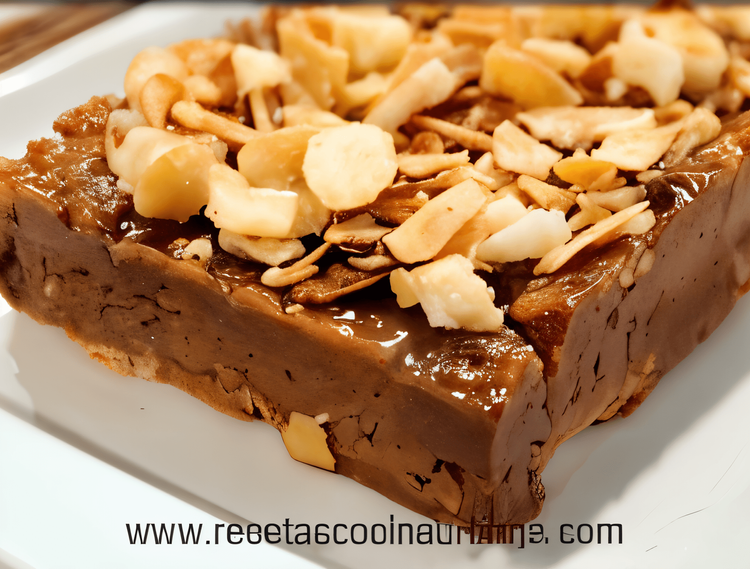
- International
- Vegetarian
- Dessert
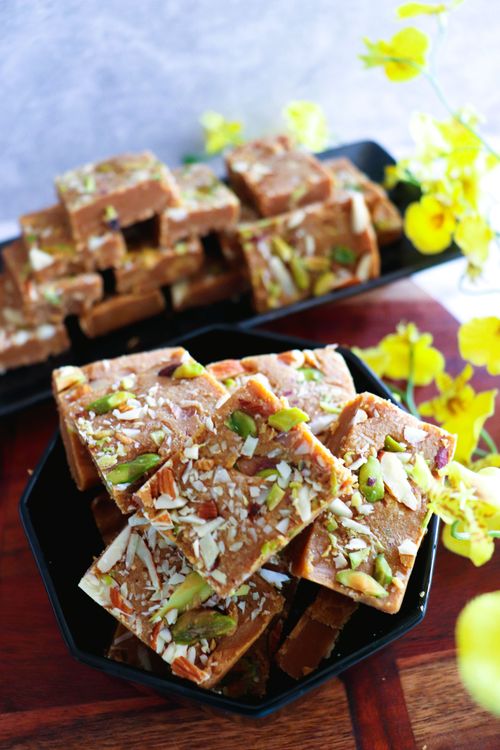

- Indian
- Vegetarian
- Dessert
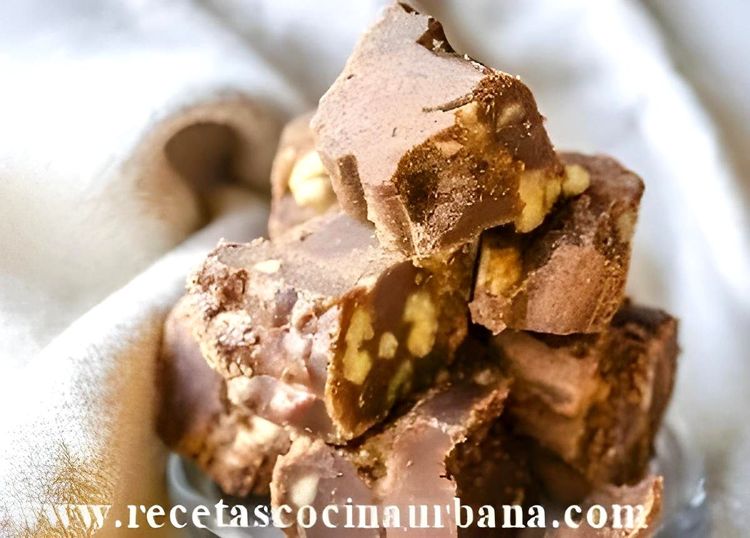
- Brazilian
- Vegetarian
- Snack
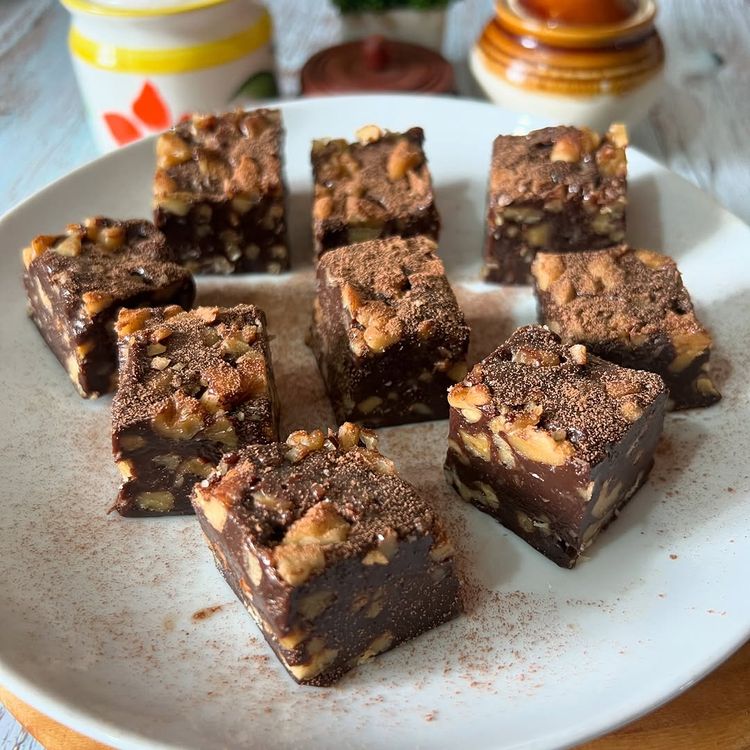
- American
- Vegetarian
- Snack
- Indian
- Vegetarian
- Snack
Homemade Condensed Milk
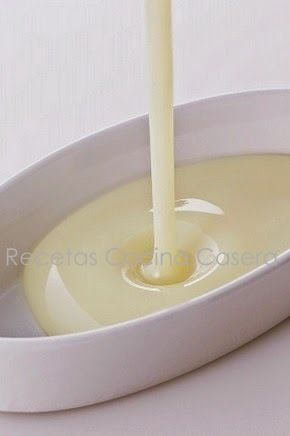
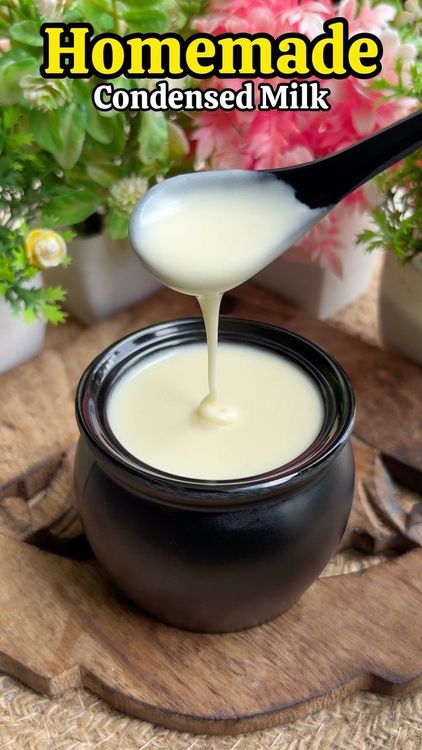
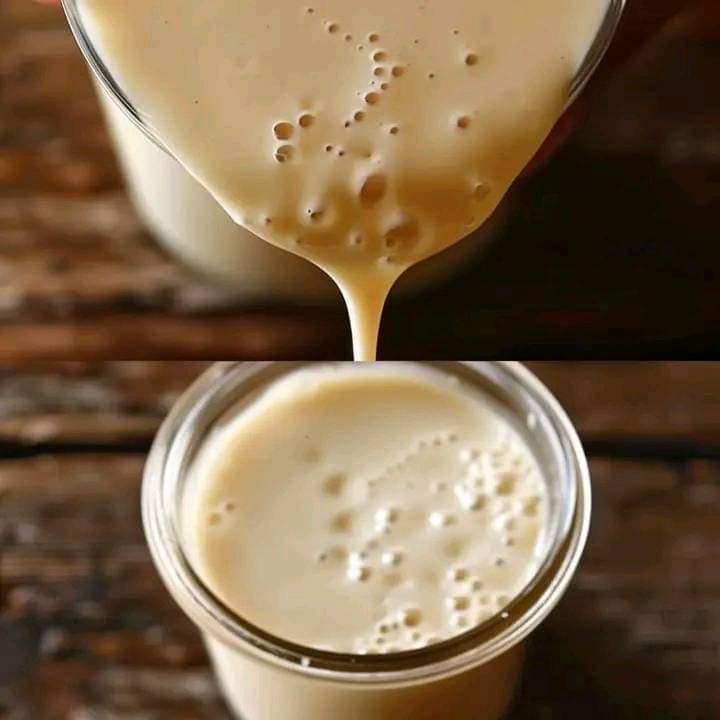
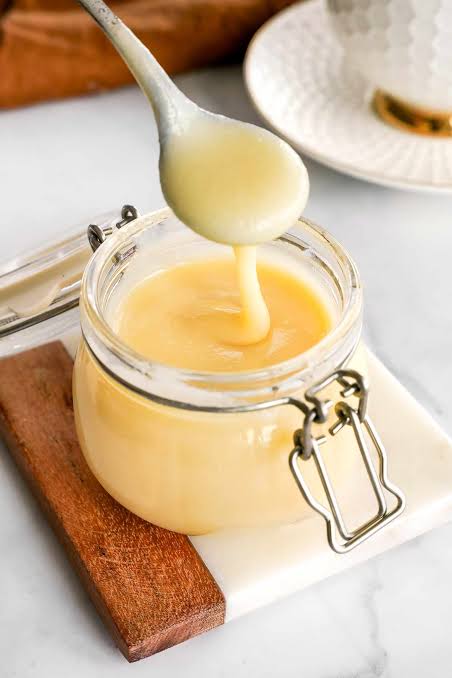
Homemade sweetened condensed milk is useful in two situations: when you run out mid-recipe and cannot get to a shop, and when you want a dairy-free version tailored to a specific recipe. The method is straightforward — whole milk and sugar reduced by half over low-medium heat — but the details matter. A heavy-bottomed pan prevents hot spots that cause scorching. Stirring every few minutes through the early stages, and more frequently as the mixture thickens, keeps the bottom clear. The finished consistency should coat a spoon thickly and drip slowly, not flow off it; it will thicken considerably more in the fridge. For coconut condensed milk, use full-fat tinned coconut milk — the higher fat content means it reduces faster and the result is richer, with a mild tropical flavour that is undetectable in most baked recipes. A few drops of vanilla extract stirred in at the end makes the homemade version taste more rounded than the plain reduction. Once cooled, use it in exactly the same quantities as the tinned version — the sugar and milk solid concentrations are comparable. Standouts here include Condensed Milk and Homemade Condensed Milk, plus Homemade Condensed Milk.
- American
- Vegetarian
- Dessert


- Indian
- Vegetarian
- Dessert

- Global
- Vegetarian
- Dessert
- American
- Vegetarian
- Dessert

- Global
- Vegetarian
- Sauce & Condiment


- International
- Vegetarian
- Sauce & Condiment
- Vegetarian
How Sweetened Condensed Milk Behaves in Baking
Sweetened condensed milk is already cooked — the milk has been heat-treated and concentrated — which means it behaves differently from fresh milk or cream in a recipe. It browns faster in the oven because it is high in sugar and milk solids, both of which darken readily with heat. This is a benefit in a caramel sauce or dulce de leche but can mean over-browning in cakes if the oven is too hot. Baking condensed milk recipes at a moderate 170–180°C / 340–350°F rather than a hot oven reduces this.
In flan and custard, condensed milk provides both the sweetener and much of the fat and protein that allow the custard to set. A standard flan ratio uses one tin of condensed milk with one tin of evaporated milk (or whole milk) and three to four eggs. The condensed milk makes the flan sweeter and more stable than an all-fresh-milk recipe. Do not try to substitute evaporated milk for condensed milk in flan — they behave completely differently and the result will not set correctly.
In no-bake fudge and sweets, condensed milk is the key ingredient because it already contains the right ratio of sugar to milk solids to set when combined with chocolate or cooked briefly on the stove. Brazilian brigadeiros and many Indian sweets rely on this property. The fat in condensed milk prevents crystallisation, giving a smooth, creamy fudge rather than a grainy one — which is why recipes that use condensed milk as the base rarely require a candy thermometer.
Making Condensed Milk at Home
Homemade sweetened condensed milk requires only two ingredients: full-fat milk and sugar. Combine 1 litre of whole milk with 200–250 g of sugar in a heavy-bottomed pan, bring to a gentle simmer and cook uncovered over low-medium heat for forty to fifty minutes, stirring regularly, until reduced by roughly half and thickened to a pourable syrup consistency. It will thicken further as it cools.
Stir more frequently as it thickens because the bottom scorches easily once enough water has evaporated. A silicone spatula that reaches the bottom corners is better than a wooden spoon for this. If you see any browning on the bottom, turn down the heat immediately — a slightly scorched condensed milk will taste burnt throughout. The finished condensed milk should coat a spoon and drip slowly, not pour freely.
For dairy-free condensed milk, coconut milk works well: use full-fat tinned coconut milk and follow the same reduction process. It takes slightly less time to thicken because coconut milk is already richer than dairy milk, and the finished product has a mild coconut flavour that works well in most dessert recipes. Oat milk can also be used but results in a thinner, less rich product that is better suited to drinks and light desserts than to fudge or flan.
Condensed Milk as a Substitute in Recipes
Condensed milk is not a direct substitute for fresh milk — it is much sweeter and much thicker. If a recipe calls for condensed milk and you only have evaporated milk, mix it with an equal volume of sugar and simmer briefly until the sugar dissolves. The result is close enough for most purposes. Conversely, if a recipe calls for evaporated milk you cannot substitute condensed milk without removing significant sugar from the recipe elsewhere.
In no-churn ice cream, condensed milk replaces both the sugar and the stabiliser in the base — the sugar concentration is high enough to keep the ice cream soft and scoopable without an ice cream maker. This is why condensed milk-based no-churn ice creams are so reliable: the ratio is essentially fixed at one tin of condensed milk to 500 ml of whipped cream. Any flavouring — cocoa powder, vanilla extract, instant coffee, fruit puree — can be folded in without adjusting the base.
In fudge and sweet recipes, condensed milk can often replace both the cream and the sugar in a standard recipe, streamlining the process. Add 200 g of dark chocolate to one tin of condensed milk heated over a bain-marie, stir until smooth and pour into a lined tin to set. After two hours in the fridge you have a smooth, dense chocolate fudge with nothing more than those two ingredients. This ratio — one tin to 200 g of chocolate — is one of the most useful things to memorise in sweet-making.
Storing and Using an Open Tin
An opened tin of condensed milk should be transferred to a clean sealed jar or airtight container — the tin can impart a metallic taste after the first twenty-four hours and is not food-safe for long-term storage once opened. In the fridge in a sealed container it keeps for up to two weeks without any quality loss. A film of clingfilm pressed onto the surface before sealing prevents a skin forming on top.
If you only used part of a tin, the remaining condensed milk is useful in coffee (it is the base for Vietnamese iced coffee), stirred into oatmeal instead of sugar and cream, drizzled over fruit, or used as a dip for fresh bread. It is stable enough at room temperature to sit on the counter for a day while you find other uses. Do not leave it in the tin, though — decant and cover.
Condensed milk can be frozen for up to three months in a sealed container with a little headroom for expansion. Thaw overnight in the fridge and stir well before using — it sometimes separates slightly when frozen and thawed, but a good stir brings it back. Frozen-then-thawed condensed milk works fine in baking, flan and fudge, though for coffee or drinks where the texture matters the fresh version is better.
Pro Tips from the Test Kitchen
- Transfer opened condensed milk to a clean sealed jar immediately — storing in the open tin can cause a metallic off-taste within twenty-four hours.
- Bake condensed milk cakes at 170–180°C / 340–350°F, not hotter — the high sugar content causes browning faster than a standard cake.
- For no-churn ice cream the ratio is fixed: one tin of condensed milk to 500 ml of whipped double cream. Any flavouring can be folded in without adjusting this base.
- For quick chocolate fudge, heat condensed milk gently, add 200 g of dark chocolate and stir until smooth — that is the entire recipe.
- Do not substitute evaporated milk for condensed milk in flan — they set completely differently and the result will not work.
- Stir homemade condensed milk more frequently as it thickens, and use a silicone spatula that reaches the bottom corners to prevent scorching.
- Press clingfilm directly onto the surface of leftover condensed milk before sealing to prevent a skin forming in the fridge.
- Coconut milk can replace dairy milk when making condensed milk from scratch — it reduces faster and has a mild flavour that works in most dessert recipes.
- A pinch of salt in condensed milk fudge or sweets sharpens the flavour and prevents the result from tasting one-dimensionally sweet.
- Condensed milk keeps frozen for up to three months — stir well after thawing as it may separate slightly.
Frequently Asked Questions
What can I make with sweetened condensed milk?
Flan, tres leches cake, no-churn ice cream, Brazilian fudge (brigadeiro), chocolate fudge, banoffee pie, key lime pie, Vietnamese iced coffee, condensed milk pound cake, Indian burfi, toffee sauce and dulce de leche (by cooking the tin). It is one of the most versatile ingredients in the sweet kitchen precisely because it provides both sweetness and rich body in a single ingredient.
What is the difference between condensed milk and evaporated milk?
Both are reduced, concentrated milks, but condensed milk has sugar added before reduction — roughly 40–45% sugar by weight — while evaporated milk has no added sugar and is much less sweet. They cannot be directly substituted for each other in most recipes because condensed milk is both sweeter and thicker. In flan, only condensed milk gives the right set; in a cream sauce, only evaporated milk works without sweetening the dish.
How do you make dulce de leche from condensed milk?
Submerge an unopened tin in a pot of simmering water for two to three hours, keeping the tin fully covered at all times. Let it cool completely before opening. Alternatively, pour condensed milk into a baking dish, cover with foil and bake in a water bath at 200°C for ninety minutes. Or cook in a heavy pan over medium-low heat, stirring regularly, for about an hour until deep golden and very thick.
Can I make condensed milk at home?
Yes. Simmer 1 litre of whole milk with 200–250 g of sugar over medium-low heat for forty to fifty minutes, stirring regularly, until reduced by half and thickened to a syrupy consistency. It will thicken further on cooling. The homemade version tastes fresher and less caramelised than the tin, but works in all the same recipes. For dairy-free, reduce full-fat coconut milk with sugar the same way.
How long does an opened tin of condensed milk last?
Transferred to a clean sealed jar and refrigerated, condensed milk keeps well for up to two weeks. Do not store it in the open tin once opened — decant immediately. Press clingfilm onto the surface before sealing to prevent a skin. If you cannot use it within two weeks, freeze it for up to three months in a container with a little headroom for expansion.
Is sweetened condensed milk the same as cream?
No — condensed milk is made from whole milk (not cream) and is high in sugar, whereas cream has no added sugar and a much higher fat content. They behave differently in cooking: cream whips, condensed milk does not; condensed milk sets into fudge and flan, cream does not. In no-churn ice cream they work together — the cream provides fat and structure, the condensed milk provides sweetness and prevents a rock-solid freeze.
Can I use condensed milk instead of sugar in recipes?
In recipes where condensed milk is the primary sweetener and liquid, yes — many cake and pudding recipes are designed around it. In recipes that call for dry sugar (most cookies, puff pastry, meringue), you cannot make a direct substitution because condensed milk also adds liquid, fat and milk solids. It works better as a replacement when the recipe also includes eggs and a raising agent that can accommodate the extra liquid.
What is the best condensed milk brand to buy?
Most major supermarket brands work reliably for baking. For making dulce de leche or flan where the condensed milk flavour is central, look for a brand with a higher milk solids percentage (usually stated on the label). Carnation is widely available and consistent. Some Latin American brands have a richer, more caramel-forward flavour from a different reduction process — worth seeking out if you cook a lot of South American desserts.
Why did my flan not set properly?
The most common cause is insufficient eggs or too much liquid in the ratio. A standard flan uses three to four eggs per tin of condensed milk plus one tin (measure) of evaporated milk or whole milk. It also needs to cook in a water bath at a steady moderate temperature — too hot and the edges overcook while the centre stays liquid, and the texture turns grainy. Check doneness by jiggling: the edges should be set with a slight wobble in the very centre, which firms as it cools.
Can condensed milk be used in savoury dishes?
Occasionally. Vietnamese recipes sometimes use condensed milk in braised pork or sauces where sweetness is part of the profile. Thai iced tea uses it as a sweetener and creamier. Some Asian bread and pastry glazes include it. But because it is very sweet and very rich, it is almost exclusively a dessert and sweet-drink ingredient in Western cooking. Any savoury use should be restrained — think of it as a sweet condiment rather than a cooking liquid.
The range of what one tin of sweetened condensed milk can produce — from a silky flan to a three-ingredient chocolate fudge, from a moist pound cake to a smooth no-churn ice cream — makes it one of the most useful things in the pantry. The recipes here map that full range, and the guides cover the technique details that make each category reliable.
Pick two or three from different clusters and make them this week. A flan and a batch of fudge give you dessert for days from a single tin. Save your favourites to a Chefadora cookbook and return to this page whenever a tin appears in the shopping basket and you are not sure what to do with it.
Related
- Condensed Milk
- Flan
- Fudge
- Baking
- Dessert
- No-Bake
- Latin American
Popular Searches
- Best sweetened condensed milk recipes
- Easy sweetened condensed milk recipes
- Quick sweetened condensed milk recipes
- Healthy sweetened condensed milk recipes
- Simple sweetened condensed milk recipes
- Homemade sweetened condensed milk recipes
- Delicious sweetened condensed milk recipes
- Popular sweetened condensed milk recipes
- condensed milk desserts
- recipes with condensed milk
- condensed milk treats
Marnirni-apinthi Building, Lot Fourteen,
North Terrace, Adelaide, South Australia, 5000
Australia
