
Top 25 Cauliflower Recipes: Curries, Roasts, Rice and Snacks
Updated June 24, 2026 · Curated by Chefadora
Cauliflower recipes show off one of the most adaptable vegetables in the kitchen — mild, sturdy and happy in almost any cuisine. The collection below runs the full range, from spiced Indian gobi curries and aloo gobi to deeply roasted and crispy fried florets, light cauliflower rice and creamy soups, and crowd-pleasing pakoras, salads and snacks. One humble head of cauliflower stretches from a comforting weeknight sabzi to a low-carb main without ever feeling repetitive.
What decides whether cauliflower turns out nutty and golden or pale and watery is mostly heat and moisture. Cauliflower is full of water, so it steams and goes soggy when crowded, but give it dry, high heat with room to breathe and it caramelises into something sweet and savoury. Cutting florets to an even size means they cook at the same rate, and drying them well before roasting or frying is the single biggest trick for genuine crispness rather than a limp, grey result.
You will find the collection grouped into clusters — cauliflower curries and sabzi, roasted and crispy cauliflower, cauliflower rice, soups and mains, and cauliflower snacks and salads. Standout dishes range from a classic Aloo Gobi and Cauliflower Curry to crackling Gobi Manchurian, fluffy Cauliflower Rice and crisp Gobi Pakora, each built on the fundamentals the guides below lay out.
Treat this as a working reference. Each recipe links to full ingredients and steps on Chefadora, and the guides below cover what actually decides whether cauliflower turns out golden or soggy, tender or mushy — choosing and prepping a good head, roasting and frying it genuinely crisp, and cooking it so curries, rice and soups all turn out exactly right.
Cauliflower Curries & Sabzi
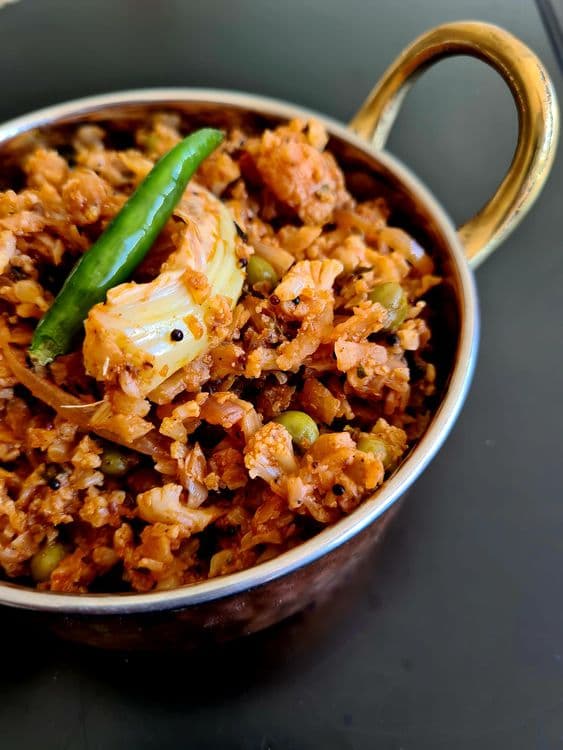
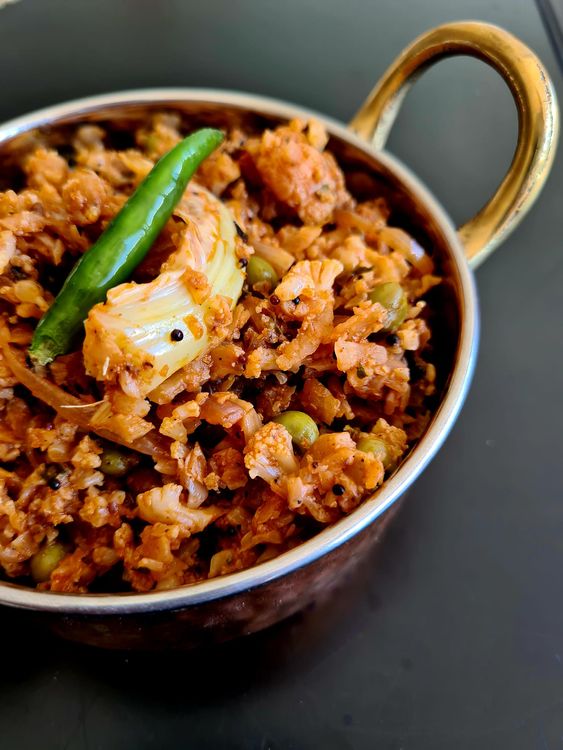
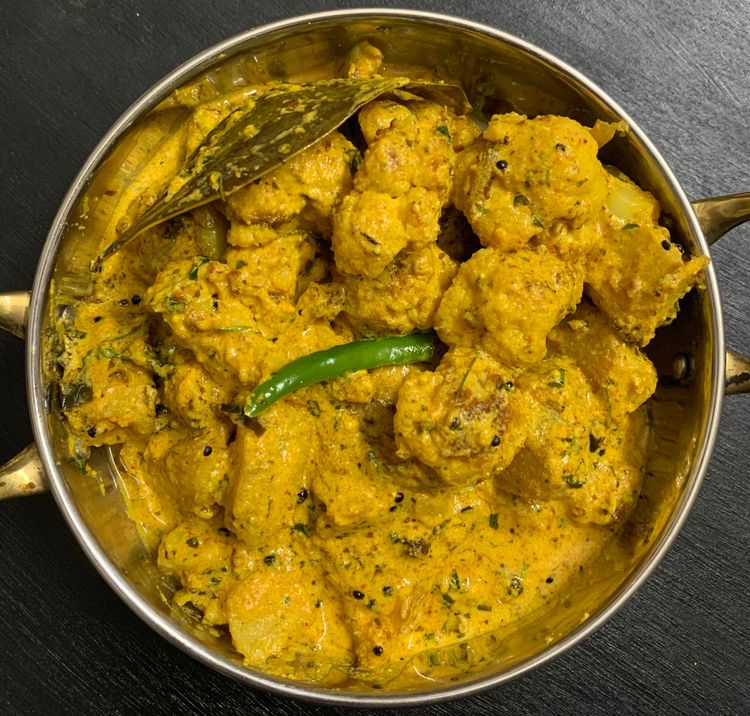
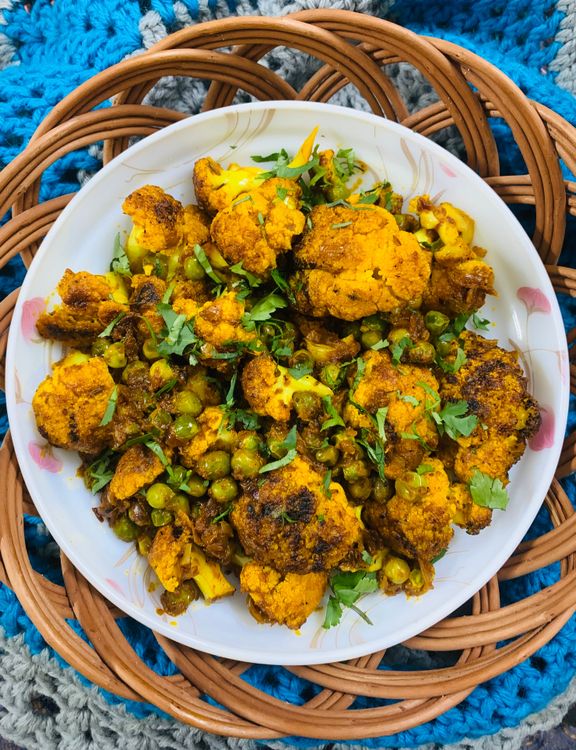
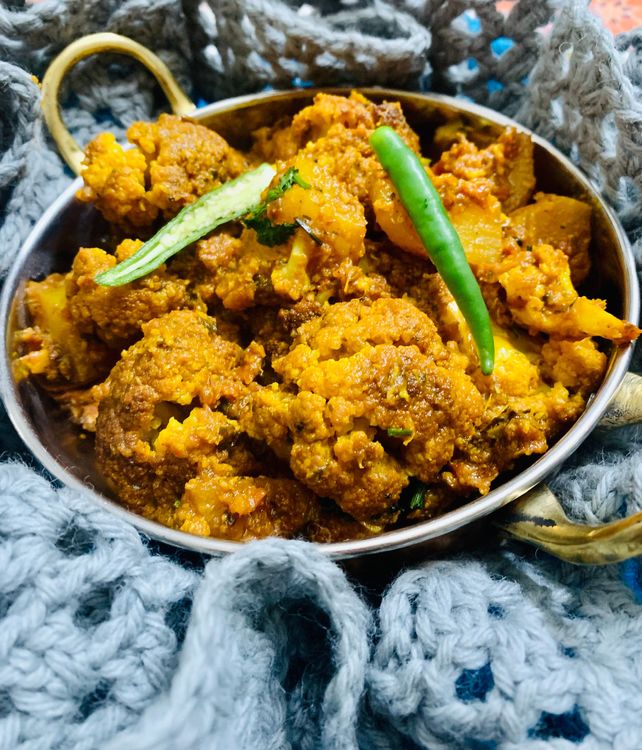
Cauliflower curries and sabzi are the everyday backbone of cooking with this vegetable, and getting them right is mostly about building flavour before the florets ever go in. Heat your fat and bloom whole spices — cumin, mustard seed, maybe a dried chilli — until they crackle and smell toasted, then cook down onions, ginger, garlic and tomatoes into a proper base where the oil glistens at the edges. Only then add even-sized florets, turn them through the masala, and let them cook gently until just tender. The single most common mistake is boiling cauliflower hard or for too long, which turns it to grey mush and brings out a strong sulphurous smell; keep the simmer low and pull the pan the moment a knife slips in with a little resistance. In aloo gobi, give the potato a head start so it finishes alongside the quicker-cooking cauliflower rather than staying raw. From a dry, turmeric-yellow sabzi to a creamy korma or a tomato-rich gravy, the spice route changes but the rhythm holds: bloom, build, then add the cauliflower last and treat it gently. Standouts here include Minced Cauliflower (Gobi Keema) and Tangy Curd Spiced Cauliflower (Masaledar Dahi Gobi), plus Gobi Masala.

- Indian
- Vegan
- Lunch
- Indian
- Vegetarian
- Lunch
- Indian
- Vegan
- Lunch
- Indian
- Vegan
- Lunch

- Indian
- Vegetarian
- Appetiser
Roasted & Crispy Cauliflower
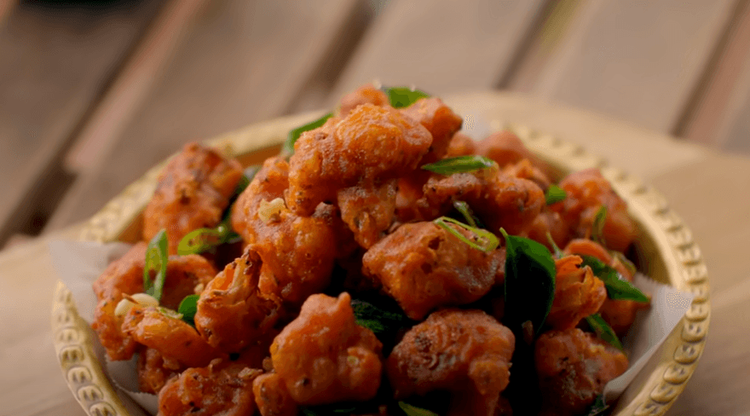
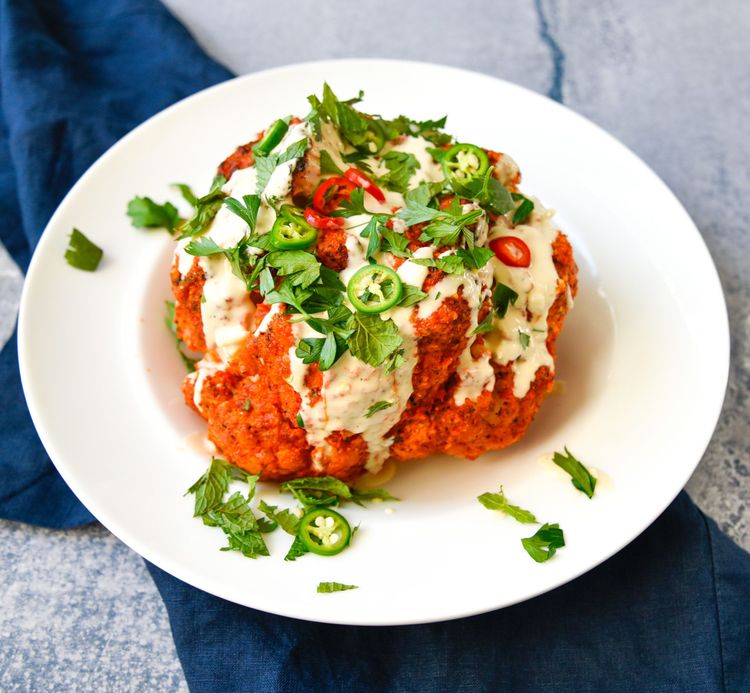
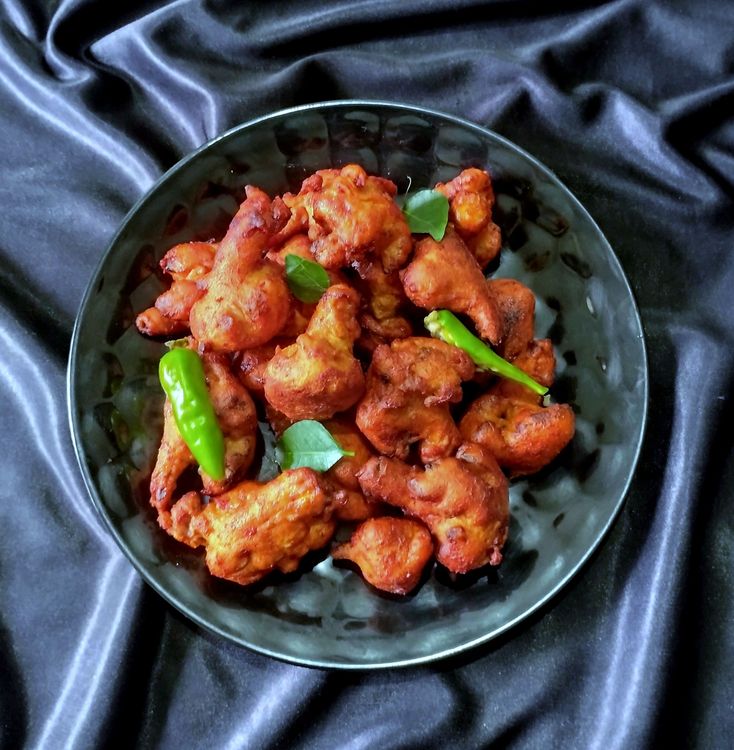
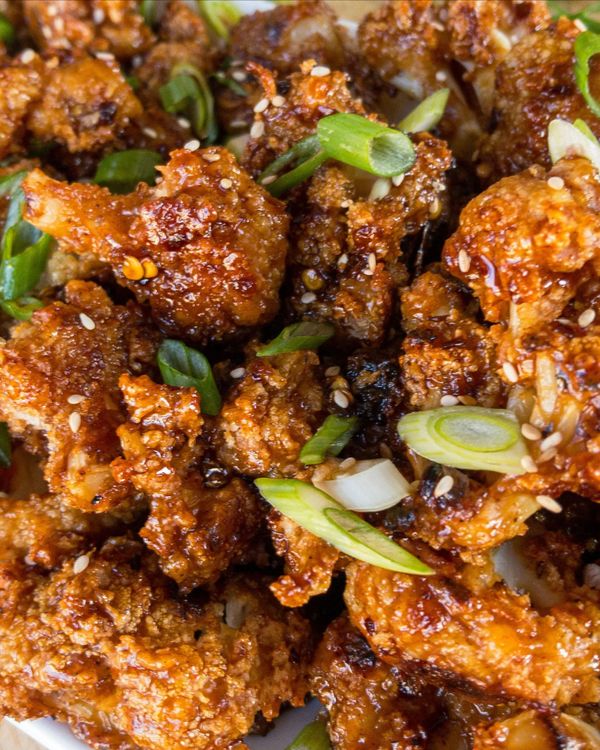
Roasted and crispy cauliflower is where this mild vegetable turns genuinely exciting, because dry, high heat caramelises its natural sugars into something nutty, sweet and savoury all at once. The whole game is moisture and space. Dry the florets thoroughly after washing, toss them in enough oil to coat with salt and spice, and spread them on a hot tray in a single layer with room between each piece — crowd them and they steam pale and limp, give them space cut-side down and they brown into golden, crackling edges. Roast hot, around 220C/425F, and leave them undisturbed so a crust forms before you turn them. For deep-fried styles like gobi 65 and Manchurian, a coating of cornflour with a little rice flour or besan fries far crisper than plain flour; keep the oil steady around 175C/350F and fry in small batches so it never cools. The trick with saucy fried dishes is to keep the florets crisp by tossing them through the sauce at the very last second. A light dusting of cornflour before roasting borrows the fried trick and makes oven cauliflower crunchier still. Standouts here include Buffalo Cauliflower and Buffalo Cauliflower Bites, plus Gopi 65 / Cauliflower 65.
- American
- Vegetarian
- Appetiser
- Indian
- Vegan
- Appetiser
- Asian
- Vegetarian
- Appetiser
- Asian
- Eggetarian
- Lunch
Cauliflower Rice, Soups & Mains
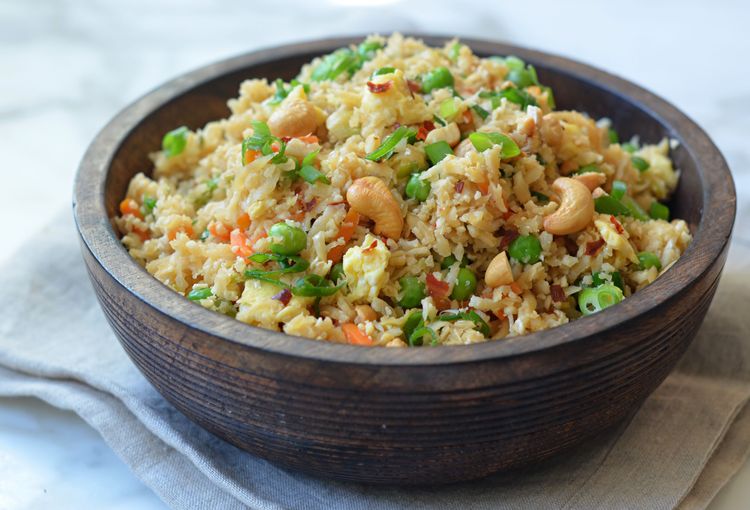
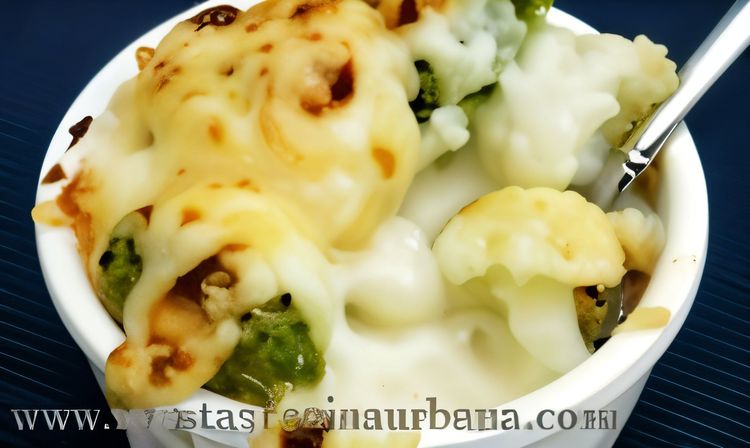
When cauliflower stops being a side and becomes the meal, you get some of the lightest, most satisfying cooking around — riced into a low-carb base, blended into a silky soup, or baked golden under cheese. For cauliflower rice, pulse raw florets to rice-sized grains and stop before they turn to paste, then cook them fast in a hot, lightly oiled pan for just a few minutes; the key to fluffy, separate grains is keeping them dry, so leave the pan uncovered rather than trapping steam that turns them soggy. For soups, cauliflower blends to a naturally creamy purée that needs barely any actual cream — simmer the florets in stock until completely soft, then blend smooth, and roast them first if you want a deeper, toasty note. For gratins and cheesy bakes, blanch or roast the florets before they go under the sauce so they finish meltingly tender, and keep the assembly saucy enough that nothing dries out. Thick cauliflower steaks, roasted whole heads and casseroles all belong here too. Across all of them, the move is to coax out flavour with heat and seasoning so a humble vegetable carries the whole plate. Standouts here include Baked Gratinated Cauliflower and Cauliflower Mash, plus Creamy Cauliflower Soup.
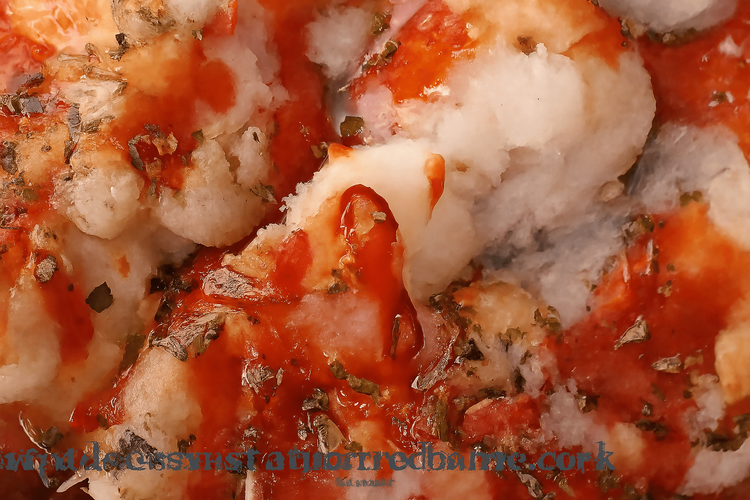
- International
- Vegetarian
- Lunch
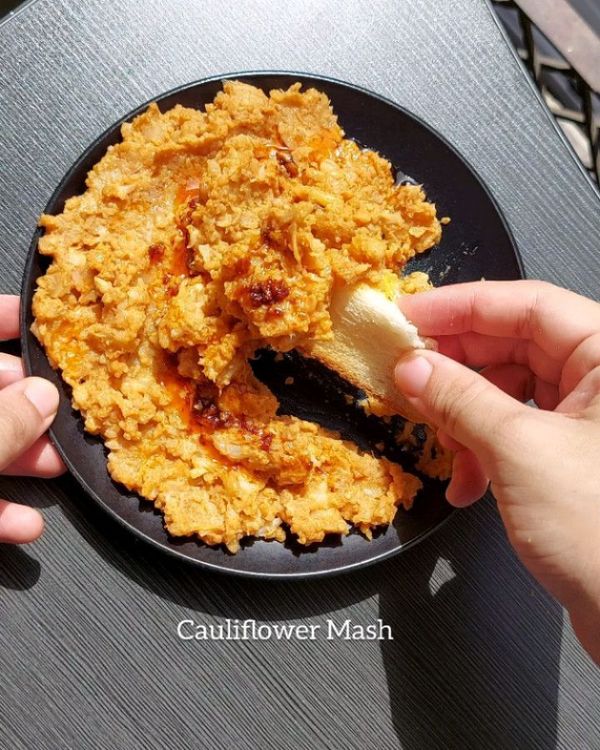

- Indian
- Vegan
- Snack


- Vegetarian
- Soup
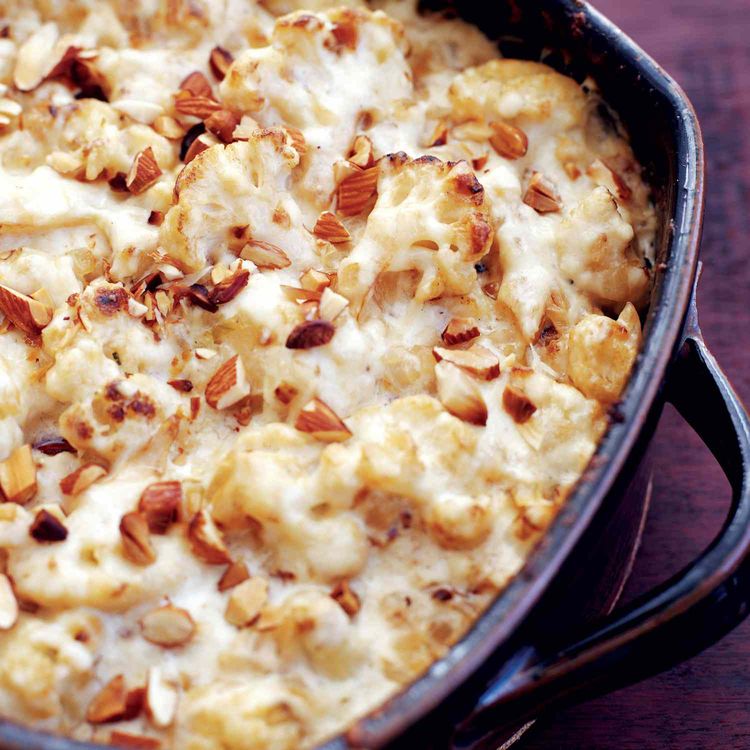
- Spanish
- Vegetarian
- Dinner
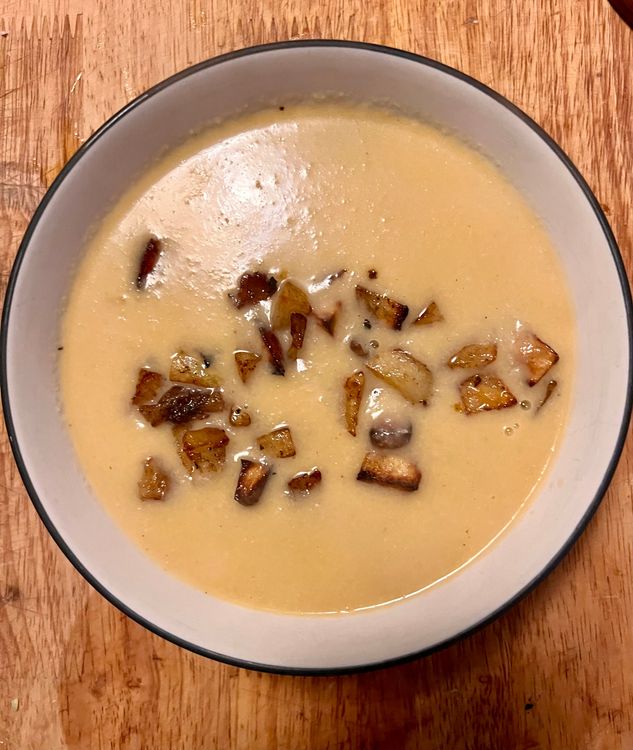

- Vegan
- Lunch
Cauliflower Snacks & Salads
Cauliflower snacks and salads prove how well this vegetable takes both a hot, crisp coating and a cool, bright dressing. On the snack side, pakoras, fritters, cutlets and nuggets all rely on a batter or crumb thick enough to cling rather than slide off — a besan or cornflour-based mix, well seasoned, fried in hot steady oil around 175C/350F in small batches so the temperature holds and the coating crisps instead of going greasy. Blanch the florets briefly first if you want a softer centre, or go in raw for more bite. On the salad side, raw cauliflower can be harsh and chalky, so most cauliflower salads taste far better when the florets are blanched for a minute or roasted until just tender first, which sweetens them and softens that raw edge before they meet a dressing. Dress sturdy roasted cauliflower while it is still warm so it drinks in the flavours, and keep crunchy toppings — nuts, seeds, fried bits — separate until serving so they stay crisp. Whether hot from the oil or cool in a bowl, the same rule applies: give the cauliflower a head start with heat, then let the coating or dressing do the rest. Standouts here include Cauliflower Fritters with Pea Sauce and Cauliflower Fritters, plus Blueberry Cauliflower Salad.
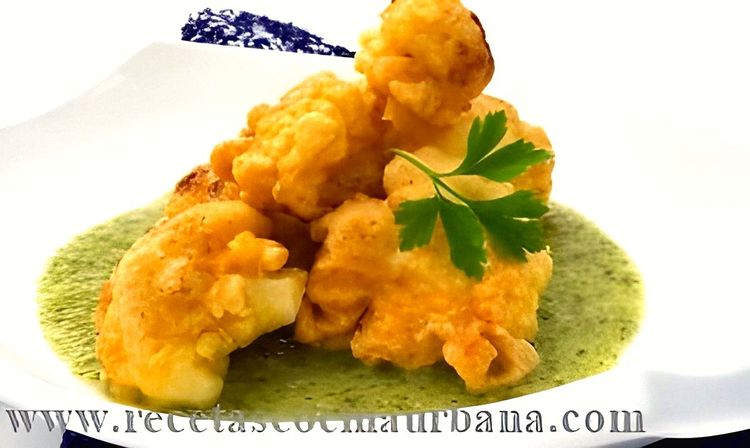
- International
- Eggetarian
- Dinner

- Indian
- Vegetarian
- Breakfast


- Fusion
- Vegetarian
- Salad

- Indian
- Vegetarian
- Breakfast
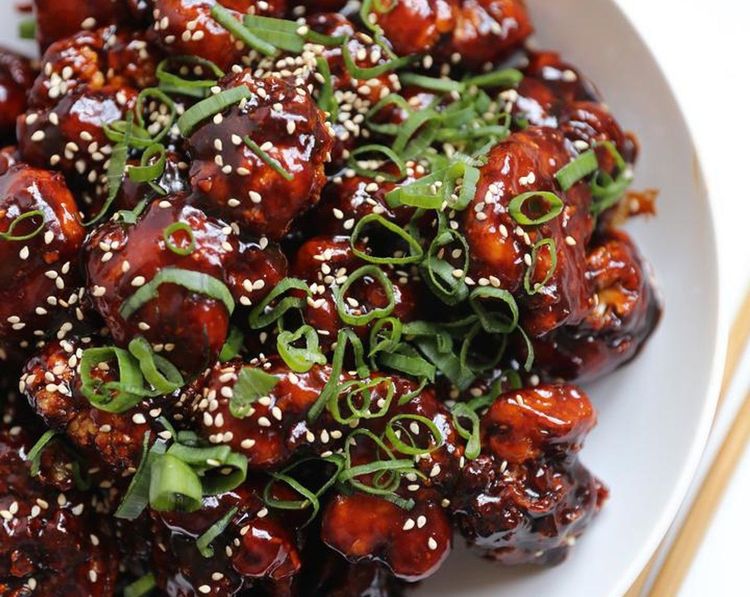
- Korean
- Vegetarian
- Appetiser
More Cauliflower Favourites
A few cauliflower dishes never quite fit a single bucket, and these are the ones worth keeping in your back pocket once the staples feel routine. They lean on the same handful of techniques you already know — a confident roast, a gently built gravy, a crisp fry, a quick blanch — but steer them toward different textures and flavour profiles, so cauliflower never tastes the same twice. Choosing your next one is mostly about matching effort to mood: reach for a quick roast or a fast riced dish on a busy night when you want flavour in twenty minutes, and save the layered bakes, stuffed preparations and multi-step fried-then-sauced numbers for a weekend when you can let things take their time. Pay attention to how you cut the cauliflower, too, since smaller florets brown and cook faster while thick steaks and whole roasted heads stay custardy in the middle. Across every one of them the fundamentals carry through — dry the florets well, use enough heat, give them room, and do not overcook — so even the more unexpected dishes turn out golden, tender and full of flavour. Think of this group as the natural next step after the classics. Standouts here include Sweet Chilli Cauliflower and Cauliflower/Gobhi Sukka, plus Cauliflower with Béchamel Sauce.
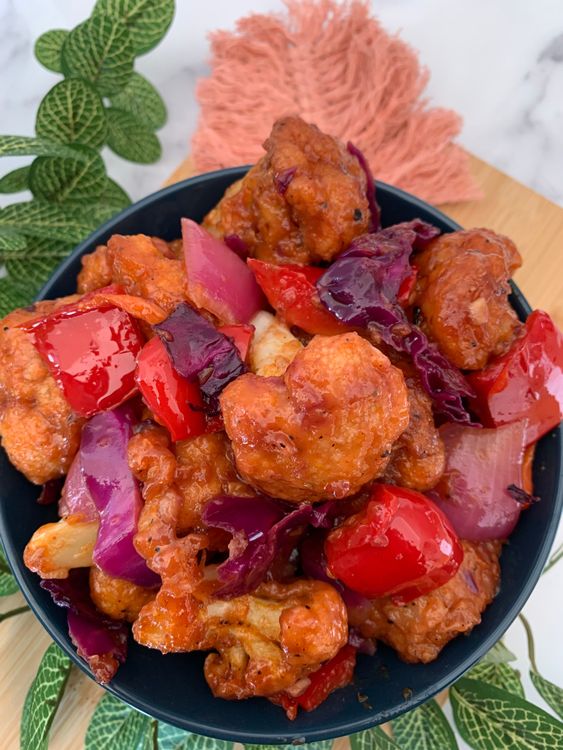
- Indian
- Vegetarian
- Lunch
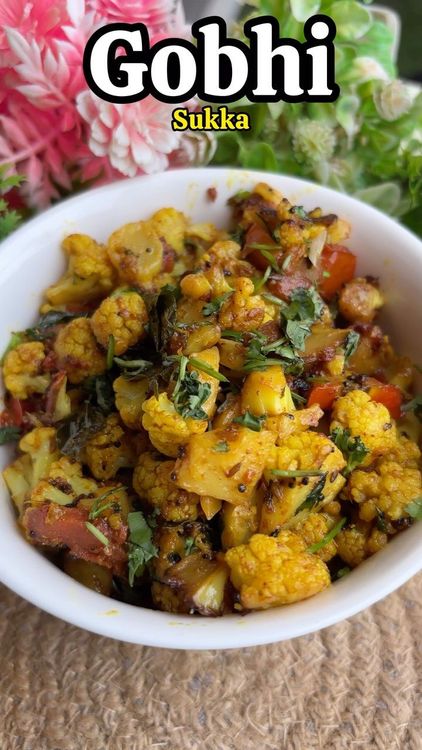

- Indian
- Vegan
- Lunch
- Mediterranean
- Non-Vegetarian
- Lunch
- European
- Eggetarian
- Lunch


- Non-Vegetarian
- Lunch
Choosing and Prepping Cauliflower
Pick a head that feels heavy for its size with tight, creamy-white curds and fresh green leaves hugging the base. Brown spots and a loose, spreading crown are signs it is past its best, though minor speckles can simply be trimmed away. Coloured varieties — orange, purple, the spiralling green of romanesco — cook much like the white kind and add colour to a plate, while the leaves and tender stalk are perfectly edible and good roasted alongside the florets rather than thrown away.
Break the head into even florets so everything cooks at the same rate: pull or cut them from the central stalk, then halve any large ones through the stem so they have a flat side that sits down and browns. Keep the pieces roughly the same size, because a tray of mixed small and large florets gives you some scorched and some raw. Wash the cauliflower, then — and this matters — dry it thoroughly in a towel or salad spinner, since surface water is what stops it crisping and turns roasting into steaming.
If you are worried about a strong, sulphurous smell, do not overcook it; that aroma builds the longer cauliflower cooks, so quick, hot methods keep it sweet and mild. A short soak in salted water before cooking helps draw out any hidden grit or tiny insects from the curds. Store a whole head stem-side up in the fridge and use it within a week or so, and cut florets within a couple of days, as they dry and discolour faster once the head is broken.
Roasting and Frying Cauliflower Crisp
Crispness is all about dry heat and space. For roasting, heat the oven hot — around 220C/425F — toss thoroughly dried florets in enough oil to coat plus salt and spice, and spread them in a single layer with room between each piece. Crowd the tray and they steam pale and limp; give them space, cut-side down, and they caramelise into nutty, golden edges. Leave them undisturbed for the first stretch so a proper crust forms before you turn them, then roast until deeply browned at the tips.
For fried styles like gobi 65 and Manchurian, a coating is what crisps. Dust or batter the florets in a mix of cornflour and a little rice flour or besan, which fries up far crisper than plain flour, and keep the batter thick enough to cling rather than run off. Hold the oil hot and steady, around 175C/350F, and fry in small batches so the temperature does not crash — too cool and the coating drinks oil and goes greasy, too hot and it browns before the cauliflower softens inside.
Whichever method you use, blanch first only if you want a softer centre; for most roasts and fries, going in raw gives the best contrast of crisp outside and just-tender within. A light dusting of cornflour before roasting borrows the same trick the fried versions use and takes oven cauliflower from good to genuinely crunchy. Salt and any acidic finish — a squeeze of lemon, a dusting of chaat masala — go on the moment it comes out of the heat, while the surface is hot and the seasoning sticks.
Curries, Rice and Soups Done Right
For cauliflower curries and sabzi, the order of operations matters. Bloom whole and ground spices in hot fat until fragrant, build an onion-tomato or coconut base where the recipe calls for one, then add the florets and let them cook gently in the masala until just tender. Cooking the cauliflower too long or at a hard boil turns it to mush and dulls its flavour, so keep the simmer gentle and pull it the moment a knife slips in with a little resistance. In aloo gobi, par-cook the potato so it finishes alongside the quicker cauliflower.
For cauliflower rice, pulse raw florets in a food processor to rice-sized grains, or grate them on the coarse side of a box grater, stopping before they turn to paste. The key to fluffy, separate grains is keeping them dry: cook them fast in a hot, lightly oiled pan for just a few minutes so they warm through and lose their raw edge without weeping water, and avoid covering, which traps steam and leaves them soggy. Season at the end and treat it as a light, low-carb stand-in for rice in bowls and fried-rice style dishes.
For soups, cauliflower blends to a silky, naturally creamy purée, so you need very little actual cream for body. Sweat your aromatics, add the florets with stock just to cover, and simmer until completely soft before blending smooth. Roasting the cauliflower first deepens the flavour with a toasty, caramelised note that a plain boil never gives. For cheesy bakes and gratins, blanch or roast the florets first so they finish tender under the sauce, and keep the assembly saucy enough that the cauliflower turns meltingly soft rather than drying out.
Pro Tips from the Test Kitchen
- Choose a heavy head with tight, creamy curds and fresh green leaves; trim small brown speckles away.
- Cut florets to an even size so they all cook at the same rate, with a flat cut side to sit and brown.
- Dry washed cauliflower thoroughly before roasting or frying — surface water is what stops it crisping.
- Roast at high heat (around 220C/425F) in a single layer with space, so florets caramelise instead of steaming.
- Toss florets in a little cornflour before roasting for extra crunch.
- For fried gobi, use a cornflour-and-rice-flour coating and keep the oil hot and steady, frying in small batches.
- Do not overcook cauliflower — long cooking is what brings out the strong, sulphurous smell.
- Cook the potato a little ahead of the cauliflower in aloo gobi so both finish tender together.
- Keep cauliflower rice dry: cook it fast and uncovered for just a few minutes so it stays fluffy, not soggy.
- Roast the florets before blending into soup for a deeper, toasty, caramelised flavour.
Frequently Asked Questions
What are the best cauliflower recipes to start with?
Begin with the everyday wins: a classic aloo gobi or simple cauliflower curry, a tray of high-heat roasted cauliflower, or a batch of crispy gobi Manchurian. These show off how well cauliflower takes spice and caramelisation. From there branch into lighter cauliflower rice, a blended cauliflower soup, or crunchy gobi pakoras. The vegetable is mild and sturdy, so it suits almost any cuisine; start with whatever method matches your mood and time.
What are some easy cauliflower recipes for weeknights?
For fast, low-effort cooking, roast florets tossed in oil and spice at high heat while you get on with the rest of dinner, or stir-fry a quick gobi sabzi in one pan. Cauliflower rice cooks in minutes as a light side, and a blended cauliflower soup is mostly hands-off simmering. Pakoras and fritters are quick to fry in batches for a snack. Keeping a head of cauliflower on hand gives you an easy, adaptable base any night of the week.
How do you make roasted cauliflower crispy?
Dry the florets thoroughly, then toss them in enough oil to coat with salt and spice and spread them in a single layer on a hot tray, cut-side down, with space between each piece. Roast at a high temperature, around 220C/425F, and leave them undisturbed so a golden crust forms before you turn them. Crowding the tray steams them limp; giving them room caramelises the edges. A light dusting of cornflour before roasting makes them crunchier still.
How do you make aloo gobi that is not mushy?
Cut even florets, bloom your spices in hot fat first, and cook the cauliflower gently until just tender rather than at a hard boil, which breaks it down. Because potato takes longer than cauliflower, give it a head start — par-cook or add it earlier — so the two finish together. Many cooks roast or pan-fry the florets briefly before they join the masala, which keeps them distinct and adds flavour. Pull the dish off the heat the moment a knife slips in with slight resistance.
How do you keep gobi Manchurian or fried cauliflower crisp?
Coat the florets in a thick batter of cornflour with a little rice flour or besan, which fries crisper than plain flour, and fry in hot, steady oil around 175C/350F in small batches so it does not cool down. The bigger trick is timing: keep the fried florets crisp by adding them to the sauce at the very last second and serving immediately, since the longer they sit in a wet sauce the soggier they get. Build the sauce glossy and clinging, not thin and soupy.
What is cauliflower rice and how do you make it?
Cauliflower rice is simply raw cauliflower pulsed in a food processor or grated to rice-sized grains, used as a light, low-carb stand-in for rice. The key is keeping it dry and fluffy: stop pulsing before it turns to paste, then cook it fast in a hot, lightly oiled pan for just a few minutes so it warms through without weeping water. Do not cover it, which traps steam and makes it mushy. Season at the end and use it in bowls, stir-fries and fried-rice style dishes.
Why does cauliflower smell strong when cooked?
Cauliflower contains sulphur compounds that release more aroma the longer and harder it cooks, which is why overboiled cauliflower can smell unpleasant. The fix is to cook it quickly with dry, high heat — roasting and stir-frying keep it sweet and nutty rather than sulphurous. Avoid long, hard boiling, do not overcook it, and a short soak in salted water before cooking can help. Coloured varieties and romanesco behave the same way, so the same quick, hot methods keep them mild.
Is cauliflower healthy?
Cauliflower is very nutritious — low in calories and carbohydrate, high in fibre, and a good source of vitamin C and other antioxidants, which is why it is popular as a low-carb swap for rice and potatoes. How you cook it decides the rest: roasted with a little oil, stir-fried into a sabzi, or blended into soup, it is a wholesome, filling vegetable, while deep-frying and heavy cheese sauces add up. Keeping the cooking light and the seasoning generous gets the most from it.
Can you prepare cauliflower dishes ahead of time?
Many keep well: curries, sabzis and soups often taste better the next day and reheat easily, and cauliflower rice can be riced and stored raw for a few days or frozen. Roasted cauliflower and fried gobi are best fresh from the heat, though you can roast ahead and reheat in a hot oven to re-crisp. Cut florets keep a couple of days in the fridge; for longer storage, blanch and freeze them. Hold any crunchy coating or fresh salad dressing until just before serving.
The thread through every cauliflower recipe here is the same: cut even florets, dry them well, and cook with confident heat — high and dry for anything you want crisp, gentle for curries so the florets stay tender rather than turning to mush. Master those and curries, roasts, rice and soups all turn out golden, crisp or silky exactly as intended, mild enough to carry any spice you bring to it.
Pick a few cauliflower recipes to cook this week — a spiced aloo gobi, a tray of deeply roasted florets and a comforting cauliflower soup — and save your favourites to a Chefadora cookbook. From a humble head you get a low-carb main, a crunchy snack and a everyday sabzi; this page is built to be the cauliflower reference you keep coming back to.
Related
- Cauliflower
- Gobi
- Vegetarian
- Indian
- Low carb
- Roasted
- Curry
- Healthy
Popular Searches
- Best cauliflower recipes
- Easy cauliflower recipes
- Quick cauliflower recipes
- Healthy cauliflower recipes
- Simple cauliflower recipes
- Homemade cauliflower recipes
- Delicious cauliflower recipes
- Popular cauliflower recipes
- gobi recipes
- aloo gobi
- cauliflower curry
- roasted cauliflower
Marnirni-apinthi Building, Lot Fourteen,
North Terrace, Adelaide, South Australia, 5000
Australia
