
Top 23 Vada Pav Recipes: Batata Vada, Medu Vada and Snack Vadas
Updated June 25, 2026 · Curated by Chefadora
Vada pav recipes sit at the centre of one of the great snacking traditions in India, where a humble fried fritter becomes a meal, a comfort and a craving all at once. The collection below runs the full range, from Mumbai's iconic batata vada tucked into a soft pav, to feather-light medu vada and cooling dahi vada, crunchy lentil masala vadas with their fiery chutneys, and the fasting and fusion vadas that keep the snack endlessly fresh.
What unites every vada is a balance of batter, filling and oil temperature. A besan coat needs a whisper of soda and the right thickness to puff and crisp rather than soak up fat; a urad-dal medu batter must be ground light and beaten until airy so it fries hollow and soft inside. Across all of them, oil held steady around 175C is the single biggest decider between a shatteringly crisp vada and a greasy, heavy one.
You will find the collection grouped into four clusters — vada pav and batata vada, medu vada and dahi vada, masala vada with its chutneys, and the sabudana, fusion and snack vadas. Standout dishes range from a classic Mumbai Vada Pav and crisp Batata Vada to soft Medu Vada with sambar, a cooling Dahi Vada, and a light, fasting-friendly Sabudana Vada, each built on the fundamentals the guides below lay out.
Treat this as a working reference. Each recipe links to full ingredients and steps on Chefadora, and the guides below cover what actually decides whether a vada turns out crisp or oily, soft or dense, and perfectly spiced — getting the batter and dal right, frying at the correct heat, and pairing each vada with the chutneys and accompaniments that complete it.
Vada Pav & Batata Vada
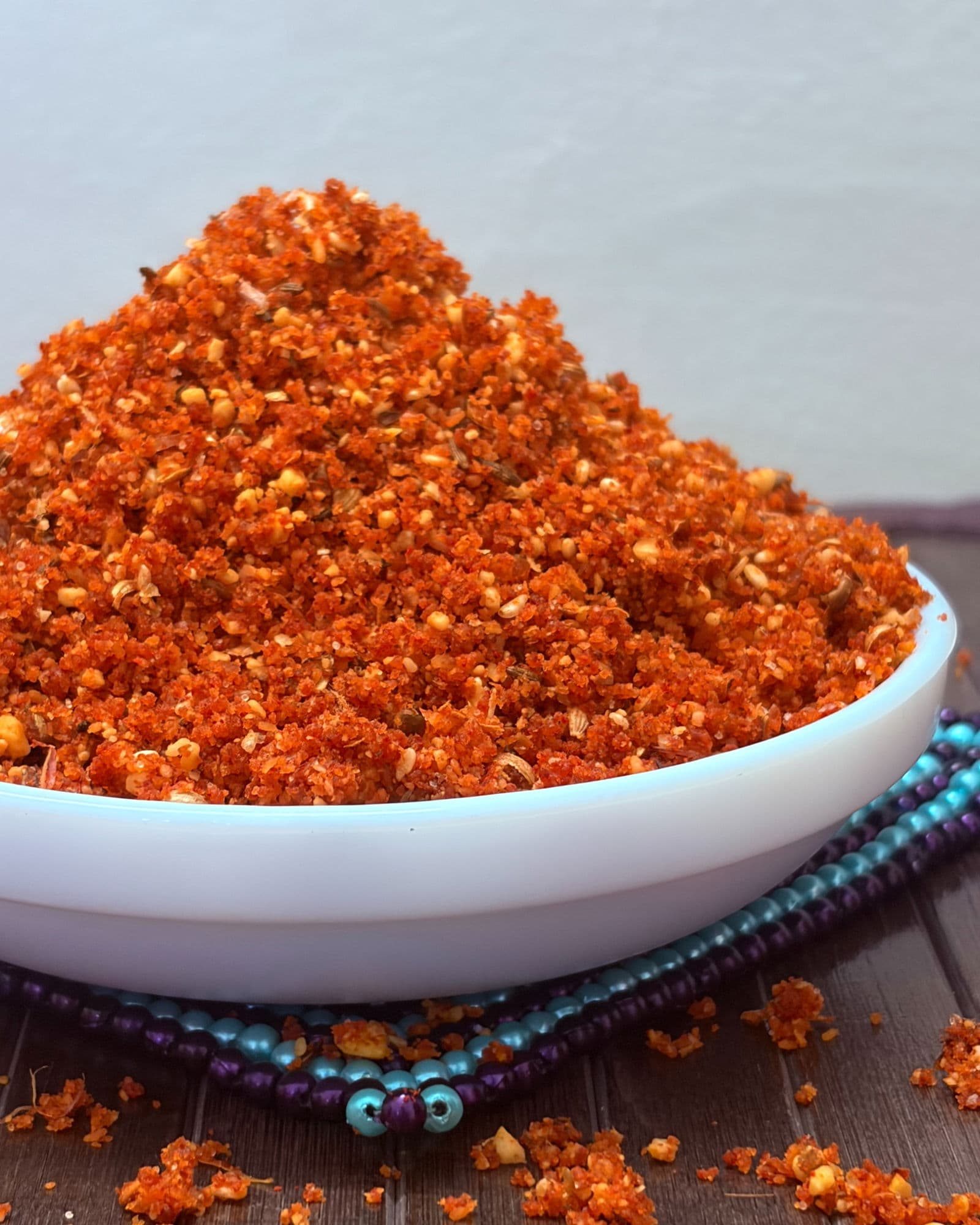
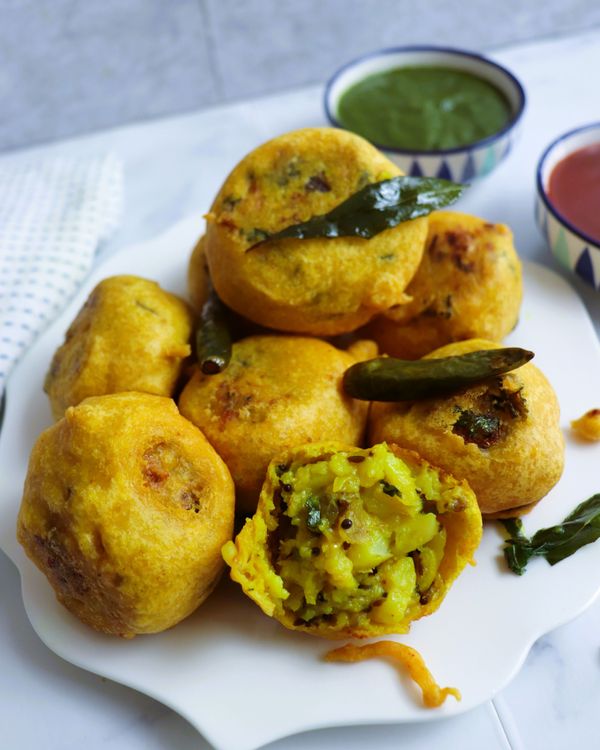
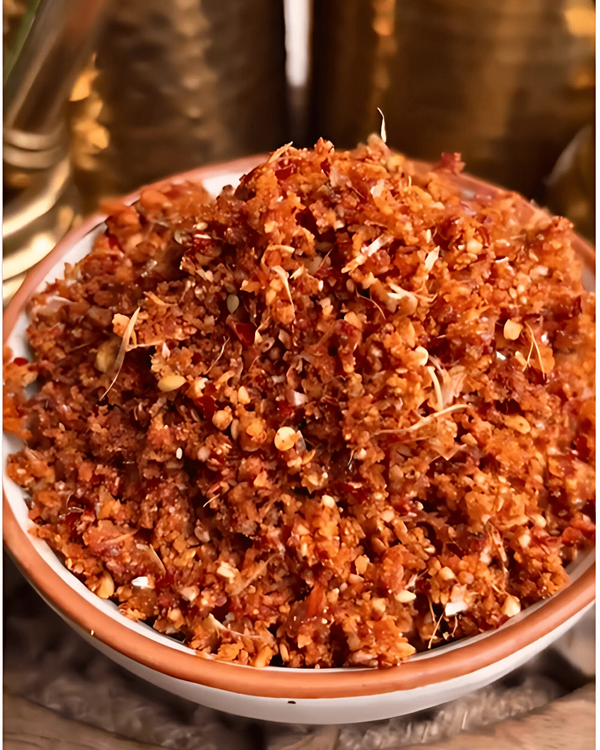
Vada pav begins with the batata vada, and the batata vada begins with a properly spiced, properly dry potato filling. Boil the potatoes until just tender, never waterlogged, then mash them with a tempering of mustard seeds, curry leaves, turmeric, green chilli, ginger and garlic so the flavour runs all the way through rather than sitting on the surface. Roll the mixture into firm, even balls and let them cool so they hold together in the oil. The besan batter around them needs to be thick enough to coat in an even layer, lightened with a pinch of soda and a little hot oil so it puffs and crisps rather than soaking up fat. Fry at a steady medium-hot heat, in batches, until deep gold. Then comes the assembly that makes Mumbai's most famous snack: a soft pav slit and smeared with dry garlic chutney, green chutney and a touch of tamarind, the hot vada pressed inside, and a fried, salted green chilli alongside. Eat it within minutes, while the crust still shatters and the centre is steaming soft. Standouts here include Dry Lasun Chutney (Garlic Chutney Powder for Vada Pav) and Mumbai Vada Pav, plus Vada Pav.


- Indian
- Vegan
- Sauce & Condiment

- Indian
- Vegan
- Snack

- Vegan
- Snack
- Indian
- Vegan
- Snack

- Maharashtrian
- Vegan
- Snack
Medu Vada & Dahi Vada
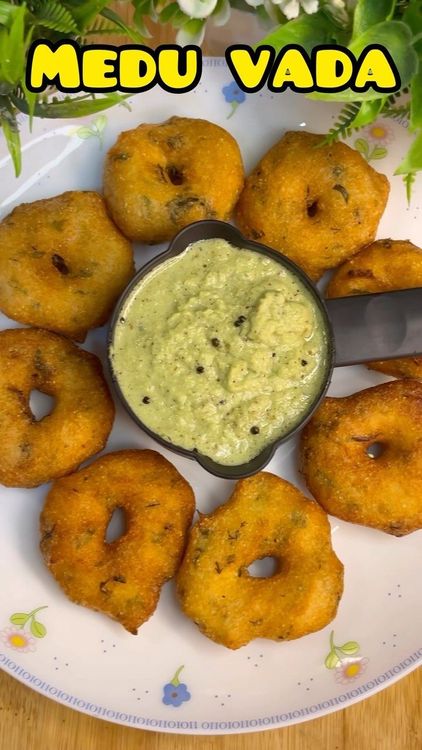
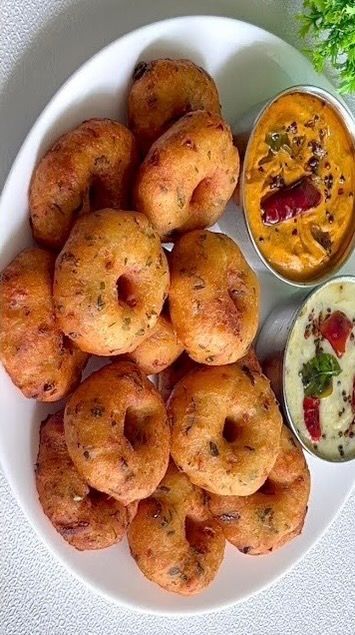
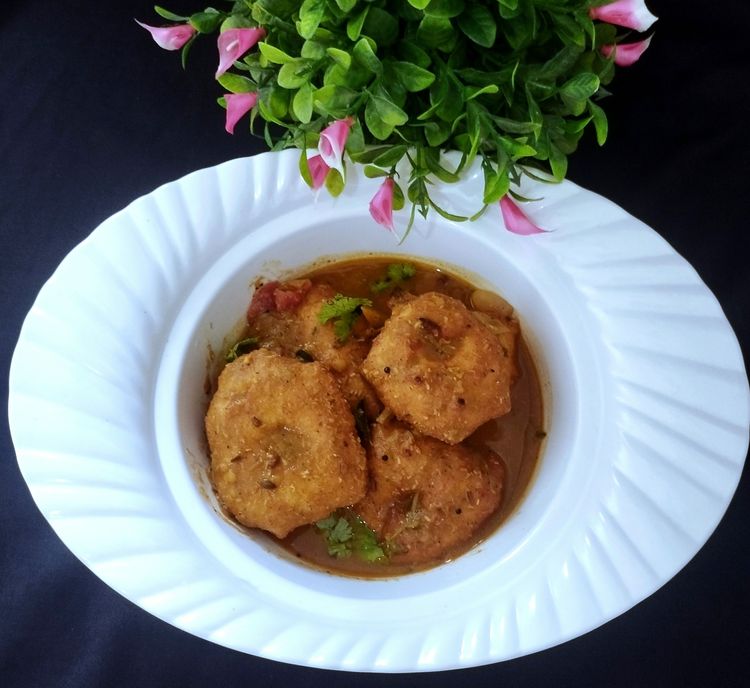
Medu vada and dahi vada are both built on the same light, airy urad-dal batter, and both reward patience at the grinding stage. Soak the dal for three to four hours, then grind it thick with as little water as you can manage, because a slack batter fries greasy and dense. Beat the ground batter hard for several minutes to whip in air — this aeration is the whole secret to a vada that fries hollow and soft inside. A small spoonful should float when dropped in water. For medu vada, shape the doughnut ring with wet hands and fry at a moderate heat so the centre cooks through before the outside over-browns, then serve hot with tangy sambar and a tempered coconut chutney, soaking the vadas briefly in the warm sambar so they drink it up. For dahi vada, fry the same batter into rounds, then soak them in warm water until spongy, squeeze gently, and dunk them in whisked, lightly sweetened yogurt. Finished with tamarind and green chutney, roasted cumin, black salt and sev, dahi vada becomes a cooling chaat that balances sweet, sour, spicy and creamy in every spoonful. Standouts here include Crispy Medu Vada (no refined flour-no semolina) and Tips for Shaping Perfect Medu Vada for Beginners , plus INSANE Medu Vada Recipe Using 7 Ingredients.


- South Indian
- Vegan
- Breakfast

- South Indian
- Vegan
- Breakfast
- South Indian
- Vegetarian
- Breakfast

- South Indian
- Vegetarian
- Snack
- Indian
- Vegan
- Breakfast
Masala Vada & Chutneys
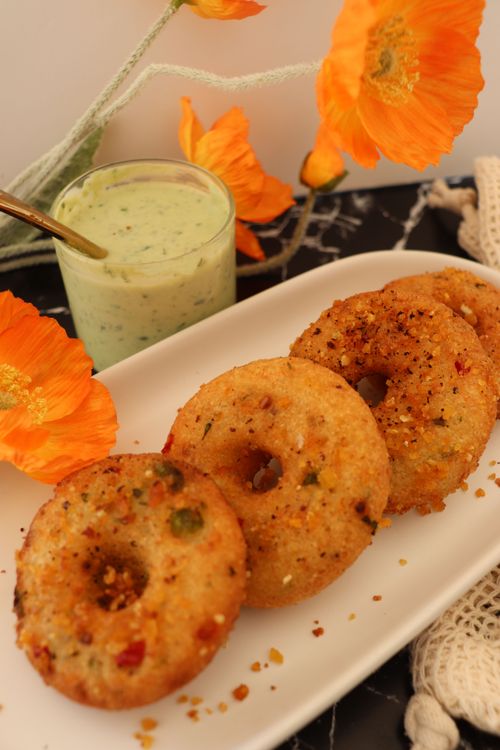
Masala vada brings crunch where medu vada brings softness, and the difference is all in the grind. Soak chana dal a few hours, drain it really well, and pulse it only just enough to bind, leaving plenty of whole and broken pieces so the fried vada has texture and bite. Keep the mixture dry, folding in chopped onion, curry leaves, fennel, ginger and green chilli only at the last moment so the salt does not draw out moisture and slacken the batter. Fried in small batches at a steady heat, these vadas turn craggy and golden, crisp at the edges and savoury within. Just as important are the chutneys that accompany every vada in this collection. The dry garlic chutney of roasted coconut, garlic, peanut and red chilli — roasted slow so the garlic sweetens rather than scorching — gives vada pav its signature heat. A fresh green chutney of coriander, mint and green chilli lifts everything with brightness, while a sweet-sour tamarind chutney rounds out the spice. Master these alongside the vadas and you have the full street-stall toolkit at home, ready to dress anything from a humble batata vada to a plate of crisp masala vadas. Standouts here include Suji Masala Vada and Airfried Mirchi Vada, plus Masala Vada / Paruppu Vada.
- Indian
- Vegetarian
- Appetiser
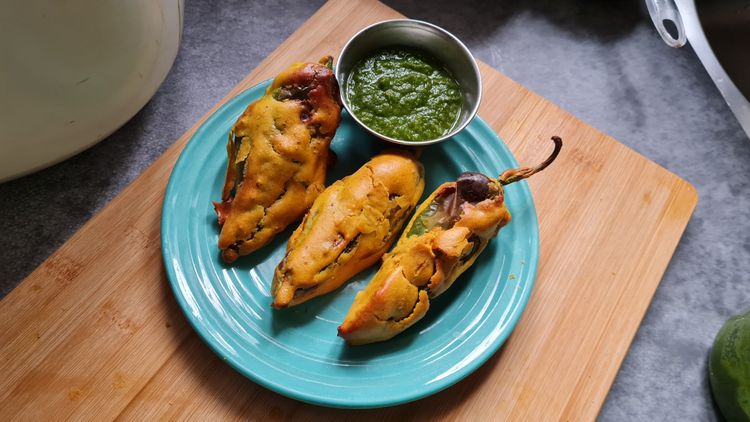

- Indian
- Vegan
- Appetiser
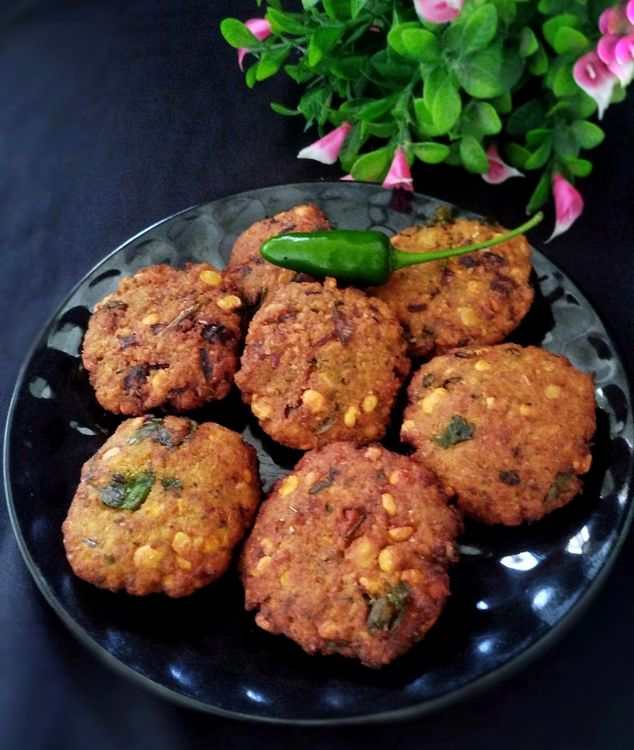
- South Indian
- Vegan
- Snack
Sabudana, Fusion & Snack Vadas
This is the playful, modern corner of the vada world, where the classic fritter stretches to fasting kitchens and fusion experiments alike. Sabudana vada leads the fasting side: soak the sago until each pearl softens and squashes but stays distinct, drain it thoroughly, then bind it with mashed potato and crushed roasted peanuts and fry into light, crisp patties — well-drained sago is the key, since excess water makes them spit and split. From there the riffs multiply. Cheese-stuffed vadas ooze a molten centre, schezwan vadas carry an Indo-Chinese fire, mini and cocktail vadas suit a party platter, and rava or moong-dal versions bring quicker, lighter alternatives to the deep-fried originals. The technique that ties them together is keeping fillings bound but never wet, so the vada holds its shape and crisps cleanly rather than bursting in the oil. Some even slip the vada into a sandwich or pile it onto a chaat plate, proving how far this snack travels. Choose by mood: reach for a quick rava or sabudana version on a busy evening, and save the stuffed, fusion numbers for when you want to impress. Standouts here include SABUDANA VADA and Easy Vrat Snack - Sabudana Vada , plus Mahashivratri Special Sabudana Vada.
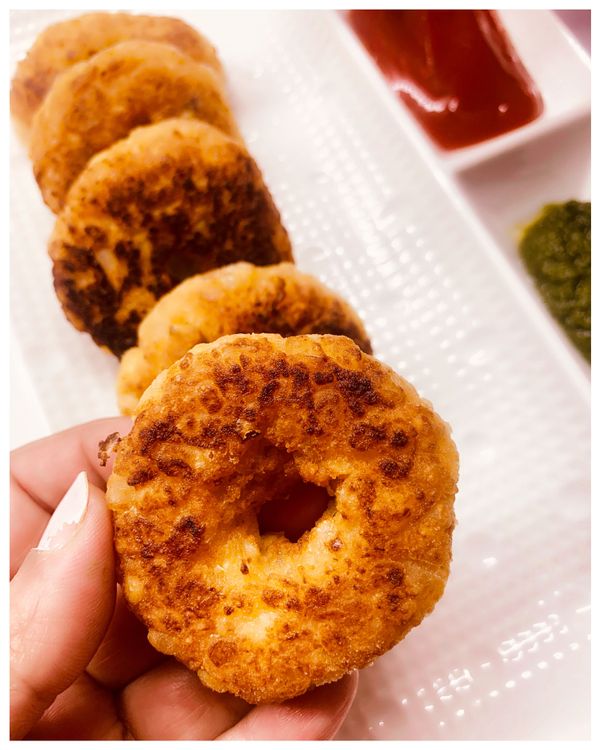

- Indian
- Vegan
- Snack
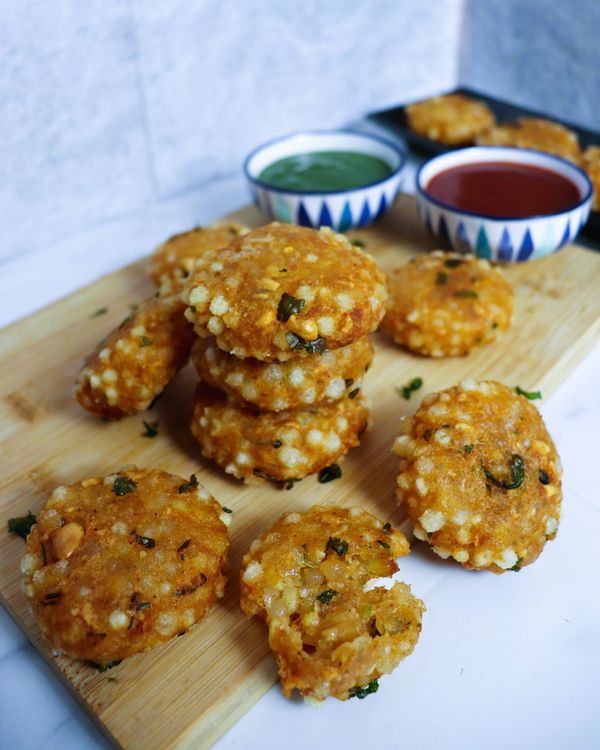
- Indian
- Vegan
- Breakfast
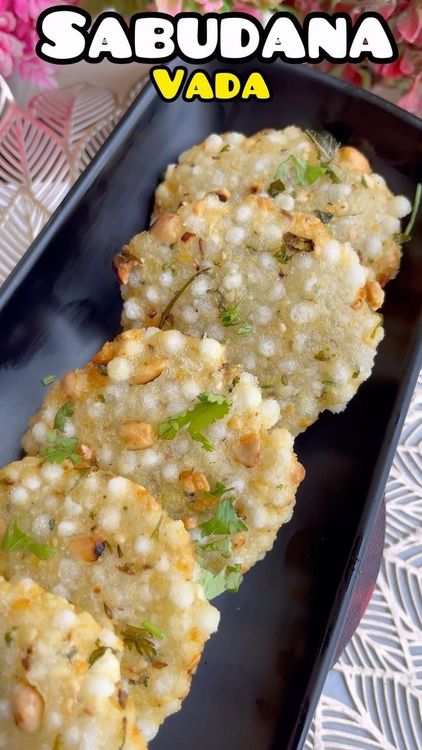
- Indian
- Vegan
- Breakfast
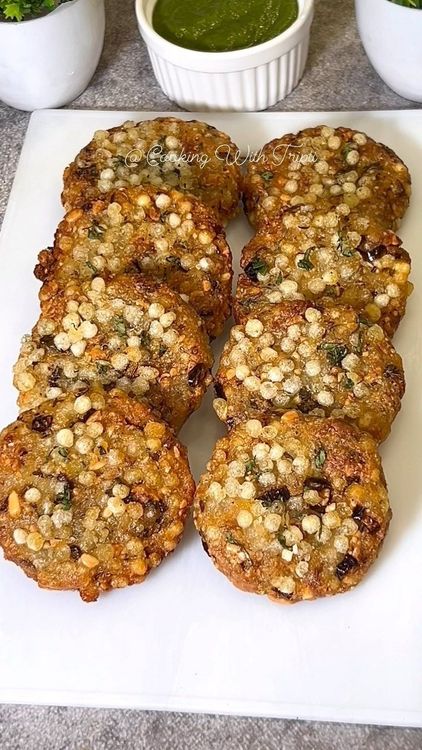
- Indian
- Vegan
- Snack
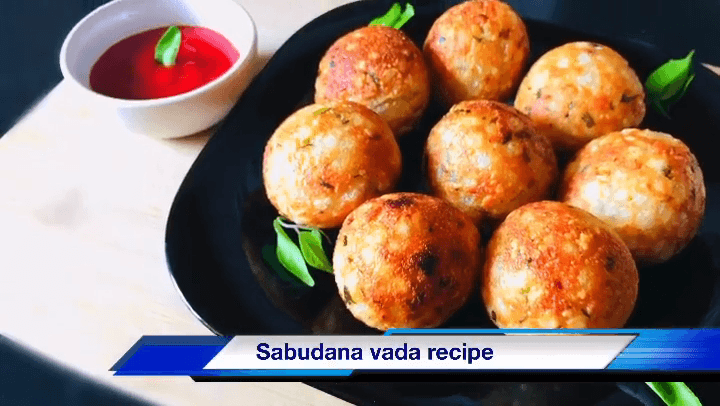
- Indian
- Vegan
- Appetiser
More Vada Favourites
A few vadas never quite fit a single bucket, and these are the ones worth keeping in your back pocket once the classics feel routine. They lean on the same handful of fundamentals you already know — a well-judged batter or coarsely ground dal, a steady frying heat around 175C, a dry and well-seasoned filling — but steer them toward different flavours, regions and textures, so the snack never tastes quite the same twice. Picking your next one is mostly about matching effort to mood. On a busy night, choose a quick shallow-fried or no-grind style that comes together fast; save the fermented-batter or multi-chutney preparations for a weekend when you can let things soak, rest and fry in unhurried batches. Pay attention to the size you shape them, too, since smaller vadas fry faster and crisp through while larger ones stay softer in the middle. Across all of them, the same two habits separate good from great: drain on a rack so the bases stay crisp, and serve fresh from the pan with a chutney or two alongside. Think of this group as the natural next step after the staples — the vadas that quietly earn a regular spot in the rotation once you have tried them. Standouts here include Rajasthani Mirchi Vada and Maddur Vada Recipe, plus Fenugreek Fritters (Methi Vada).
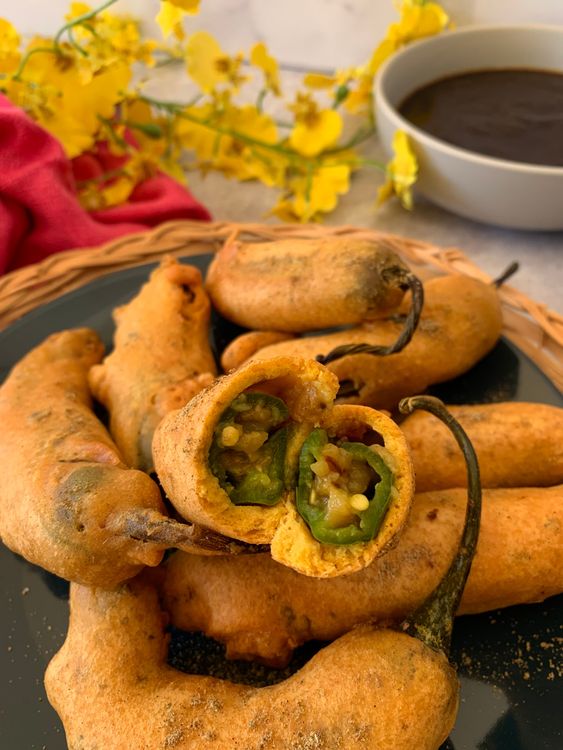
- Indian
- Vegan
- Appetiser

- Indian
- Vegetarian
- Snack
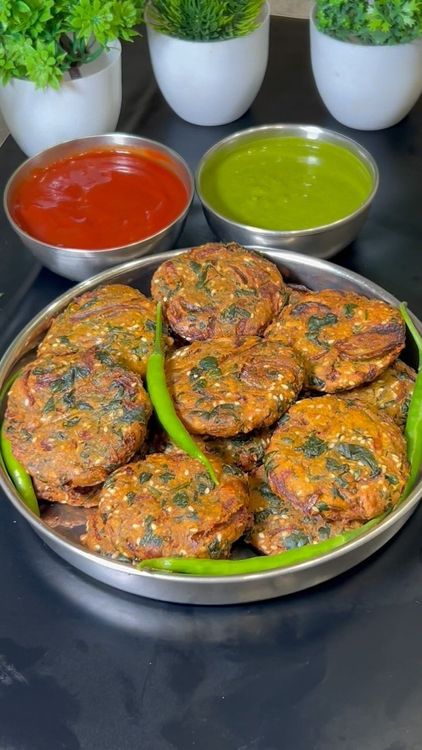
- Indian
- Vegan
- Snack
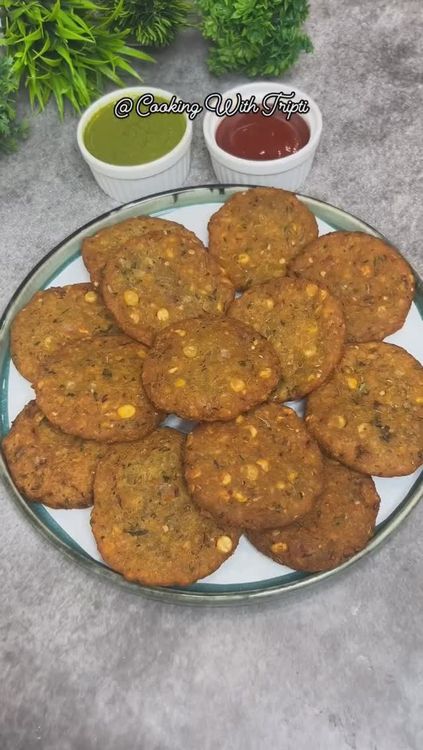
- Indian
- Vegetarian
- Snack
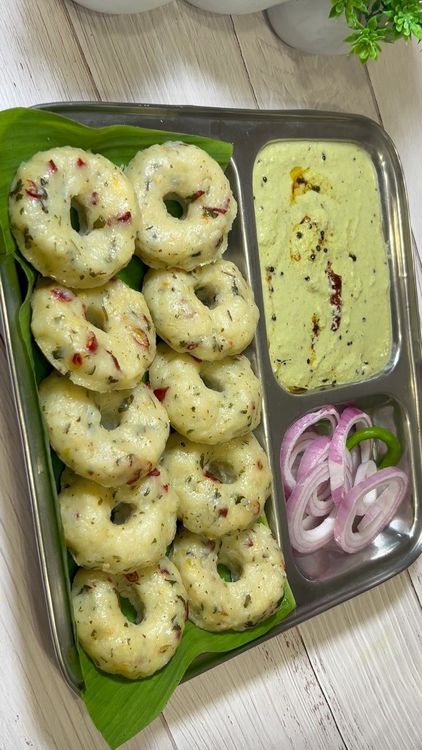
- Indian
- Vegetarian
- Breakfast
Getting the Batter and Dal Right
For batata vada, the besan (gram flour) batter is everything. Whisk it to the thickness of a loose pancake batter so it clings to the potato ball in an even coat rather than running off or sitting in clumps. A pinch of baking soda and a little hot oil whisked in lighten it so the crust puffs and stays crisp, and a teaspoon of rice flour adds extra crunch. Season the batter itself with salt, turmeric and a touch of chilli so the coating is never bland against the spiced filling.
Medu vada is a different craft built on urad dal. Soak the dal three to four hours, then grind it with very little water into a thick, fluffy batter; too much water makes it slack and the vadas drink oil. Beat the ground batter hard for a few minutes, by hand or machine, to whip in air, which is what gives medu vada its light, hollow interior. A float test tells you it is ready: a tiny spoon of batter dropped in water should bob to the surface rather than sink.
For masala and chana dal vadas, the texture you want is coarse, not smooth. Soak the dal a few hours, drain it well, and pulse it just enough to bind while leaving plenty of whole and broken pieces for crunch. Keep the mixture on the dry side, mixing in onion, curry leaves, ginger and chilli only just before frying so the salt does not draw out water and turn the batter slack. If it feels wet, a spoon of rice flour or besan tightens it without dulling the bite.
Frying Vadas Crisp, Not Greasy
Oil temperature is the heart of good frying. Aim for around 175C, medium-hot — hot enough that a drop of batter sizzles up steadily without browning instantly. Too cool and the vada sits and soaks up oil, turning heavy and pale; too hot and the outside scorches before the centre cooks through. A kitchen thermometer takes out the guesswork, but the batter test works too: it should rise within a few seconds, surrounded by a lively ring of bubbles, not a violent storm.
Fry in small batches so the oil temperature does not crash when the vadas go in. Crowding the pan drops the heat, steams the fritters and makes them greasy and unevenly cooked. Slide each vada in gently away from you, give them room, and turn them so every side colours to a deep gold. Let medu vada and batata vada cook a little longer at a slightly lower heat so the inside sets fully, then raise the flame at the end for a final crisp.
Drain well and the work pays off. Lift the vadas onto a wire rack rather than a plate of kitchen paper, so steam escapes from underneath and the bases stay crisp instead of sogging. Let the oil come back up to temperature between batches. For sabudana vada, dry the soaked sago thoroughly first, since surface water makes the oil spit and the vadas split; a well-drained, lightly bound mixture fries into clean, crisp rounds rather than bursting apart.
Chutneys, Pav and Pairings
A vada pav is only as good as its chutneys. The dry garlic chutney (sukha lasun) is non-negotiable: roast desiccated coconut, garlic, roasted peanuts and red chilli, then grind to a coarse, rust-red powder — roast gently so the garlic sweetens rather than burning bitter. A fresh green chutney of coriander, mint, green chilli and lemon brings brightness, and a sweet-sour tamarind chutney rounds it out. Smear all three inside a soft pav with the hot vada and a fried green chilli on the side.
Medu vada lives or dies by its companions. The classic pairing is hot sambar, a tangy toor-dal and vegetable stew, plus a fresh coconut chutney tempered with mustard seeds and curry leaves. Soak the fried vadas briefly in warm sambar just before serving so they drink it up and soften at the edges while staying intact. For dahi vada, soak the fried vadas in warm water first to make them spongy, squeeze gently, then dunk in whisked, lightly sweetened yogurt.
Finish dahi vada with the full chaat treatment: a drizzle of tamarind and green chutney, a sprinkle of roasted cumin, red chilli, black salt and a scatter of sev and coriander, so every spoon carries sweet, sour, spicy and cool at once. Sabudana and fusion vadas pair beautifully with a cooling peanut-yogurt dip or a tangy green chutney. Warm the pav or serve everything fresh from the pan, because vadas are at their best within minutes of frying, crisp outside and soft within.
Pro Tips from the Test Kitchen
- Whisk besan batter to a thick, coating consistency with a pinch of soda and a little hot oil so it puffs and crisps.
- Keep the batata vada potato filling dry and well-seasoned — wet filling makes the batter slip and the vada greasy.
- Grind urad dal for medu vada with minimal water, then beat it hard to whip in air for a light, hollow centre.
- Float-test medu vada batter: a small spoonful should bob in water before you start frying.
- Coarse-grind dal for masala vada and keep it dry so the fritter stays crunchy, not pasty.
- Fry at around 175C in small batches so the oil stays hot and the vadas crisp instead of soaking up fat.
- Drain fried vadas on a wire rack, not paper, so steam escapes and the bases stay crisp.
- Roast the dry garlic chutney gently so the garlic sweetens rather than turning bitter.
- Soak dahi vada in warm water first, squeeze gently, then dunk in whisked, lightly sweetened yogurt.
- Drain soaked sabudana thoroughly before frying so the vadas do not spit, split or turn heavy.
Frequently Asked Questions
What are the best vada pav recipes to start with?
Start with the classic Mumbai batata vada and pav: a spiced mashed-potato filling rolled into balls, dipped in a light besan batter and fried golden, then tucked into a soft pav with dry garlic chutney, green chutney and tamarind. Once that is comfortable, branch into medu vada with sambar and a cooling dahi vada. These three cover the core techniques — frying a battered fritter, a fermented dal vada, and a yogurt-soaked chaat — that the rest build on.
How do you make crispy vada that is not greasy?
Crispness comes down to batter and oil temperature. Whisk the besan batter thick with a pinch of soda and a little hot oil so it puffs, and keep the potato filling dry. Fry at around 175C — hot enough that the vada rises and bubbles steadily — in small batches so the oil does not cool and stew them. Drain on a wire rack so steam escapes from underneath. Cool oil and a crowded pan are the two reasons vadas turn out heavy and oily.
What is the difference between batata vada and medu vada?
Batata vada is a Maharashtrian snack: spiced mashed potato dipped in besan batter and deep-fried, most famous as the filling in vada pav. Medu vada is a South Indian fritter made from ground, fermented urad dal piped into a doughnut shape and fried soft and fluffy, usually served with sambar and coconut chutney. One is potato in a gram-flour coat; the other is a light lentil-batter ring. They taste, look and fry completely differently.
How do you get medu vada soft and fluffy inside?
The secret is the batter. Soak urad dal for three to four hours, then grind it thick with as little water as possible so it stays stiff. Beat the ground batter hard for a few minutes to whip in air — this aeration is what makes medu vada light and hollow rather than dense. A spoonful should float in water when it is ready. Shape with wet hands, fry at a moderate heat so the inside cooks through, and they will be soft within and crisp outside.
Which vada pav recipes are easiest for beginners?
Sabudana vada and a simple batata vada are the friendliest starting points. Sabudana vada needs only soaked sago, boiled potato, peanuts and spices pressed into patties and shallow or deep-fried — no batter or grinding. Batata vada uses a straightforward besan batter around a spiced potato ball. Both forgive small mistakes and teach you frying temperature. From there, medu vada and masala vada introduce dal grinding, and dahi vada adds the chaat assembly with yogurt and chutneys.
How do you make sabudana vada that does not break in oil?
Drain the soaked sabudana thoroughly — excess water is what makes vadas spit and burst. Soak the sago just until each pearl is soft and squashes between your fingers but is not mushy, then rest it drained so it firms up. Bind with mashed potato, crushed roasted peanuts and a little singhara or rajgira flour for fasting versions. Shape firm, even patties and fry at a steady medium heat. A well-drained, properly bound mixture holds together and fries into clean, crisp rounds.
Which chutneys go with vada pav?
Three chutneys make a proper vada pav. The dry garlic chutney (sukha lasun) of roasted coconut, garlic, peanuts and red chilli is essential and gives the snack its signature kick. A fresh green chutney of coriander, mint, green chilli and lemon adds brightness, and a sweet-sour tamarind-date chutney balances the heat. Smear all three inside the pav with the hot vada, and serve a fried, salted green chilli on the side for anyone who wants extra fire.
How do you make dahi vada soft and well-flavoured?
Grind and aerate the urad-dal batter as you would for medu vada, then fry the vadas and immediately soak them in warm water for fifteen to twenty minutes so they turn spongy. Squeeze each gently to remove excess water and lay them in whisked, lightly sweetened yogurt. Top with tamarind and green chutney, roasted cumin, red chilli, black salt, sev and coriander. The warm-water soak is the step most people skip, and it is what makes dahi vada melt-soft rather than dense.
Can you make vadas ahead of time?
Partly. You can prepare fillings and batters ahead — boil and spice the potato for batata vada, soak and grind dal, or shape sabudana patties — and refrigerate them, then fry fresh when needed, since vadas are best within minutes of frying. Dahi vada actually improves with a few hours resting in the yogurt, so it is genuinely make-ahead. Fried vadas can be reheated and re-crisped in an air fryer or hot oven, but they will never quite match a freshly fried one.
What oil and temperature are best for frying vadas?
Use a neutral oil with a high smoke point — groundnut, sunflower or refined vegetable oil all work well — and keep it at around 175C, a steady medium-hot. At that heat a small drop of batter rises within a few seconds, ringed by lively bubbles, without browning instantly. Too cool and the vadas soak up oil and turn heavy; too hot and they brown outside while staying raw within. Fry in small batches and let the oil recover its heat between them.
The thread through every vada recipe here is the same: get the batter or dal right, fry at a steady medium-hot heat in small batches, and pair each vada with the chutneys and accompaniments that complete it. Master those and batata vada, medu vada, dahi vada and the snack vadas all turn out crisp outside and soft within, perfectly spiced rather than greasy or bland.
Pick a few vada recipes to cook this week — a classic vada pav with its three chutneys, a plate of soft medu vada and sambar, and a cooling dahi vada chaat — and save your favourites to a Chefadora cookbook. There is a vada for every mood and occasion, from street snack to fasting plate; this page is built to be the vada reference you keep coming back to.
Related
- Vada pav
- Street food
- Maharashtrian
- South Indian
- Snacks
- Vegetarian
- Chaat
- Mumbai
Popular Searches
- Best vada pav recipes
- Easy vada pav recipes
- Quick vada pav recipes
- Healthy vada pav recipes
- Simple vada pav recipes
- Homemade vada pav recipes
- Delicious vada pav recipes
- Popular vada pav recipes
- medu vada
- dahi vada
- batata vada
- easy vada recipes
Marnirni-apinthi Building, Lot Fourteen,
North Terrace, Adelaide, South Australia, 5000
Australia
