
Top 19 Idli Recipes: Classic Batter, Rava, Instant and Fried
Updated June 25, 2026 · Curated by Chefadora
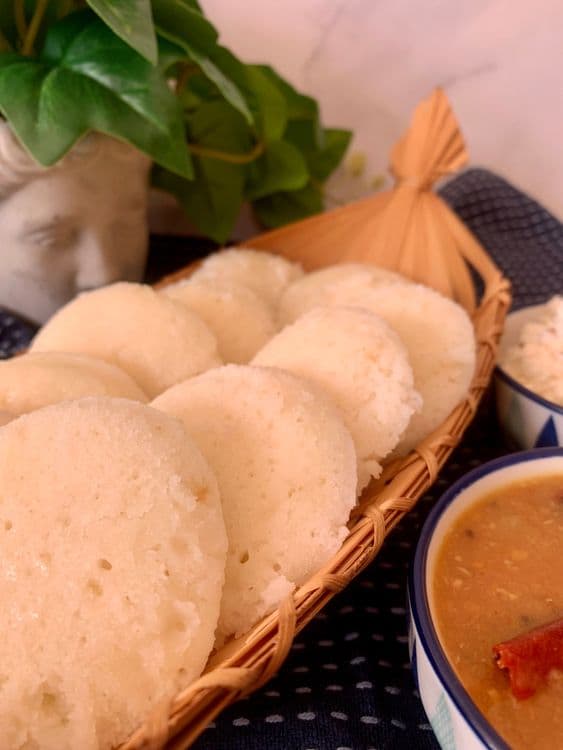
Idli is South India’s gift to the breakfast table — a soft, steamed savoury cake made from a fermented rice-and-lentil batter, light enough to eat by the half-dozen yet substantial enough to start the day. The collection below spans the full range, from the classic fermented batter and its quick rava and instant cousins to crisp fried and masala idlis built from leftovers, and the mini, cocktail and regional versions that show just how far one humble cake can travel.
What turns a batter into a genuinely soft idli is fermentation and steam. Soaked rice and urad dal are ground separately, then left to rise overnight, where wild yeast and bacteria build the airy, gently sour crumb and the lift that makes a good idli spongy rather than dense. Steaming, not boiling or frying, sets that structure with moist gentle heat. Get the ratio, the grind and the rise right, and softness follows almost on its own.
You will find the collection grouped into four clusters — classic idli and fermented batter, rava and instant idli, fried, masala and podi idli, and mini, cocktail and regional idli. Standout dishes range from a foolproof Soft Idli with homemade batter and a five-minute Rava Idli to a tempered Masala Podi Idli Fry and bite-sized Mini Idli, each built on the fundamentals the guides below lay out.
Treat this as a working reference. Each recipe links to full ingredients and steps on Chefadora, and the guides below cover what actually decides whether idlis turn out fluffy or flat — getting the batter to ferment, mixing and steaming it so the cakes rise soft, and turning a tray of leftovers into a crisp, spiced second meal.
Classic Idli and Fermented Batter
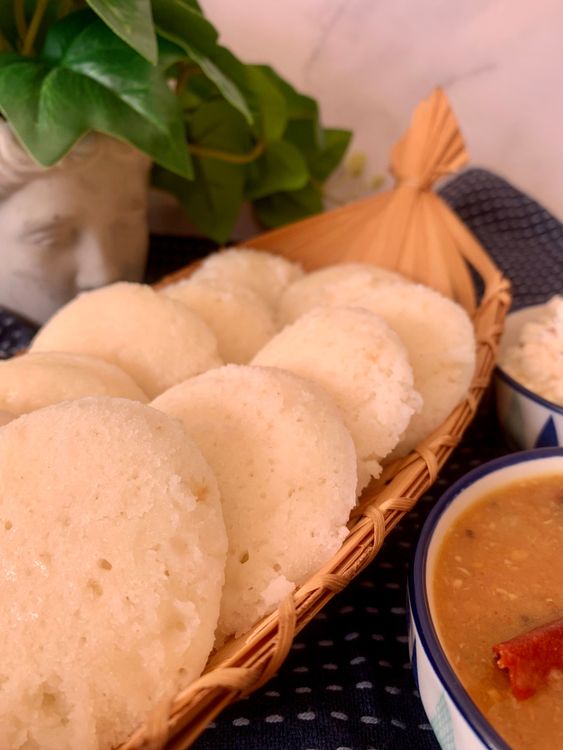
A classic idli is only ever as good as its batter, and the batter is mostly about patience and ratio. Soak idli rice and whole skinless urad dal separately — roughly four parts rice to one part dal, with a little fenugreek tossed in to help the rise — for four to six hours, then grind the urad first into a light, fluffy paste and the rice slightly coarse. Combine, add salt, and mix with your hand, because the warmth genuinely encourages fermentation. Then comes the part you cannot rush: eight to twelve hours somewhere warm while wild yeast and bacteria double the volume and build that airy, gently sour crumb. The batter is ready when it has visibly risen and is dotted with tiny bubbles; under-fermented batter is the single biggest reason idlis come out dense and flat. Keep the consistency thick but pourable, fold gently to protect the air, fill greased moulds three-quarters full, and steam over boiling water for ten to twelve minutes. Get those fundamentals right and soft, springy, snow-white idlis follow almost on their own. Standouts here include Instant Rice Idli and Kushboo Idli | Soft Spongy Cushion Idli, plus Soft Idli Batter (Pro Tips Method).

- Indian
- Vegetarian
- Breakfast


- Vegan
- Breakfast

- Indian
- Vegan
- Breakfast
- Indian
- Vegan
- Breakfast
- Indian
- Vegetarian
- Breakfast
Rava and Instant Idli
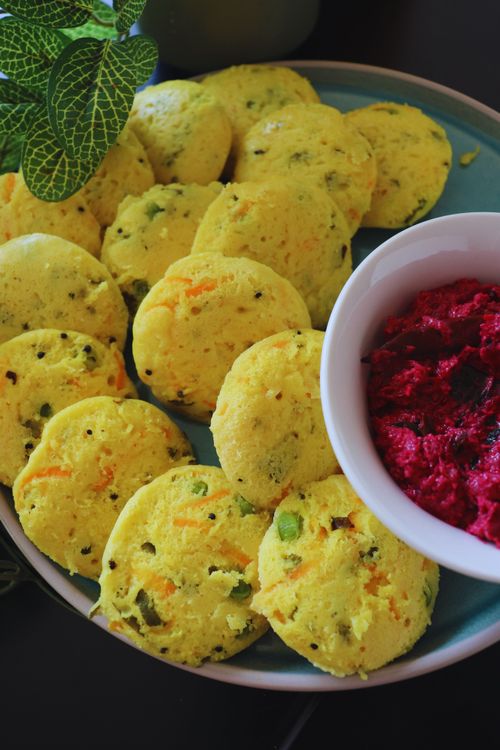
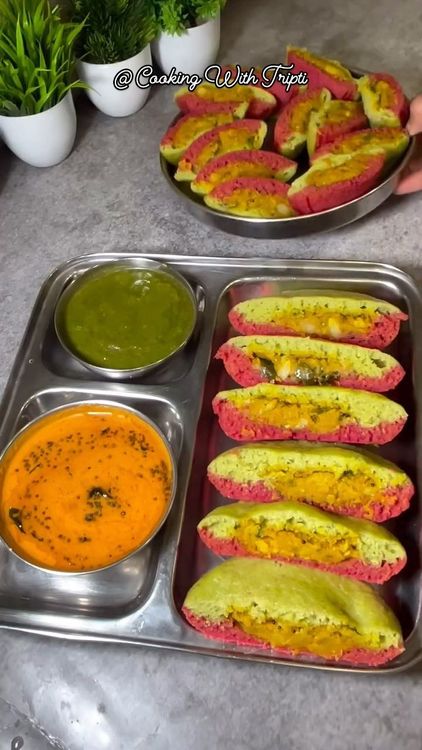
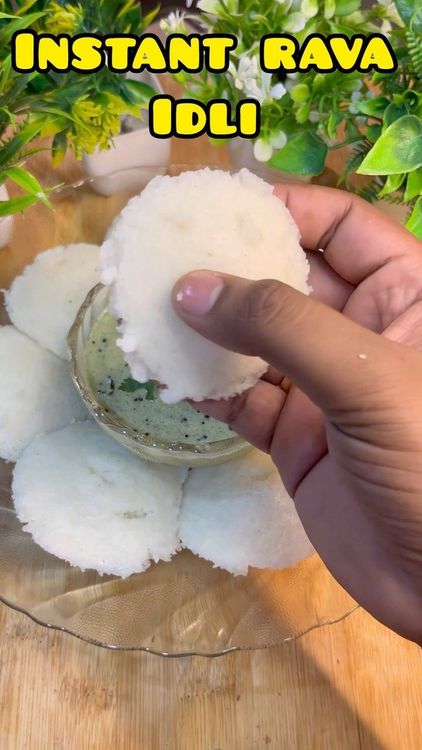
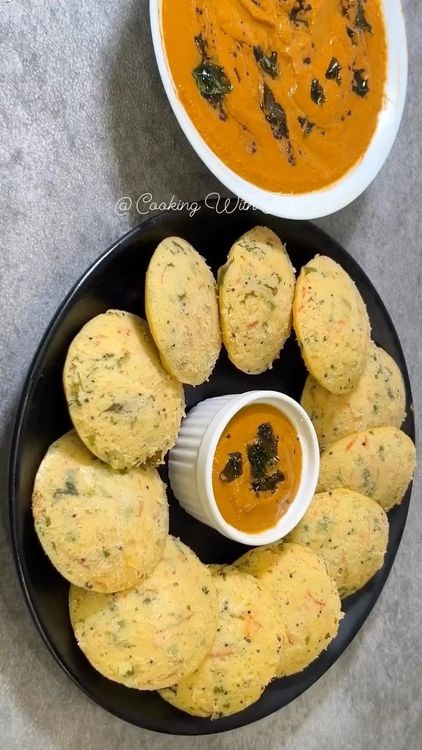
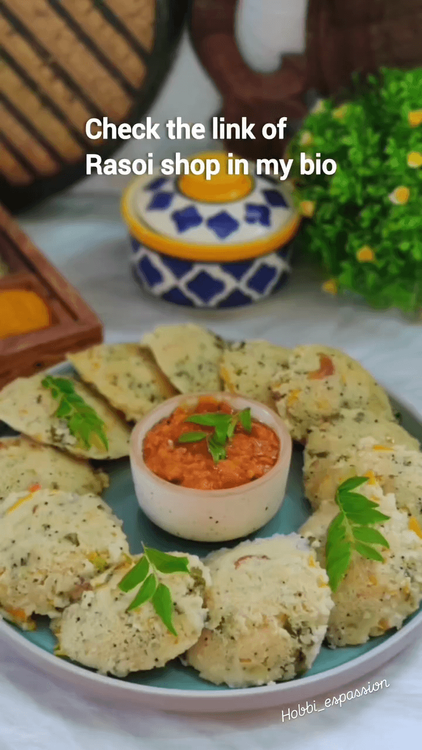
When there is no fermented batter waiting in the fridge, rava and instant idlis save the morning. Rava idli swaps the overnight rise for roasted semolina (suji) stirred into yogurt with a little water, rested just long enough for the grains to swell, then lifted with eno fruit salt or baking soda right before steaming. Oats, poha and moong-based versions work on the same principle — a quick batter, a short rest, and a chemical leavener doing the job that fermentation would otherwise do over hours. The crucial detail is timing the eno: stir it in at the very last second so the bubbles it releases puff the cakes in the steamer rather than fizzing uselessly away in the bowl. A tempering of mustard seeds, curry leaves, cashews and grated carrot or coriander folded through the batter turns a plain instant idli into something genuinely special. Keep the batter a touch thicker than a classic one, since there is no long ferment to loosen it, and steam exactly as you would the traditional version — over already-boiling water, on medium-high, for ten to twelve minutes until set and springy. Soft idlis, ready in well under an hour. Standouts here include Stuffed Rava Idli and Instant Rava Idli, plus Moong Dal Idli with Chutney.

- Indian
- Vegetarian
- Breakfast

- South Indian
- Vegetarian
- Breakfast
- South Indian
- Vegetarian
- Breakfast

- South Indian
- Vegetarian
- Breakfast
Fried, Masala and Podi Idli
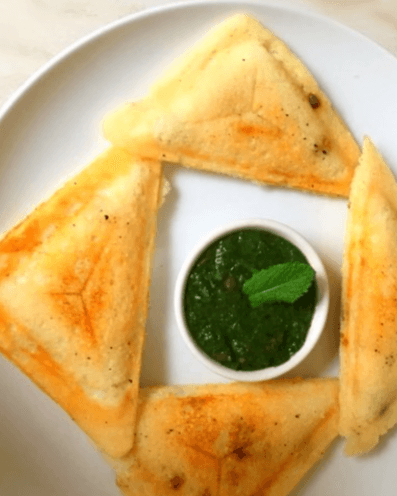
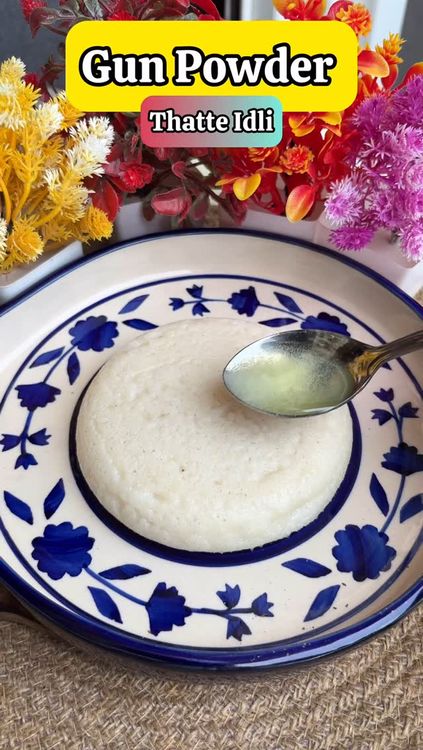
This is the cluster that turns yesterday’s breakfast into today’s best snack. Day-old idlis are firmer and drier than fresh ones, which is exactly what you want — cubed and crisped, they hold their shape and brown instead of crumbling. Cut cold idlis into bite-sized pieces and shallow-fry or air-fry them until the edges turn golden before any spice goes near them. For podi idli, toss the crisp cubes in idli podi — the roasted lentil, chilli and sesame gunpowder — loosened with a little warm oil so it coats every piece rather than gathering at the bottom. For masala idli, crackle mustard seeds, curry leaves and dried red chilli in oil, soften onions and maybe a handful of peppers, then fold the fried cubes through at the end and toss hard over high heat so they catch the tempering without going soft. The Indo-Chinese versions — chilli idli and idli manchurian — follow stir-fry logic: crisp cubes, a glossy soy-vinegar-chilli sauce thickened with cornflour, and a fast toss right before serving. Across all of them the rule holds: crisp first, season boldly, finish fast, and never let the idlis sit and soften. Standouts here include Masala Idli and Idli in Chilli Garlic Vegetable Sauce, plus Idli Podi / chutney powder.
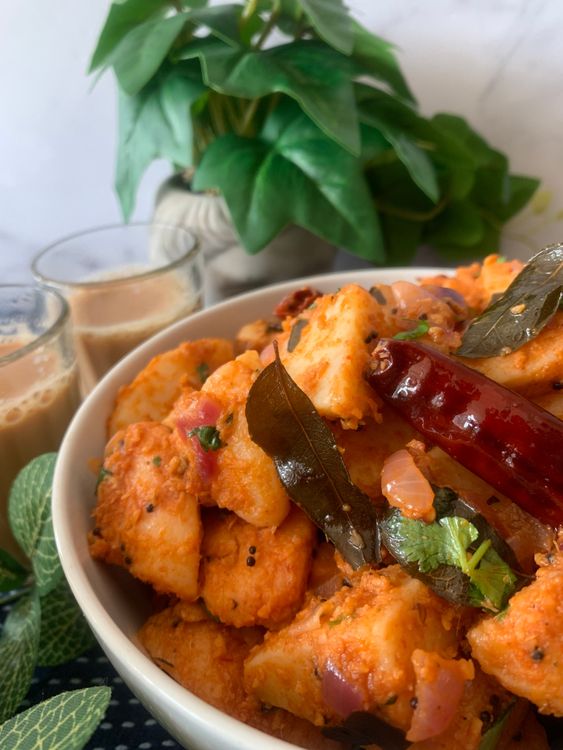
- Indian
- Vegan
- Breakfast
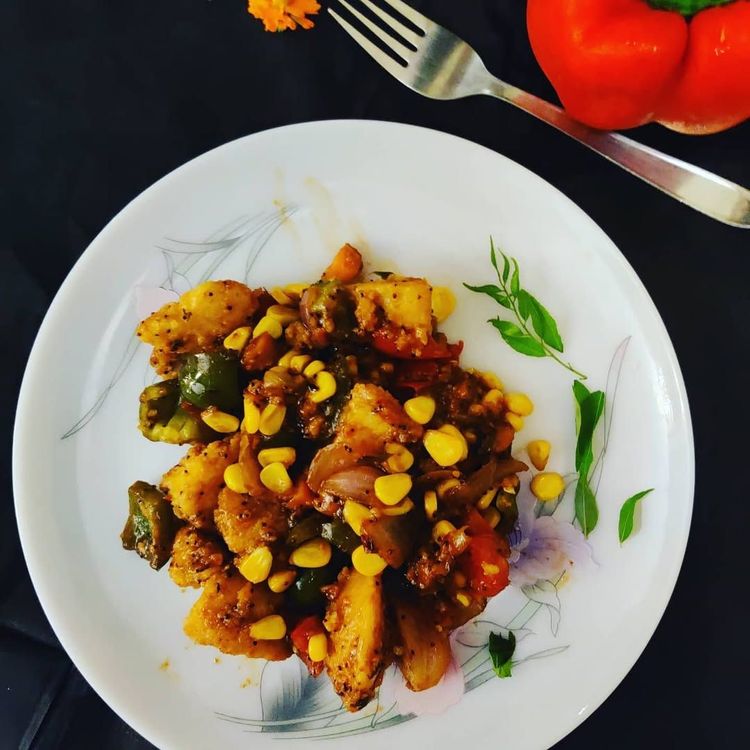
- Indo-Chinese
- Vegan
- Snack
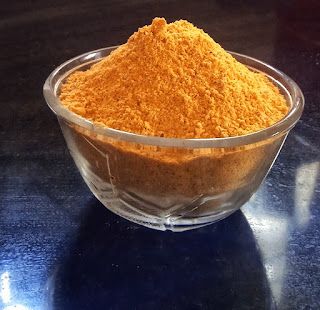

- Indian
- Vegan
- Sauce & Condiment
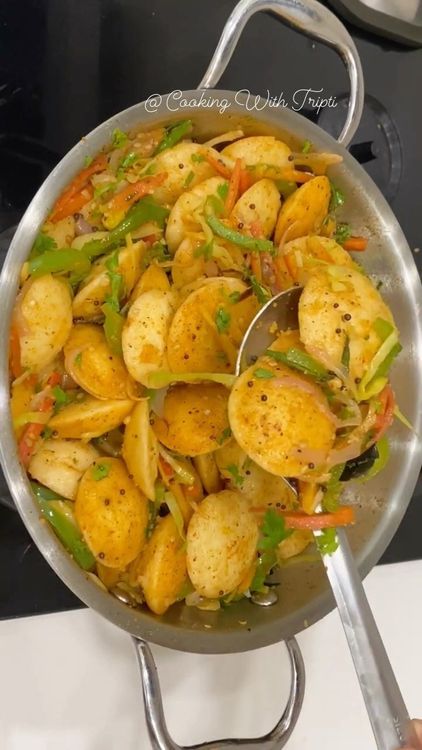
- Indian
- Vegetarian
- Breakfast
- South Indian
- Vegetarian
- Breakfast
More Idli Favourites
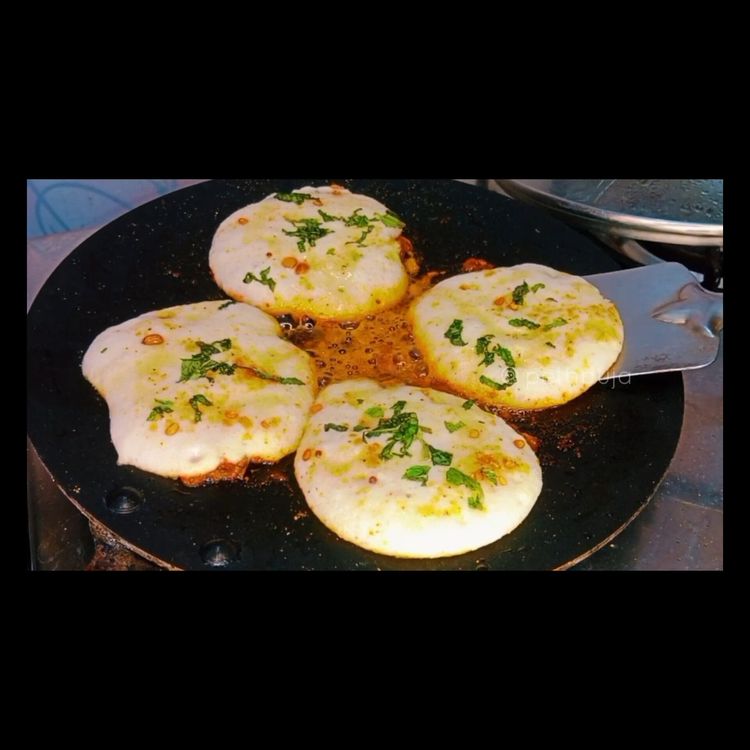
A handful of idli ideas never sit neatly in a single cluster, and these are the ones worth keeping once the staples feel routine. They lean on the same handful of skills you already have — a well-fermented or properly rested batter, a gentle fold to protect the air, a careful steam, and a confident hand at the tempering pan — but push the humble steamed cake toward new flavours, colours and textures. Think carrot, beetroot or spinach idlis tinted and flavoured by vegetables folded straight into the batter; rava button idlis that marry the instant shortcut with a bite-sized shape; or stuffed and masala-laced versions that blur the line between breakfast and snack. Picking your next one is mostly about matching effort to mood: reach for a quick rava or instant batch on a rushed morning, and save the fermented, regional or stuffed projects for a relaxed weekend when you can let the batter rise properly. Pay attention to size, since smaller idlis steam faster and heavier mix-ins want a slightly looser batter. Treat this group as the natural next step after the classics — the recipes that quietly earn a regular place in the rotation once you have tried them. Standouts here include Hyderabadi Spot Idli and Patoli - Sweet Idli in Turmeric Leaf, plus Farali Idli (Vrat Special).
- Indian
- Vegetarian
- Breakfast

- Indian
- Vegan
- Dessert

- Indian
- Vegetarian
- Breakfast
- South Indian
- Vegan
- Breakfast
- Indian
- Vegan
- Side Dish
Getting the Batter and Fermentation Right
A classic idli batter is built on a ratio: roughly four parts idli rice (or three parts rice to one part poha for extra softness) to one part whole, skinless urad dal, plus a little fenugreek that helps fermentation and lends a faint aroma. Soak the rice and dal separately for four to six hours, then grind the urad first to a light, fluffy paste and the rice to a slightly coarse one. Combine them, add salt, and mix well with your hand — the warmth genuinely helps the rise.
Fermentation is where softness is won or lost. The batter needs eight to twelve hours somewhere warm, around 25 to 30 degrees Celsius, to double in volume and turn airy and pleasantly sour. In a cold kitchen, set it inside a switched-off oven with the light on, or near any gentle warmth. It is ready when it has risen and is dotted with tiny bubbles. Under-fermented batter steams into dense, flat cakes; if yours is sluggish, give it longer rather than rushing it to the steamer.
Consistency matters as much as the rise. The finished batter should be thick but pourable, like a loose cake batter that drops slowly off a spoon — too thin and the idlis spread flat, too thick and they steam heavy. Add water a splash at a time when grinding rather than all at once. Once fermented, fold gently to keep the air in, and avoid over-stirring, which knocks out the bubbles you worked overnight to build. Refrigerate any leftover batter and bring it back to room temperature before steaming.
Steaming Soft, Fluffy Idlis
Steaming is gentle by design, and idlis reward a light touch. Grease the idli moulds with a thin film of oil, give the fermented batter a soft fold, then spoon it into each well only about three-quarters full, since it will rise as it cooks. Bring the water in the steamer or pot to a rolling boil before the stand goes in, so the cakes hit hot steam straight away and set quickly rather than sitting in lukewarm vapour and turning gummy.
Time and heat decide the texture. Steam on medium-high for ten to twelve minutes, then turn off the heat and wait two or three minutes before opening — a sudden blast of cold air can make the tops sink. Test with a skewer or a wet finger: it should come out clean and the surface should spring back. Over-steaming dries idlis out and can make them rubbery, so pull them as soon as they are set rather than leaving them to sit in the heat.
The unmoulding and resting steps are easy to overlook. Let the idlis cool for a couple of minutes so they firm up, then run a wet spoon or knife around each one to release it cleanly without tearing. Keep cooked idlis warm and covered, since they dry at the edges if left exposed. For rava and instant versions the method is the same, but stir the eno or fruit salt in only at the very last second before steaming, so the bubbles it releases lift the cakes rather than fizzing away in the bowl.
Fried, Masala and Leftover Idlis
Day-old idlis are an asset, not a problem — they firm up overnight and hold their shape far better than fresh ones when cubed and fried. Cut cold idlis into bite-sized pieces, and either shallow-fry or air-fry them until the edges turn golden and lightly crisp before they meet any spice. Fresh, warm idlis are too soft and tend to break up or go soggy, so this is genuinely a dish that works best the day after you steam a big batch.
For podi idli, the classic move is to toss the crisped cubes in idli podi (the roasted lentil-and-chilli gunpowder) loosened with a little warm sesame or coconut oil, so the powder clings to every piece instead of sitting dry at the bottom. For masala idli, build a quick tempering first: heat oil, crackle mustard seeds, curry leaves and dried chilli, soften onions, then fold the fried cubes through so they catch the spices. Add the idlis at the end and toss briefly, keeping the heat high so they stay crisp.
The Indo-Chinese route — chilli idli or idli manchurian — follows the same logic as any good stir-fry: fry the cubes crisp, build a glossy soy, vinegar, chilli and garlic sauce thickened with a touch of cornflour, then toss the idlis through at the very last second and serve immediately, because the longer they sit in sauce the softer they go. Across all of these, the rule is the same: get the idlis crisp first, season boldly, and finish fast so the contrast between crunchy edge and soft centre survives to the plate.
Pro Tips from the Test Kitchen
- Use a 4:1 ratio of idli rice to urad dal, and add a little poha or fenugreek for extra-soft cakes.
- Soak rice and dal separately, then grind the urad fluffy and the rice slightly coarse.
- Ferment the batter 8 to 12 hours somewhere warm until it doubles and turns bubbly and faintly sour.
- In a cold kitchen, ferment inside a switched-off oven with the light on.
- Keep the batter thick but pourable — too thin spreads flat, too thick steams heavy.
- Fold fermented batter gently and avoid over-stirring, which knocks out the air.
- Fill greased moulds only three-quarters full and steam over already-boiling water for 10 to 12 minutes.
- Stir eno or fruit salt into rava and instant batter only at the very last second before steaming.
- Use cold, day-old idlis for frying — they hold their shape and crisp far better than fresh ones.
- For podi or masala idli, crisp the cubes first, then toss with podi or tempering and serve fast.
Frequently Asked Questions
What are the best idli recipes to start with?
Begin with a foolproof classic soft idli from homemade fermented batter — it teaches the soak, grind, ferment and steam rhythm everything else builds on. If you are short on time, a rava or instant idli skips fermentation entirely and is ready in well under an hour. Once you have a tray steamed, the easiest next step is a fried podi or masala idli from the leftovers. These three between them cover the soft, the quick and the crisp ends of the whole idli range.
What are some quick and easy idli recipes without fermentation?
Rava idli and instant idli are the answer when you have no fermented batter ready. Rava idli uses roasted semolina mixed with yogurt and a little eno or baking soda, rested briefly and steamed soft in minutes. Instant versions use oats, poha or a quick batter that needs only a short rest. The trick is the leavening: stir the eno or fruit salt in at the very last second so the bubbles lift the cakes in the steamer rather than fizzing away in the bowl beforehand.
Why are my idlis hard or flat instead of soft and fluffy?
The usual culprit is under-fermentation — if the batter has not risen and turned bubbly, the cakes steam dense and flat. Give it eight to twelve hours somewhere genuinely warm, and longer in a cold kitchen rather than rushing it. Other causes are batter that is too thick, too much salt slowing the rise, or over-steaming, which dries and toughens the cakes. Fold the fermented batter gently to keep the air in, and pull the idlis the moment a skewer comes out clean.
What is the right rice-to-dal ratio for idli batter?
A reliable ratio is four parts idli rice to one part whole skinless urad dal, with a teaspoon of fenugreek seeds soaked alongside to aid fermentation. For softer idlis, swap a portion of the rice for poha (flattened rice) or use a three-to-one rice-to-dal ratio with poha added. Soak the two separately, grind the urad to a light fluffy paste and the rice slightly coarse, then combine, salt and mix by hand. The dal provides the lift and the rice the body.
How long should idli batter ferment?
Most batters need eight to twelve hours in a warm spot of around 25 to 30 degrees Celsius to double in volume and develop their airy, gently sour character. In hot, humid weather it can be ready in six to eight hours, while a cold kitchen may need overnight plus a few more hours, ideally inside a switched-off oven with the light on. Judge it by sight, not the clock: it is ready when it has visibly risen and the surface is dotted with small bubbles.
How do you make fried or masala idli from leftovers?
Use cold, day-old idlis, which hold their shape far better than fresh. Cut them into bite-sized cubes and shallow-fry or air-fry until the edges crisp and turn golden. For masala idli, crackle mustard seeds, curry leaves and dried chilli in oil, soften onions, then toss the crisped cubes through so they catch the tempering. For podi idli, toss the fried cubes in idli podi loosened with a little warm oil. Add the idlis at the end and keep the heat high so they stay crisp.
How do you steam idlis without a special idli steamer?
You do not need a dedicated steamer. Any wide pot or deep pan with a tight lid works: set a small stand or trivet inside, pour in an inch or two of water, and place greased idli moulds or even small greased steel cups on top. Bring the water to a rolling boil first, then add the batter-filled moulds, cover and steam on medium-high for ten to twelve minutes. A pressure cooker works too — just remove the weight so steam escapes freely rather than building pressure.
How do you store idli batter and cooked idlis?
Once fermented, refrigerate leftover batter in a covered container for up to four or five days; it keeps rising slowly and turns more sour over time, so use the earliest batches for the softest, mildest idlis. Bring it back to room temperature before steaming. Cooked idlis keep a day or two refrigerated and actually fry up better cold, so they are ideal for podi and masala idli. Reheat plain idlis by steaming briefly or microwaving with a damp cover so they do not dry out.
Can you make idli batter in a regular blender instead of a wet grinder?
Yes. A wet grinder gives the fluffiest urad paste and the best lift, but a sturdy mixer-grinder or high-powered blender works well for home batches. Grind the urad dal in short pulses with cold water added a splash at a time, scraping down and resting the motor so the batter does not heat up, which can hinder fermentation. The rice can be ground a little coarse. The texture you are after is a light, aerated urad paste and a slightly grainy rice paste, combined into a thick but pourable batter.
The thread through every idli recipe here is the same: get the batter right and the rest follows. A four-to-one rice-and-dal ratio, a proper warm ferment until the batter doubles, gentle folding to keep the air in, and a quick steam over boiling water give you soft, springy cakes every time — and once you have those, rava shortcuts, fried podi tosses and regional twists all open up from the same simple foundation.
Pick a few idli recipes to cook this week — a batch of classic soft idlis, a five-minute rava version for a rushed morning, and a crisp masala idli fry from the leftovers — and save your favourites to a Chefadora cookbook. From a humble steamed cake to a whole repertoire of breakfasts and snacks, this page is built to be the idli reference you keep coming back to.
Related
- Idli
- South Indian
- Breakfast
- Vegetarian
- Steamed
- Fermented
- Snacks
- Tiffin
Popular Searches
- Best idli recipes
- Easy idli recipes
- Quick idli recipes
- Healthy idli recipes
- Simple idli recipes
- Homemade idli recipes
- Delicious idli recipes
- Popular idli recipes
- rava idli
- instant idli
- idli batter
- masala idli
Marnirni-apinthi Building, Lot Fourteen,
North Terrace, Adelaide, South Australia, 5000
Australia
