
Top 17 Enchiladas Recipes: Chicken, Beef, Cheese and Verde
Updated June 29, 2026 · Curated by Chefadora
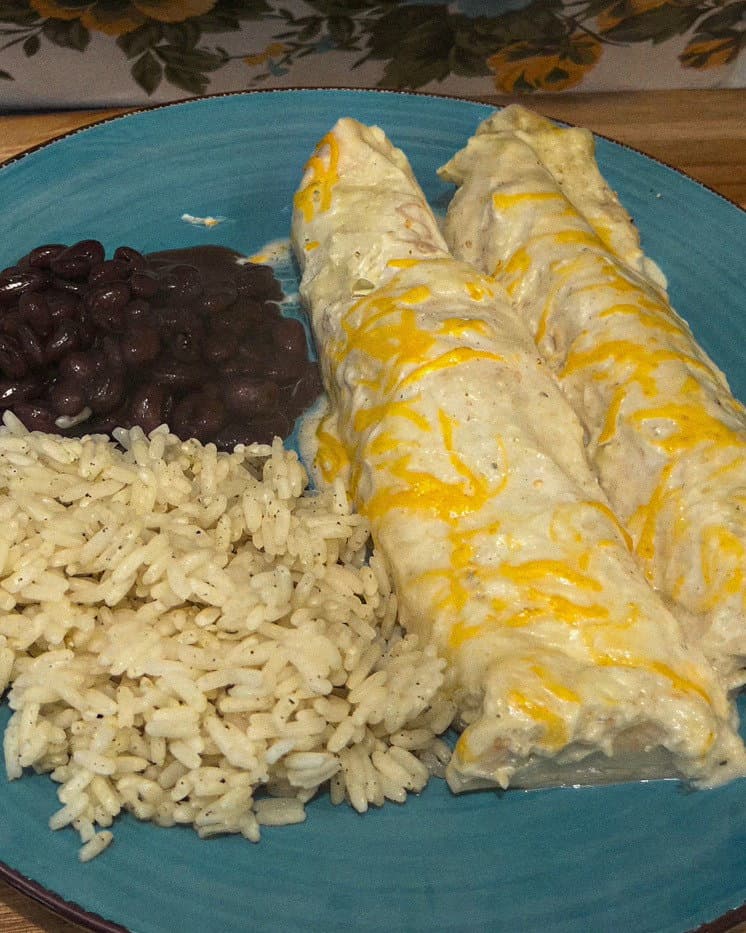
Enchiladas are one of the most generous dishes in Mexican home cooking: corn tortillas softened in warm sauce, wrapped around a savory filling, lined up in a dish and baked under more sauce and a blanket of melted cheese. The recipes below were chosen to show the real range of the dish rather than ten versions of the same tray — juicy shredded chicken, deeply seasoned beef and pork, simple cheese and vegetable fillings, and the sauces that hold the whole thing together.
What makes enchiladas special is also what trips people up: the tortilla has to bend without cracking and soak up sauce without dissolving into mush. Everything turns on a few small moves — warming or lightly frying the tortillas so they stay supple, sauce on the bottom of the dish as well as the top, and a bake just long enough to bubble rather than dry out. Get those right and the rest is filling and cheese.
You will find four clusters here: chicken enchiladas, the richer beef and pork group, cheese and vegetable versions, and a section devoted to the sauces and verde that define the dish. The method is shared across all of them, so once you have rolled and baked one tray successfully, switching the filling or the sauce is a variation rather than a new skill to learn.
Treat this page as a working reference. Each recipe links to full ingredients and steps on Chefadora, and the guides below cover the decisions that actually decide whether your tray comes out tender and saucy or cracked and soggy — how to keep tortillas from splitting, how to build a sauce with real depth, how to fill and roll cleanly, and how to bake and serve at their best.
Chicken Enchiladas
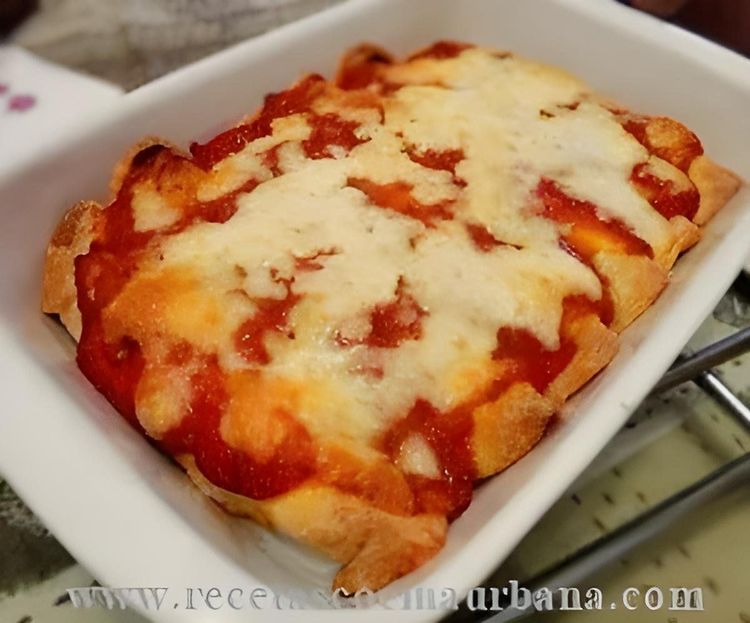
Chicken is the enchilada most home cooks reach for first, and for good reason: shredded poultry is forgiving, juicy and takes a sauce beautifully. The single best move is to choose the right meat. Thigh meat or a pulled rotisserie bird stays moist through the bake, while plain poached breast can dry into stringy threads, so if you use breast, do not overcook it and fold plenty of sauce back through the shred. Season the filling properly on its own rather than relying on the sauce to do all the work, and mix in a little cheese and a few spoons of the enchilada sauce so each rolled tortilla is moist from the inside. The classic styles span from a tangy salsa verde chicken to a rich, creamy sour-cream "suiza" to a smoky red-chile version, but the method is identical: soften the tortillas, keep the filling dry enough not to flood the tray, roll snug and seam-side down, then bake covered and finish uncovered so the cheese browns. Pull the chicken into fine, even shreds rather than chunks so every bite has filling and nothing unrolls in the oven. Standouts here include Creamy Chicken Enchiladas and Salsa Verde Chicken Enchiladas, plus Chicken Enchiladas.


- Mexican
- Non-Vegetarian
- Dinner


- Mexican
- Non-Vegetarian
- Dinner
- Mexican
- Non-Vegetarian
- Lunch
- Mexican
- Non-Vegetarian
- Lunch

- Mexican
- Non-Vegetarian
- Dinner

- Mexican
- Non-Vegetarian
- Dinner
Beef & Pork Enchiladas
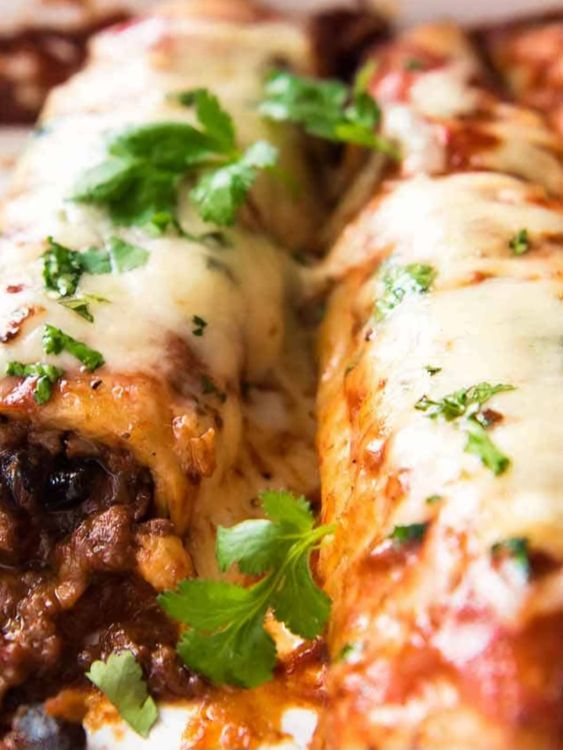
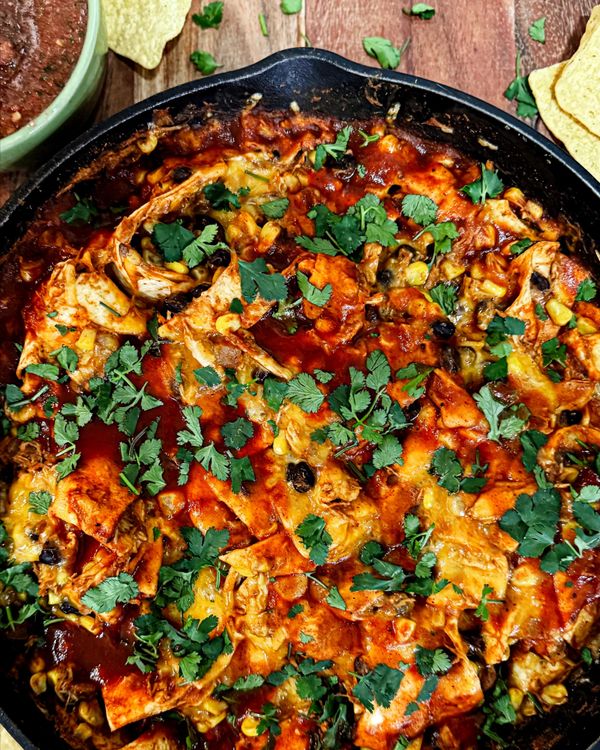
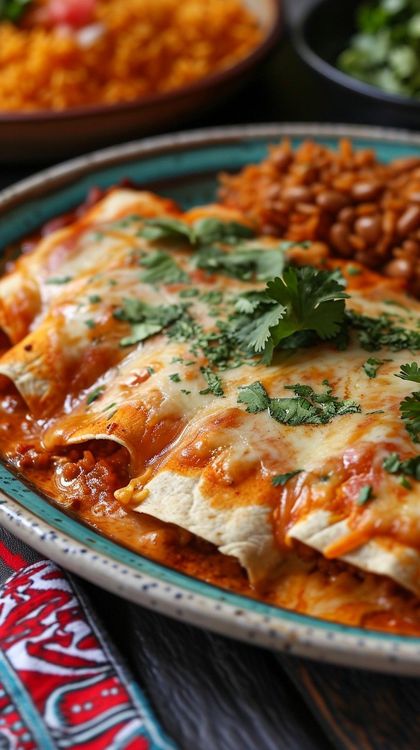
Beef and pork enchiladas are the heartier, deeper end of the lineup, and the work happens before anything gets rolled. Whether you are using seasoned ground beef, shredded barbacoa, carnitas or a little chorizo, the goal is a concentrated, well-browned filling with no excess liquid. Brown ground meat hard until it picks up real color and the fat renders, then drain it and reduce any sauce you add until it clings rather than pools; a wet, greasy filling is the fastest way to a soggy tray and split tortillas. For shredded cuts like barbacoa or carnitas, let them carry their own braising spices and tug them into fine strands so they pack evenly down the center of each tortilla. Because these fillings are rich, they pair well with an earthy red chile sauce built from toasted dried chiles rather than a bright verde, and a sharp crumble of cotija or queso fresco at the end cuts through the richness. Roll snug, sauce generously over the top so the ends stay soft, and bake covered first so the meat heats through before the cheese takes on its golden, bubbling finish. Standouts here include Beef Enchiladas and Black Bean and Beef Skillet Enchiladas, plus Beef Enchilada Lasagna.

- Mexican
- Non-Vegetarian
- Dinner
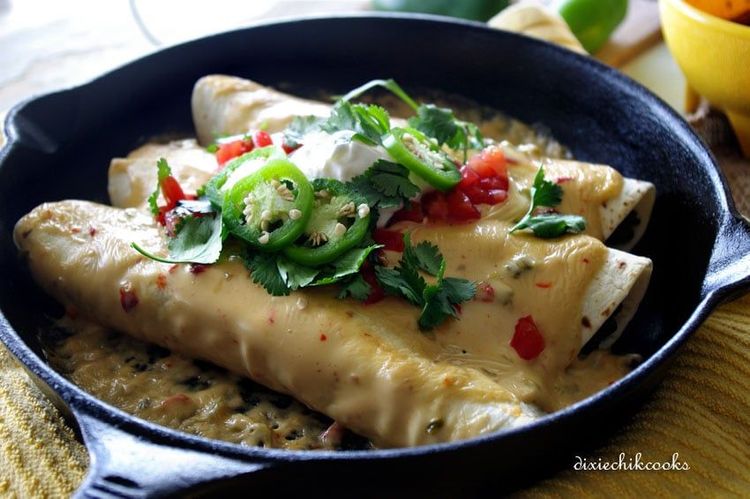

- Mexican
- Non-Vegetarian
- Dinner
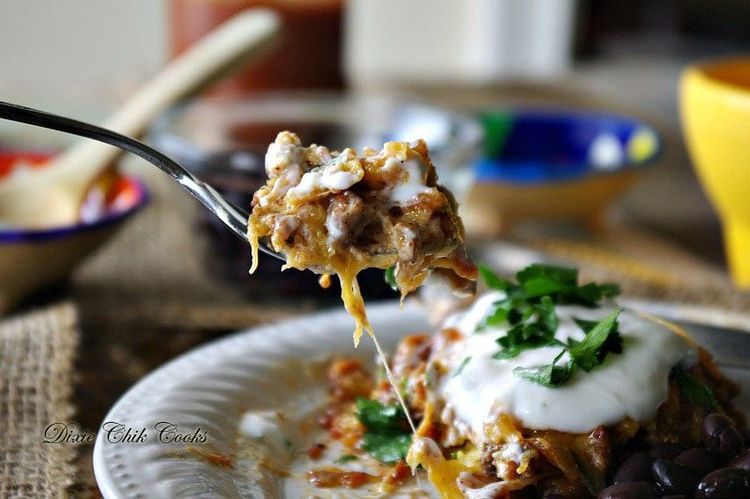
- Mexican
- Non-Vegetarian
- Dinner
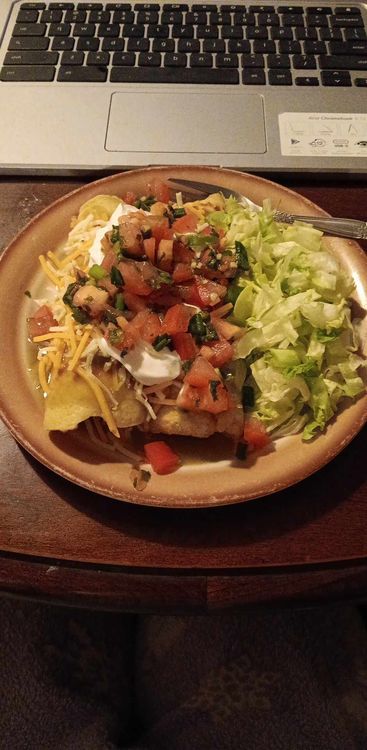
- Mexican
- Non-Vegetarian
- Dinner
Enchilada Sauces & Verde
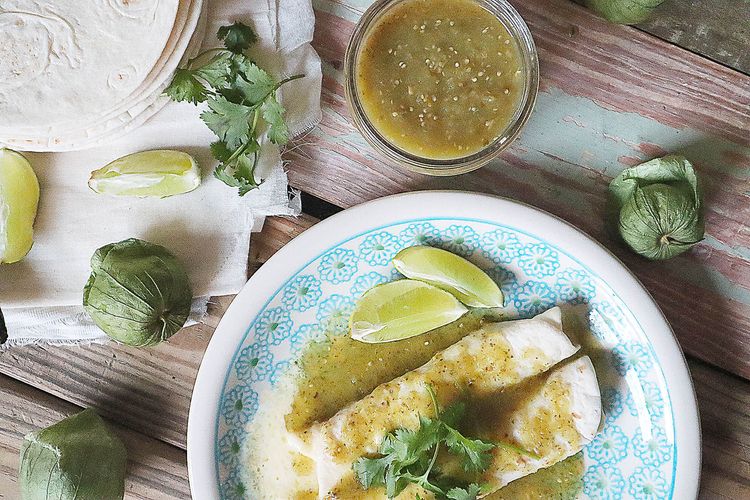
An enchilada is, at heart, a delivery system for sauce, so this is the part of the page worth slowing down for. A great sauce coats a spoon, pours easily and tastes assertively of its base, because it has to flavor both the soaking tortillas and the filling. For a deep red sauce, start with whole dried chiles — guajillo, ancho and pasilla are the workhorses — toasted briefly until fragrant, soaked soft and blended smooth with garlic, cumin and oregano; toasting is the step that separates a rich, cooked flavor from a flat, dusty one. For speed, a roux-style gravy works: bloom chili powder, cumin and a little flour in hot oil so the spices cook and the flour loses its raw edge, then whisk in stock or tomato and simmer until glossy. Verde takes the bright path, with tomatillos, green chiles, onion and garlic roasted until charred and soft, then blended with cilantro; the char is what gives it smoky depth instead of grassy sharpness. Creamy suiza and sour-cream sauces loosen these with crema or a quick béchamel for a milder, richer tray. Whichever you build, season it harder than feels necessary, because it has a whole dish to flavor. Standouts here include Mole Enchiladas and Tomatillo Enchilada Sauce.
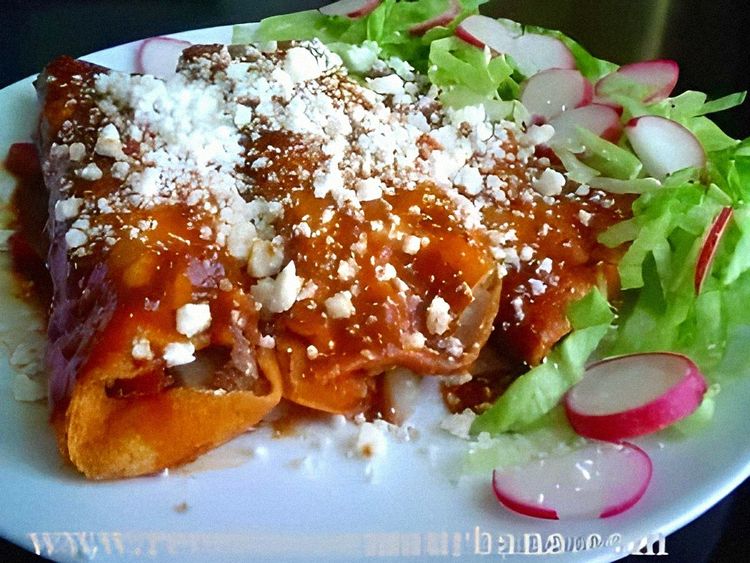
- Mexican
- Non-Vegetarian
- Lunch
- Mexican
- Non-Vegetarian
- Sauce & Condiment
More Enchiladas Favourites
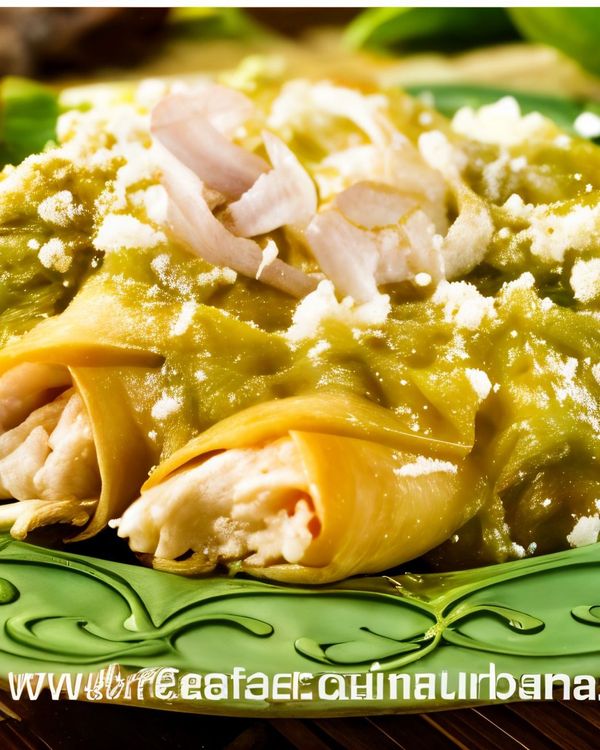
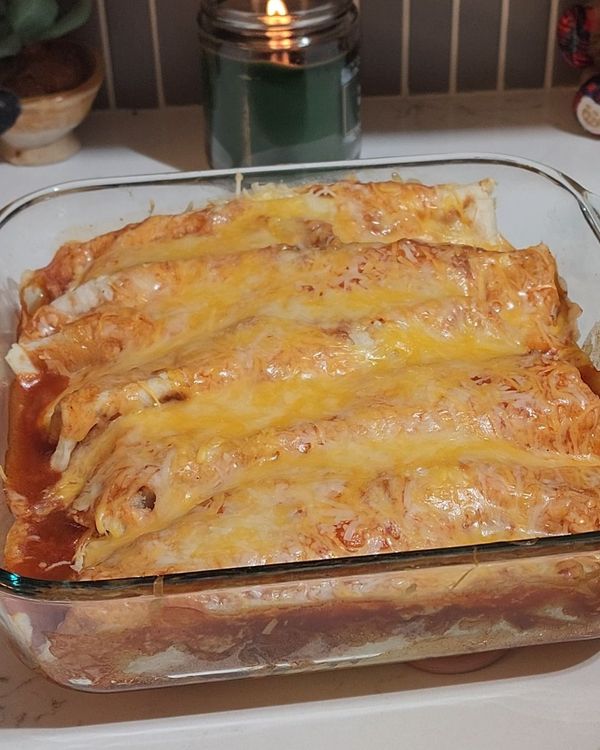
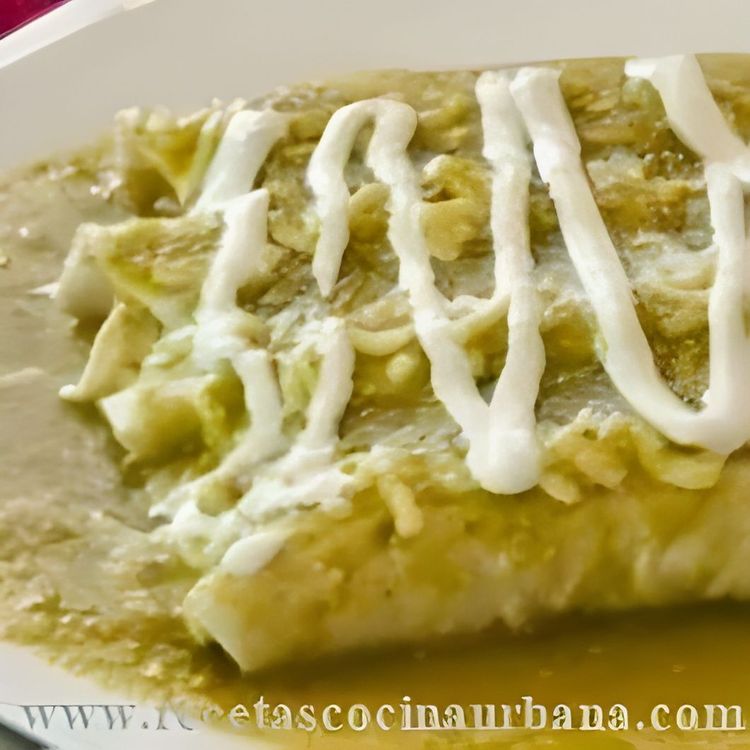
A handful of enchilada styles never quite fit a single category, and these are the ones worth keeping in your back pocket once the staples feel routine. They lean on exactly the same techniques you already know — softened tortillas that roll without cracking, a sauce with real depth, a dry and well-seasoned filling, and the covered-then-uncovered bake — but steer them toward different flavors and formats. Some skip rolling entirely in favor of a layered, lasagna-style stack or the open-faced "entomatadas" approach; others lean into breakfast with eggs and chorizo, or toward a saucier suiza finish. Picking your next one is mostly about matching effort to mood: reach for a quick layered bake or a simple cheese tray on a busy night, and save the from-scratch dried-chile sauces and slow-braised fillings for a weekend when you can let the flavors build properly. Pay attention to how saucy you like things, since a wetter, softer tray and a crisper, lightly browned one start from the same recipe with only a little more or less sauce. Think of this group as the natural next step after the classics — the trays that quietly earn a regular spot in the rotation once you have tried them. Standouts here include Enchiladas and Easy Skillet Enchiladas, plus Mexican Enchiladas.
- Mexican
- Vegetarian
- Lunch

- Mexican
- Non-Vegetarian
- Dinner
- Mexican
- Non-Vegetarian
- Lunch
- Mexican
- Non-Vegetarian
- Dinner
- Mexican
- Non-Vegetarian
- Lunch
Tortillas: Softening Them So They Roll Without Cracking
A cold corn tortilla straight from the pack will snap the moment you fold it, so softening is the first non-negotiable step. The traditional move is a quick dip-and-fry: heat a thin film of oil in a skillet and pass each tortilla through for just a few seconds a side until pliable and barely blistered, then drain on paper towels. This both flexes the tortilla and seals the surface so it absorbs sauce without falling apart in the bake.
If you want a lighter result, skip the oil and warm them instead. Wrap a stack in a damp towel and microwave for thirty to forty seconds, or pass them one at a time over a dry hot comal until soft and fragrant. Either way, work with them warm and roll immediately — tortillas stiffen as they cool, and a cooled one will crack right down the middle no matter how careful you are.
Flour tortillas are common in Tex-Mex enchiladas and need almost no prep beyond a quick warm to make them foldable, but they go gummier than corn under sauce, so use a little less liquid and do not let them sit before baking. Whichever you use, dip each softened tortilla through warm sauce just before filling; that thin coat is what keeps the wrap supple and flavored all the way through.
Building an Enchilada Sauce With Real Depth
The best red enchilada sauce starts with whole dried chiles rather than chili powder. Stem and seed guajillo, ancho or pasilla chiles, toast them briefly in a dry pan until fragrant, then soak in hot water until soft and blend smooth with garlic, a little of the soaking liquid, cumin and oregano. Toasting wakes up the chiles; rushing past it leaves the sauce flat and one-note. Strain the blend if you want it velvety.
For a quick weeknight sauce, the fast route is a roux-based gravy: bloom chili powder, cumin and a little flour in hot oil for a minute so the spices cook and the flour loses its raw taste, then whisk in stock or tomato until it thickens to a pourable, clingy consistency. The minute of blooming is what separates a sauce that tastes cooked from one that tastes like a packet. Simmer five minutes to marry it.
Verde follows a different path. Roast or boil tomatillos with onion, garlic and serrano or jalapeño until soft and slightly charred, then blend with cilantro and a pinch of salt. Char gives it smoky depth; raw tomatillos make it sharp and grassy. Whichever sauce you build, season it assertively and check the consistency — it should coat a spoon and pour easily, loose enough to soak the tortillas but not so thin it floods the dish.
Filling, Rolling and Saucing the Dish
Keep fillings on the drier, more concentrated side. Watery chicken, under-reduced beef or wet vegetables release liquid as they bake and turn the bottom of the tray to soup. Shred or chop the filling fine so it distributes evenly, fold a little sauce and cheese into it for richness, and resist overfilling — a heaping line down the center is what makes enchiladas burst open and unroll in the oven.
Spread a thin layer of sauce across the bottom of the baking dish first; this stops the enchiladas sticking and keeps their undersides from drying out. Dip each softened tortilla through warm sauce, lay a modest line of filling just off center, then roll snugly and place seam-side down so the weight of the enchilada keeps it closed. Nestle them tight against each other so they hold their shape rather than springing open.
Once the tray is packed, pour the remaining sauce evenly over the top, making sure to coat the exposed tortilla ends so they do not bake hard and brittle. Scatter cheese generously over everything. For a saucier, softer "suiza" style use plenty of sauce; for crisper edges use a little less and leave the very tops just peeking through. Cover with foil to start so they steam tender before the cheese browns.
Baking, Make-Ahead and Serving
Bake covered with foil at a moderate temperature, around 350°F / 175°C, for about twenty minutes so the enchiladas heat through and steam tender, then uncover and bake another ten to fifteen minutes until the cheese melts and bubbles with golden spots. Baking uncovered the whole time dries the tops and toughens the tortilla ends; the foil-then-uncover sequence is the reliable path to soft inside and bubbling on top.
Enchiladas are excellent make-ahead, but assembly timing matters. You can prep the filling and sauce a day or two early and store them separately, then assemble and bake fresh — or fully assemble and refrigerate for a few hours. Avoid assembling and holding overnight, because the tortillas slowly absorb sauce and go pasty. If you do assemble far ahead, hold a little sauce back to refresh the top just before baking.
Let the tray rest five to ten minutes out of the oven so the sauce and cheese set and you can lift clean portions instead of a collapse. Serve with the classic cool, sharp contrasts: a scatter of crumbled queso fresco, sliced avocado or guacamole, a drizzle of crema or sour cream, pickled onions and chopped cilantro. A side of rice and beans turns a tray of enchiladas into a full plate.
Pro Tips from the Test Kitchen
- Warm or lightly fry corn tortillas before rolling — cold tortillas crack the moment you fold them.
- Always spread sauce on the bottom of the dish first so the enchiladas do not stick or dry out underneath.
- Dip each tortilla through warm sauce before filling; it keeps the wrap supple and flavored throughout.
- Toast dried chiles before soaking and blending — it is what gives red sauce its deep, cooked flavor.
- Bloom chili powder and flour in hot oil for a quick sauce so it tastes cooked, not like a packet.
- Char tomatillos for verde rather than using them raw, which tastes sharp and grassy.
- Keep fillings dry and concentrated; watery filling floods the tray and makes the bottoms soggy.
- Roll snugly and place seam-side down so the enchiladas stay closed in the oven.
- Bake covered with foil first to steam them tender, then uncover to brown and bubble the cheese.
- Rest the tray 5–10 minutes before serving so the sauce sets and you can lift clean portions.
Frequently Asked Questions
How do you keep enchiladas from getting soggy?
Sogginess comes from too much liquid and tortillas that absorb it. Lightly fry or warm the tortillas first to seal them, keep fillings dry and concentrated, and do not drown the tray in sauce. Spread only a thin layer on the bottom, sauce the tops, and bake covered then uncovered. Just as important, assemble close to baking rather than holding an assembled tray overnight.
Should I use corn or flour tortillas for enchiladas?
Corn is traditional and holds up better under sauce with that classic flavor, but it must be softened or it cracks. Flour tortillas, common in Tex-Mex, are easier to roll and need almost no prep, but they go gummier under liquid, so use a little less sauce and bake fresh. For authentic enchiladas use corn; for a softer, more forgiving roll, flour works.
Why do my tortillas crack when I roll them?
They are too cold and dry. Corn tortillas are stiff straight from the pack and snap when folded. Soften each one by frying a few seconds in a little oil, microwaving a stack in a damp towel, or warming on a dry comal until pliable, then roll immediately while warm. Dipping them through warm sauce before filling helps too, and stops them cracking in the bake.
What is the difference between red and green enchiladas?
The sauce. Red enchiladas use a sauce built on dried red chiles (guajillo, ancho, pasilla) or chili powder and tomato, giving an earthy, warm flavor. Green enchiladas, often called verde or suizas, use a tangy, bright sauce of tomatillos, green chiles and cilantro. Both use the same rolling and baking method; the choice is mostly about whether you want deep and earthy or fresh and tangy.
Can you make enchiladas ahead of time?
Yes, with care about timing. Prepare the filling and sauce a day or two ahead and store separately, then assemble and bake fresh for the best texture. You can also fully assemble and refrigerate a few hours before baking. Avoid leaving an assembled tray overnight, as the tortillas slowly soak up sauce and turn pasty. Add a little reserved sauce on top just before baking if it looks dry.
How do you make enchilada sauce from scratch?
For red sauce, toast stemmed, seeded dried chiles, soak them soft, then blend with garlic, cumin, oregano and a little soaking liquid until smooth; strain for silkiness. For a faster version, bloom chili powder, cumin and flour in hot oil, then whisk in stock or tomato and simmer until it coats a spoon. For verde, roast tomatillos, onion, garlic and chile, then blend with cilantro and salt.
What is the best filling for enchiladas?
Shredded chicken (thigh or rotisserie) is the most popular for its juicy, forgiving texture. Seasoned ground beef, shredded barbacoa, carnitas and chorizo make richer trays. For vegetarian options, simple cheese, black beans, sautéed vegetables, spinach and sweet potato all work well. Whatever you choose, keep it dry and well seasoned, and fold in a little sauce and cheese so the filling stays moist without leaking.
What cheese is best for enchiladas?
For melt, a good Mexican blend, Monterey Jack, mild cheddar or Chihuahua and Oaxaca cheese all melt smoothly over the top. For a fresh, salty finishing crumble, use queso fresco or cotija scattered on after baking. Many cooks combine the two: a melting cheese baked into the tray for gooeyness, and a crumbled fresh cheese added at the end for sharp contrast against the rich sauce.
How long do you bake enchiladas and at what temperature?
Bake at around 350°F / 175°C. Cover the dish with foil for the first twenty minutes or so to heat through and steam the tortillas tender, then uncover and bake another ten to fifteen minutes until the cheese is melted, bubbling and lightly browned. Baking uncovered the entire time dries out the tops and hardens the tortilla ends, so the covered-then-uncovered sequence is key.
What do you serve with enchiladas?
Mexican rice and refried or black beans are the classic plate-fillers. For freshness and contrast, add guacamole or sliced avocado, a drizzle of crema or sour cream, crumbled queso fresco, pickled red onions and chopped cilantro. A simple lime-dressed salad or a corn salad also cuts the richness. The cool, tangy toppings against the warm, cheesy enchiladas are part of what makes the dish.
The thread through every enchilada here is the same handful of moves: soften the tortillas so they roll without cracking, build a sauce with real depth, keep the filling dry, and bake covered then uncovered so the inside stays tender while the cheese browns. Master those and the style — chicken, beef, cheese or verde — becomes a choice rather than a different skill.
Pick three to cook over the next couple of weeks — a juicy chicken verde, a rich beef tray and a simple cheese-and-red-sauce classic — and save your favorites to a Chefadora cookbook. Then work through the rest; this page is built to be the enchilada reference you actually come back to.
Related
- Enchiladas
- Mexican
- Tex-Mex
- Chicken
- Dinner
- Baked
- Comfort Food
- Weeknight
Popular Searches
- Best enchiladas
- Easy enchiladas
- Quick enchiladas
- Healthy enchiladas
- Simple enchiladas
- Homemade enchiladas
- Delicious enchiladas
- Popular enchiladas
- enchilada recipe
- enchiladas recipe
- recipe for enchilada
Marnirni-apinthi Building, Lot Fourteen,
North Terrace, Adelaide, South Australia, 5000
Australia
