
Top 15 Black Bean Recipes: Soups, Tacos, Burgers and More
Updated June 29, 2026 · Curated by Chefadora
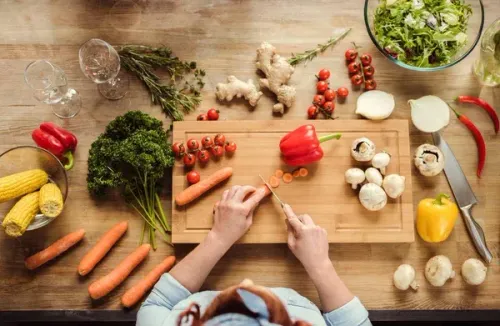
Black bean recipes are the quiet backbone of pantry cooking: a creamy, inky legume that holds its shape, soaks up smoke and spice, and turns a near-empty kitchen into a real meal. The dishes below were chosen to show their range — thick soups and chili, taco and burrito fillings, hearty veggie burgers, and bright salads and dips — rather than ten versions of the same pot of beans. Whether you start from a can or a bag of dried beans, the same handful of moves keeps coming back.
What makes black beans special in the kitchen is their balance of structure and starch. They stay intact enough to fold into a taco or a salad, yet release just enough creamy starch to thicken a broth into something glossy and substantial. That dual nature is also their lesson: drain and dress them and they are a salad; mash and simmer them and they are a soup. Most of the technique here is about steering the same bean toward the texture each dish wants.
You will find four clusters: soups and chili, Mexican and Tex-Mex mains, burgers and patties, and the no-cook salads, dips and sides. The base ingredient is shared across all of them, so once you know how to cook a pot of beans properly and season them in layers, every recipe on the page gets easier. The clusters are really just four directions to take the same humble bean.
Treat this as a working reference. Each recipe links to full ingredients and steps on Chefadora, and the guides below cover the decisions that actually matter: canned versus dried and how to handle each, how to build a soup with real body, how to make a burger patty that holds together, and how to season beans so they taste cooked rather than flat. Get those down and the beans do the rest.
Black Bean Soups & Chili
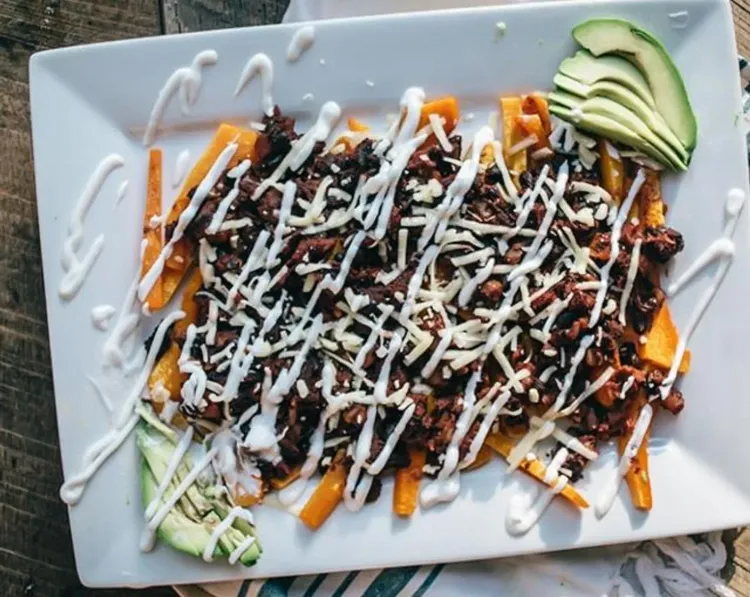
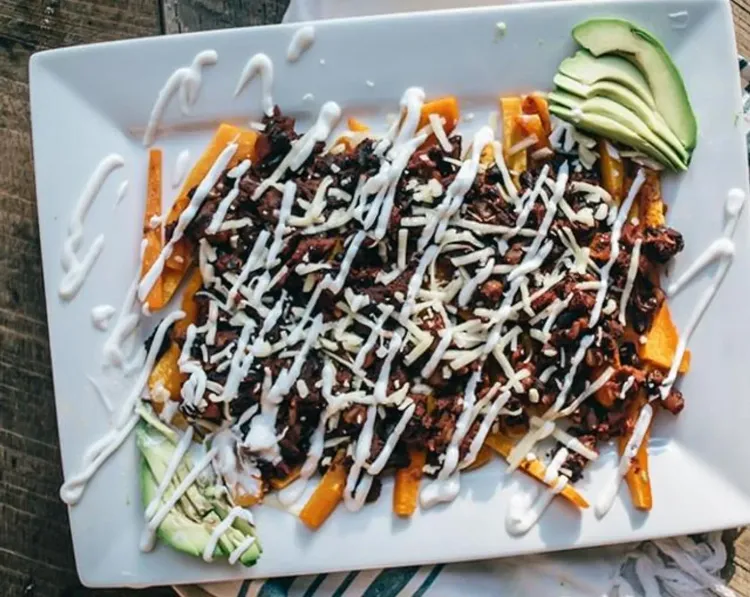
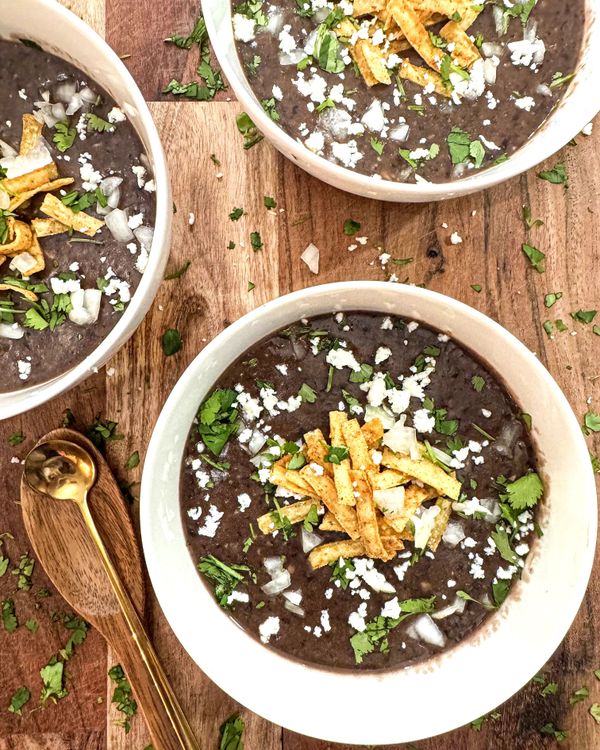
The whole point of a good black bean soup is patience and body: you want a pot that turns dark, thick and glossy rather than a thin, watery broth with beans rattling around in it. That body comes from the beans themselves, so build a base first, cooking onion, garlic, celery and pepper in fat until soft, then blooming cumin, oregano and a smoked chipotle in the hot oil before any liquid goes in. Toasting the spices that way is the difference between a soup that tastes cooked and one that tastes flat and raw. Once the beans and stock join the pot, let it simmer gently and, near the end, mash a ladleful of beans against the side and stir it back in to release their starch and thicken the broth without flour. Whether you start from a can for speed or a slow pot of dried beans for depth, the move is the same. Finish bright off the heat with a squeeze of lime, then garnish with sour cream, diced onion and cilantro, which are not decoration but the seasoning that balances every bowl. Standouts here include Butternut Squash Fries with Black Bean Chili and Easy Black Bean Soup, plus Spicy Chicken and Black Bean Soup.
- American
- Vegetarian
- Dinner

- American
- Vegan
- Lunch


- Mexican
- Non-Vegetarian
- Lunch
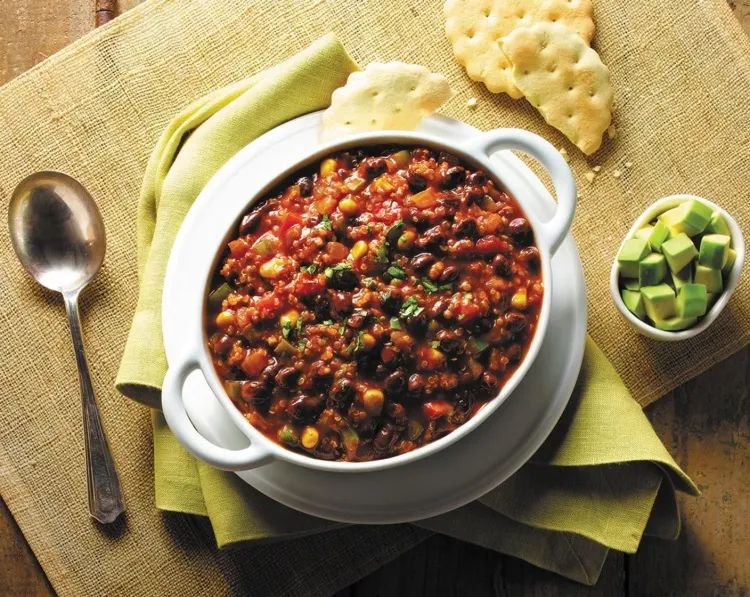
- Mexican
- Vegan
- Lunch
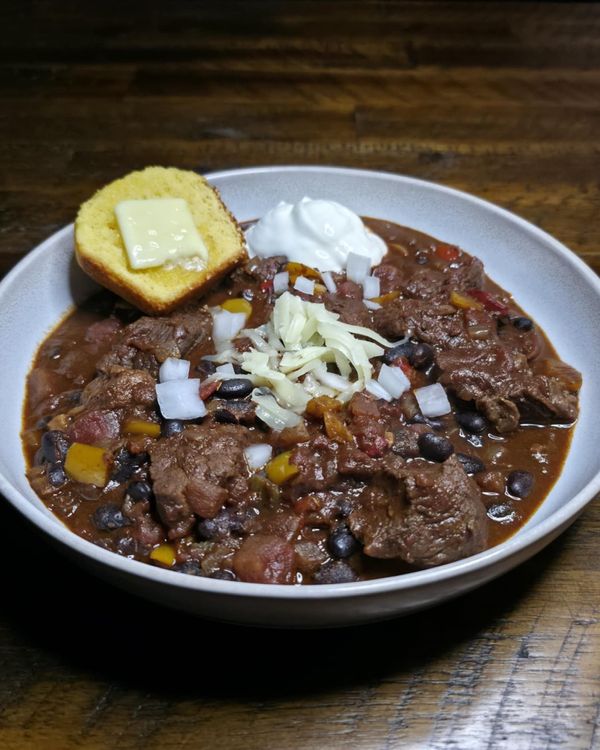

- American
- Non-Vegetarian
- Lunch
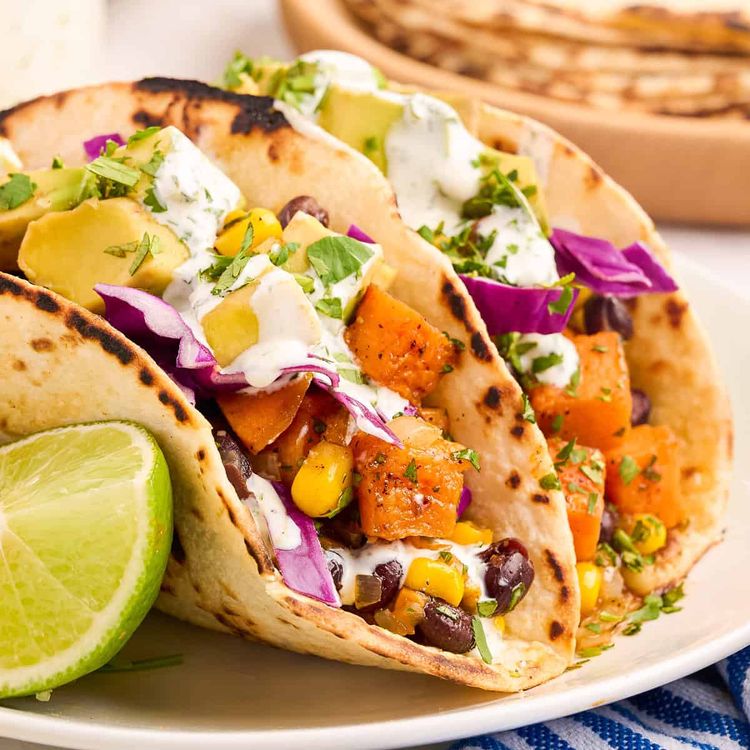
- Mexican
- Vegan
- Lunch
Tacos, Burritos & Enchiladas
When black beans anchor a taco, burrito or enchilada, the single skill that decides success is moisture control. You want a filling that is creamy and well-seasoned but dry enough to cling to the tortilla rather than soaking through it, so drain and rinse canned beans well, then warm them in a hot pan with garlic, cumin and a little fat until the excess liquid cooks off and some beans start to catch and char at the edges. That light frying, almost a quick refry, concentrates flavor and drives away the wateriness that turns a good taco soggy. Mash a portion of them so the filling holds, and season assertively, because the bean is mild and everything around it, the salsa, cheese and crema, is competing for attention. Warm corn or flour tortillas on a hot dry pan for thirty seconds a side so they fold without cracking, and assemble to order rather than ahead. Build each one like any great handheld: something creamy, something crunchy, something bright and acidic, and serve immediately while the tortilla is still warm and pliable. Standouts here include Mexican Beef & Black Bean Rice and Chicken and Black Bean Quesadillas, plus Black Bean and Beef Skillet Enchiladas.
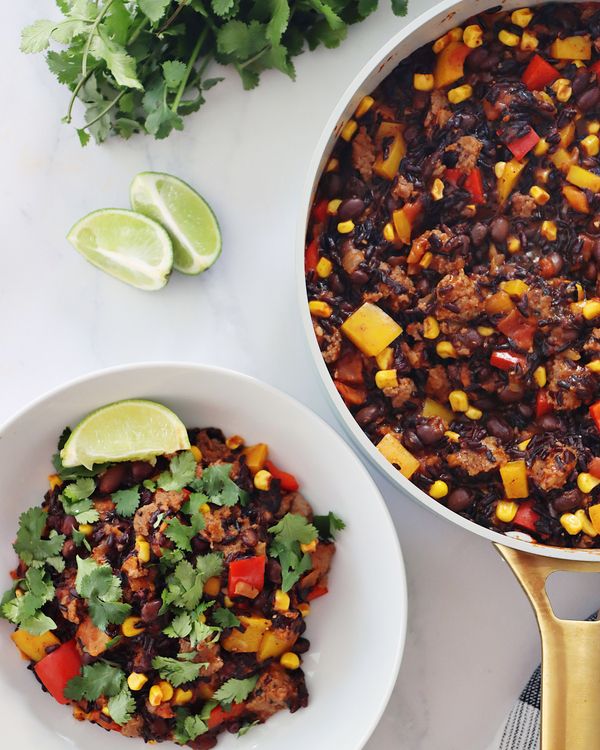
- Mexican
- Non-Vegetarian
- Lunch
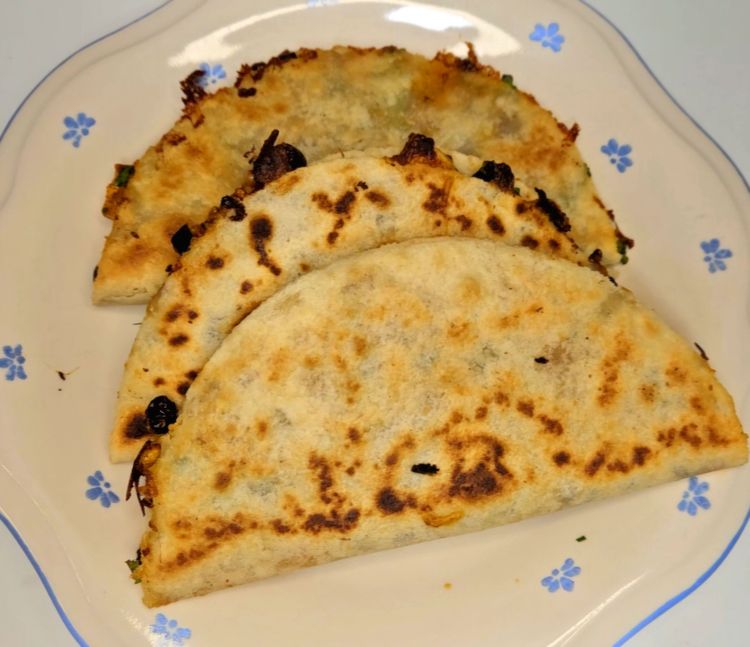
- Mexican
- Non-Vegetarian
- Lunch
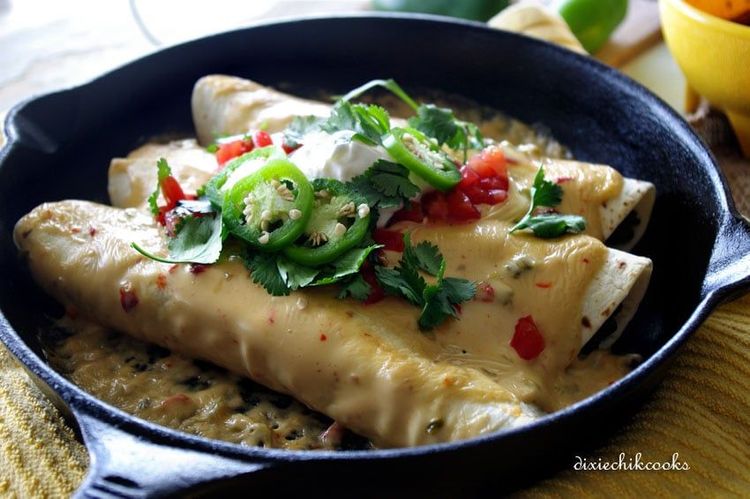

- Mexican
- Non-Vegetarian
- Dinner
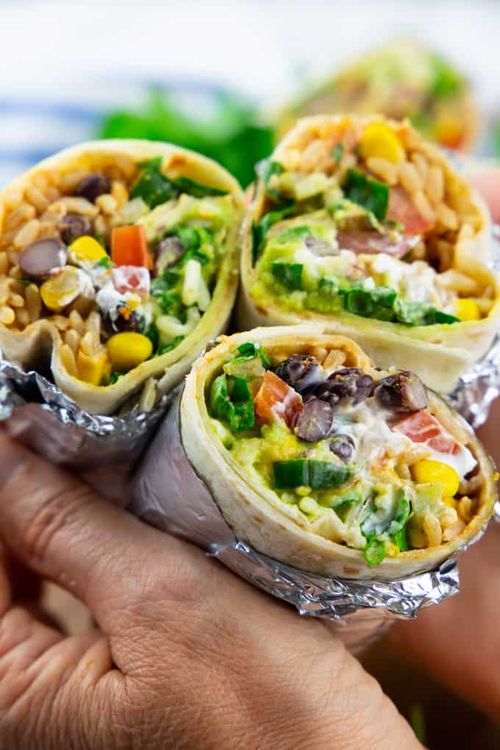
- Mexican
- Vegan
- Lunch
More Black Bean Favourites
A few black bean dishes never quite fit a single category, and these are the ones worth keeping in your back pocket once the staples feel routine. They lean on the same handful of techniques you already know, a properly bloomed spice base, a thickening mash, a confident sear, a bright acidic finish, but steer the bean toward different textures and cuisines so it never tastes the same twice. Picking your next one is mostly about matching effort to mood: reach for a quick pan of seasoned beans over rice or a fast dip on a busy night, and save the slow-simmered, dried-bean projects for a weekend when you can let a pot tick away for an hour or two. Pay attention to whether you are starting from canned or dried, since the canned route is about speed and rinsing well while the dried route is about gentle simmering and salting late. Across all of them, remember the bean is mild and earthy, so it always wants bold seasoning built in layers and a final hit of lime or vinegar to wake it up. Think of this group as the natural next step after the classics, the recipes that quietly earn a regular spot in the rotation once you have tried them. Standouts here include Epic Black Bean Recipe and Vegan Black Bean Brownies, plus Hearty Black Bean and Lentil Pasta.


- Mexican
- Vegan
- Side Dish
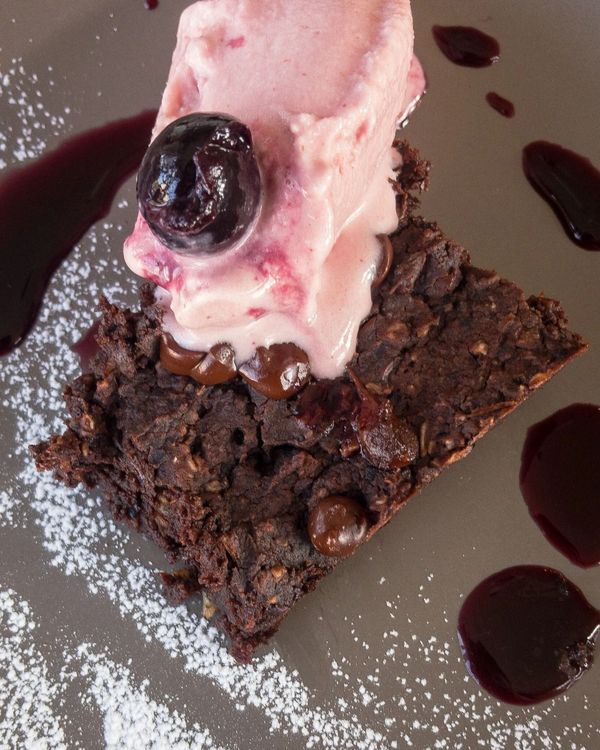
- American
- Vegan
- Snack
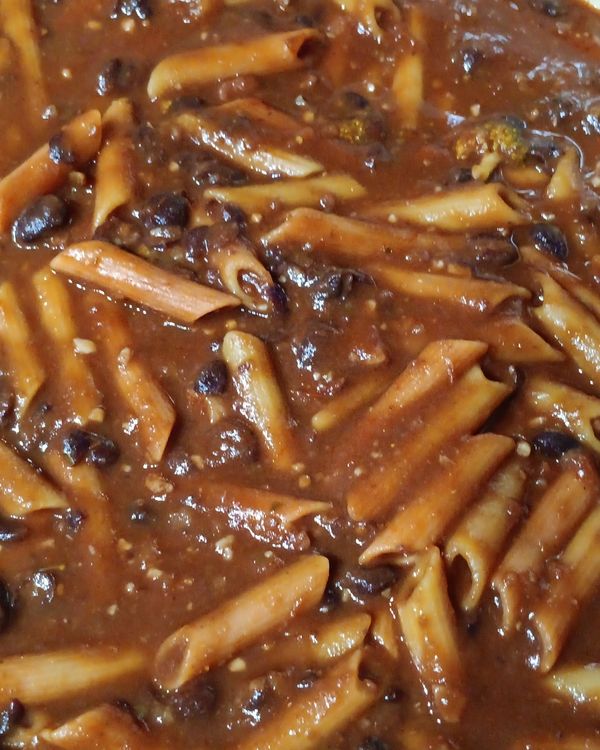
- American
- Non-Vegetarian
- Dinner
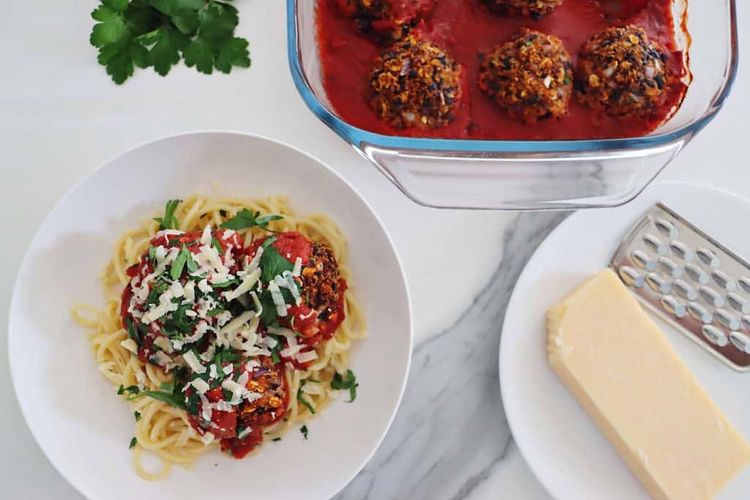
- International
- Eggetarian
- Lunch
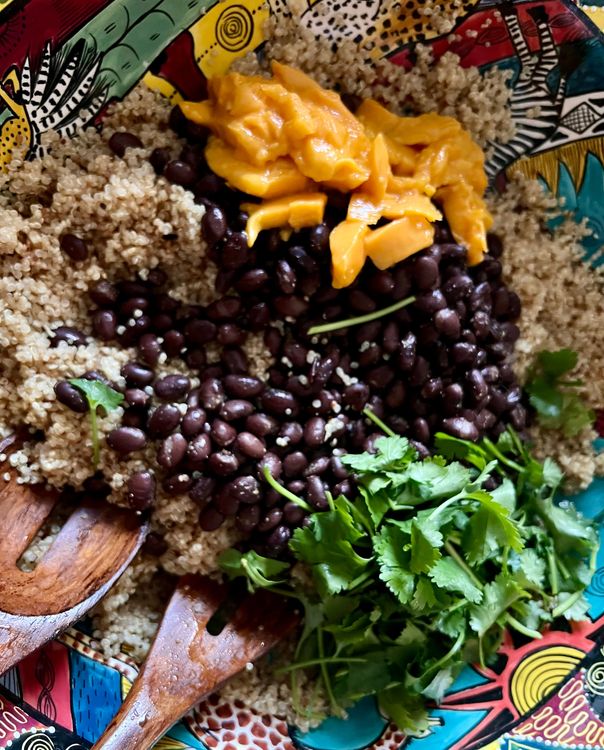

- Mexican
- Vegan
- Lunch
Canned vs Dried: Choosing and Prepping
Canned black beans are the weeknight default, and for good reason: they are already tender and ready in minutes. The single most important step is to drain and rinse them well in a colander. That cloudy, salty packing liquid tastes tinny and muddies any dish, so rinse until the water runs clear. The exception is soups and stews, where a few spoons of the starchy liquid can help thicken the broth — but taste it first, and reduce the added salt accordingly.
Dried beans cost a fraction as much, taste deeper, and give you control over salt and texture, at the price of time. Soak them overnight (or do a quick soak: cover with boiling water, rest an hour) so they cook evenly and the skins do not split. Then simmer gently — never a hard boil — for an hour or more with aromatics, until creamy all the way through. A bay leaf, half an onion, a few garlic cloves and a bit of fat like olive oil or a ham hock in the pot pays off enormously.
Salt timing is the one thing people get wrong with dried beans. Add salt only once the beans have begun to soften, not at the start, since early salt can toughen the skins and slow the cook. Keep the beans submerged the whole time, topping up with hot (not cold) water, and let them cool in their own cooking liquid — that liquor is liquid gold for soups and for storing leftover beans without them drying out.
Building a Soup or Chili With Body
A great black bean soup is dark, thick and glossy rather than watery, and that body comes from the beans themselves, not from flour or cornstarch. Build a base first: cook onion, garlic, and often celery and pepper in fat until soft, bloom cumin, oregano and a smoked chile or chipotle in the hot oil, then add the beans and liquid. Letting the spices toast in fat before the liquid goes in is the difference between a soup that tastes cooked and one that tastes raw and flat.
To thicken without anything added, mash. Scoop out a ladleful or two of cooked beans, crush them to a paste, and stir them back in; or use an immersion blender to puree part of the pot while leaving plenty of whole beans for texture. This releases the starch that turns thin broth into something you can stand a spoon in. Simmer uncovered for the last stretch so the liquid reduces and concentrates rather than staying loose.
Season in layers and finish bright. Salt as you go, taste near the end, and lift the whole pot with acid — a squeeze of lime or a splash of vinegar cuts the earthiness and makes the flavors pop. For chili, the same logic applies but you want it thicker still, so go heavier on the mash and let it reduce. Garnish does real work here: a spoon of sour cream, diced onion, cilantro and a wedge of lime are not decoration, they are the seasoning that balances each bowl.
Burgers and Patties That Hold Together
A black bean burger fails when it is too wet, so the whole game is moisture control. Drain and rinse the beans, then dry them thoroughly — spread them on a towel or roast them in a low oven for ten minutes until the surface looks matte and a few have cracked. Mash most of them to a paste but leave roughly a quarter whole for bite. A wet, uniformly smooth mash is mush; a dry mash with some texture is a patty.
Binding is the second half. Beaten egg plus a dry binder — breadcrumbs, panko, rolled oats or a little flour — pulls the mix together; for a vegan version, use a flax egg or a few spoons of cooked, mashed sweet potato or rice. Add chopped aromatics that have been sauteed and cooled (raw onion weeps water), plus cumin, smoked paprika and garlic for flavor. Chill the formed patties for at least twenty to thirty minutes so they firm up and hold their shape on the heat.
Cook them hot and leave them alone. A film of oil in a hot skillet or a well-oiled grill, then lay the patties down and resist flipping until a real crust has formed underneath — turning too early is what tears them apart. A firm sear on each side gives a crisp shell that holds a soft interior. The oven finishes thick patties through without burning the outside. Toast the bun, and treat the burger like any other: it wants something crunchy, something creamy and something acidic on top.
Seasoning, Make-Ahead and Storage
Black beans are mild, so they reward bold, layered seasoning. The classic Latin profile is cumin, oregano, garlic, smoked chile and a hit of acid at the end, but the bean is a blank canvas — it takes equally well to a smoky barbecue glaze, a bright herby salad dressing or a spicy chipotle. Season cooked beans while they are warm so they absorb flavor, and always finish with acid and salt off the heat rather than relying on what you added at the start.
Most bean dishes are excellent make-ahead, and many taste better the next day as the flavors meld. Soups and chili improve overnight and freeze well for a couple of months — they thicken in the fridge, so loosen with stock or water when reheating. Cooked plain beans keep three to four days submerged in their cooking liquid, or freeze in portions (in some of their liquor) for an instant base. Formed burger patties can be chilled a day ahead or frozen raw between sheets of parchment.
Serve to the dish: soups hot with their garnishes added at the table, tacos and burritos assembled to order so the tortilla stays intact, burgers straight off the heat while the crust is crisp, and salads and dips at room temperature where their flavor is fullest. A cold dip or salad pulled straight from the fridge tastes muted, so let it sit out fifteen minutes and re-taste for salt and lime before serving.
Pro Tips from the Test Kitchen
- Always drain and rinse canned black beans until the water runs clear — the packing liquid tastes tinny and over-salts the dish.
- Salt dried beans only after they start to soften; early salt can toughen the skins and slow the cook.
- To thicken soup or chili, mash a ladleful of beans and stir it back in — the released starch gives body without flour.
- Bloom cumin, oregano and chipotle in hot fat before adding liquid so the soup tastes cooked, not raw.
- Dry the beans well before making burgers — a wet mash is the number one reason patties fall apart.
- Leave about a quarter of the beans whole when mashing for burgers so the patty has texture and bite.
- Chill formed bean patties 20–30 minutes before cooking so they hold their shape on the heat.
- Sear burgers undisturbed until a crust forms before flipping; turning too early tears them.
- Finish any black bean dish with acid — lime or vinegar — to cut the earthiness and brighten the flavor.
- Save the bean cooking liquid (the liquor) — it thickens soups and keeps stored leftover beans from drying out.
Frequently Asked Questions
Do you need to rinse canned black beans?
For most dishes, yes. The liquid in the can is starchy and heavily salted, with a faintly tinny taste that muddies salads, tacos and dips. Drain the beans in a colander and rinse under cool water until it runs clear. The one exception is soups and chili, where a few spoons of that starchy liquid can help thicken the broth — but taste it first and cut back on any added salt.
Are canned or dried black beans better?
Both have a place. Canned beans are tender, convenient and ready in minutes, ideal for weeknight tacos, salads and dips. Dried beans cost far less, taste deeper, and let you control salt and texture, which is why they shine in soups and slow pots — but they need soaking and an hour or more of gentle simmering. For most cooks, keep cans for speed and cook a big batch of dried when you have time.
How do you make black bean soup thick?
Use the beans themselves rather than flour or cornstarch. Mash a ladleful or two of the cooked beans into a paste and stir it back in, or puree part of the pot with an immersion blender while leaving plenty of whole beans for texture. This releases starch that thickens the broth naturally. Simmer the soup uncovered for the last stretch so the liquid reduces and concentrates into something glossy.
Why does my black bean burger fall apart?
Almost always too much moisture, or flipping too soon. Drain and dry the beans thoroughly before mashing, leave some whole for structure, and bind with egg and a dry binder like breadcrumbs or oats. Saute and cool aromatics first so raw onion does not weep water. Chill the patties before cooking, then sear them undisturbed until a crust forms underneath before you attempt the first flip.
Do you have to soak dried black beans?
Soaking is not strictly required, but it helps. An overnight soak (or a quick soak: cover with boiling water, rest an hour) lets the beans cook more evenly, keeps the skins from splitting, and shortens the simmer. Unsoaked beans will cook, just slower and a touch less uniformly. Either way, simmer gently rather than boiling hard, and add salt only after they begin to soften.
What spices go best with black beans?
The classic Latin profile is cumin, dried oregano, garlic and a smoked chile such as chipotle, finished with lime or vinegar for brightness. Black beans are mild, so they take seasoning well — bay leaf and onion in the pot, smoked paprika for depth, fresh cilantro to finish. Because they are a blank canvas, they also pair happily with barbecue, Cajun or Caribbean spicing depending on the dish.
Are black beans healthy?
Very. Black beans are an excellent source of plant protein and fiber, rich in folate, iron, magnesium and antioxidants from their dark skins, and naturally low in fat. Paired with rice or corn they form a complete protein, which is why they anchor so many vegetarian and vegan meals. They are filling and steady on blood sugar — just watch the sodium in canned versions by rinsing well.
Can you freeze cooked black beans?
Yes, and they freeze beautifully for up to a couple of months. Cool them fully, then portion into airtight containers or bags with a little of their cooking liquid so they do not dry out, and freeze flat. Thaw in the fridge or gently on the stove. Soups and chili freeze just as well; they thicken when chilled, so loosen with a splash of stock or water on reheating.
What can I make with a can of black beans?
A surprising amount. Rinse and warm them with cumin and garlic for instant taco or burrito filling; mash them with lime and chile for a quick dip; toss them cold with corn, pepper and a tangy dressing for a salad; or simmer them with sauteed aromatics and stock for a fast soup. They also stretch a pot of rice into a complete meal. One can is a meal starter, not just a side.
What is the difference between black beans and other beans?
Black beans (also called turtle beans) are small, dense and dark, with a creamy interior and an earthy, slightly sweet flavor that holds its shape well. Compared with pinto beans they are firmer and less mealy; compared with kidney beans they are softer and milder. Their dark skins, structure and starch make them especially good for soups, Latin dishes and burgers where you want both body and intact beans.
The thread through every black bean recipe here is the same: a mild, sturdy bean that rewards proper cooking and bold, layered seasoning. Master the few moves in the guides — rinse or soak well, season in layers, mash for body, dry well for burgers, and finish with acid — and soups, tacos, patties and salads all fall into place from the same humble pot.
Pick three to cook this week — a thick soup, a plate of tacos and a quick dip or salad — and save your favorites to a Chefadora cookbook. Then work through the rest; this page is built to be the black bean reference you actually come back to.
Related
- Black Beans
- Vegetarian
- Mexican
- Vegan
- High Protein
- Pantry Staple
- Dinner
- High Fiber
Popular Searches
- Best black bean recipes
- Easy black bean recipes
- Quick black bean recipes
- Healthy black bean recipes
- Simple black bean recipes
- Homemade black bean recipes
- Delicious black bean recipes
- Popular black bean recipes
- black bean soup
- black bean tacos
- black bean burger
Marnirni-apinthi Building, Lot Fourteen,
North Terrace, Adelaide, South Australia, 5000
Australia
