
38 Roti Recipes for Soft, Puffed, Everyday Flatbreads
Updated July 15, 2026 · Curated by Chefadora
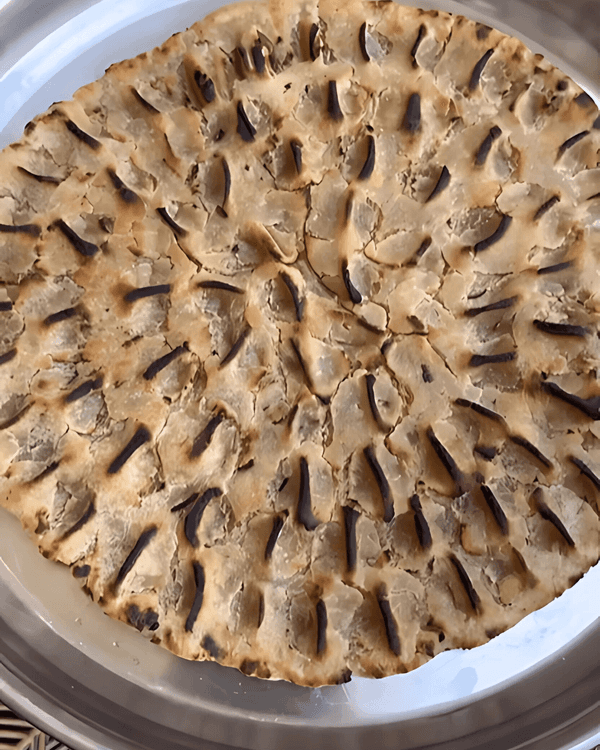
I learned this on a wobbly gas ring in a rented flat, and my first fifty came out like frisbees. The 38 roti recipes below are the ones that finally behaved — soft everyday wheat doughs, hand-patted millet rounds, stuffed masala breads, and a whole section for the cold stack sitting in your fridge right now.
Nothing here needs a tandoor or a marble counter. Most take under 40 minutes, most cost pennies, and almost all of them come down to two things you can practise tonight: hydration and heat. Get the dough soft enough to leave a dent when you press it, get the pan hot enough to scare you a little, and the rest is repetition.
I have grouped them by how you actually cook: doughs to master first, stuffed breads, millet and multigrain rounds, second-day makeovers, and regional flatbreads from Udupi to Yemen. If nobody ever taught you how to make roti from scratch, begin at the top and work down — the order is deliberate. Otherwise, start wherever your dinner is tonight.
Everyday Roti Recipes: The Doughs to Master First
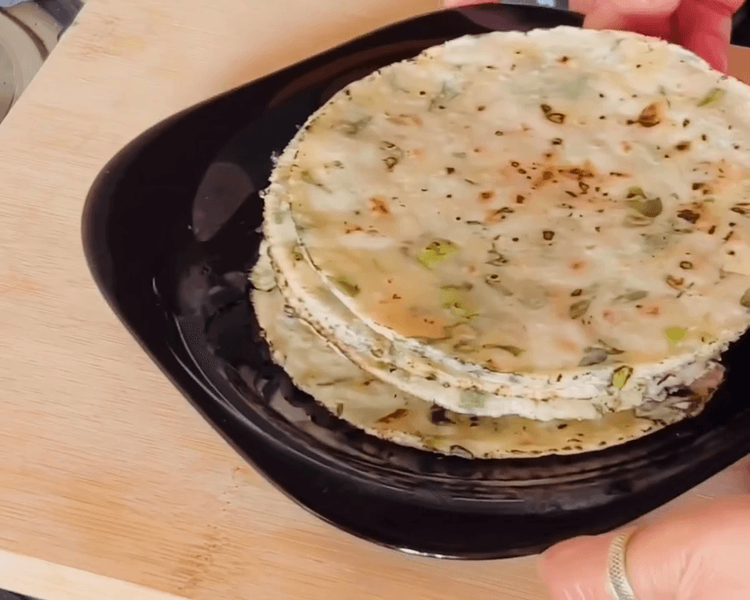
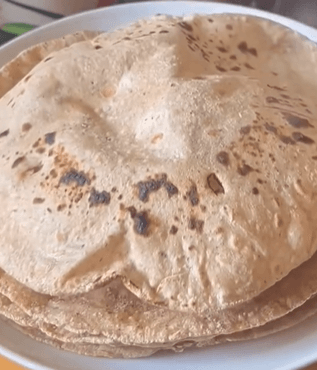
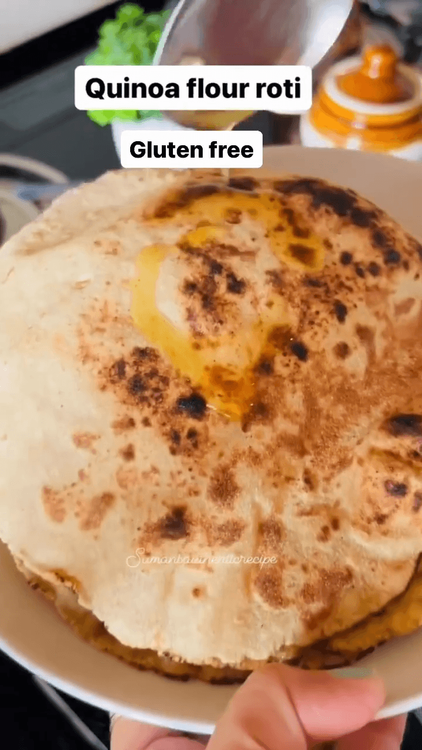
These are the plain, no-filling breads that teach your hands what dough should feel like. Wheat atta is the obvious start, but rice, quinoa and flaxseed doughs behave differently — they use hot water rather than gluten to hold together, so you pat rather than roll. Make one of these three nights running and you will stop measuring water. Your palm becomes the measure, which is the whole point. The target throughout is a soft roti you can fold in half without it cracking along the crease.
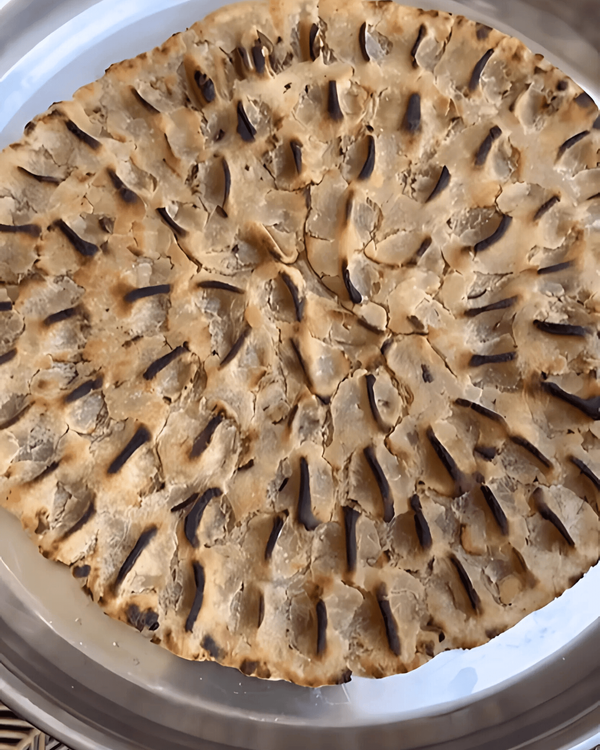

- Indian
- Vegetarian
- Lunch
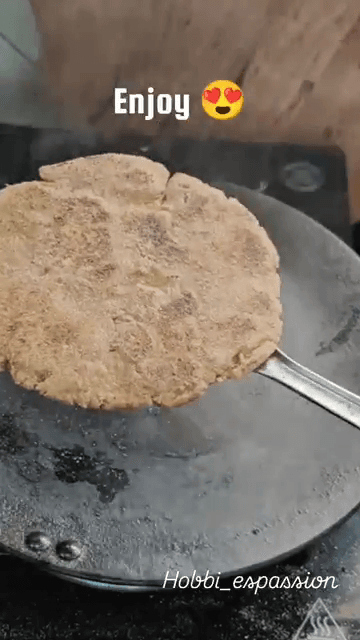

- Indian
- Vegan
- Lunch
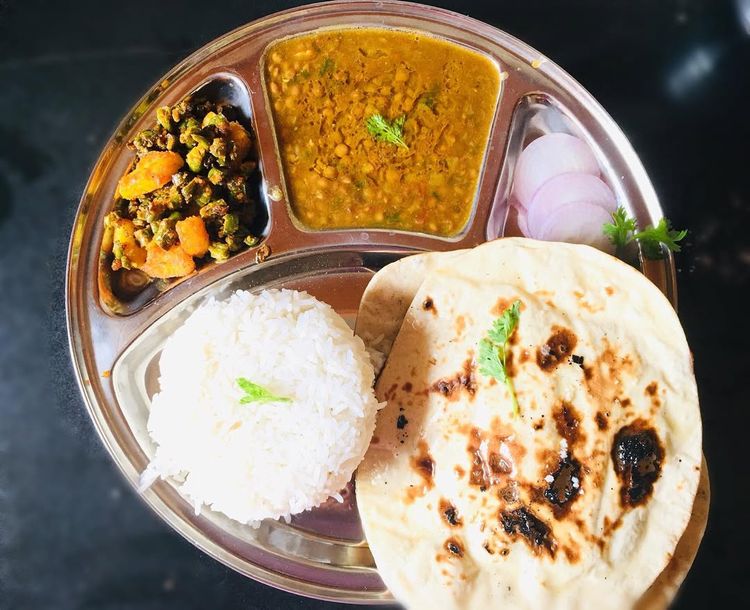
- Indian
- Vegetarian
- Lunch
- Indian
- Vegetarian
- Dinner
- Indian
- Vegetarian
- Snack
- Indian
- Vegetarian
- Main Course
Stuffed & Masala Breads
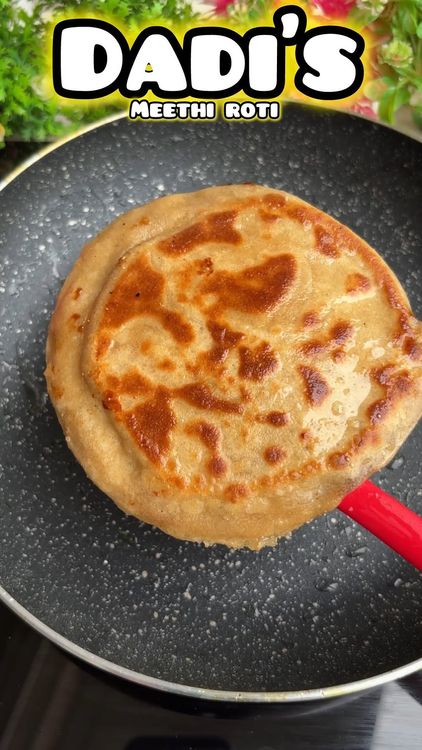
Two schools here: filling sealed inside a dough ball, and flavour kneaded straight into the flour. The kneaded-in versions are far more forgiving — spinach, radish or masala worked into the atta cannot burst. If you are stuffing, keep the filling dry and cold, seal the pleats properly, and roll from the centre outward with almost no pressure. A wet filling will tear through every time, and no amount of extra flour saves it. The dough underneath is the same as any everyday chapati recipe; only the filling changes.
- Indian
- Vegetarian
- Snack
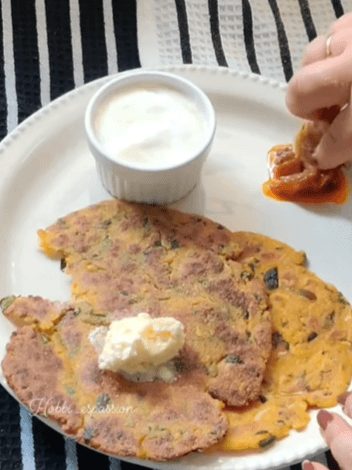
- Punjabi
- Vegan
- Lunch
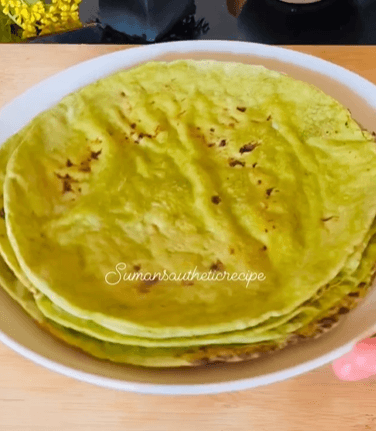
- Indian
- Vegetarian
- Dinner
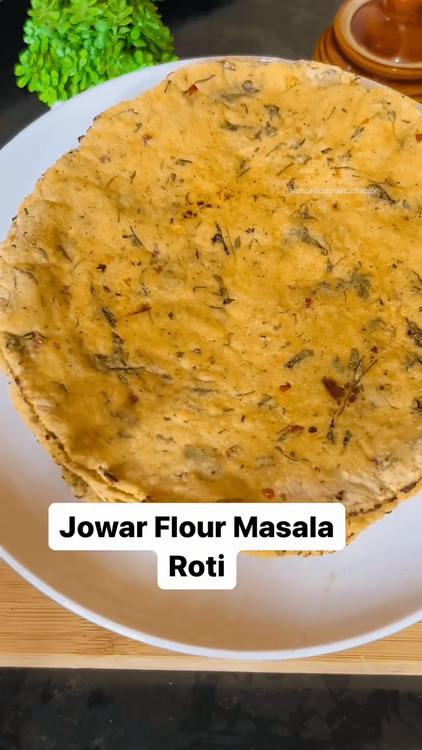
- Indian
- Vegetarian
- Lunch
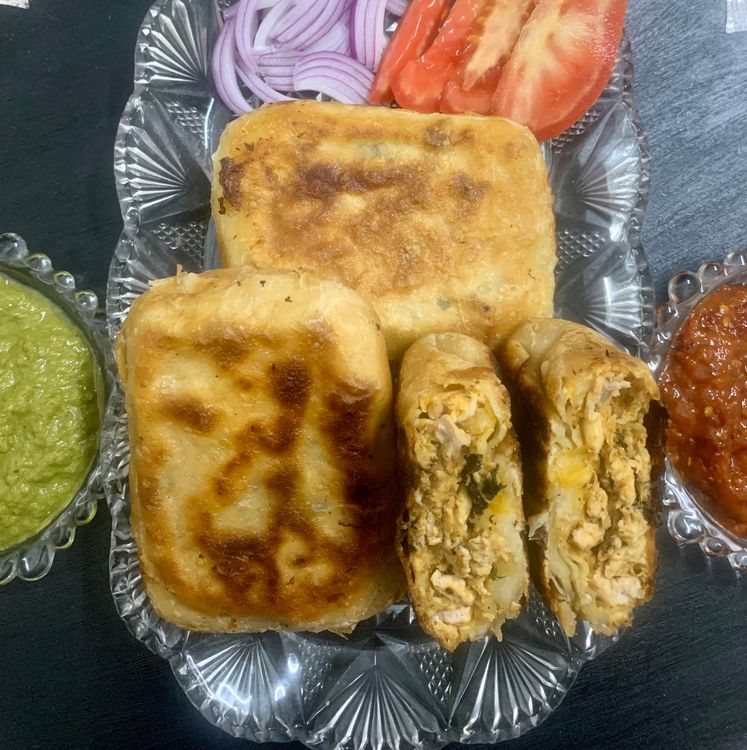

- Indian
- Non-Vegetarian
- Lunch
Millet & Multigrain Rounds
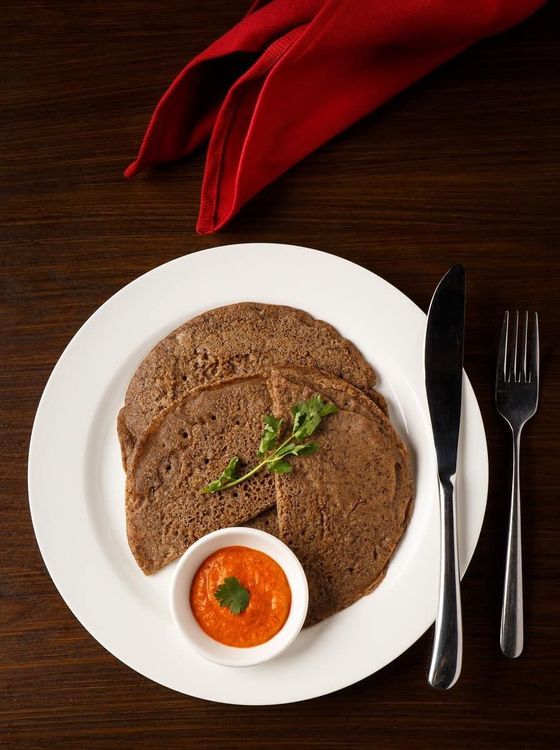
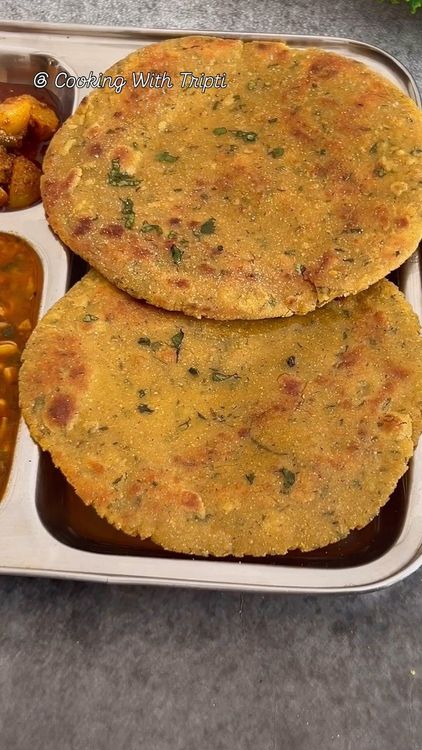
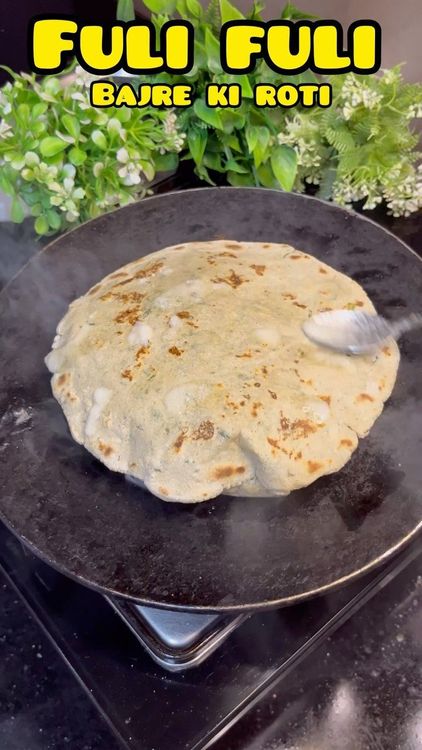
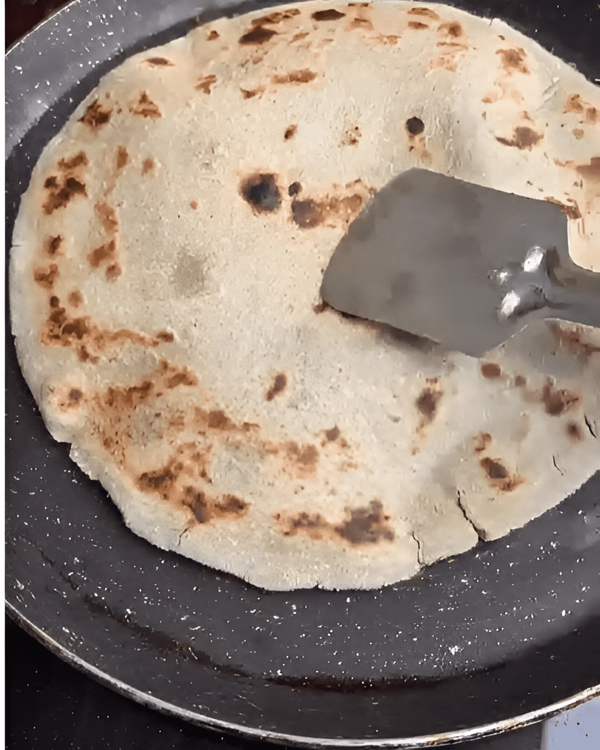
Bajra, jowar, ragi, kodo and quinoa have no gluten, so they will never stretch the way atta does. They ask for hot water, damp palms and patience — you pat the ball flat on a sheet of plastic or a wet cloth instead of rolling it. The reward is real: nuttier flavour, more fibre, and breads that puff dramatically on an open flame once you get the hang of it. Start with the mixed-grain ones, which forgive a heavy hand, then work towards the pure bajra and jowar rounds.

- Nepalese
- Vegetarian
- Breakfast


- Indian
- Vegetarian
- Main Course

- Indian
- Vegan
- Lunch
- Indian
- Vegan
- Lunch
- Indian
- Vegan
- Lunch
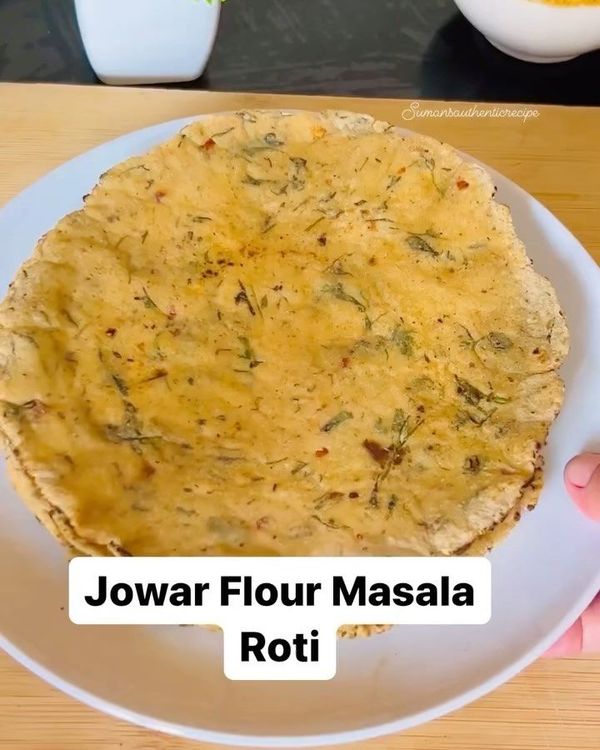
- Indian
- Vegetarian
- Breakfast
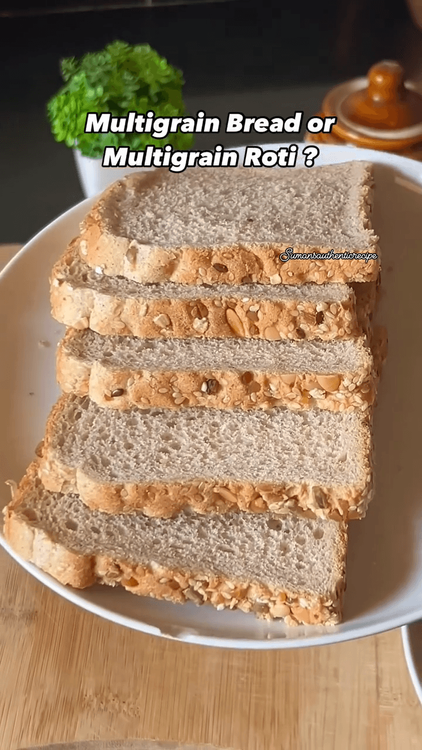
- Indian
- Vegan
- Main Course
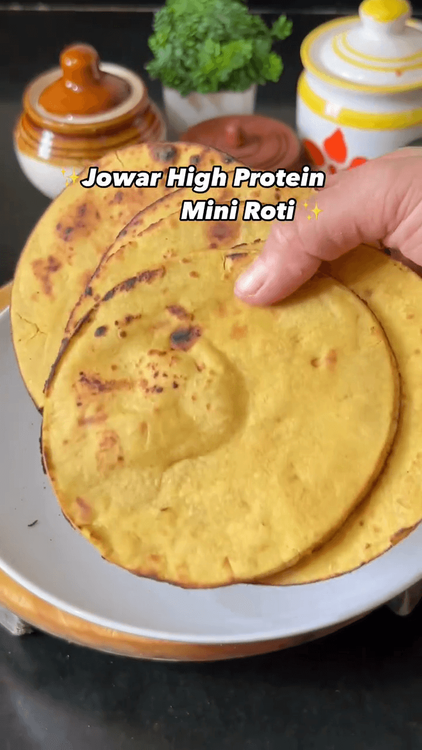
- Indian
- Vegetarian
- Breakfast
Second-Day Ideas for Leftover Chapatis
A cold, leathery stack is not a failure — it is an ingredient. Yesterday's bread crisps better than fresh, tears more cleanly, and soaks up dressing without disintegrating. These twelve turn it into tacos, chivda, samosas, sandwiches, salads and breakfast in under half an hour. This is the section I use most in real life, usually at 8pm on a Tuesday when the fridge is offering nothing else. Two rules: tear rather than cut, and get the pan hotter than feels sensible.

- Indian
- Vegetarian
- Breakfast

- Fusion
- Vegetarian
- Lunch

- Indian
- Non-Vegetarian
- Lunch
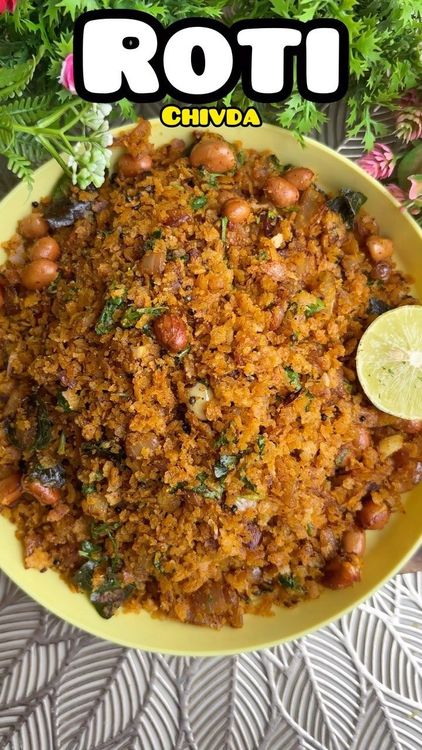
- Indian
- Vegan
- Snack

- Nigerian
- Vegan
- Lunch


- Indian
- Vegan
- Appetiser

- Indian
- Eggetarian
- Dinner
- Indian
- Vegan
- Snack
- Indian
- Vegetarian
- Breakfast

- Indian
- Vegan
- Appetiser
- Indian
- Vegetarian
- Lunch

- Indian
- Vegan
- Breakfast
Regional & Global Flatbreads
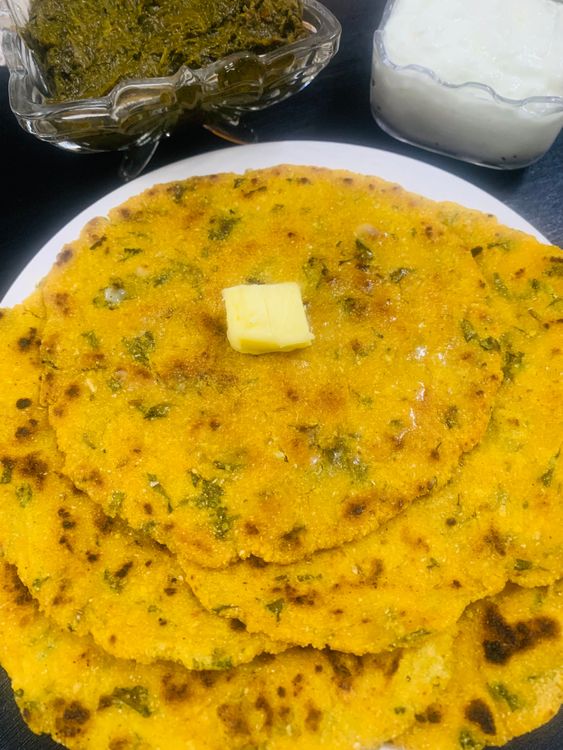
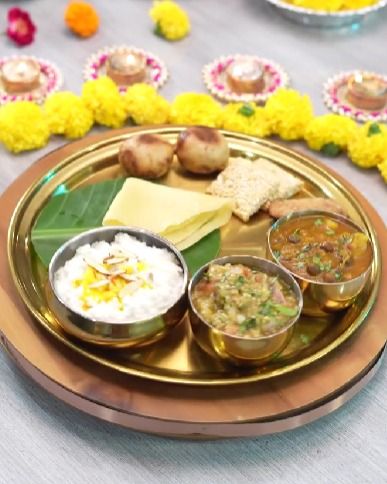
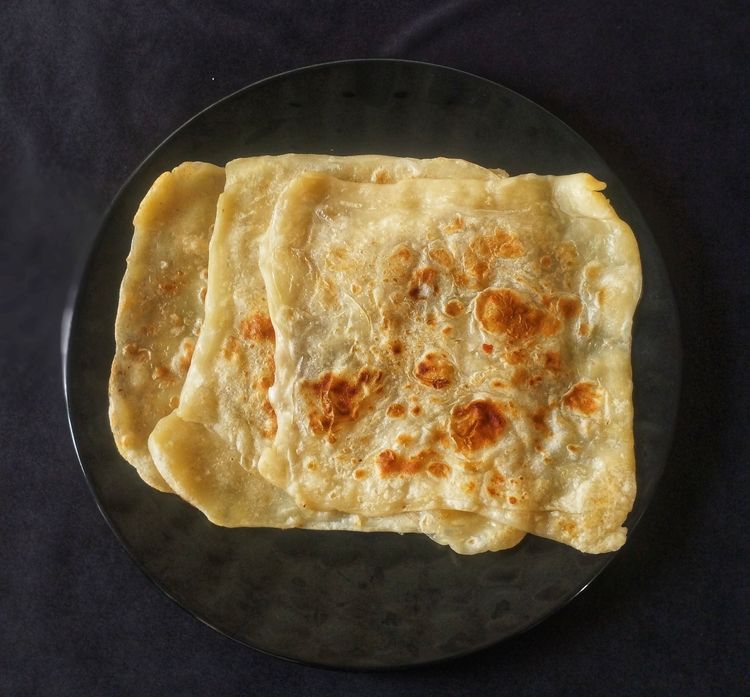
Every region solved the same problem with a different grain. Udupi reaches for rice flour, Punjab for maize, Maharashtra for bhakri, Jharkhand for a festive chilka, Yemen for something closer to pastry. Cooking through these taught me more about technique than any single method ever did — you cannot pat akki the way you roll atta, and finding out why is the fastest education in flour there is. None of them are difficult. They are just unfamiliar, and unfamiliar is a problem that solves itself by the second attempt.

- Indian
- Vegetarian
- Main Course
- Indian
- Vegan
- Breakfast


- Indian
- Vegetarian
- Breakfast

- Indian
- Vegan
- Dinner
- Indian
- Vegetarian
- Lunch
- Indian
- Vegetarian
- Breakfast

- Yemeni
- Vegetarian
- Lunch
Soft, Pillowy Roti Dough
Softness is decided at the mixing bowl, not the pan. Most home doughs are simply too dry, because we were all taught to add water timidly. For 2 cups of stone-ground atta you want roughly 3/4 to 1 cup of water — closer to a 70% hydration than the stiff 60% ball most people make. The finished dough should be tacky enough to leave a clear fingerprint when you press it and just barely release from your palm. If it feels like modelling clay, it is dry, and no resting time will rescue it.
Use lukewarm water, around 40°C. Warm water relaxes the gluten faster and helps the bran soften, which matters with wholemeal flour. Knead for a full 6 to 8 minutes, pushing with the heel of your hand rather than pinching. You are not chasing a windowpane like bread — you want a smooth, cohesive ball with no dry seams. A teaspoon of oil at the end coats the strands and keeps things pliable for hours.
Then rest it, covered, for 20 to 30 minutes minimum. This is where the bran fully hydrates and the gluten stops fighting back, and it is the single step people skip. Overnight in the fridge is even better for a soft chapati; pull it out 30 minutes before cooking. Knead once more for ten seconds before you divide, and pinch off balls the size of a small lime.
Rolling & Puffing on the Tawa
Even thickness is the entire secret to puffing. A round that is thin at the rim and thick in the middle will never inflate, because steam escapes through the weak spot before pressure can build. Flatten your ball, dust it lightly, and roll from the centre outward with light pressure, rotating a quarter turn between strokes. Let the pin do the work. If you are pressing hard enough to feel it in your shoulder, you are sealing the layers together and dooming the puff.
Dust with the bare minimum of dry flour. Excess flour burns on the pan, turns bitter, and coats the surface so the two layers cannot separate. Aim for about 2mm thick and roughly 6 inches across. Do not stack raw discs — they weld together.
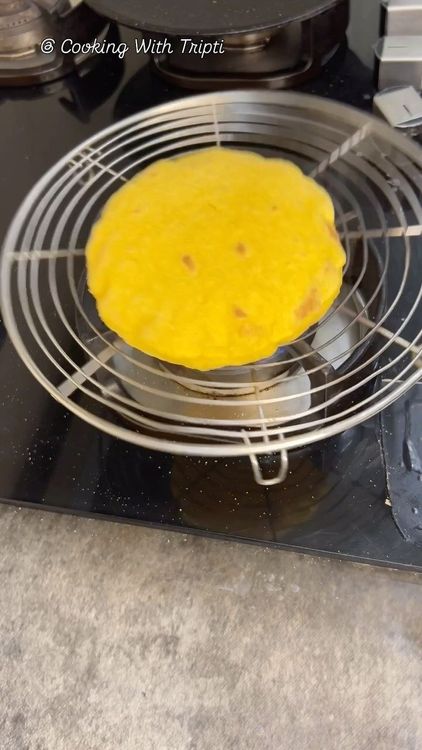
Now the heat. A cast-iron tawa needs a good 4 to 5 minutes of preheating on medium-high; a drop of water should skitter and vanish in about a second. Lay the disc down, and after 20 to 30 seconds you will see tiny bubbles — flip. Cook the second side for 30 to 40 seconds until pale brown spots appear, then either press the edges gently with a folded cloth in a circular motion, or lift it onto a direct flame with tongs. It should balloon within five seconds. A properly hot pan and even rolling do 90% of this; the cloth is just encouragement.
Storing & Reheating
The moment a hot bread hits a cold plate it starts to stiffen, because escaping steam condenses and the starch retrogrades. So catch it: stack them straight into a cloth-lined casserole or an insulated hot box, smear the top of each with a little ghee or butter, and keep the lid shut. Trapped steam is what keeps the stack pliable. Wrapped this way, they stay genuinely soft for four to five hours, which is exactly why the lunchbox versions on this page work.
For the fridge, cool them completely first — sealing warm bread into a box makes a damp, gummy mess by morning. Once cool, wrap the stack in foil or slide it into a zip bag with the air pressed out, and they will keep for two days. For longer, freeze: lay parchment or greaseproof paper between each round, bag them flat, and they hold for a month with no real loss. Freezing beats refrigerating, because the fridge is the worst temperature for staling.
Reheat on a dry, medium-hot pan for 15 to 20 seconds a side — that is all. A microwave works if you wrap the stack in a damp kitchen towel and go 20 seconds at a time, but it turns leathery fast as it cools. Never reheat twice. If a round has gone past saving, do not bin it; it is now the raw material for the second-day section above.
Pro Tips From My Kitchen
- Weigh your flour once and note how much water it drank. Brands vary enormously — a coarse stone-ground atta can take 15% more water than a fine mill-packed one, and that single number ends most softness problems permanently.
- Keep a bowl of water beside the board when you work with millet or maize. Damp palms let you pat a gluten-free dough thin without it cracking at the rim, which is where every one of these breads fails first.
- Rest the dough, but never salt it heavily and then rest it overnight — salt tightens gluten over long periods. Half a teaspoon per 2 cups is plenty, and it goes in with the flour, not the water.
- Your pan is almost certainly not hot enough. Preheat cast iron for at least four minutes and test with a water droplet: it should dance and vanish in a second. A lukewarm pan dries the bread out before it can puff — a tawa roti wants aggressive heat and a short stay.
- Cook one at a time, all the way through. Half-cooking a batch and finishing them later is the fastest route to a stack of stiff discs, because the layers set without ever having separated.
- Never throw away the cold stack. Torn, it soaks up dressing; shredded, it fries into chivda; folded, it becomes a samosa cone. Twelve of the ideas below exist purely because I refuse to bin bread.
Frequently Asked Questions
How do I keep chapatis soft for hours?
Three things, in order of importance: a wetter dough, a properly rested one, and steam. Mix to a tacky ball rather than a firm one, rest it at least 20 minutes, and stack the finished breads straight into a cloth-lined hot box with a smear of ghee on each. Trapped steam keeps them pliable for four to five hours easily. A soft roti should fold cleanly in half without cracking.
What is the difference between a chapati recipe and a phulka?
They start from the same wholemeal dough, so the ingredients look identical. The difference is finishing. A chapati is cooked entirely on the pan, often pressed with a cloth, and is slightly thicker and chewier. A phulka is transferred to a direct flame for the final few seconds, which balloons it into a hollow sphere with a thinner, lighter crumb.
Why won't my flatbread puff up on the tawa?
Nearly always uneven rolling or a cold pan. Steam needs to build faster than it escapes, so any thin patch vents the pressure and the bread stays flat. Roll to a consistent 2mm, rotating rather than pressing hard, and preheat cast iron for four full minutes. A well-made tawa roti should bubble within 30 seconds of hitting the surface.
Can I make these roti recipes with millet or gluten-free flour?
Yes, and about half of this collection already does. Bajra, jowar, ragi, rice and quinoa flours have no gluten, so treat them differently: bind with hot water rather than cold, pat the dough out with damp palms instead of rolling it, and cook it a touch slower. Expect a nuttier, more fragile bread — that fragility is normal, and a spoonful of atta makes the first few far easier.
How much water does a wheat dough actually need?
Start with 3/4 cup of lukewarm water per 2 cups of atta and add another two tablespoons if it feels stiff. Coarse stone-ground flour drinks far more than fine packet flour, so treat the number as a starting point. A good wheat roti dough is tacky, holds a fingerprint, and looks slightly wetter than you think it should.
How long should the dough rest before rolling?
Twenty to thirty minutes at room temperature is the minimum, and it shows. The bran hydrates fully, the gluten relaxes, and rolling stops fighting you. Overnight in the fridge is better still if you plan ahead — just bring it back to room temperature and knead it for ten seconds before dividing into balls. Skipping the rest is why so many first attempts shrink back as you roll them.
What can I do with leftover flatbreads?
Far more than reheat them. Cold bread crisps better than fresh, so shred it into a spicy chivda with peanuts and curry leaves, fold it into non-fried samosa cones, tear it into a tomato salad, griddle it into a masala sandwich, or crumble it into a sweet choorma. Twelve ideas in the section above cover exactly this, and every one of them tastes better with day-old bread than with fresh.
Do I need a special pan to make Indian flatbread at home?
No. A heavy cast-iron or carbon-steel tawa is ideal because it holds heat when a cool disc lands on it, but any thick-based frying pan works if you preheat it properly. Avoid thin non-stick — it cannot take the heat you need and the surface degrades. Tongs for the flame step matter more than the pan itself, and a cheap cast-iron disc will outlast every non-stick you ever buy.
Pick one dough and make it three nights running. That is genuinely all it takes — your hands learn the hydration, your pan teaches you its hot spot, and somewhere around night three a bread balloons and stays soft in the box. These 38 roti recipes will still be here when you want the stuffed, millet and second-day ones.
Related
- chapati
- indian flatbread
- millet flours
- tawa cooking
- leftover makeovers
- vegetarian dinners
Popular Searches
- Best roti recipes
- Easy roti recipes
- Quick roti recipes
- Healthy roti recipes
- Simple roti recipes
- Homemade roti recipes
- Delicious roti recipes
- Popular roti recipes
- chapati recipe
- how to make roti
- soft roti
- tawa roti
Marnirni-apinthi Building, Lot Fourteen,
North Terrace, Adelaide, South Australia, 5000
Australia
