
14 Chicken Biryani Recipes Worth Making This Weekend
Updated July 15, 2026 · Curated by Chefadora
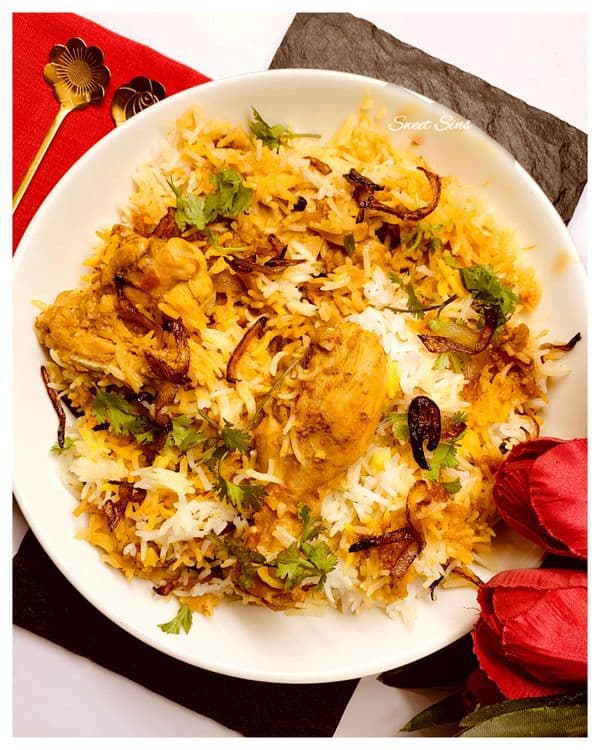
I have cooked this rice in a dented aluminium pot, in a heavy Dutch oven, and once in a pressure cooker during a power cut. It survives all of it. The 14 chicken biryani recipes below come from cooks on Chefadora who make the dish the way their own families make it — some over three unhurried hours on a Sunday, some in fifteen minutes flat on a Tuesday night.
What you get here is range rather than one canonical method. There are slow Hyderabadi pots sealed and left alone on dum, quick cooker versions for a weeknight, and regional styles from Sindh, Awadh and Karachi that argue politely with each other about potatoes, prunes and how brown the onions should go. A smoky American-BBQ hybrid sits at the end, and it is better than it sounds.
Read the four technique guides if you have never sealed a pot before. They cover the parts that actually decide the outcome — the marinade, the rice, the seal, and what you put beside it on the plate.
The Classic Chicken Biryani Recipes Worth a Slow Weekend
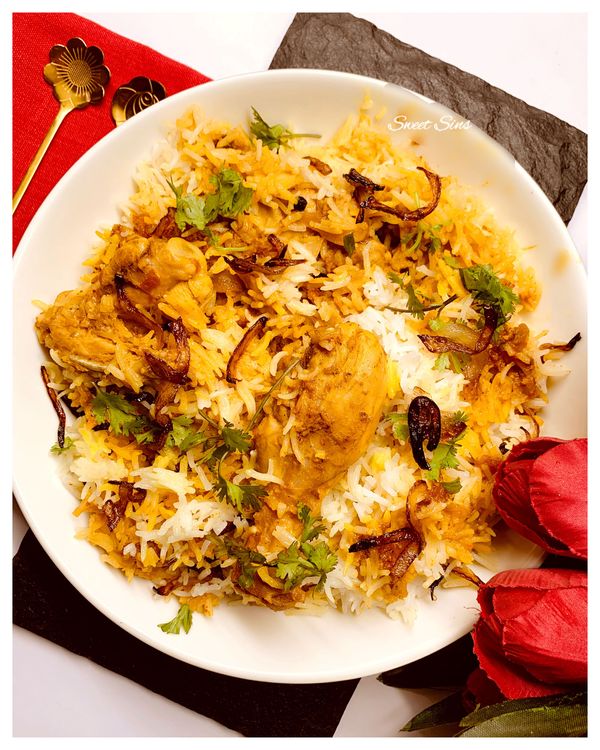
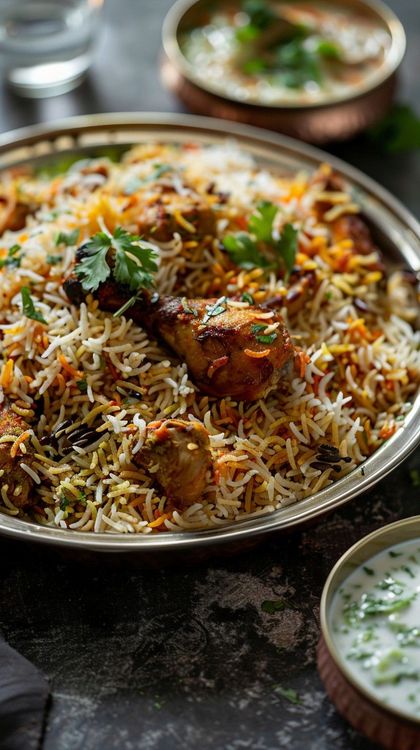
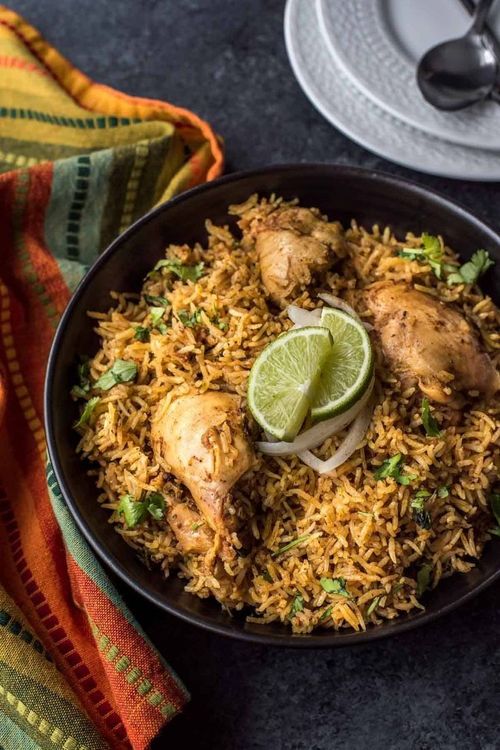
These four are the long ones — two to three and a half hours, most of it hands-off while the pot sits sealed on a low flame. This is hyderabadi chicken biryani in its unhurried form: raw marinated meat goes in at the bottom, par-boiled rice goes on top, and the steam trapped under the lid finishes both at once. Nothing here is difficult, but it is unforgiving about timing. Par-boil the grains to 70 percent and no further, then give the sealed pot a full 25 minutes on the lowest heat you can manage before you even think about lifting the lid. Cook these on a day when you are not in a hurry.

- Indian
- Non-Vegetarian
- Dinner
- Indian
- Non-Vegetarian
- Lunch
- Indian
- Non-Vegetarian
- Lunch


- Indian
- Non-Vegetarian
- Lunch
Fast Weeknight Pots You Can Finish After Work
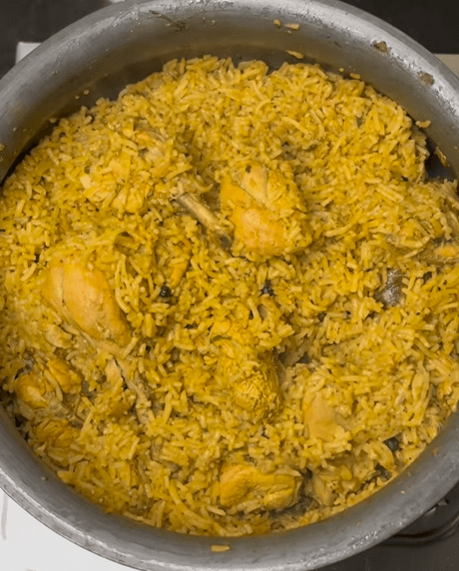
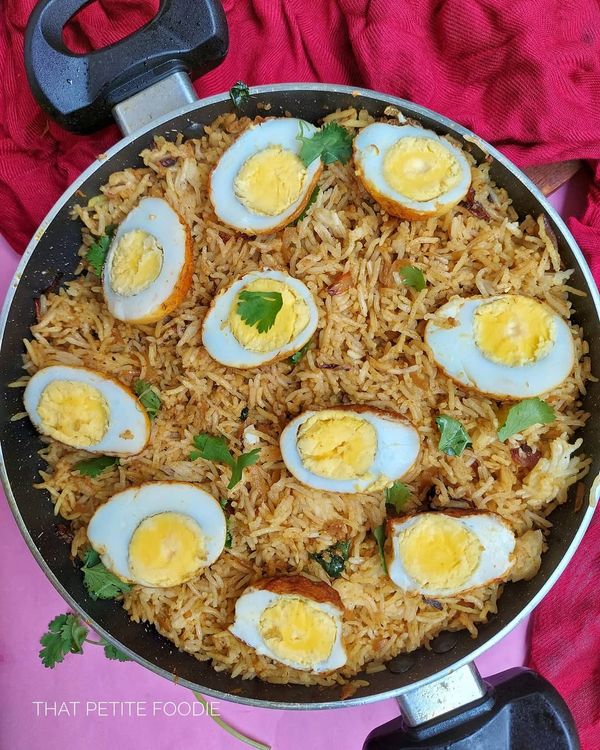
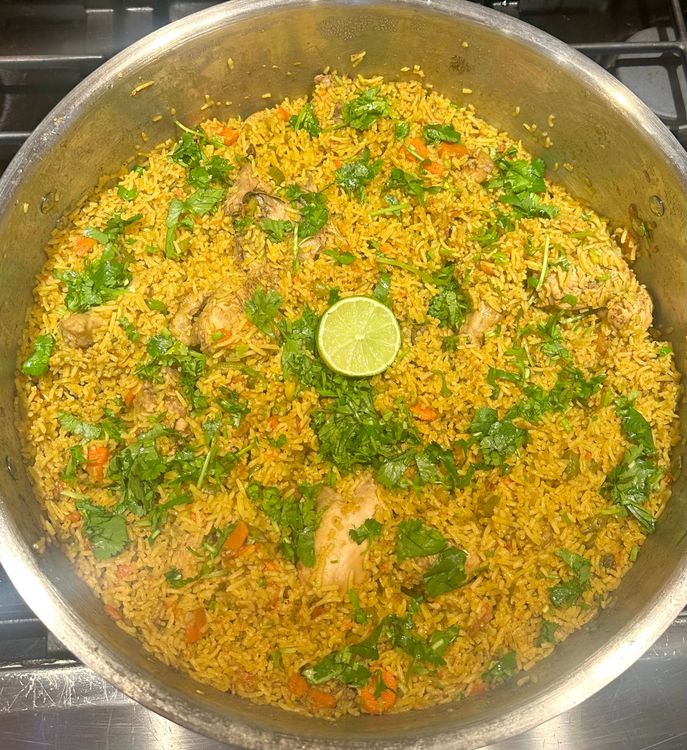
Fifteen to seventy-five minutes, and every one of them is a real dinner rather than a compromise. The trick to easy chicken biryani on a Tuesday is to stop pretending you have three hours: marinate while the rice soaks, cook the masala hard and fast, and let a pressure cooker or a tight lid do the layering work in a single vessel. The 15-minute version leans on eight ingredients and rice you cooked earlier; the cooker version gets you close to the slow texture in about seventy minutes. Salt the par-boil water like pasta water — it is the one change that makes a fast pot taste finished rather than rushed.


- Indian
- Non-Vegetarian
- Dinner

- Indian
- Non-Vegetarian
- Dinner

- Indian
- Non-Vegetarian
- Dinner

- Indian
- Non-Vegetarian
- Dinner
- Indian
- Non-Vegetarian
- Dinner
Regional Styles: Sindhi, Awadhi and Karachi Rice
Three cooks, three regions, three arguments. The Sindhi pot brings potatoes, tomatoes, prunes and a sour edge from yoghurt and dried plum; the Awadhi one is gentler and more perfumed, built on Mughlai aromatics and far less chilli than you expect. The Karachi version runs to 39 ingredients and is unapologetically hot, with kewra and a heavy hand on the fried onions. If you have only ever eaten one style, cook two of these back to back and you will taste what the fuss is about. The ingredient counts look alarming, but most of them are whole spices already sitting in your cupboard. Fry the onions darker than feels comfortable here — that near-burnt sweetness is the backbone.
- Indian
- Non-Vegetarian
- Lunch


- Indian
- Non-Vegetarian
- Main Course
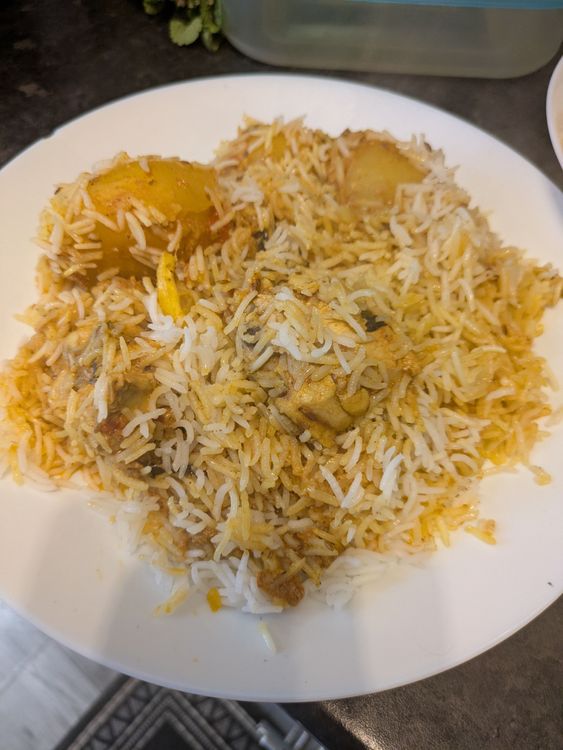
- Pakistani
- Non-Vegetarian
- Dinner
Big-Table Showpieces and One Smoky Fusion
Two pots for when people are coming over. The first is a Pakistani-leaning dinner-party pot with crisp fried onions worked all the way through it — 105 minutes, and it scales up without losing its edges. The second is the outlier: an American-BBQ hybrid that trades part of the yoghurt marinade for a smoky, tangy glaze and finishes in the oven rather than on a burner. I was sceptical too. It works because smoke and cardamom are old friends, and because the rice underneath is still built properly. Both reheat well the next day, which matters when you are feeding twelve people. If you are choosing between them, cook the fried-onion pot first.

- Gluten-Free
- Main Course
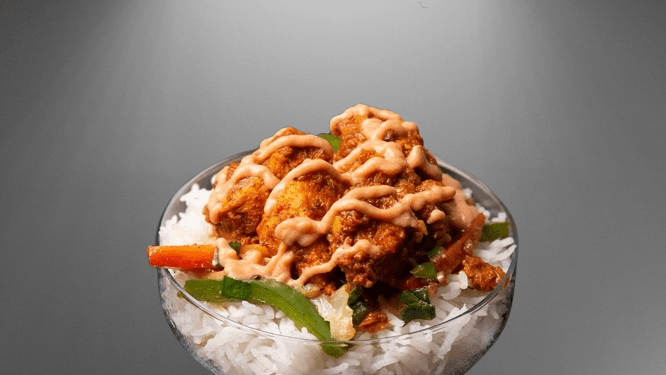
- Fusion
- Non-Vegetarian
- Lunch
Dum Cooking & Layering
Dum means trapped steam, and it is the whole point. You build the pot in layers — marinated meat and its masala at the bottom, then par-boiled rice, then the aromatics that should never be boiled to death: fried onions, mint, coriander, saffron milk, a spoon of ghee. Then you seal it and walk away. If you are working out how to make chicken biryani properly rather than approximately, this is the step that separates a decent rice dish from the real thing, because the meat's juices rise as steam, travel through every grain, and condense back down.
Seal with dough if you have five minutes — a rope of atta and water pressed around the rim of the lid — or with a sheet of foil crimped hard and the lid weighted on top. Both work. What matters is that nothing escapes for 20 to 30 minutes. Put the pot on the lowest flame your burner will hold, or better, set it on a flat tawa so the heat spreads instead of scorching one spot. A good dum biryani smells like almost nothing while it cooks; if the kitchen is fragrant, steam is leaking and your rice is drying out.
Do not open the pot to check. Give it the full time, take it off the heat, and let it stand, still sealed, for another ten minutes. When you finally open it, do not stir — slide a flat spoon down the side, lift from the bottom, and turn the layers over once. Every dum biryani I have ruined, I ruined in the last thirty seconds with a spoon.
Marinating the Chicken
Thick yoghurt, and not much else, does most of the work. Whisk it smooth first — curdled marinade is usually just yoghurt that went into a hot pan cold and shocked. Into it go ginger-garlic paste, red chilli, turmeric, salt, and whatever chicken biryani masala blend you keep in the cupboard; garam masala with a little extra cardamom and mace gets you to the same place. Add lemon juice or a spoonful of the oil left over from frying your onions. Then the chicken, bone-in if you can get it.
Bone-in thigh and drumstick are the right cuts. Breast dries out in the time dum takes, and boneless anything gives up the collagen that makes the gravy at the bottom taste like something. Score the pieces down to the bone so the marinade gets past the surface. Forty minutes on the counter is the minimum; four hours in the fridge is better; overnight is the version served at weddings. Past about twelve hours the acid starts turning the surface chalky, so there is a real ceiling.
One detail worth stealing from hyderabadi chicken biryani: crush half your fried onions into the marinade instead of saving them all for the layers. They dissolve, sweeten the gravy, and thicken it just enough that the meat is not sitting in liquid. Bring the marinated chicken out of the fridge thirty minutes before it goes into the pot — cold meat in the bottom layer is the usual reason the rice above finishes long before the chicken does. Take it out with the rice, and the two land together.
Getting Separate Fluffy Grains
Buy aged long-grain basmati and look for the word aged or a harvest year on the packet. New-crop rice carries more surface starch and more moisture, and it will slump into porridge under a sealed lid no matter how careful you are. Rinse in cold water until it runs clear — usually five or six changes — then soak for exactly 30 minutes. Longer than that and the grains swell, soften, and snap the moment you move them. Two hours of soaking is not a shortcut; it is sabotage.
Par-boil in a lot of water, like pasta: four litres for 500 grams, salted until it tastes like a good soup, with a bay leaf, four green cardamoms and one black. Boil hard and start testing at four minutes. You want a grain that snaps cleanly when pressed between two fingers but still shows a chalky white core — roughly 70 percent done. The last 30 percent happens in the steam. Drain straight into a wide colander and spread the grains out so they stop cooking rather than sitting in their own heat.
Layer the rice while it is still warm and handle it as little as you possibly can. Every stir breaks grains, broken grains release starch, and starch is what glues a pot together. If your rice still comes out sticky in a dum biryani, the cause is almost always one of three things: unaged rice, over-par-boiling, or a lid that let the steam turn into a hard boil. Fix them in that order, changing one variable at a time, and you will find the culprit inside two attempts.
Serving with Raita & Salan
The rice is rich, salty and heavily spiced, so everything beside it should be cold, sour or thin. Raita first: thick yoghurt loosened with a splash of water, grated cucumber squeezed dry, a little raw onion, salt, and roasted cumin ground fresh. Do not pile in mint and coriander and chaat masala and pomegranate as well — a raita that competes with the pot helps nobody. Boondi raita is the other classic, and it takes about ninety seconds to assemble. Chill both for twenty minutes; a room-temperature raita beside a hot pot tastes like almost nothing.
Mirchi ka salan is the Hyderabadi partner: long green chillies simmered in a gravy of peanut, sesame, coconut and tamarind until it turns glossy and sour-sweet. It is more work than the raita, and it is the thing people remember afterwards. If you have not got two hours, a bowl of thin tamarind chutney or even a sharp tomato-onion kachumber does the same structural job — it cuts through the ghee and resets your palate between mouthfuls, which is the whole job.
Serve from the pot rather than a platter, and give the bottom layer to whoever helped cook. Portion so every plate gets pale rice, a piece of bone-in chicken, and a spoonful of the darker grains from underneath. A wedge of lemon and a few slit green chillies on the side. Leftovers reheat best with a tablespoon of water sprinkled over, covered, on low heat — a microwave on full power turns the grains to chalk and dries out the meat you spent all afternoon on.
Pro Tips
- Fry your own onions. Shop-bought ones are fine in a pinch, but 400 grams of thinly sliced onion, fried slowly in ghee until they reach the colour of a walnut shell and then drained on paper, gives you three things at once: sweetness in the marinade, crunch in the layers, and flavoured fat to cook the masala in.
- Memorise one number rather than a recipe. Par-boil to 70 percent, layer, seal, and let the steam do the rest. Almost everything else in this pot tolerates approximation, but that figure does not — 60 percent gives you crunchy grains and 85 percent gives you paste, and neither is recoverable once the lid goes on.
- Bloom saffron properly. Twenty strands warmed dry in a pan for ten seconds, crushed between your fingers, then steeped in three tablespoons of warm milk for at least fifteen minutes. Cold milk pulls out the colour but not much of the aroma, and saffron dropped in dry just sits on top as an orange freckle.
- Use a heavy pot with a tight lid. Thin aluminium scorches the bottom layer long before the steam has done its job. If thin is all you have, put a flat tawa or a cast-iron skillet between the pot and the flame and add five minutes to the timing to compensate for the slower transfer.
- Taste the par-boil water before the rice goes in. It should be aggressively salty — the grains take on salt only in that window, and no amount of seasoning later will fix bland rice. This is the single mistake I see most often in a first attempt, and it is the easiest one of all to fix.
- Grind your biryani masala fresher than you think you need to. Cumin, coriander, cloves, cinnamon, cardamom and mace toasted and ground the same week taste like a completely different spice from the jar you opened last winter and have been topping up ever since.
- Rest it before serving, always. Ten minutes off the heat with the seal still on lets the moisture redistribute through the layers; open the pot straight off the flame and the top will be dry while the bottom sits wet. Patience at the end costs nothing and changes the texture entirely.
Frequently Asked Questions
Which of these chicken biryani recipes should a complete beginner start with?
Start with the 15-minute quick version or the pressure-cooker one. Both are one-pot, forgiving, and built on fewer than ten real steps. The slow sealed pots are not harder exactly, but they punish bad timing. Cook a fast one twice, learn what 70 percent par-boiled rice feels like between your fingers, then move up to the weekend pots with some confidence behind you. The jump is smaller than it looks.
How is dum biryani different from an ordinary rice pot?
In a pilaf, rice and meat cook together in measured liquid from the start. In a dum biryani they are cooked separately, layered, then sealed so trapped steam finishes both at once. That is why the layers stay distinct, and why the bottom is darker and richer than the top. More steps, noticeably better texture, and far less risk of ending up with mush. It is the one difference genuinely worth learning.
Can I make this with boneless chicken?
You can, and plenty of people do, but shorten the sealed time to about 15 minutes and use thigh rather than breast. Boneless meat is done long before the steam has finished the rice, and without bones the gravy at the base loses its body. If boneless is what you have, add extra ghee and crushed fried onions to the marinade to compensate. Bone-in still wins on any weekend you have the time.
How do I stop the bottom layer from burning?
Three fixes, in order. Lower the flame further than feels reasonable. Put a flat tawa between the pot and the burner so the heat spreads out. And make sure there is enough masala and gravy at the base to act as a buffer, because a dry bottom scorches within minutes. If you smell caramel, pull it off the heat at once and do not stir. The good rice above it is still fine.
What is the fastest route to a good weeknight pot?
A pressure cooker. An easy chicken biryani in a cooker gets you roughly eighty percent of the slow texture in about seventy minutes, most of it unattended. Marinate in the morning, soak the rice while the masala cooks, then layer and give it two whistles or twelve minutes on low. It is not a wedding pot, but it is a very good Tuesday dinner. I cook it more often than the slow ones.
How much water is needed if I am learning how to make chicken biryani for the first time?
For the par-boil, far more than you would guess: four litres per 500 grams of rice, boiled hard, then drained. For the sealed pot itself, almost none — the yoghurt in the marinade and the meat's own juices provide all the steam you need. Adding water to the layers is the most common beginner error, and it produces a wet, claggy pot every single time. Trust the marinade and the meat to do the work.
Which rice should I buy, and can I substitute?
Aged long-grain basmati, ideally a year or more old. Sella, the parboiled kind, is the safe substitute and is what many caterers use because it is almost impossible to turn to mush, though it tastes slightly flatter. Jasmine, arborio and short-grain rice will not work here — they are bred for stickiness, which is precisely the opposite of what you want. Save those for a risotto or a bowl of congee.
How do I scale up for a crowd, and can I cook it ahead?
Scale the meat and rice linearly, but not the chilli or the whole spices — take those up by about two-thirds or the pot turns harsh. Use a wider vessel rather than a deeper one so the steam travels evenly through the layers. It genuinely improves overnight: cool it quickly, refrigerate it sealed, then reheat it covered on low with a sprinkle of water. Cooking ahead is a feature here, not a compromise.
Fourteen pots, one technique, endless argument about the details. Whichever of these chicken biryani recipes you start with, the same three things decide the outcome: aged rice par-boiled to 70 percent, bone-in chicken marinated long enough to matter, and a lid you do not lift. Get those right and the rest is seasoning. Cook the quick one on a Tuesday, and the slow one when you have a Sunday to give it.
Related
- dum biryani
- hyderabadi
- indian rice dishes
- one pot dinners
- eid recipes
Popular Searches
- Best chicken biryani recipes
- Easy chicken biryani recipes
- Quick chicken biryani recipes
- Healthy chicken biryani recipes
- Simple chicken biryani recipes
- Homemade chicken biryani recipes
- Delicious chicken biryani recipes
- Popular chicken biryani recipes
- hyderabadi chicken biryani
- dum biryani
- how to make chicken biryani
- easy chicken biryani
Marnirni-apinthi Building, Lot Fourteen,
North Terrace, Adelaide, South Australia, 5000
Australia
