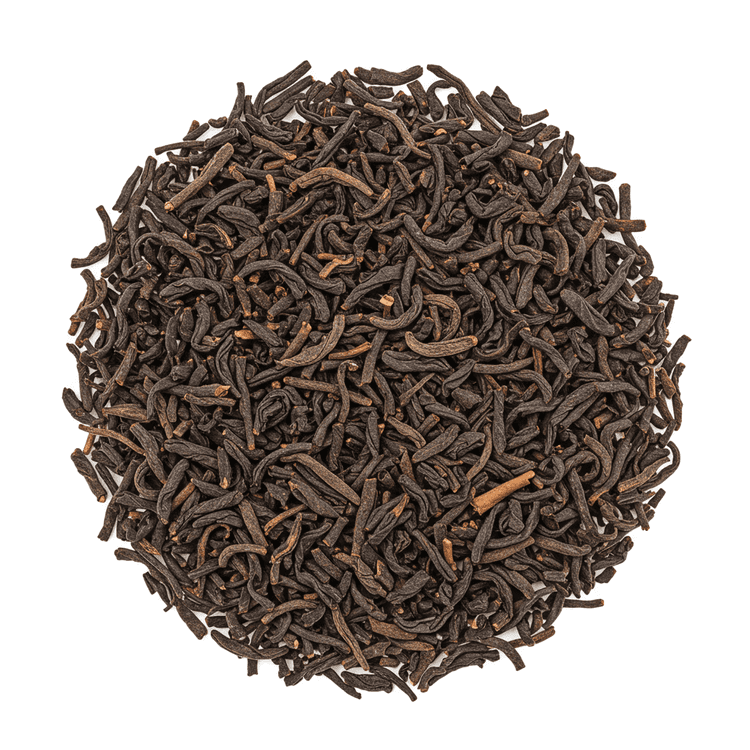
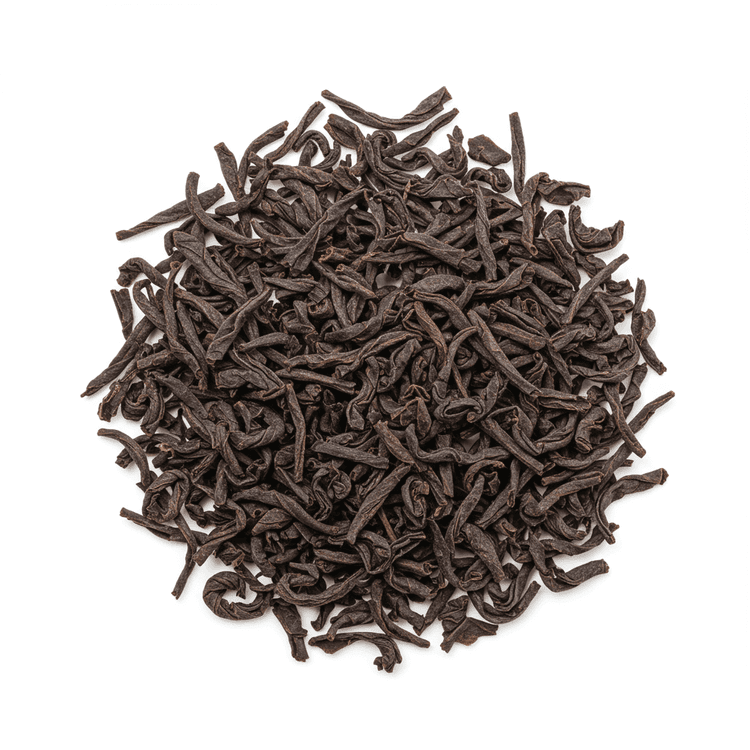
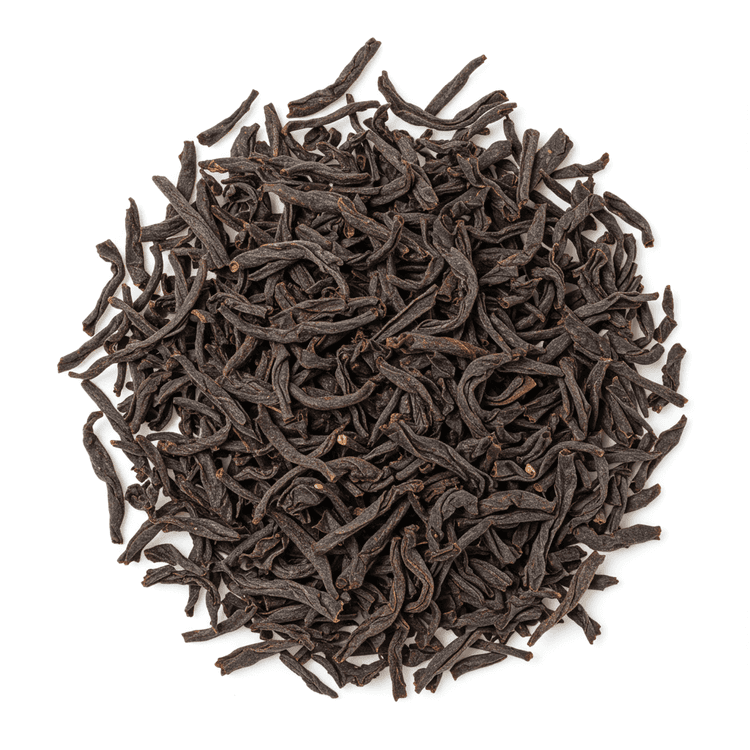
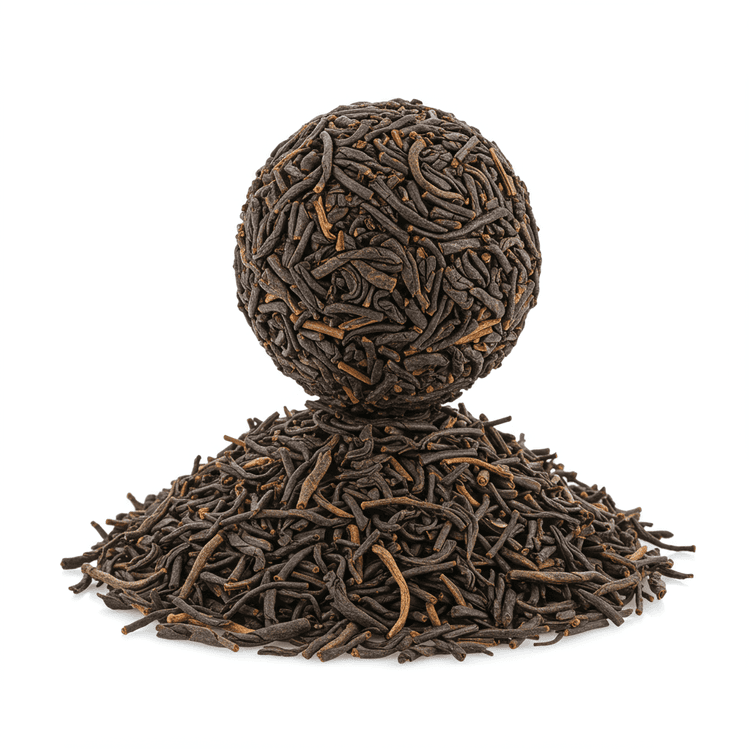
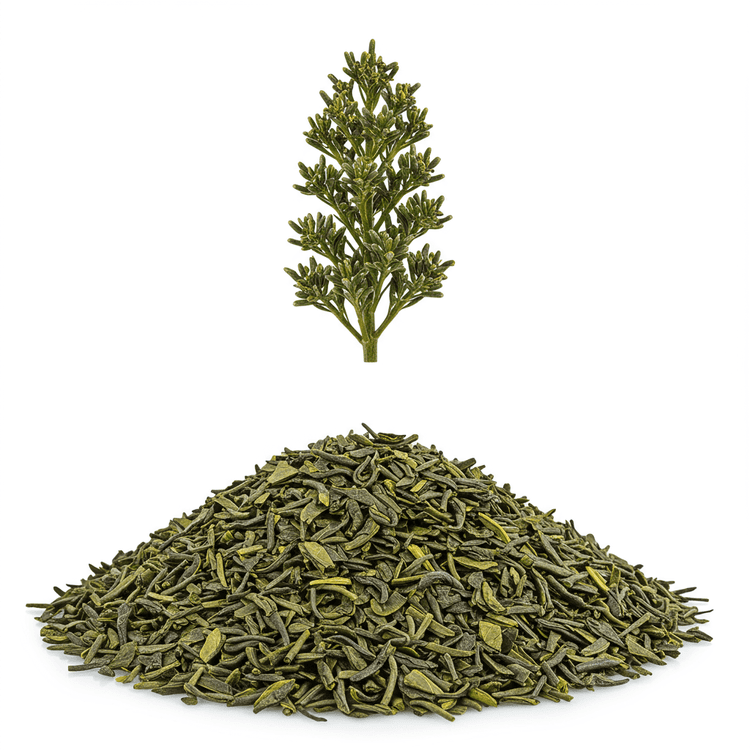
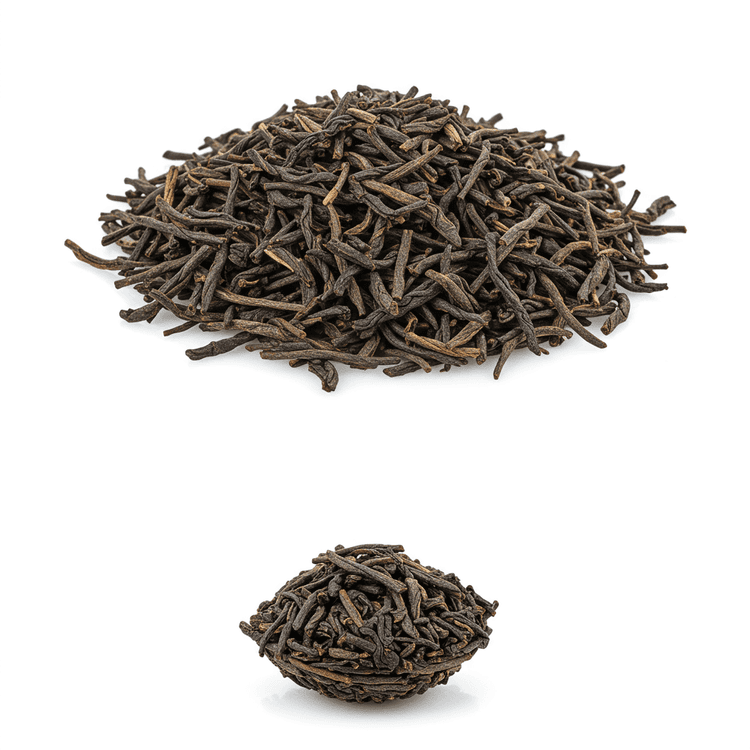
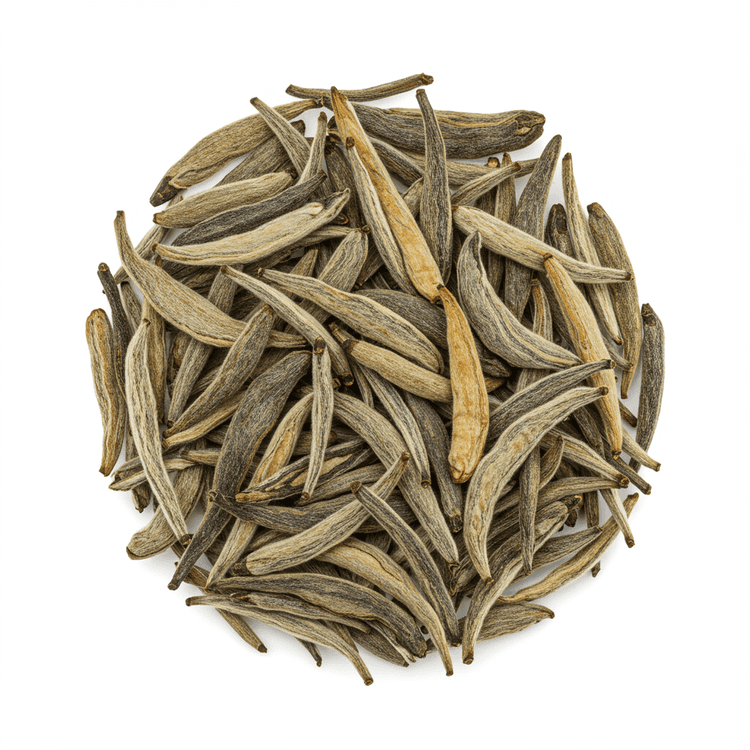
Tea, a beverage steeped in history and enjoyed globally, offers far more than just a soothing sip. It's a powerhouse of antioxidants and beneficial compounds, contributing significantly to overall health and well-being. From the robust flavors of black tea to the delicate nuances of green tea and the earthy notes of pu-erh, the diverse world of tea provides a wealth of options for every palate and health need.
One of the most celebrated benefits of tea lies in its high antioxidant content, particularly polyphenols like catechins, theaflavins, and thearubigins. These powerful antioxidants combat free radicals, unstable molecules that can damage cells and contribute to chronic diseases such as heart disease, cancer, and Alzheimer's. Green tea, especially, is rich in epigallocatechin gallate (EGCG), a catechin known for its potent antioxidant and anti-inflammatory properties. Black tea, while processed differently, still offers a substantial dose of theaflavins and thearubigins, contributing to similar protective effects. Herbal teas, while technically infusions rather than true teas (derived from Camellia sinensis), can also be rich in antioxidants and other beneficial compounds depending on the herbs used.
The health benefits of tea extend beyond its antioxidant profile. Studies suggest that regular tea consumption may improve heart health by lowering blood pressure, reducing LDL (bad) cholesterol, and improving blood vessel function. The caffeine in tea can provide a gentle energy boost and enhance mental alertness and focus, without the jitters often associated with coffee. Furthermore, some types of tea, particularly chamomile, are known for their calming and relaxing properties, promoting better sleep and reducing stress. Tea also contributes to hydration, which is crucial for overall health, supporting kidney function, nutrient absorption, and temperature regulation. The subtle fluoride content in tea also helps maintain good dental hygiene.
In the culinary realm, tea is incredibly versatile. Beyond simply enjoying a cup of hot or iced tea, it can be incorporated into a wide range of dishes. Matcha, a finely ground green tea powder, is a popular ingredient in smoothies, lattes, baked goods, and even savory dishes. Black tea can be used to marinate meats, adding a subtle smoky flavor. Green tea is a delightful addition to salad dressings or as a poaching liquid for fish. Tea-smoked duck is a classic Cantonese dish showcasing the aromatic depth tea can impart. Iced tea, whether sweet or unsweetened, is a refreshing beverage, especially during warmer months.
Integrating tea into a balanced diet is a simple yet effective way to boost your overall wellness. Its rich antioxidant content helps protect against cellular damage and chronic diseases. Its cardiovascular benefits support heart health, while its hydrating properties contribute to optimal bodily functions. The variety of flavors and types ensures there's a tea to suit every taste and preference. Whether you're seeking an energy boost, a calming ritual, or a flavorful culinary ingredient, tea offers a myriad of benefits, making it a valuable addition to a healthy lifestyle. Consider incorporating a variety of teas into your daily routine to reap the full spectrum of its nutritional and culinary advantages. Remember to be mindful of added sugars in sweetened tea products and prioritize unsweetened or naturally sweetened options for optimal health benefits. ||
Tea are an essential part of a healthy diet, providing a wide range of nutrients and health benefits. Explore our collection of tea ingredients.