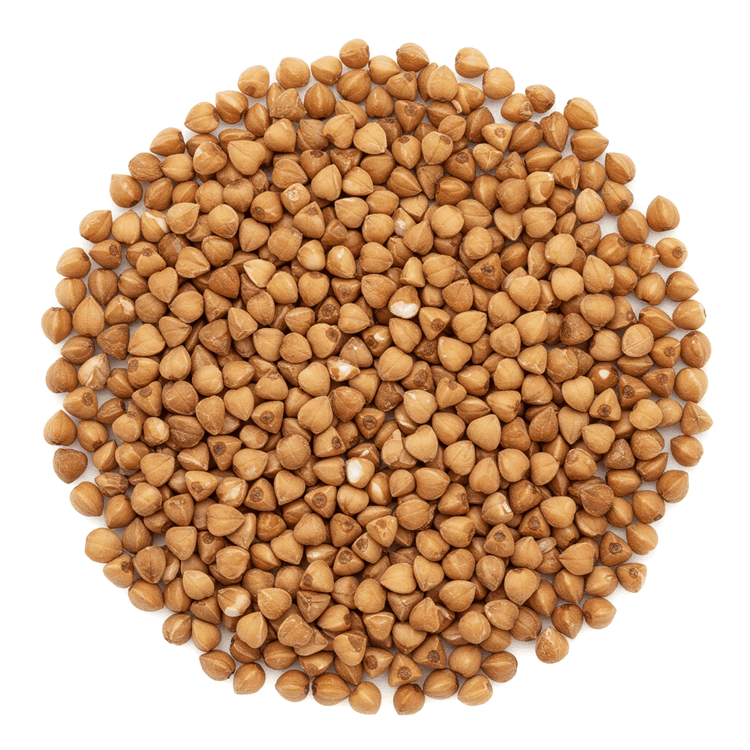
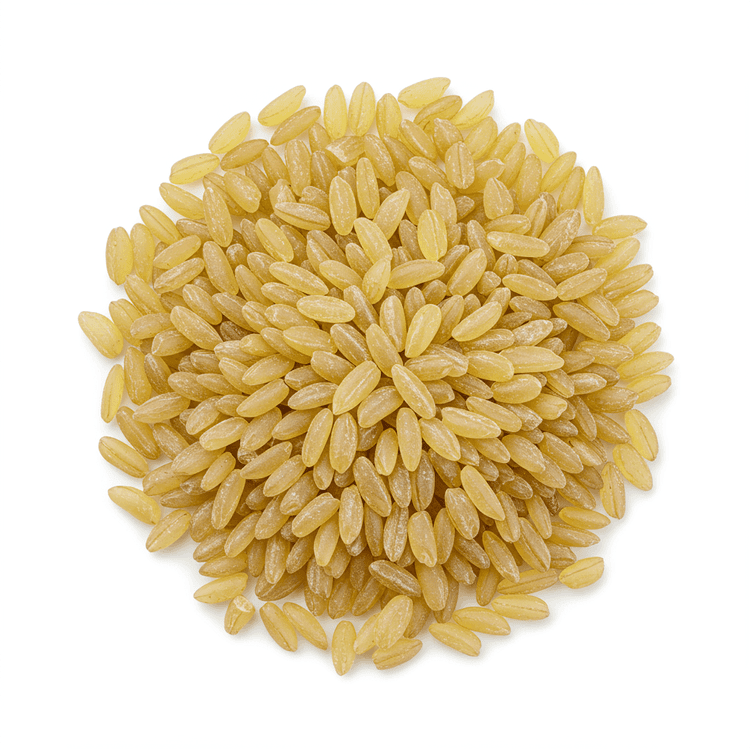
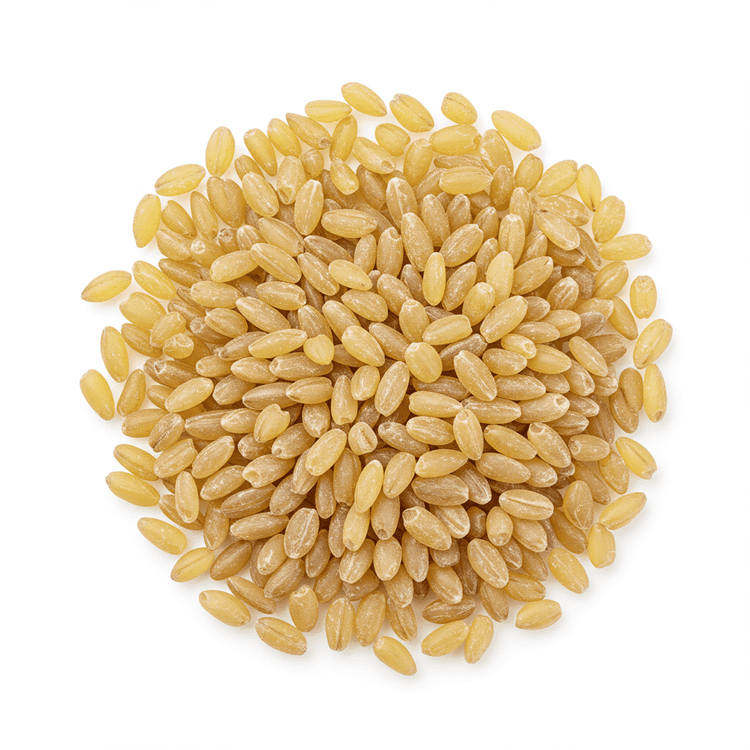
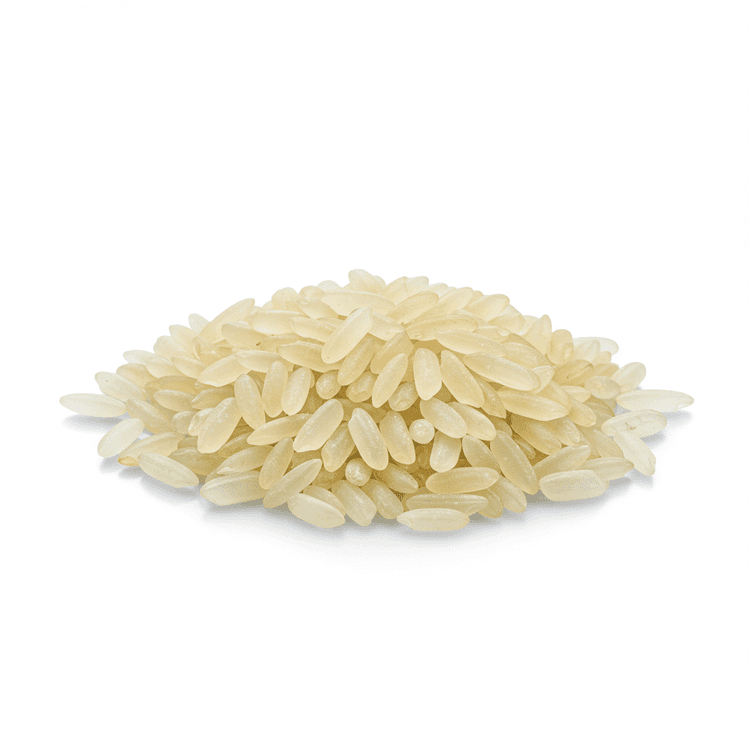
Grains, the tiny seeds that fuel civilizations, are far more than just a simple staple. They're a powerhouse of nutrients, offering a diverse array of health benefits and culinary possibilities. From the humble wheat berry to the exotic quinoa, grains provide essential energy, fiber, and a surprising amount of vitamins and minerals crucial for a balanced diet and overall well-being.
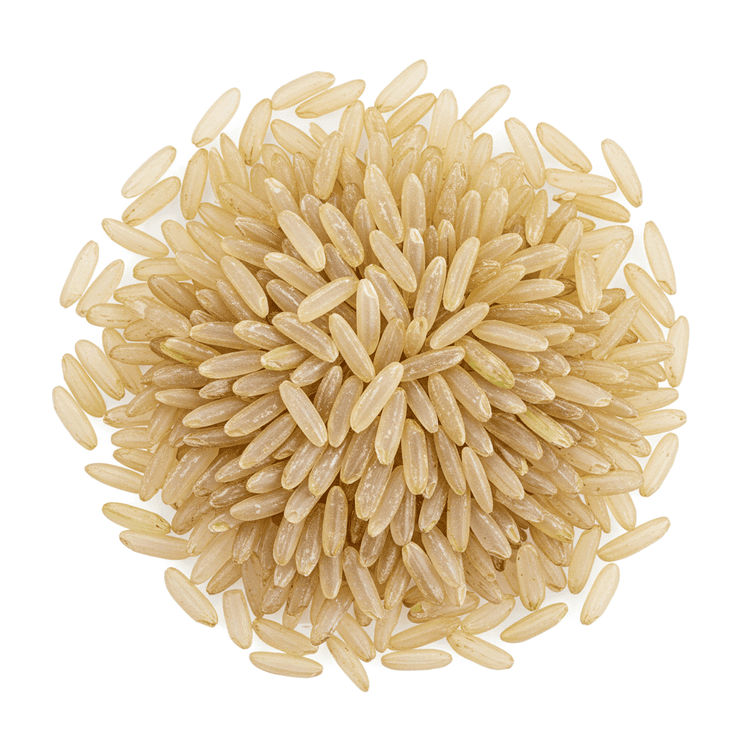
One of the primary benefits of whole grains lies in their rich fiber content. This dietary fiber isn't just filler; it's a crucial component for digestive health, promoting regularity and preventing constipation. Beyond digestion, fiber plays a significant role in managing blood sugar levels, making grains a beneficial choice for individuals with diabetes or those looking to maintain stable energy throughout the day. Fiber also contributes to feelings of fullness, aiding in weight management by reducing overall calorie intake. Think of the satisfying chewiness of brown rice or the hearty texture of whole-wheat bread – that's the fiber working its magic.
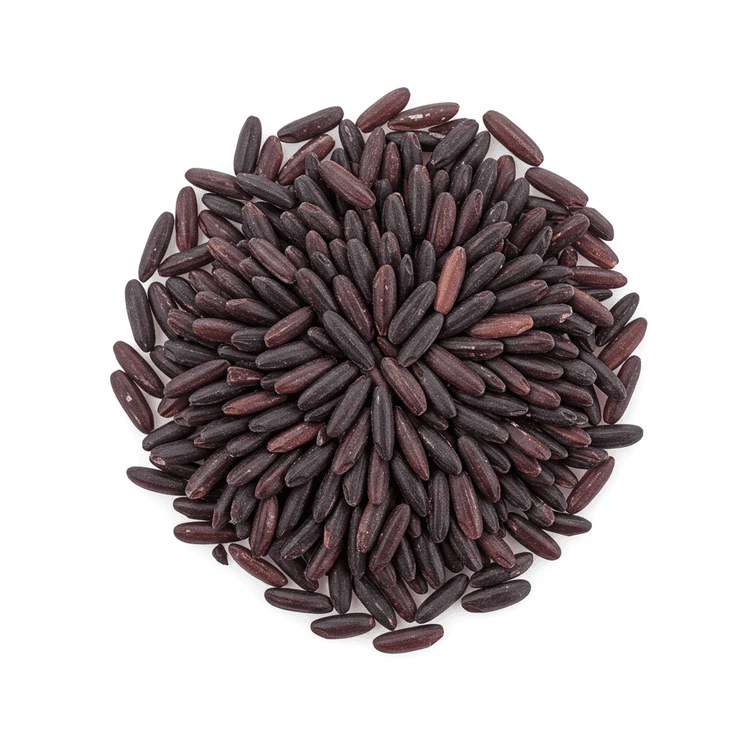
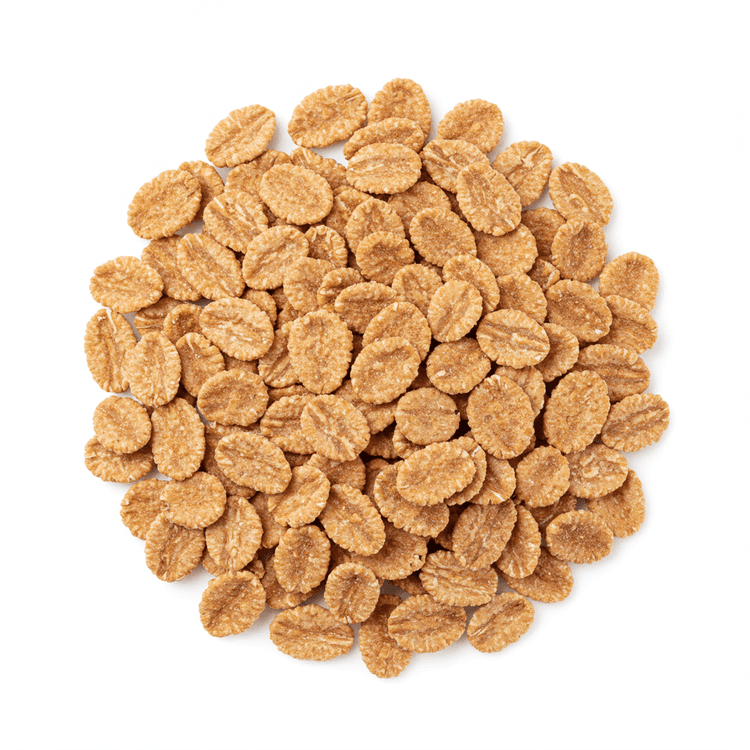
Beyond fiber, grains are packed with essential vitamins and minerals. Many whole grains are excellent sources of B vitamins, including niacin, thiamin, and folate, which are vital for energy metabolism, nerve function, and cell growth. They also contain minerals like magnesium, iron, and selenium, each contributing to various bodily functions, from bone health and oxygen transport to immune system support. Specific grains, like oats, are particularly known for their beta-glucan content, a type of soluble fiber that can help lower cholesterol levels. Brown rice boasts manganese, an antioxidant that plays a role in protecting cells from damage.
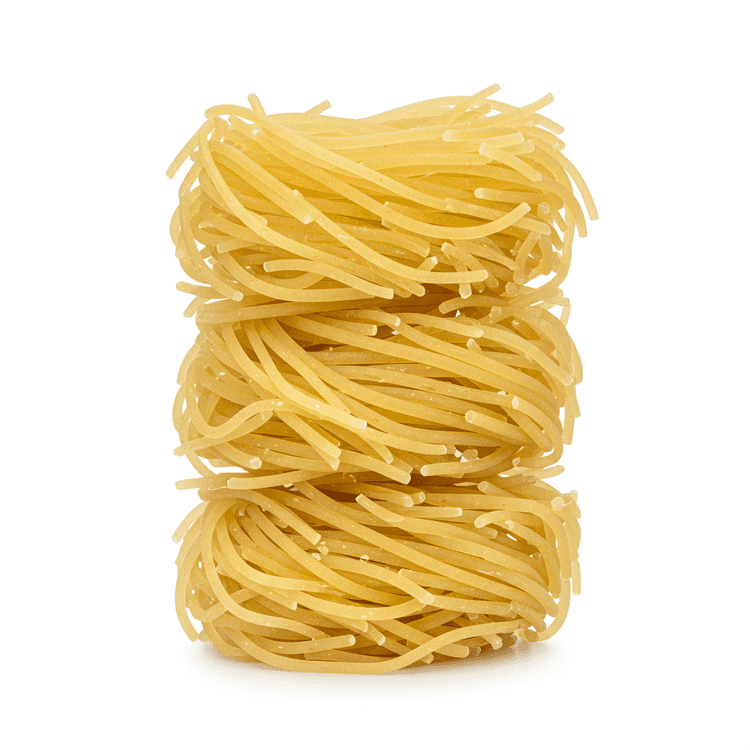
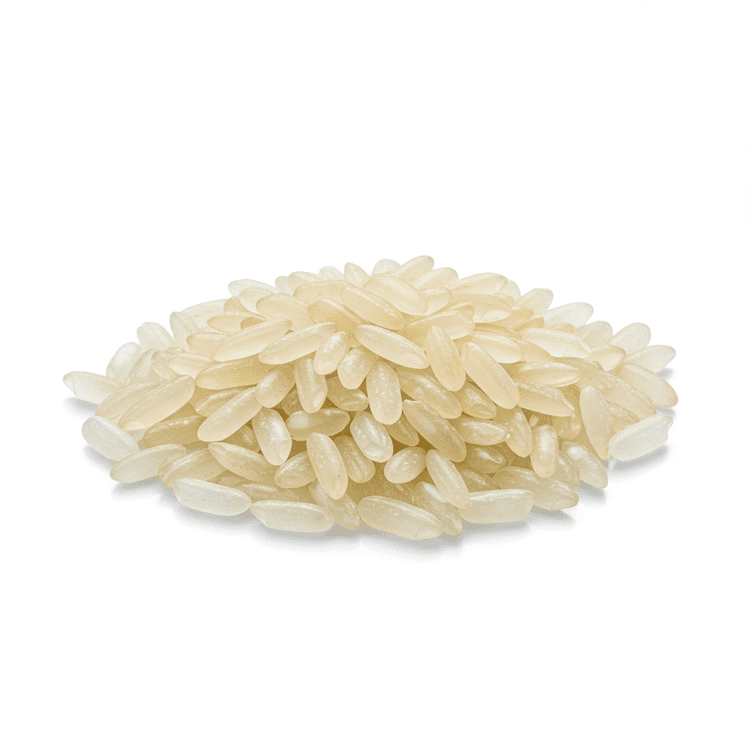
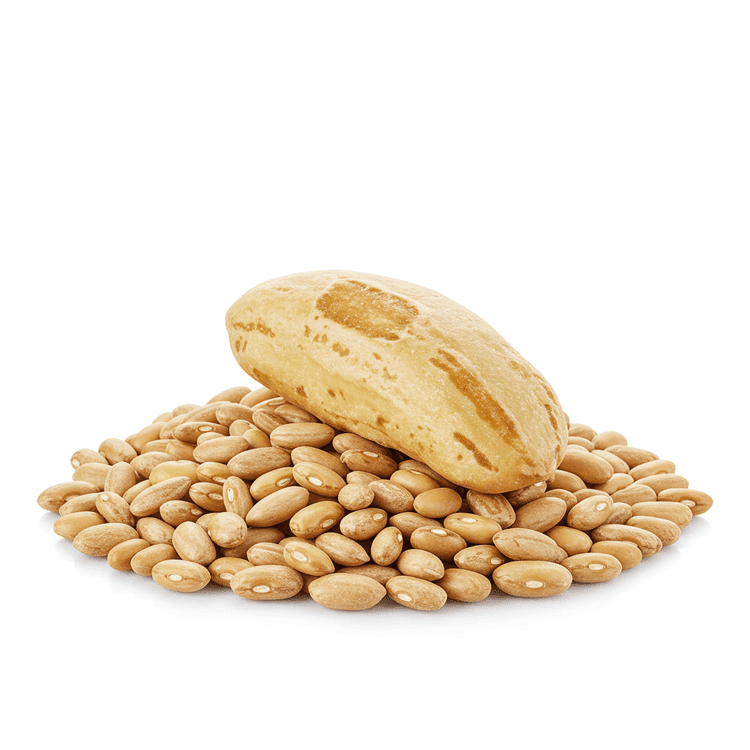
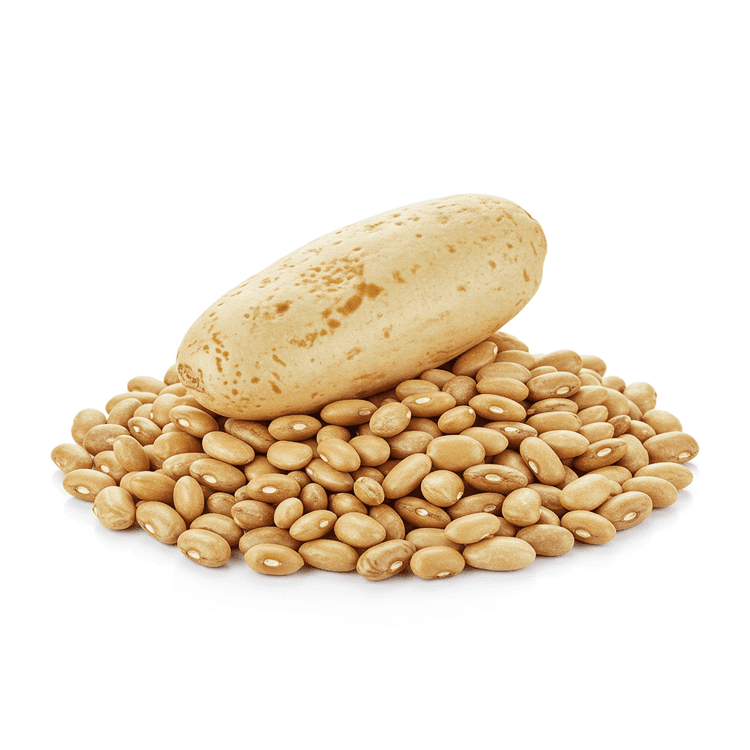
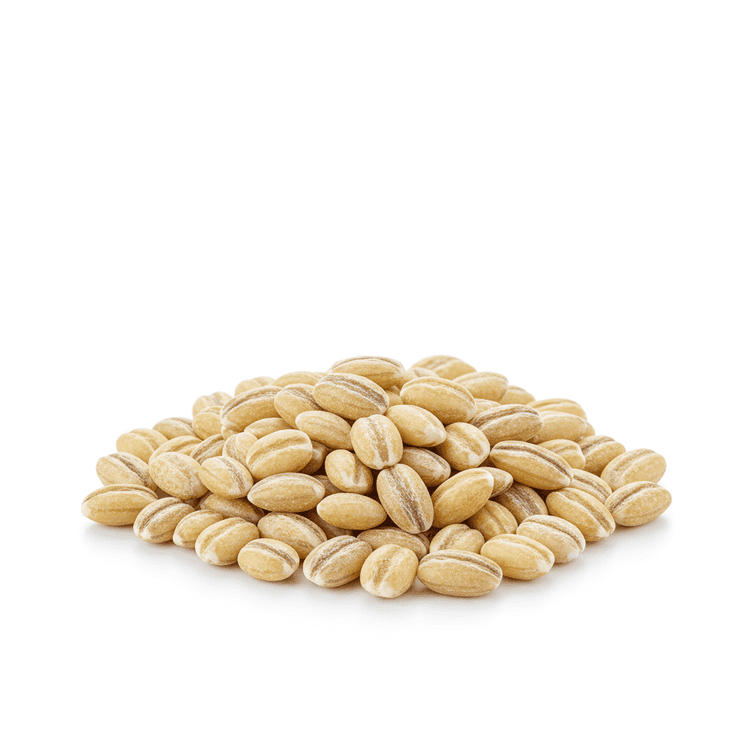
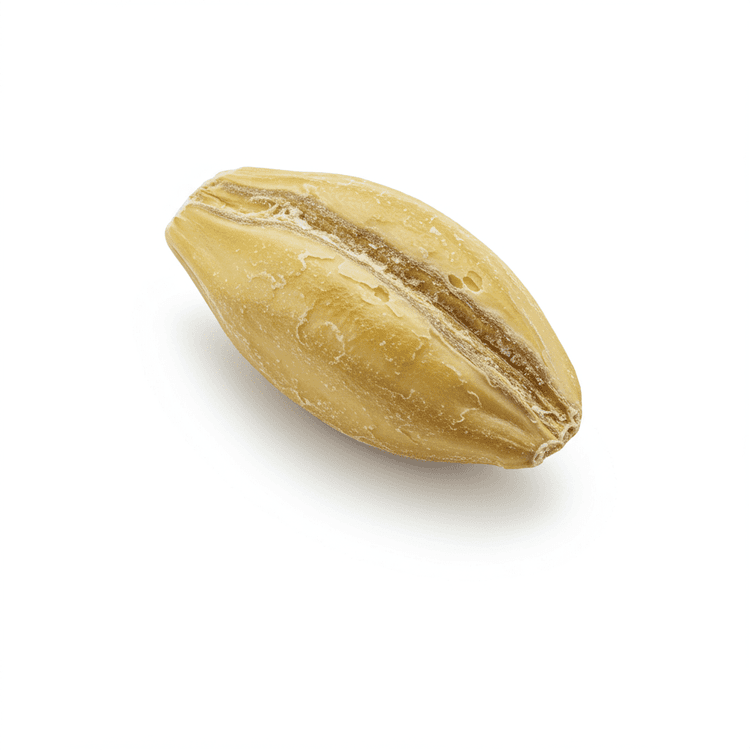
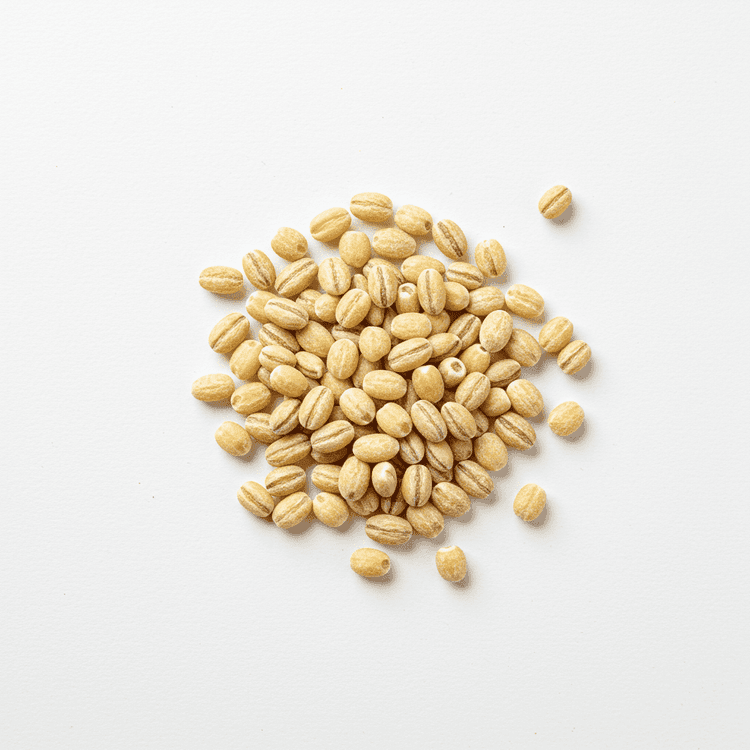
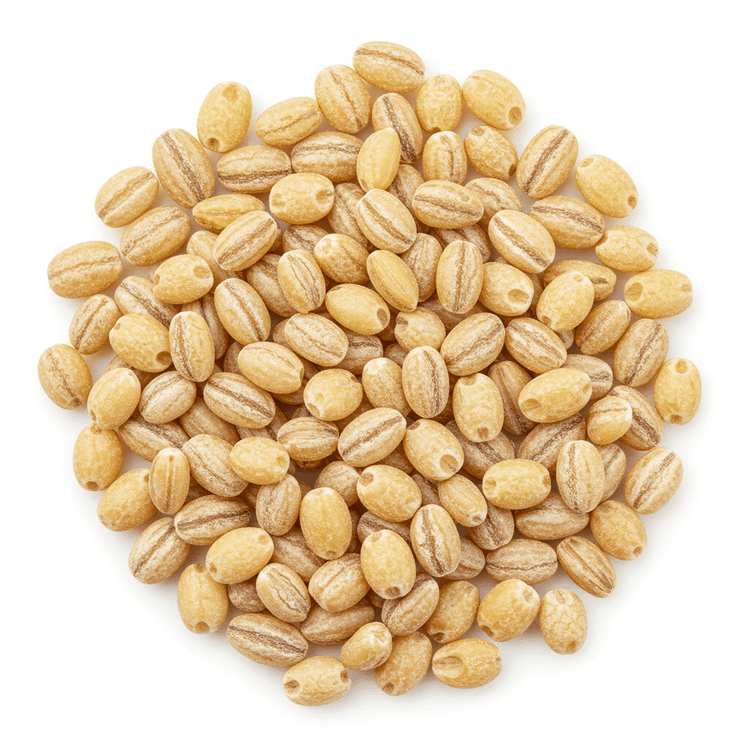
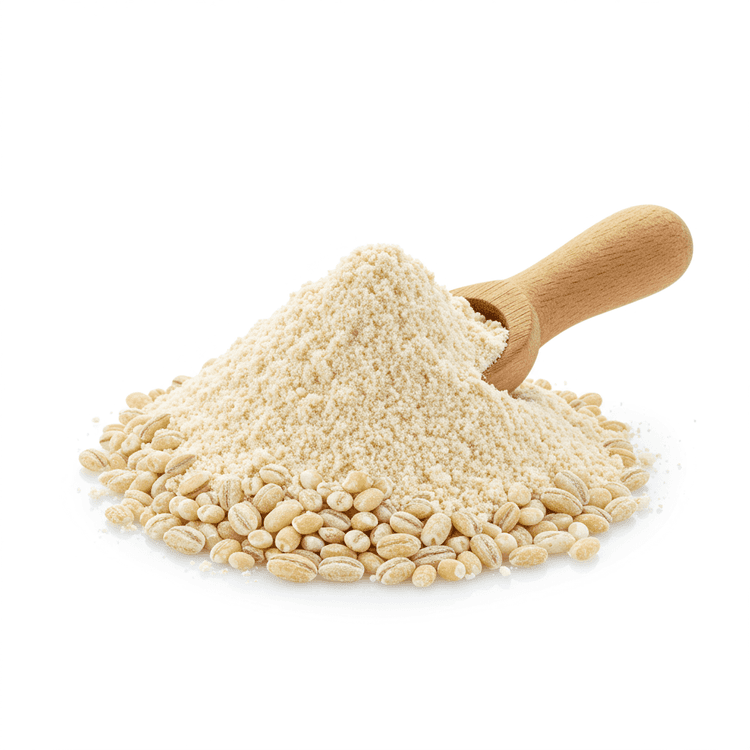
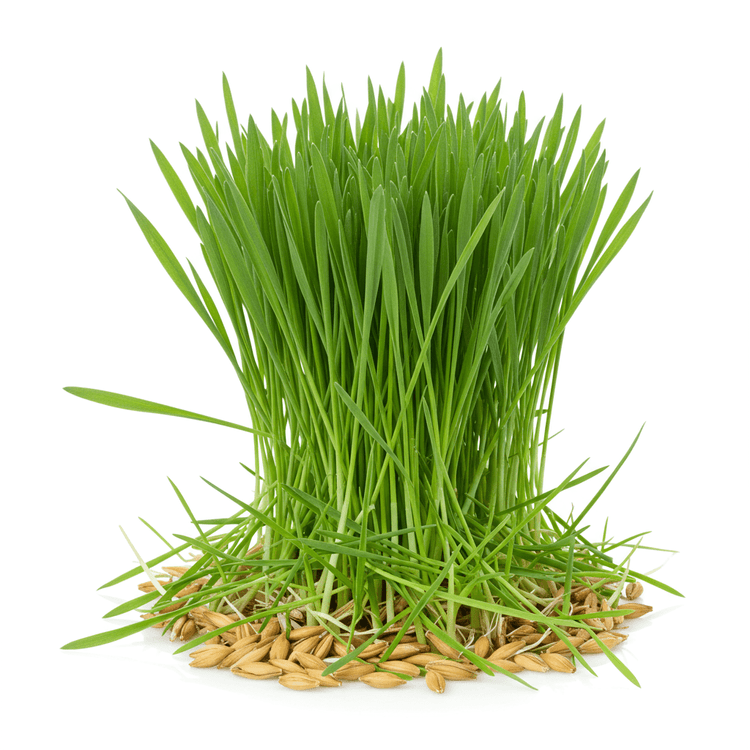
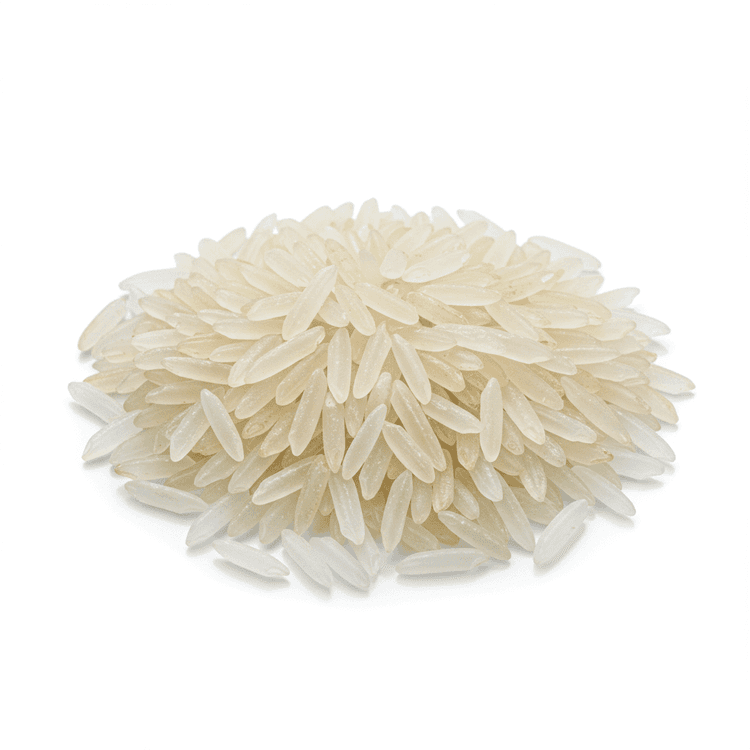
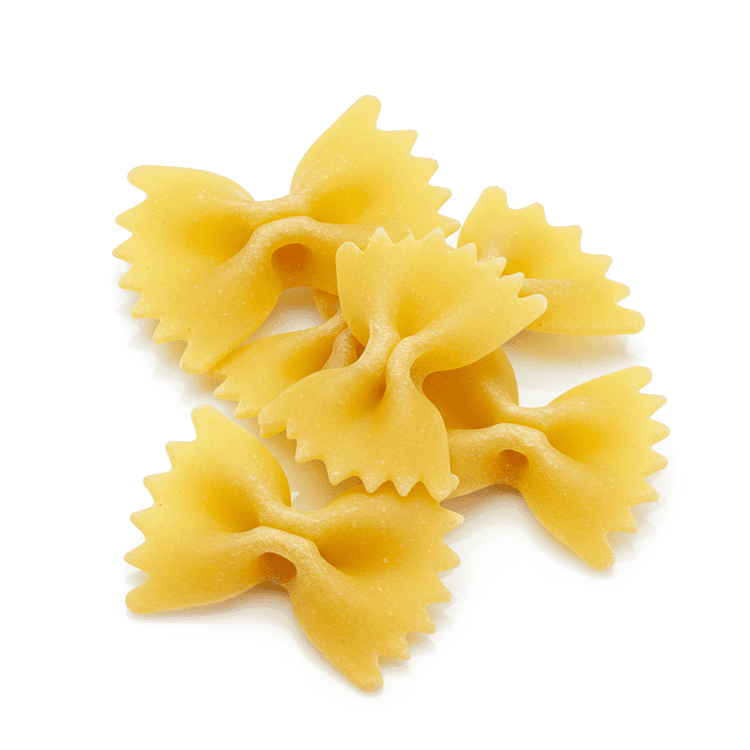
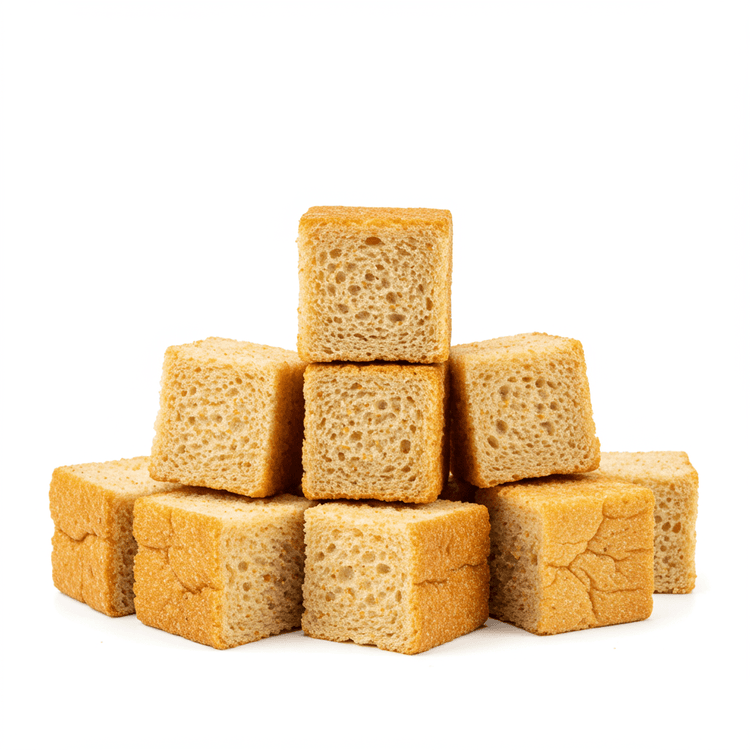
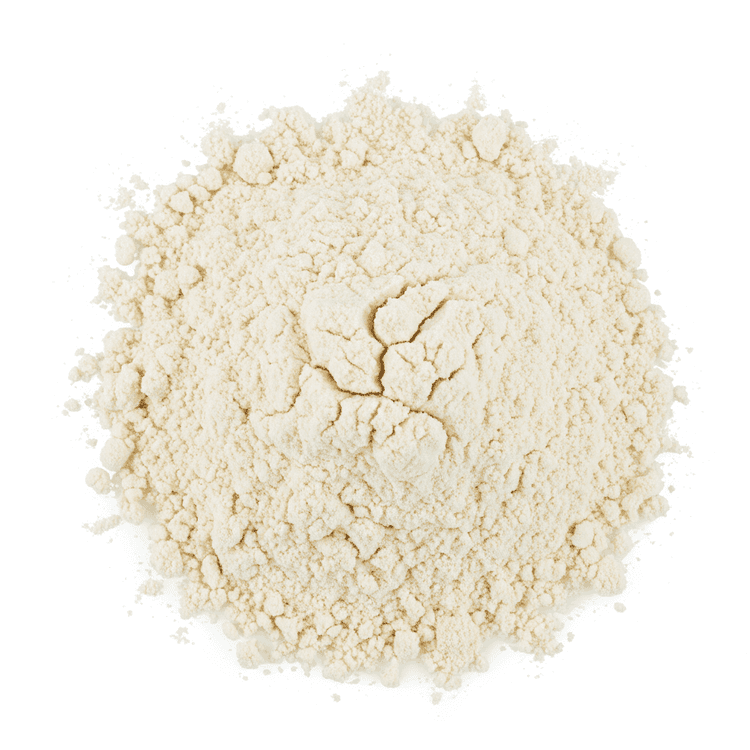
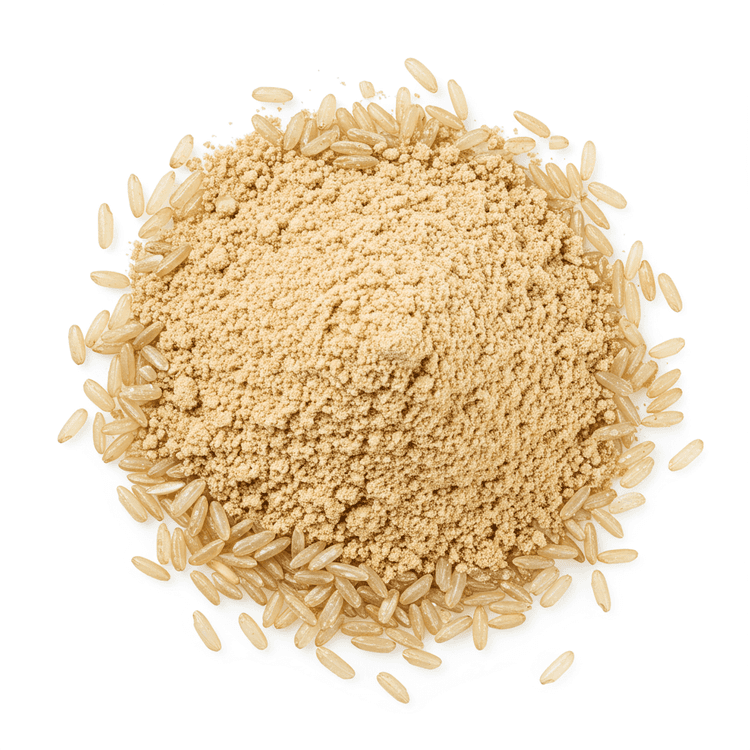
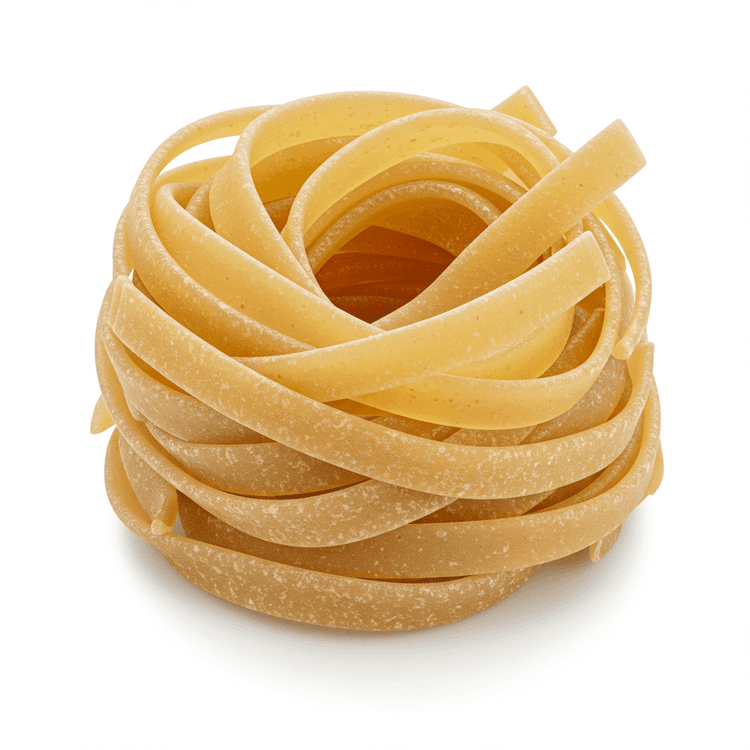
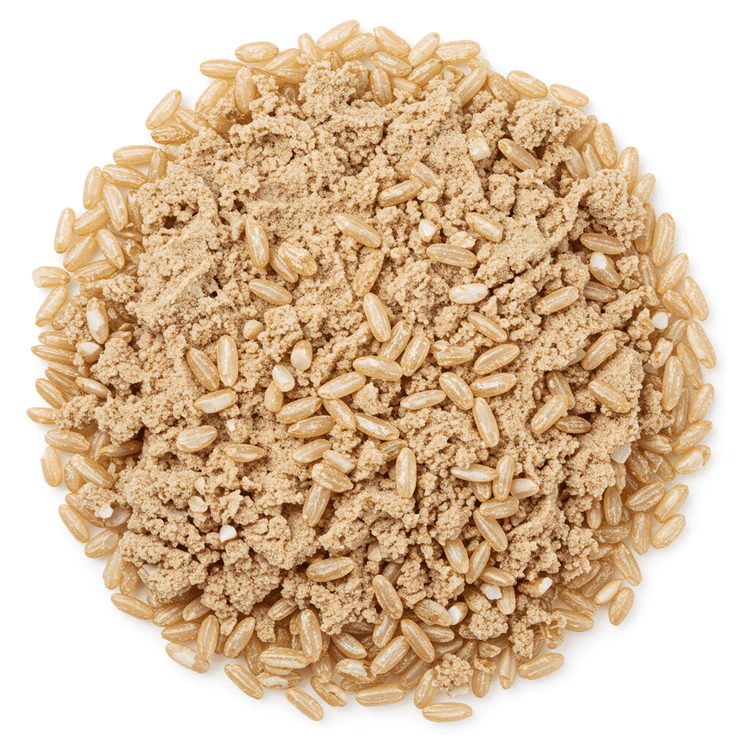
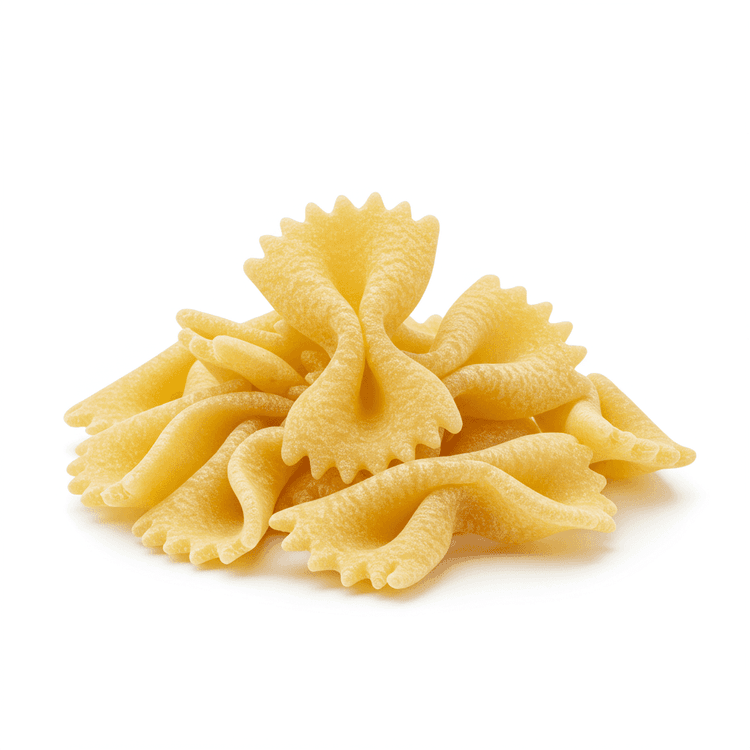
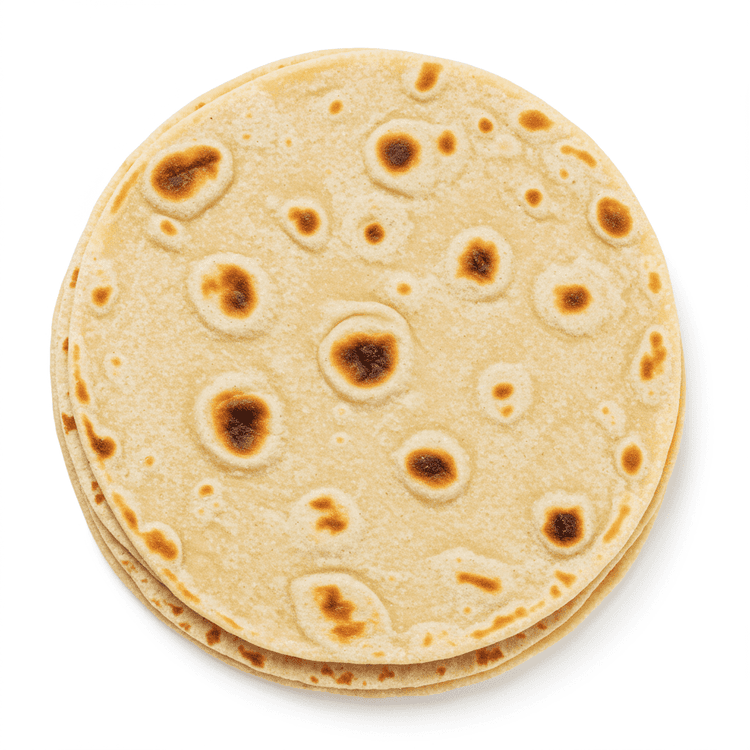
Culinary uses for grains are incredibly diverse. Rice, a global staple, forms the foundation of countless dishes, from Asian stir-fries and pilafs to creamy Italian risottos and spicy Latin American rice and beans. Wheat, in its various forms, is the backbone of breads, pasta, pastries, and cereals. Corn, another versatile grain, can be enjoyed on the cob, ground into polenta or masa, or popped into a delightful snack. Other grains like barley, quinoa, farro, and millet offer unique textures and flavors, adding variety to soups, salads, and side dishes. Experiment with different cooking methods, from boiling and steaming to baking and frying, to discover the unique potential of each grain.
Grains are absolutely essential for a balanced diet because they provide a sustained source of energy, critical for fueling our daily activities. Unlike simple sugars that cause rapid spikes and crashes in blood sugar, the complex carbohydrates in whole grains release energy slowly and steadily, keeping you feeling full and energized for longer. The combination of fiber, vitamins, and minerals found in whole grains contributes to a reduced risk of chronic diseases such as heart disease, type 2 diabetes, and certain types of cancer. By incorporating a variety of whole grains into your diet, you can ensure you're getting a wide spectrum of nutrients necessary for optimal health and vitality. So, embrace the power of grains and unlock their potential to nourish your body and delight your taste buds. Remember to choose whole grains over refined grains whenever possible, as whole grains retain all parts of the kernel and offer the most nutritional benefits. ||
Grain are an essential part of a healthy diet, providing a wide range of nutrients and health benefits. Explore our collection of grain ingredients.