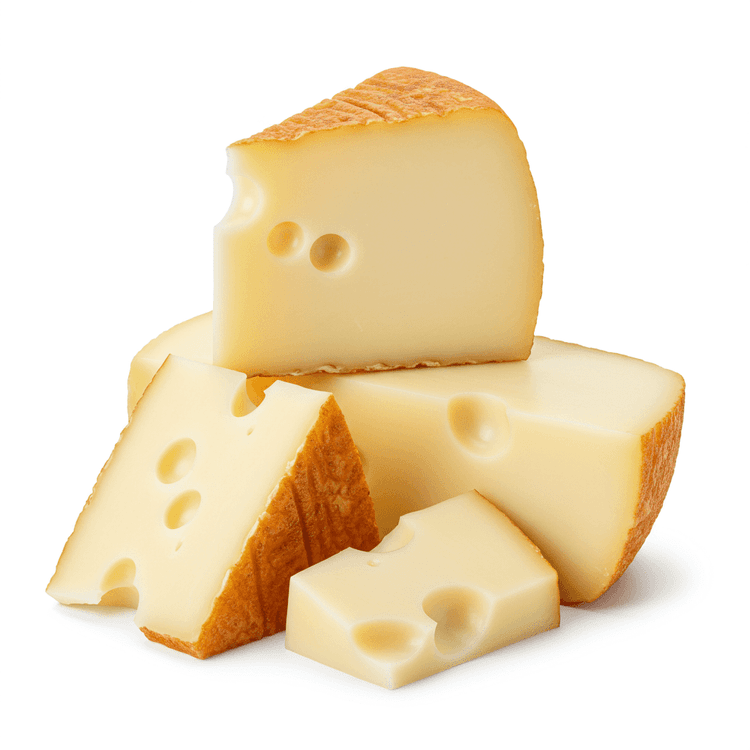
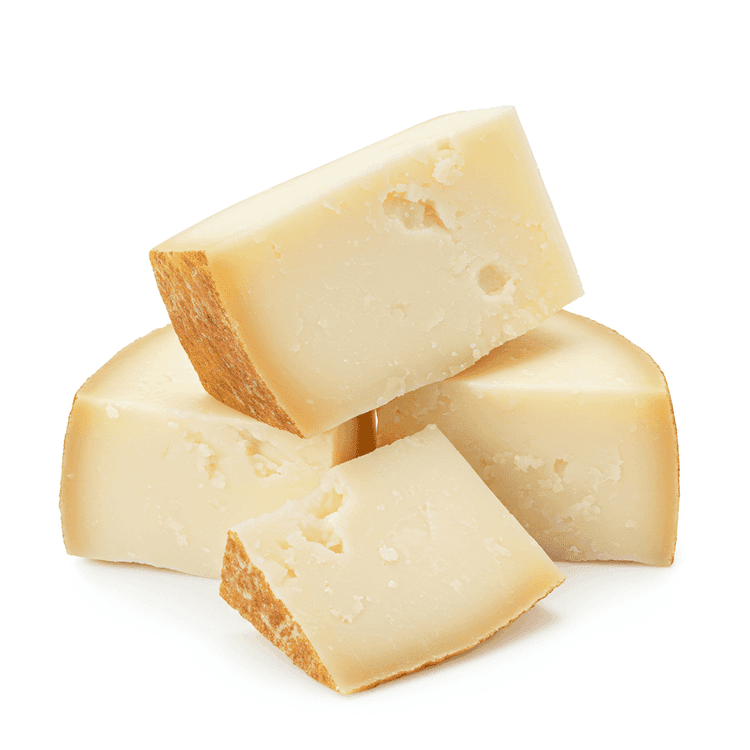
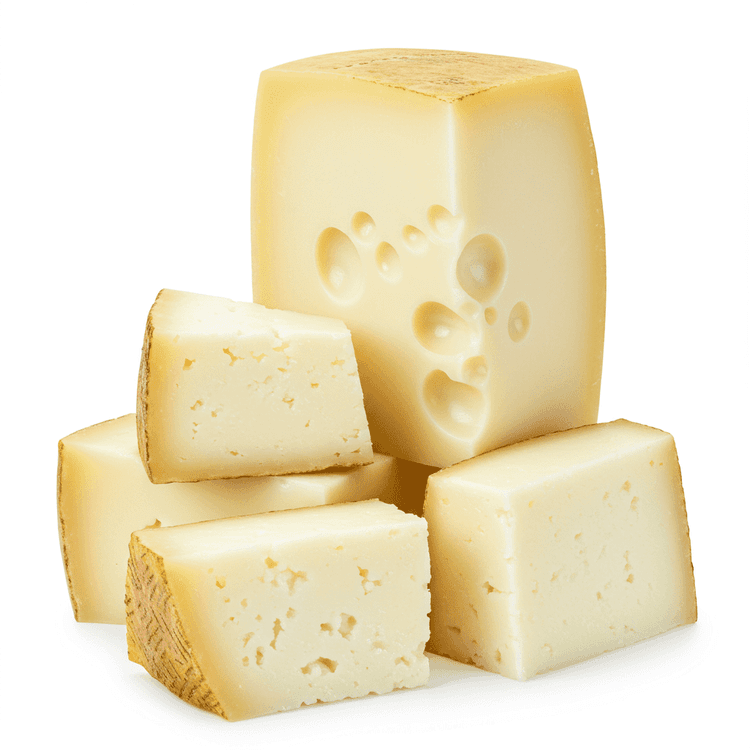
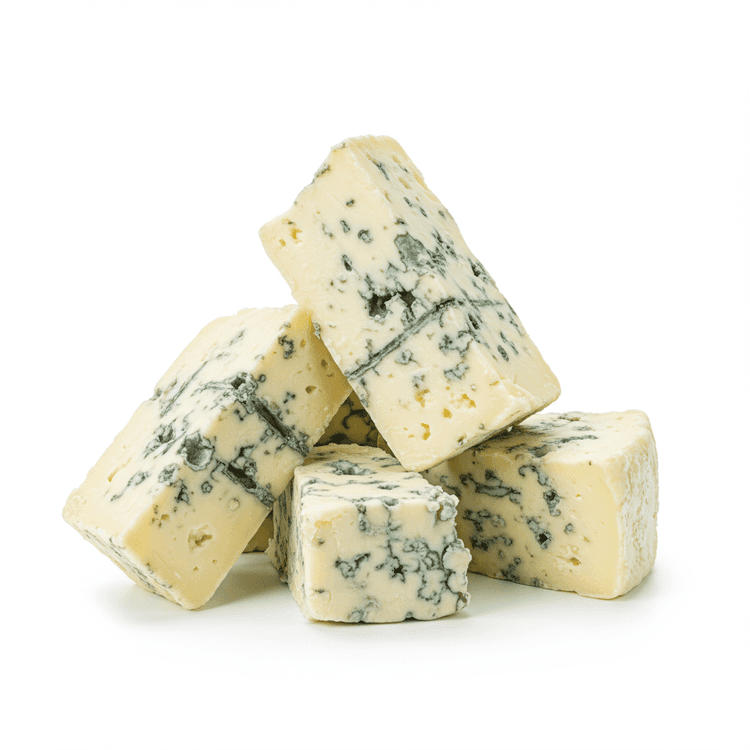
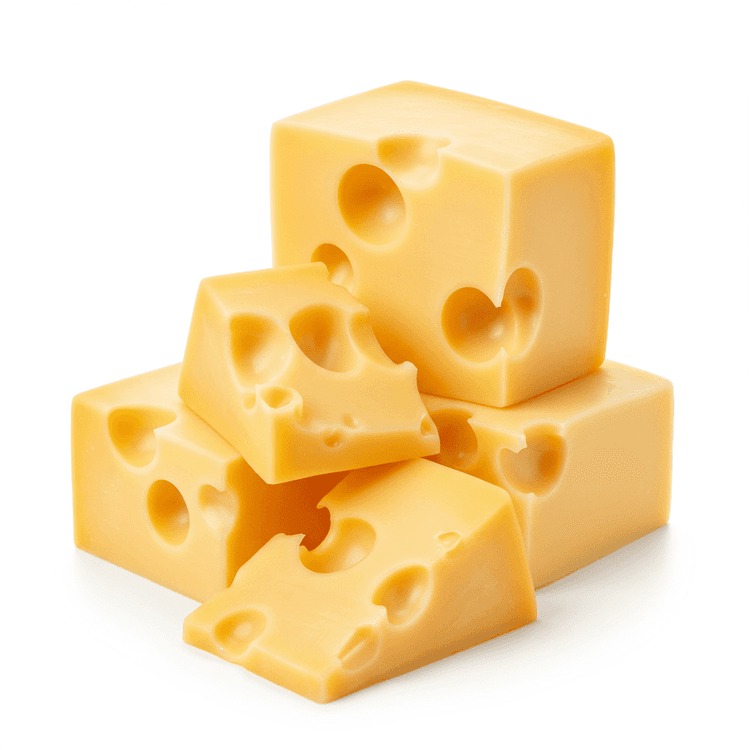
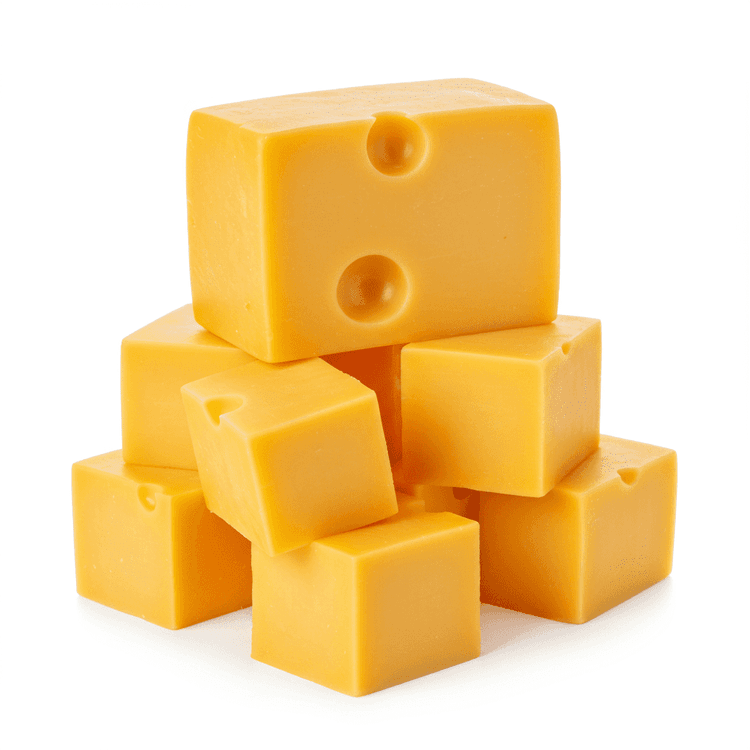
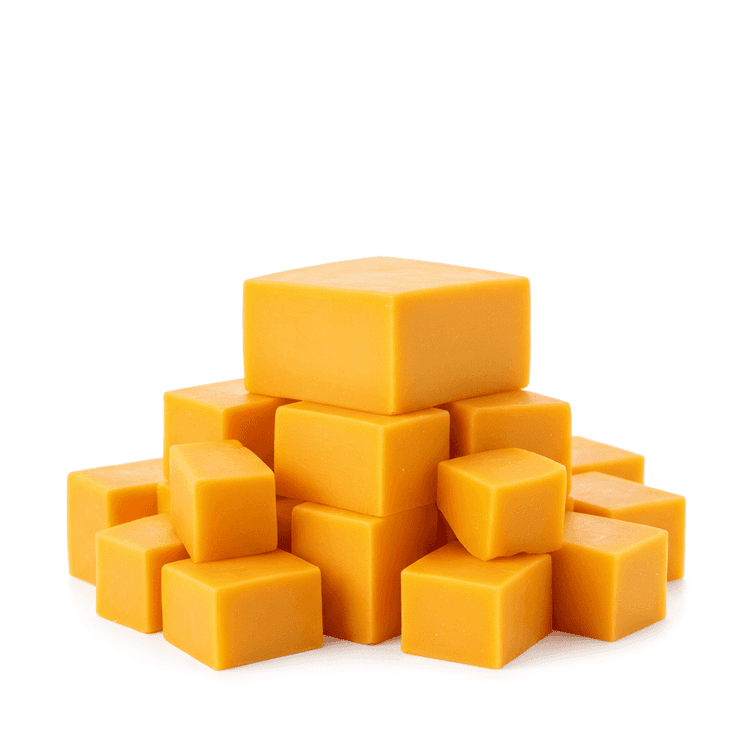
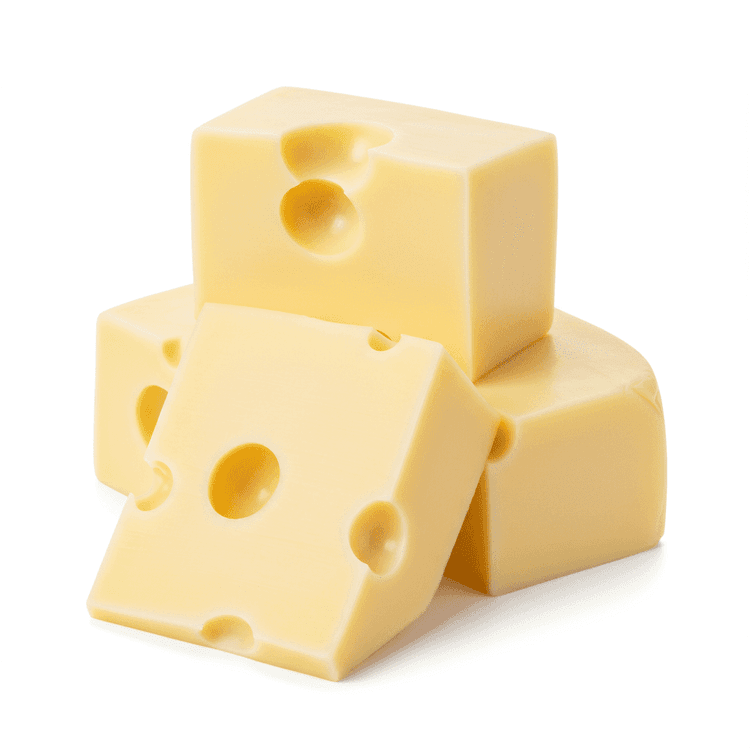
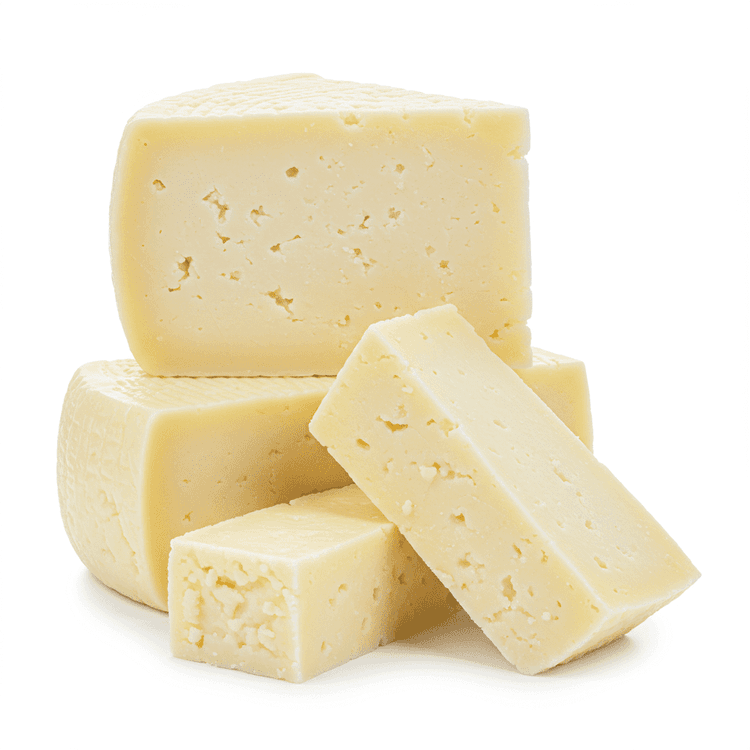
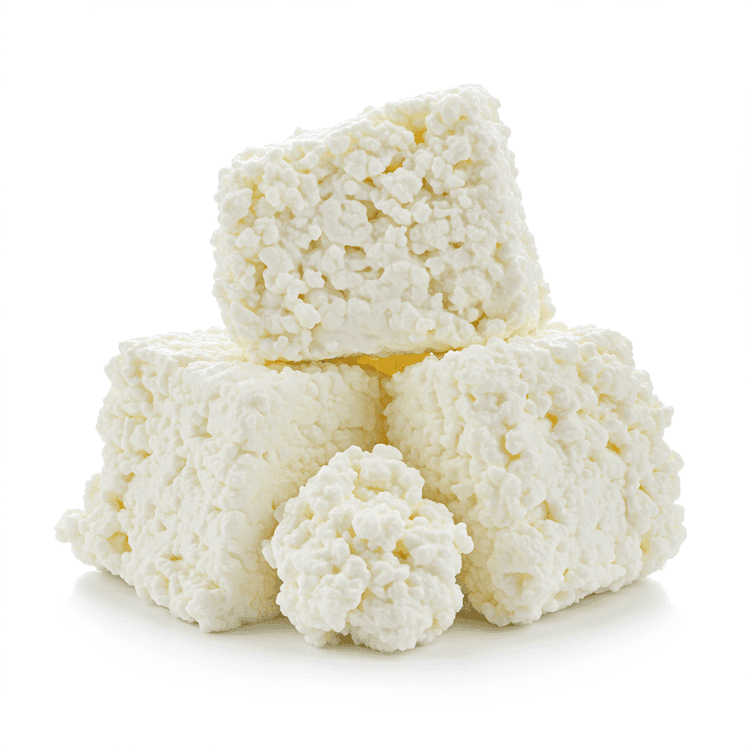
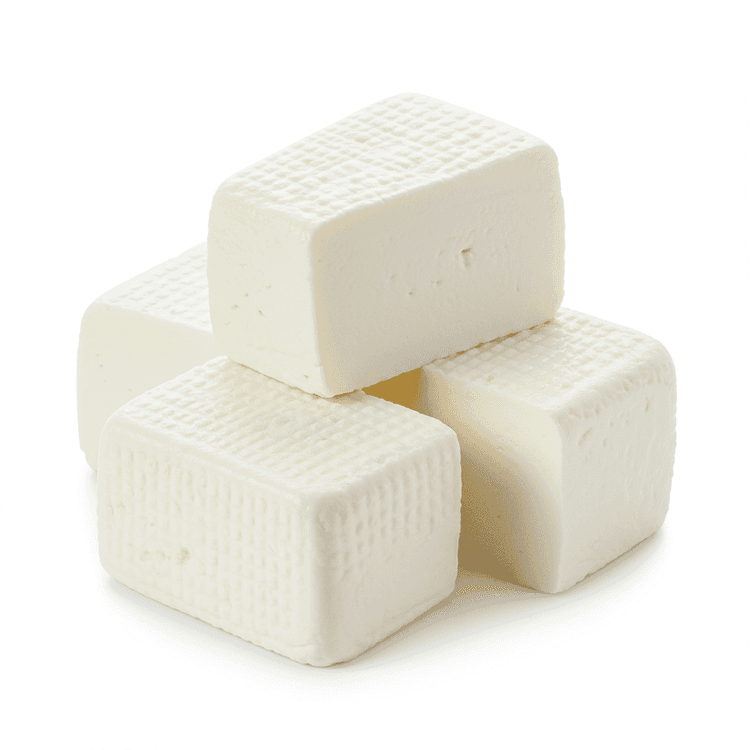
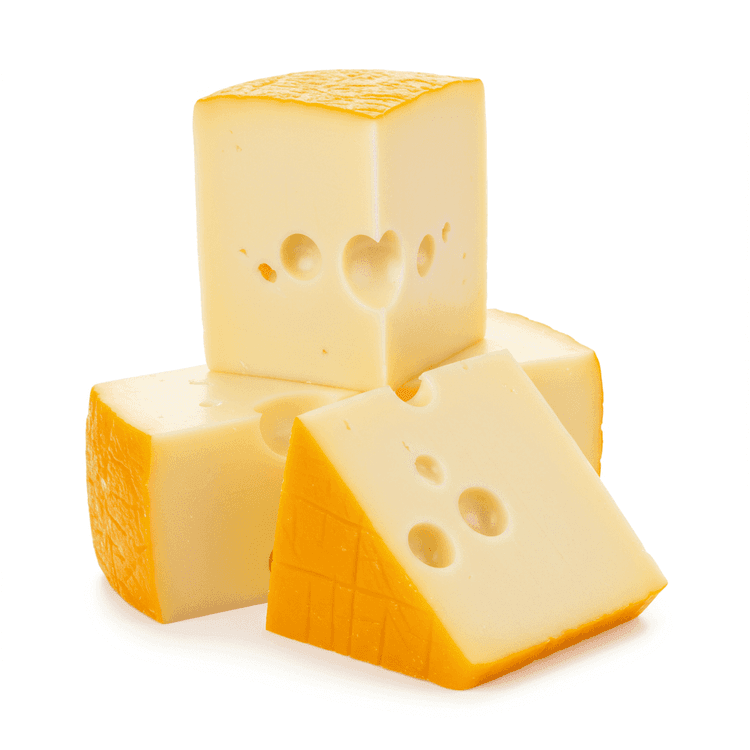
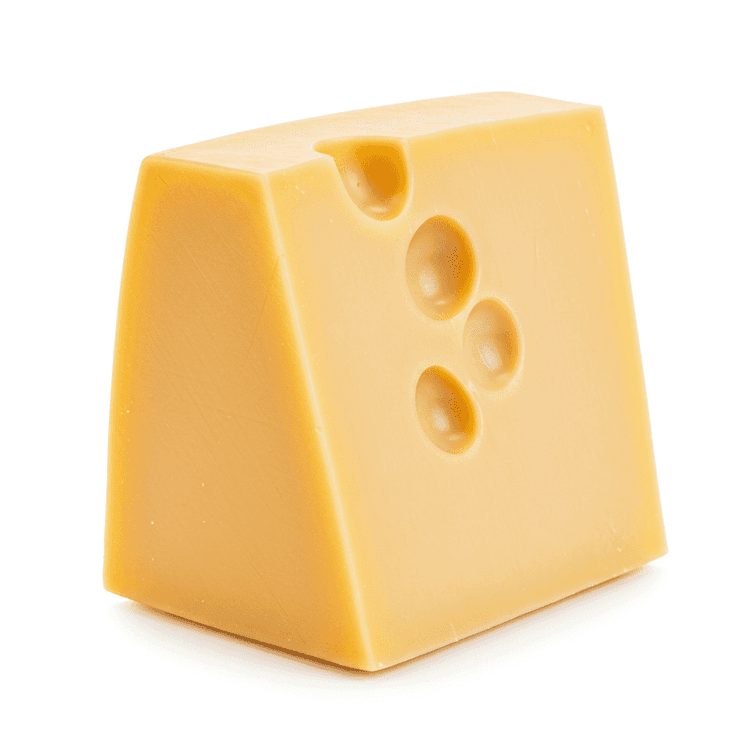
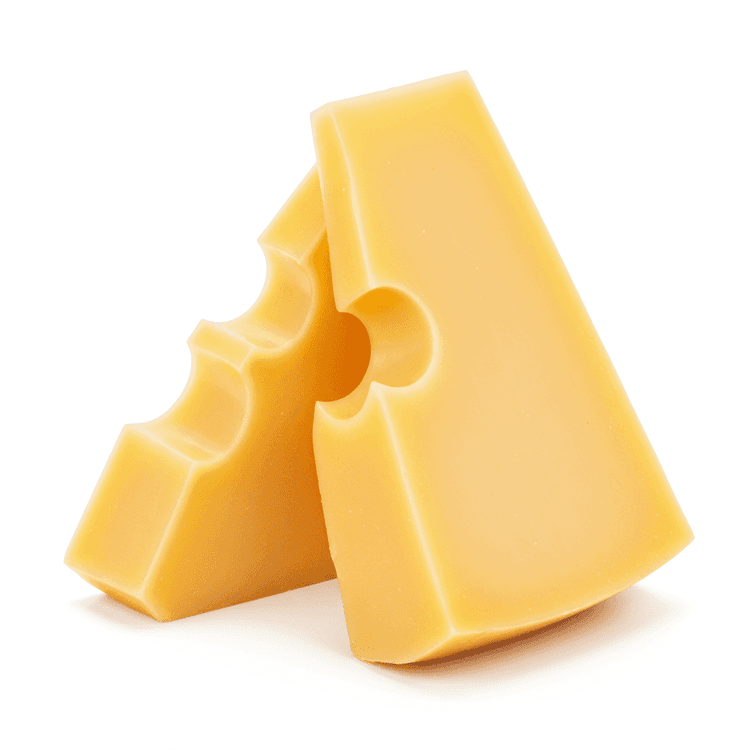
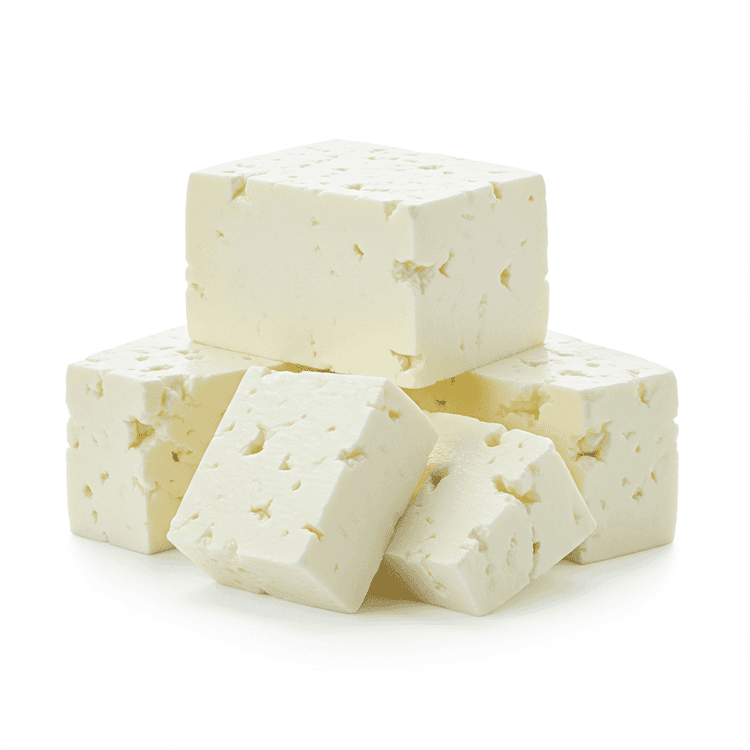
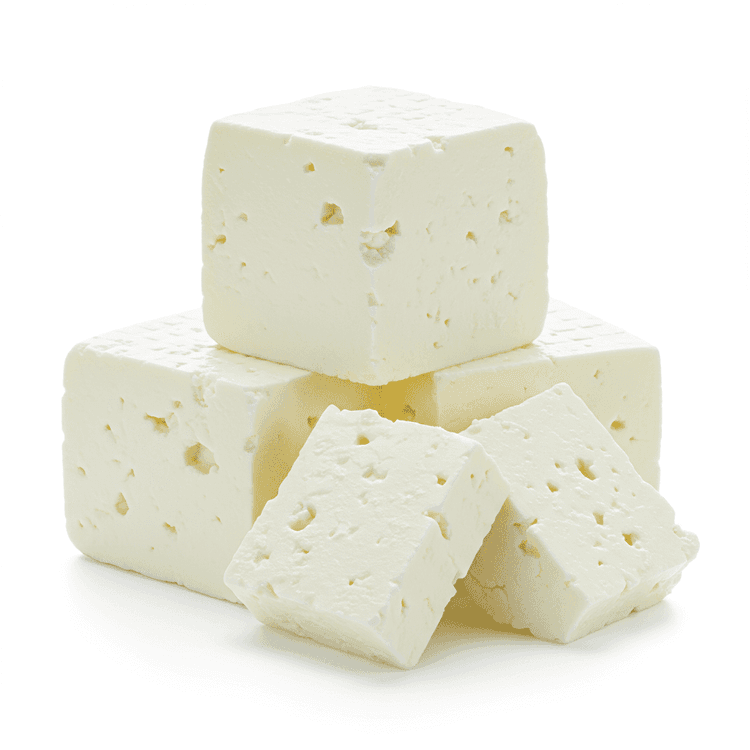
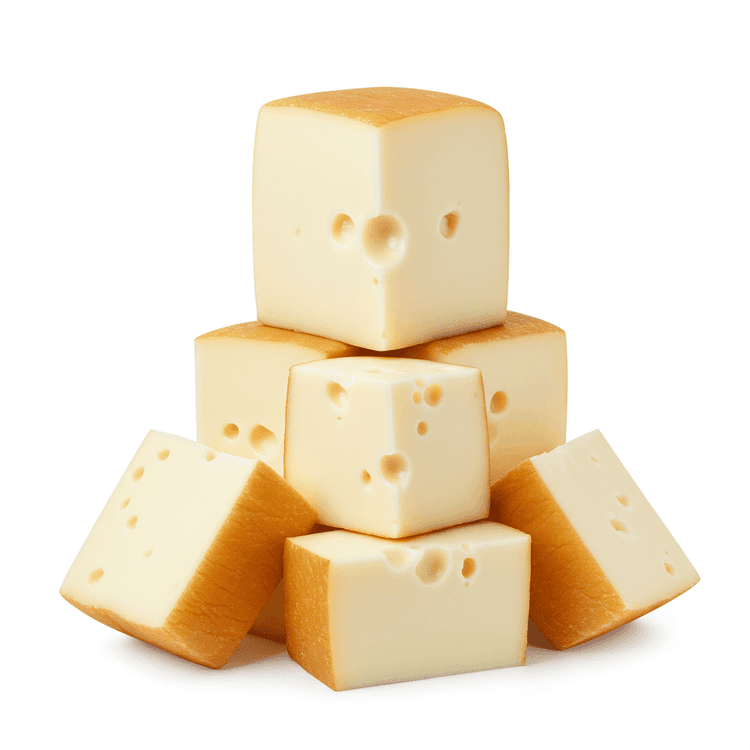
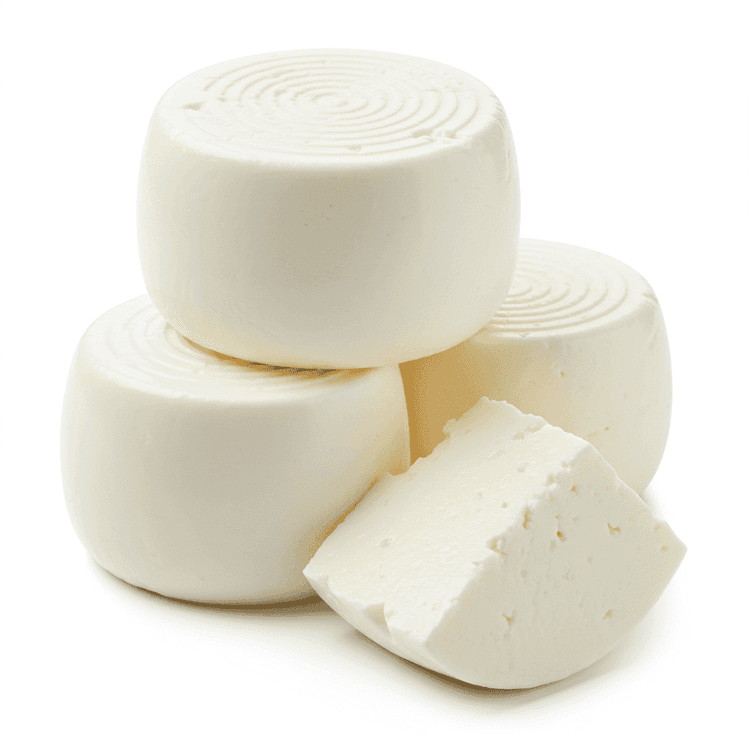
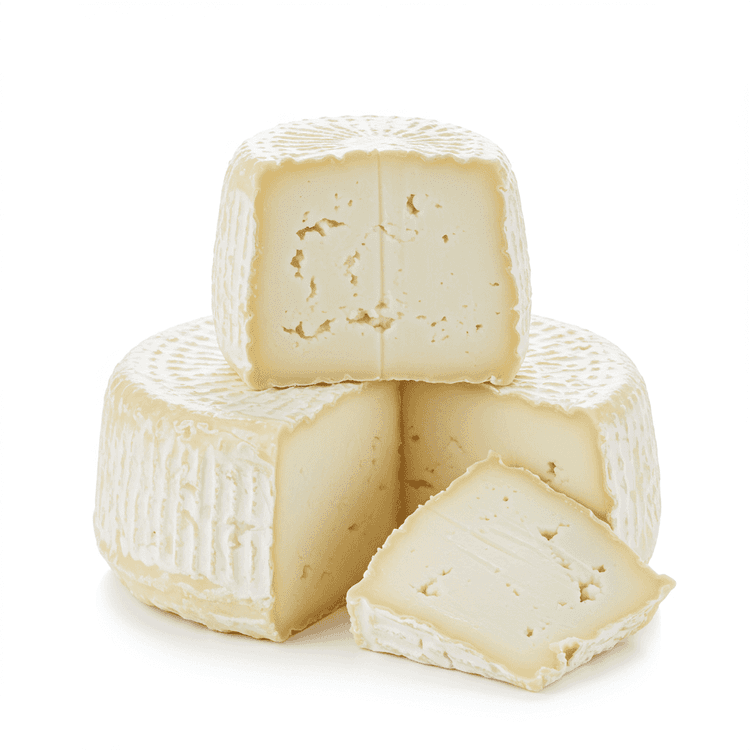
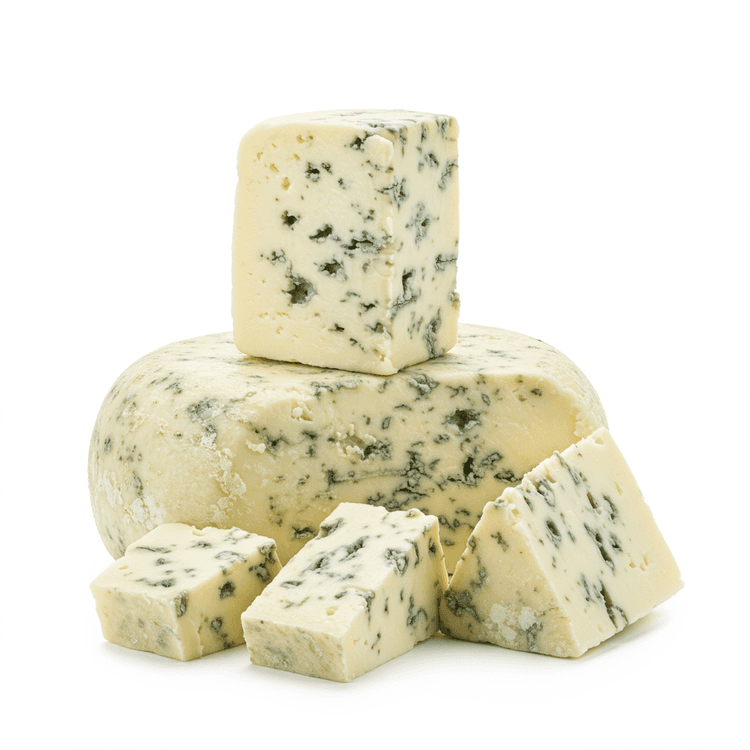
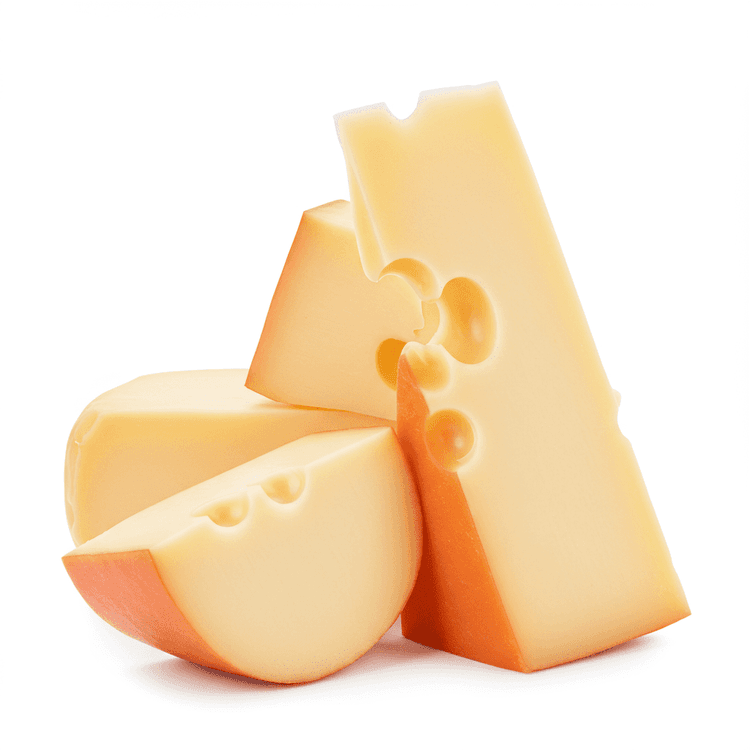
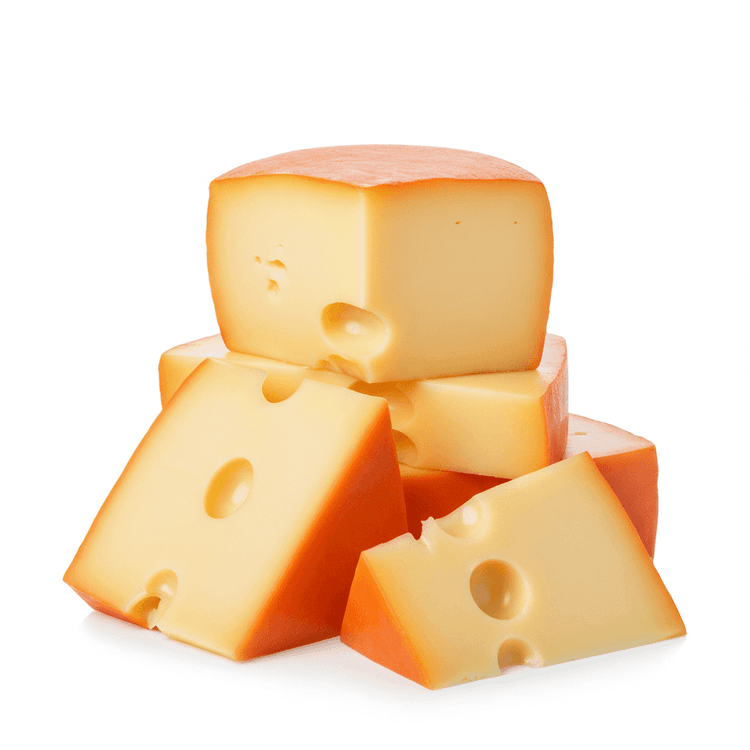
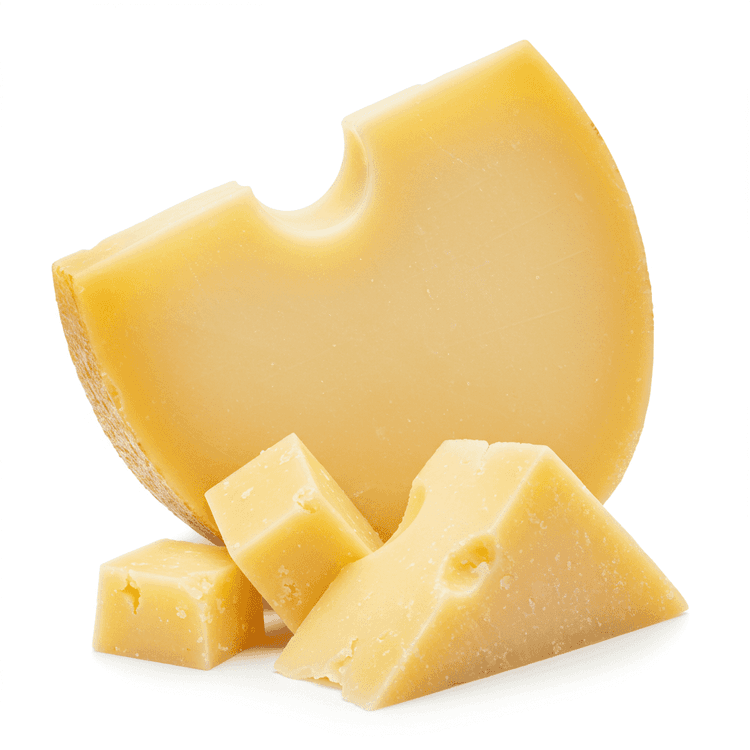
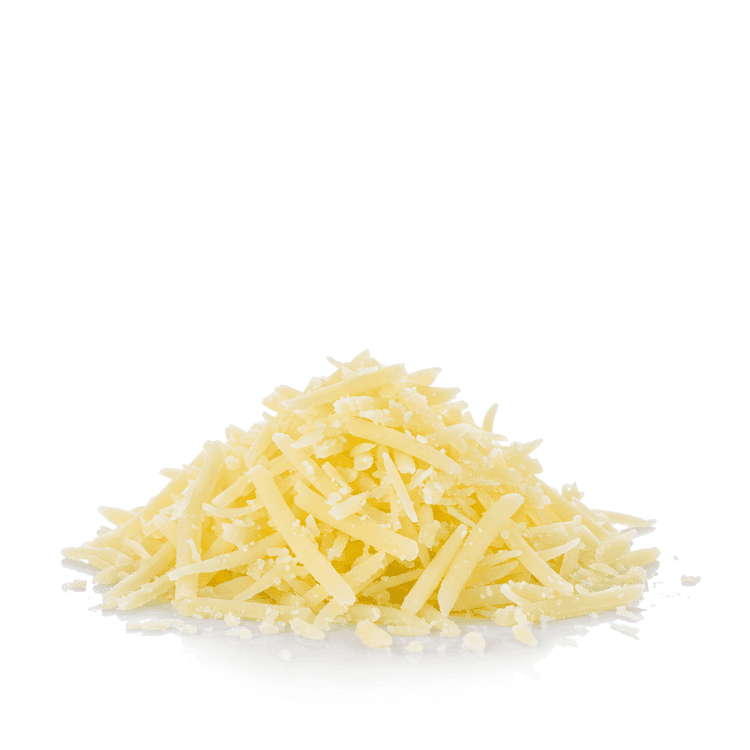
Cheese, a beloved dairy product enjoyed worldwide, offers a diverse range of flavors, textures, and nutritional benefits. From the sharp tang of cheddar to the creamy smoothness of brie, cheese provides more than just culinary delight; it's a surprisingly versatile source of essential nutrients that can contribute to a balanced diet.
One of the primary benefits of cheese is its high calcium content. Calcium is crucial for maintaining strong bones and teeth, nerve function, and muscle contractions. Many cheeses, especially hard varieties like Parmesan and cheddar, are excellent sources of this vital mineral. Beyond calcium, cheese delivers a substantial dose of protein, essential for building and repairing tissues, supporting immune function, and promoting satiety. Protein-rich cheeses can be a valuable addition to meals, helping to keep you feeling full and energized throughout the day. Furthermore, cheese often contains phosphorus, which works alongside calcium to strengthen bones, and vitamin B12, important for nerve function and red blood cell formation. Certain cheeses, particularly those made from grass-fed cows, can also provide vitamin K2, which plays a role in bone health and cardiovascular function. Some cheeses even boast probiotics, beneficial bacteria that support gut health and aid digestion, although the presence and type of probiotics vary depending on the cheese-making process.
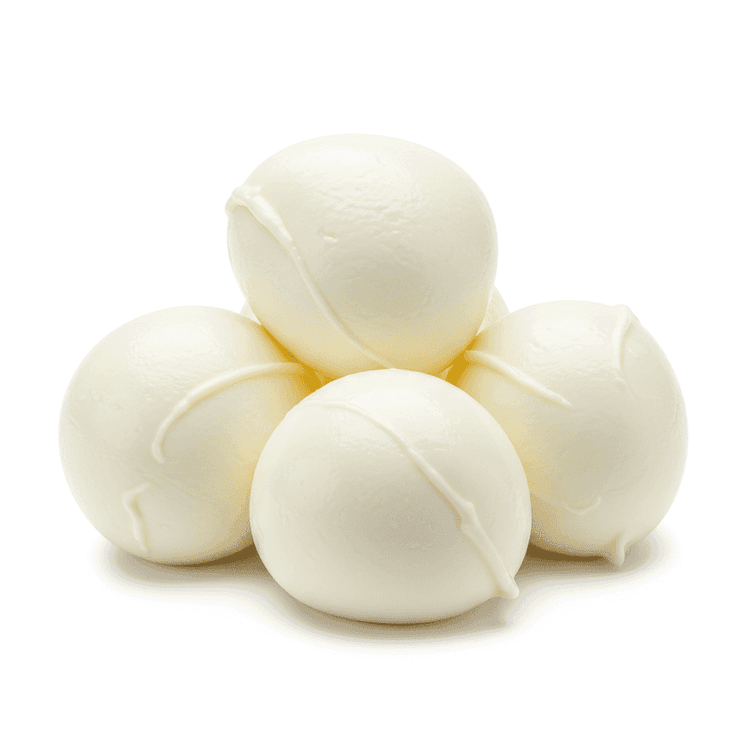
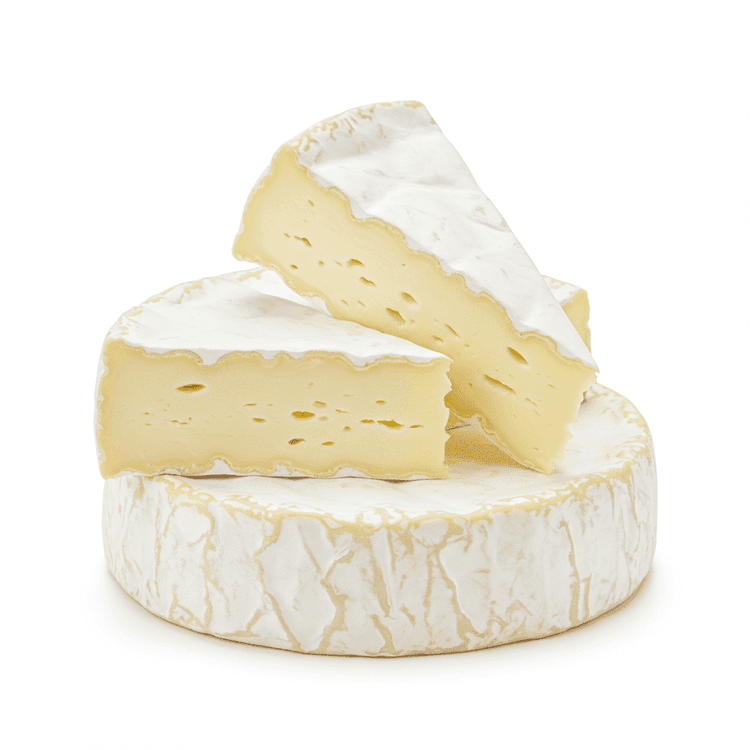
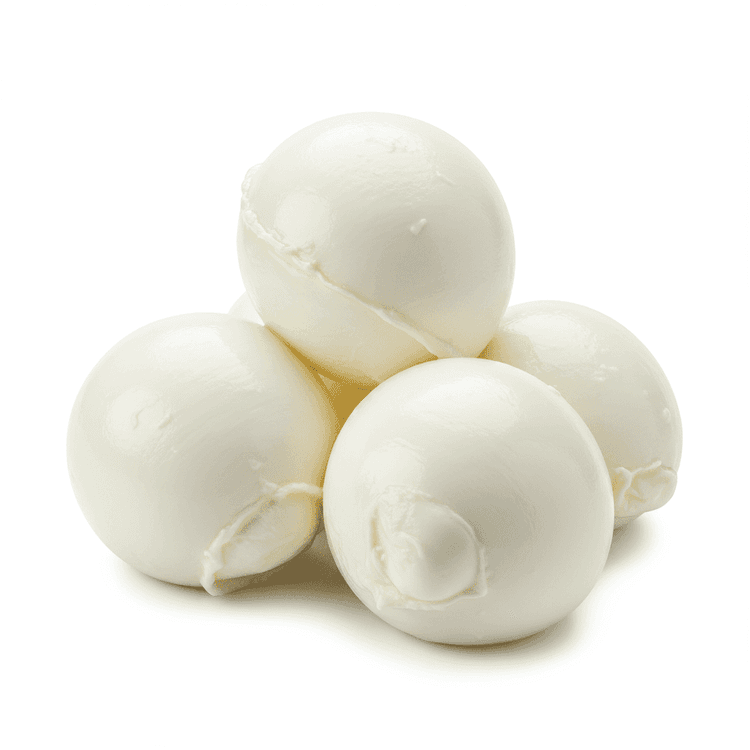
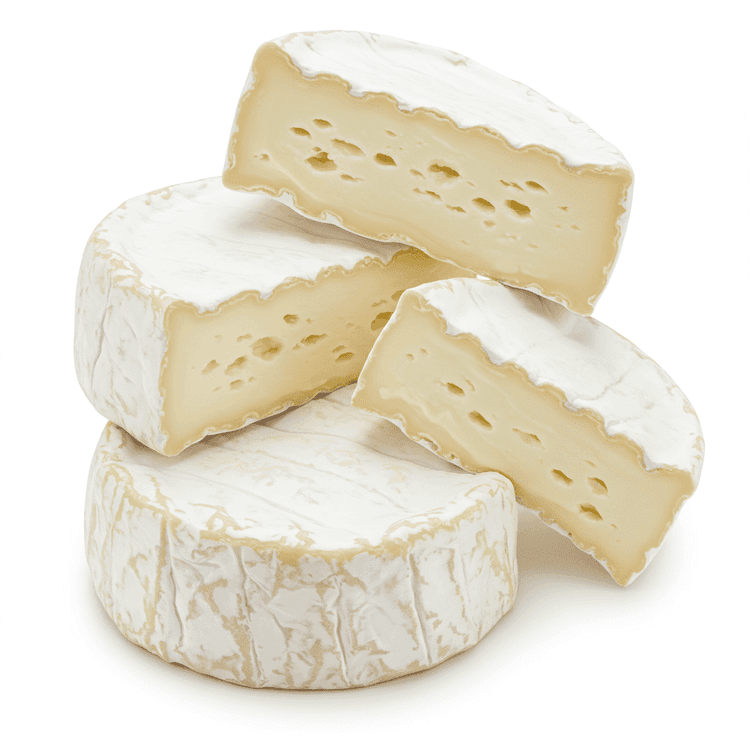
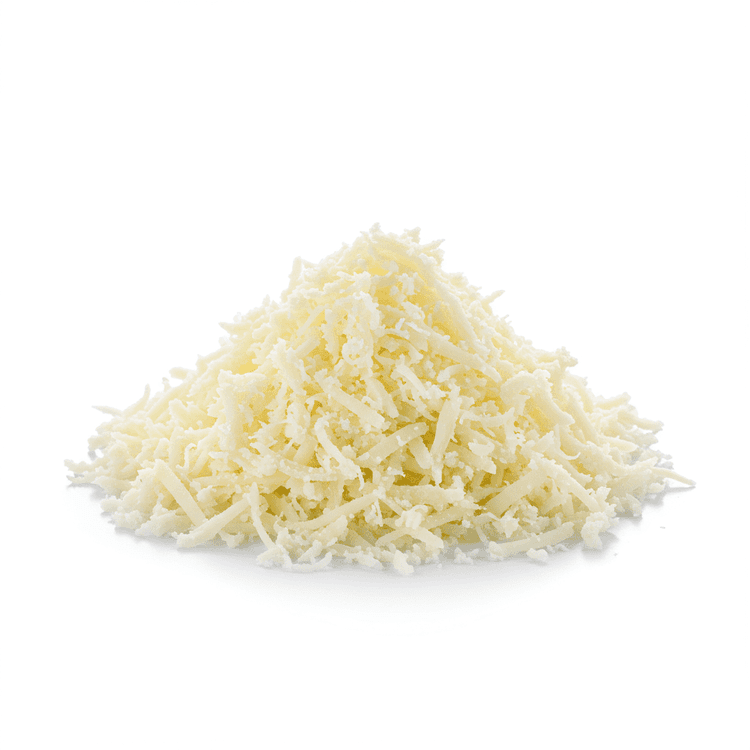
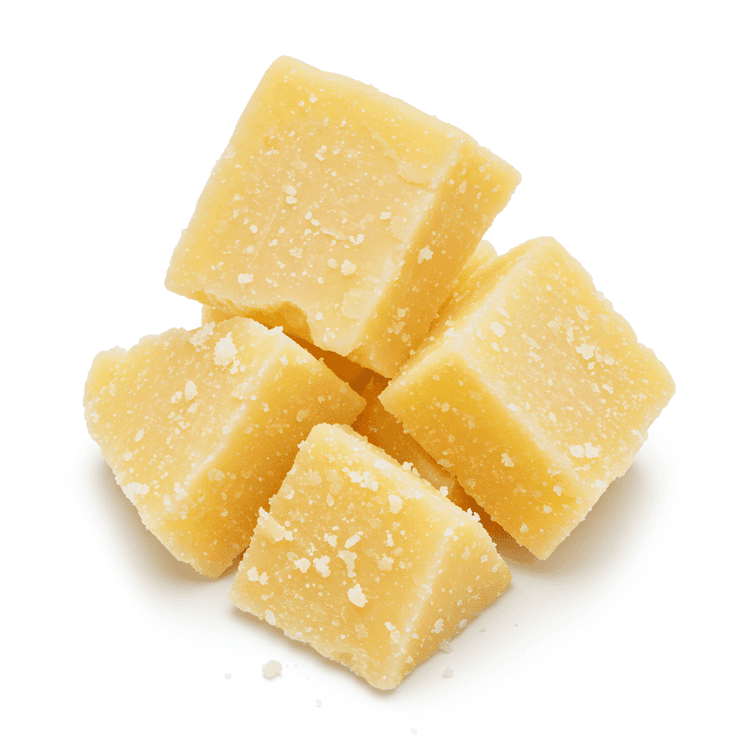
Culinary uses of cheese are vast and varied. It can be enjoyed as a simple snack, melted into sauces and dips, grated over pasta dishes, incorporated into baked goods, or featured prominently in gourmet cheese boards. Popular dishes that showcase cheese include pizza, macaroni and cheese, grilled cheese sandwiches, quiches, and soufflés. Different cheeses lend themselves to different cooking methods. For example, mozzarella melts beautifully on pizzas and casseroles, while feta crumbles perfectly over salads and Mediterranean dishes. Hard cheeses like Parmesan and Pecorino Romano are ideal for grating over pasta, adding a salty, umami flavor. Brie and Camembert are often baked or enjoyed at room temperature, allowing their creamy textures and complex flavors to shine.
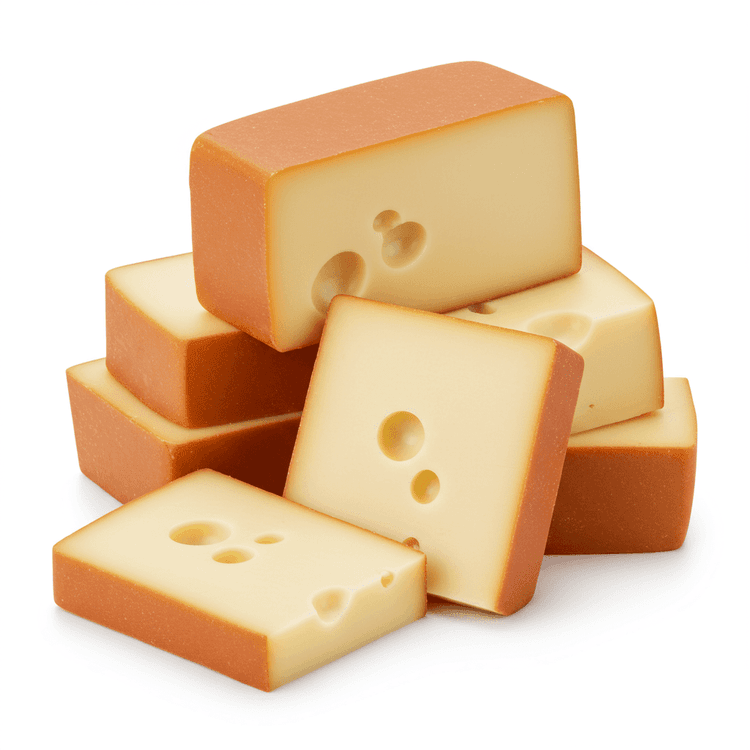
While cheese is often associated with higher fat content, it's important to understand that fat is not inherently unhealthy. The fat in cheese can contribute to satiety and enhance the flavor of dishes. Choosing lower-fat varieties like part-skim mozzarella or ricotta can help manage overall fat intake. When consumed in moderation as part of a balanced diet, cheese can be a valuable source of essential nutrients and contribute to overall wellness. Its calcium and protein content make it particularly beneficial for maintaining bone health and supporting muscle growth. Whether you're savoring a slice of aged cheddar or melting Gruyère into a decadent fondue, cheese offers a satisfying and nutritious addition to any meal. Remember to consider portion sizes and choose a variety of cheeses to reap the full spectrum of flavors and health benefits it has to offer. Its versatility and nutritional profile make it a cornerstone ingredient in countless cuisines and a worthwhile inclusion in a well-rounded, healthy eating plan. The key is mindful consumption and balancing cheese intake with other nutrient-rich foods. ||
Cheese are an essential part of a healthy diet, providing a wide range of nutrients and health benefits. Explore our collection of cheese ingredients.