
Top 20 Puff Pastry Recipes: Savory Tarts, Pies, Sweet Pastries and More
Updated June 29, 2026 · Curated by Chefadora
Puff pastry recipes are the home baker's shortcut to looking like a pro: hundreds of paper-thin layers of dough and butter that puff into a tall, shattering, golden crust in the oven, with almost none of the work that pastry usually demands. Buy a good sheet from the freezer and you are minutes away from sausage rolls, a glossy tart, a deep-dish pot pie or a tray of palmiers. The recipes below were chosen to show the full range rather than ten versions of the same thing.
What makes puff pastry behave is one simple idea: cold butter, trapped in thin sheets between layers of dough, turns to steam in a hot oven and pushes those layers apart before it melts away. That steam-leavening is the whole magic, and it is also the trap. Let the butter soften and the layers fuse into a flat, greasy, bready slab. Almost every guide and tip here circles back to the same instruction: keep the pastry cold, and bake it hot.
You will find four clusters: savory appetizers and tarts, hearty mains and pies, sweet pastries and desserts, and fast breakfast and quick bites. The moves are shared across all of them — roll cold, fill cool, seal well, egg-wash, score and bake on a screaming-hot tray — so once you have nailed one bake, the rest are variations on the same handful of habits.
Treat this as a working reference. Each recipe links to full ingredients and steps on Chefadora, and the guides below cover the decisions that actually decide whether your pastry rises tall and flaky or slumps flat: how to thaw and handle it, how to keep everything cold, how to seal and glaze for a clean rise, and how to fix the most common bakes that go wrong.
Savory Appetizers & Tarts
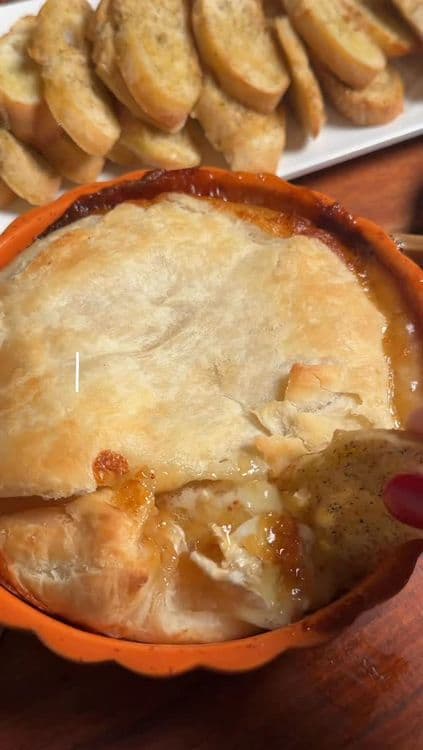
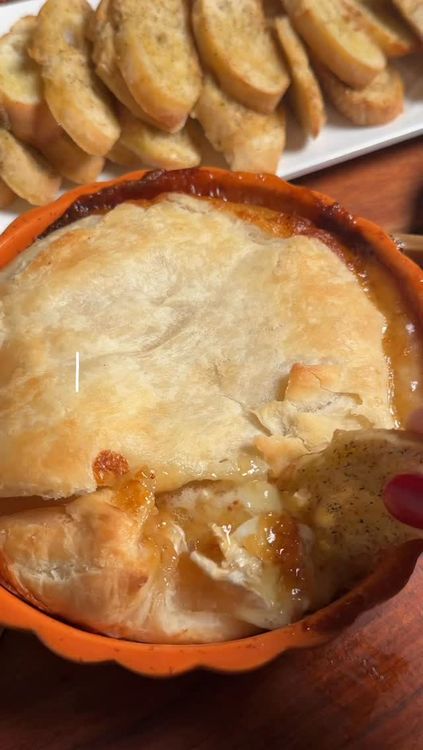
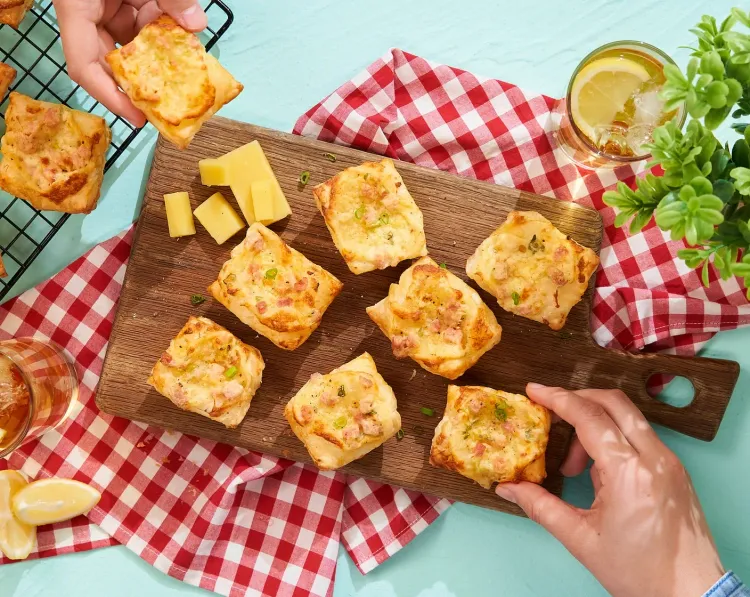
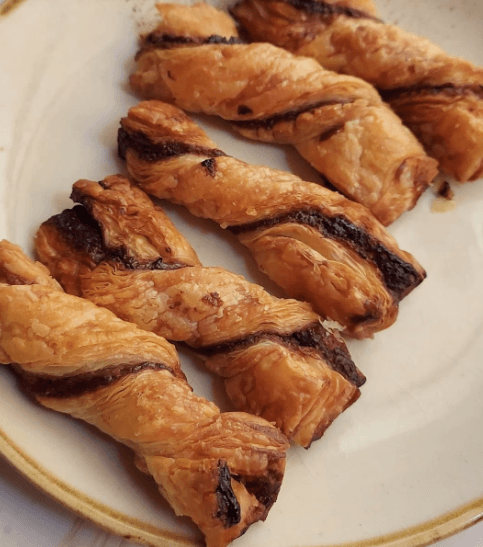
Savory bakes are where puff pastry earns its reputation as the easiest way to look impressive, because a single cold sheet turns into cheese twists, vol-au-vents, galettes and glossy tomato tarts with barely any effort. The whole game here is keeping the pastry properly cold so it rises tall and crisp rather than slumping into something greasy, so roll it quickly, handle it as little as you can, and chill the shaped pieces again before they bake. For open tarts, score a shallow border about a centimetre from the edge and prick the centre with a fork so the frame puffs up while the middle stays low to cradle the topping. The most common mistake is piling on a wet topping straight away, which soaks into the base; salt and drain juicy vegetables like tomatoes and mushrooms first, or scatter a thin layer of grated cheese or breadcrumbs underneath to protect the pastry. Brush the edges with egg wash for a deep golden shine, bake on a hot tray at 200C or above, and serve while the layers are still crisp and shattering. Standouts here include Cheesy Pizza Puff Pastry Twists and Fig Jam Baked Brie in Puff Pastry, plus Ham and Cheese Puff Pastry Bites.

- French
- Vegetarian
- Appetiser
- American
- Non-Vegetarian
- Appetiser
Mains & Pies
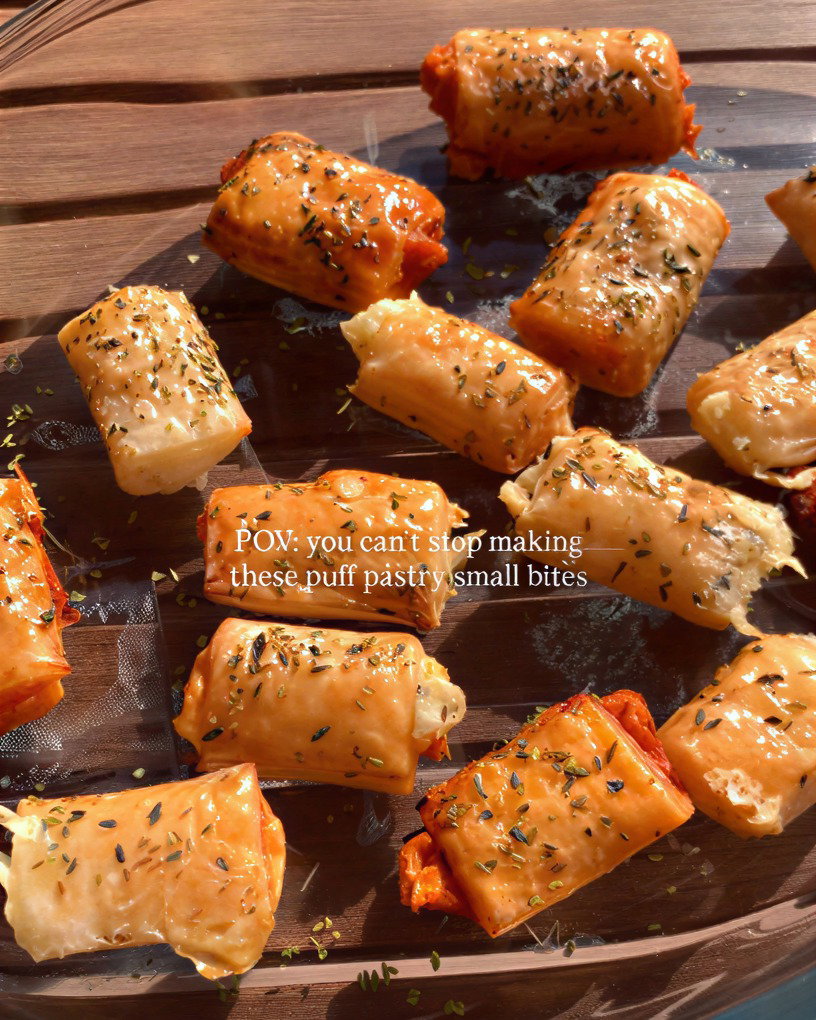
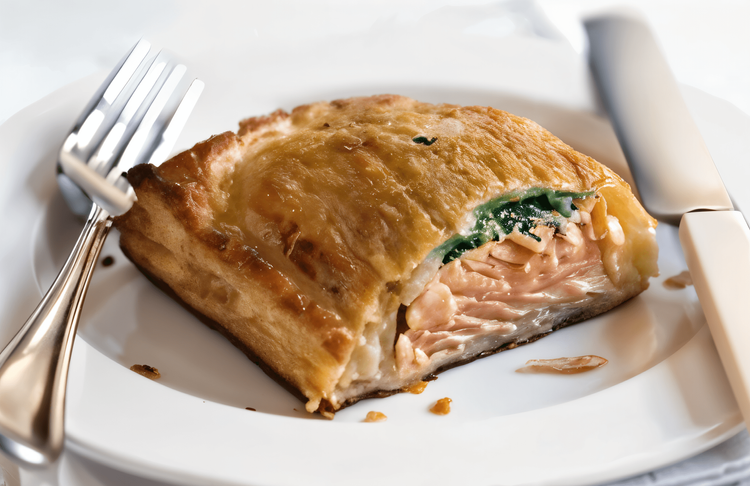
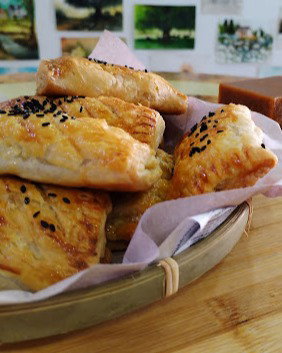
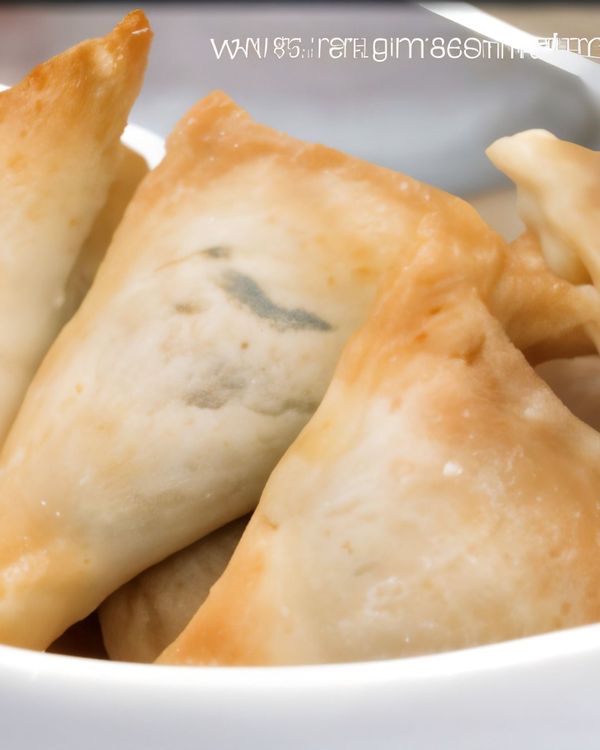
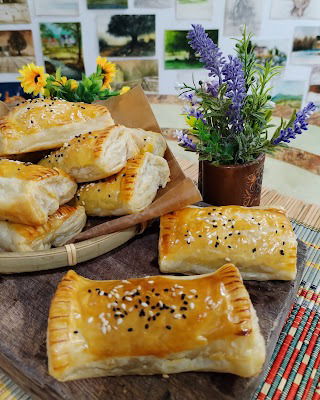
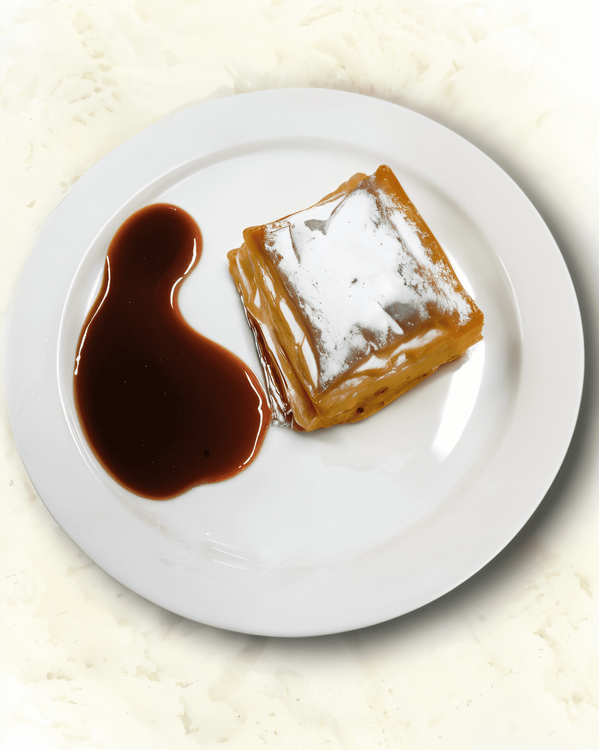
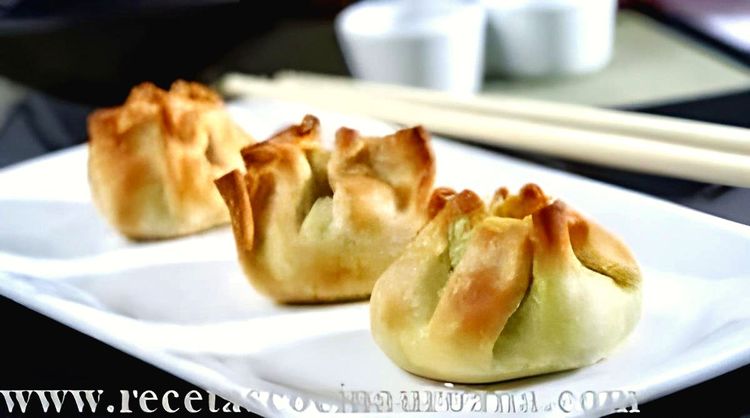
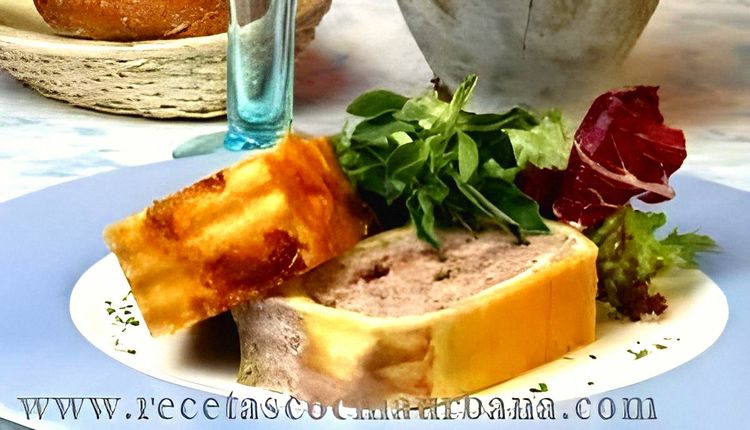
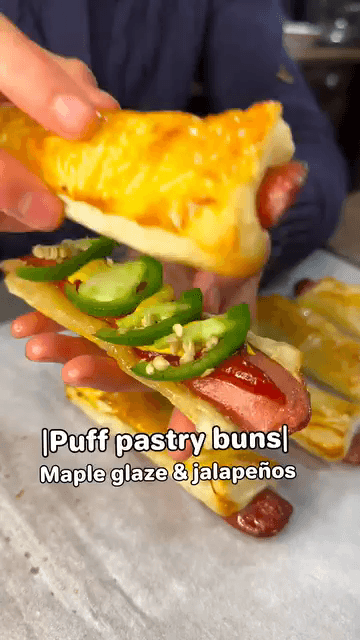
When puff pastry becomes the centre of the meal, you get some of the most comforting cooking around: beef Wellington, chicken pot pie, flaky pasties and hand pies with a rich, saucy filling under a golden lid. The make-or-break step is the filling, because warm, runny mixtures are what give you the dreaded soggy bottom. Cook your filling first, reduce it until it is thick enough to hold a spoon, and let it cool completely before it ever touches the dough so the residual steam lifts the layers instead of melting the butter into the base. Seal the lid firmly to the dish or to the bottom layer with a brush of egg or water, crimp the edges, and cut a couple of steam vents in the top so the pastry does not balloon or split. Egg-wash for colour and bake hot on a preheated tray or stone so the underside sets fast. Wellington wants the meat seared and cooled and the pastry kept genuinely cold; pot pies want a thick gravy and a vented lid. Get the filling and the cold pastry right and these become showpiece dinners. Standouts here include Homemade Puff Pastry Bites and Puff Pastry-Wrapped Salmon, plus Puff Pastry Nian Gao .

- Gluten-Free
- Snack
- European
- Pescatarian
- Lunch
- Eggetarian
- Snack
- French
- Vegan
- Snack
- International
- Vegetarian
- Lunch
- Mexican
- Non-Vegetarian
- Appetiser
- Chinese
- Non-Vegetarian
- Appetiser
- French
- Vegetarian
- Snack
- International
- Eggetarian
- Appetiser
- French
- Non-Vegetarian
- Lunch
- European
- Gluten-Free
- Lunch
- International
- Eggetarian
- Dessert

- American
- Non-Vegetarian
- Snack

- Italian
- Vegan
- Dessert
- French
- Vegan
- Snack

- European
- Vegetarian
- Dessert
- European
- Eggetarian
- Snack
Thawing, Rolling and Handling the Sheet
Frozen puff pastry needs to thaw before you can work it, but only just. Move it from the freezer to the fridge for a few hours, or leave it on the counter for 20 to 40 minutes until it unfolds without cracking yet still feels cool and firm. The window is narrow: too frozen and it snaps along the folds, too warm and the butter starts to weep and the layers smear. If it softens before you are ready, slide it back into the fridge and let it firm up again.
Work on a lightly floured surface and roll with even pressure from the centre outward, turning the sheet a quarter-turn between passes so it stays square and an even thickness. Do not flip it, and do not roll back and forth aggressively — you want to extend the layers, not crush them together. If the dough starts to resist or shrink back, it is warming up and the gluten is tightening; rest it cold for ten minutes and it will roll out easily again.
Cut with a sharp knife, pizza wheel or cutter in a single clean stroke, pressing straight down rather than dragging. A blunt edge or a sawing motion seals the cut layers shut so they cannot rise, which is why hand-cut shapes sometimes puff unevenly. Flour your cutter between presses. Once everything is shaped, chill the assembled pieces again before they go in the oven — cold pastry into a hot oven is the single biggest lever you have on a tall, flaky result.
Keeping the Pastry Cold (The One Rule)
Everything good about puff pastry comes from solid butter hitting a hot oven, so the entire game is keeping that butter cold until the moment it bakes. Work quickly, handle the dough as little as possible, and let the warmth of your hands be the enemy you plan around. On a hot day, chill your work surface, your rolling pin and even your filling, and stop to refrigerate the pastry the instant it feels soft or starts to look shiny and greasy at the edges.
Build a chill step into the recipe itself, not just the start. After you have rolled, filled and shaped, slide the whole tray into the fridge or freezer for 15 to 30 minutes before baking so the butter re-firms and the pastry relaxes. This rest does two jobs at once: it sets the structure so the layers hold their shape and rise straight up instead of slumping, and it relaxes the gluten so the pastry shrinks less in the oven. Skipping it is the most common reason shapes distort and pull in.
The oven side of the rule matters just as much. Preheat fully and bake hot — usually 200C/400F or above — and slide the cold pastry onto a tray that has been heating with the oven, or at least is at room temperature, never a cold one. The blast of high heat flashes the butter's water to steam fast enough to inflate the layers before the fat melts and runs out. A cool oven just melts the butter quietly, and you get a flat, oily, disappointing bake.
Sealing, Egg Wash and Scoring
Anywhere two pieces of pastry meet — the lid of a pie, the seam of a sausage roll, the join of a turnover — they need a proper seal or the filling leaks and the steam escapes before it can lift the layers. Brush the meeting edge lightly with water or beaten egg, press firmly to bond, then crimp with a fork or your fingers. Keep egg wash off the very cut edges of the layers, though: glue them down with glaze and they fuse shut and cannot puff, which is why brushed-over edges sometimes rise less than bare ones.
An egg wash is what gives puff pastry its deep, glossy, golden-brown shine. Whisk a whole egg (or a yolk with a splash of milk or cream for extra colour) and brush a thin, even coat over the top surfaces just before baking. Two thin coats beat one thick one, which can pool and bake to a patchy, scrambled finish. For sweet bakes, a sprinkle of sugar over the wash gives a crackly, caramelised top; for savory, a scatter of seeds, flaky salt or grated cheese.
Scoring does more than decorate. A shallow border scored around a tart, or a few steam vents cut into a pie lid, controls where and how the pastry rises and lets trapped steam escape so the centre does not balloon or split. For a tart, run a knife about a centimetre from the edge, cutting halfway through but not all the way, so the border puffs up into a frame while the centre stays low to hold the topping. Cut decorative lines through the top layer only, never down into the filling.
Fillings, Soggy Bottoms and Troubleshooting
A soggy bottom is the classic puff pastry failure, and it is almost always a wet, warm filling soaking into raw dough. Cool any cooked filling completely before it touches the pastry, and reduce saucy mixtures until they are thick enough to hold a spoon rather than runny. For very wet ingredients — tomatoes, mushrooms, juicy fruit — salt and drain them first, or scatter a thin layer of ground almonds, breadcrumbs or grated cheese under the filling to soak up the moisture and protect the base.
Bake puff pastry on the lower-middle shelf on a preheated baking tray or, better, a pizza stone, so heat hits the underside hard from the start and sets the base before the filling can seep in. For tarts and pies that brown on top before the bottom cooks through, a few extra minutes lower in the oven, or a quick blast directly on the oven floor, crisps the base. Resist opening the door in the first 15 minutes — the rush of cool air can deflate pastry that is still rising.
When things go wrong, the cause is usually heat or handling. Pastry that rose unevenly or leaned was warm when it went in, or cut with a blunt edge that sealed one side. A flat, greasy bake means the butter melted before it could steam — too-warm dough or too-cool an oven. Shapes that shrank were not rested enough after shaping. Almost every fix comes back to the same two habits: keep it properly cold until it bakes, and give it a genuinely hot oven to bake in.
Pro Tips from the Test Kitchen
- Thaw frozen pastry only until it unfolds without cracking yet still feels cool and firm — too warm and the butter weeps.
- Chill assembled, shaped pieces for 15–30 minutes before baking so the butter re-firms and the pastry holds its shape.
- Bake hot, usually 200C/400F or above, so the butter flashes to steam and inflates the layers before it melts away.
- Cut with a sharp knife or cutter in one clean downward press; a blunt, sawing edge seals the layers shut so they cannot rise.
- Keep egg wash off the cut edges of the layers — glaze glues them together and stops them puffing.
- Cool any cooked filling completely before it touches the pastry, or the warm moisture gives you a soggy bottom.
- Brush a thin, even egg wash (egg plus a splash of milk) for a glossy golden top; two thin coats beat one thick one.
- Score a border about a centimetre in on tarts so the edge puffs into a frame while the centre stays low for the topping.
- Bake on a preheated tray or stone so heat sets the base before the filling can seep in.
- On a hot day, chill your rolling pin, surface and filling, and stop to refrigerate the dough the moment it looks shiny or greasy.
Frequently Asked Questions
How do you keep puff pastry from getting soggy on the bottom?
Two things: keep the filling cool and thick, and bake on a hot surface. Cool any cooked filling completely and reduce saucy mixtures so they hold their shape. Scatter a thin layer of ground almonds, breadcrumbs or grated cheese under wet fillings to soak up moisture. Then bake on a preheated baking tray or pizza stone on the lower-middle shelf so the underside sets fast before liquid can seep in.
Why did my puff pastry not rise?
Almost always because the butter got too warm before baking, or the oven was not hot enough. Puff pastry rises when cold butter flashes to steam and pushes the layers apart, so warm, soft dough just melts flat and greasy. Keep the pastry cold right up to the oven, chill shaped pieces for 15–30 minutes first, and bake in a fully preheated hot oven around 200C/400F. A blunt knife sealing the cut edges can also stop it puffing.
How long does it take to thaw frozen puff pastry?
In the fridge, allow a few hours; on the counter, usually 20 to 40 minutes depending on the room. You want it just pliable — able to unfold without cracking along the folds, but still cool and firm to the touch. If it gets soft, warm or shiny before you are ready to use it, slide it back into the fridge to re-firm. Working with cool pastry is the key to a tall, flaky bake.
What is the difference between puff pastry and shortcrust?
Puff pastry is a laminated dough — many thin layers of dough and butter folded together — that steams apart into a light, flaky, dramatically risen crust. Shortcrust is a simpler crumbly dough where fat is rubbed into flour, giving a sturdy, biscuity, non-rising base ideal for tart shells and pie bottoms. Use puff for flaky lids, tarts and pastries you want to rise, and shortcrust where you need a firm, contained case.
Do you need to blind bake puff pastry?
Usually not in the same way as shortcrust, because puff is meant to rise. For open tarts, score a border and dock (prick) the centre with a fork so it stays low, or weigh the centre down with parchment and beans for the first few minutes, then remove them to brown. For pies with very wet fillings, a quick part-bake of the base before filling helps prevent a soggy bottom.
What can I make with a sheet of puff pastry?
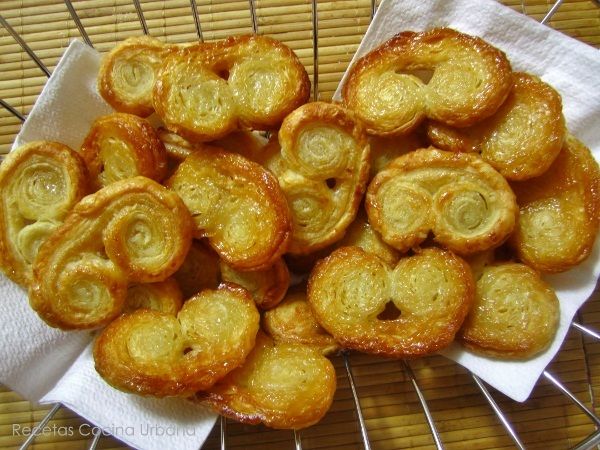
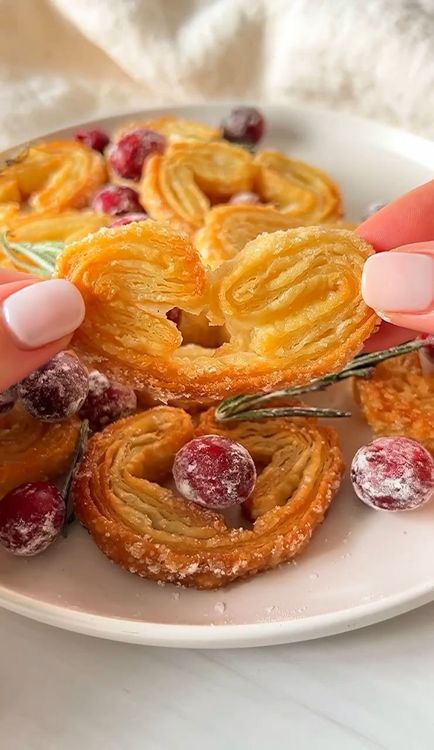
A single sheet goes a remarkably long way: sausage rolls, cheese twists and straws, palmiers, a tomato or caramelised onion tart, fruit turnovers, jam pinwheels, a pot pie lid, vol-au-vents, breakfast egg-and-bacon tarts or quick pizza bites. Savory or sweet, the method is the same — roll cold, fill, seal, egg-wash and bake hot. It is one of the most versatile things to keep in the freezer.
Why is egg wash important on puff pastry?
Egg wash gives puff pastry its deep, glossy, golden-brown shine and helps toppings like seeds, sugar or cheese stick. Brush a thin, even coat of beaten egg (or yolk plus a little milk for extra colour) over the top surfaces just before baking. Keep it off the cut edges of the layers, though — glazing those glues them shut and stops them puffing. Two thin coats give a more even finish than one thick one.
Can you refreeze puff pastry after thawing?
It is best avoided. Refreezing thawed pastry, then thawing it again, softens the butter and degrades the delicate layers, so the bake rises less and can turn greasy. If you have thawed more than you need, it is better to shape and assemble the extra into pieces and freeze those raw — sausage rolls or turnovers freeze well unbaked and go straight from freezer to a hot oven.
How do you get puff pastry to rise evenly and tall?
Roll to an even thickness, cut with a sharp edge in one clean press, and keep egg wash off the layered sides. Chill the shaped pieces well before baking so the butter is firm and the gluten relaxed, then bake in a fully preheated hot oven on a hot tray. Avoid opening the door in the first 15 minutes. Uneven rise usually means warm dough or a blunt cut sealing one side.
What temperature should you bake puff pastry at?
Hot — typically 200C/400F, and often 220C/425F for smaller items like sausage rolls and twists. The high heat is essential: it turns the water in the cold butter to steam quickly enough to inflate the layers before the fat melts and runs out. Always preheat fully, bake on a hot tray, and reach for the upper end of the range when you want maximum lift and a deep golden colour.
The thread through every puff pastry recipe here is the same one rule: keep the butter cold until it bakes, then give it a genuinely hot oven. Master that, plus a clean cut, a good seal, a thin egg wash and a cool filling, and savory tarts, hearty pies, sweet pastries and quick breakfast bites all fall into place from the same humble sheet.
Pick three to bake this week — a tray of sausage rolls, a tomato or onion tart, and something sweet like turnovers or palmiers — and save your favorites to a Chefadora cookbook. Then work through the rest; this page is built to be the puff pastry reference you actually come back to.
Related
- Puff Pastry
- Baking
- Pastry
- Appetizers
- Pies
- Dessert
- Breakfast
- Make Ahead
Popular Searches
- Best puff pastry recipes
- Easy puff pastry recipes
- Quick puff pastry recipes
- Healthy puff pastry recipes
- Simple puff pastry recipes
- Homemade puff pastry recipes
- Delicious puff pastry recipes
- Popular puff pastry recipes
- recipes using puff pastry
- puff pastry recipe
- sausage rolls using puff pastry
Marnirni-apinthi Building, Lot Fourteen,
North Terrace, Adelaide, South Australia, 5000
Australia
