
Top 15 Rib Eye Steak How To Cook Recipes: Pan-Seared, Grilled, Oven and More
Updated June 29, 2026 · Curated by Chefadora
Ribeye is the steak most cooks would pick for a celebration, and for good reason: cut from the well-exercised-but-not-too-much rib section, it carries generous marbling that bastes the meat from within as it cooks. That fat is the whole story. Render it properly and you get a steak that is rich, beefy and juicy with a crust you can hear when you cut it; rush it and that same fat turns chewy and the lean ribbons go grey. The recipes here are built around getting the most out of that marbling, whichever way you cook.
Knowing how to cook a rib eye steak really comes down to two numbers and one habit. The numbers are the temperature of your heat source, which needs to be high enough to brown without steaming, and the internal temperature of the meat, which decides doneness far more reliably than any clock or finger test. The habit is resting: pull the steak a few degrees early, let it sit, and the juices that rushed to the center settle back through the meat instead of pouring out on the board.
You will find four clusters below. Pan-seared and cast-iron covers the weeknight classic, a single hot pan and a butter baste. Grilled and charcoal is for live-fire char and smoke. Oven and reverse-sear handles thick steaks, tomahawks and the rib eye roast, where even cooking matters most. The last group gathers marinades, compound butters, pan sauces and the clever leftover dishes that stretch one good steak across a second meal.
Treat this as a working reference rather than a single recipe. Each dish links to full ingredients and steps on Chefadora, and the guides that follow cover the decisions that actually separate a great steak from a disappointing one: how to choose and prep the cut, how to build a crust, how to nail every level of doneness by temperature, and how to rest, slice and sauce so nothing you did in the pan goes to waste.
Marinades, Butters & Leftover Ribeye
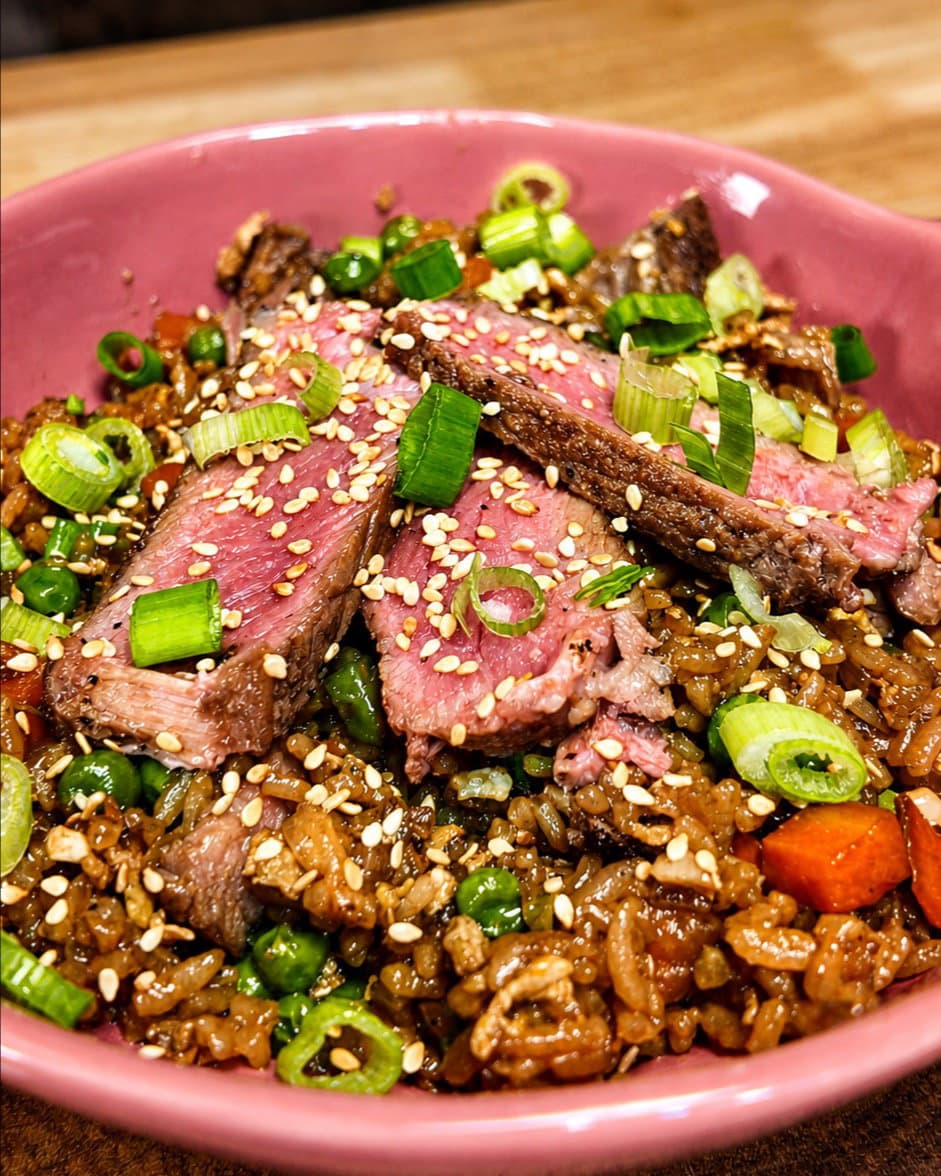
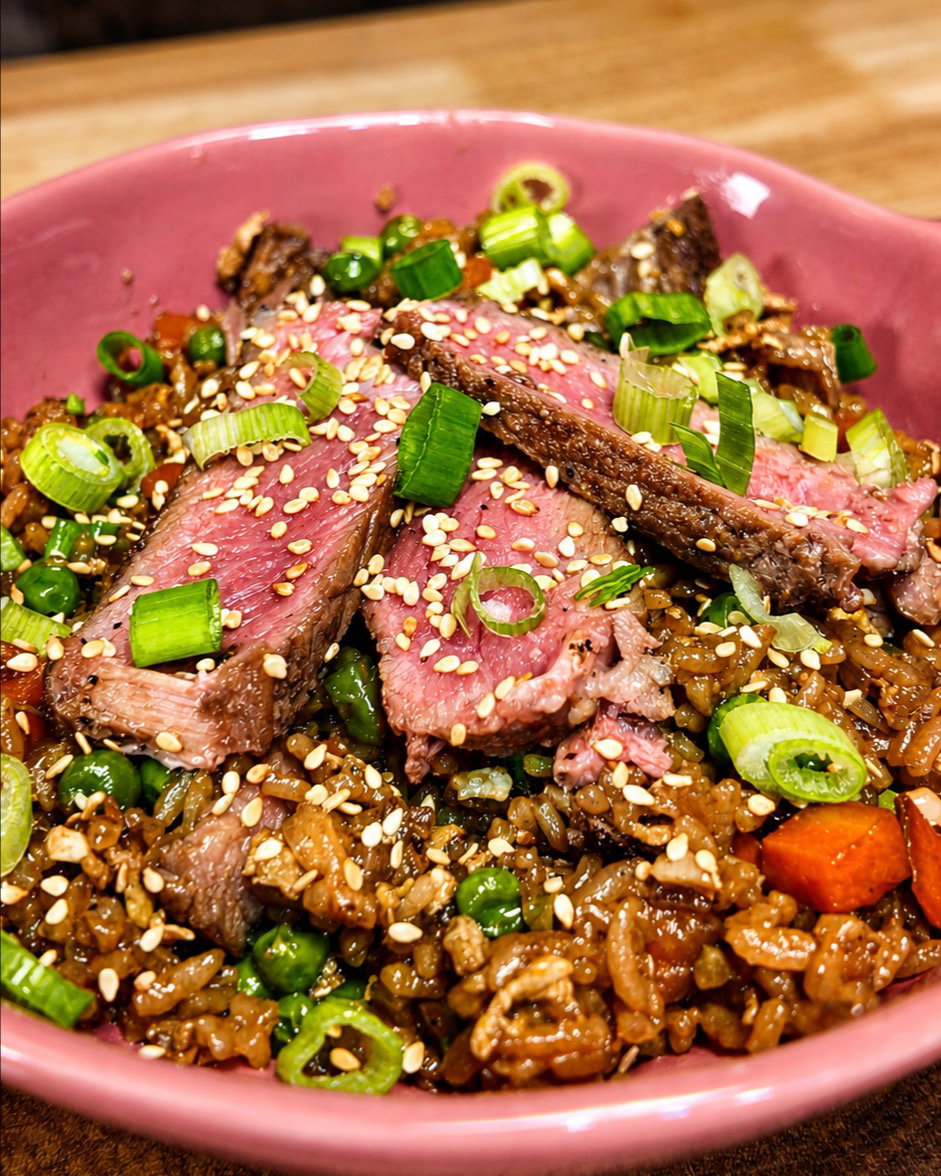
This is the supporting cast that turns a good steak into a memorable plate, and it splits into three jobs: flavor going on, flavor finishing, and nothing going to waste. A great ribeye rarely needs more than salt, but a dry rub or a short, aromatic marinade can give it a new character, just keep acidic marinades brief so they do not mush the surface, and always pat the steak fully dry before searing. The finish is where compound butters shine: mash softened butter with garlic, herbs, blue cheese or a smear of miso, chill it into a log, and lay a coin on the hot steak so it melts into the crust as it rests. Pan sauces do the same work from the drippings, deglazing the browned fond with stock or wine and reducing it with butter into a quick peppercorn or red-wine sauce. The frequent slip is discarding that fond, which is pure concentrated flavor. And when there is steak left over, slice it thin against the grain for sandwiches, salads, tacos or a fast stir-fry, reheating gently so it never overcooks a second time. Standouts here include Garlic Butter Steak and Potatoes and Garlic Butter Ribeye Fried Rice, plus Flavorful Ribeye Steak with Thai Dipping Sauce.

- Nut-Free
- Dinner


- Non-Vegetarian
- Dinner


- Non-Vegetarian
- Lunch


- American
- Non-Vegetarian
- Dinner


- American
- Non-Vegetarian
- Dinner

- American
- Non-Vegetarian
- Lunch
More Ribeye Steak Favourites
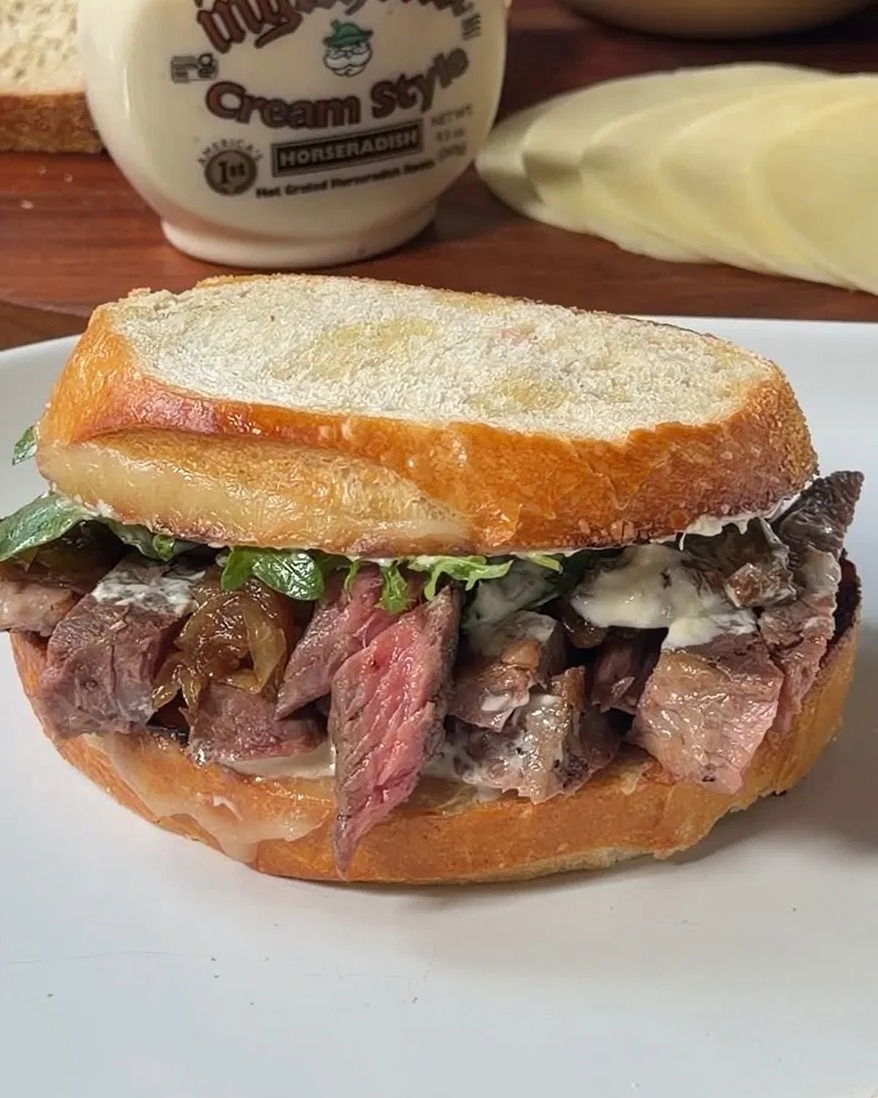
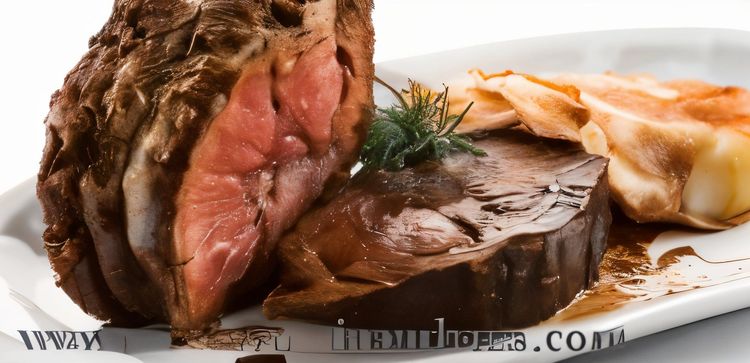
A few ribeye dishes never sit neatly in one category, and these are the ones worth keeping in your back pocket once the core methods feel automatic. They lean on the same dependable moves you already know, a dry surface and real heat for the crust, a thermometer instead of a clock, and a proper rest before slicing, but steer the cut toward different flavors and formats so it never tastes the same twice. Choosing your next one is mostly about matching effort to the evening: reach for a fast pan-seared preparation on a busy night when you want a great steak in fifteen minutes, and save the slow, reverse-seared or roast-style numbers for a weekend when you can let the meat come up gently and rest at leisure. Pay attention to thickness too, since a thinner steak wants a hard, quick sear while a thick one rewards the low-and-slow-then-sear approach. Think of this group as the natural next step after the staples, the recipes that quietly earn a regular spot in the rotation once you have cooked the classics a few times. Standouts here include Steakhouse Melt and Philly Cheesesteak Sliders, plus Ribeye Steak in Red Wine.
- American
- Non-Vegetarian
- Dinner
- French
- Non-Vegetarian
- Lunch
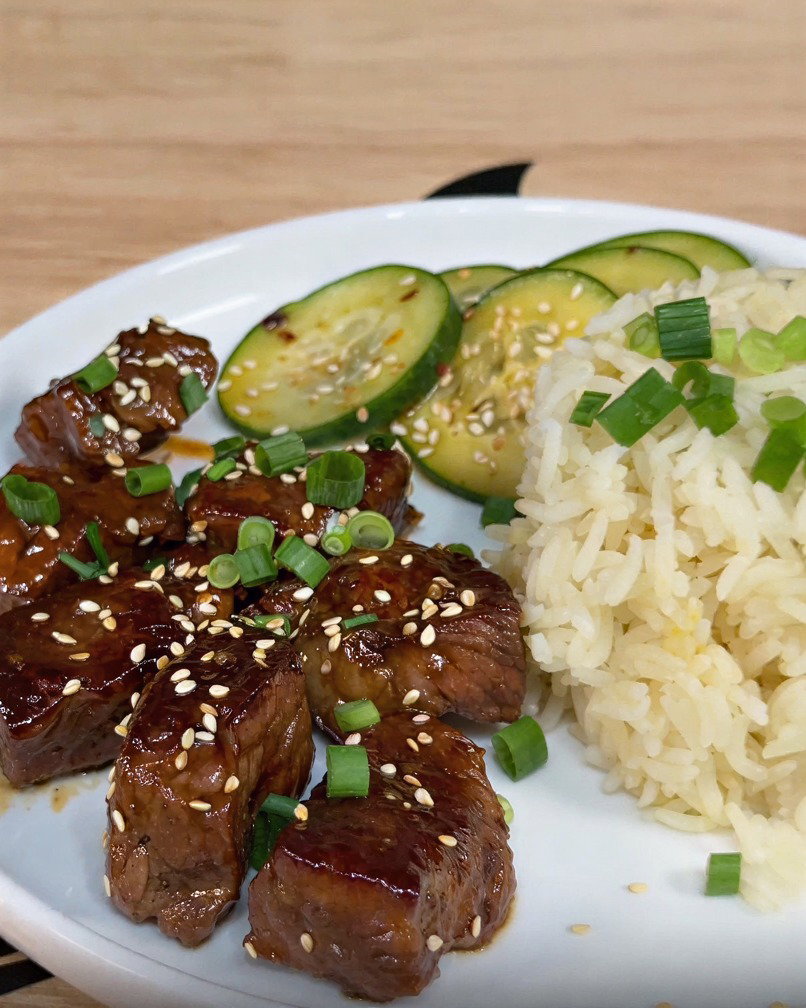
- Non-Vegetarian
- Dinner


- Non-Vegetarian
- Dinner

- Non-Vegetarian
- Dinner
Choosing, Trimming and Seasoning the Cut
Look for a ribeye with fine, even marbling threaded through the muscle rather than a few thick streaks, and a thickness of at least an inch and a half — thin steaks overcook before they brown. Bone-in (the "cowboy" or "tomahawk") cooks a touch slower near the bone and looks dramatic; boneless is easier to sear evenly. Either way, a steak that has been dry-aged or simply left uncovered in the fridge overnight will brown faster because its surface is drier.
Season early or season late, but not in between. Salting right before cooking is fine, and salting forty minutes to twenty-four hours ahead is even better: the salt draws moisture out, dissolves, then gets reabsorbed, seasoning the meat deeper and drying the surface for a better crust. The one window to avoid is salting five to twenty minutes before cooking, when the surface is wet with drawn-out juice and will steam rather than sear. Use coarse salt generously; ribeye can take more than you think.
Take the steak out of the fridge and let it sit thirty to sixty minutes so it loses its chill before it hits the heat. A cold center forces you to cook the outside too long while you wait for the middle to come up, and that overcooks the edges. Just before cooking, blot the surface bone-dry with paper towel. Surface moisture is the single biggest enemy of a crust — it has to boil off before browning can even begin.
Building a Crust: The Sear and the Baste
A crust is the Maillard reaction, and it needs real heat and a dry surface. Whether you use cast iron, a grill or a heavy stainless pan, get it properly hot first — a drop of water should skitter and vanish instantly. Use an oil with a high smoke point (refined or avocado, not butter at this stage), lay the steak down away from you, and then do the hardest thing in steak cookery: leave it alone. Pressing or nudging it interrupts contact and stops the crust forming.
Let the first side build a deep brown before you turn it, usually two to four minutes depending on heat and thickness. Some cooks flip once; others flip every thirty seconds, which actually cooks the inside more evenly and builds color just as well — both work, so pick one and commit. Stand the steak on its fat edge with tongs for a minute too, so that thick strip of fat renders and crisps instead of sitting flabby. Rendered ribeye fat is one of the best parts of the cut.
Finish with a butter baste once both faces are browned. Drop in a knob of butter, a smashed garlic clove and a sprig of thyme or rosemary, tilt the pan, and spoon the foaming brown butter over the steak for the last minute. The butter carries the aromatics into the crust and adds a nutty richness searing alone cannot. Keep the heat moderate at this point so the milk solids brown rather than burn, and pull the steak before it reaches your target — it keeps climbing off the heat.
Doneness by Temperature, Not by Time
A clock cannot tell you when a steak is done; only a thermometer can, because thickness, starting temperature and heat all vary. Probe the center from the side. The standard targets are 120–125°F for rare, 130–135°F for medium-rare, 135–145°F for medium, 145–155°F for medium-well and 155°F and up for well done. For a marbled ribeye, medium-rare to medium is the sweet spot, hot enough to start melting the intramuscular fat without drying the lean.
Pull early to account for carryover. A steak keeps cooking after it leaves the heat — the residual heat in the outer layers drives the center up by roughly 5°F, more for thick cuts and reverse-sears. So if you want a final 130°F medium-rare, take it off around 125°F and let resting finish the job. Chasing the exact number in the pan almost always overshoots, because by the time the reading is "perfect" it will have climbed past it on the board.
Calibrate by feel as a backup, not a primary tool. A rare steak feels soft and yielding like the base of your relaxed thumb; medium-rare springs back a little; well done is firm. But marbling and bone throw the touch test off, so treat it as a sanity check on the thermometer rather than a replacement. Probe in a couple of spots near the center to dodge a pocket of fat, which reads hotter and faster than the surrounding muscle.
Resting, Slicing and the Pan Sauce
Resting is non-negotiable. When meat cooks, its juices are driven toward the cooler center; cut into it straight off the heat and they flood the board, leaving the steak dry. Let a ribeye rest five to ten minutes (longer for a thick steak or roast), loosely tented with foil so it stays warm without steaming the crust soft. During the rest the muscle fibers relax and reabsorb that liquid, so when you finally cut, the juice stays in the meat where you want it.
Slice against the grain to keep each bite tender. Find the direction the muscle fibers run and cut across them, which shortens the fibers so they chew easily rather than turning stringy. For a thick ribeye this also lets you serve neat, even slices that show off the rosy interior. A bone-in steak is easy here: run your knife along the bone to free the eye, then slice the boneless portion across the grain.
Do not waste the fond. Those browned bits stuck to the pan are pure flavor — deglaze with a splash of stock, wine or even water, scrape them loose, and reduce with a knob of butter for a quick pan sauce, or build a classic peppercorn or red-wine reduction. Spoon it over the sliced steak, or top instead with a slice of compound butter that melts into the crust. Either way, finish the steak with the flavor you spent the cook building.
Pro Tips from the Test Kitchen
- Salt a thick ribeye at least 40 minutes ahead (or right before) — never in the 5–20 minute window, when the surface is wettest and steams instead of searing.
- Pat the steak bone-dry just before it hits the pan; surface moisture has to boil off before any crust can form.
- Let the steak sit out 30–60 minutes to lose its fridge chill so the edges do not overcook waiting for the center.
- Cook to internal temperature, not time: aim 125°F for medium-rare, 135°F for medium, and probe from the side.
- Pull the steak about 5°F below your target — carryover heat finishes it during the rest.
- Get the pan or grill properly hot first; a water drop should skitter and vanish instantly.
- Stand the steak on its fat edge with tongs for a minute so the thick fat strip renders instead of staying flabby.
- Baste with foaming butter, garlic and thyme for the last minute to drive aroma and richness into the crust.
- Rest 5–10 minutes loosely tented before cutting so the juices settle back into the meat.
- Slice against the grain and never throw away the fond — deglaze it into a fast pan sauce.
Frequently Asked Questions
How do you cook a rib eye steak so it stays juicy?
Start dry and hot: pat the steak dry, salt it ahead, and sear in a screaming-hot pan or grill so the surface browns instead of steaming. Cook to internal temperature rather than time — around 125°F for medium-rare — and pull it about 5°F early to allow for carryover. Then rest it five to ten minutes before slicing. The rest is what keeps it juicy, letting the juices settle back into the meat instead of spilling on the board.
What temperature is medium-rare for ribeye?
A final internal temperature of about 130–135°F gives you medium-rare, a warm rosy-pink center that is the sweet spot for a marbled ribeye. Because the steak keeps cooking after you pull it, take it off the heat around 125°F and let carryover bring it the rest of the way during resting. Use an instant-read thermometer probed into the center from the side rather than guessing, since thickness and heat make timing unreliable.
Should I cook ribeye in a pan or on the grill?
Both are excellent — it depends on what you want. A cast-iron pan gives the deepest, most even crust and lets you finish with a butter baste, which is ideal indoors and for thinner steaks. A grill adds smoky char and renders the fat over live fire, which suits thicker, bone-in cuts. For a really thick steak or a roast, the most reliable route is the reverse sear: low oven first, then a hard sear at the end.
How long do you rest a ribeye steak?
Five to ten minutes for a standard steak, and up to fifteen or twenty for a thick tomahawk or a rib eye roast. Tent it loosely with foil so it stays warm without steaming the crust soft. Resting lets the muscle fibers relax and reabsorb the juices that were driven to the center during cooking, so cutting in releases far less liquid. Skipping the rest is the most common reason a well-cooked steak still ends up dry.
When should you salt a ribeye?
Either right before it goes in the pan, or 40 minutes to 24 hours ahead — but avoid the window in between. Salting well in advance draws moisture out, which then dissolves the salt and gets reabsorbed, seasoning the meat deeper and drying the surface for a better crust. Salting 5 to 20 minutes before cooking is the worst timing, because the surface is wet with drawn-out juice and will steam rather than sear.
What is the reverse sear method and when should I use it?
Reverse searing means cooking the steak gently in a low oven (around 250°F) until it is just below your target temperature, then searing it hard in a hot pan or on the grill for a minute a side. It gives edge-to-edge even doneness with no thick grey band, and a great crust, because the surface is dry and warm before the sear. Use it for thick steaks, tomahawks and roasts, where a straight sear would overcook the outside.
Do you cook ribeye in butter or oil?
Sear in oil, finish in butter. Butter has a low smoke point and its milk solids burn at the high heat needed for a crust, so start with a high-smoke-point oil like refined or avocado. Once both sides are browned, drop the heat slightly and add butter with garlic and thyme to baste for the last minute. That way you get the deep sear from the oil and the nutty richness and aroma from the butter without scorching it.
Should you marinate a ribeye?
A good ribeye does not need a marinade — its marbling already supplies flavor and juiciness, so most cooks just season with salt and pepper. A marinade or dry rub can add a different flavor profile if you want one, but acidic marinades only penetrate the surface and can mush the texture if left too long. If you marinate, keep it short, pat the steak fully dry before searing, and lean on aromatics rather than relying on acid to tenderize.
How do I get a good crust on my steak?
Three things: a dry surface, real heat and patience. Pat the steak bone-dry, get the pan or grill genuinely hot so a water drop vanishes on contact, and once the steak is down, leave it alone — pressing or nudging it breaks contact and stalls the browning. Let the first side build a deep brown before you turn it. Crowding the pan, a wet surface or too little heat are the usual reasons a steak comes out grey instead of crusted.
What can I do with leftover ribeye?
Leftover ribeye is best sliced thin and used where gentle reheating will not overcook it: pile it into a steak sandwich or wrap, fold it through a warm grain bowl or salad, fill tacos or fajitas, or stir it into fried rice or a quick stir-fry at the very end. To reheat a whole piece without drying it, warm it low and slow in a 250°F oven until just heated through, or sear slices briefly in a hot pan. Always slice against the grain.
Every ribeye on this page runs on the same handful of moves: choose a well-marbled cut, dry and season it properly, build a crust over real heat, cook to temperature rather than the clock, and rest before you cut. Get those right and the method — cast-iron, grill, oven or reverse sear — becomes a matter of mood and equipment, not a different skill to relearn each time.
Pick a couple to cook this week — a quick pan-seared steak with a butter baste, then a reverse-seared one for a special dinner — and save your favorites to a Chefadora cookbook. Come back for the marinades, compound butters and pan sauces; this page is built to be the ribeye reference you actually return to.
Related
- Ribeye
- Steak
- Beef
- Cast Iron
- Grilling
- Dinner
- High Protein
- Date Night
Popular Searches
- Best rib eye steak how to cook
- Easy rib eye steak how to cook
- Quick rib eye steak how to cook
- Healthy rib eye steak how to cook
- Simple rib eye steak how to cook
- Homemade rib eye steak how to cook
- Delicious rib eye steak how to cook
- Popular rib eye steak how to cook
- beef rib eye steaks
- rib eye steaks recipe
- beef rib eye roast
Marnirni-apinthi Building, Lot Fourteen,
North Terrace, Adelaide, South Australia, 5000
Australia
